
Stone & Soil
Gramercy, New York City
Bar in New York City, United States
 Book with Pearl
Why go
Stone & Soil is worth booking for a quieter, cocktail-led night in Manhattan rather than a rooftop or group-party plan. The Japanese-leaning drinks direction, sustainability angle, and Star Wine List recognition in 2026 make it a stronger date or small-party choice than a generic after-work bar.
About Stone & Soil
Stone & Soil is a New York City venue for Japanese-leaning cocktails with a sustainability and omotenashi angle. It makes sense for someone who wants an evening drinks plan with a more intentional framing.
Use it for an evening plan when cocktails are the point. The details are concise: Japanese-leaning cocktails, sustainability and omotenashi, smart casual dress, evening hours from Tuesday through Saturday, and Star Wine List recognition in 2026. If the priority is food-first dining, use Our full New York City restaurants guide instead; if the night is built around drinks, keep this on the shortlist with Our full New York City bars guide.
Go when the schedule fits your plan
The clearest planning guidance comes from the posted hours. Stone & Soil is closed Monday and Sunday, opens at 5 PM Tuesday through Saturday, closes at 12 AM Tuesday through Thursday, and closes at 1 AM on Friday and Saturday.
If you want an earlier start, choose a Tuesday, Wednesday, or Thursday visit rather than treating it only as a late-night weekend plan. The venue's identity is Japanese-leaning cocktails with sustainability and omotenashi, so the best fit is an evening where that focus matters.
Who should choose it over other options
Choose Stone & Soil when the plan is centered on Japanese-leaning cocktails rather than a broader dinner brief. Dhaba Indian Cuisine, Domo omakase, Seed Library, Penthouse on Park, and Simona Sundeck are separate options to compare if your group is weighing different kinds of nights.
For broader planning, travelers building a full city plan can also use Our full New York City hotels guide. For more dining and bar discovery, stay with the New York City restaurant and bar guides above rather than relying on venue-to-venue comparisons.
Planning details
- Location
- 124 E 28th St, New York, NY 10016
- Reservations
- Book on Resy
- Website
- stoneandsoil.nyc
The take
The Take
The Vibe
Stone & Soil presents a quiet, deliberately curated counterpoint to Midtown South’s more theatrical cocktail rooms. The program marries Japanese-leaning cocktail craft with an omotenashi service philosophy and a sustainability framework, producing a focused, modern bar experience that privileges care and technical precision over flash. It reads like a neighbourhood anchor—calm, intentional and subtly exacting—drawing a crowd of serious drinkers who value hospitality and ingredients. The room feels restrained rather than showy, rewarding attention to detail and a slower rhythm that suits after-work rituals and thoughtful evenings out.
Best For
This is a bar for low-key special evenings and composed after-work drinks. It suits date nights and quiet solo visits as much as regular meetups from nearby tech and media offices; the crowd arrives in measured waves tied to the neighborhood rather than social-media-driven peaks. Stone & Soil is aimed at people who seek crafted cocktails and attentive service rather than spectacle, so it’s a strong choice for intimate conversations, measured tastings and evenings when hospitality and ingredient quality matter most.
Ordering Tips
Lean into the bar’s Japanese-leaning cocktail craft and the staff’s hospitality-first approach: the program emphasizes technical precision and care, so asking bartenders for a guided recommendation plays to the room’s strengths. Expect thoughtful, ingredient-forward serves that reflect a sustainability-minded framework; opt for the bartender’s take or a spirit-forward option if you’re a serious drinker. Because the place functions as a neighbourhood anchor, arrive with an openness to the rhythm of the room rather than expecting theatrical, reservation-driven service.
Venue details
Ambiance
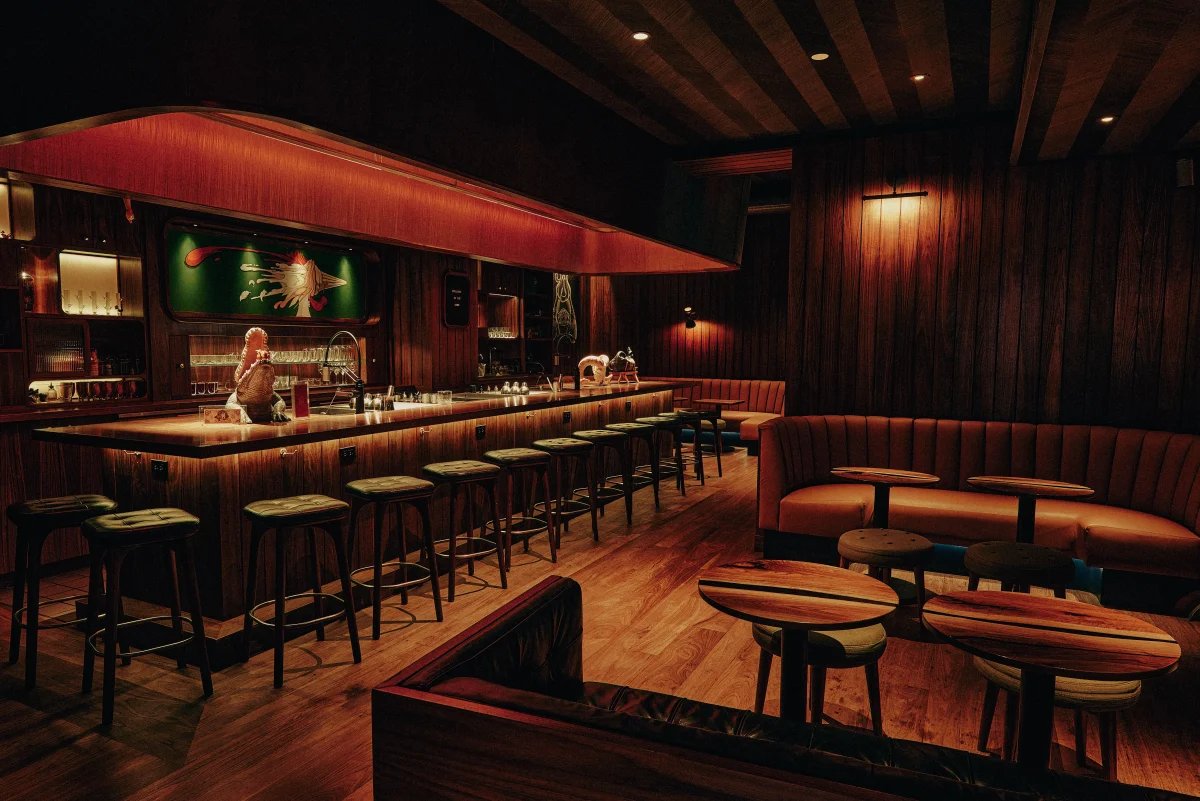
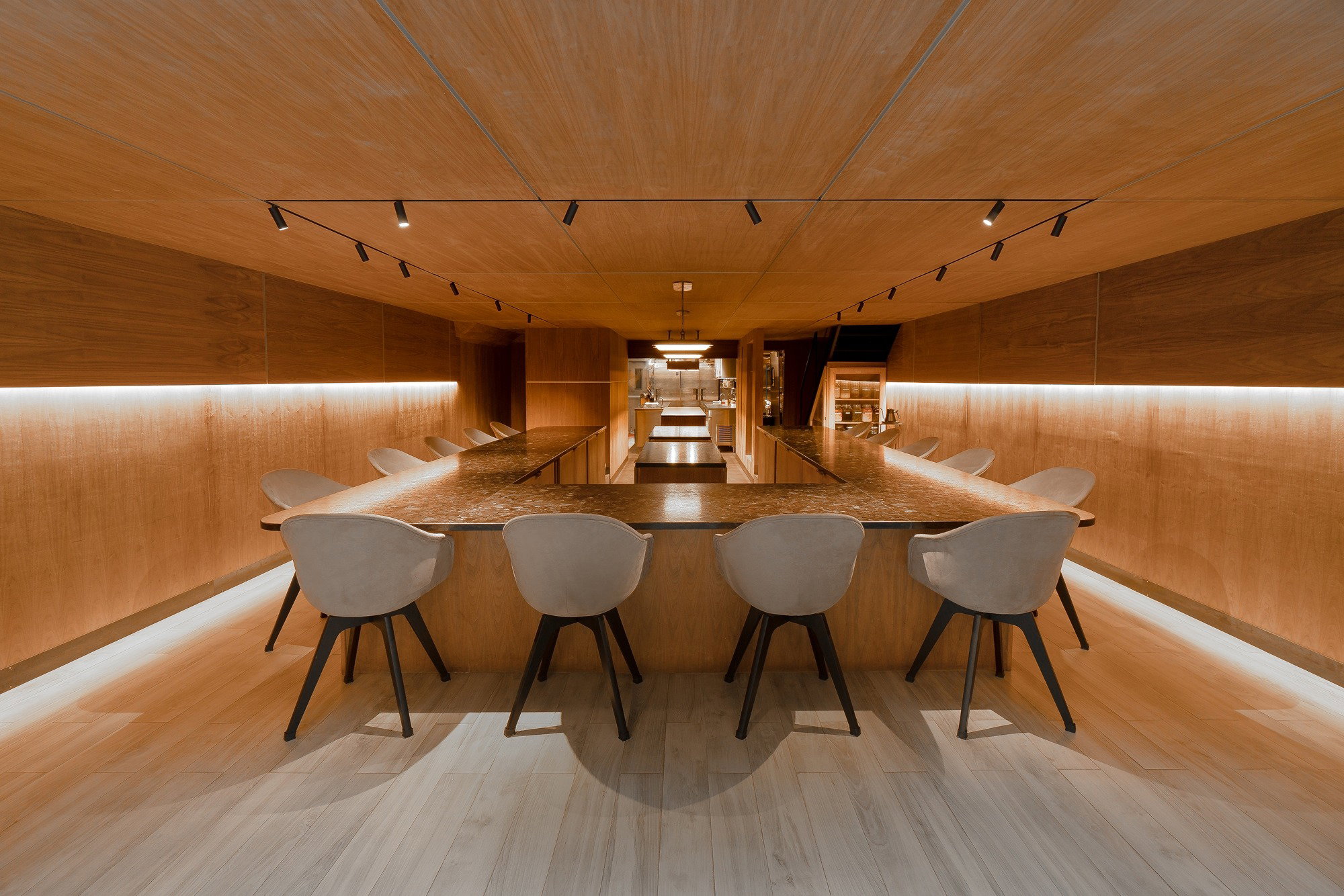
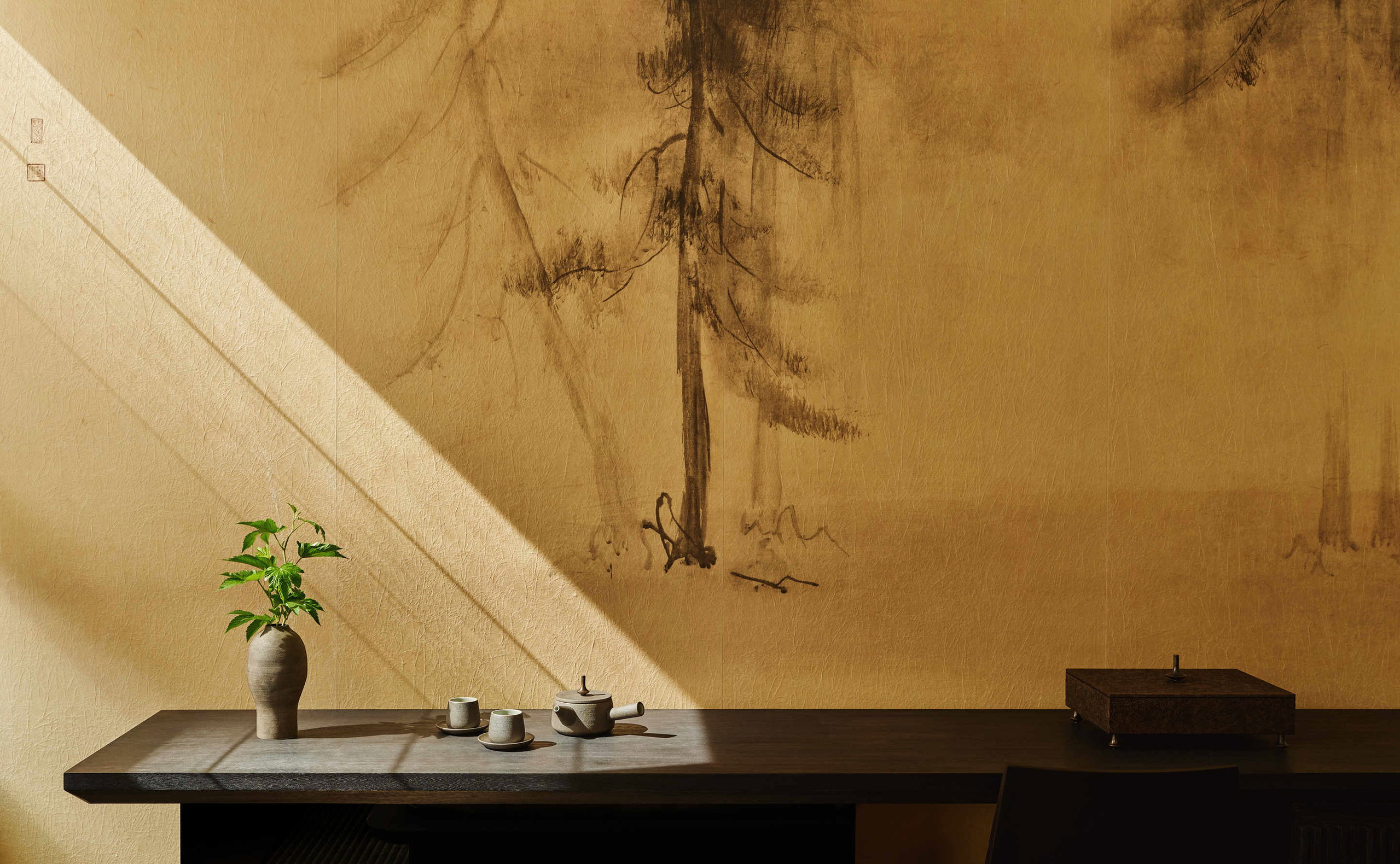
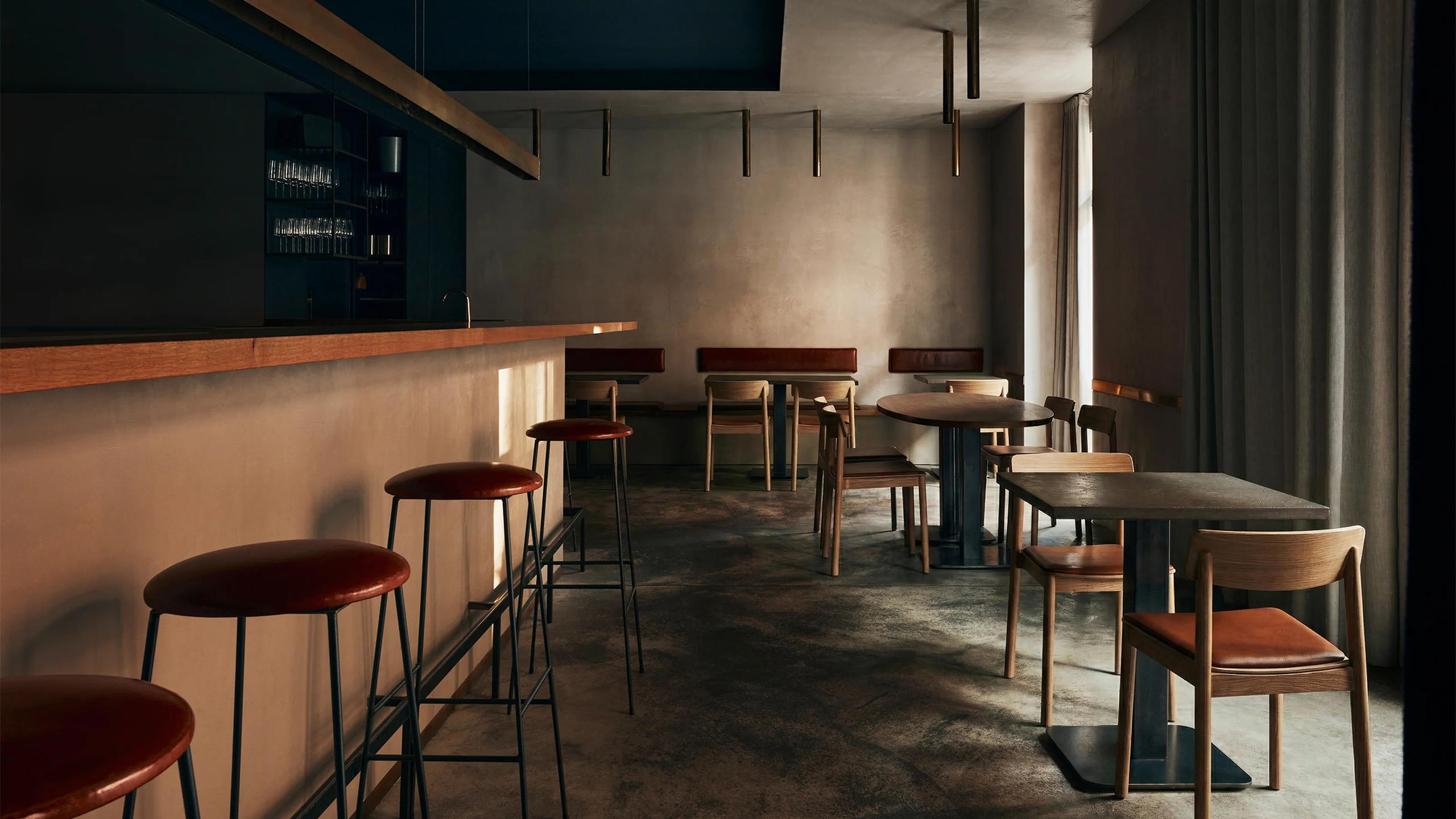
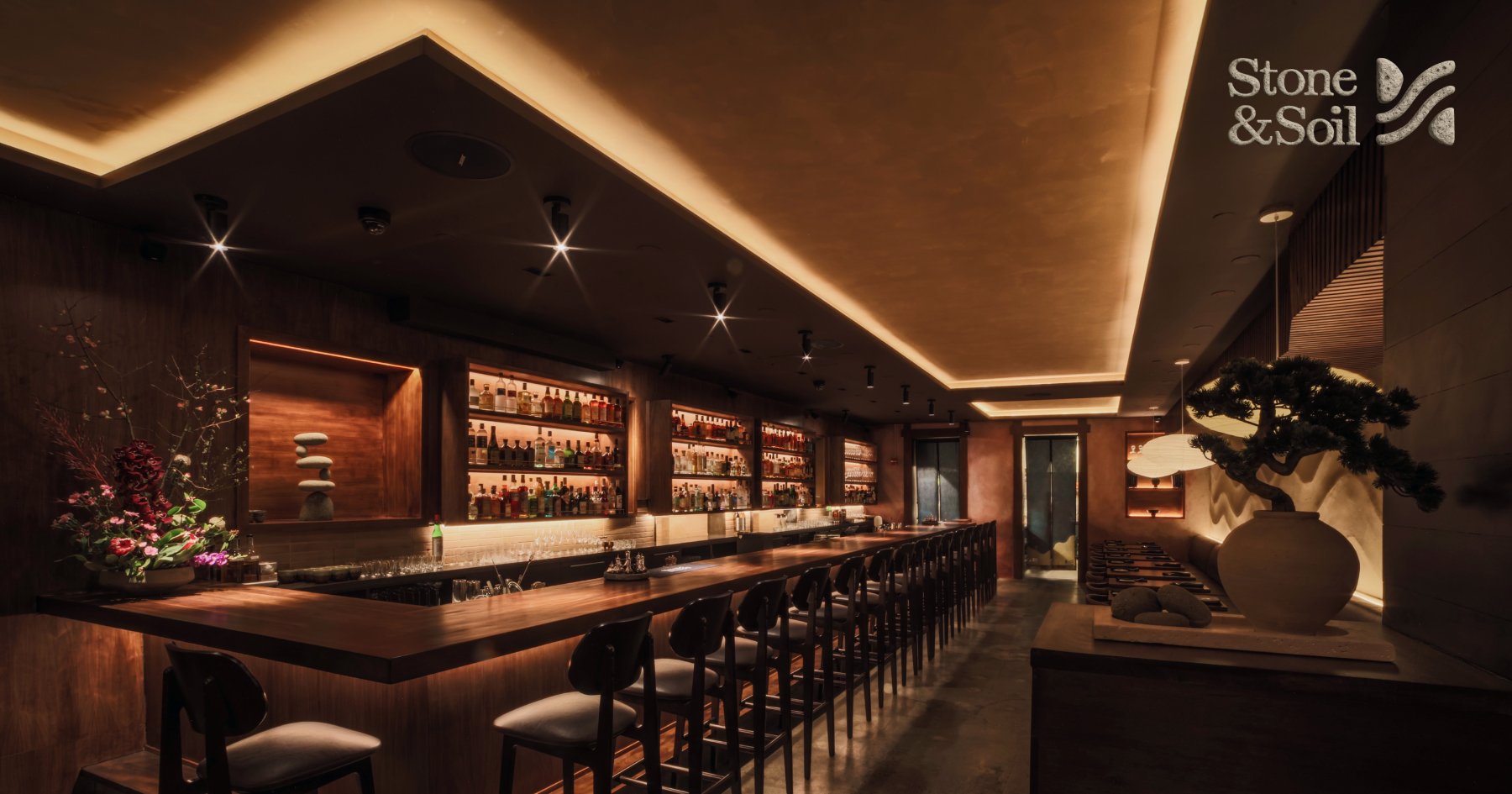
Calm and grounded Japandi-style space with natural materials, recycled wood, leather, hand-applied finishes, and sculptural clay installations creating a tactile, minimalist environment.
Tags
Vibe
Best For
Experience
Format
At the Bar
- Bar Category
- Cocktail Bar
- Late Night
- Closes by Midnight
Signature Pours
- Pink Tango
- Black Boulevardier
Know before you go
Know Before You Go
- Getting there
- 124 E 28th St, New York, NY 10016
Planning details
Location
Recognition and awards

Also consider
Where to go if this is not the right fit
If the group wants open air, try Simona Sundeck or Penthouse on Park instead. If the brief is more cocktail-geek than date-night, Seed Library is the more experimental cross-shop.
Bar context
How it compares in New York City
Stone & Soil is the better fit when the night is built around cocktails and a quieter hospitality style. Dhaba Indian Cuisine makes more sense for a food-first plan, while Domo omakase is the more structured choice if the group wants a full counter meal rather than drinks and conversation.
For ambiance, separate the decision by weather and intent. Simona Sundeck and Penthouse on Park are cleaner picks when the outdoor setting is the main reason to go. Stone & Soil is the stronger call when the drink program matters more than the view.
Seed Library is the sharper cross-shop for cutting-edge cocktails, but it is a different kind of commitment if location or booking friction matters. Stone & Soil is the easier Manhattan recommendation for a date, a small group, or a focused first stop before dinner.
Explore New York City
Around this place
Discover more on Pearl
Unlock the full Stone & Soil guide in Pearl, including awards, comparisons, FAQs, planning details, and nearby places.
Compare Stone & Soil
| Venue | Location | Cuisine | Awards |
|---|---|---|---|
| Stone & Soil | New York City | Japanese-leaning cocktails; sustainability/omotenashi | Star Wine Lists 2026 |
| Dhaba Indian Cuisine | New York City | No published awards | , |
| Domo omakase | New York City | No published awards | , |
| Simona Sundeck | New York City | No published awards | , |
| Penthouse on Park | New York City | No published awards | , |
| Seed Library | New York City | Cutting-edge cocktails | Top 500 Bars 2025 · #61 |

How Stone & Soil New York City compares with similar nearby venues.
FAQ
Frequently Asked Questions
Is the food good at Stone & Soil?
Stone & Soil is positioned as a Japanese-leaning cocktails venue in New York City, not as a food-first listing. If food is the main priority, check current official details before planning around a meal.
What's the best time to go to Stone & Soil?
Go Tuesday through Thursday around opening at 5 PM if you want to plan around the earliest service time. Friday and Saturday run until 1 AM, making them the later-night options.
What's the crowd like at Stone & Soil?
The crowd is centered on a New York City venue with Japanese-leaning cocktails, sustainability, and omotenashi, with a smart casual dress code.
Is Stone & Soil good for a date?
It can be a fit for a drinks-focused date if Japanese-leaning cocktails and smart casual dress match what you want. For an earlier plan, consider a Tuesday, Wednesday, or Thursday visit.