Spritzenhaus33
Greenpoint, New York City
Bar in New York City, United States
 Book with Pearl
The Read
Price
$20–30per person
Why go
Spritzenhaus33 is worth considering for a casual Greenpoint round when flexibility and lively atmosphere matter more than a chef-led food plan. It is a better fit for groups, after-work drinks, or a relaxed neighborhood stop than for a quiet date or destination meal.
About Spritzenhaus33
Spritzenhaus33 is a New York City venue with casual dress and evening-to-late-night hours. Planning should be based on the basics: when it is open, the casual dress code, and whether that timing fits your night.
Go for a casual New York City stop with late hours
Spritzenhaus33 is open Monday through Thursday from 3 PM to 12 AM, Friday from 1 PM to 2 AM, Saturday from 12 PM to 2 AM, and Sunday from 12 PM to 12 AM. Price range, cuisine focus, chef, awards, signature items, seating count, or service format are not mentioned. Therefore, plans should not be framed around specific menu or hospitality details.
For planning, compare the mood and timing with other named options such as Eavesdrop, TØRST, The Lot Radio, Berry Park, and Brooklyn Winery, then confirm current details directly with the venue before making it the center of a night out.
Use the basics, then compare by timing
The most useful planning detail is the schedule. Spritzenhaus33 is a casual New York City option to consider when the posted hours match your plans, especially on Friday and Saturday when closing is listed at 2 AM.
For broader planning, use Our full New York City restaurants guide, Our full New York City hotels guide, Our full New York City bars guide, Our full New York City wineries guide, and Our full New York City experiences guide. Travelers comparing casual options can also consider other New York City venues generically, while keeping Spritzenhaus33's hours and casual dress code in mind.
Planning details
- Location
- 33 Nassau Ave, Brooklyn, NY 11222
- Reservations
- Book on the venue's website
- Website
- spritzenhaus33.com
- Phone
- +1 347 987 4632
The take
The Take
The Vibe
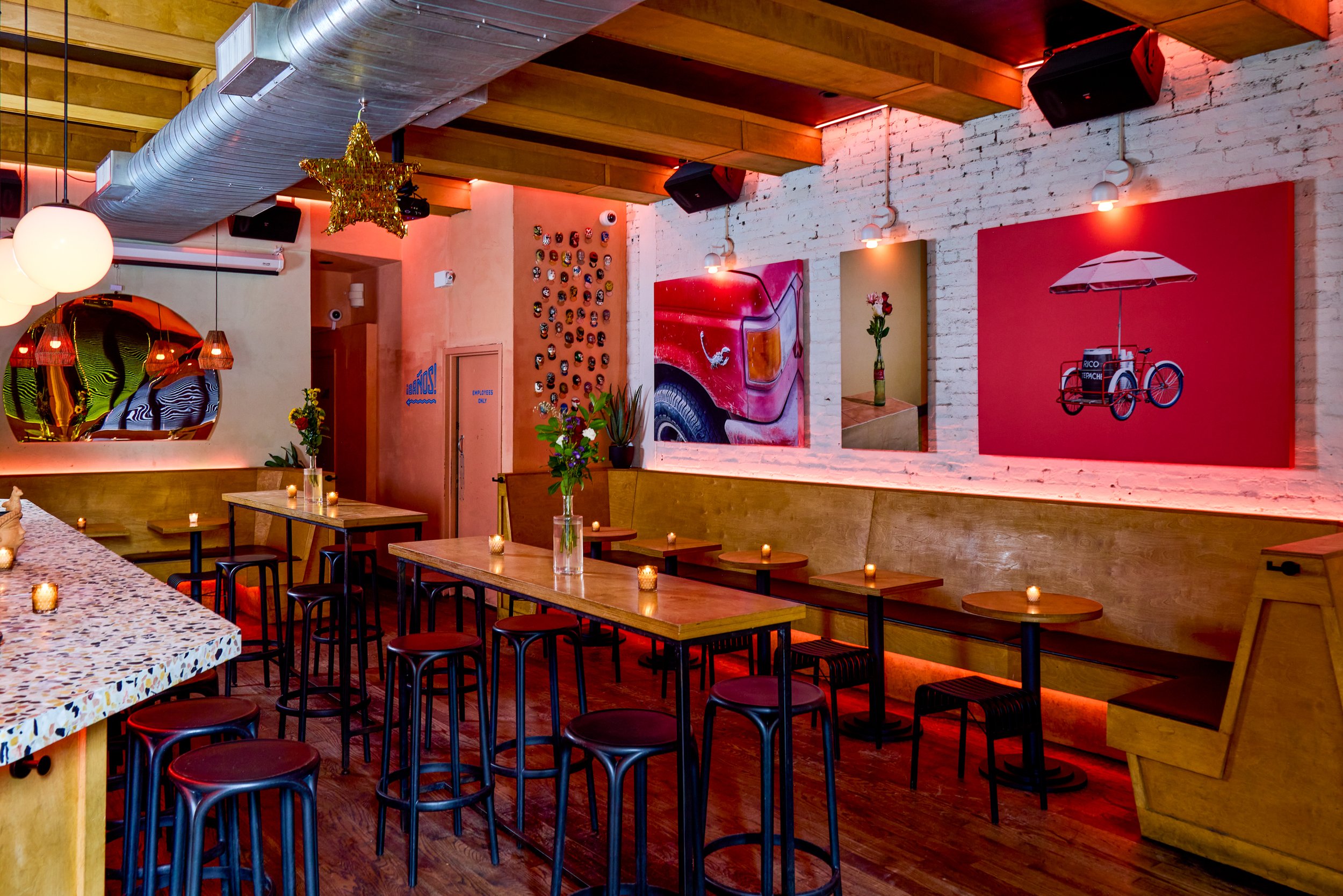
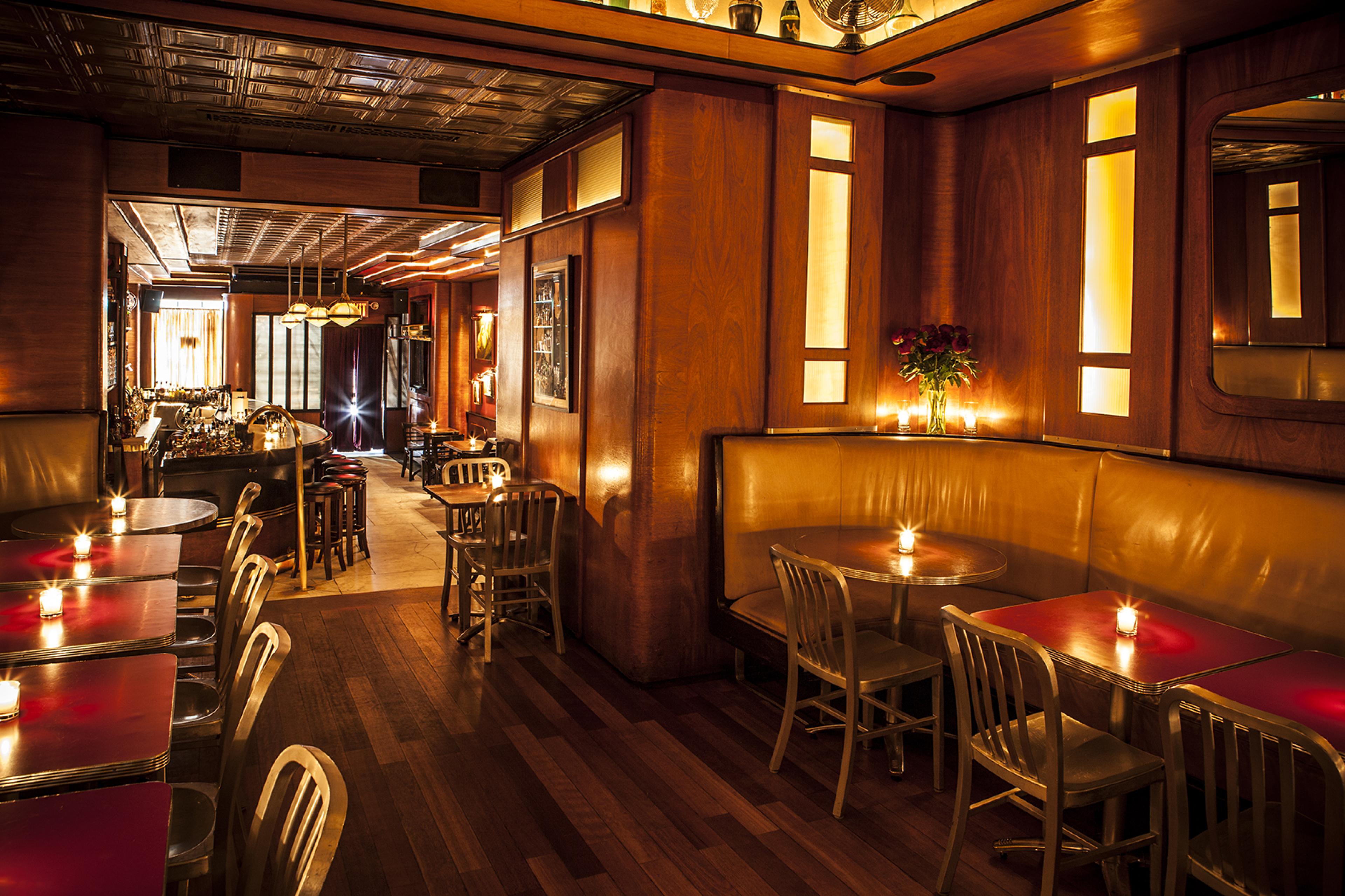
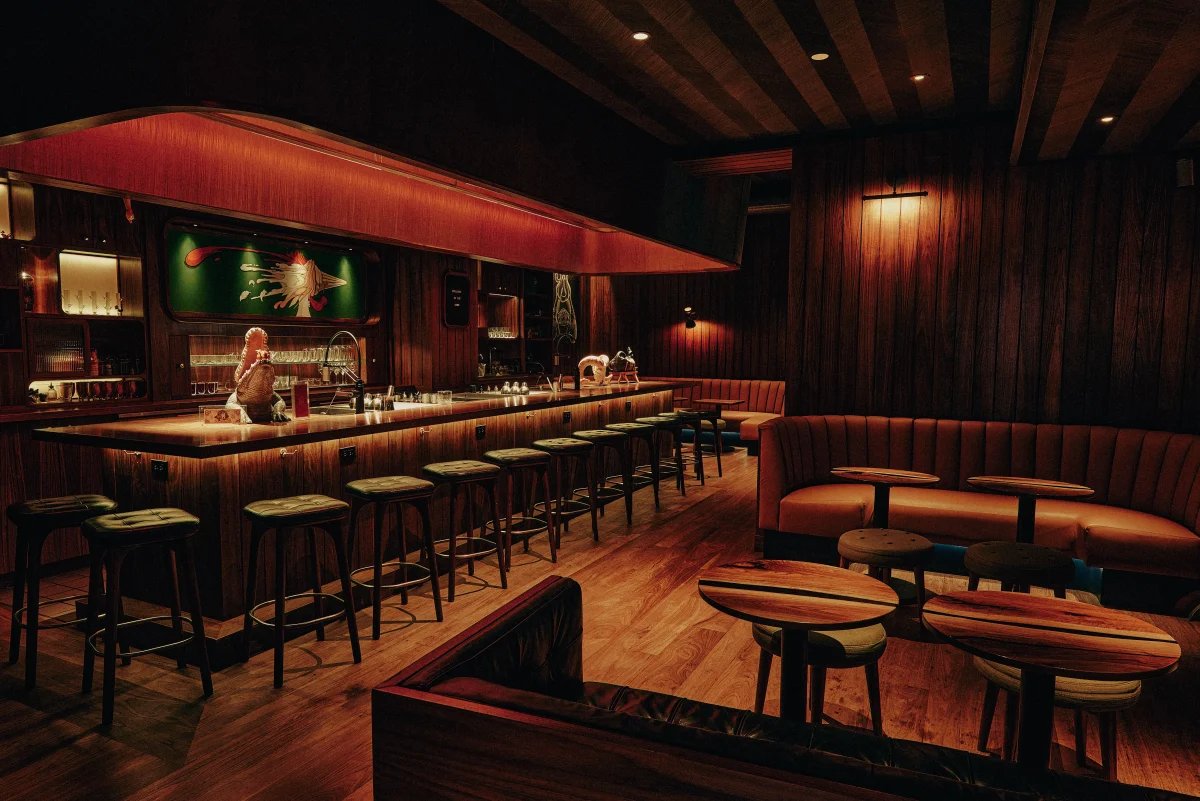
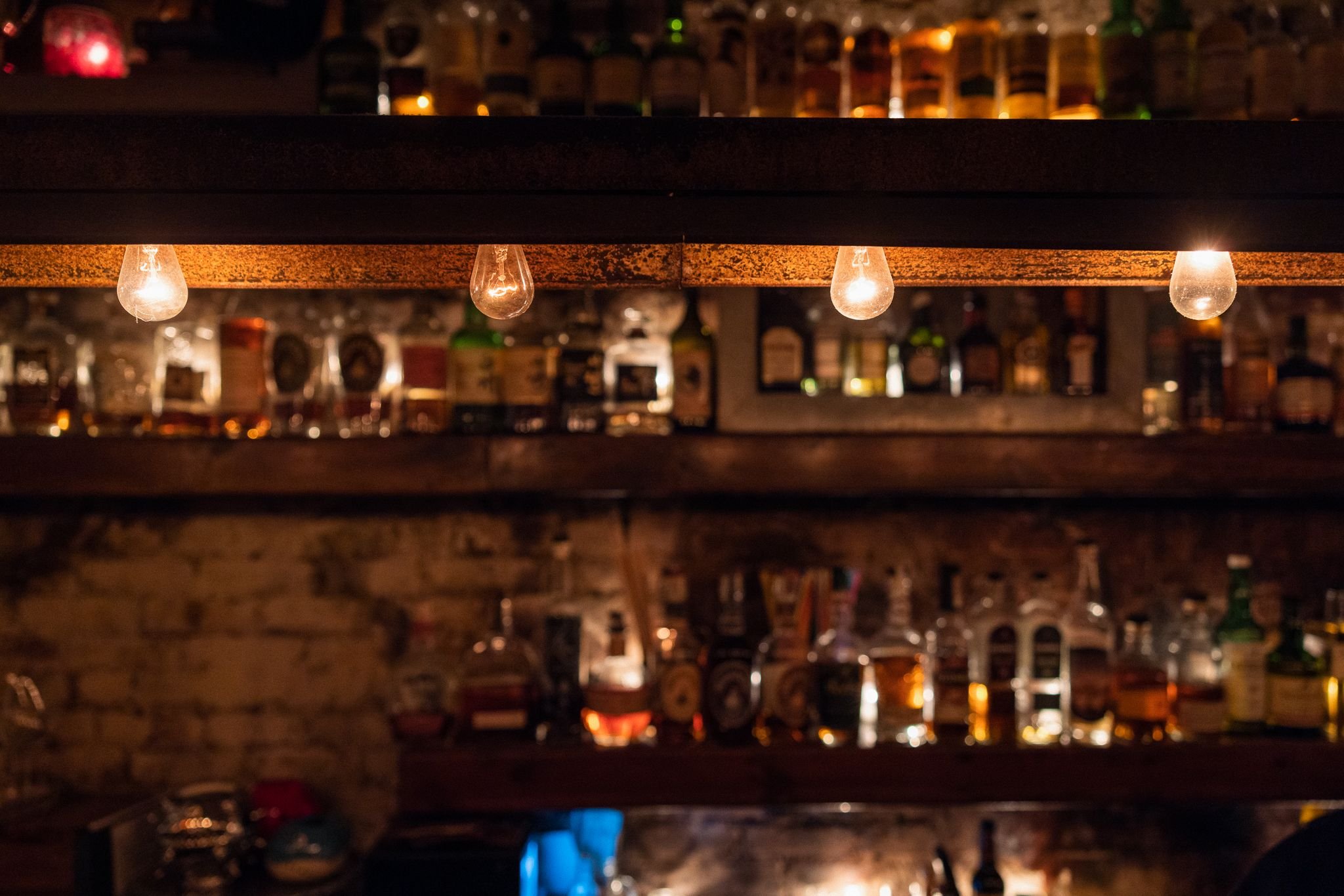
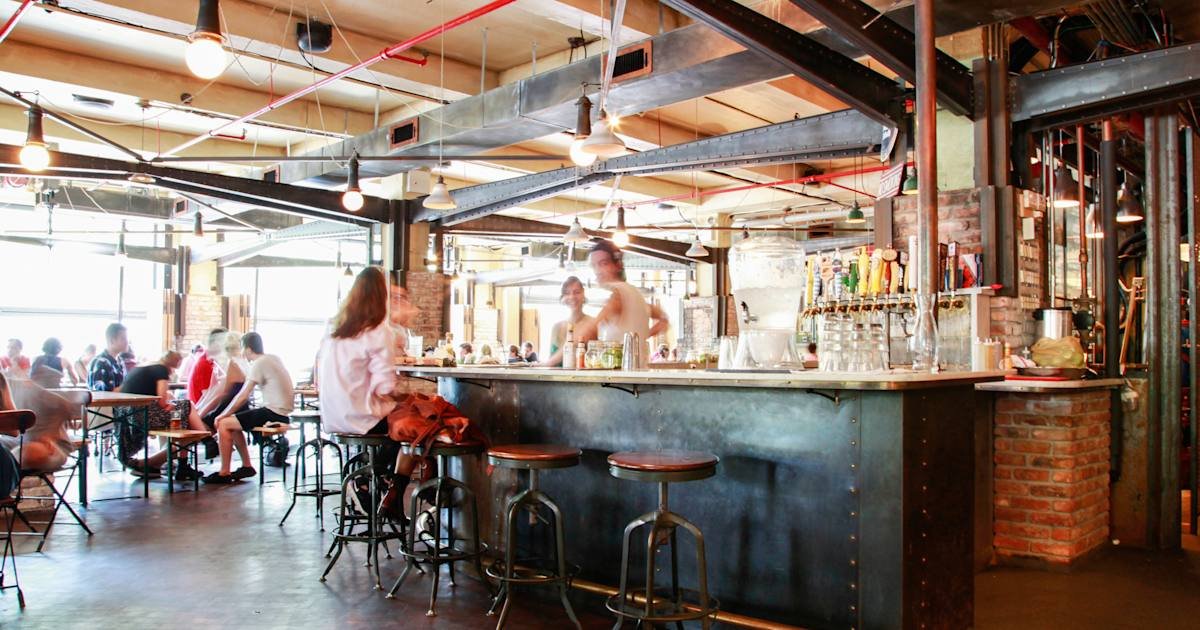
Spritzenhaus33 leans into a beer‑hall identity rather than cocktail bar minimalism. The interior reads as deliberately communal: exposed brick, long shared tables and a volume that’s "loud by design" all signal a place built for group energy and conviviality. The write‑up frames the venue as part of Greenpoint’s German‑American drinking tradition, treating architecture and ritual as inseparable. This is not a quiet tasting room or a hushed cocktail counter; it’s an unapologetically social, rough‑hewn urban hall where the scenery is the crowd and the ritual of communal drinking is front and center.
Best For
This is a place to come with others: think group outings, casual meetups and rowdy celebrations rather than intimate dates or solitary sipping. The scale and communal seating are designed to accommodate larger parties and to prioritize the social dynamic over small‑table privacy. Because the format intentionally amplifies sound and interaction, it’s well suited to gatherings where conversation ebbs and flows across long tables and where the atmosphere itself is the primary attraction.
Ordering Tips
Expect the program to favor beer‑hall style drinking and communal service rather than the restrained, small‑capacity cocktail craft found at specialist cocktail bars. The piece explicitly positions Spritzenhaus33 opposite precise mixology counters, so prioritize formats that suit convivial, shared drinking — come prepared to order rounds for a table and to lean into a lively environment. Reservations or arriving with a group will make the communal table format feel more natural; this is about joining the social fabric rather than seeking quiet, focused tasting.
Venue details
Ambiance
Casual, hip beer hall with an electric atmosphere fueled by fantastic beer and cider selections; features large communal tables, indoor fireplace seating in winter, and abundant outdoor patio space in summer.
Tags
Vibe
Best For
Experience
Format
View
At the Bar
- Bar Category
- Beer Bar
- Late Night
- Open Until 4am
- Music
- Dance Party and Live Music
- Live Music
- Yes
- Spirits Focus
- Beer, Cider
Know before you go
Know Before You Go
- Getting there
- 33 Nassau Ave, Brooklyn, NY 11222
Planning details
Location
33 Nassau Ave, Brooklyn, NY 11222 · Directions
Also consider
Where to Go If This Is Not the Fit
Pick TØRST if the night is about beer focus rather than general bar energy. Pick Eavesdrop if conversation and a more controlled room matter more than scale.
For a looser Brooklyn hang, The Lot Radio is the better fallback. For wine-led occasions, Brooklyn Winery is the more natural choice.
Bar context
How It Compares
Choose Spritzenhaus33 when the priority is an easy Brooklyn drinks stop with group-friendly energy. Compared with TØRST, it reads less beer-specialist and more social; TØRST is the stronger pick when the drink list itself is the main reason to go.
Eavesdrop is better for a focused, lower-volume night, while The Lot Radio is the more casual open-air alternative. If the occasion needs wine structure or a more planned feel, Brooklyn Winery is a cleaner match.
For bigger-group ambiance, cross-shop Berry Park. Spritzenhaus33 is the safer value call when the group wants a flexible round without committing to a more curated or occasion-driven venue.
Explore New York City
Around this place
Discover more on Pearl
Unlock the full Spritzenhaus33 guide in Pearl, including awards, comparisons, FAQs, planning details, and nearby places.
Compare Spritzenhaus33
| Venue | Location | Awards |
|---|---|---|
| Spritzenhaus33 | New York City | No published awards |
| Brooklyn Winery | New York City | No published awards |
| The Lot Radio | New York City | No published awards |
| TØRST | New York City | No published awards |
| Eavesdrop | New York City | No published awards |
| Berry Park | New York City | No published awards |
How Spritzenhaus33 New York City compares with similar nearby venues.
FAQ
Frequently Asked Questions
Does Spritzenhaus33 have outdoor seating?
Outdoor seating is not mentioned. Confirm directly with Spritzenhaus33 before planning around patio or outdoor space.
Is Spritzenhaus33 open late?
Yes. Spritzenhaus33 is open until 2 AM on Friday and Saturday. It closes at 12 AM Monday through Thursday and Sunday.
What's the best time to go to Spritzenhaus33?
Use the posted hours to plan: Monday through Thursday from 3 PM to 12 AM, Friday from 1 PM to 2 AM, Saturday from 12 PM to 2 AM, and Sunday from 12 PM to 12 AM. Confirm current hours with the venue before going.
Is Spritzenhaus33 good for a date?
The dress code is casual, and the hours support evening and late-night plans. The atmosphere and date suitability are not described, so choose it only if those basics match the kind of outing you want.
Is the food good at Spritzenhaus33?
Food details, cuisine, signature dishes, and menu format are not mentioned. Check Spritzenhaus33's official channels for current menu details before planning around food.