Round K
Chinatown-Two Bridges, New York City
Bar in New York City, United States
 Book with Pearl
The Read
Price
$10–20per person
Why go
Round K is worth using as an easy daytime Canal Street stop, especially for one or two people who want low friction rather than a planned night out. For a stronger evening atmosphere, compare Swan Room, TIME AGAIN, Forgtmenot, Metrograph, or Sake Bar Asoko instead.
About Round K
Round K is a New York City venue that is open daily from 8 AM to 7 PM, and the dress code is casual. Use those facts as the frame for deciding whether it fits your day, rather than assuming a specific menu, service style, price point, or scene.
The strongest takeaways are practical ones. Round K can be planned as a casual stop during its posted hours, with no dress-up requirement. Beyond that, details such as cuisine, reservations, seating format, beverage focus, takeout, delivery, or dietary accommodations are not confirmed, so check directly before building a more specific plan around it.
Use it for daytime plans, not a big-night brief
Because Round K closes at 7 PM every day, it is better framed as a daytime or early-evening New York City option than as a late-night plan. For broader planning, keep Our full New York City restaurants guide, Our full New York City bars guide, and Our full New York City experiences guide handy, then use the daily hours and casual dress code to decide whether Round K fits your schedule.
If the day turns into a longer New York City outing, compare the basic fit before committing elsewhere. For trip-building beyond food and drink, also see Our full New York City hotels guide and Our full New York City wineries guide.
When to pick somewhere else
Pick somewhere else if your plan depends on details such as a specific cuisine, a particular drinks focus, a reservation-style meal, a late-night setting, or a known format. Round K's confirmed information is limited to daily 8 AM–7 PM hours and casual dress, so it works well when those basics are enough for the decision.
If you are comparing other options, consider Round K alongside Forgtmenot, Metrograph, Sake Bar Asoko, Swan Room, and TIME AGAIN based on the kind of plan you are making. The decision here is narrow: use Round K when its New York City location, daily hours, and casual dress code match what you need, and choose another venue when you need a more specific experience.
Planning details
- Location
- 78 Canal St, New York, NY 10002
- Website
- roundk.com
- Phone
- +1 347 471 1601
The take
The Take
The Vibe
Round K anchors itself on Canal Street, a liminal downtown corridor where Chinatown, Little Italy’s remnants, and the Lower East Side converge. The writing frames the shop as a concept-driven, independent outpost that bridges working-neighborhood pragmatism with a highly considered specialty-coffee sensibility imported in part from Seoul. Rather than chasing the polished gallery districts or overtly fashionable blocks, Round K feels durable and quietly appealing—rooted in its street-level context while leaning on sophisticated brewing knowledge. The result is an approachable, design-minded café that sits comfortably within the layered urban fabric of lower Manhattan.
Best For
Round K suits people who want to explore contemporary specialty coffee within a distinctly downtown setting. The profile emphasizes both pragmatic neighborhood use and the sort of measured coffee culture that invites attention to brewing method and origin, so it works for quick neighborhood stops as well as slow, attentive tastings. Visitors who appreciate Seoul-influenced coffee literacy and concept-driven cafés will find it rewarding; it also fits neighborhood routines, drawing locals and visitors traversing the Canal Street corridor.
Ordering Tips
Treat the bar as a place to engage with origin and technique: the piece highlights consumer literacy around 'brewing method and origin,' so ask the staff about single-origin options, brewing methods on offer, and what roasters they’re featuring. Because the shop sits in the lineage of espresso bars and roaster-led spaces, expect staff to be prepared to explain their brew protocols and to recommend either espresso-forward drinks or a considered pour-over, depending on your interest in tasting origin and method.
Venue details
Ambiance
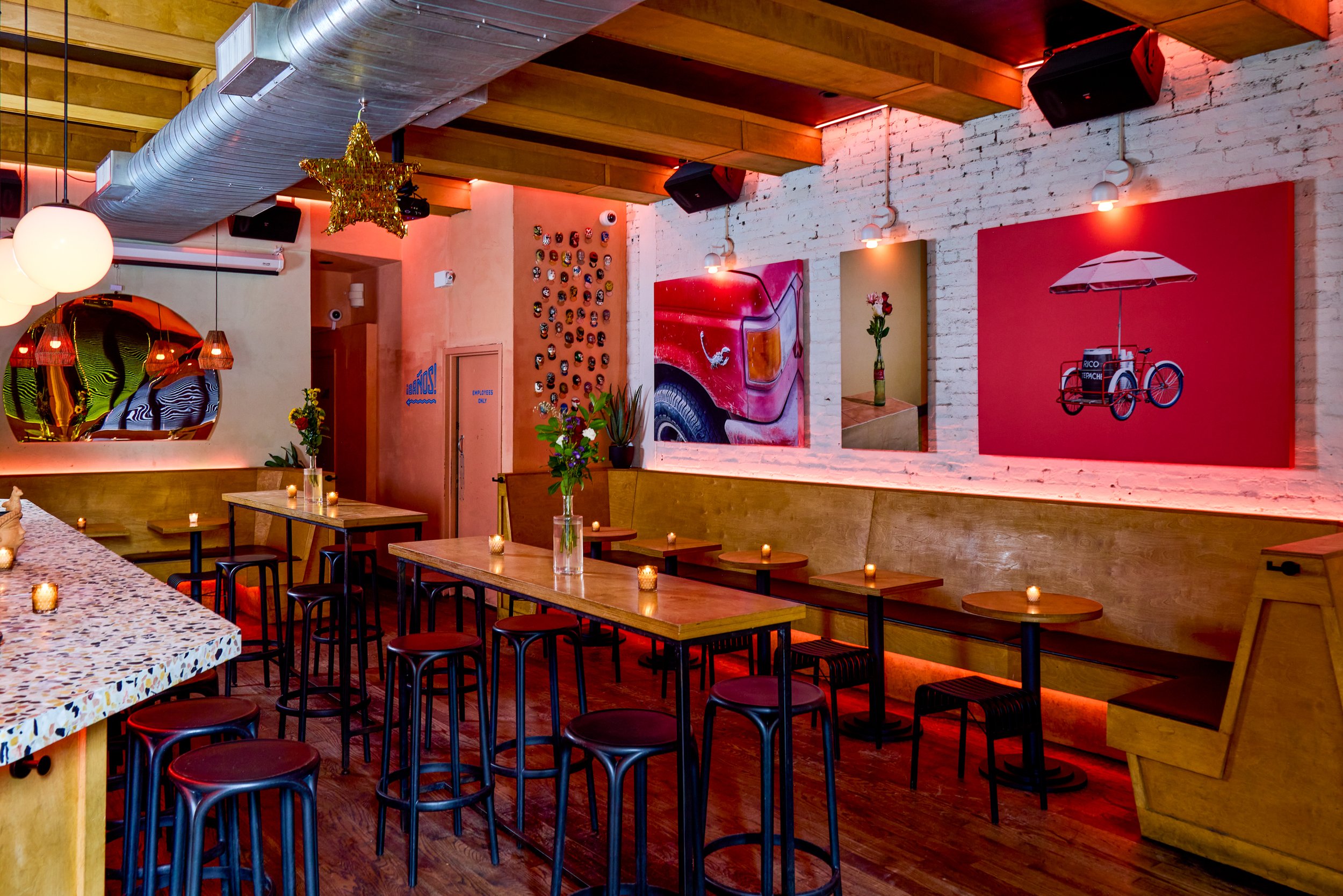
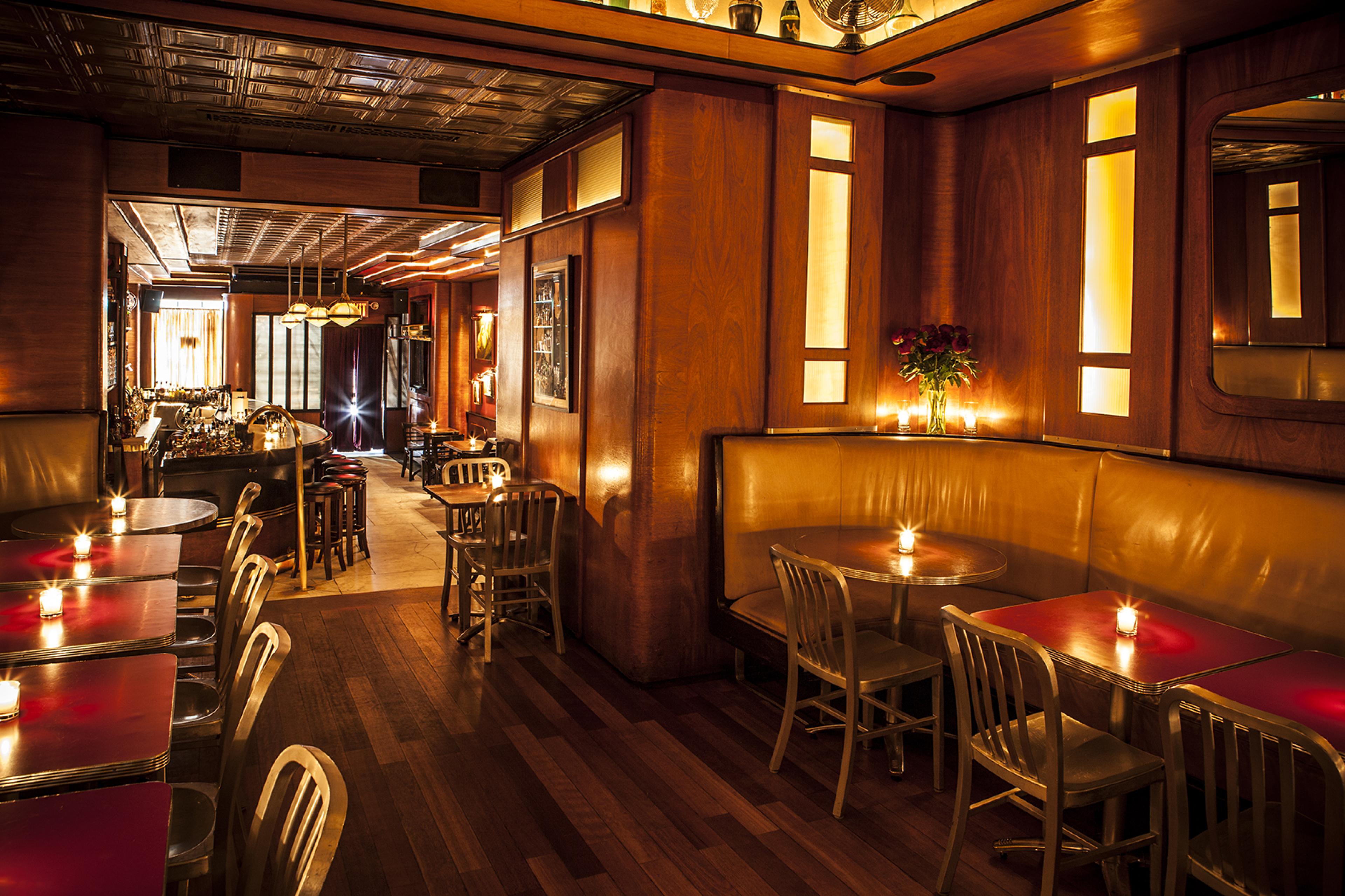
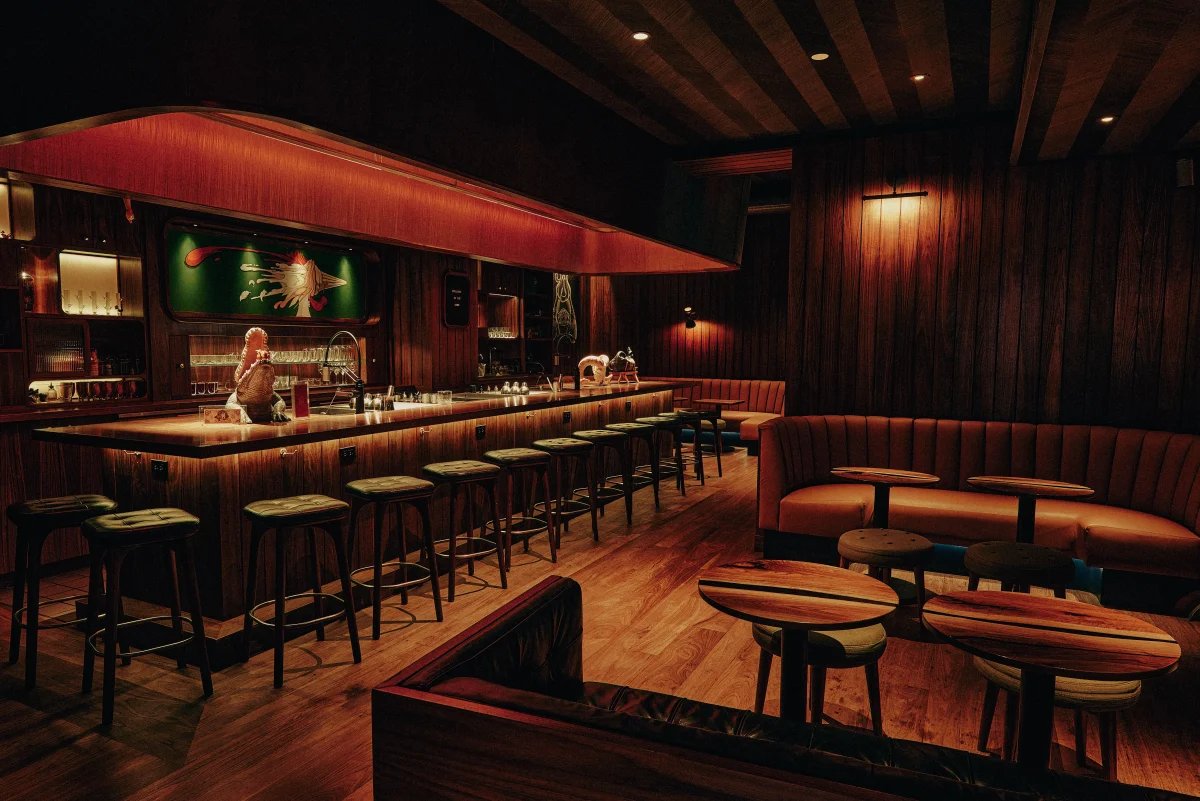
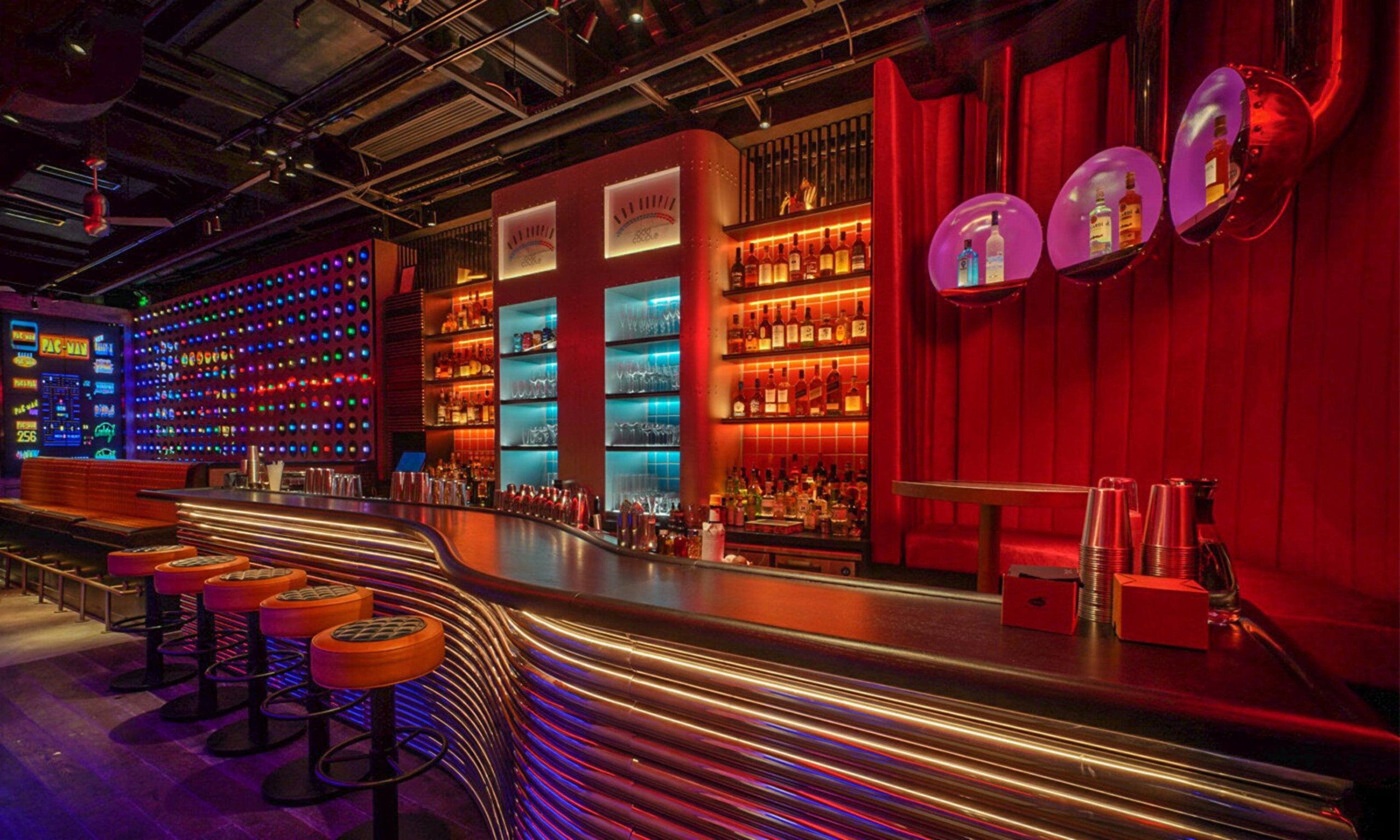
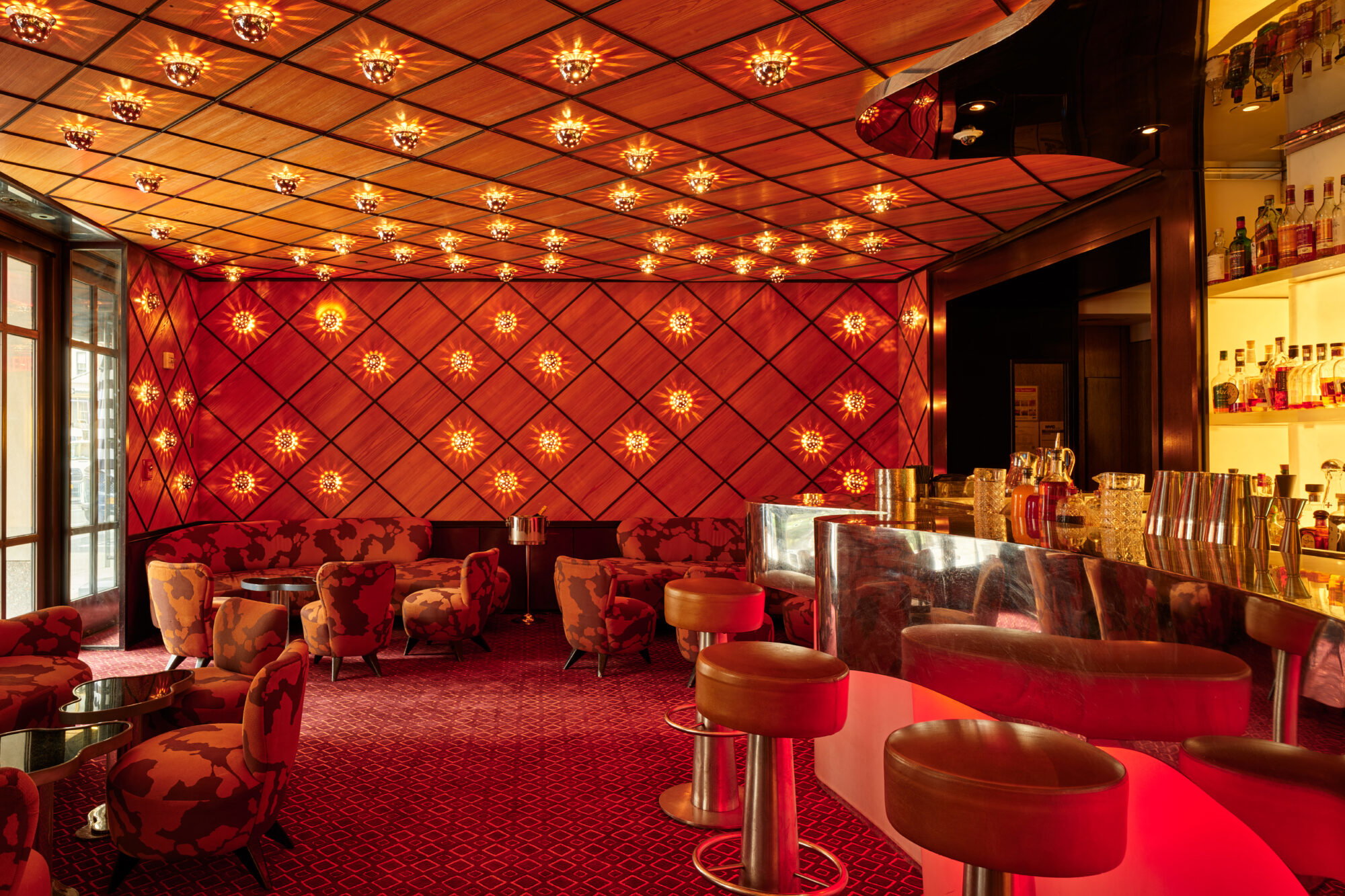
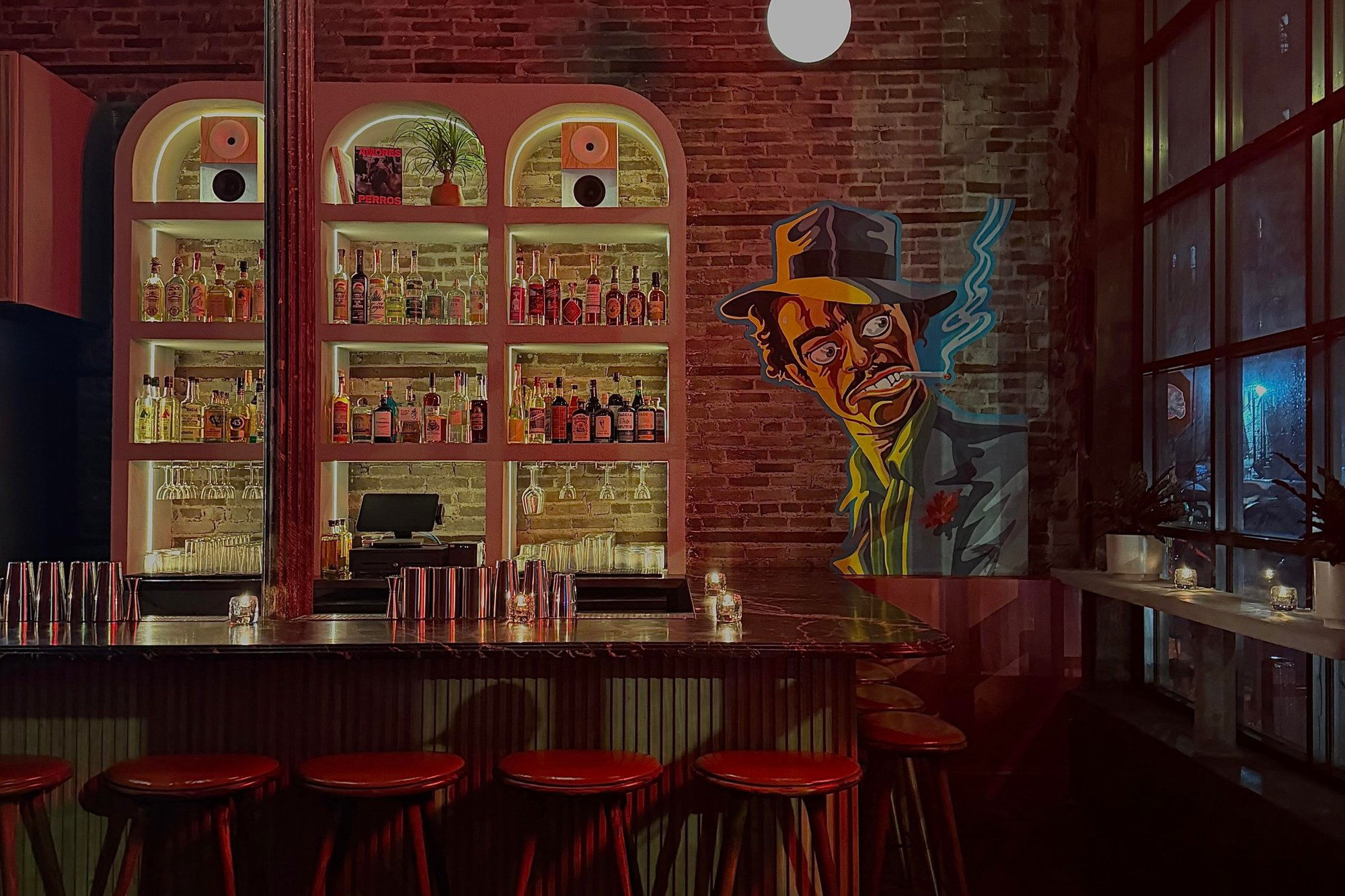
Nostalgic 1950s Korean coffee house aesthetic with warm, inviting lighting and a casual yet refined atmosphere blending café and speakeasy elements.
Tags
Vibe
Best For
Experience
Format
At the Bar
- Bar Category
- Speakeasy
- Late Night
- Closes by Midnight
Signature Pours
- Butter-covered Latte
- Egg Yolk Cappuccino
- Korean Party Toast
Know before you go
Know Before You Go
- Getting there
- 78 Canal St, New York, NY 10002
Planning details
Location
Also consider
Also Consider
- Swan Room, Notable alternative
- TIME AGAIN, Notable alternative
- Forgtmenot, Notable alternative
- Metrograph, Notable alternative
- Sake Bar Asoko, Notable alternative
Bar context
How It Compares
Round K is the easiest, lowest-commitment choice in this set when the plan is casual and daytime. Swan Room is a better fit for a polished evening, while TIME AGAIN makes more sense when drinks are the main event rather than a quick stop.
For social energy, Forgtmenot is the stronger cross-shop; it suits groups better than a quiet one-on-one plan. Metrograph works when the night needs a built-in activity, so choose it if film, drinks, and timing all matter.
Sake Bar Asoko is the more focused pick for a sake-led evening. Round K is the practical value play when ease matters more than ceremony, booking pressure, or a scene-heavy room.
Explore New York City
Around this place
Discover more on Pearl
Unlock the full Round K guide in Pearl, including awards, comparisons, FAQs, planning details, and nearby places.
Compare Round K
| Venue | Location | Awards |
|---|---|---|
| Round K | New York City | No published awards |
| Swan Room | New York City | No published awards |
| TIME AGAIN | New York City | No published awards |
| Forgtmenot | New York City | No published awards |
| Metrograph | New York City | No published awards |
| Sake Bar Asoko | New York City | No published awards |
How Round K New York City compares with similar nearby venues.
FAQ
Frequently Asked Questions
What's the best time to go to Round K?
Round K is open daily from 8 AM to 7 PM. Because it closes at 7 PM, it is better suited to daytime or early-evening planning than late-night plans.
What's the crowd like at Round K?
The crowd at Round K is casual. The confirmed dress code is casual, so plan with that in mind and check directly if the atmosphere matters for your visit.
What is Round K known for?
Round K is known for its New York City location, daily 8 AM–7 PM hours, and casual dress code. Specific claims about cuisine, menu, service style, or drinks are not confirmed.