Rainhas Churrascaria
East Elmhurst, New York City
Bar in New York City, United States
 Book with Pearl
The Read
Price
$50–100per person
Why go
Rainhas Churrascaria is worth considering for a group meal in Corona when format and value matter more than awards, chef pedigree, or a tightly documented menu. It is less compelling for a high-stakes date or design-led night out, but useful for parties of four or more who want a social, low-friction dinner in Queens.
About Rainhas Churrascaria
Rainhas Churrascaria is a New York City venue with evening hours on weekdays and longer weekend hours. The useful planning signals are practical rather than expansive: confirm the current schedule before visiting, note the smart-casual dress code. For more specific menu, price, seating, or service details, check directly with the venue.
A practical pick when the basics matter
Rainhas Churrascaria is in New York City, lists smart casual dress, and is open Mon–Thu 5–10 PM, Fri 5 PM–12 AM, Sat 12 PM–12 AM, and Sun 12–10 PM. Those hours make it easier to plan an evening visit, with daytime availability on Saturday and Sunday.
Details about the venue are limited. There is no chef, awards history, seat count, price band, menu format, or service format, so this should not be treated like a credential-led listing. Use the hours and dress code as the reliable planning base, then check any visit-specific needs directly before you go.
Who should choose it, and who should cross-shop
Choose Rainhas Churrascaria if the schedule and smart-casual setting fit the plan. If you want to compare other options, consider Forest Hills Station House, Soho KTV, or Espresso 77 depending on the kind of outing you are planning.
Use it as part of a practical New York City shortlist. For wider planning, compare formats across Our full New York City restaurants guide, Our full New York City bars guide, Our full New York City hotels guide, Our full New York City wineries guide, and Our full New York City experiences guide. Cross-shopping can also include Gong Gan, New Mulan, and other options.
Planning details
- Location
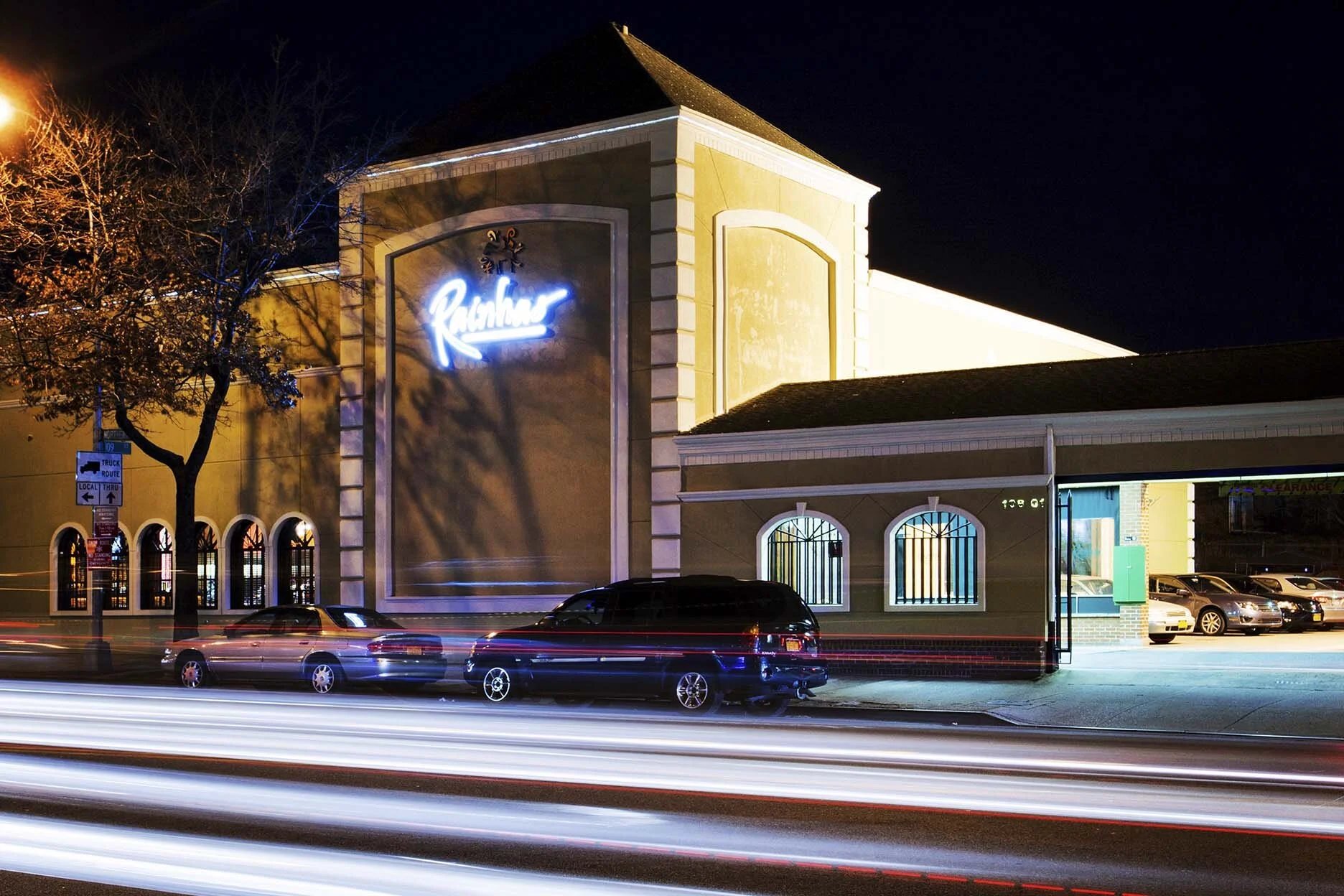
- 108-01 Northern Blvd, Corona, NY 11368
- Reservations
- Book on the venue's website
- Website
- rainhas.com
- Phone
- +1 718 779 8808
The take
The Take
The Vibe
Rainhas Churrascaria feels like a neighbourhood classic: it nestles into the densely layered food corridor of Northern Boulevard and reads as an unadorned, workmanlike version of the Brazilian churrascaria. The room favors regulars over tourists, and the focus is squarely on live-fire cooking and tableside service rather than theatrical polish. That modest, authentic approach makes the place quietly charming — familiar to locals and direct about what it does best. Expect a convivial, unpretentious environment where the cooking and communal ritual of rodízio define the mood more than decor or showmanship.
Best For
This is a place built for groups. The rodízio format — continuous table service with skewered meats carved at the table — is explicitly designed to feed larger parties efficiently, so Rainhas is an obvious pick for group dinners, family outings, and neighborhood celebrations. Because the restaurant operates as a working-class, community-oriented churrascaria, it also suits gatherings where people want hearty food and an informal, lively setting rather than a staged fine-dining experience. It’s especially good when you want to share plates and focus the evening on conviviality.
Ordering Tips
Rainhas follows the rodízio logic: meats arrive on skewers and servers carve at the table, while a red-and-green token system signals whether you want more. Use that token system to pace your meal — flip to green when you’re ready for another round and to red when you need a break. Come with a group and arrive hungry so you can sample a range of cuts; the neighbourhood format emphasizes quantity and variety over curated tasting sequences. If you’re unsure, ask staff for guidance on pacing and what’s coming next, since continuous service is the norm.
Venue details
Ambiance
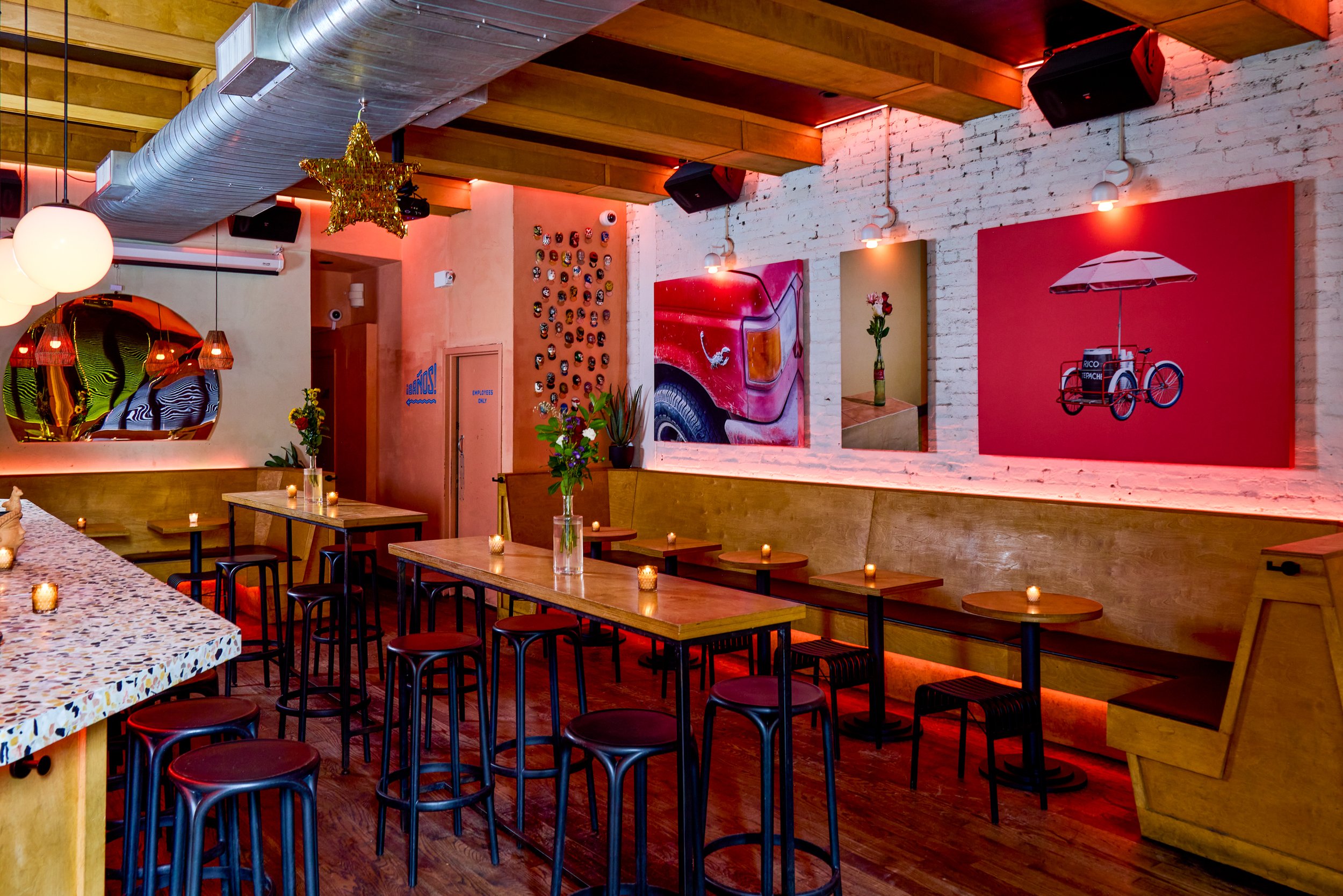
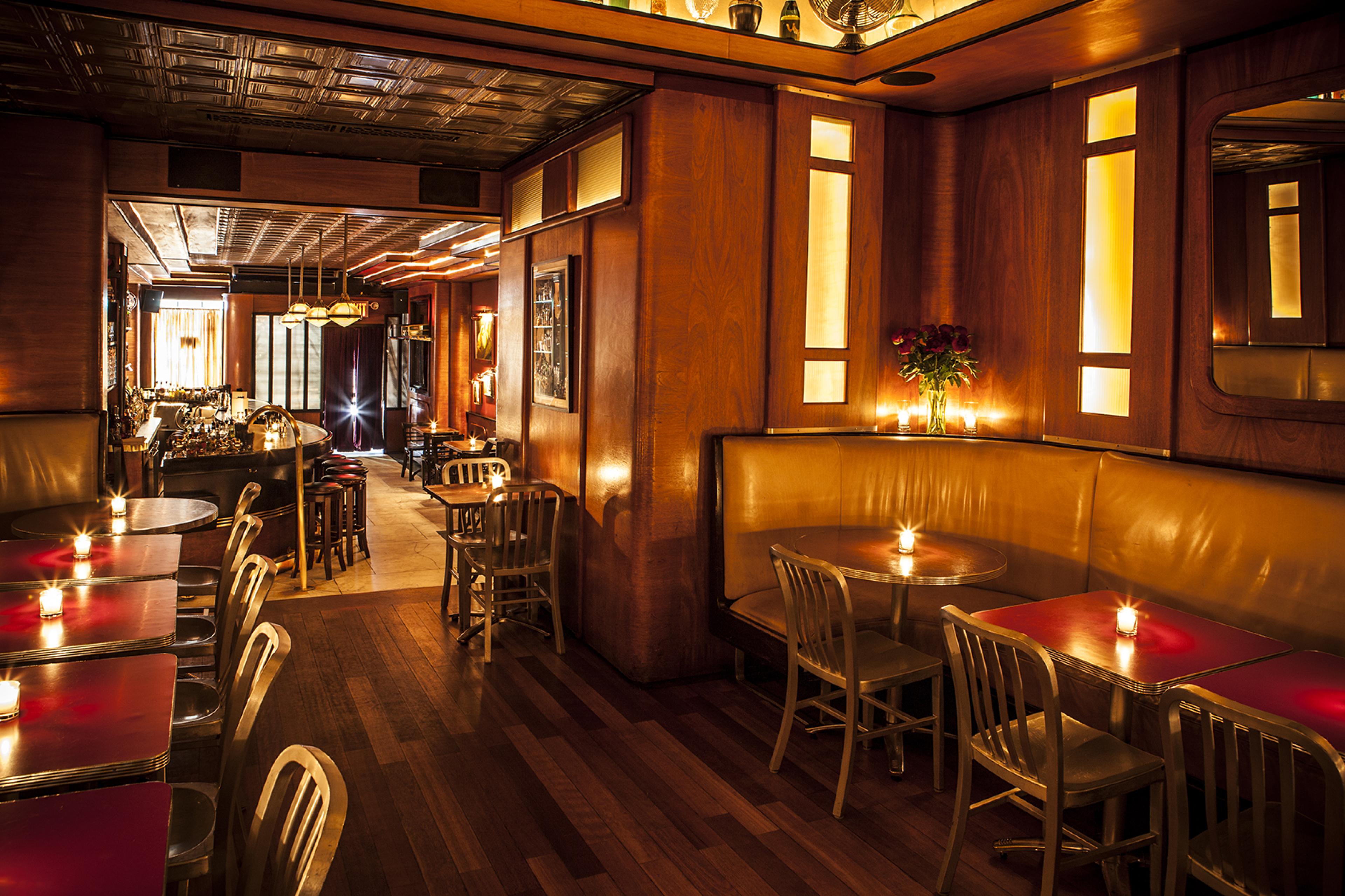
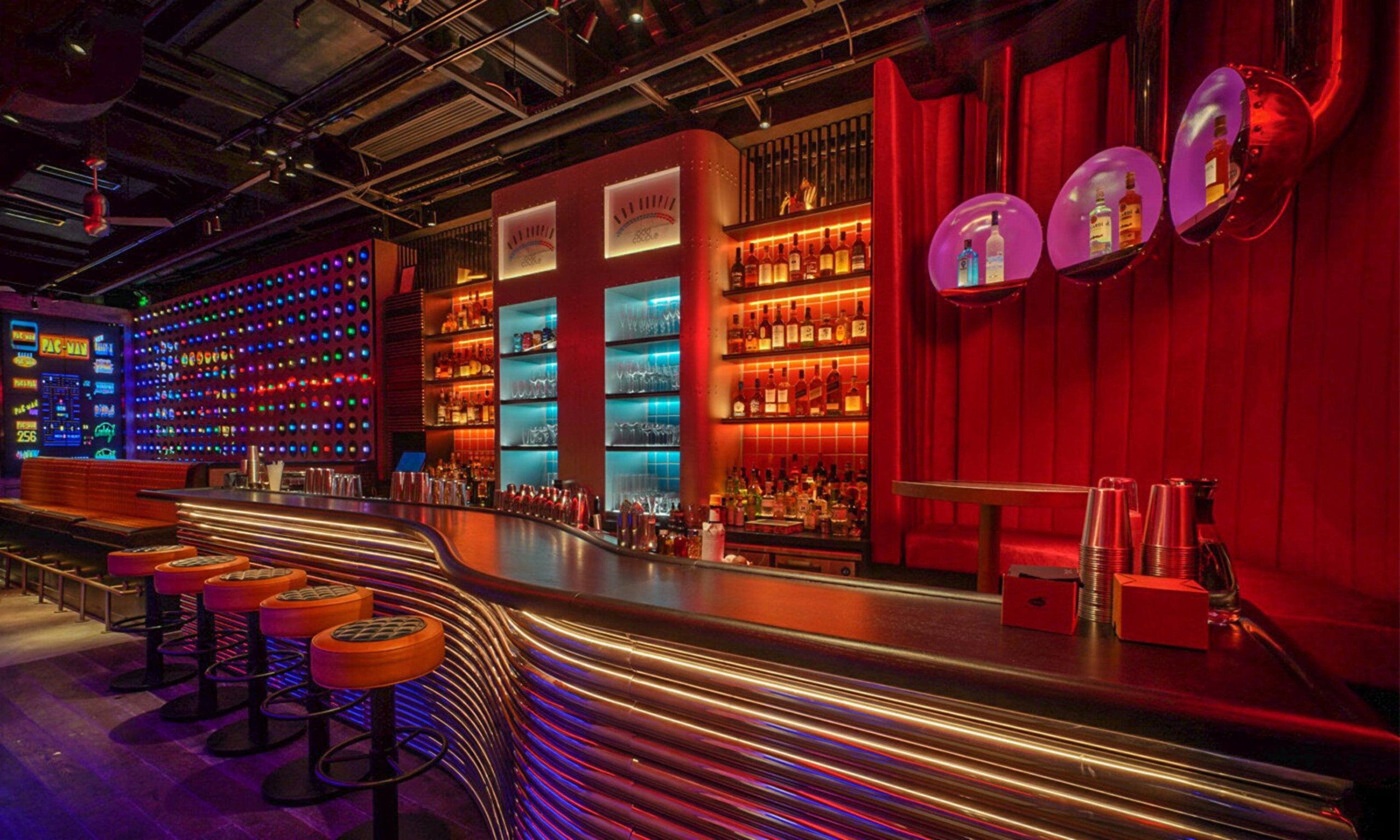
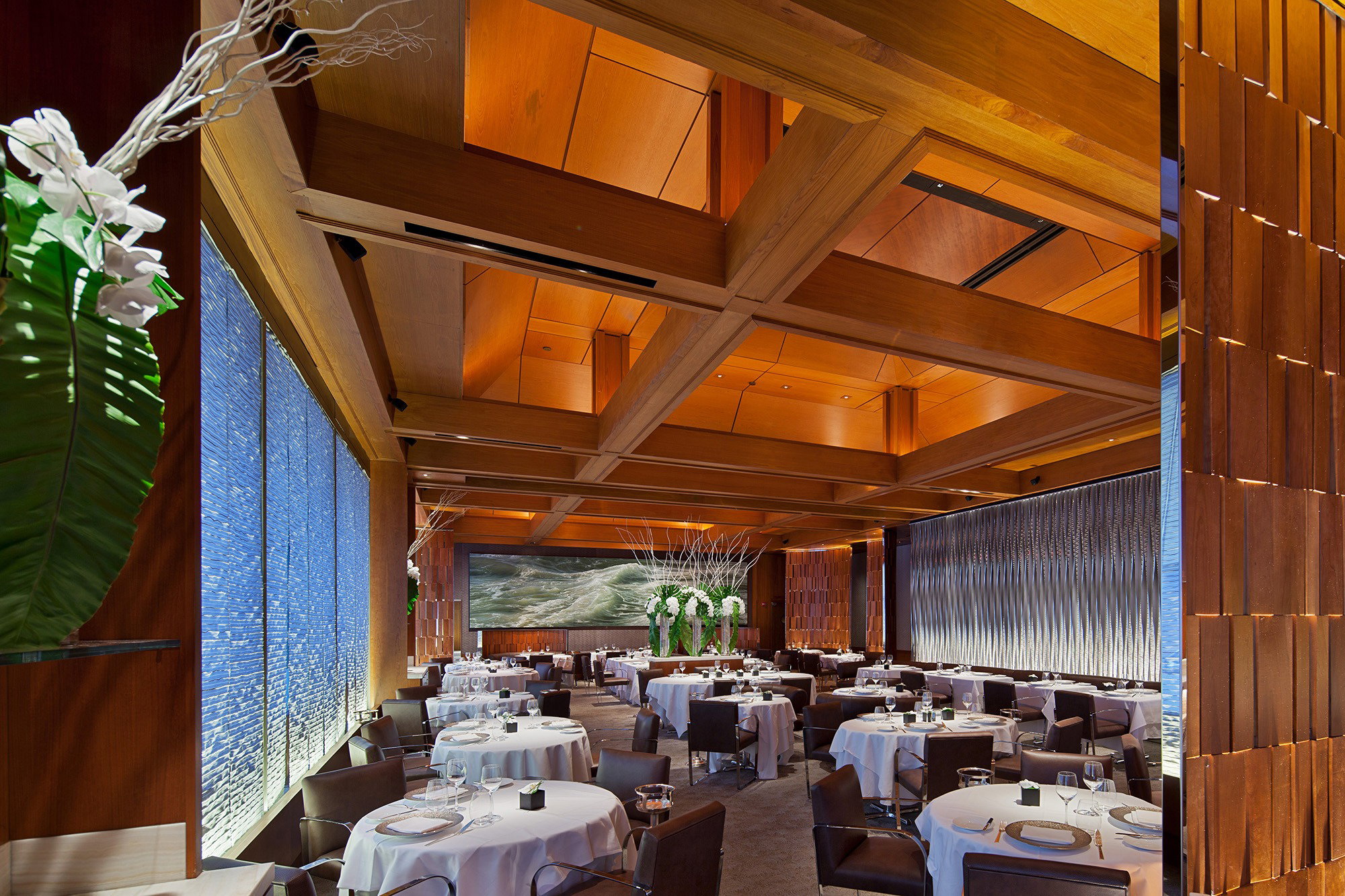
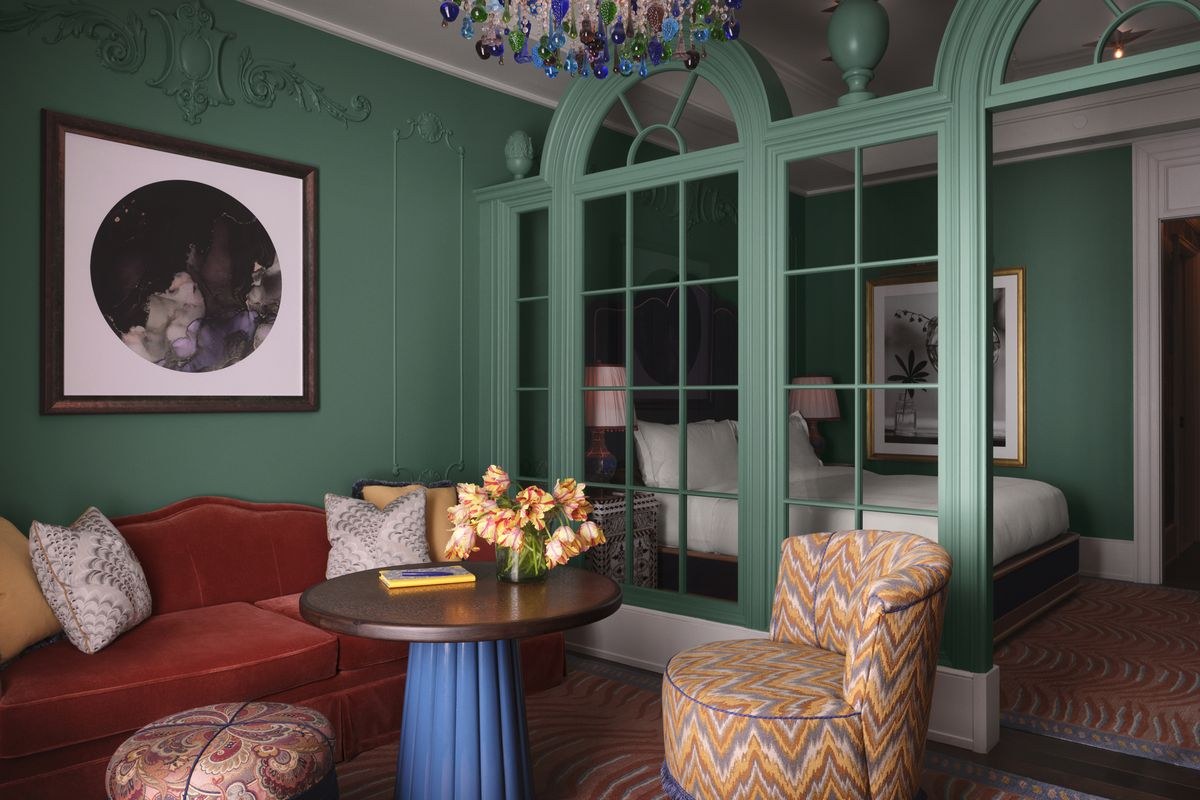
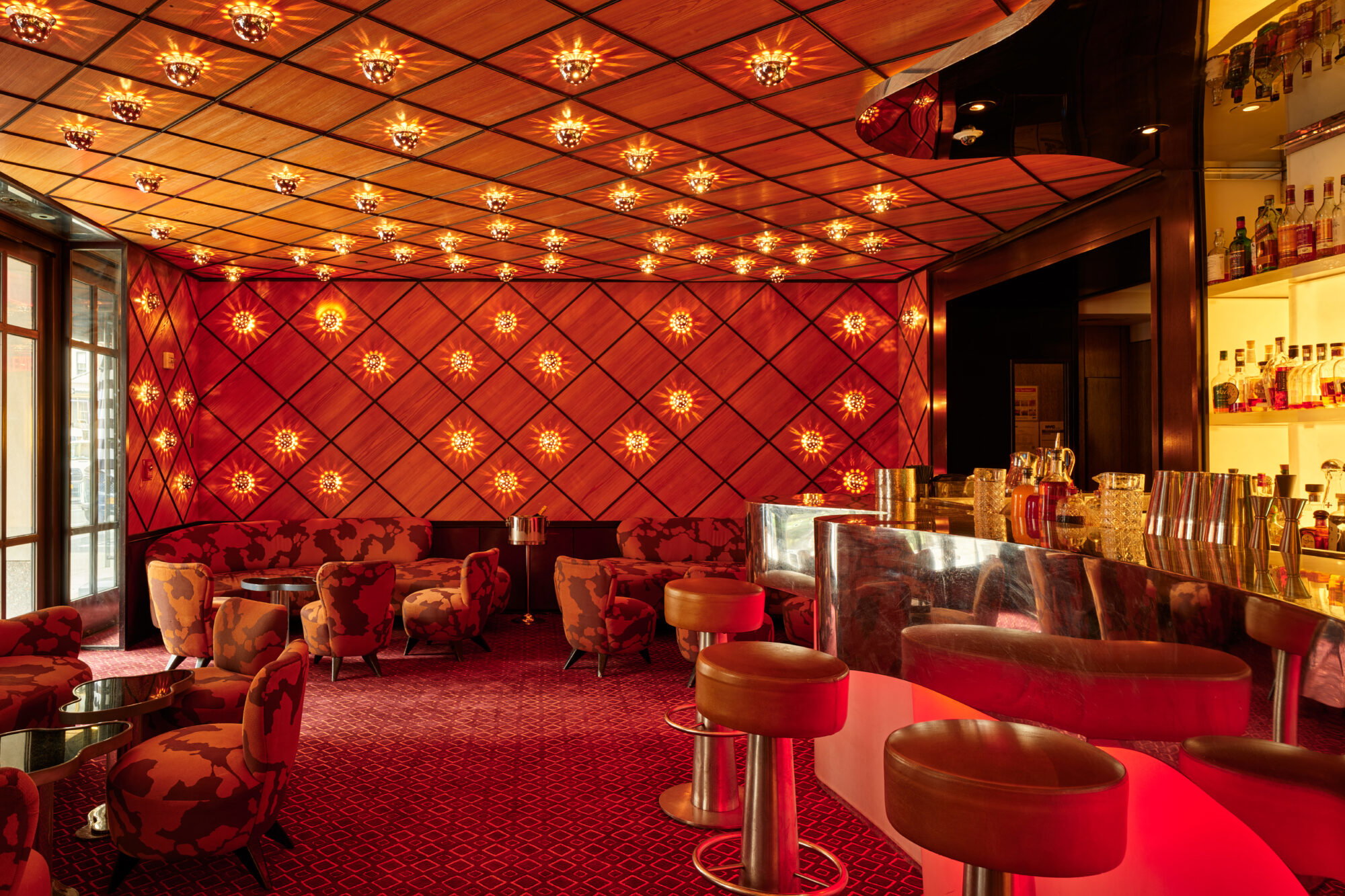
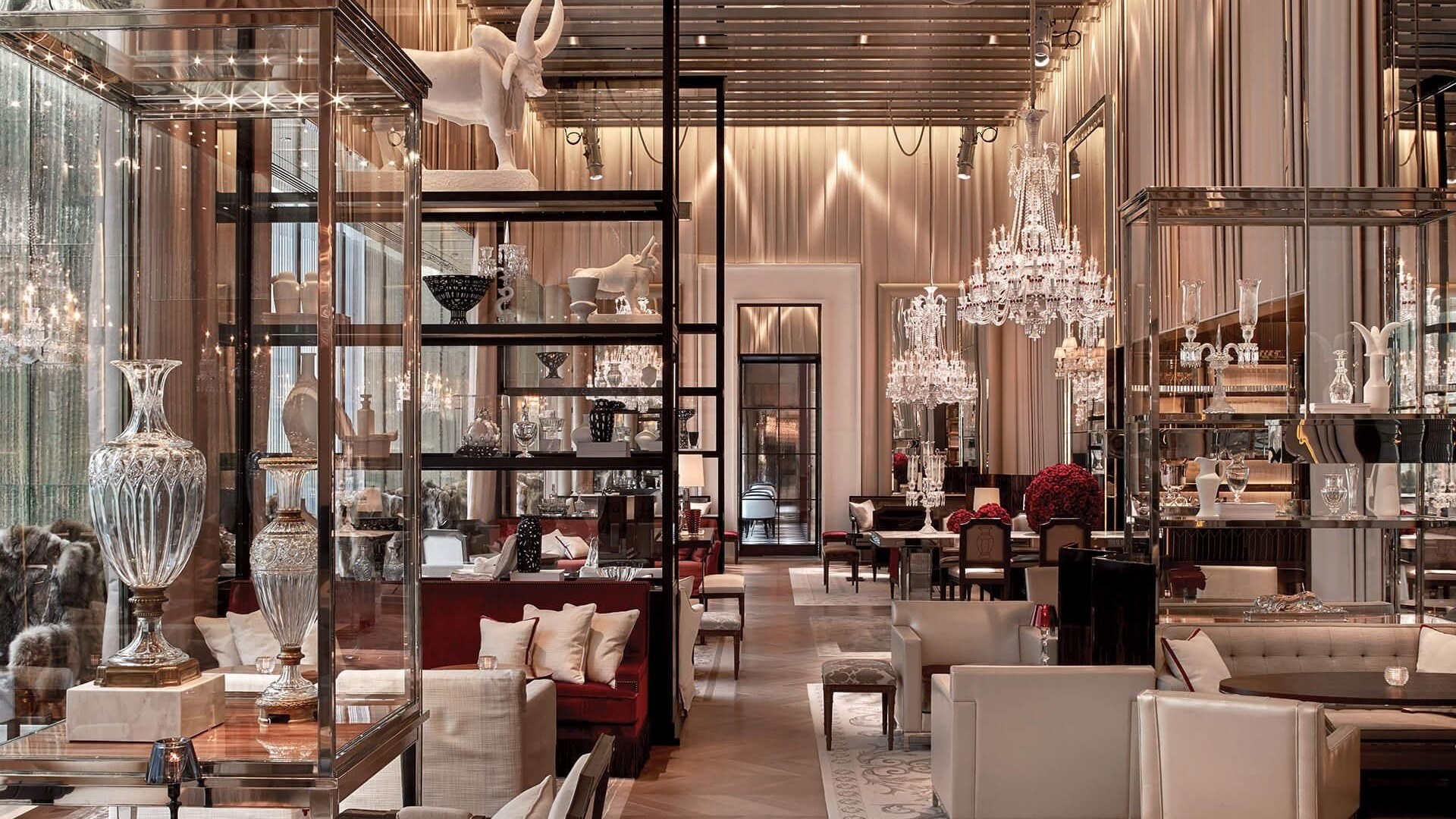
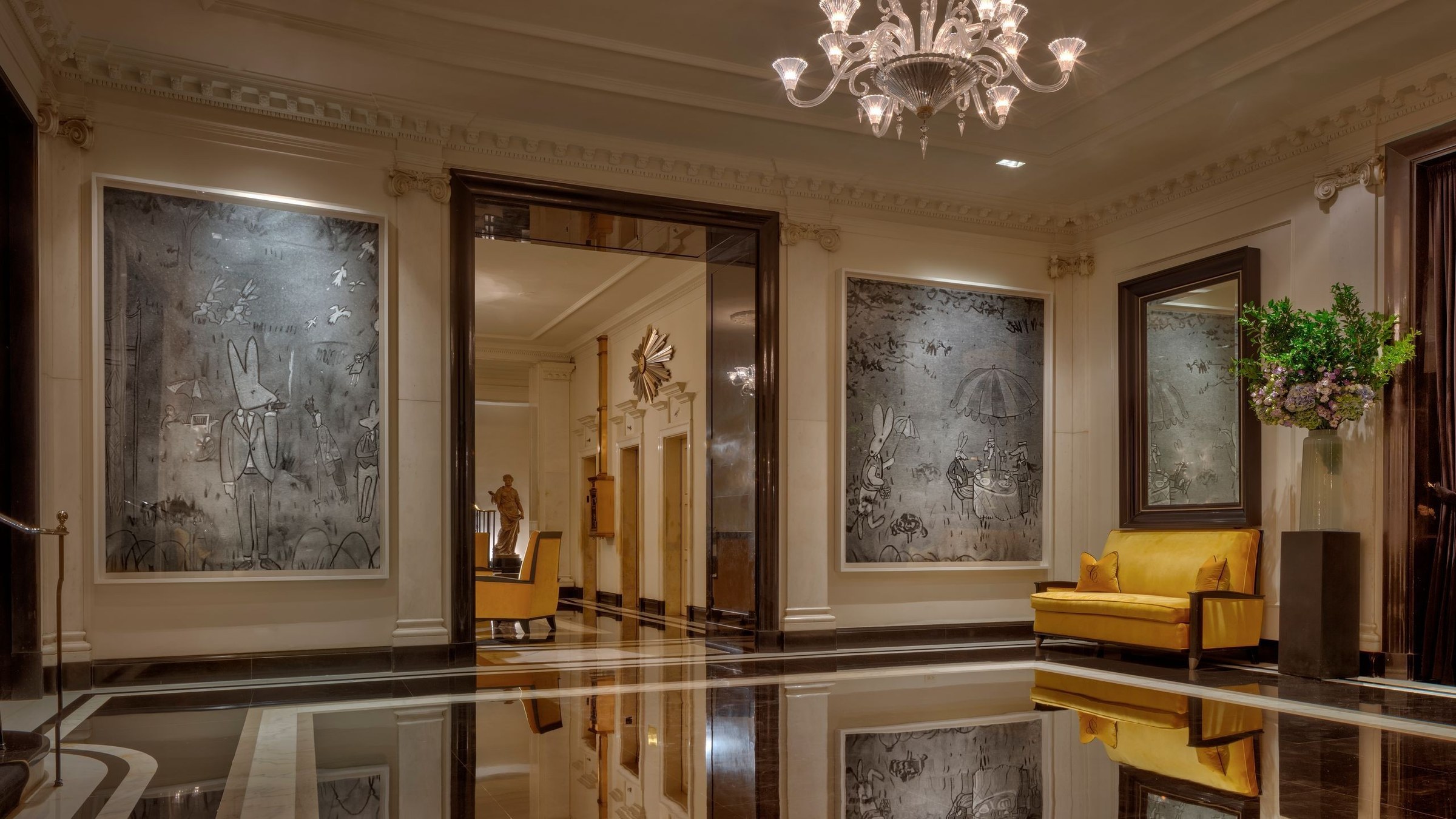
Spacious and clean with beautiful decor, live singer adding charm, and a mix of new generation and Hispanic music creating a pleasant atmosphere.
Tags
Vibe
Best For
Experience
Format
At the Bar
- Bar Category
- Lounge
- Late Night
- Closes by Midnight
- Music
- Live Singer with New Generation and Hispanic Music
- Live Music
- Yes
Signature Pours
Pineapple Caipirinha
Know before you go
Know Before You Go
- Getting there
- 108-01 Northern Blvd, Corona, NY 11368
Planning details
Location
108-01 Northern Blvd, Corona, NY 11368 · Directions
Also consider
Also Consider
- Gong Gan, Notable alternative
- Espresso 77, Notable alternative
- Soho KTV, Notable alternative
- New Mulan, Notable alternative
- Forest Hills Station House, Notable alternative
Bar context
How it compares for Queens group plans
Rainhas Churrascaria is the stronger pick when the priority is a sit-down group meal rather than a drinks-first plan. Forest Hills Station House is a better fit for a casual bar night, while Soho KTV works better when the group wants the activity to be the point of the evening.
For lower-commitment meetups, Espresso 77 is easier to justify than a full dinner. Gong Gan and New Mulan are better cross-shops if the group is comparing ambiance over quantity. Choose Rainhas Churrascaria when the table wants a meal built around sharing and appetite; choose the peers when the night is more about drinks, singing, or a shorter stop.
Explore New York City
Around this place
Discover more on Pearl
Unlock the full Rainhas Churrascaria guide in Pearl, including awards, comparisons, FAQs, planning details, and nearby places.
Compare Rainhas Churrascaria
| Venue | Location | Awards |
|---|---|---|
| Rainhas Churrascaria | New York City | No published awards |
| Gong Gan | New York City | No published awards |
| Espresso 77 | New York City | No published awards |
| Soho KTV | New York City | No published awards |
| New Mulan | New York City | No published awards |
| Forest Hills Station House | New York City | No published awards |
How Rainhas Churrascaria NYC compares with similar nearby venues.
FAQ
Frequently Asked Questions
Is Rainhas Churrascaria good for groups?
It may work for a group if the schedule and smart-casual dress code fit the plan. For specific seating, menu, and service details, check directly with the venue. Rainhas Churrascaria in New York City is open in the evenings on weekdays, with weekend hours that begin at 12 PM on Saturday and Sunday.
Is Rainhas Churrascaria good for a date?
It can be considered for a date if the New York City location, smart-casual dress code, and posted hours suit the plan. If the goal is a different kind of outing, Espresso 77 or Forest Hills Station House may be worth comparing.
Is the food good at Rainhas Churrascaria?
Details about the menu, chef, price band, awards profile, or rating are not available. If food specifics matter, check current details directly with Rainhas Churrascaria before visiting.
What's the best time to go to Rainhas Churrascaria?
Use the posted hours as the planning base: Mon to Thu 5–10 PM, Fri 5 PM–12 AM, Sat 12 PM–12 AM, and Sun 12–10 PM. For a quieter or more specific experience, check directly with the venue before you go.
Is Rainhas Churrascaria open late?
Yes, on Friday and Saturday it is open until 12 AM. On other days, the posted hours are Mon to Thu 5–10 PM and Sun 12–10 PM. Gong Gan and New Mulan are other options to compare if you want a different plan.