Pete's Candy Store
Williamsburg, New York City
Bar in New York City, United States
 Book with Pearl
The Read
Price
$20–30per person
Why go
Pete's Candy Store is a practical Williamsburg pick for a casual date or loose celebration, especially when the group wants an easy late-night bar rather than a formal dining plan. Skip it if the occasion needs a rooftop, confirmed food program, or polished reservation structure.
About Pete's Candy Store
Pete's Candy Store is a New York City venue with late operating hours and a casual dress code. The schedule runs into the early morning every day, which makes it easiest to plan around when the night needs flexibility rather than a tightly documented dining format.
The decision should stay simple: consider it when the group wants a casual New York City stop with evening or late-night timing. Do not build the plan around specifics such as a formal dinner program, a published cocktail list, a private-room setup, or a particular design style. It supports a casual, late-hours visit, not a highly specified special-occasion brief.
Choose it for a casual New York City night, not a heavily specified plan
Pete's Candy Store is casual, opens at 5 PM Monday through Thursday, 4 PM on Friday, and 3 PM on Saturday and Sunday, and closes at 2 AM every night. Outdoor seating, rooftop space, a particular menu, or a specific drinks program are not listed, so plans that depend on those features should be checked directly with the venue before committing.
For a broader plan, consider other options such as Bernie's, Pomp and Circumstance, TALEA Beer Co - Williamsburg, The Snail, or elNico, depending on what the group is trying to prioritize. Pete's Candy Store makes the most sense when the draw is a casual setting with late hours.
Who should put it on the short list
Couples or small groups looking for a low-ceremony New York City stop should keep it in play. Larger celebration groups should be more cautious unless the plan can tolerate a casual format and the details are checked directly with the venue. Business meetups may require extra checking because a private-room, reservation, or service structure is not established.
For broader planning, use Our full New York City bars guide, Our full New York City hotels guide, Our full New York City wineries guide, and Our full New York City experiences guide. Pete's Candy Store is best treated as a casual New York City option with late hours rather than a venue defined by specific menu, price, or service claims.
Planning details
- Location
- 709 Lorimer St, Brooklyn, NY 11211
- Reservations
- Book on the venue's website
- Website
- petescandystore.com
- Phone
- +1 718 302 3770
The take
The Take
The Vibe
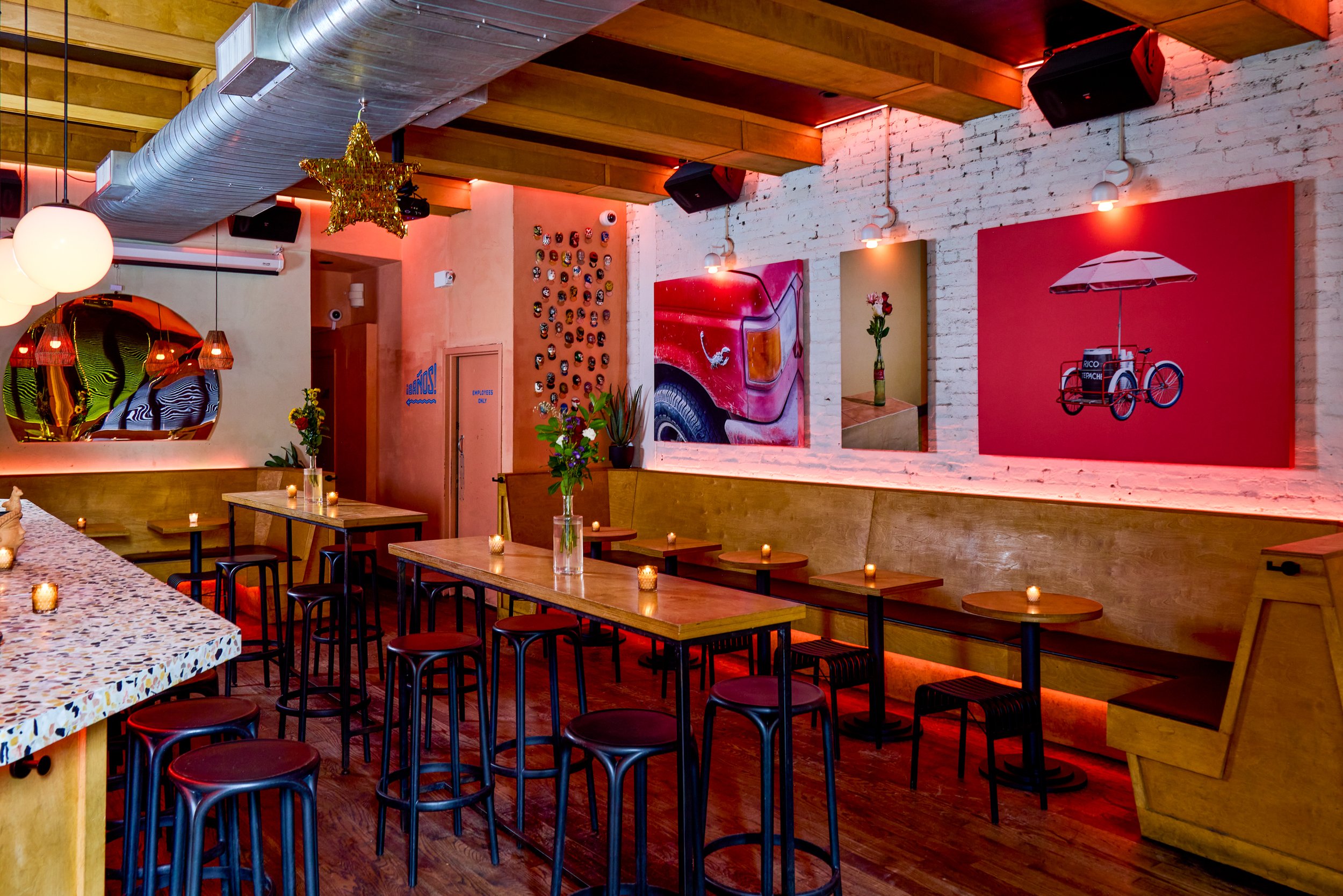
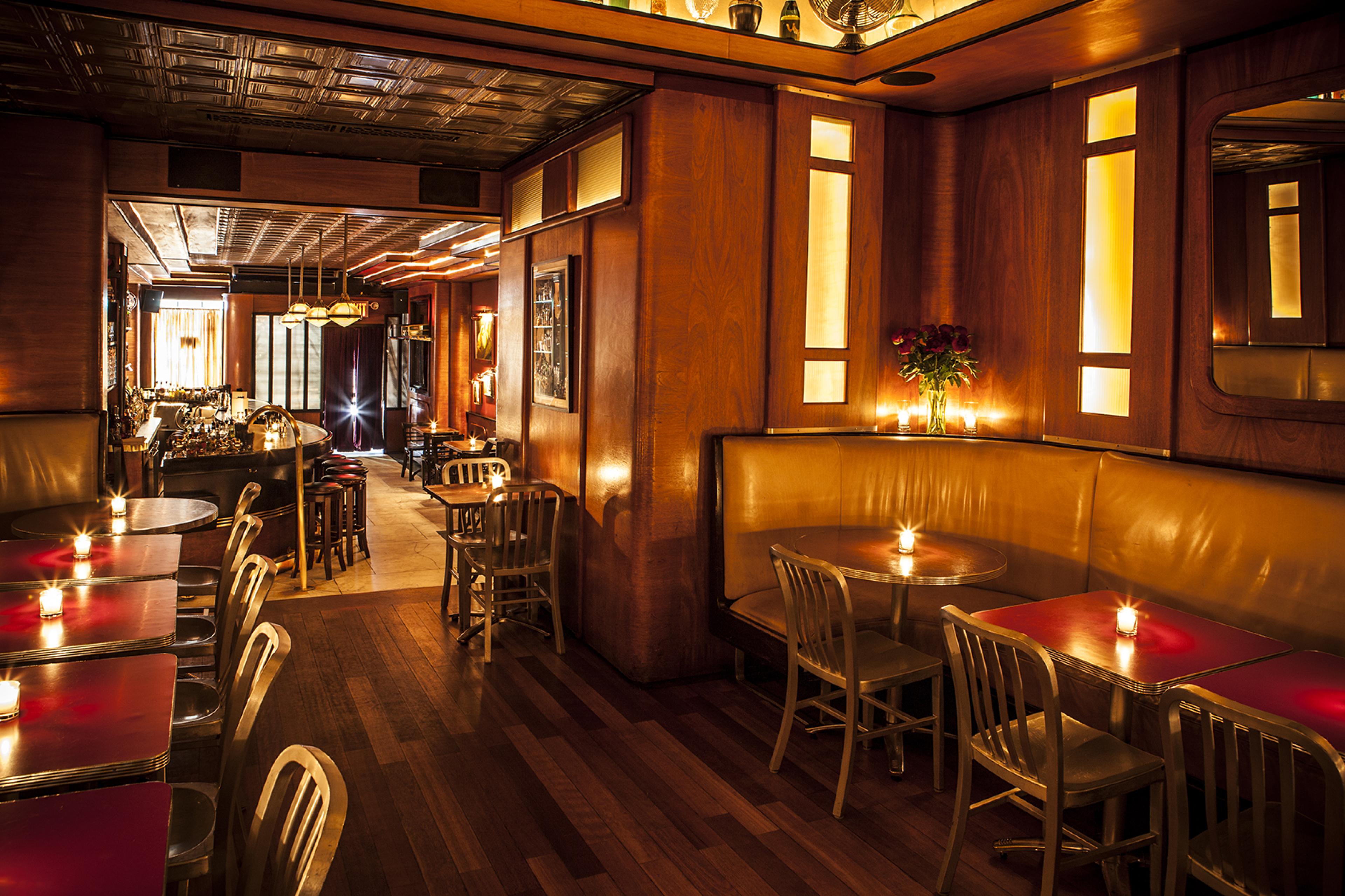
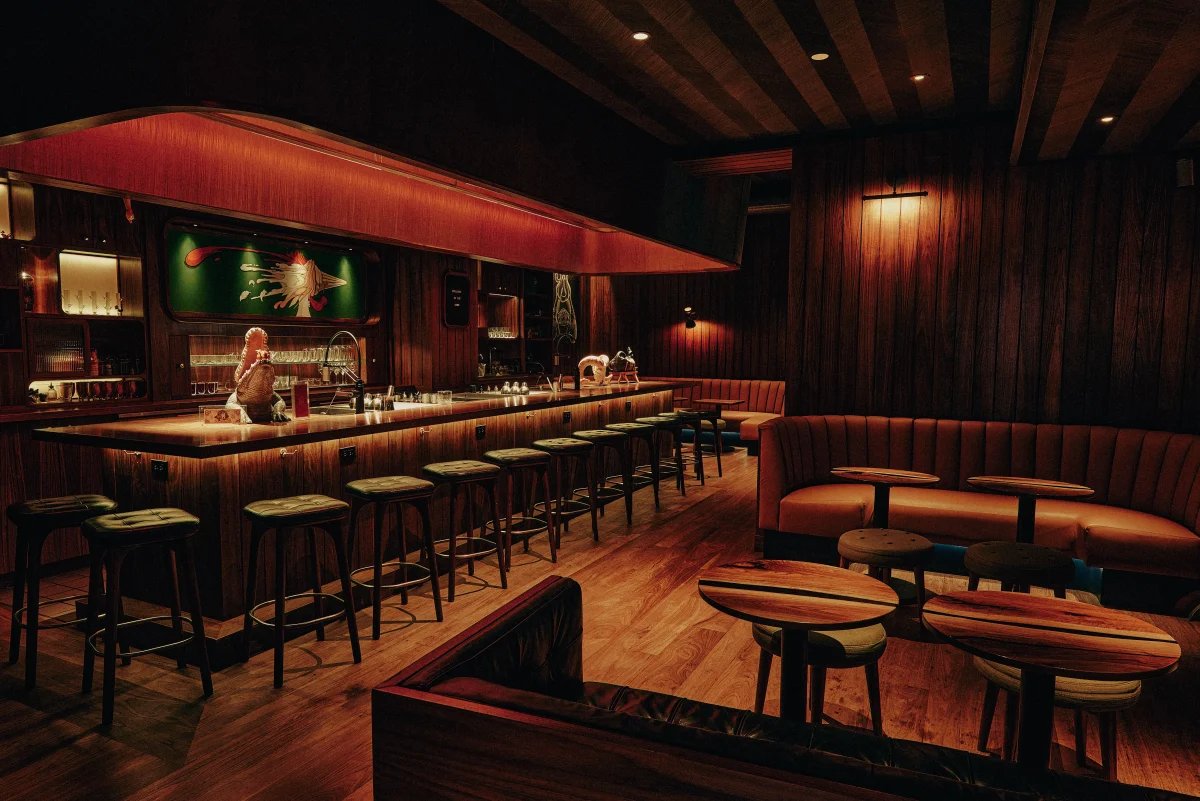
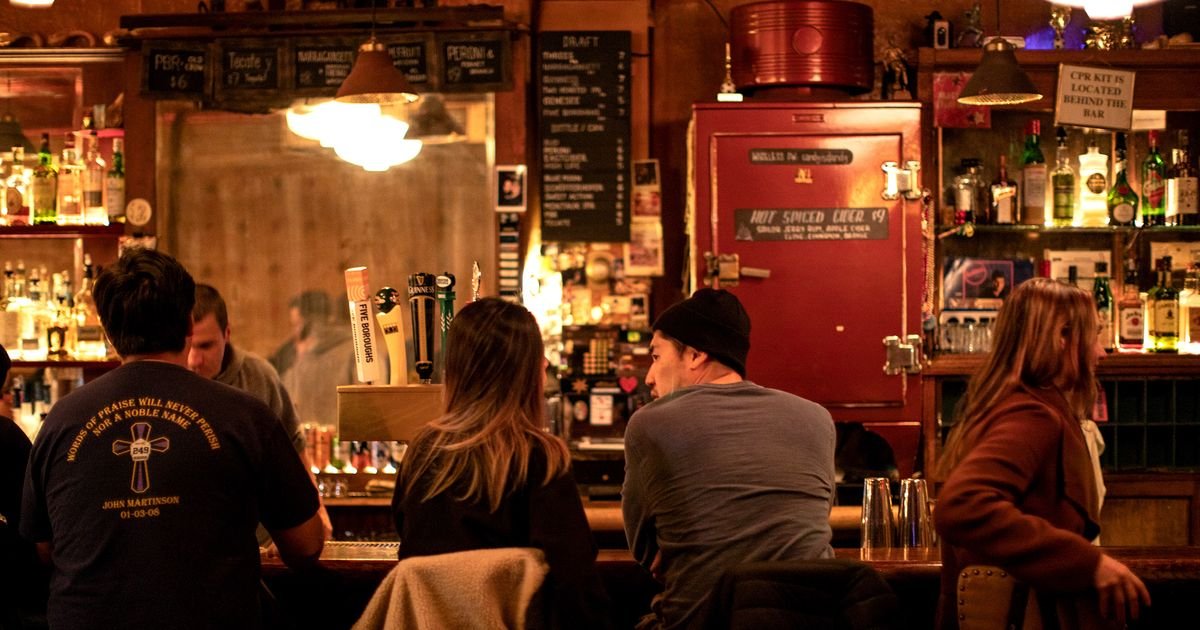
Pete's Candy Store occupies a converted railroad car and leans into a small-scale, well-worn personality rather than contemporary reinvention. The room is narrow and intentionally unchanged — wooden benches, mismatched chairs and a bar that hugs one side create a compact, sequential space. The back room functions as a low-ceilinged live-music alcove, so the place feels like a layered, lived-in container: different pockets of the bar hum at their own volumes. The overall effect is quietly charming and historic, a casual Williamsburg institution that resists trend-chasing while remaining thoroughly human-scaled.
Best For
This is a go-to neighborhood hangout for anyone seeking unpretentious evening drinking and live music without the pretense of the city's trendier rooms. The layout supports both conversation and performance: you can sit toward the front for a quieter chat or move deeper into the car for a full set. Its longevity and no-reservations policy make it ideal for spur-of-the-moment plans, late-night sessions and small gatherings where relaxed, close-quarters energy is part of the appeal.
Ordering Tips
Expect an informal, walk-up approach: the bar occupies one side and seating is a mix of benches and mismatched chairs, and the venue operates without reservations or dress requirements. There is typically no cover on most nights, but noise varies by seat—the front stays more conversational while the back room hosts full sets—so choose your spot based on whether you want to talk or listen. Keep plans flexible and assume the experience emphasizes live music and community over polished formality.
Venue details
Ambiance
Intimate neighborhood tavern with a cozy, historic storefront atmosphere featuring free live music in a small back room.
Tags
Vibe
Best For
Experience
Format
At the Bar
- Bar Category
- Dive Bar
- Late Night
- Open Until 4am
- Music
- Live Indie and Emerging Artists
- Live Music
- Yes
Know before you go
Know Before You Go
- Getting there
- 709 Lorimer St, Brooklyn, NY 11211
Planning details
Location
709 Lorimer St, Brooklyn, NY 11211 · Directions
Also consider
Where to go if this does not fit
Pick TALEA Beer Co - Williamsburg for a beer-led group plan in the same general decision set. Pick elNico when the night needs a more intentional cocktail-bar feel.
Bar context
How Pete's Candy Store compares in Williamsburg
Choose Pete's Candy Store when ease matters more than a designed bar experience. TALEA Beer Co - Williamsburg is the cleaner choice for a beer-led group hang, while elNico is the better fit when the room and cocktail positioning need to feel more deliberate.
For food-adjacent plans, Bernie's and Pomp and Circumstance make more sense than building the night around Pete's Candy Store. For a smaller, more bar-focused fallback, The Snail belongs on the same short list. Pete's Candy Store wins on low-pressure convenience, not on documented menu depth or special-occasion polish.
Explore New York City
Around this place
Discover more on Pearl
Unlock the full Pete's Candy Store guide in Pearl, including awards, comparisons, FAQs, planning details, and nearby places.
Compare Pete's Candy Store
| Venue | Location | Awards |
|---|---|---|
| Pete's Candy Store | New York City | No published awards |
| TALEA Beer Co - Williamsburg | New York City | No published awards |
| elNico | New York City | No published awards |
| Bernie’s | New York City | No published awards |
| Pomp and Circumstance | New York City | No published awards |
| The Snail | New York City | No published awards |
How Pete's Candy Store compares with similar nearby venues.
FAQ
Frequently Asked Questions
Is Pete's Candy Store open late?
Yes. Pete's Candy Store is open until 2 AM every day. Hours are Monday through Thursday from 5 PM–2 AM, Friday from 4 PM–2 AM, and Saturday and Sunday from 3 PM–2 AM.
What's the best time to go to Pete's Candy Store?
The hours give the widest window on weekends, when Pete's Candy Store opens at 3 PM on Saturday and Sunday. It opens at 5 PM Monday through Thursday and at 4 PM on Friday. For the latest timing, check directly with the venue.
Does Pete's Candy Store have happy hour deals?
Happy hour details are not listed. Plan around the casual dress code and late hours, and check with Pete's Candy Store directly for current pricing or specials.
Is Pete's Candy Store good for a date?
It can be a fit if the plan calls for a casual New York City venue with late hours. If the date depends on a specific menu, seating setup, or service style, confirm those details with the venue before choosing it.
Is the food good at Pete's Candy Store?
Food details are not listed. If a meal is central to the plan, check Pete's Candy Store's official channels or compare with other New York City dining options before deciding.