Peaches HotHouse
Bedford-Stuyvesant (West), New York City
Bar in New York City, United States
 Book with Pearl
Why go
Peaches HotHouse is a practical Bed-Stuy pick for a casual meal, especially when the occasion needs warmth without ceremony. Book it for an easy group dinner, relaxed date, or neighborhood anchor, but choose a bar-focused peer if the drinks list is the point of the night.
About Peaches HotHouse
In New York City, Peaches HotHouse is worth considering when the priority is a casual plan rather than a formal, high-ceremony outing. The practical details are simple: the dress code is casual, and the venue keeps daily hours that run into the evening.
The case for planning around it is direct. It is a fit for visitors who want a low-pressure outing rather than a plan built around a specific drinks program, chef story, tasting format, or awards hook. If you are comparing other possibilities, Doris or dear friend books may be worth weighing separately.
Consider it for an easy New York City plan
The smart move is to treat this as a casual New York City option and keep the visit straightforward. Avoid overbuilding the plan around a specific wine list, cocktail program, menu format, price point, chef attribution, seating count, or award history.
For a simple occasion, keep the plan relaxed and centered on the basics rather than on ceremony or a documented beverage program. The daily schedule gives it planning flexibility, with service from 11 AM to 10 PM Monday through Thursday, 11 AM to 11 PM Friday and Saturday, and 10 AM to 10 PM Sunday.
Where it fits in a New York City night
If the plan is centered on Peaches HotHouse, use the hours to decide whether it works before or after other New York City plans. Readers building a wider itinerary can use Our full New York City restaurants guide for alternatives, then compare other options in Our full New York City bars guide.
The main caution is expectation-setting. Let the New York City location, casual dress code, and daily hours drive the decision rather than an awards list, chef story, price point, or tasting format. For hotels, after-dinner plans, or non-restaurant add-ons, the broader guide to New York City hotels may be a better planning tool.
Planning details
- Location
- 415 Tompkins Ave, Brooklyn, NY 11216
- Reservations
- Book on OpenTable
- Website
- bcrestaurantgroup.com/location/peaches-hot-house-bed-stuy
- Phone
- +1 718 483 9111
The take
The Take
The Vibe
Peaches HotHouse presents a neighborhood-focused, contemporary take on Southern cooking. It positions itself within a newer wave of Brooklyn kitchens that foreground sourcing and operational care while keeping the pace brisk and approachable. The tone is unpretentious: a fast-casual HotHouse that nonetheless thinks seriously about where its chicken and greens come from. The result is a place that feels of-the-block rather than tourist-facing—a modern, community-minded spot where provenance matters as much as satisfying, straightforward flavors.
Best For
The HotHouse format makes Peaches an easy choice for casual lunches and relaxed dinners, especially for locals who care about ingredient sourcing. Its fast-casual rhythm suits solo visits, quick workday meals, or low-key catch-ups with friends. Because the menu centers on Southern fried chicken and a considered side program, it also works well for small groups who want hearty, shareable plates without the formality of a full-service restaurant. It’s not positioned as a destination for formal celebrations, but rather as a dependable neighborhood option.
Ordering Tips
Expect a fast-casual ordering flow and plan your meal around the fried chicken, which the description highlights as central and carefully sourced. The write-up emphasizes that side dishes are built to carry equal weight, so pair the bird with multiple sides rather than treating them as afterthoughts. Given the restaurant’s attention to supply chains and consistent frying technique, consider asking staff about preparation or sourcing if provenance matters to you. Anticipate a straightforward, no-frills service pace rather than a multi-course, table-service experience.
Venue details
Ambiance
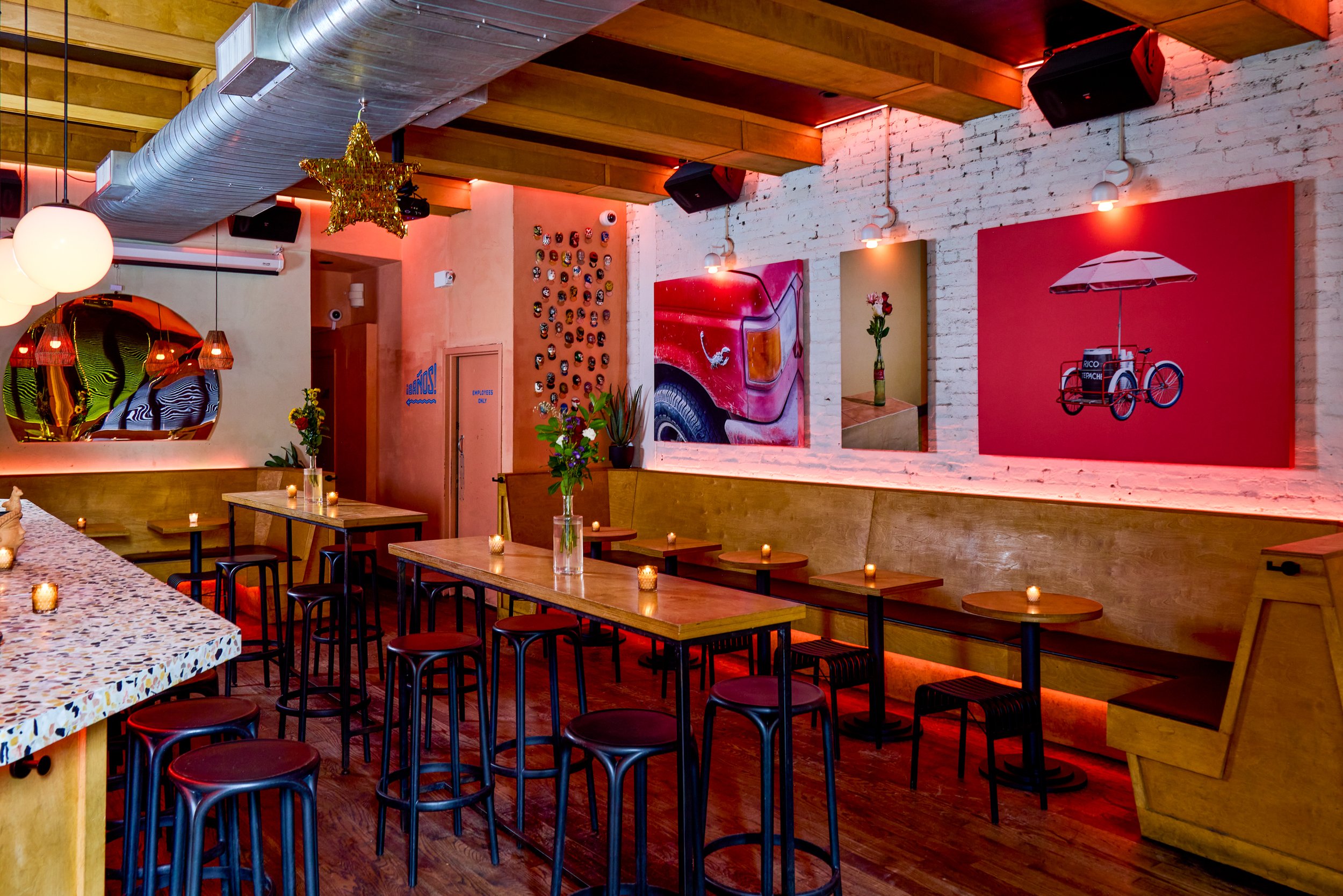
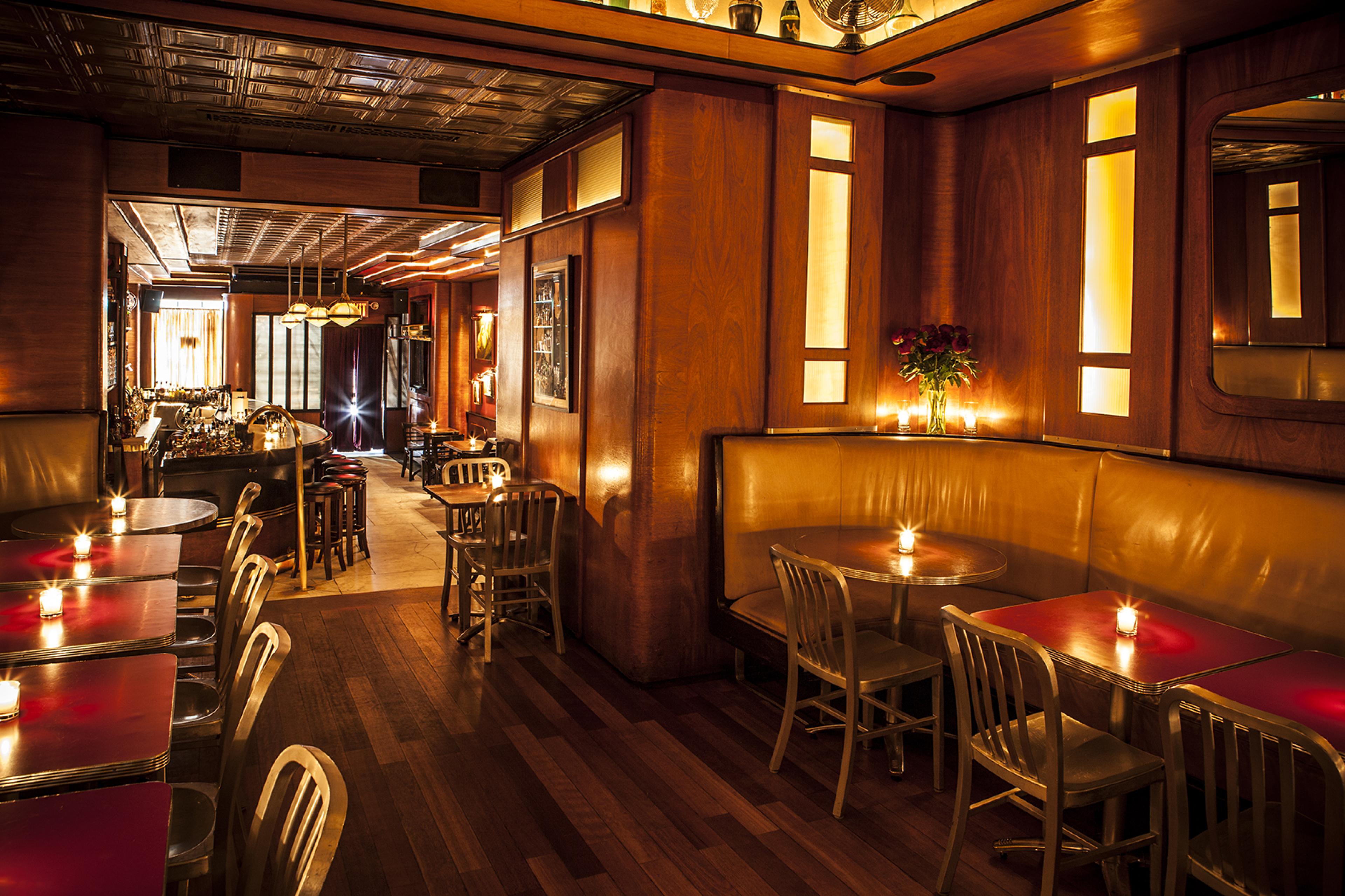
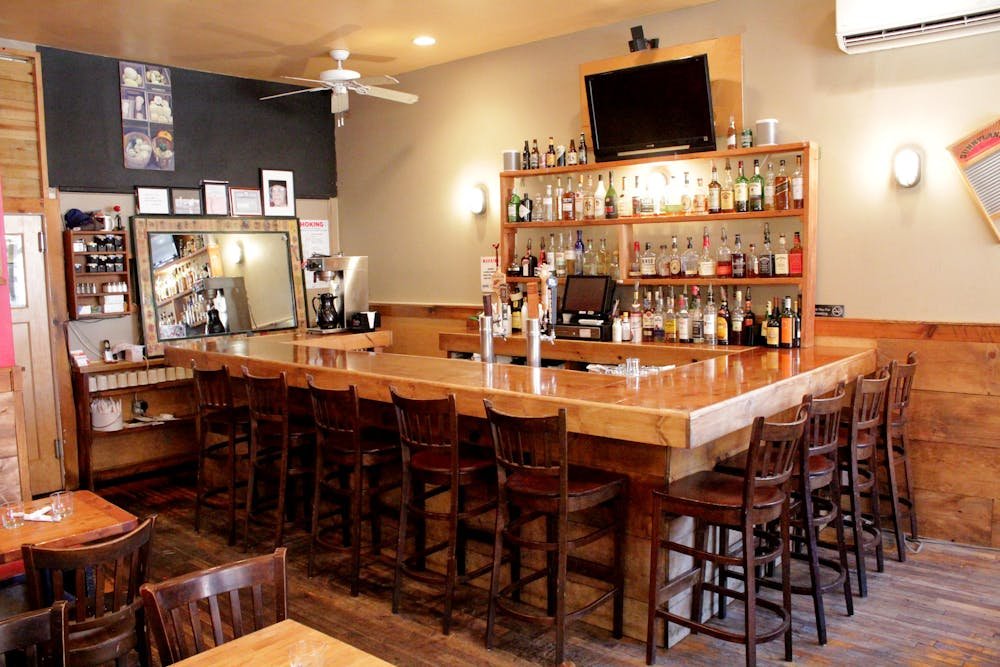
Simple wooden interior with butcher-block tables, slowly revolving ceiling fans, and a warm Southern country cafe feel.
Tags
Vibe
Best For
Experience
Format
Accessibility
At the Bar
- Bar Category
- Pub
- Late Night
- Closes by Midnight
- Music
- Blues
- Spirits Focus
- Rum
Signature Pours
Brownstone Punch
Know before you go
Know Before You Go
- Getting there
- 415 Tompkins Ave, Brooklyn, NY 11216
Planning details
Location
415 Tompkins Ave, Brooklyn, NY 11216 · Directions
Also consider
Also Consider
- Dolores, Notable alternative
- Dear Friend Bar, Notable alternative
- dear friend books, Notable alternative
- Swell Dive, Notable alternative
- Doris, Notable alternative
Bar context
How It Compares
Peaches HotHouse is the more food-first choice, while Doris and dear friend books make more sense when the drinks program and room mood are the reason to go. For value, Peaches HotHouse works better as a full-meal plan; for a slower drink-led evening, Doris is the cleaner cross-shop.
Swell Dive is a better fit for a casual bar night with a more drinks-forward identity, while Peaches HotHouse is the safer call when the group needs dinner to do the heavy lifting. Dolores and Dear Friend Bar sit outside the New York City comparison set, so use them as style references rather than direct substitutes for a Brooklyn plan.
Booking difficulty is the main advantage here: Peaches HotHouse is easier to work into a weeknight or weekend plan than venues where the bar itself is the draw. Choose it for a relaxed group meal; choose dear friend books or Doris when the occasion needs a more drinks-centered room.
Explore New York City
Around this place
Discover more on Pearl
Unlock the full Peaches HotHouse guide in Pearl, including awards, comparisons, FAQs, planning details, and nearby places.
Compare Peaches HotHouse
| Venue | Location | Awards |
|---|---|---|
| Peaches HotHouse | New York City | No published awards |
| Dolores | Brooklyn | No published awards |
| Dear Friend Bar | Dartmouth | 2025 Canada's 50 Best Bars · #13 |
| dear friend books | New York City | No published awards |
| Swell Dive | New York City | No published awards |
| Doris | New York City | No published awards |

How Peaches HotHouse New York City compares with similar nearby venues.
FAQ
Frequently Asked Questions
Is Peaches HotHouse open late?
Peaches HotHouse is open until 11 PM on Friday and Saturday. Monday through Thursday it is open from 11 AM to 10 PM, and Sunday it is open from 10 AM to 10 PM.
Is Peaches HotHouse good for groups?
It can fit a casual group plan if the timing works for your party. Plan around its casual dress code and daily hours rather than assuming a specific seating layout or private-event setup. Dear Friend Bar is another option to compare.
Is Peaches HotHouse good for a date?
It works best as a relaxed, casual date option. The dress code is casual, and the hours make it possible to plan an evening visit most days. Doris is another venue to consider.
Do I need a reservation at Peaches HotHouse?
Is the food good at Peaches HotHouse?
For deciding whether it fits your plan, use the basics: New York City location, casual dress code, and daily hours. Dolores is another venue to weigh against it.
What's the best time to go to Peaches HotHouse?
The best time depends on your schedule. Hours are 11 AM to 10 PM Monday through Thursday, 11 AM to 11 PM Friday and Saturday, and 10 AM to 10 PM Sunday. If you are planning with a group, confirm current availability directly with the venue.