
Paradise Lost
East Village, New York City
Bar in New York City, United States
 Book with Pearl
Why go
Paradise Lost is a practical East Village evening pick if the plan is drinks or a late stop near 2nd Avenue. It is less convincing for a structured dinner, special occasion, or dietary-sensitive booking because menu, price, seating, and reservation details are not confirmed here.
About Paradise Lost
For Paradise Lost in New York City, the key planning detail is timing. The venue is open daily from 5 PM to 2 AM, which makes it an evening and late-night option rather than a daytime stop. First-timers should plan around that schedule and confirm any details directly before going.
Use it as an evening or late-night option
Paradise Lost is a New York City venue with daily 5 PM to 2 AM hours and a smart casual dress code. Details regarding cuisine type, chef, price range, menu format, booking method, or seat count are not available, so it's best to keep plans flexible and verify any specific needs in advance.
For a first visit, timing matters more than format. Early evening may suit a more planned arrival, while later at night may suit a looser schedule. If the plan depends on a full meal, dietary accommodations, group capacity, or a fixed budget, confirm those details directly before making Paradise Lost the center of the night.
The first-timer read: easy to fit in, harder to plan around
Paradise Lost works as a flexible New York City evening option because it opens every day and runs late. That is the practical advantage. The tradeoff is that several decision-making details are not available, including price, menu style, reservation process, and group capacity. For someone choosing between lunch and dinner, this is not a lunch candidate given its hours; the useful comparison is early evening versus late night.
Readers mapping a broader night can use our full New York City restaurants guide, then check our full New York City bars guide for other options. For visitors building a full trip, the broader New York City rails also help: hotels and experiences.
Planning details
- Location
- 100 2nd Ave, New York, NY 10003
- Website
- paradiselost.nyc
- Phone
- NA
The take
The Take
The Vibe
Paradise Lost sits squarely in the East Village’s layered, lived-in fabric. The copy frames the block as one that has absorbed decades of cultural change — Ukrainian communities, punk, artists — and that history shapes how the room reads. Rather than aiming for spectacle, the place aligns with a neighborhood preference for informality and authenticity; the tone is relaxed and unpretentious. You get the sense of a small, resilient city spot that leans into its context rather than disguising it, anchored by an address described as carrying “genuine historical freight.”
Best For
This is a neighborhood-focused destination for people who appreciate authenticity and an informal dining experience. The description emphasizes a working strip where students, longtime residents, and newer arrivals overlap, so the restaurant suits diners looking for a straightforward, locally rooted meal rather than a formal occasion. The copy stresses the East Village’s evening and layered dining identity, positioning the venue as a natural pick for nights out in the neighborhood and for anyone who values character and an unpretentious atmosphere.
Venue details
Ambiance
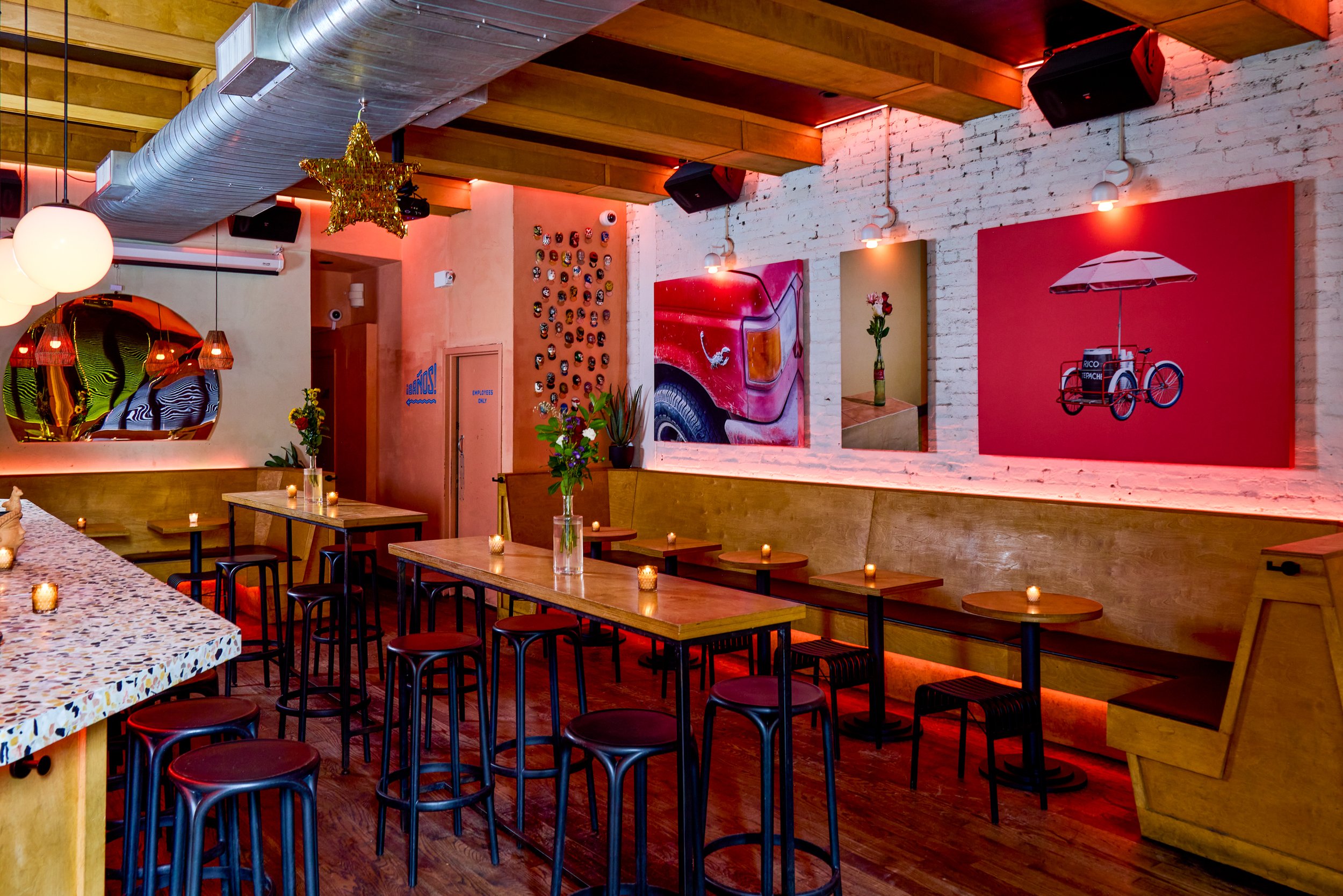
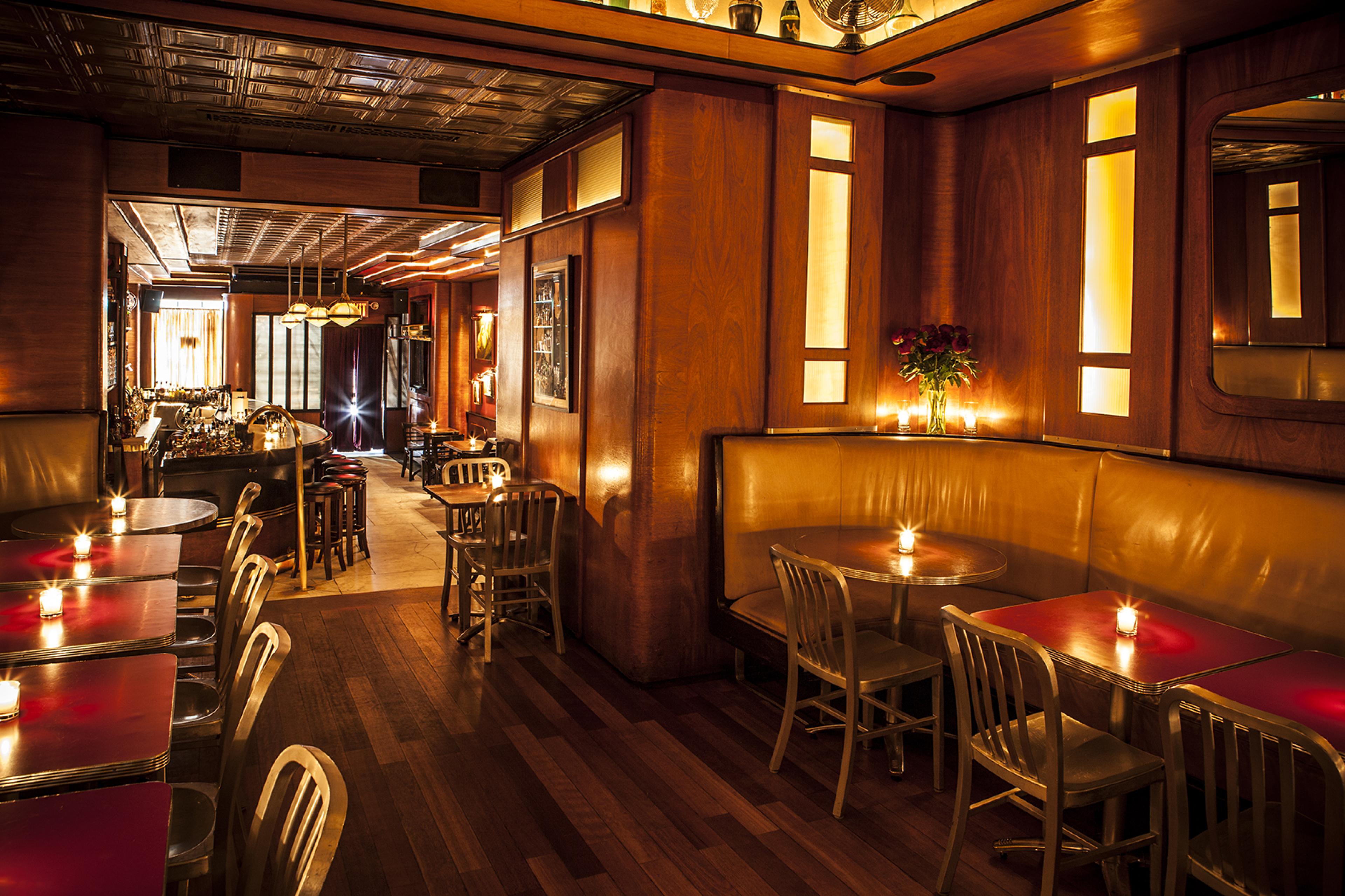
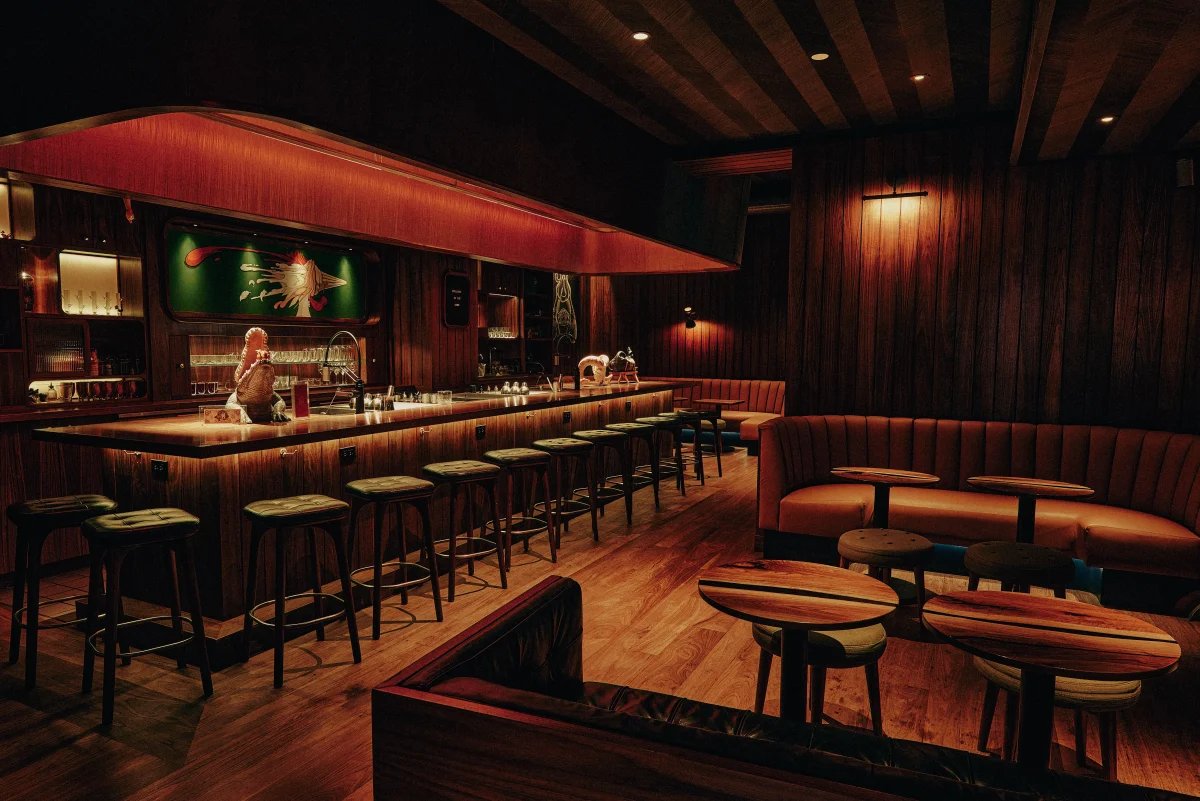
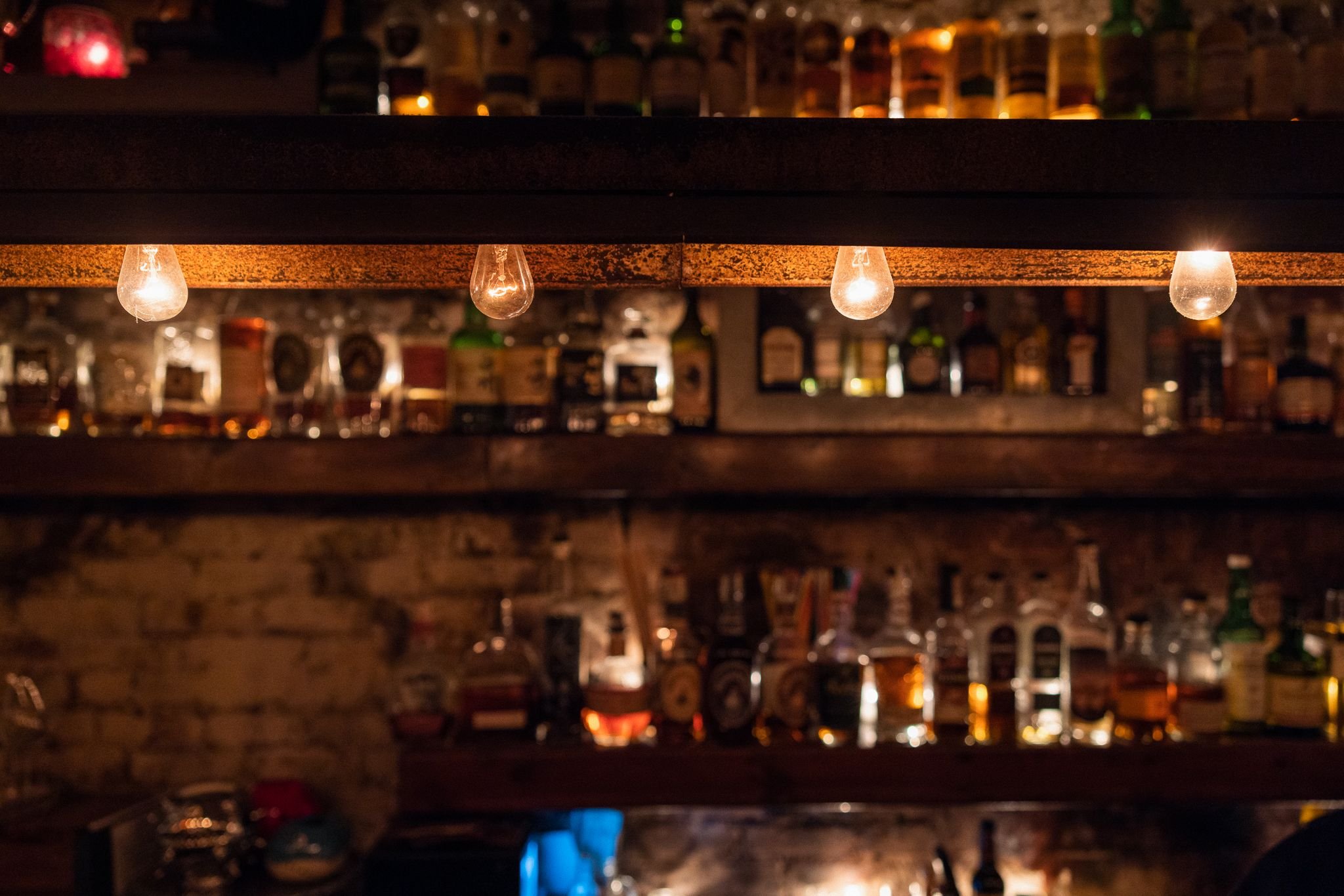
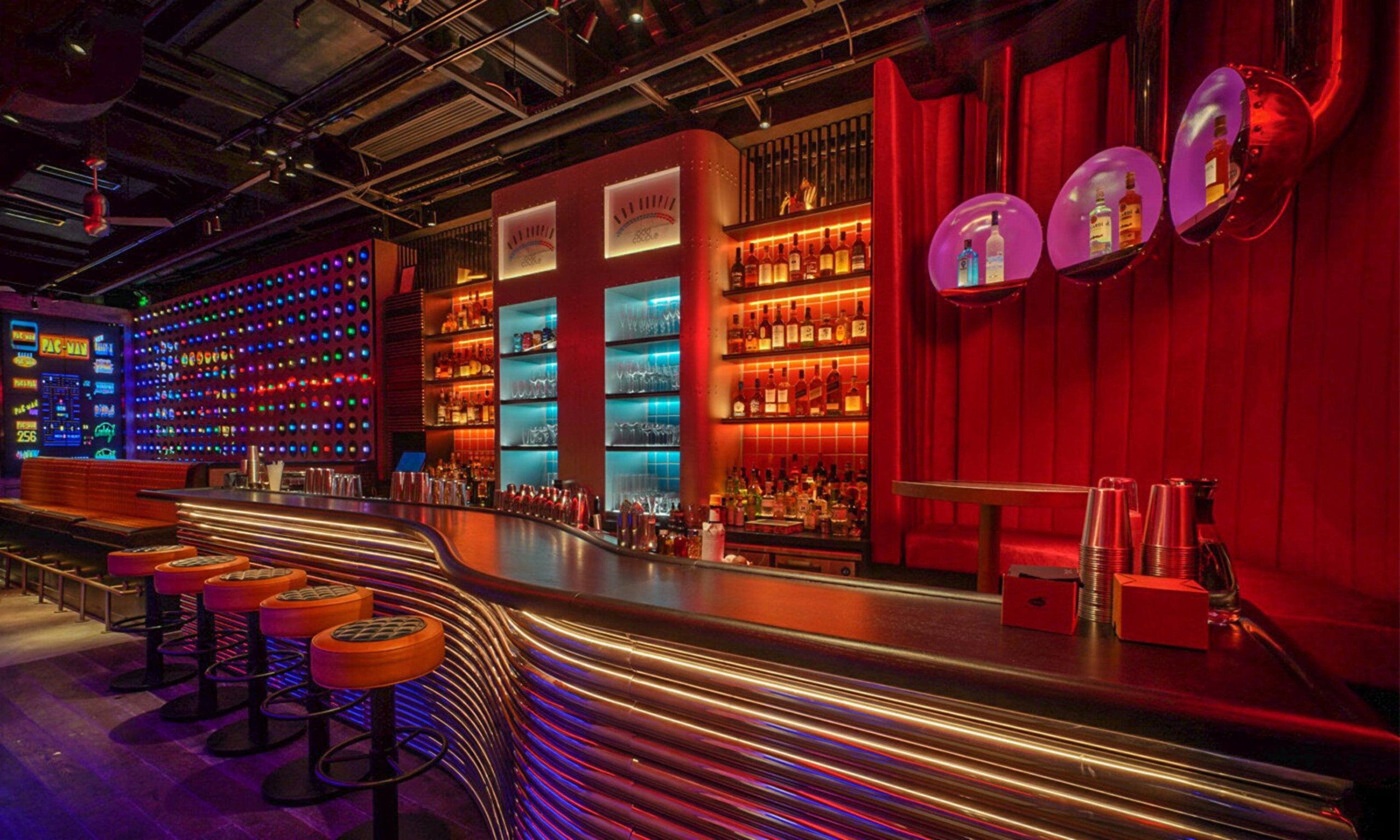
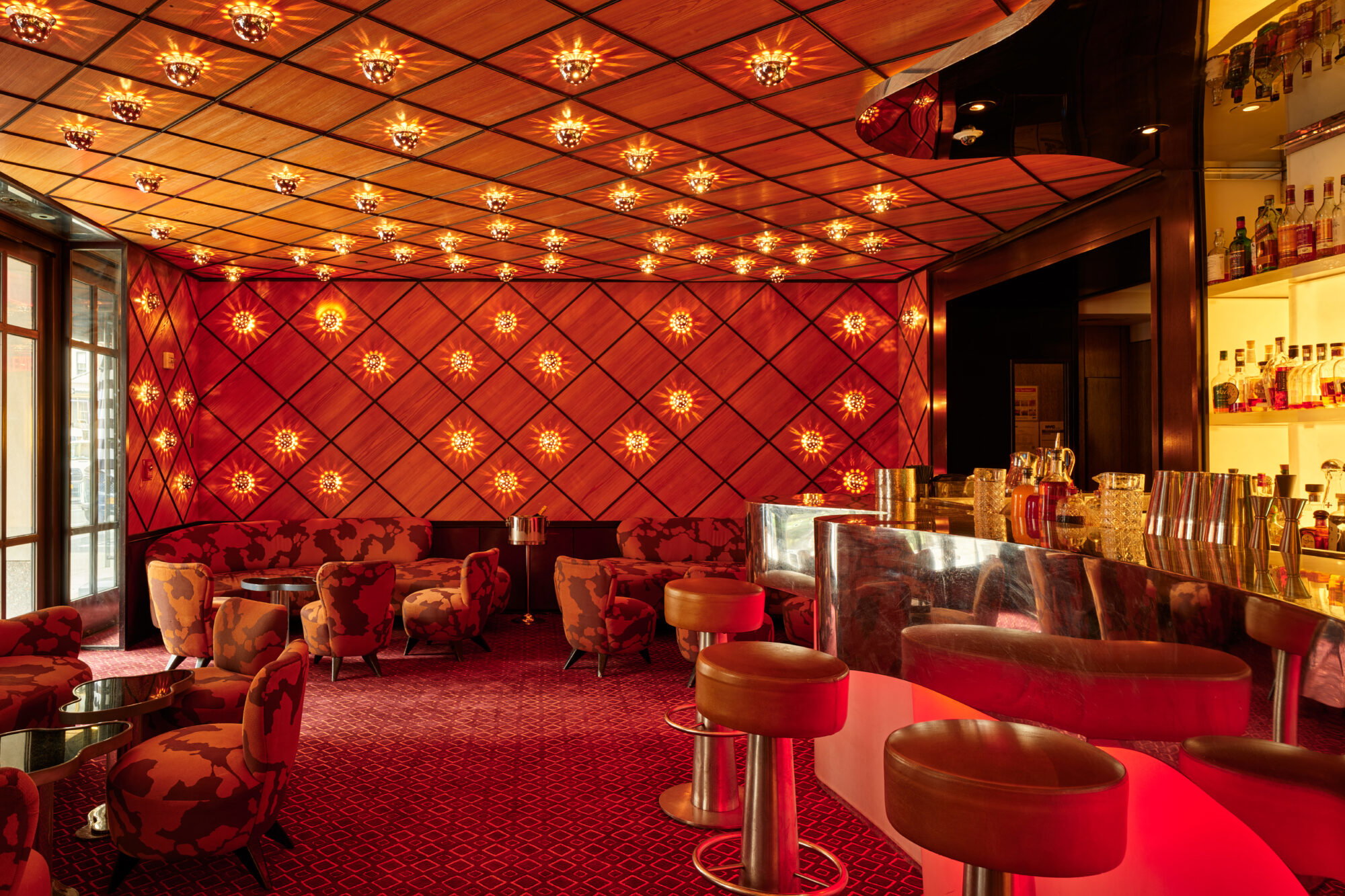
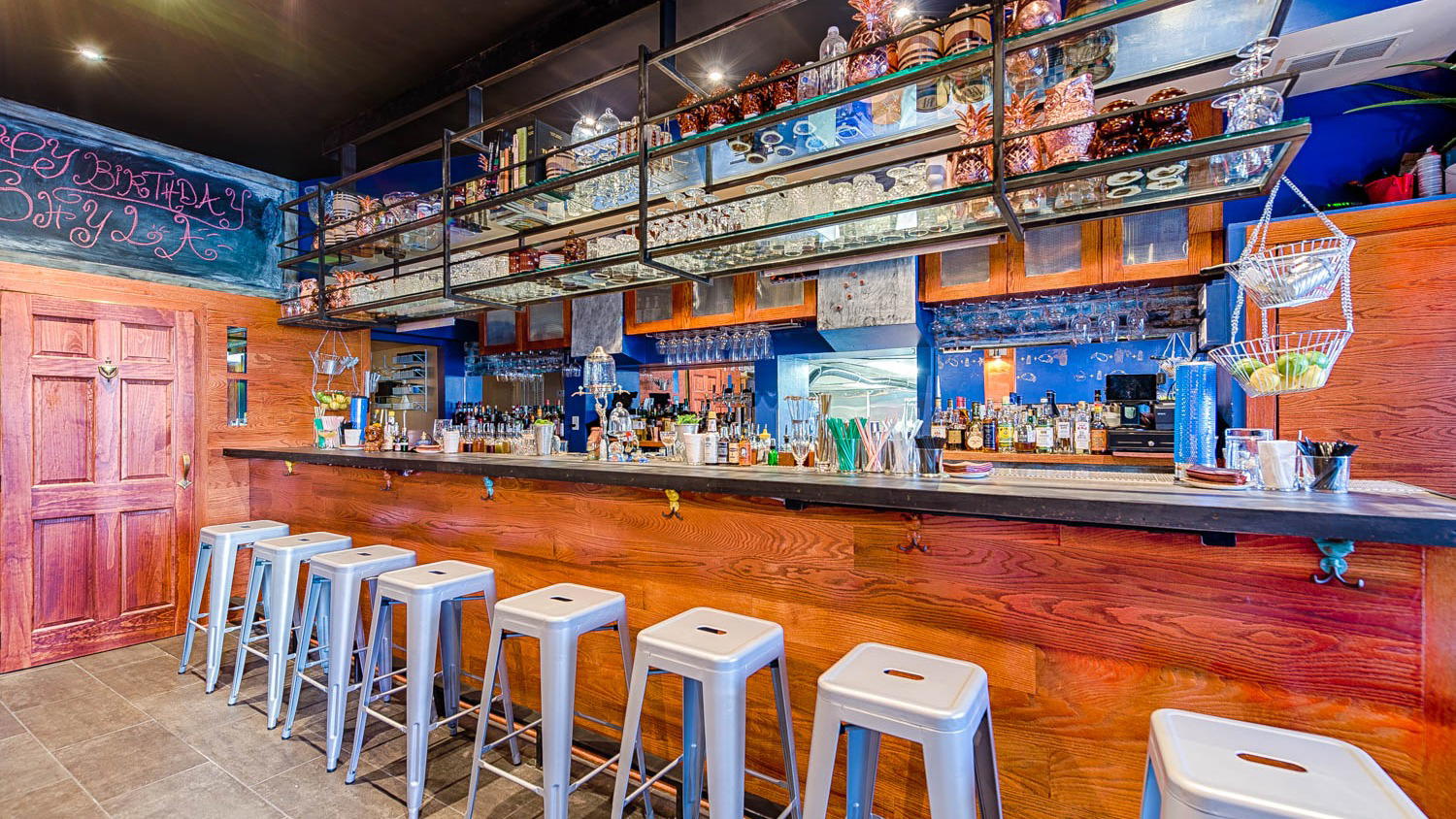
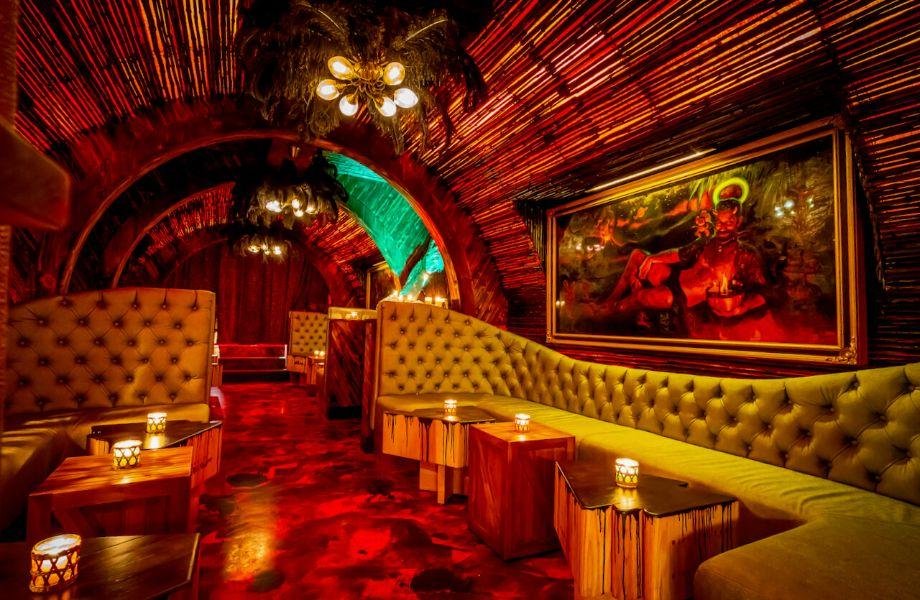
Dark, transportive atmosphere evoking Pee-wee Herman’s nightmare with psychobilly tiki lounge vibes, immersive design, and good music.
Tags
Vibe
Best For
Experience
Know before you go
Know Before You Go
- Getting there
- 100 2nd Ave, New York, NY 10003
Planning details
Location
Recognition and awards

Also consider
Where to go if this does not fit the night
If the group needs a clearer food plan, choose Mamoun's Falafel for a faster casual meal or Malai Marke for a more structured dinner. If the plan is casual and budget-sensitive, B&H; Dairy is the more meal-focused alternative.
Bar context
How Paradise Lost compares in the East Village
Paradise Lost is the better fit when the priority is a late evening stop rather than a defined meal. B&H; Dairy, Cello's Pizza, Risotteria Melotti, Mamoun's Falafel, and Malai Marke are safer cross-shops when food is the anchor of the plan.
For value and clarity, Mamoun's Falafel and B&H; Dairy are easier choices because the meal format is the point. Cello's Pizza is the more natural casual group fallback. Risotteria Melotti and Malai Marke make more sense when the evening needs a sit-down restaurant experience rather than a flexible bar-led stop.
Booking difficulty appears easier here than at restaurants where the table itself is the main event, but that also means the occasion ceiling is lower. Choose Paradise Lost for an after-dinner plan in the East Village; choose one of the restaurant peers when budget, food, or group logistics need to be settled before arrival.
Explore New York City
Around this place
Discover more on Pearl
Unlock the full Paradise Lost guide in Pearl, including awards, comparisons, FAQs, planning details, and nearby places.
Compare Paradise Lost
| Venue | Location | Awards |
|---|---|---|
| Paradise Lost | New York City | 2025 North America's 50 Best Bars · #95 |
| B&H Dairy | New York City | 2025 New York Magazine The 43 Best Restaurants in New York |
| Cello’s Pizza | New York City | No published awards |
| Risotteria Melotti | New York City | No published awards |
| Mamoun's Falafel | New York City | No published awards |
| Malai Marke | New York City | No published awards |

How Paradise Lost New York City compares with similar nearby venues.
FAQ
Frequently Asked Questions
Does Paradise Lost handle dietary restrictions?
Dietary accommodation details are not available. Check with Paradise Lost directly before you go, especially if your plans depend on specific food, allergy, or menu information.
Is Paradise Lost good for a special occasion?
It can work if the occasion fits an evening or late-night New York City plan. Its hours are daily 5 PM to 2 AM, and the dress code is smart casual; confirm reservations, group capacity, and any special-arrangement details directly.
What should a first-timer know about Paradise Lost?
Treat Paradise Lost as an evening and late-night New York City option. It opens every day from 5 PM to 2 AM, and the dress code is smart casual.
What should I wear to Paradise Lost?
The dress code is smart casual. Plan for polished but comfortable city-night-out clothing.
Can I eat at the bar at Paradise Lost?
Food and seating details are not available. Ask Paradise Lost directly before you go, or consider other New York City options such as B&H Dairy, Malai Marke, Cello's Pizza, Mamoun's Falafel, or Risotteria Melotti if your plan depends on details that are not available.
How far ahead should I book Paradise Lost?
Booking details are not available. If your timing matters, contact Paradise Lost directly; the schedule is 5 PM to 2 AM every day.
Can Paradise Lost accommodate groups?
Group capacity is not available. Contact Paradise Lost directly before organizing a group visit, and keep a backup plan in New York City if your party size or timing is fixed.