
Bar in New York City, United States
Nobu Fifty Seven
100Pearl PointsHigh-energy Midtown
About Nobu Fifty Seven
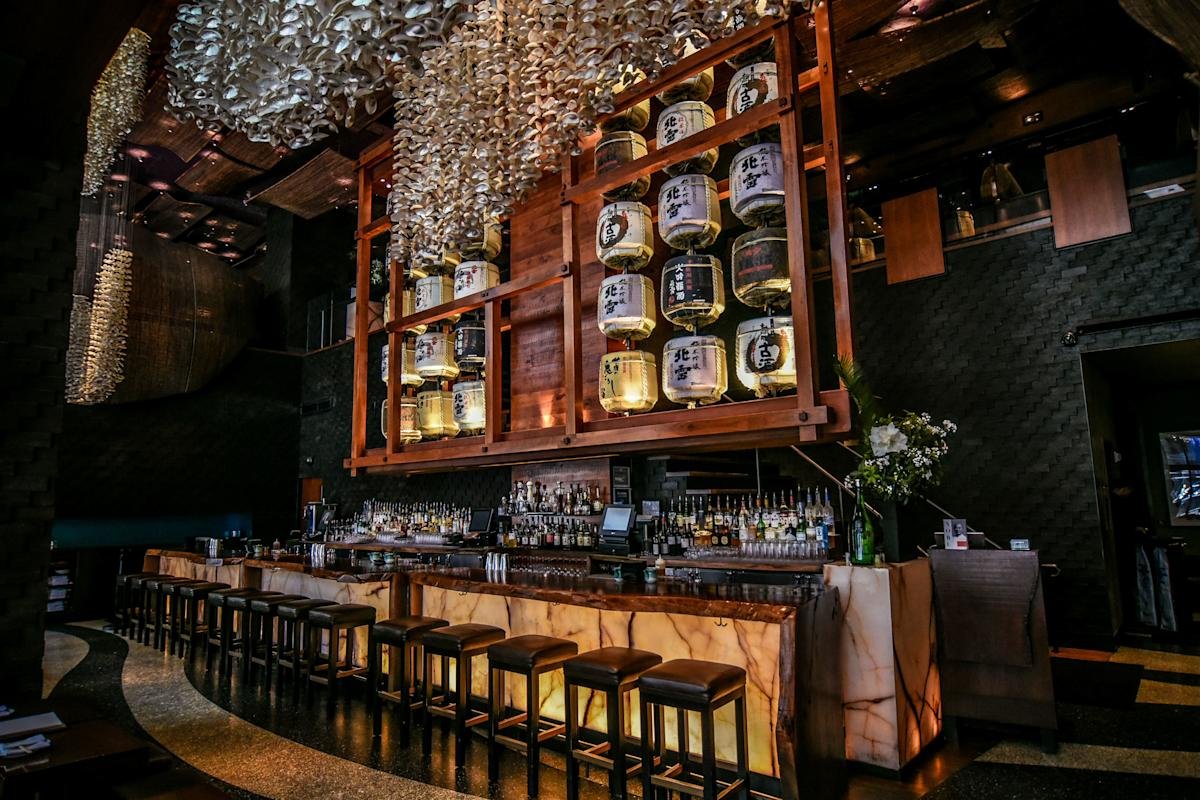
Book Nobu Fifty Seven when you want a lively Midtown dinner where the food matters as much as the room. It is a stronger fit for social dates, group dinners, and recognizable New York energy than for quiet conversation or value hunting.
Nobu Fifty Seven is a New York City venue with verified daily hours and a smart casual dress code. The available verified details do not specify a cuisine, chef, menu format, price range, awards, seating, reservation policy, or beverage program, so planning should stay focused on the practical facts that are confirmed.
It is open from 11:45 AM to 10:15 PM Monday through Thursday and Sunday, and from 11:45 AM to 11:15 PM on Friday and Saturday. Use those hours, plus the smart casual dress code, as the most reliable basis for deciding whether it fits your plans.
Choose it when the confirmed basics fit your plan
Nobu Fifty Seven is best evaluated as a New York City option with daily hours and a smart casual standard. Because the supplied details do not verify a specific cuisine, chef, menu, awards, price range, or drinks program, avoid planning around any unconfirmed specialty or accolade.
If you are comparing options, consider the kind of outing you want and check current details directly with each venue. Il Corso, Clement, Darling Rooftop Lounge, Contour Gastro Lounge and Bar, and Pen Top are other venues you may want to compare when deciding what best fits your plan.
First-timer advice: confirm the details that matter
For a first visit, the safest approach is to confirm current availability, menu details, and any service-specific questions directly with Nobu Fifty Seven before you go. The verified dress code is smart casual, so plan attire accordingly.
The hours make it possible to plan across the week: 11:45 AM to 10:15 PM on Monday, Tuesday, Wednesday, Thursday, and Sunday, and 11:45 AM to 11:15 PM on Friday and Saturday. For wider planning, use Our full New York City restaurants guide, Our full New York City bars guide, or Our full New York City hotels guide.
Frequently Asked Questions
Is Nobu Fifty Seven good for a date?
Nobu Fifty Seven may work for a date if its New York City location, daily hours, and smart casual dress code fit your plan. The verified details do not specify atmosphere, menu, price range, or seating, so confirm current details directly before booking around a specific experience.
Does Nobu Fifty Seven have happy hour deals?
The verified details do not include happy hour information. If that matters to your plan, check the venue's official channels for the latest details, or compare with Darling Rooftop Lounge for a different option.
Is Nobu Fifty Seven open late?
Nobu Fifty Seven is open until 10:15 PM Monday through Thursday and Sunday, and until 11:15 PM on Friday and Saturday.
Is the food good at Nobu Fifty Seven?
The verified details do not include a cuisine, chef, menu, awards, or price range, so this guide cannot make a specific claim about the food. If food is the deciding factor, check current menu information directly and compare with Clement or Il Corso.
What's the crowd like at Nobu Fifty Seven?
The verified details do not describe the crowd or atmosphere. Plan based on confirmed basics: Nobu Fifty Seven is in New York City, keeps daily hours, and has a smart casual dress code.
What's the best time to go to Nobu Fifty Seven?
Choose a time within the confirmed hours: 11:45 AM to 10:15 PM Monday through Thursday and Sunday, and 11:45 AM to 11:15 PM on Friday and Saturday. For current availability, confirm directly with the venue.
Do I need a reservation at Nobu Fifty Seven?
The verified details do not state a reservation policy. Check directly with Nobu Fifty Seven before you go, especially if timing or party size is important.
Location
40 W 57th St, New York, NY 10019
New York City, United States
Compare Nobu Fifty Seven
Mini comparison
| Venue | Use it for | Trade-off |
|---|---|---|
| Nobu Fifty Seven | Lively Midtown dinner where food matters | Less suited to quiet conversation |
| Il Corso | More conventional sit-down meal | Less scene-driven |
| Darling Rooftop Lounge | Drinks and atmosphere | Food is not the main decision point |
| Clement | Calmer meal | Less high-energy Midtown feel |
Where to go if this is not the right fit
Pick Clement if the meal needs to feel quieter and more polished. Pick Darling Rooftop Lounge if the group cares more about drinks and atmosphere than a dining-led booking.
How it compares in Midtown
Il Corso is the better cross-shop for a more traditional sit-down meal, while Nobu Fifty Seven is the stronger pick when the group wants dinner with a louder social charge. With booking difficulty marked easy, Nobu is also useful when plans are late-breaking, especially compared with venues where the main appeal is a tighter lounge or view-driven setup.
Darling Rooftop Lounge, Contour Gastro Lounge and Bar, and Pen Top make more sense when drinks, skyline energy, or a hotel-lounge feel are the brief. Nobu Fifty Seven is the safer choice when the food needs to carry the booking rather than acting as support for cocktails.
Clement is the calmer alternative for a polished meal where conversation matters. Choose Nobu for group energy and name recognition; choose Clement or Il Corso when the table needs a quieter, more meal-focused rhythm.
Explore New York City
Save or rate Nobu Fifty Seven on Pearl
Keep this venue in your Pearl passport, rate it after you visit, and track it alongside every other place you collect.