Nargis Cafe
Sheepshead Bay-Manhattan Beach-Gerritsen Beach, New York City
Bar in New York City, United States
 Book with Pearl
The Read
Price
$20–30per person
Why go
Nargis Cafe is a practical Sheepshead Bay pick for a casual group meal, not a trophy booking. Choose it when ease, long daily hours, and a relaxed Brooklyn setting matter more than awards, chef-driven dining, or a drinks-first room.
About Nargis Cafe
Nargis Cafe is a New York City venue with daily hours from 10 AM to 11 PM and a casual dress code. Those two details are the most useful anchors for planning, because they establish both the daily window and the general level of formality without requiring much interpretation. Beyond those practical basics, public planning details such as menu format, price tier, chef credit, awards, reservations, and service style are not here, so it is best approached with simple expectations and a flexible mindset rather than a highly specific agenda.
A practical option with direct details
The clearest planning point is consistency: Nargis Cafe lists the same hours every day, Monday through Sunday, from 10 AM to 11 PM. That steady schedule can make the venue easier to keep in consideration when plans are still shifting, since there is no day-to-day variation in the hours presented here. The dress code is casual, which makes it easier to consider for a relaxed visit rather than a formal occasion, especially if you are trying to keep the outing straightforward and low-pressure.
Because there is no price tier, menu format, chef credit, or awards signal in the available data, treat this as a venue to evaluate on practical fit rather than as a destination built around a confirmed accolade or specific dining format. In other words, the appeal here should be judged from the information that is actually confirmed: the New York City setting, the casual dress code, and the long, consistent daily hours. If you are comparing options, you can also look at Folk, Japan Village, King Mother, Skinflints, or The Kettle Black, depending on what kind of outing you are planning and how much detail you need before choosing.
Who should choose it, and who should skip it
Choose Nargis Cafe if you want a New York City venue with casual dress and consistent daily hours. It may be a sensible name to keep on a shortlist when convenience, simplicity, and a broad daily time window matter more than a fully documented restaurant profile. Skip it if your decision depends on details not available here, such as a specific menu style, price point, reservation policy, awards history, dietary accommodations, or beverage program. Those factors can be important for some meals, and this page does not confirm them.
For broader planning, use Our full New York City restaurants guide when the meal is the focus, Our full New York City bars guide when drinks matter more, and Our full New York City hotels guide if the night needs a nearby stay. Those guides can help place Nargis Cafe alongside other choices when you need more context for the rest of the evening. The concise read: consider Nargis Cafe when casual dress and daily 10 AM–11 PM hours fit your plans, and look elsewhere if you need a venue with more specifics before committing.
Planning details
- Location
- 1655 Sheepshead Bay Rd, Brooklyn, NY 11235
- Website
- nargiscafe.com
- Phone
- +1 718 872 7888
The take
The Take
The Vibe
Nargis Cafe reads like a community anchor: understated, specific and unselfconscious. The dining room is defined by the smells of charcoal and spiced lamb and by the steady presence of regulars, not by gestures toward trend or tourism. It feels like a place that has evolved for one neighborhood rather than for a broad audience — warm and relaxed rather than performative. Visitors arrive via the B or Q terminal and quickly recognize that the cafe runs on its own timetable and culinary logic, which is part of its low-key charm.
Best For
This is a spot for straightforward, hearty meals centered on Uzbek favorites — most notably plov, the rice-and-lamb kazan dish that the write-up calls the occasion itself. The restaurant suits dinners where pacing and portion size matter: expect substantial plates, a communal rhythm, and the kind of service calibrated to repeat customers. It’s ideal when you want an authentic, no-frills evening of comfort cooking rather than a formal or destination tasting menu. Come ready to linger and eat deliberately.
Ordering Tips
Order the plov — it’s repeatedly named as the reason people return and is described as the centerpiece of the menu. Because a proper plov requires hours of attention, allow for a bit of wait time and plan to stay; the cafe’s pacing is built around regulars who linger. Portions skew generous, so consider sharing if you’re with others. Follow local cues: regulars often order without consulting the menu, so don’t hesitate to ask staff what’s freshest or what they recommend that day.
Venue details
Ambiance
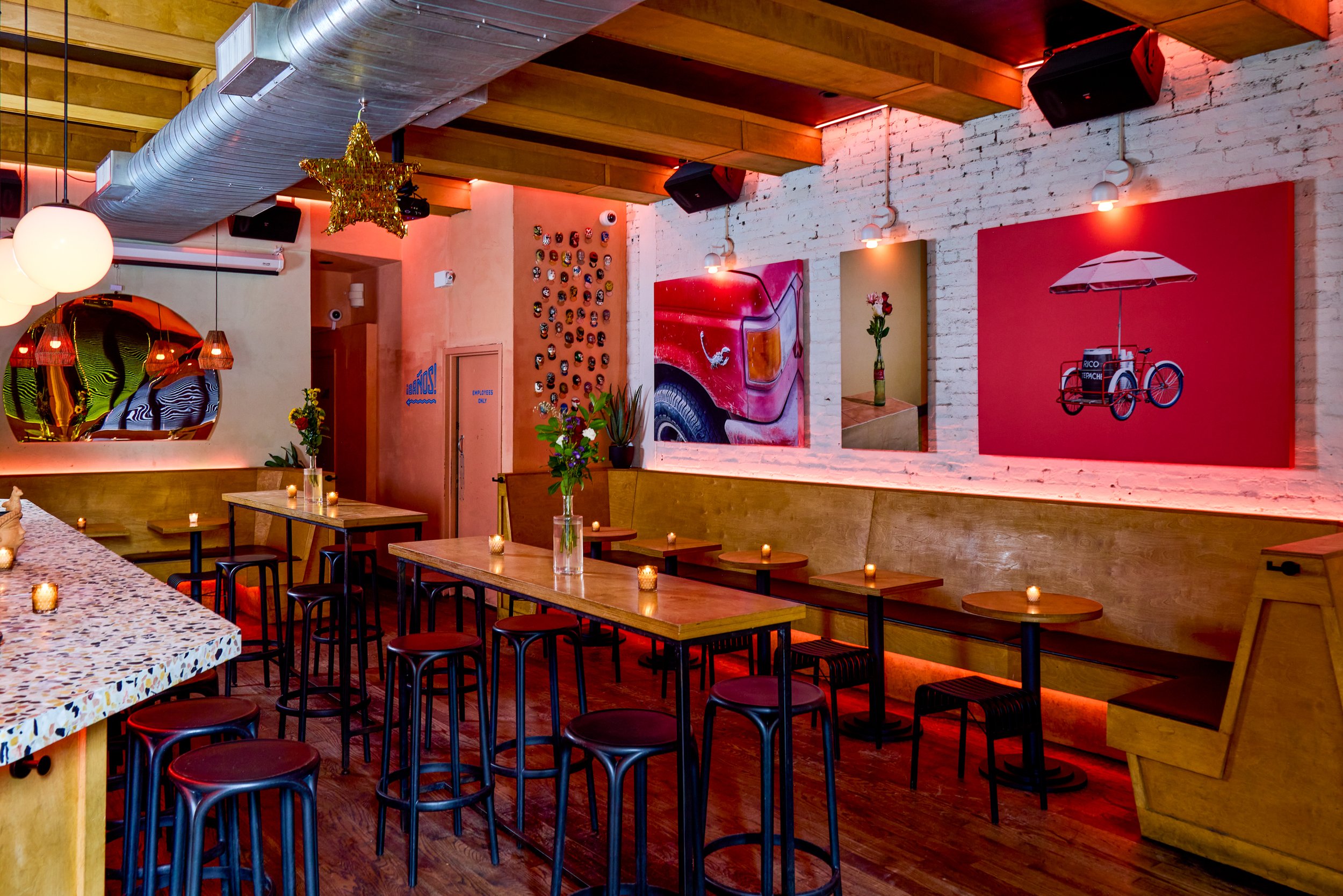
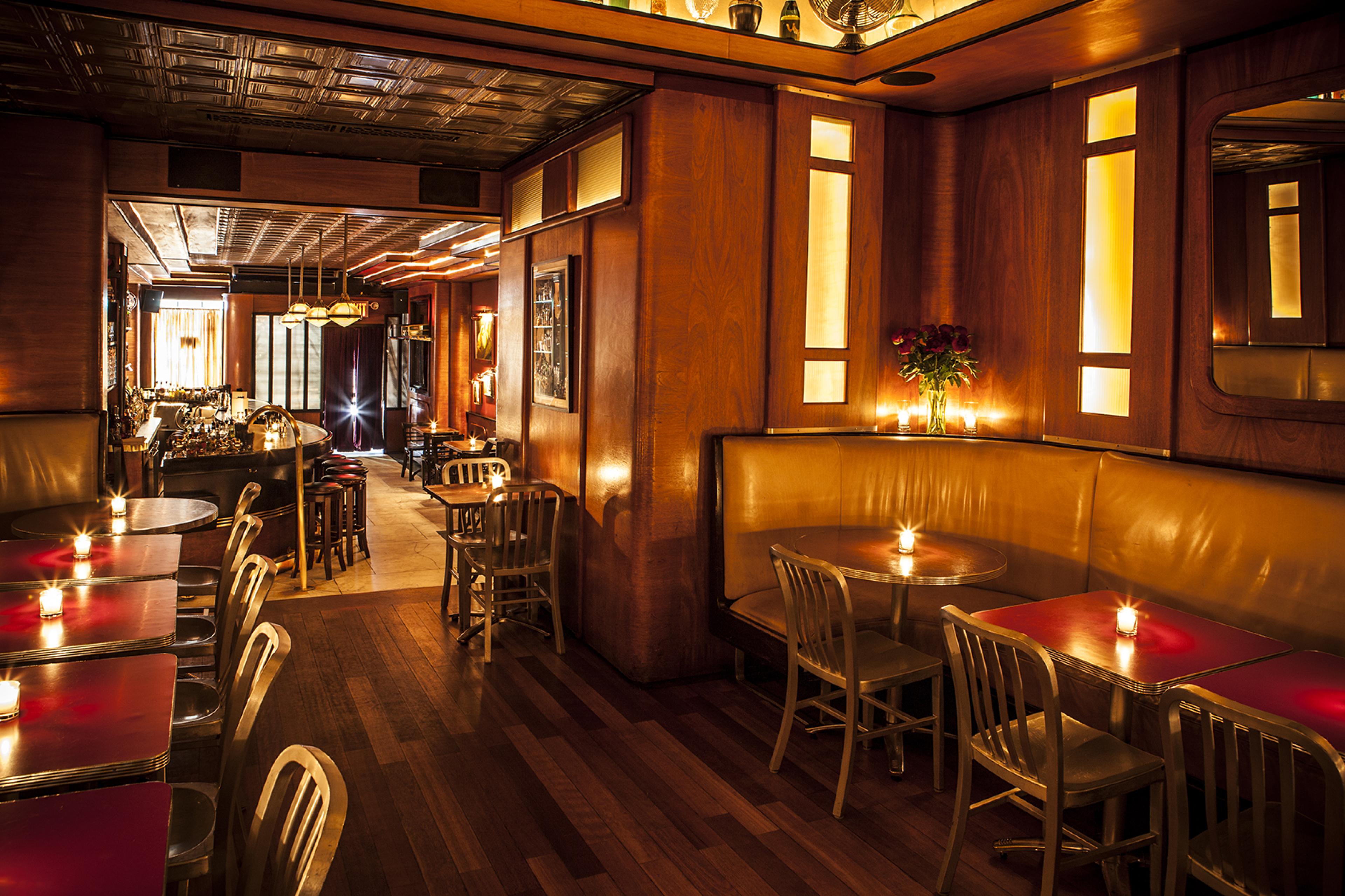
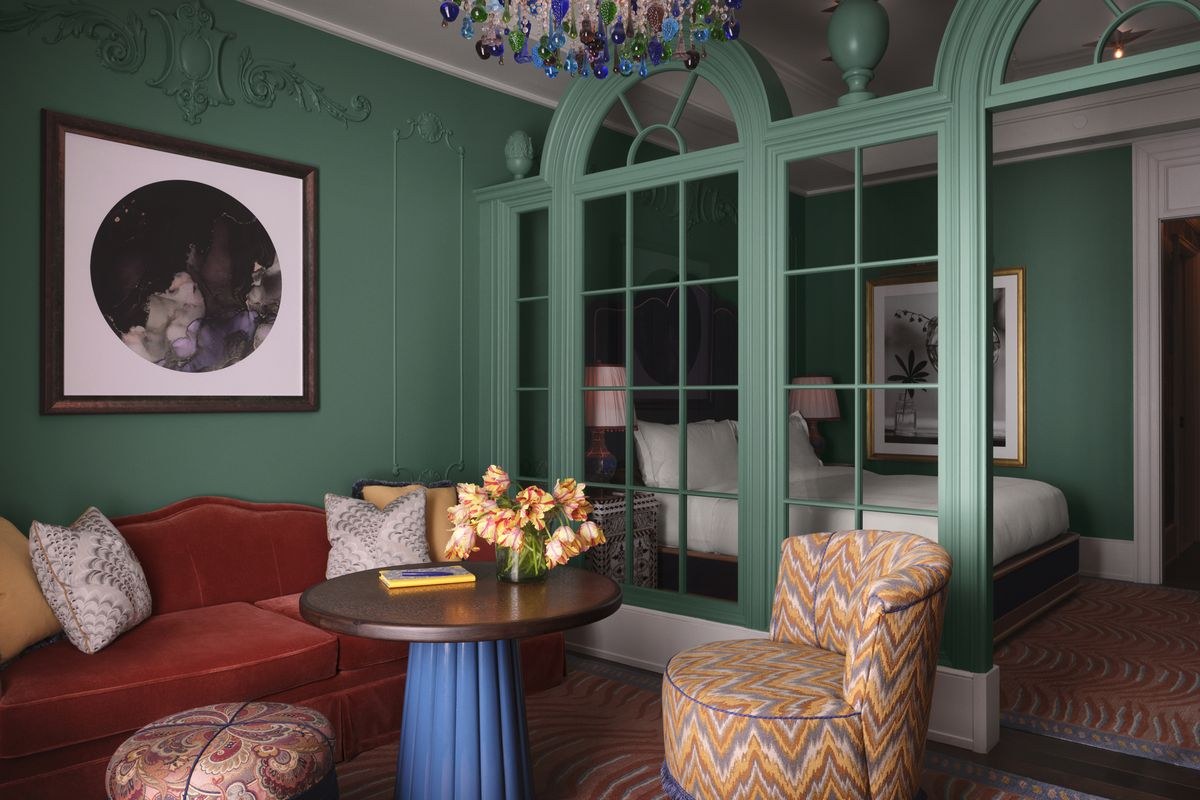
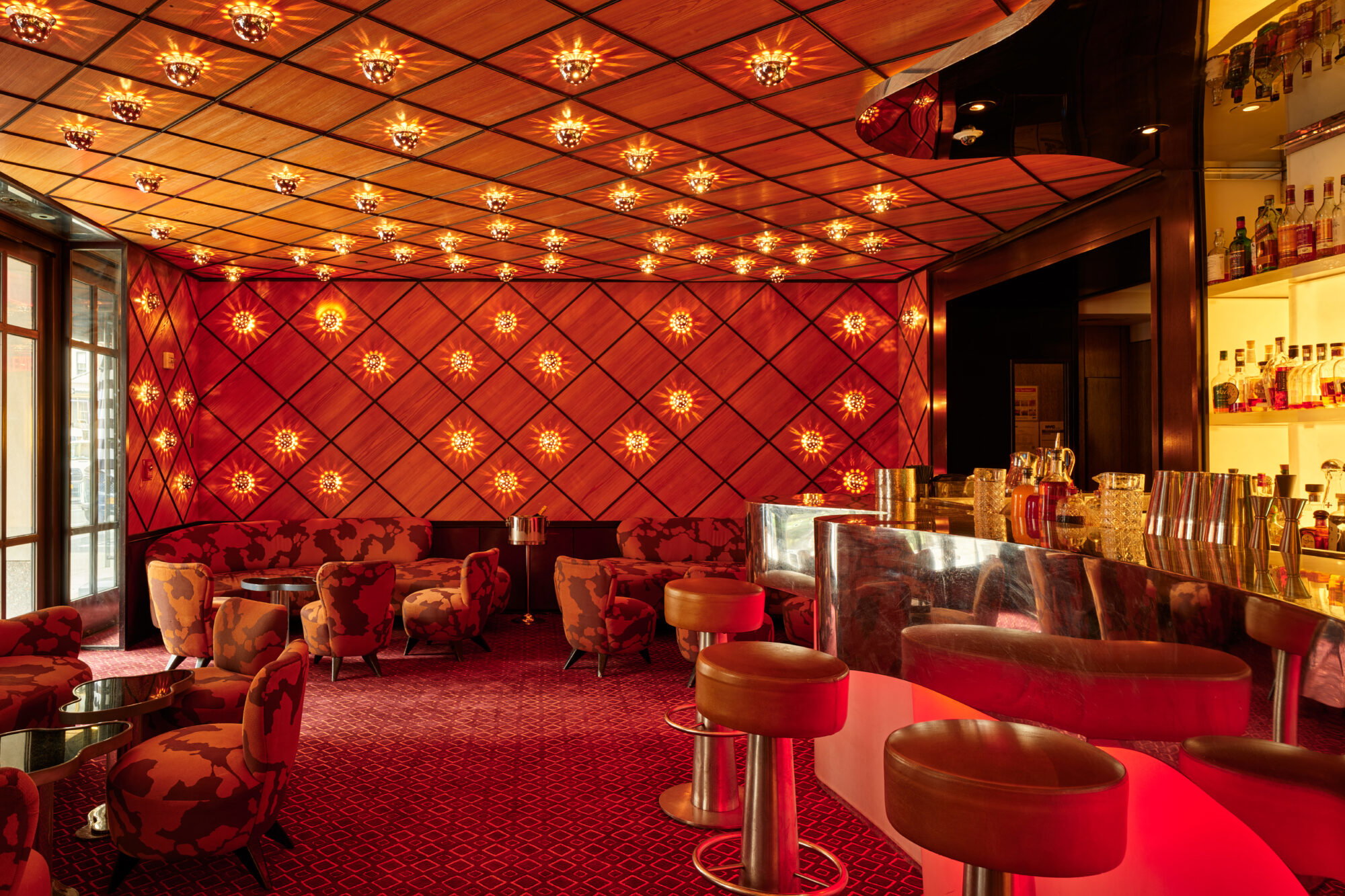
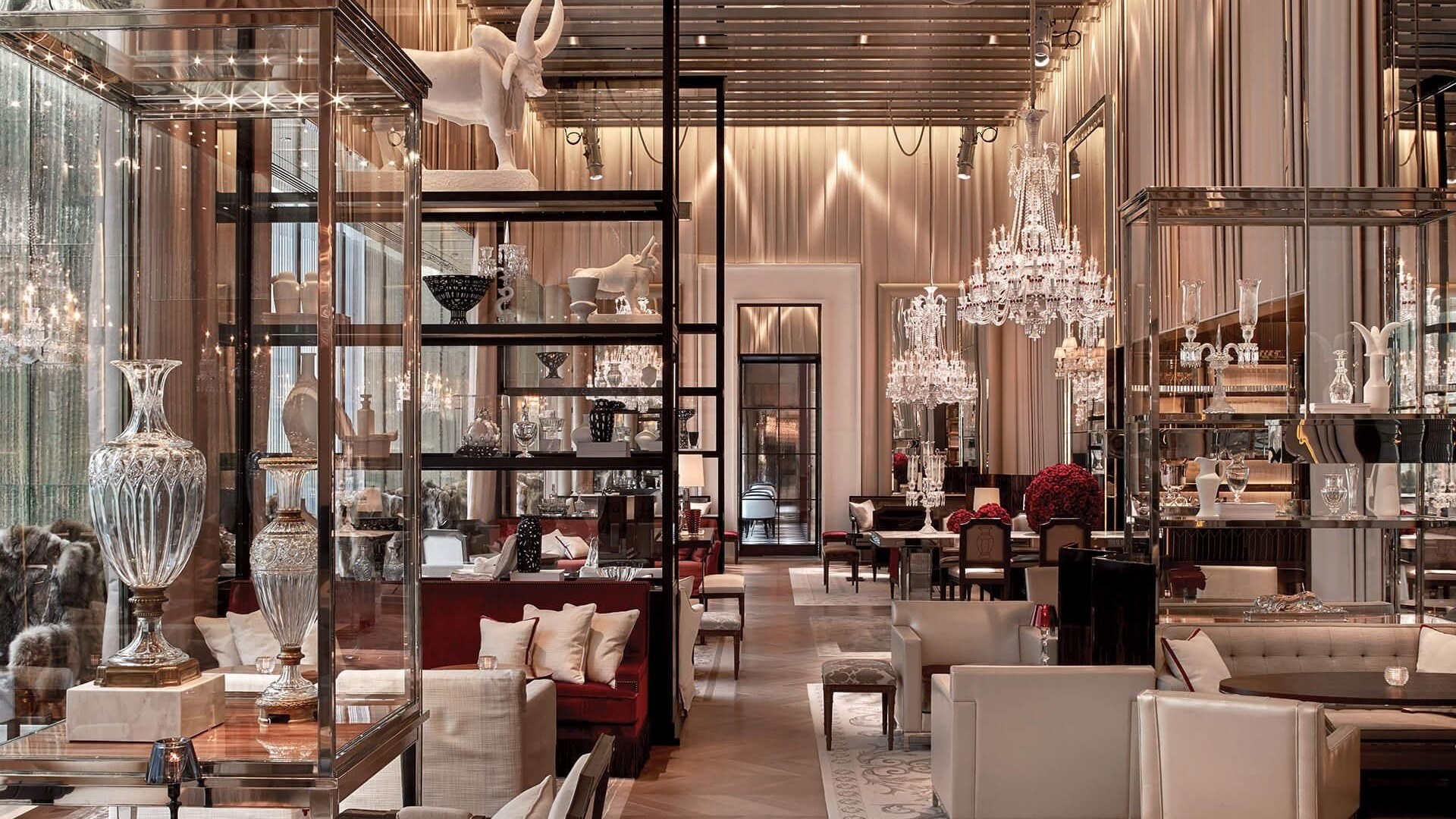
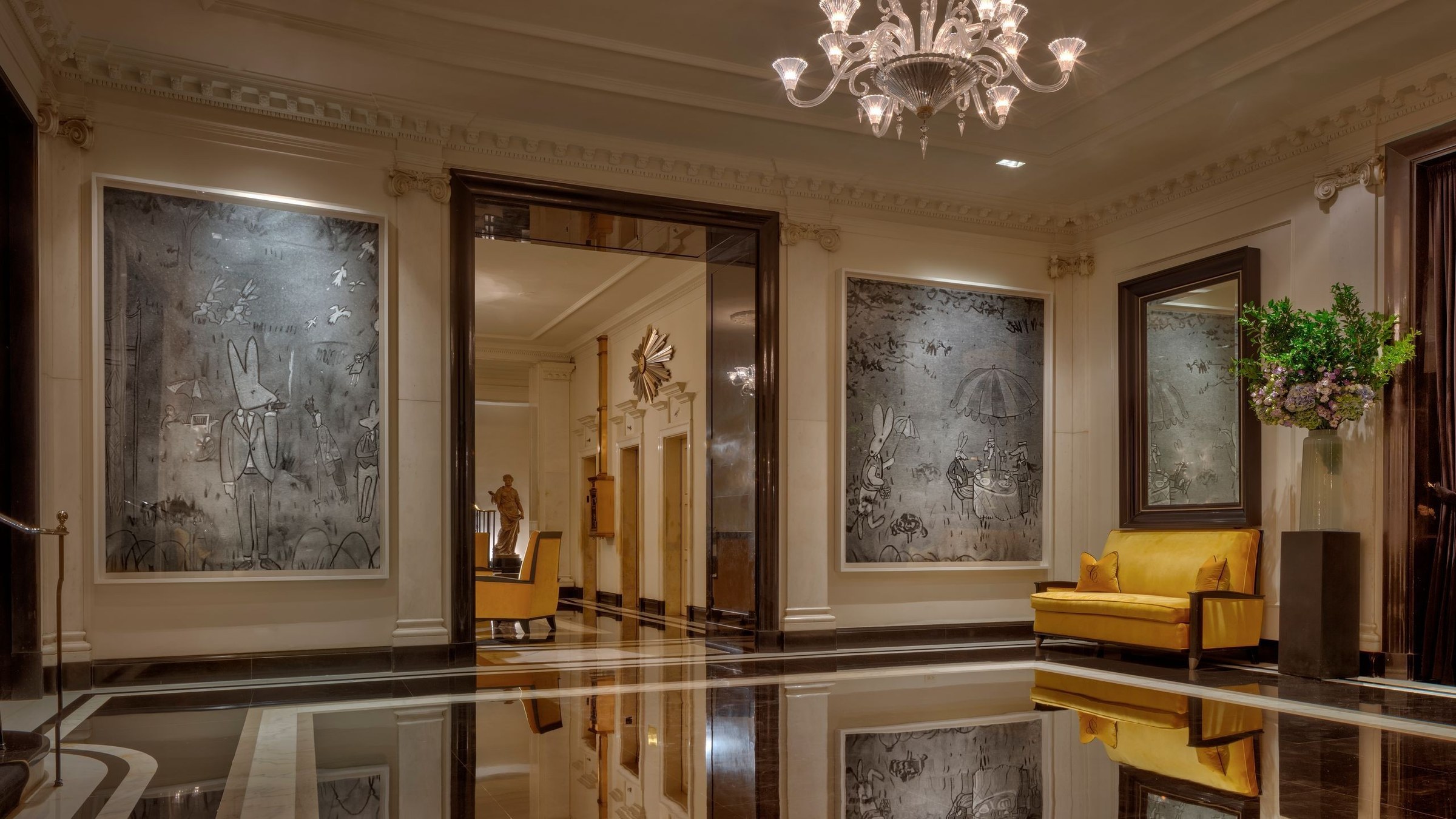
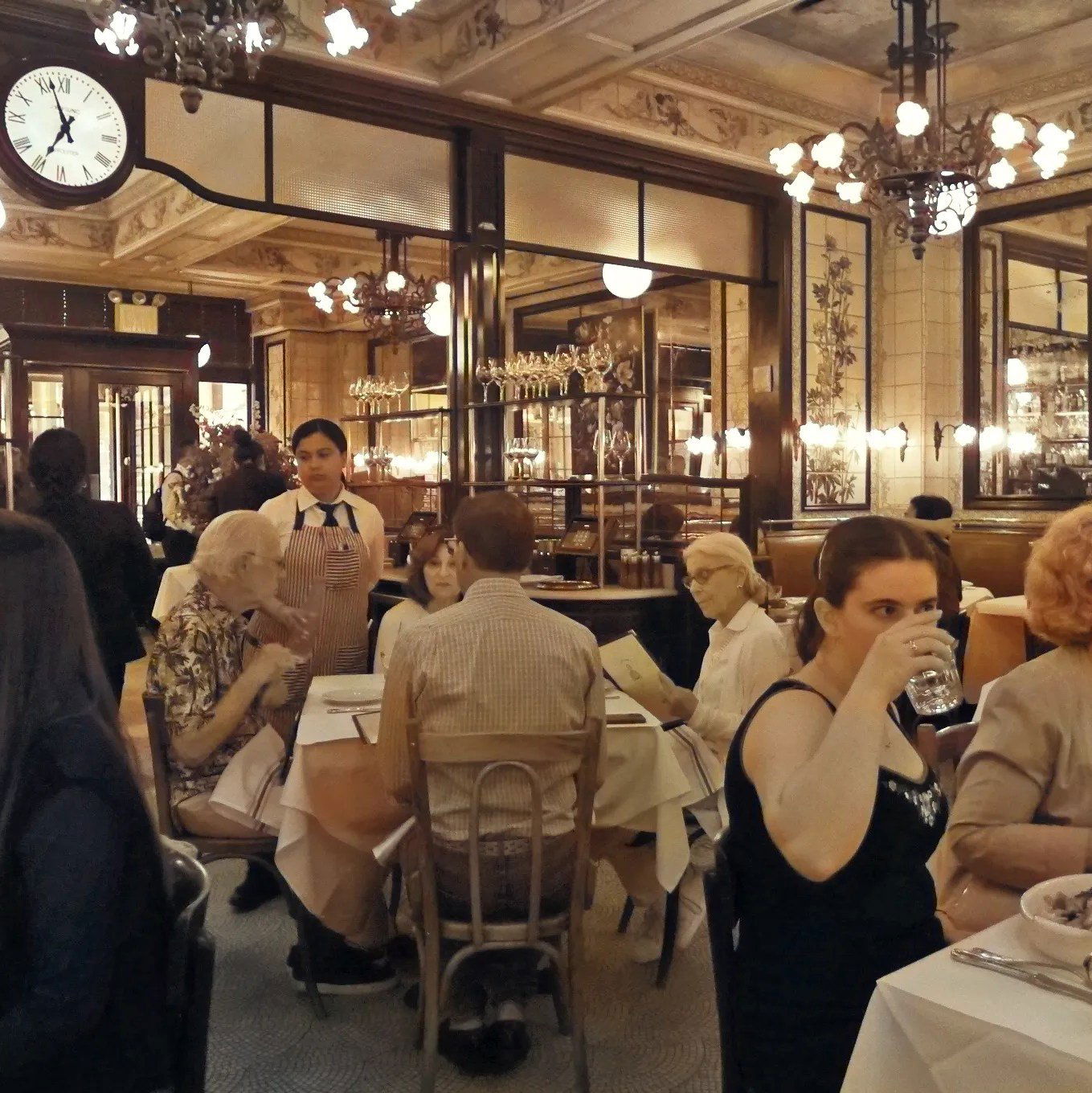
Modern chic decor with warm, homey vibe, live saxophone music creating a lively yet cozy atmosphere.
Tags
Vibe
Best For
Experience
Format
Accessibility
At the Bar
- Bar Category
- Lounge
- Late Night
- Closes by Midnight
- Music
- Live Saxophone
- Live Music
- Yes
Signature Pours
Moscow Mule
Know before you go
Know Before You Go
- Getting there
- 1655 Sheepshead Bay Rd, Brooklyn, NY 11235
Planning details
Location
Also consider
Also Consider
- King Mother, Notable alternative
- Skinflints, Notable alternative
- The Kettle Black, Notable alternative
- Folk, Indian-influenced cocktails, Indian-influenced cocktails
- Japan Village, Notable alternative
Bar context
How it compares for a Brooklyn group night
Nargis Cafe is the easier call when the goal is a low-pressure meal in Brooklyn rather than a bar-centered night. King Mother and Skinflints make more sense when drinks and atmosphere are the point; Nargis Cafe is the more meal-first option for a group that wants fewer moving parts.
For ambiance, The Kettle Black is the better cross-shop if the night needs a livelier bar feel. Folk is the stronger pick for Indian-influenced cocktails specifically, while Nargis Cafe works better when the group wants dinner without building the evening around a cocktail list.
Japan Village is the more flexible alternative for mixed tastes, especially when a group cannot agree on one format. Choose Nargis Cafe when Sheepshead Bay convenience is the deciding factor; choose Japan Village when variety matters more than sitting down to one restaurant experience.
Explore New York City
Around this place
Discover more on Pearl
Unlock the full Nargis Cafe guide in Pearl, including awards, comparisons, FAQs, planning details, and nearby places.
Compare Nargis Cafe
| Venue | Location | Cuisine | Awards |
|---|---|---|---|
| Nargis Cafe | New York City | , | No published awards |
| King Mother | New York City | , | No published awards |
| Skinflints | New York City | , | No published awards |
| The Kettle Black | New York City | , | No published awards |
| Folk | New York City | Indian-influenced cocktails | No published awards |
| Japan Village | New York City | , | No published awards |
How Nargis Cafe New York City compares with similar nearby venues.
FAQ
Frequently Asked Questions
Do I need a reservation at Nargis Cafe?
The confirmed planning basics are that Nargis Cafe is in New York City, has a casual dress code, and lists daily hours from 10 AM to 11 PM.
Is Nargis Cafe good for groups?
Group suitability is not in the available details. If you are planning for multiple people, confirm directly with the venue before relying on it for a group visit.
Is the food good at Nargis Cafe?
Use the confirmed basics, New York City location, casual dress, and daily 10 AM–11 PM hours, as the starting point for planning.
Is Nargis Cafe open late?
Nargis Cafe is as open until 11 PM every day, with listed hours of 10 AM to 11 PM Monday through Sunday.
Is Nargis Cafe good for a date?
That depends on the kind of date you want. The details support a casual plan with daily 10 AM–11 PM hours, but there is no confirmed information here about ambiance, service style, menu format, or special-occasion features.