Marlton Espresso Bar
Greenwich Village, New York City
Bar in New York City, United States
 Book with Pearl
The Read
Price
$10–20per person
Why go
Book Marlton Espresso Bar only if the goal is a simple Greenwich Village stop, not a destination cocktail night. It works better as a flexible pre- or post-plan pause than as the centerpiece of an evening, especially when peers like Mace, Gotham Restaurant, and Tokyo Record Bar offer clearer drinks, dining, or entertainment formats.
About Marlton Espresso Bar
Marlton Espresso Bar is a New York City venue open daily from 7 AM to 11 PM with a casual dress code. Details such as menu, pricing, seating, reservations, service format, and beverage program should be checked directly with the venue.
For planning, use Marlton Espresso Bar as a simple New York City stop rather than a venue to evaluate around assumptions. First-timers should confirm current service details directly with the venue before building a full itinerary around it.
Use it as a practical New York City stop
The clearest planning detail is timing: Marlton Espresso Bar is open 7 AM to 11 PM every day. The dress code is casual, which makes it easier to fit into a flexible day or evening plan in New York City.
If the plan calls for a more defined restaurant or bar choice, compare the decision with other New York City options such as Mace, Gotham Restaurant, Kazumi Omakase, Ootoya - Union Square, or Tokyo Record Bar. If tasting format, chef-led menu, seat count, price range, or reservation structure matters, ask the venue directly before making plans.
Plan around timing, then confirm details
The safest approach is to use the hours as the starting point and confirm current details directly with the venue. Larger groups, special-occasion plans, or time-sensitive itineraries should avoid assuming seating capacity, private-room availability, or reservation rules unless the venue confirms them.
For wider planning, use Our full New York City bars guide and Our full New York City restaurants guide. Other New York City dining and nightlife options may be a better fit when the plan requires a clearly defined meal, drinks focus, or group setting.
Quick reference: Marlton Espresso Bar is a casual New York City venue open daily from 7 AM to 11 PM; confirm all other planning details directly with the venue.
Planning details
- Location
- 5 W 8th St, New York, NY 10011
- Website
- marltonhotel.com
- Phone
- +1 212 321 0100
The take
The Take
The Vibe
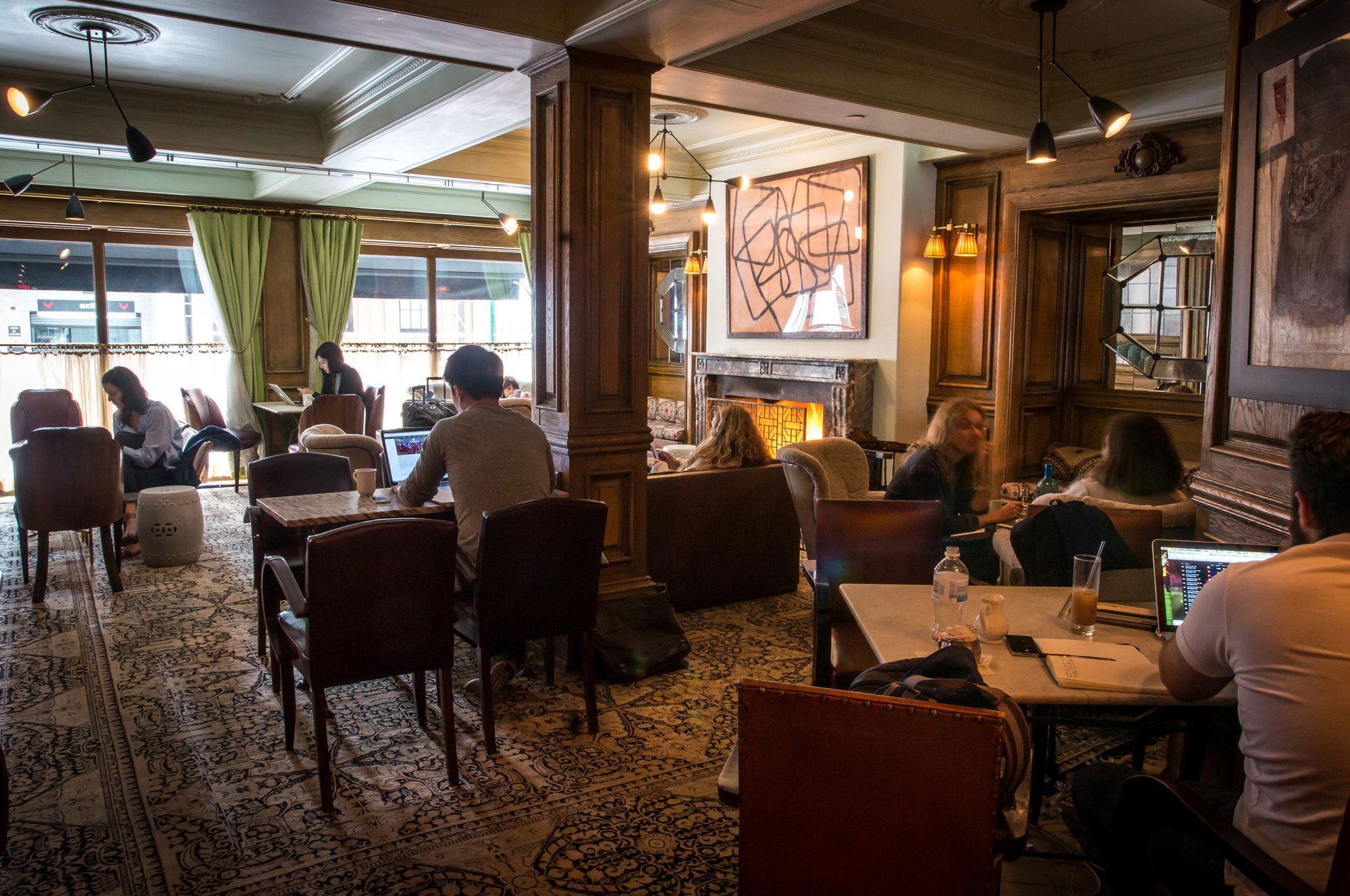
Marlton Espresso Bar reads like a classic Village neighbourhood spot reimagined for today’s specialty-coffee moment. The small-format, independent operation leans into the postwar café tradition—prioritizing the room and conversation—while folding sourcing and sustainability into that old-model intimacy. It feels quietly rooted rather than performative: not a credential-heavy showcase, but a place where provenance and local ritual coexist. Expect a modest, human-scaled atmosphere that privileges interaction at the counter and the steady presence of neighborhood life rather than spectacle.
Best For
This is a natural stop for locals and visitors seeking a low-key coffee experience centered on conversation and quality beans. It suits solo visits and casual meetups equally well—people who want a focused espresso, a laid-back chat, or a moment of quiet in Greenwich Village. Because the bar situates itself within the neighbourhood’s café lineage and emphasizes direct-sourcing transparency, it also attracts coffee enthusiasts interested in where their cup comes from without the formality of a tasting room.
Ordering Tips
Ordering here is direct and conversational: you order at the counter and the barista is part of the experience. The description emphasizes 'front-of-counter' sourcing transparency, so ask about the day's beans, origin stories, or any direct-trade relationships—they frame the menu as much as roast level. Expect a concise, thoughtfully curated offering rather than an extensive food list; sustainability practices like composting and reusable packaging are part of the bar’s operational baseline and may come up in conversation.
Venue details
Ambiance
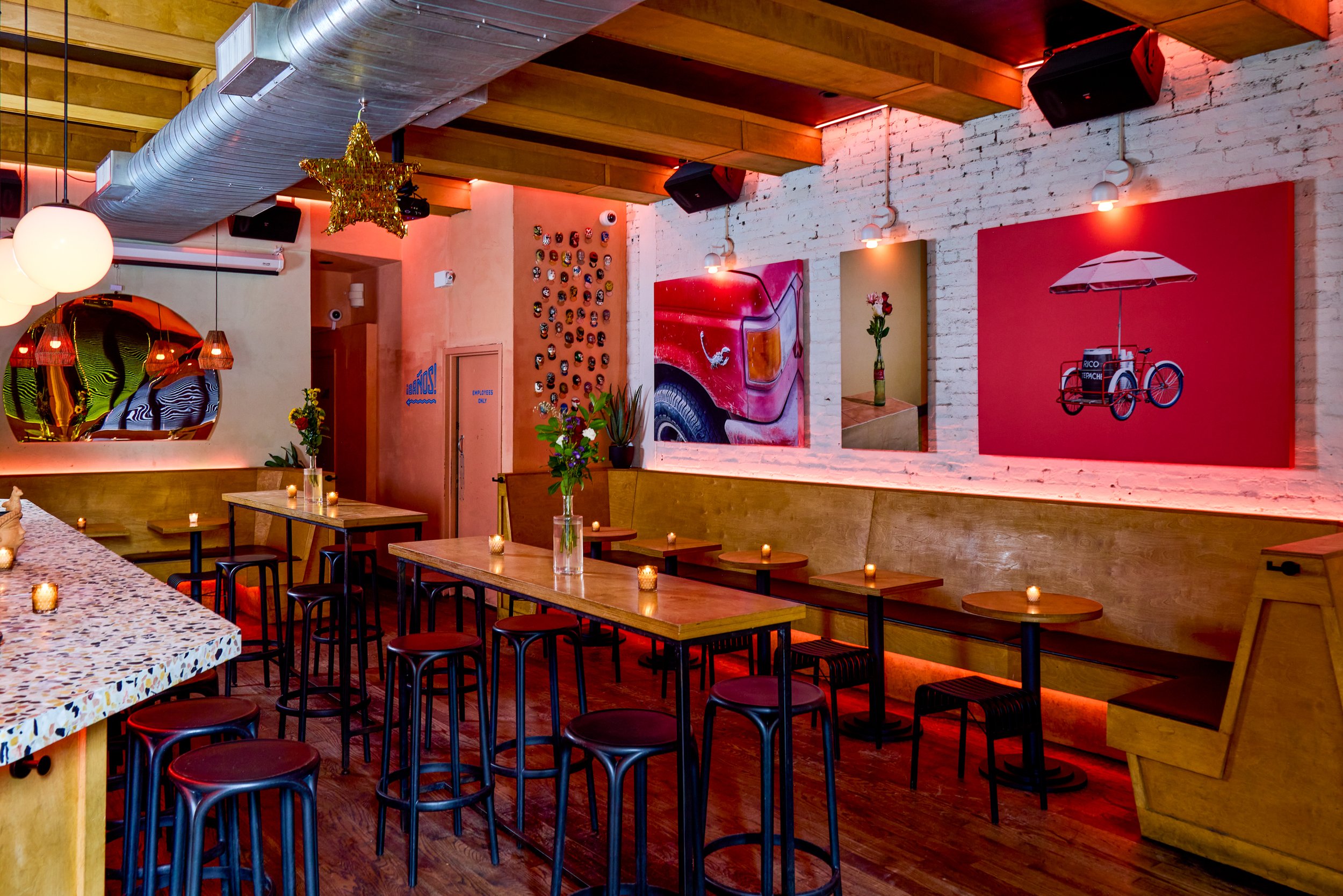
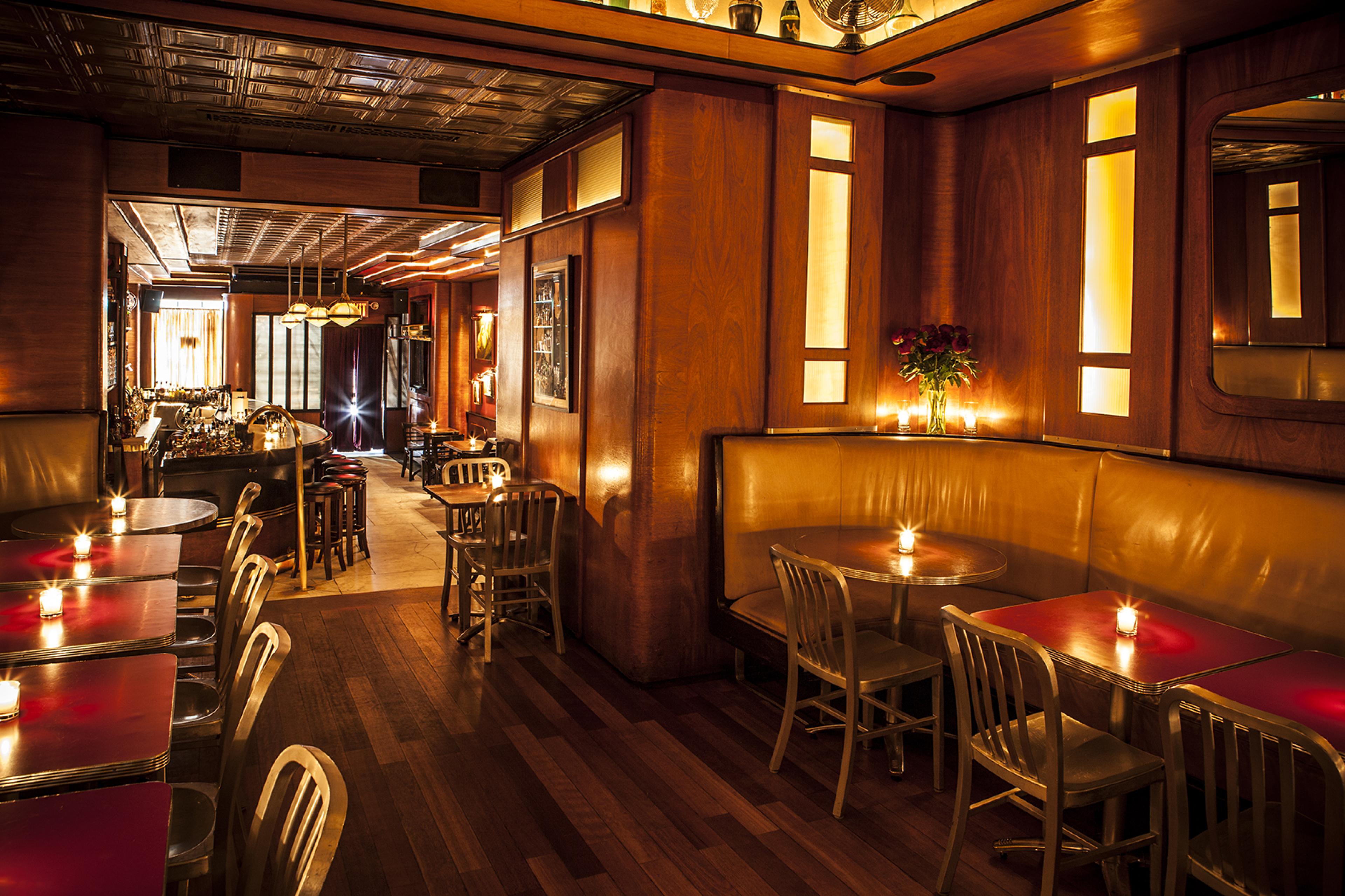
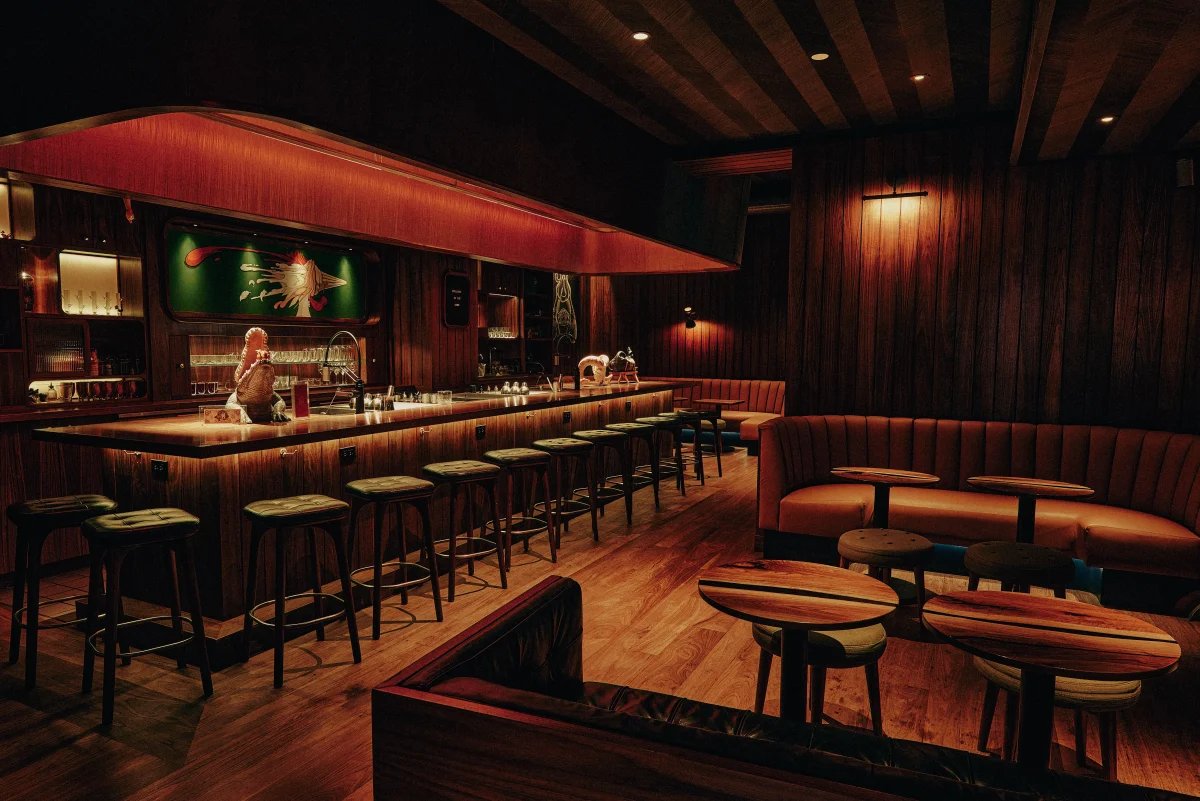
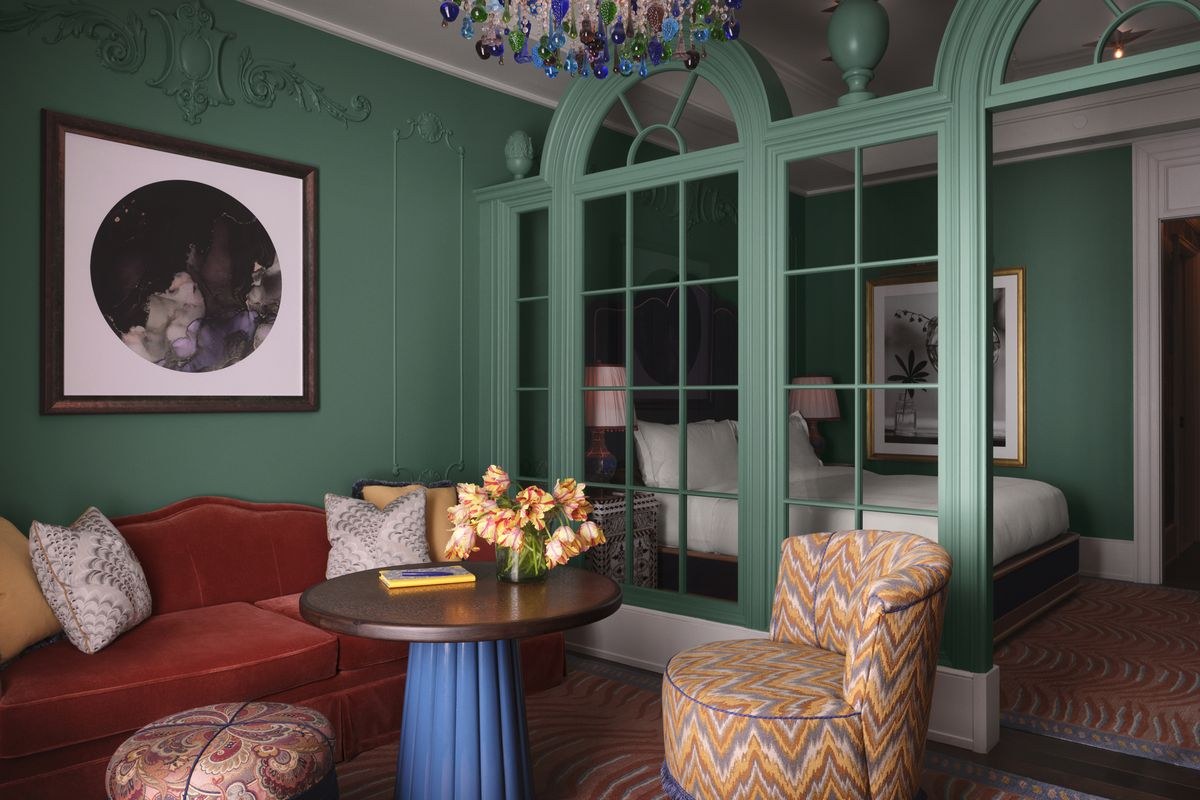
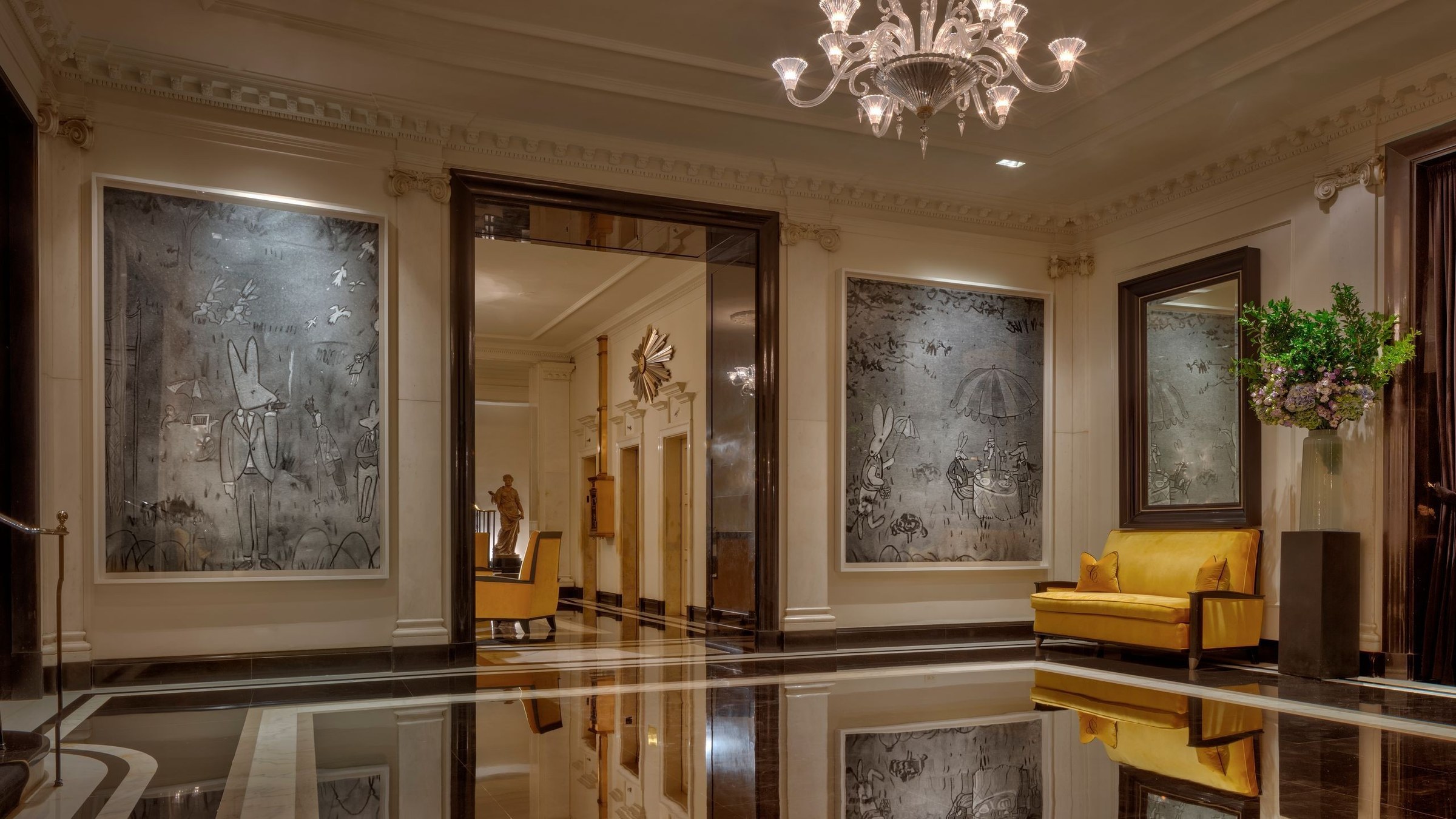
Warm, wood-paneled lobby setting with a huge fireplace, modern yet classically elegant atmosphere, cozy and comfortable.
Tags
Vibe
Best For
Experience
Format
At the Bar
- Bar Category
- Lounge
- Late Night
- Closes by 10pm
Signature Pours
raw almond cappuccino
Know before you go
Know Before You Go
- Getting there
- 5 W 8th St, New York, NY 10011
Planning details
Location
Also consider
Where to go if this is not the right fit
If the plan needs a cocktail-led room, go to Mace instead. If the group wants a more defined night out with a stronger atmosphere cue, Tokyo Record Bar is the better cross-shop.
Bar context
How it compares
Against Mace, Marlton Espresso Bar is the easier, lower-commitment choice, but Mace is the better fit when cocktail depth is the point of the night. Choose Marlton for convenience in the Village; choose Mace when the drinks program needs to carry the booking.
Kazumi Omakase and Gotham Restaurant sit in a more structured dining lane, so they make more sense for planned dinners, client meals, or occasions where the reservation itself matters. Marlton is not the value pick against them on food ambition; it is the easier stop when a full meal is not the brief.
Ootoya - Union Square is the practical fallback for a casual meal nearby, while Tokyo Record Bar is the stronger choice for an evening with atmosphere and a clearer bar identity. Marlton wins on simplicity, not on range or occasion energy.
Explore New York City
Around this place
Discover more on Pearl
Unlock the full Marlton Espresso Bar guide in Pearl, including awards, comparisons, FAQs, planning details, and nearby places.
Compare Marlton Espresso Bar
| Venue | Location | Awards |
|---|---|---|
| Marlton Espresso Bar | New York City | No published awards |
| Kazumi Omakase | New York City | No published awards |
| Mace | New York City | Top 500 Bars 2025 · #2462023 World's 50 North America's Best Bars · #182022 North America's 50 Best Bars · #352017 World's 50 Best Bars · #422016 World's 50 Best Bars · #282015 World's 50 Best Bars · #38 |
| Gotham Restaurant | New York City | No published awards |
| Ootoya - Union Square | New York City | No published awards |
| Tokyo Record Bar | New York City | No published awards |


How Marlton Espresso Bar New York City compares with similar nearby venues.
FAQ
Frequently Asked Questions
What is Marlton Espresso Bar known for?
Marlton Espresso Bar is a New York City venue open daily from 7 AM to 11 PM with a casual dress code.
Where is Marlton Espresso Bar located?
Marlton Espresso Bar is located in New York City.
How can I contact Marlton Espresso Bar?
Use the venue's official channels to confirm current contact details.
Do I need reservations at Marlton Espresso Bar?
Ask the venue directly about its current reservation policy.