Maki Kosaka
Midtown South-Flatiron-Union Square, New York City
Bar in New York City, United States
 Book with Pearl
The Read
Price
$50–100per person
Why go
Maki Kosaka is a sensible Flatiron pick when the goal is an easier dinner plan, not a drinks-led night. Treat it as a convenient sit-down option before comparing nearby cocktail-focused venues like Shinji's, Raines Law Room Chelsea, or Undercote for the after-dinner move.
About Maki Kosaka
Maki Kosaka is a New York City venue with evening hours throughout the week, plus daytime posted hours on Saturday and Sunday. The most reliable way to plan around it is practical: confirm the day, note the posted hours, and use the smart casual dress code as the baseline for the visit.
Details on menu format, cuisine specifics, chef details, awards, pricing, seating, or drinks are not provided. Maki Kosaka is a New York City venue best evaluated by schedule and fit rather than by accolades or service details.
Use it for schedule logistics, not other details
Maki Kosaka's hours run 5–9:30 PM Monday through Friday, 12–2:30 PM and 5–9:30 PM on Saturday, and 2–9:30 PM on Sunday. If the plan calls for comparing other options, consider Shinji's, Raines Law Room Chelsea, or Undercote as separate possibilities. For Maki Kosaka, plan around its posted schedule, not an asserted bar program or service format.
For readers building a New York City route, broader guides can help separate dining, drinks, and lodging decisions: use Our full New York City restaurants guide for dinner alternatives, Our full New York City bars guide for a second stop, and Our full New York City hotels guide for hotel planning.
Who should choose it
Choose Maki Kosaka when its New York City location, smart casual dress code, and posted hours fit the plan. Skip making a decision based on claims about awards, chef pedigree, tasting formats, seating style, prices, or cocktail strength. For comparison planning, Raines Law Room Chelsea, Shinji's, Undercote, COTE Korean Steakhouse, or Ootoya Chelsea may also be relevant depending on the occasion.
Planning details
- Location
- 55 W 19th St, New York, NY 10011
- Reservations
- Book on Resy
- Website
- makikosaka.com
- Phone
- +1 917 261 5538
The take
The Take
The Vibe
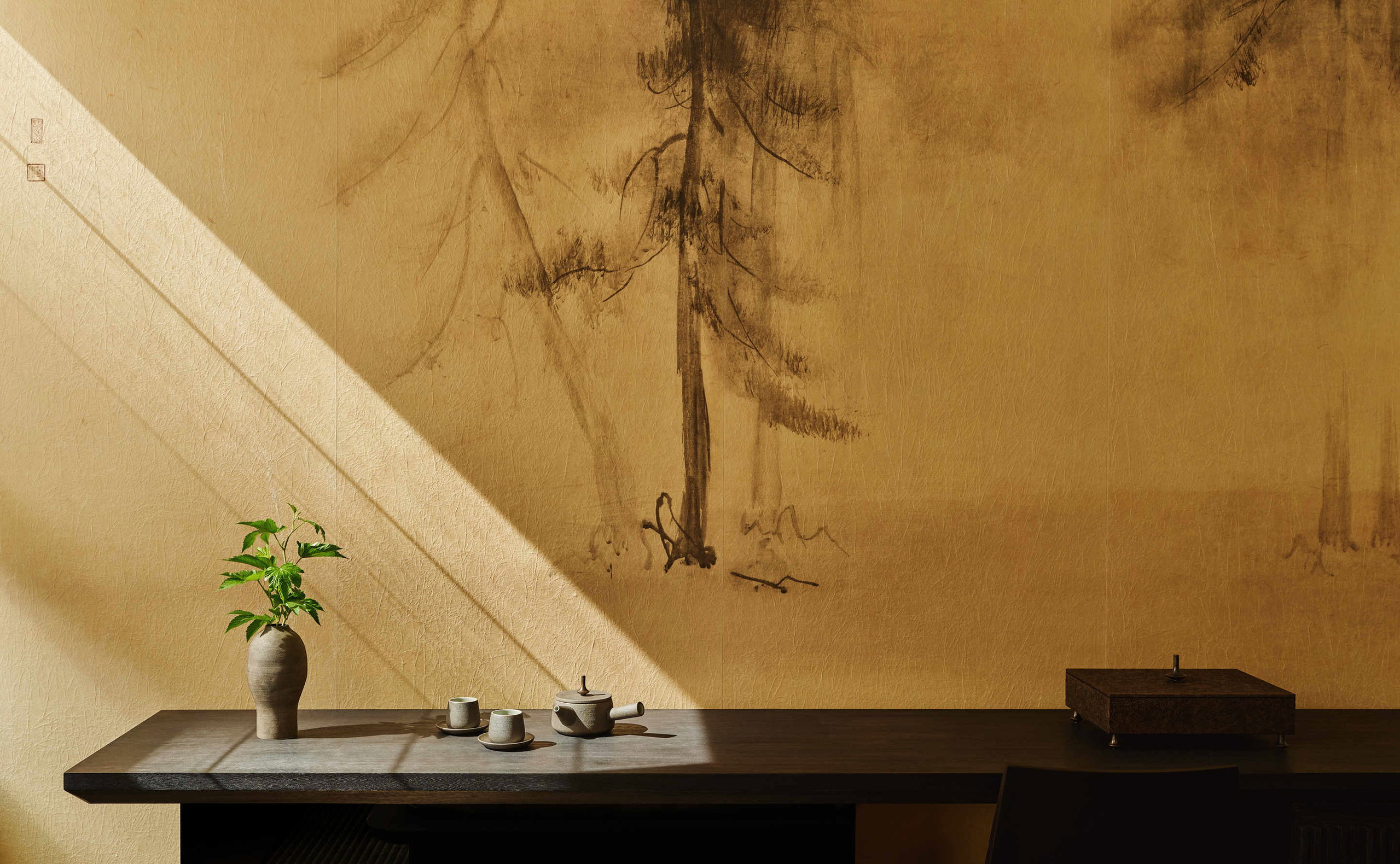
Maki Kosaka reads like Chelsea’s quiet, thoughtfully calibrated neighborhood Japanese restaurant. The room favors low volume and close attention—lighting and theatrics take a back seat to the food’s precision. It attracts diners who value consistency over spectacle: regulars, gallery-goers and those fluent in the language of technical Japanese cooking. The pacing is methodical rather than urgent, and the overall register is restrained and refined. The effect is a sophisticated, understated space where conversation is easy and the kitchen’s craft does the talking.
Best For
This is a dinner-focused neighborhood spot that suits date nights and low-key gatherings where conversation matters. The piece highlights that the dining room format favors attentive regulars and diners seeking a focused meal rather than loud group outings or high-theater omakase experiences. It works well for couples and small parties who want a calm, concentrated meal and for diners who appreciate technical Japanese cooking without the fanfare of a counter-theater service.
Ordering Tips
Expect a restrained, deliberate meal rhythm and plan accordingly—this is not the high-theater omakase experience, nor a boisterous izakaya. The copy notes the format favors regulars over walk-ins, so reserve if you can and arrive prepared for measured pacing from the kitchen. Because the room stays low in volume, it’s a good place for focused tasting and conversation; avoid expecting loud, fast service or spectacle. Beyond that, follow the server’s guidance since the restaurant emphasizes technical consistency over novelty.
Venue details
Ambiance
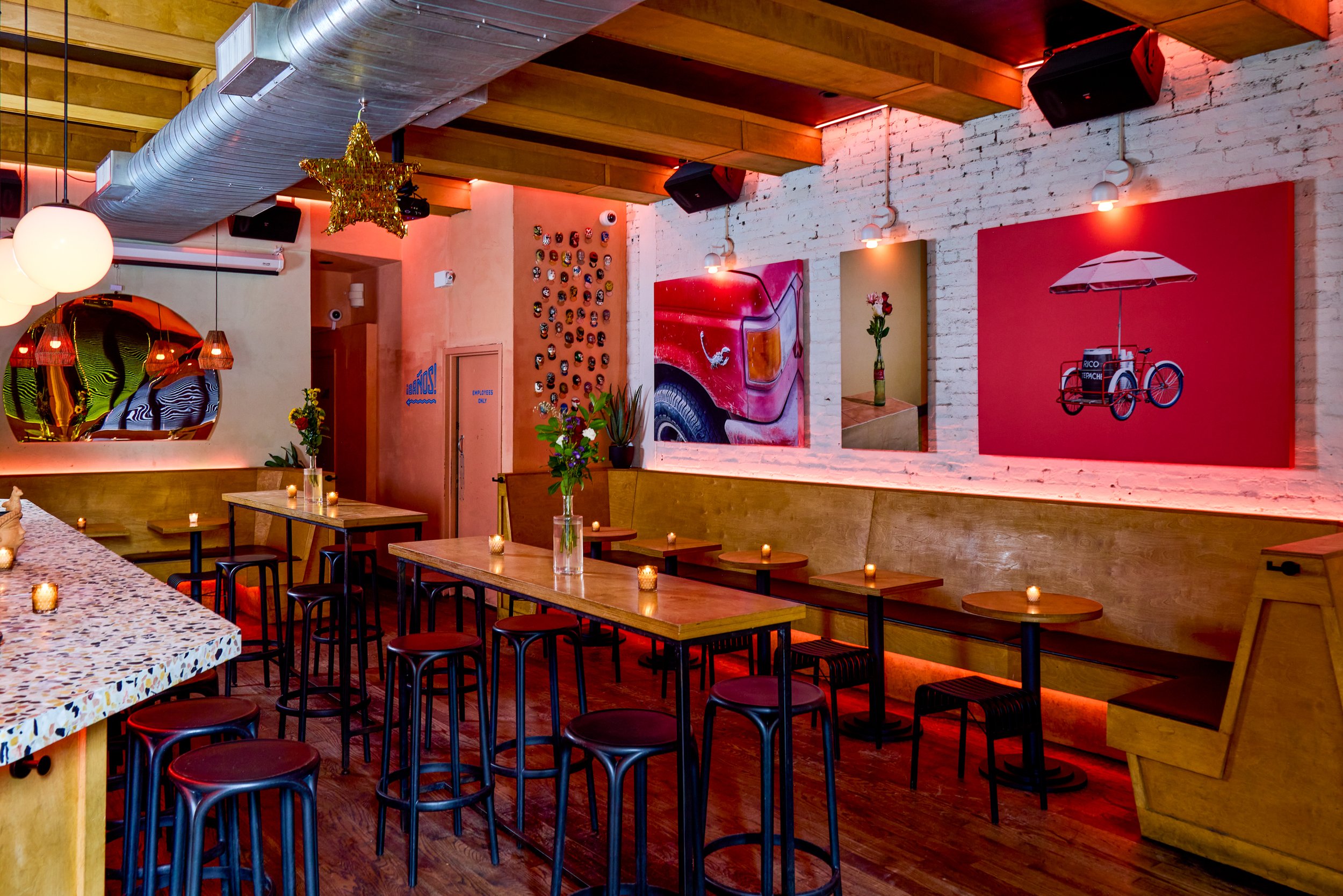
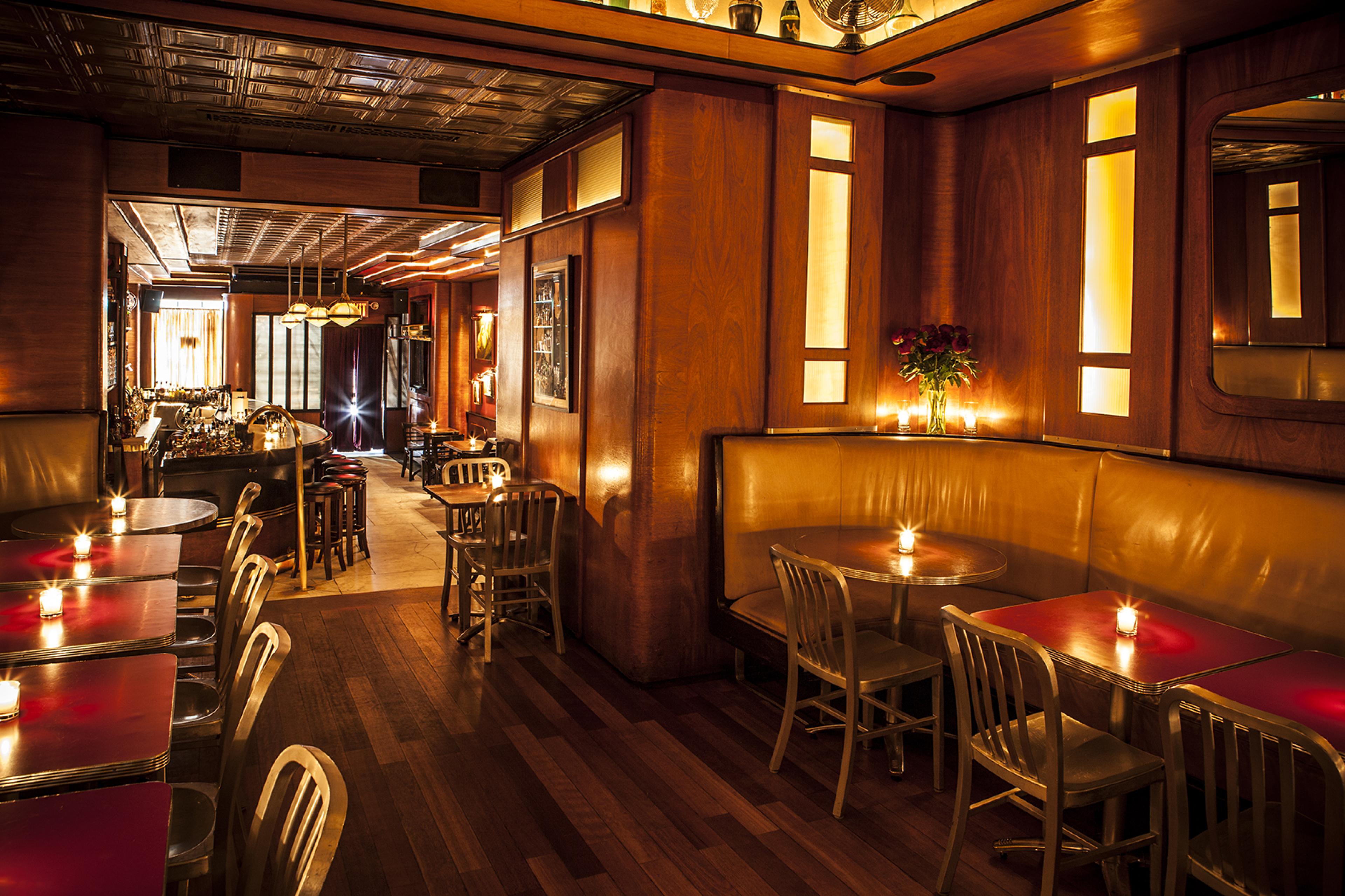
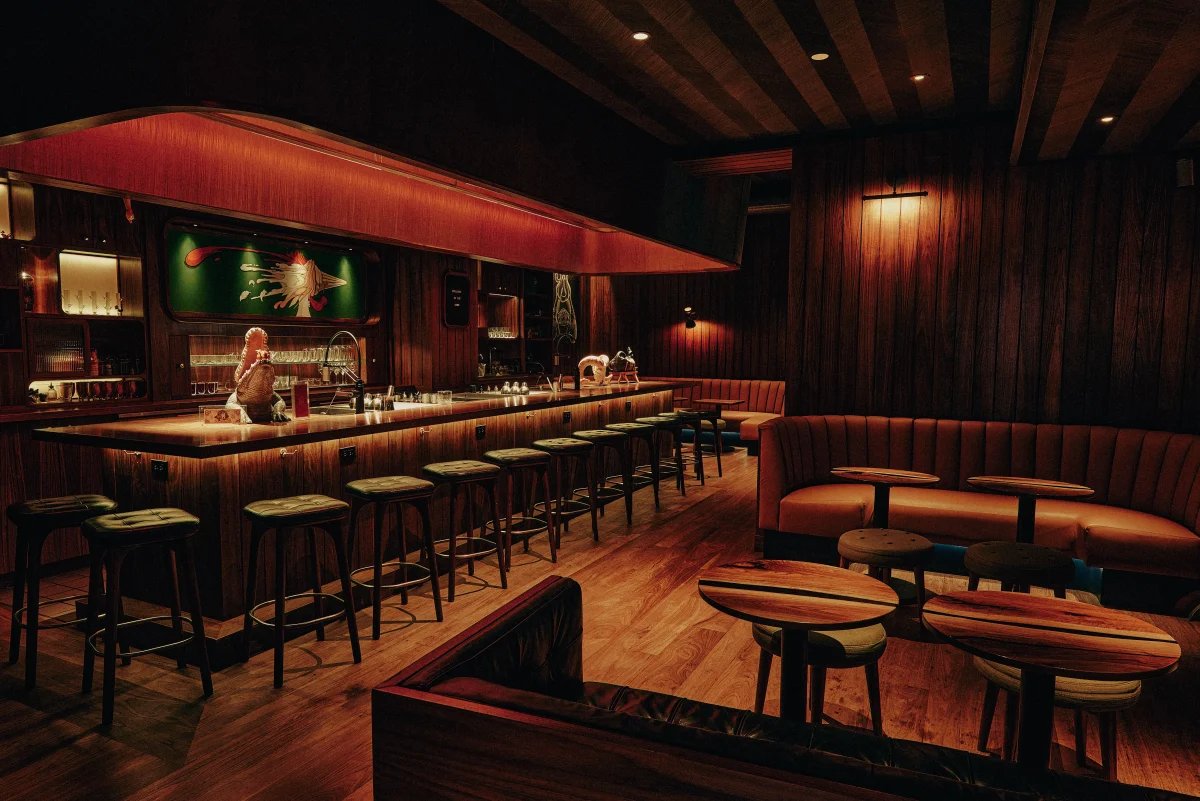
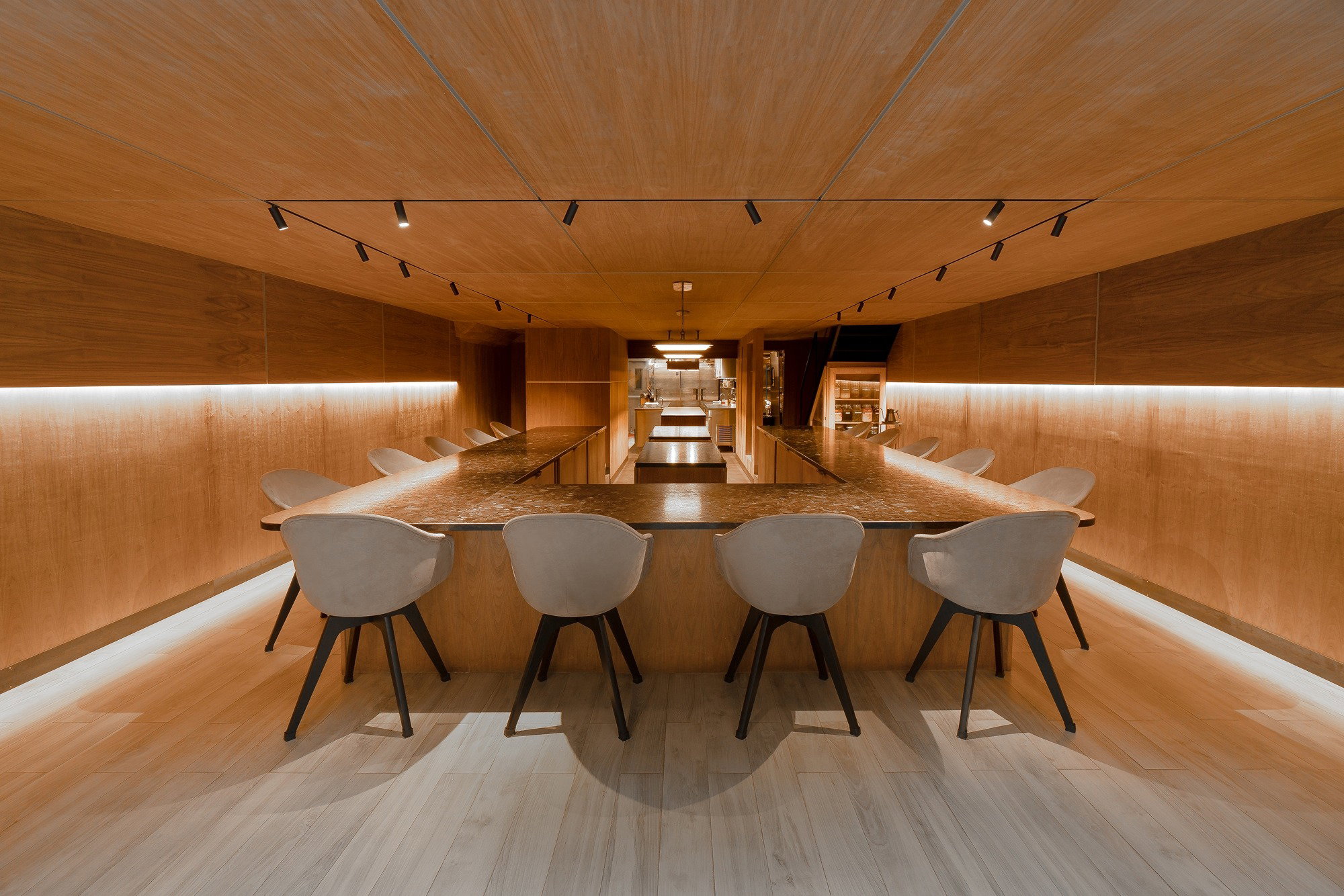
Minimalist Japanese contemporary with comfortable seating around a circular sushi bar, conveying a modern yet spartan Tokyo sushi bar atmosphere.
Tags
Vibe
Best For
Experience
Format
At the Bar
- Late Night
- Closes by Midnight
Know before you go
Know Before You Go
- Getting there
- 55 W 19th St, New York, NY 10011
Planning details
Location
Also consider
Where to look if this does not fit
If the night is about cocktails, cross-shop Raines Law Room Chelsea first for a bar-led plan, then Shinji's if a more polished drinks setting is the goal.
If the issue is group energy rather than drinks, COTE Korean Steakhouse is the stronger comparison. If the goal is a lower-key meal, Ootoya Chelsea is the cleaner fallback.
Bar context
How it compares in Chelsea and nearby Manhattan
For a drinks-first night, Shinji's, Raines Law Room Chelsea, and Undercote are stronger shortlists than Maki Kosaka. The target here is dinner logistics; those peers make more sense when the cocktail program is the reason to go.
For a fuller meal, compare against Ootoya Chelsea and COTE Korean Steakhouse. Ootoya Chelsea is the more casual fallback, while COTE Korean Steakhouse is the higher-energy group choice. Maki Kosaka sits between those use cases: calmer than COTE, more occasion-friendly than a purely casual stop, and better used when Chelsea convenience is the deciding factor.
Explore New York City
Around this place
Discover more on Pearl
Unlock the full Maki Kosaka guide in Pearl, including awards, comparisons, FAQs, planning details, and nearby places.
Compare Maki Kosaka
| Venue | Location | Awards |
|---|---|---|
| Maki Kosaka | New York City | No published awards |
| Shinji’s | New York City | 2026 North America's 50 Best Bars · #77Top 500 Bars 2026 · #4872026 Pinnacle Guide2025 North America's 50 Best Bars · #90Top 500 Bars 2025 · #382Pearl Recommended Bars |
| Raines Law Room Chelsea | New York City | No published awards |
| Ootoya Chelsea | New York City | No published awards |
| Undercote | New York City | 2026 OAD Casual in North America Recommended |
| COTE Korean Steakhouse | New York City | No published awards |





How Maki Kosaka New York City compares with similar nearby venues.
FAQ
Frequently Asked Questions
Do I need a reservation at Maki Kosaka?
Information on reservations is not available. Plan around the posted hours: Monday through Friday 5–9:30 PM, Saturday 12–2:30 PM and 5–9:30 PM, and Sunday 2–9:30 PM.
Does Maki Kosaka have outdoor seating?
Is Maki Kosaka good for a date?
It may work for a date if the posted New York City hours and smart casual dress code fit the plan. Details about ambience, seating layout, or menu format are not available.
Is Maki Kosaka good for groups?
Information on group suitability is not available. If you are planning for several people, confirm availability and seating directly; COTE Korean Steakhouse is another New York City option to compare for group planning.
Is the food good at Maki Kosaka?
Ratings, awards, dishes, prices, or menu details for Maki Kosaka are not available. Key planning facts include its New York City location, smart casual dress code, and posted hours.
Does Maki Kosaka have happy hour deals?
What's the crowd like at Maki Kosaka?
Crowd details are not available. For timing, rely on the posted schedule: evening hours daily, plus Saturday midday hours and Sunday afternoon-to-evening hours.