Lucille's Coffee and Cocktails
Harlem (North), New York City
Bar in New York City, United States
 Book with Pearl
The Read
Price
$10–20per person
Why go
Book Lucille's Coffee and Cocktails for an easy Harlem coffee-to-drinks stop, not for a formal cocktail pilgrimage. It works well when flexibility matters; choose Sugar Monk for a more cocktail-focused night or Red Rooster Harlem when dinner is part of the plan.
About Lucille's Coffee and Cocktails
Lucille's Coffee and Cocktails in New York City is open six days a week, with Monday closed and hours listed from 8 AM to 11:30 PM Tuesday through Saturday and 8 AM to 11 PM on Sunday. The dress code is casual, so plan around an easygoing visit rather than a formal occasion.
Keep planning expectations direct. Lucille's Coffee and Cocktails is a New York City option with long listed hours on open days, but information regarding a menu, pricing, reservation setup, seating count, private room, takeout, delivery, or dietary accommodations is not available.
Go for flexibility, not a highly specific plan
The schedule for Lucille's Coffee and Cocktails is closed Monday, open 8 AM–11:30 PM Tuesday through Saturday, and open 8 AM–11 PM Sunday. That makes timing easier to evaluate, but it is still worth checking directly before making a specific plan.
For comparison while planning a New York City outing, you may also look at Sugar Monk, Red Rooster Harlem, Sylvia's Restaurant, Talay Lounge, or Hudson Smokehouse. Details on how Lucille's Coffee and Cocktails compares on menu, service format, price, seating, or reservations are not available, so use those venues as separate planning options rather than assuming they serve the same purpose.
New York City cross-shopping, kept simple
Keep the cross-shopping simple: Lucille's Coffee and Cocktails is a casual New York City venue with long hours on most days of the week. If your plans depend on a particular meal, beverage list, group setup, reservation process, or accessibility detail, confirm that information directly before choosing it over another venue.
For broader planning, use Our full New York City bars guide, Our full New York City restaurants guide, Our full New York City hotels guide, Our full New York City wineries guide, and Our full New York City experiences guide.
Planning details
- Location
- 26 Macombs Pl, New York, NY 10039
- Website
- lucillesharlem.com
- Phone
- +1 646 370 4260
The take
The Take
The Vibe
Lucille’s operates like a neighborhood craft project: a compact, counter-forward room that serves earnest coffee by day and carefully composed cocktails by night. The editorial voice emphasizes technique—cold-brew infusions, espresso washes and clarified milk punches—so the place reads as modern and methodical rather than gimmicky. Because it sits in a more residential band of upper Manhattan, the atmosphere skews relaxed and quietly focused on repeat local traffic; the dual program and shared counter create a sense of intimacy and continuity across hours, rewarding customers who return at different times of day.
Best For
This is a venue built for all-day visits. Mornings and afternoons work well for solo coffee stops and casual meetups, while evenings convert the same counter into a compact cocktail bar that suits after-work drinks and low-key outings. The hybrid model makes Lucille’s a reliable neighborhood anchor: it’s ideal for people who want a single place that covers coffee, brunch-style daytime life and craft cocktails after dark. Small groups and regulars who appreciate technique-driven drinks and a consistent local pace will get the most out of the room.
Ordering Tips
Order with the venue’s dual nature in mind: expect a serious coffee program during daylight hours and cocktail-focused service at night. The write-up highlights specific technique—cold-brew infusions, espresso washes and clarified milk punches—so look for espresso-forward or coffee-infused cocktails on the evening menu and well-executed brewed coffee during the day. Sit at the counter when possible to experience the operational shift between programs and the neighborhood rhythm; the piece suggests the room prioritizes local loyalty and a steady, residential pace rather than late-night destination energy.
Venue details
Ambiance
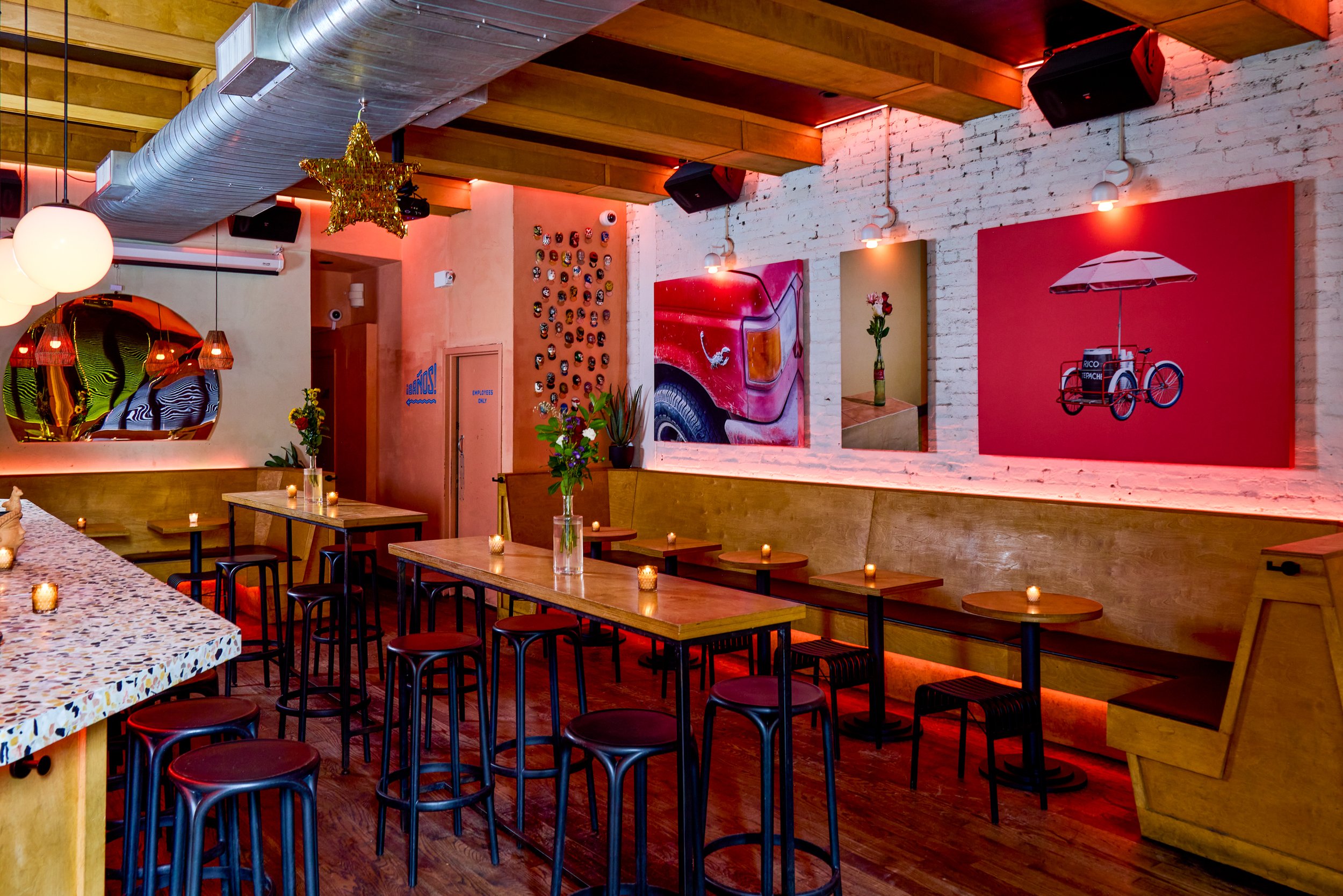
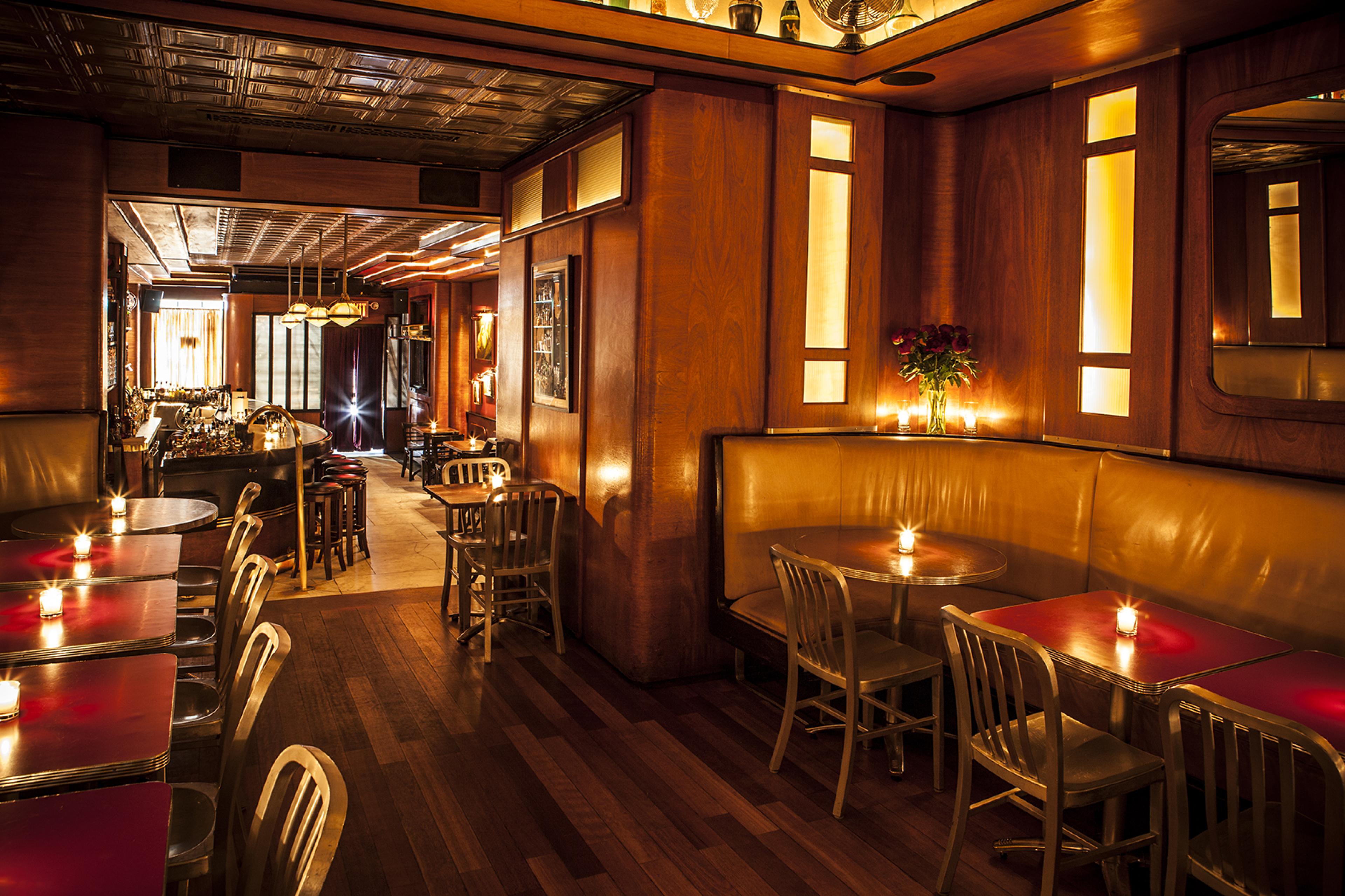
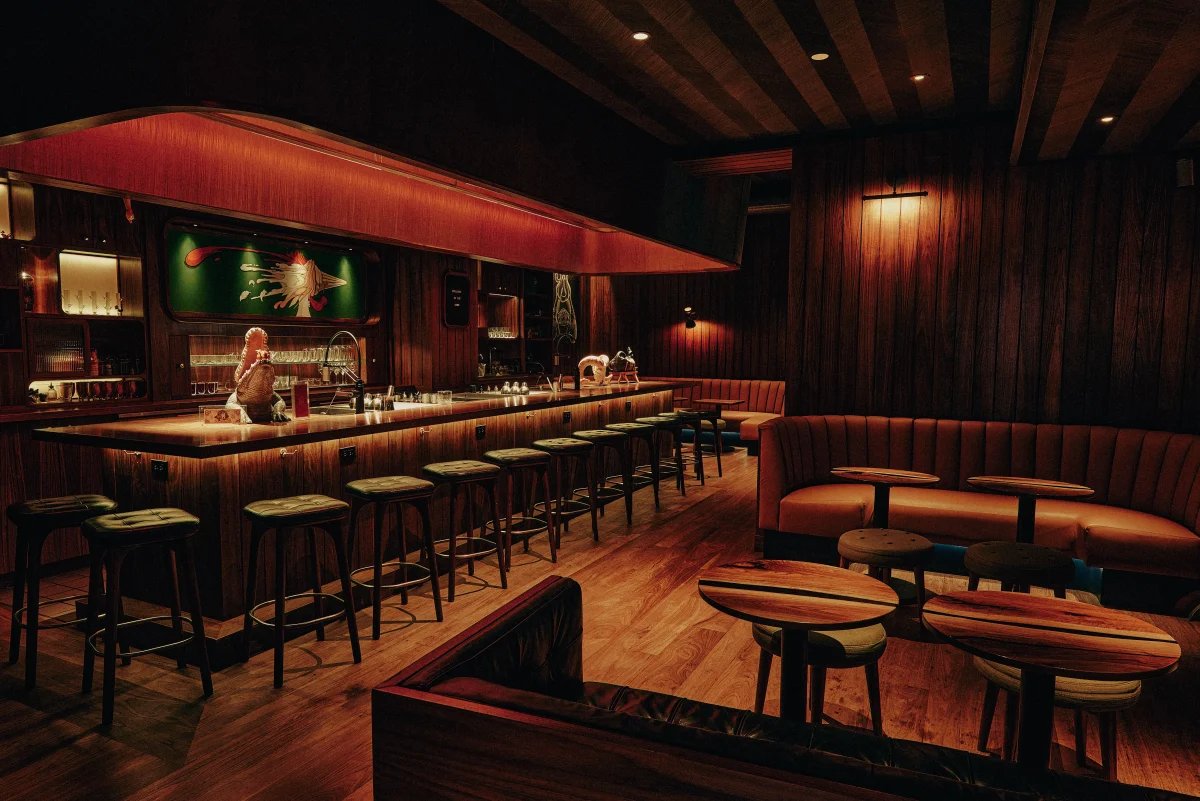
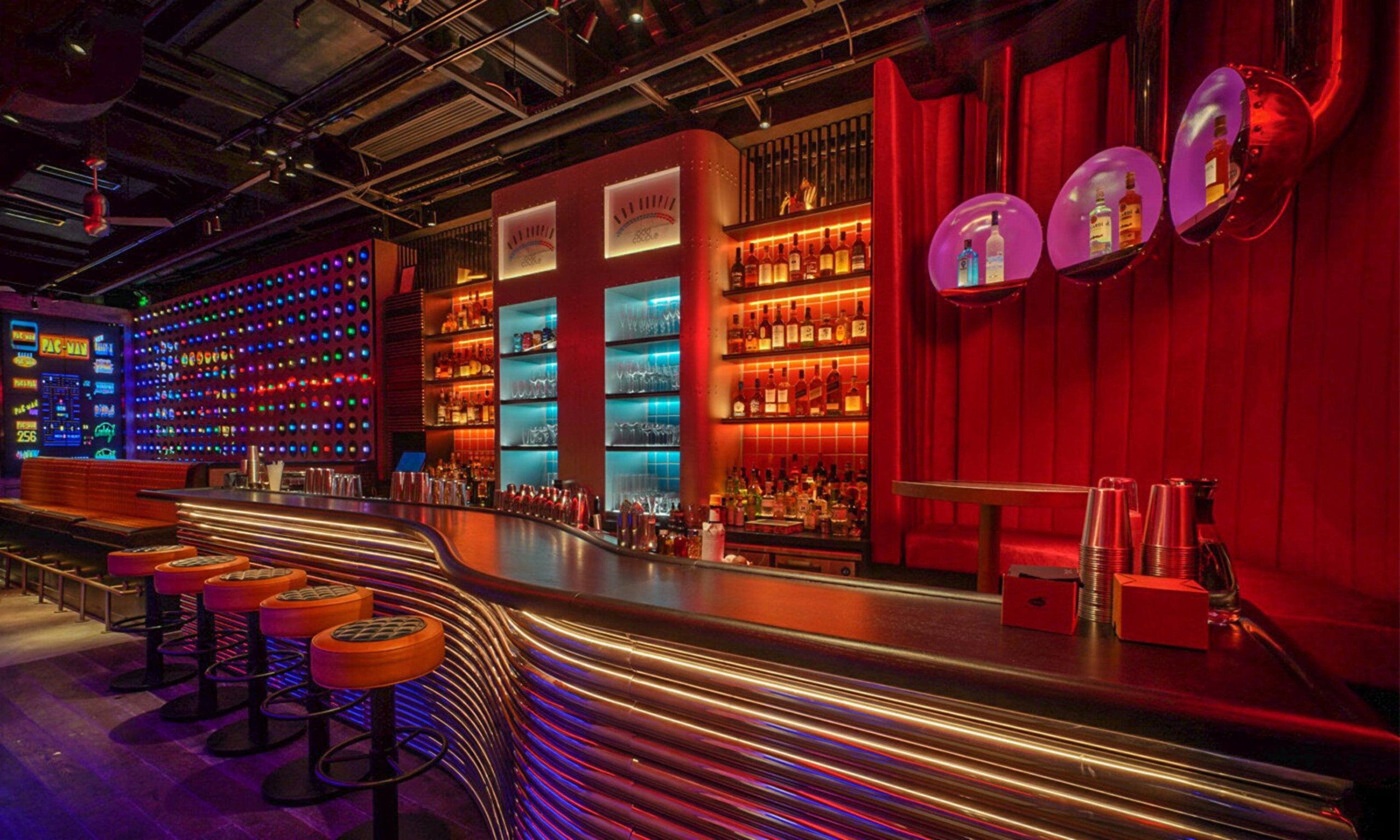
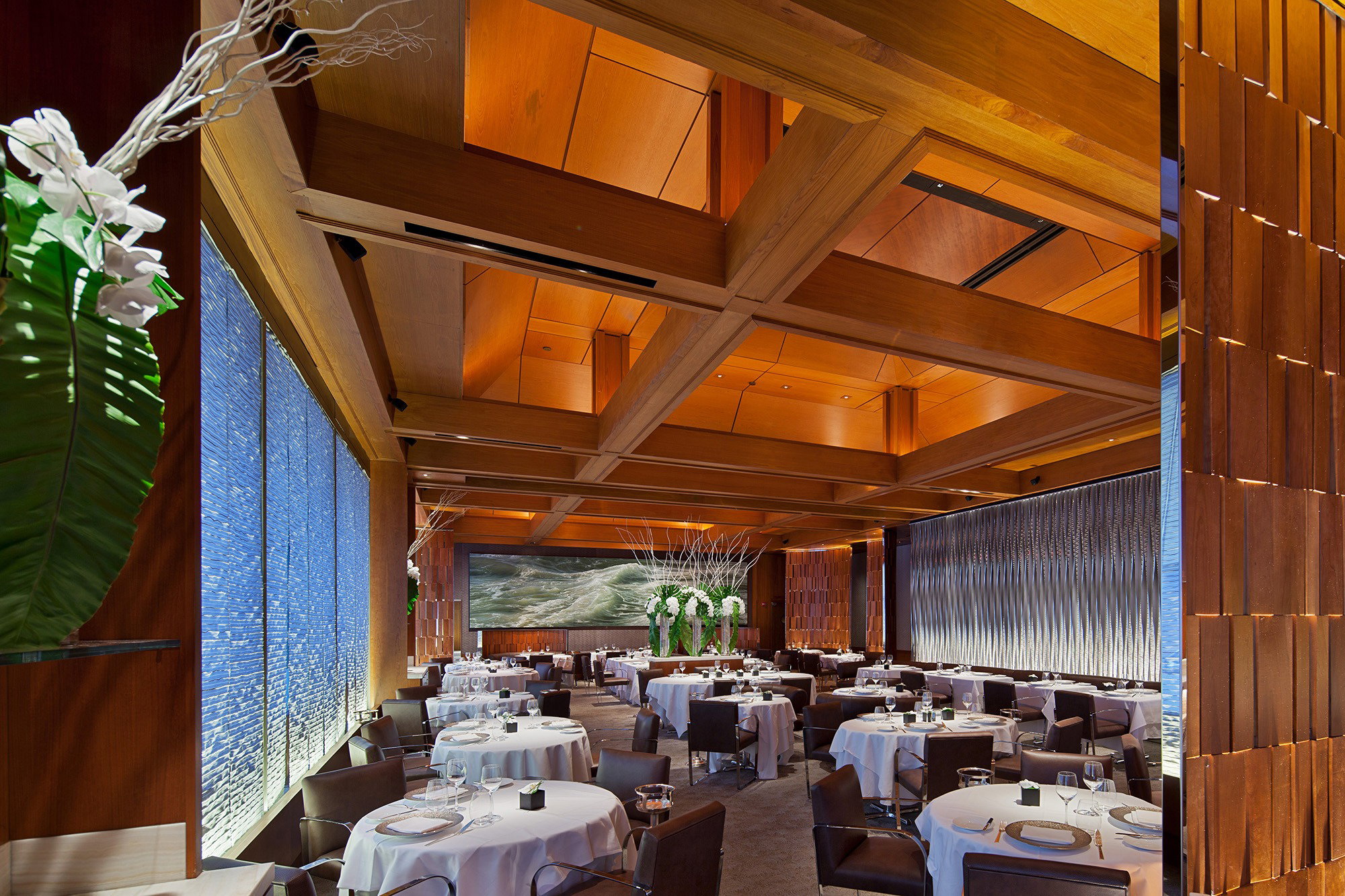
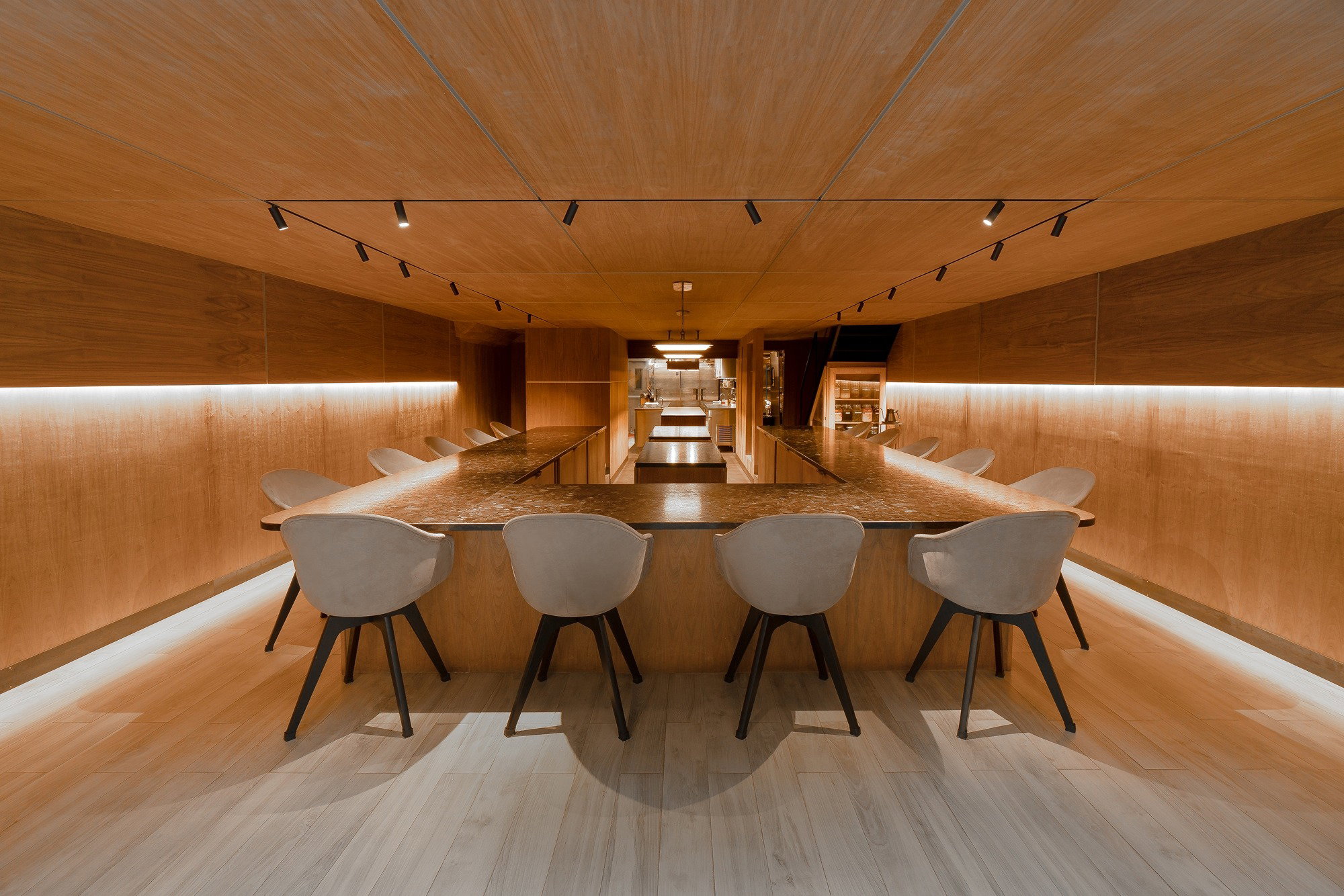
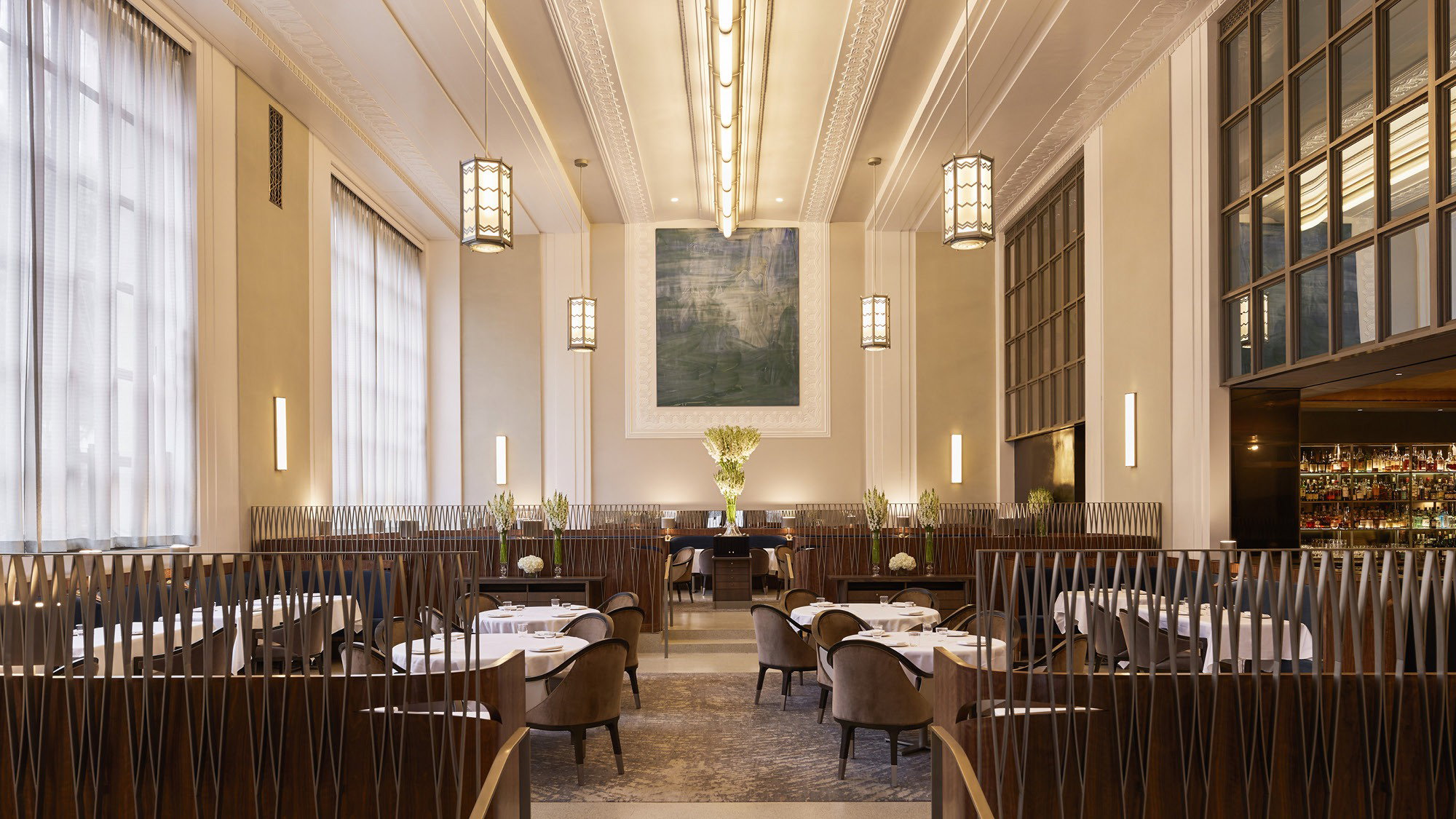
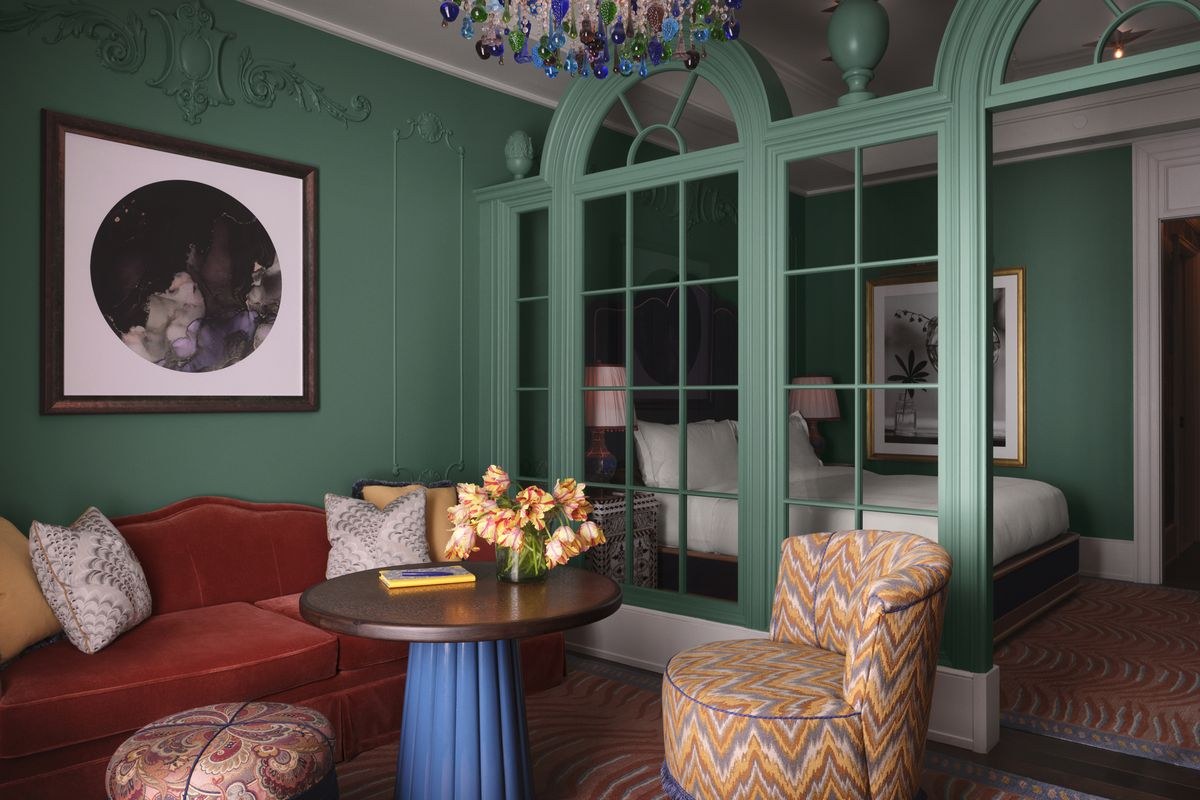
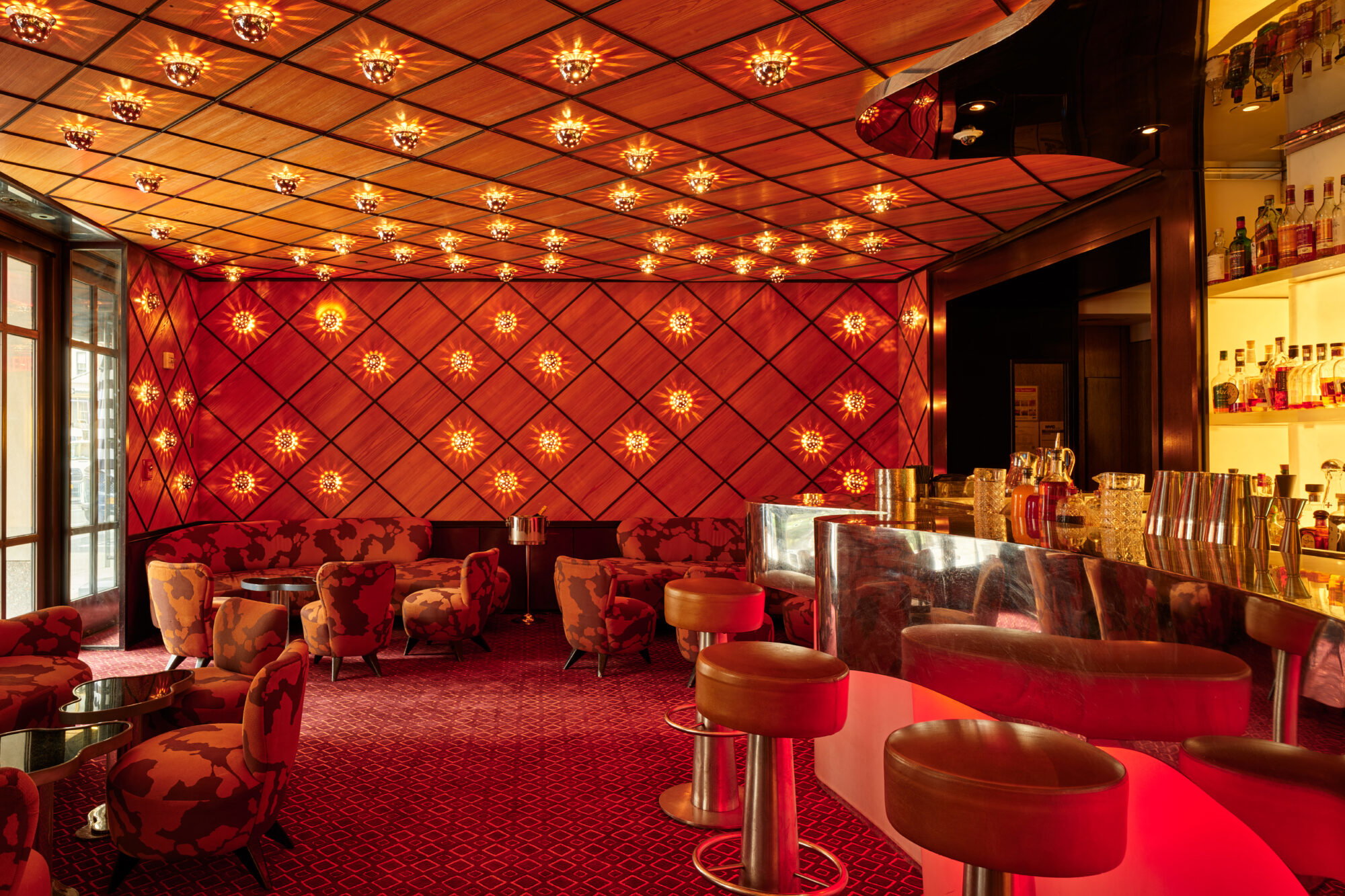
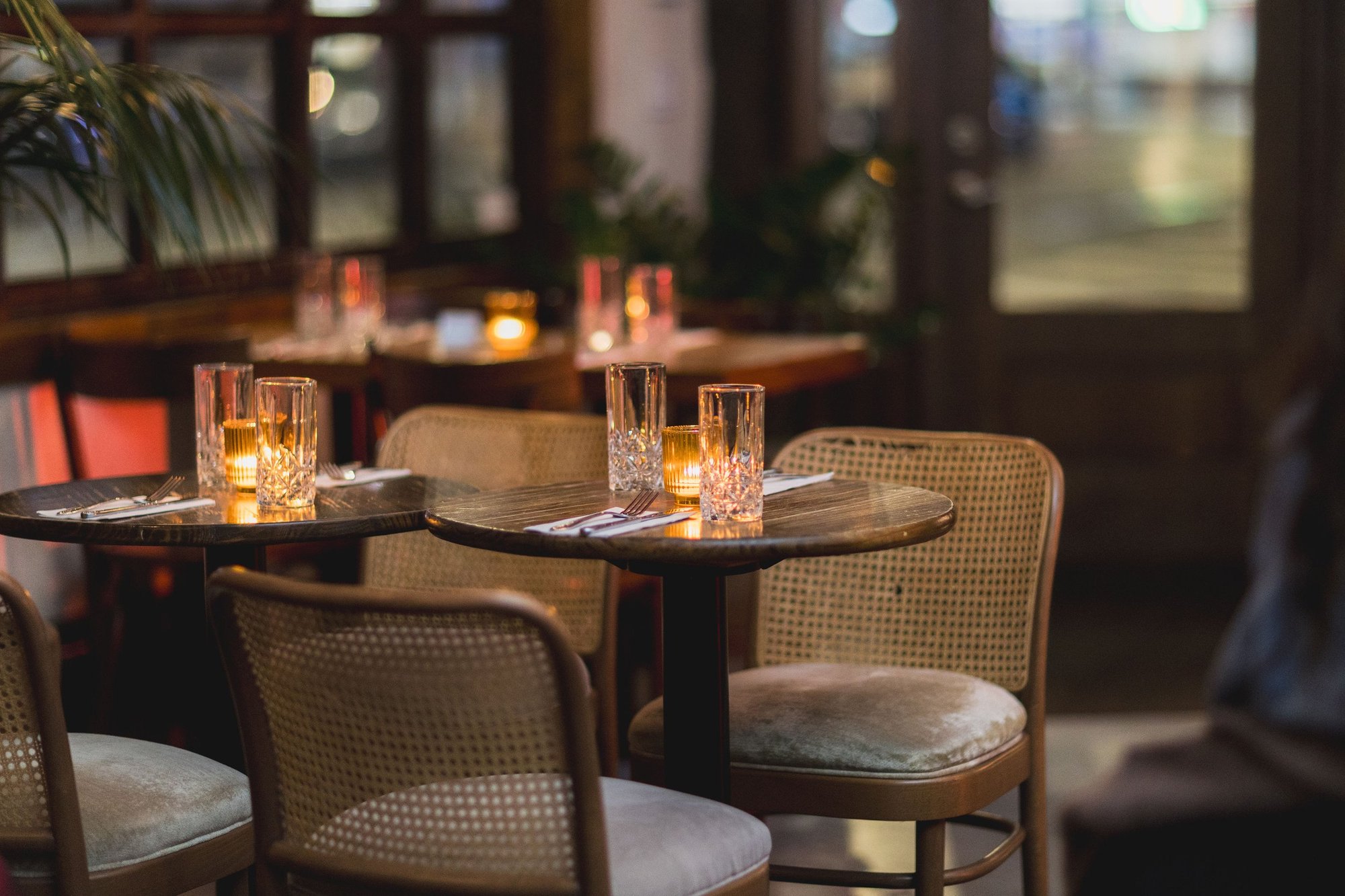
Cozy and relaxed with natural light from large windows, wooden bar panels, shifting to musically vibrant with live jazz.
Tags
Vibe
Best For
Experience
Format
At the Bar
- Bar Category
- Cocktail Bar
- Late Night
- Closes by Midnight
- Music
- Live Jazz
- Live Music
- Yes
Know before you go
Know Before You Go
- Getting there
- 26 Macombs Pl, New York, NY 10039
Planning details
Location
Also consider
Also Consider
- Talay Lounge, Notable alternative
- Sylvia's Restaurant, Notable alternative
- Red Rooster Harlem, Notable alternative
- Sugar Monk, Notable alternative
- Hudson Smokehouse, Notable alternative
Bar context
How It Compares
Sugar Monk is the better choice for a drinks-first night; Lucille's Coffee and Cocktails is the easier, lower-pressure option when the plan may shift between coffee, a casual drink, and a quick meet-up. With no listed price tier for Lucille's, treat value as convenience-led rather than splurge-led.
Red Rooster Harlem and Sylvia's Restaurant are stronger for groups that need a fuller meal and a more anchored Harlem outing. Lucille's is better for lighter plans and easier timing, especially when booking friction matters more than a full dining-room experience.
Talay Lounge and Hudson Smokehouse make more sense when the group wants a defined food direction. Pick Lucille's when ambiance needs to stay casual and the night does not need a major commitment.
Explore New York City
Around this place
Discover more on Pearl
Unlock the full Lucille's Coffee and Cocktails guide in Pearl, including awards, comparisons, FAQs, planning details, and nearby places.
Compare Lucille's Coffee and Cocktails
| Venue | Location | Awards |
|---|---|---|
| Lucille's Coffee and Cocktails | New York City | No published awards |
| Talay Lounge | New York City | No published awards |
| Sylvia's Restaurant | New York City | No published awards |
| Red Rooster Harlem | New York City | No published awards |
| Sugar Monk | New York City | No published awards |
| Hudson Smokehouse | New York City | No published awards |
How Lucille's Coffee and Cocktails New York City compares with similar nearby venues.
FAQ
Frequently Asked Questions
Is Lucille's Coffee and Cocktails open late?
Yes. Lucille's Coffee and Cocktails is open until 11:30 PM Tuesday through Saturday and 11:00 PM on Sunday. It is closed Monday.
Is Lucille's Coffee and Cocktails good for groups?
Information on seating capacity, private rooms, or a reservation process is not available. For group plans, confirm directly with Lucille's Coffee and Cocktails before relying on it for a specific party size.
What's the crowd like at Lucille's Coffee and Cocktails?
The dress code is casual. Beyond that, details on a specific crowd, scene, or service style are not available.
What's the best time to go to Lucille's Coffee and Cocktails?
The operating schedule is: Tuesday through Saturday from 8 AM to 11:30 PM, Sunday from 8 AM to 11 PM, and Monday closed. For any time-sensitive visit, confirm current hours directly.