
Bar in New York City, United States
Le Bilboquet
100ptsFrench Social Room
About Le Bilboquet
Le Bilboquet on East 60th Street occupies a specific register in the Upper East Side dining scene: a French-leaning room where the energy shifts markedly between a relatively calm lunch and an evening that leans social and loud. It sits comfortably in the Midtown-adjacent tier where occasion dining meets neighbourhood regulars, and its longevity on that block speaks to consistent demand rather than novelty.
The Room Before You Sit Down
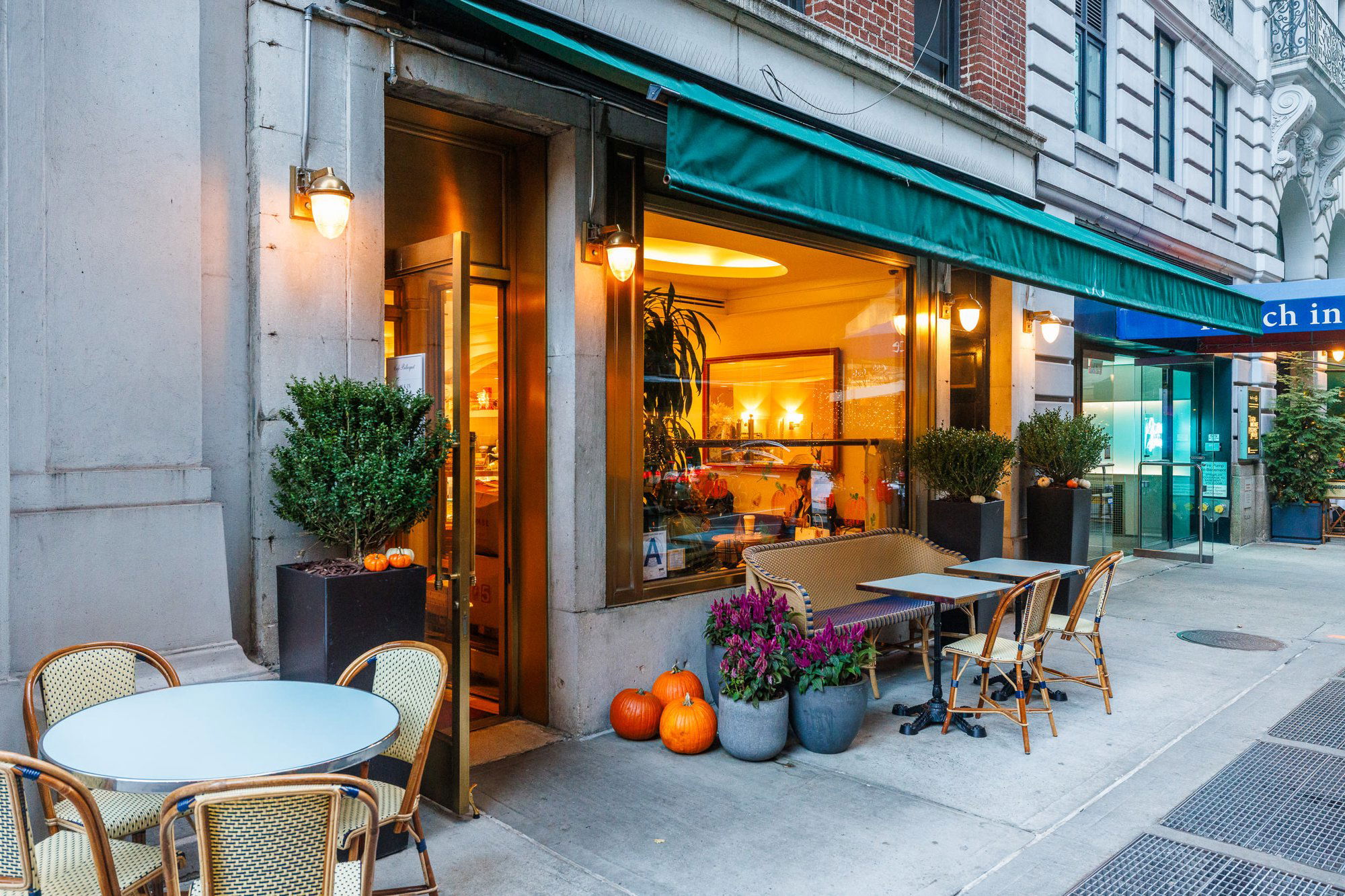
East 60th Street between Madison and Park carries a particular charge in the early evening. The block reads as transitional territory, close enough to the retail corridor of the upper Fifties to catch shoppers finishing their day, but far enough into the residential Upper East Side that the crowd shifts toward people who actually live nearby. Le Bilboquet occupies that in-between with some confidence. The facade at 20 East 60th is unassuming by the standards of a room that has maintained consistent attention over many years in one of New York's more competitive neighbourhoods. Approaching from the street, the physical scale is modest, which sets expectations accurately: this is not a grand-hotel dining room or a chef-driven tasting counter. It is a French restaurant in the social, brasserie-adjacent tradition, and the room telegraphs that before you are seated.
Inside, the mood is warm in the literal and atmospheric sense. Surfaces absorb light rather than bounce it, and the sound level climbs as the evening progresses in a way that feels managed rather than accidental. That acoustic character is part of what separates the lunch and dinner experiences more sharply than the menu alone.
Lunch and Dinner as Two Separate Proposals
The lunch-versus-dinner divide is as telling here as anywhere in Manhattan's mid-to-upper price tier. Across the Upper East Side, the pattern repeats: the same room that functions as a relatively composed, business-adjacent space at midday becomes something louder and more social after seven. Le Bilboquet sits in that tradition clearly. Lunch at this address draws a crowd that treats the room as a function: a client meeting, a long catch-up between two people who have known each other since before the restaurant existed, a solo diner working through something on a laptop. The pace is measured, the ambient noise is manageable, and the kitchen operates without the compressed tempo of a full evening service.
By dinner, the demographic shifts and so does the register. The room becomes a destination rather than a stop, and the noise level reflects that. Tables turn slower at dinner not because service is sluggish but because people are not there to finish quickly. That social function, the restaurant as the evening itself rather than a precursor to it, is a French-inflected tradition that Le Bilboquet preserves in a city where many comparable rooms have migrated toward the faster, more structured formats favoured by large hospitality groups.
From a value standpoint, the lunch service at a room like this typically offers the more efficient use of the experience. The cooking is the same; the room costs you less of your evening.
Where It Sits in the New York French Dining Map
French restaurants in New York divide along several fault lines. There is the grand brasserie format, large-format rooms with zinc bars and moules-frites that run from noon to midnight. There is the contemporary tasting-menu tier, small and expensive, where French technique is the reference but the menu reads more international. And there is the neighbourhood social French restaurant: mid-scale in format, consistent in execution, built around regulars as much as tourists. Le Bilboquet occupies the third category, on the Upper East Side rather than downtown, which places it in a specific demographic context. Venues like Dirty French operate in a different register, younger-skewing and downtown, while the calmer rooms around Park Avenue serve a residential constituency that values reliability over novelty.
That positioning is a deliberate niche. The Upper East Side has historically supported this kind of room because the population density of high-income residents within walking distance sustains weeknight covers without depending on destination traffic from other boroughs or tourists checking off a list. Longevity on this block is itself a competitive credential.
The Drinks Side
A French-leaning social room lives or dies on its bar programme as much as its kitchen, particularly in New York, where the cocktail scene has developed its own critical vocabulary. The standard for technically focused programmes in Manhattan is set by rooms like Attaboy NYC and Amor y Amargo, which operate on a different axis entirely: ingredient-obsessed, low-capacity, and built around the interaction between bartender and guest. Angel's Share represents a quieter, more restrained version of the same ethos. Le Bilboquet is not competing in that space. Its bar functions as an extension of the social dining room rather than a destination in its own right, which is appropriate for the format.
For guests whose primary interest is the cocktail programme, the downtown options referenced above serve a different purpose. For guests whose interest is a French wine list and an aperitif before a table, Le Bilboquet's register is more relevant. Comparable social-room drink programmes in other American cities include Kumiko in Chicago and Jewel of the South in New Orleans, both of which demonstrate how a drinks offering can reinforce a room's social identity without competing with dedicated cocktail bars. ABV in San Francisco, Allegory in Washington, D.C., and Bar Leather Apron in Honolulu round out the broader picture of how American bar programmes have diversified, underscoring that Le Bilboquet's approach is a conscious choice of format over ambition. The same logic applies to rooms like Julep in Houston and Superbueno in New York, which define themselves through programme depth rather than atmosphere. The Parlour in Frankfurt on the Main offers a useful international parallel: a bar that earns its place through consistency and context rather than spectacle.
Planning a Visit
For a broader map of where Le Bilboquet sits within the city's dining options, see our full New York City restaurants guide.
| Venue | Format | Neighbourhood | Leading Use Case | Booking Lead Time |
|---|---|---|---|---|
| Le Bilboquet | French social dining room | Upper East Side | Lunch meeting or neighbourhood dinner | Contact directly; weekends book ahead |
| Dirty French | French brasserie, louder | Lower East Side | Late dinner, downtown crowd | 1-2 weeks for prime times |
| The Long Island Bar | American bar with kitchen | Cobble Hill, Brooklyn | Casual dinner, strong cocktails | Walk-in friendly off-peak |
Frequently Asked Questions
- What is the signature drink at Le Bilboquet?
- Le Bilboquet's drinks programme is built around the social dining-room format rather than a technically driven cocktail concept. French wine plays a more central role than the cocktail list, which is appropriate for a room of this type and tradition. If cocktail depth is your primary requirement, the technically focused programmes at Attaboy NYC or Amor y Amargo operate in a different register.
- What makes Le Bilboquet worth visiting?
- The case for Le Bilboquet is grounded in consistency and positioning rather than a single standout credential. It occupies a French social-dining register that is relatively scarce on the Upper East Side, which sustains a residential regular base as much as occasion visitors. In a city where comparable rooms have either closed or been absorbed into large hospitality groups, its continued independent presence is itself a differentiator.
- How far ahead should I plan for Le Bilboquet?
- Weekend dinner tables at rooms of this type in the East 60s typically require at least a week's notice, and more during the autumn and holiday season when Upper East Side dining traffic peaks. Weekday lunch is generally more accessible. Because booking details are not publicly confirmed in our current data, contact the venue directly to confirm availability.
- What is the leading use case for Le Bilboquet?
- The room functions most efficiently as a weekday lunch for a client or a social dinner for two to four people who want a French-leaning room without the volume of a downtown brasserie. The Upper East Side location makes it practical for anyone spending time between the park and Midtown, and the social-dining format rewards guests who are not on a tight schedule.
- Is Le Bilboquet actually as good as people say?
- The room's longevity on East 60th Street is the most concrete evidence available. In a market that closes and reopens restaurants constantly, surviving as a neighbourhood anchor over an extended period reflects real demand. It is not a tasting-menu destination or a cocktail programme, and visitors expecting either will be miscalibrated. Evaluated as a French social dining room, its track record is the argument.
- Does Le Bilboquet suit solo diners, or is it primarily a group venue?
- French social dining rooms of this format typically accommodate solo diners at lunch more comfortably than at dinner, when the atmosphere is louder and table configurations favour groups. The Upper East Side's lunchtime pace, and the room's brasserie-adjacent tradition, make a solo midday visit more natural than attempting a solo seat on a Friday evening. For solo counter experiences in New York, the omakase and cocktail-bar formats elsewhere in the city serve that need more directly.
More bars in New York City
- (SUB)MERCER(SUB)MERCER occupies a basement address on Mercer Street in SoHo, positioning it as a deliberate destination rather than a drop-in. The subterranean format tends to keep ambient noise lower than street-level alternatives, making it a reasonable call for groups of four or more. Book ahead for weekends and confirm group capacity directly with the venue.
- 1 OR 81 OR 8 on DeKalb Avenue is a low-key Fort Greene bar that works best for two people on a weeknight when the room is quiet enough for conversation. Walk-ins are easy, no advance planning required. If a specialist cocktail program is your priority, Attaboy or Amor y Amargo offer more defined experiences — but for a neighbourhood drink without the fuss, this delivers.
- 230 Fifth Rooftop Bar230 Fifth is the easiest rooftop bar in Midtown to walk into, and the Empire State Building views justify the trip. The crowd skews groups and tourists, and the drinks are solid rather than craft-focused. Go early on a weekday for the best version of the experience; after 9 PM on weekends it tips firmly into party-group territory.
- 4 Charles Prime Rib4 Charles Prime Rib is a compact, reservation-required West Village dining room built around a focused prime rib format. It works well for dates and pairs but is too small for groups of four or more. Booking is easy relative to Manhattan peers, and the narrow menu signals a kitchen that executes one thing consistently well.
- 44 & X Hell's KitchenA low-key Hell's Kitchen neighborhood bar-restaurant that earns its place for easy weeknight dates and pre-theatre dinners. Booking is simple, the room is intimate enough for conversation, and there's no dress pressure. Not a cocktail destination, but a reliable, pressure-free option in Midtown West when you want comfort over spectacle.
- 58-22 Myrtle Ave58-22 Myrtle Ave is a low-key Ridgewood neighborhood spot that rewards return visits more than first impressions. Easy to get into, with no reservation headaches, it suits regulars looking for an unpretentious room rather than a structured cocktail program. If a strong drinks list or kitchen ambition matters to you, look to Attaboy or Amor y Amargo instead.
Related editorial
- Best Fine Dining Restaurants in ParisFrom three-Michelin-star icons to the next generation of Parisian chefs pushing boundaries, these are the restaurants that define fine dining in the world's culinary capital.
- Best Luxury Hotels in RomeFrom rooftop terraces overlooking ancient ruins to Michelin-starred hotel dining, these are the luxury hotels that make Rome unforgettable.
- Best Cocktail Bars in KyotoFrom sleek lounges to hidden speakeasies, Kyoto's cocktail scene blends Japanese precision with global influence in ways you won't find anywhere else.
Save or rate Le Bilboquet on Pearl
Keep this venue in your Pearl passport, rate it after you visit, and track it alongside every other place you collect.