Jimmy's Corner
Midtown-Times Square, New York City
Bar in New York City, United States
 Book with Pearl
The Read
Price
$10–20per person
Why go
A low-friction Times Square pick for a casual drink, especially when the night is already in Midtown and a rooftop reservation feels unnecessary. Better for solo drinkers, pairs, and late-night fallback plans than dates, large groups, or food-led evenings.
About Jimmy's Corner
Jimmy's Corner in New York City is a casual venue with a long daily operating window. The details are practical rather than decorative: casual dress code, New York City location, and hours that run late every night.
Use it when the plan calls for a simple New York City stop with late hours and casual expectations. If the night needs a different setting, Bar 54, Broadway Lounge, Mezzanine Bar, Sushi Lab Rooftop, or Dallas BBQ Times Square may be worth comparing depending on the kind of outing you want.
A casual New York City venue with late-night hours
The clearest planning advantage is the schedule. Jimmy's Corner is open Monday through Wednesday from 11:30 AM to 2 AM, Thursday and Friday from 11:30 AM to 4 AM, Saturday from 12:30 PM to 4 AM, and Sunday from 4 PM to 2 AM.
The dress code is casual, so it is best framed as an easygoing option rather than a formal or highly planned occasion. Beyond those basics, specific details about seating, menu, service style, or atmosphere should not be assumed.
Who should pick it, and who should redirect
Pick it when you want a casual New York City venue with late hours and a direct plan. It is especially useful when timing matters more than a detailed dining or nightlife agenda.
Redirect if the occasion depends on confirmed food details, a specific room setup, views, or a more structured setting. Mezzanine Bar, Bar 54, Broadway Lounge, Sushi Lab Rooftop, and Dallas BBQ Times Square are other New York City options to consider. For a broader scan, use our full New York City bars guide, then branch into our full New York City restaurants guide, our full New York City hotels guide, our full New York City wineries guide, or our full New York City experiences guide if the night needs a wider plan.
When comparing options, keep the facts in focus: Jimmy's Corner is in New York City, has a casual dress code, and keeps late hours throughout the week.
Planning details
- Location
- 140 W 44th St, New York, NY 10036
- Website
- m.facebook.com/jimmyscornernyc
- Phone
- +1 212 221 9510
The take
The Take
The Vibe
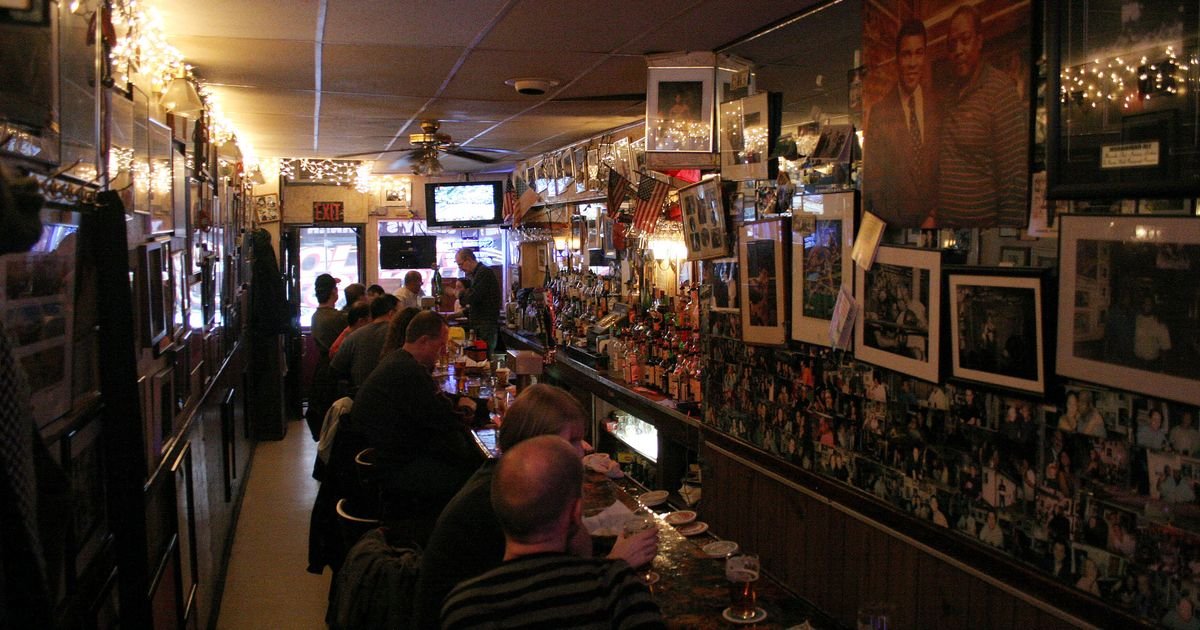
Jimmy's Corner feels like a compact, deeply local Midtown refuge. The narrow room and walls layered with decades of boxing photographs and fight memorabilia give the place a lived-in, archival character; everything reads as accreted by regulars rather than staged for tourists. Service and pacing skew relaxed and unfussy, and the bar's identity is inseparable from its community—the regulars are the baseline, not an afterthought. That combination of intimacy, sports-memorabilia clutter and a quietly unpretentious approach makes Jimmy's an anomalous, quietly charming piece of old-school Manhattan hospitality amid the bustle of Times Square.
Best For
Jimmy's Corner suits quick after-work drinks, late-night rounds and informal pre-theater stops by people heading to nearby shows. The bar's modest pricing and unhurried rhythm make it an easy place for office workers, commuters and theatre-goers to slip in without ceremony. It's best for small groups or solo visitors who want a straightforward, no-frills drinking spot where the décor—an archive of boxing history—and the regular faces define the experience more than a menu or fancy cocktails. Expect low-pressure service and a crowd that skewers local habit over hype.
Ordering Tips
Keep orders simple and low-key: Jimmy's operates on an unpretentious, middle-ground logic rather than a craft-cocktail one, and pricing sits at the lower end of Manhattan's range. Because the room is narrow and populated by regulars, be prepared to stand or squeeze in at the bar during busy moments and to accept a relaxed pace rather than hurried turnover. Respecting the long-standing clientele goes a long way—this is a place formed around community, so simple drinks and a polite, easygoing attitude fit best.
Venue details
Ambiance
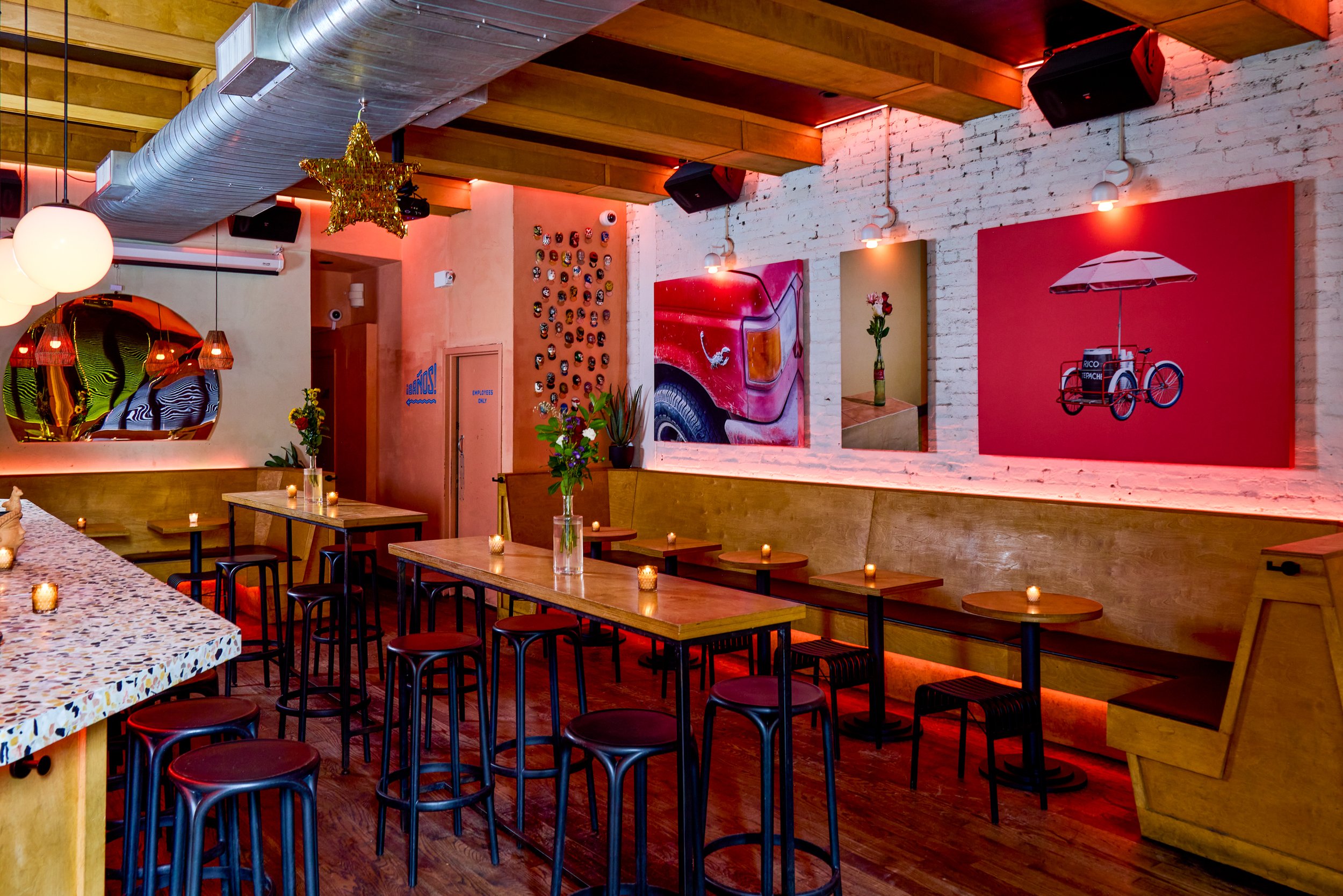
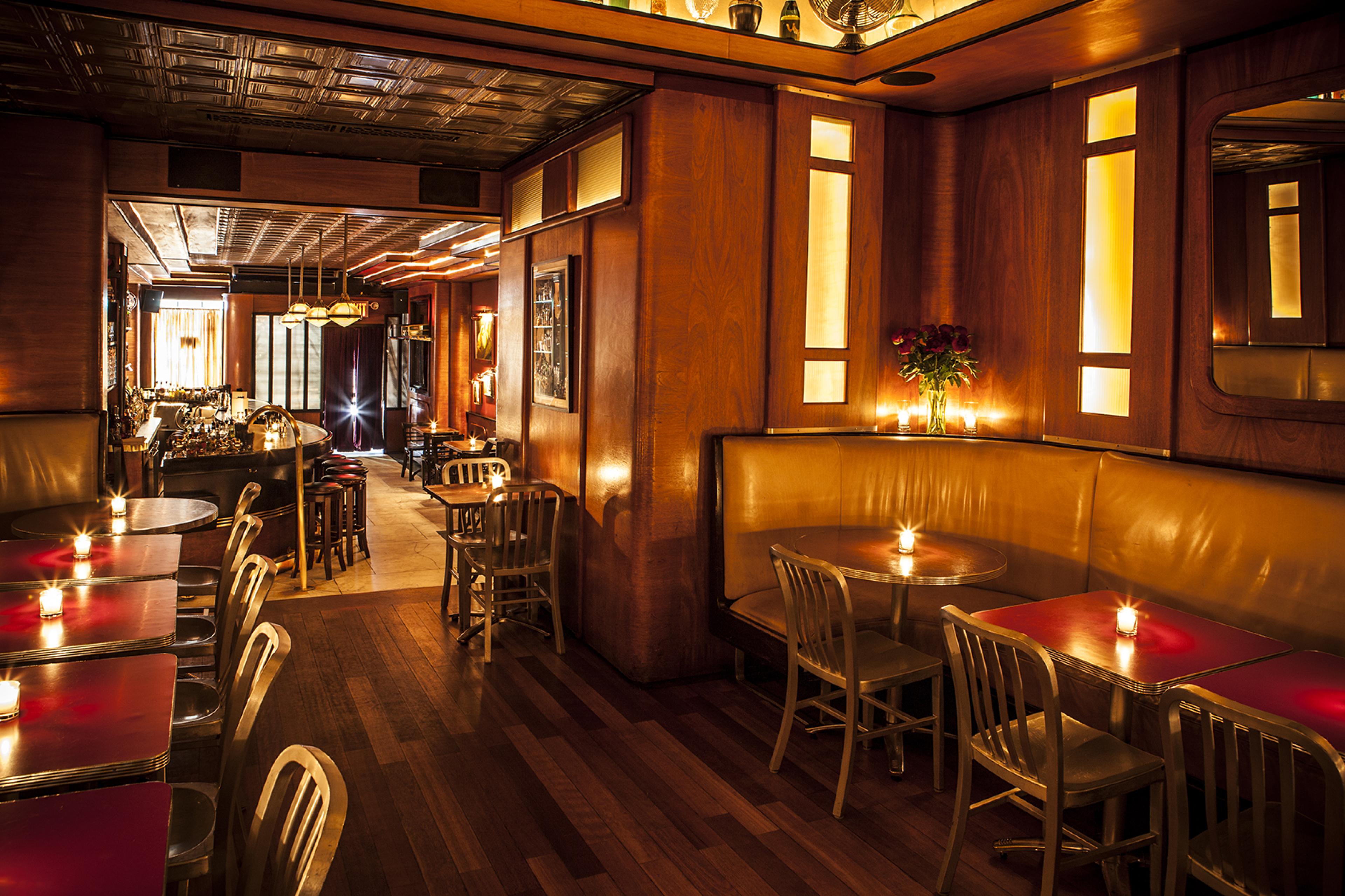
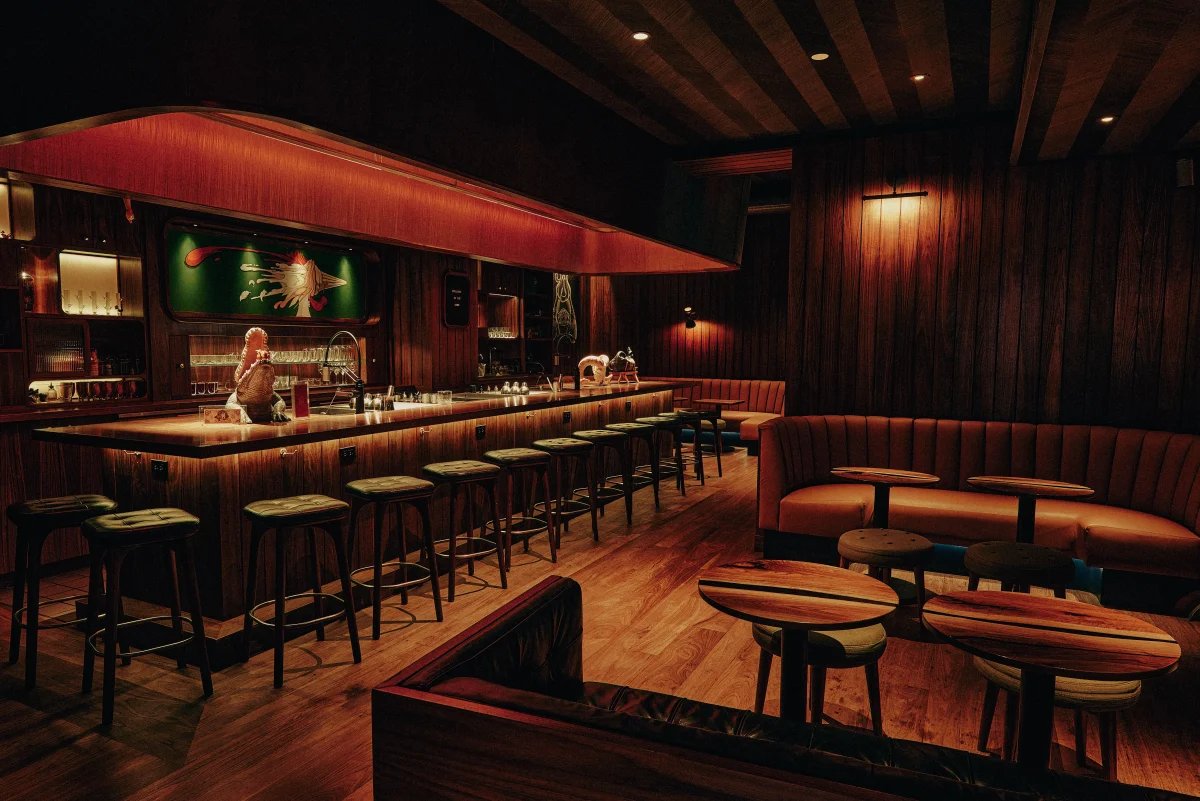
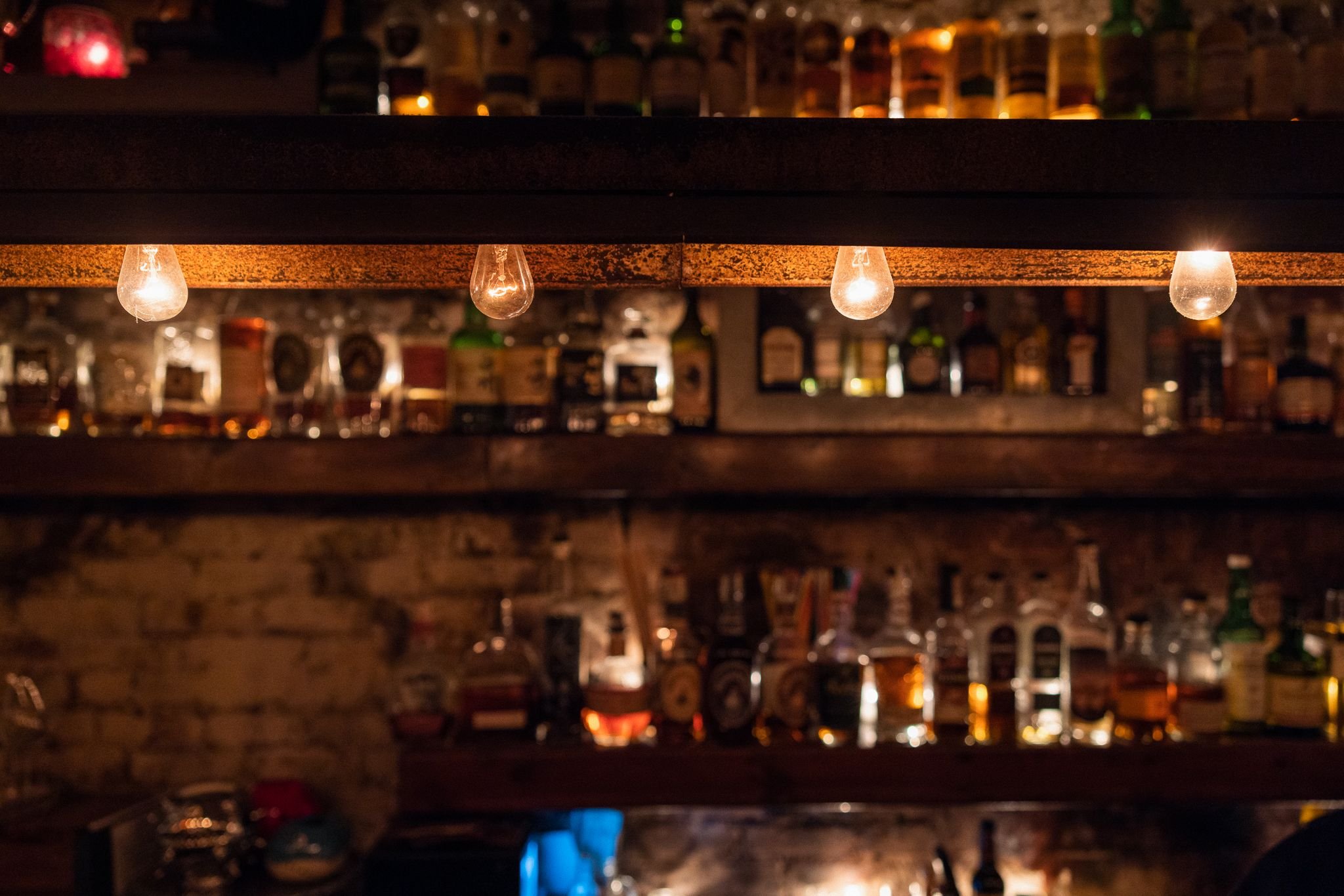
Dimly lit, divey atmosphere evoking 1970s New York with boxing ephemera, jukebox soul music, and a friendly, unpolished charm.
Tags
Vibe
Best For
Experience
Format
At the Bar
- Bar Category
- Dive Bar
- Late Night
- Open Until 4am
- Music
- Jukebox Soul
- Spirits Focus
- Rum
Signature Pours
Jimmy’s Hurricane
Know before you go
Know Before You Go
- Getting there
- 140 W 44th St, New York, NY 10036
Planning details
Location
Also consider
Also Consider
- Mezzanine Bar, Notable alternative
- Bar 54, Notable alternative
- Broadway Lounge, Notable alternative
- Sushi Lab Rooftop, Notable alternative
- Dallas BBQ Times Square, Notable alternative
Bar context
Mezzanine Bar is the better choice if the priority is a more composed Midtown setting, while Jimmy's Corner is the easier, lower-ceremony option for a quick drink near the theaters. For a planned date or client-adjacent drink, choose Mezzanine Bar; for a casual post-show stop, choose Jimmy's Corner.
Bar 54, Broadway Lounge, and Sushi Lab Rooftop make more sense when views, seating, or a more structured night matter. They ask for more planning and usually suit visitors who want the setting to carry the evening. Jimmy's Corner is the counterpoint: less production, easier entry, and a better fit when value and speed beat ambiance.
Dallas BBQ Times Square is the better fallback for groups that need food and room to spread out. Jimmy's Corner works better for one or two people who want a drink without turning the stop into dinner.
Explore New York City
Around this place
Discover more on Pearl
Unlock the full Jimmy's Corner guide in Pearl, including awards, comparisons, FAQs, planning details, and nearby places.
Compare Jimmy's Corner
| Venue | Location | Awards |
|---|---|---|
| Jimmy's Corner | New York City | No published awards |
| Mezzanine Bar | New York City | No published awards |
| Bar 54 | New York City | No published awards |
| Broadway Lounge | New York City | No published awards |
| Sushi Lab Rooftop | New York City | No published awards |
| Dallas BBQ Times Square | New York City | No published awards |
How Jimmy's Corner New York City compares with similar nearby venues.
FAQ
Frequently Asked Questions
What's the crowd like at Jimmy's Corner?
The dress code is casual, so it is best treated as a relaxed New York City venue rather than a formal setting. Specific crowd details are not confirmed.
Do I need a reservation at Jimmy's Corner?
Plan around the confirmed basics: Jimmy's Corner is in New York City, has a casual dress code, and keeps late hours.
Is the food good at Jimmy's Corner?
food, cuisine, and menu details are not available. If dinner is the priority, compare other New York City restaurants before building the plan around Jimmy's Corner.
Is Jimmy's Corner open late?
Yes. It is open until 2 AM Monday through Wednesday and Sunday, and until 4 AM on Thursday, Friday, and Saturday.
Is Jimmy's Corner good for a date?
It may fit a very casual plan, since the dress code is casual. If you want a more defined setting, compare options such as Mezzanine Bar or Broadway Lounge.
Is Jimmy's Corner good for groups?
If group logistics are important, compare other New York City options such as Dallas BBQ Times Square before deciding.
What's the best time to go to Jimmy's Corner?
The best time depends on your plan. The hours are Monday through Wednesday 11:30 AM–2 AM, Thursday and Friday 11:30 AM–4 AM, Saturday 12:30 PM–4 AM, and Sunday 4 PM–2 AM.