Japan Village
Japanese · Sunset Park (West), New York City
Bar in New York City, United States
 Book with Pearl
The Read
Price
$20–30per person
Why go
Japan Village is a better fit for a casual Brooklyn date or flexible group stop than a polished, reservation-led night out. Go when browsing and choice matter more than table service, cocktails, or a quiet room; cross-shop Brooklyn Kura for sake focus and Folk for a more bar-driven evening.
About Japan Village
Japan Village in New York City has a casual dress code. Plan around that simple fact rather than assuming a particular menu, service format, seating setup, beverage program, or neighborhood-specific experience.
The safest way to use this guide is as a practical planning note: Japan Village is in New York City and has a casual dress code, but details such as hours, pricing, reservations, specials, outdoor seating, and dining format should be confirmed directly before you build a plan around them.
Use it when a casual dress code is the priority
Japan Village makes the most sense to consider when casual dress is important. It should not be framed here as a formal tasting-menu destination, a cocktail-focused bar, or a specific style of restaurant, because those details are not part of the available venue information.
If you are comparing other ideas, Brooklyn Kura is another option to research directly, and Folk can also be considered as part of a broader short list. If the goal is a broader city shortlist, use Our full New York City bars guide, Our full New York City restaurants guide, Our full New York City hotels guide, Our full New York City wineries guide, and Our full New York City experiences guide.
Quick read: New York City-based, casual dress code, and best approached with current details confirmed before you go.
Planning details
- Location
- 934 3rd Ave, Brooklyn, NY 11232
- Website
- japanvillage.com
- Phone
- +1 347 584 4578
The take
The Take
The Vibe
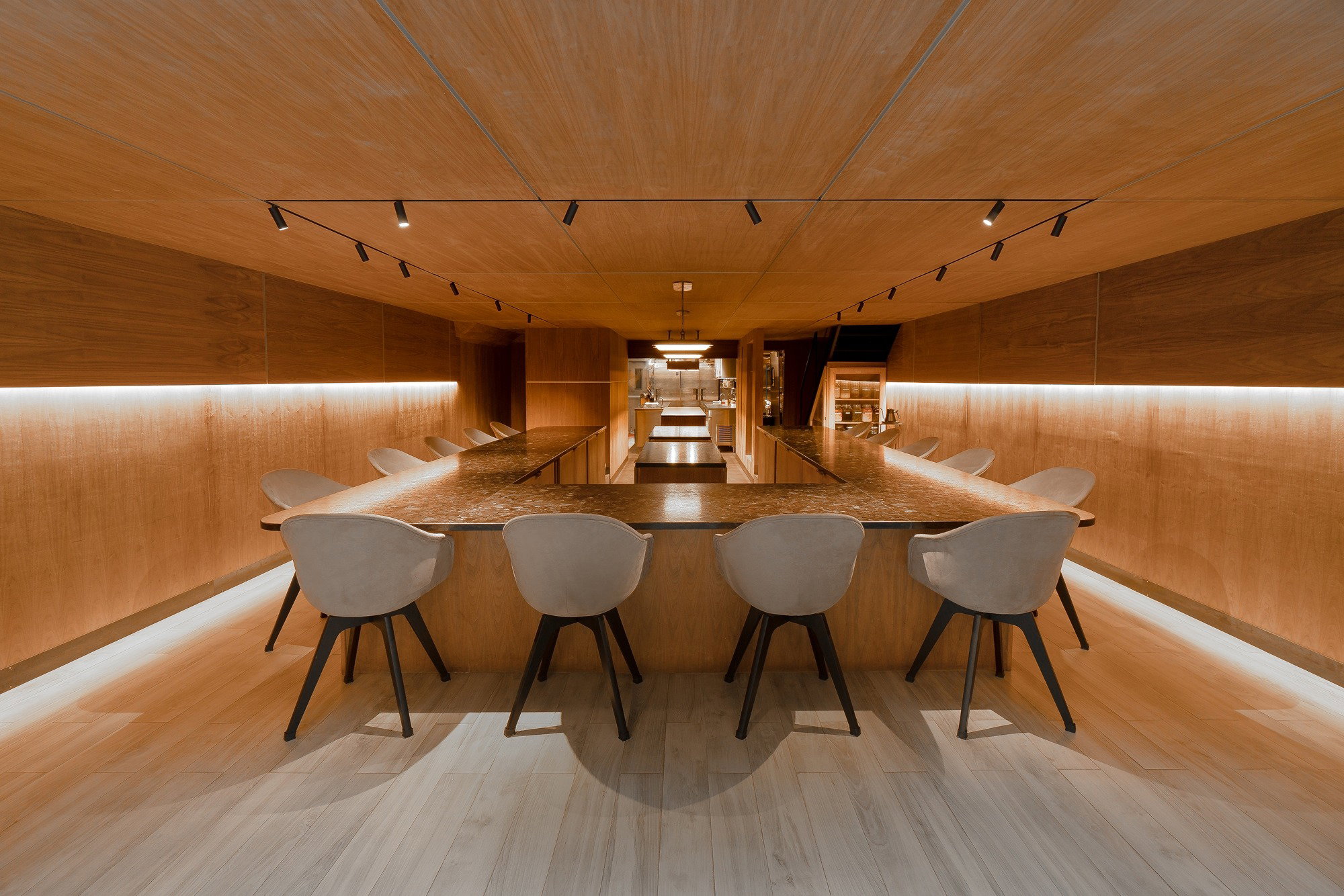
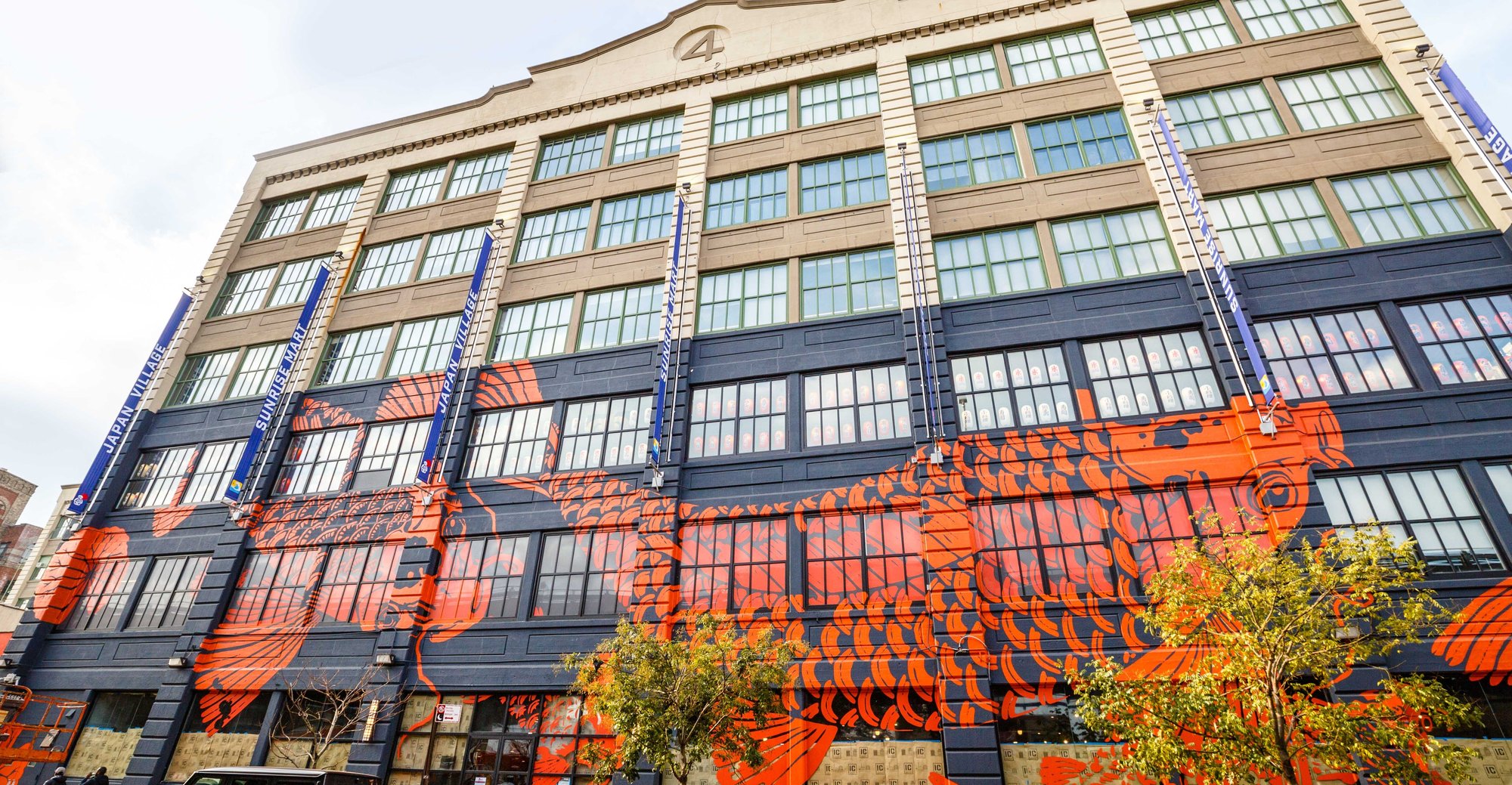
Japan Village reads like a disciplined, modern translation of a Japanese depachika into Brooklyn: curated vendors, clearly separated zones, and an emphasis on the choreography of eating give the space a sophisticated, minimalist air. It’s organized rather than chaotic—grocery, prepared food, sit-down dining, and specialty retail each have their own pace and etiquette—so the environment feels intentional. The visible cooks and counter seating nod to traditional Japanese service rituals while still feeling contemporary in an Industry City context. Overall it’s refined and purposeful rather than themed or gimmicky.
Best For
This food-hall hybrid suits a range of visits. Solo diners benefit from counter seating that recreates the focused exchange of an omakase-style counter, while small groups can spread across the sit-down dining zones. Browsers and shoppers who enjoy leisurely food discovery will appreciate the market-like arrangement—items are arranged with care and the expectation is that visitors will look before deciding. It’s an especially good fit for anyone who values deliberate, taste-focused eating rather than quick, grab-and-go meals.
Ordering Tips
Treat a visit here like a browse: prepared-food stations reward deliberate looking, so take time to walk the hall and compare vendors before ordering. When you find counter seating, expect an interaction-style experience where the cook is visible and the process is legible; those seats are ideal for single diners or anyone who wants to watch food being prepared. Think of purchases as part of a ritual—portion sizes are considered and items are arranged with care—so order thoughtfully rather than rushing a single pass.
Venue details
Ambiance
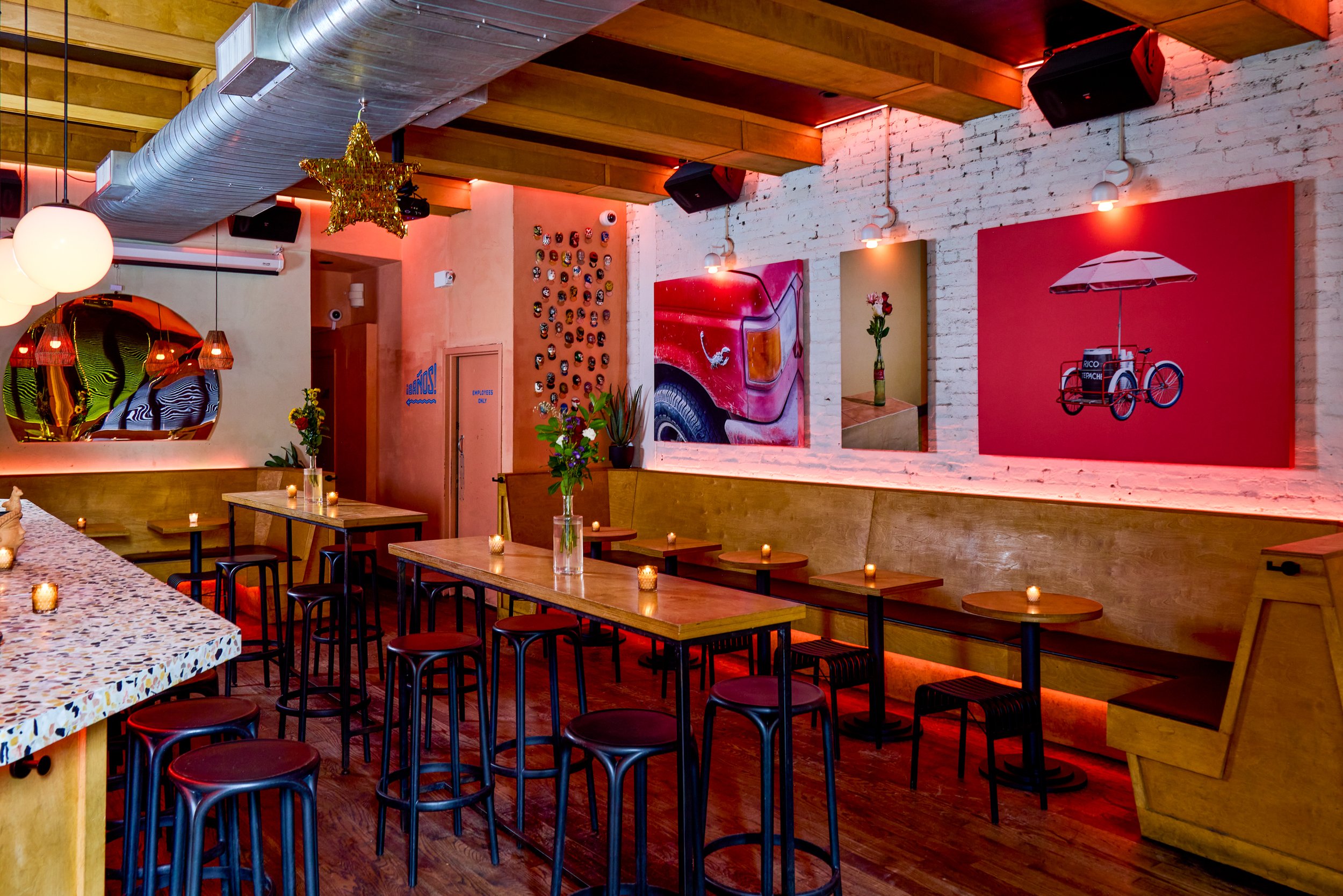
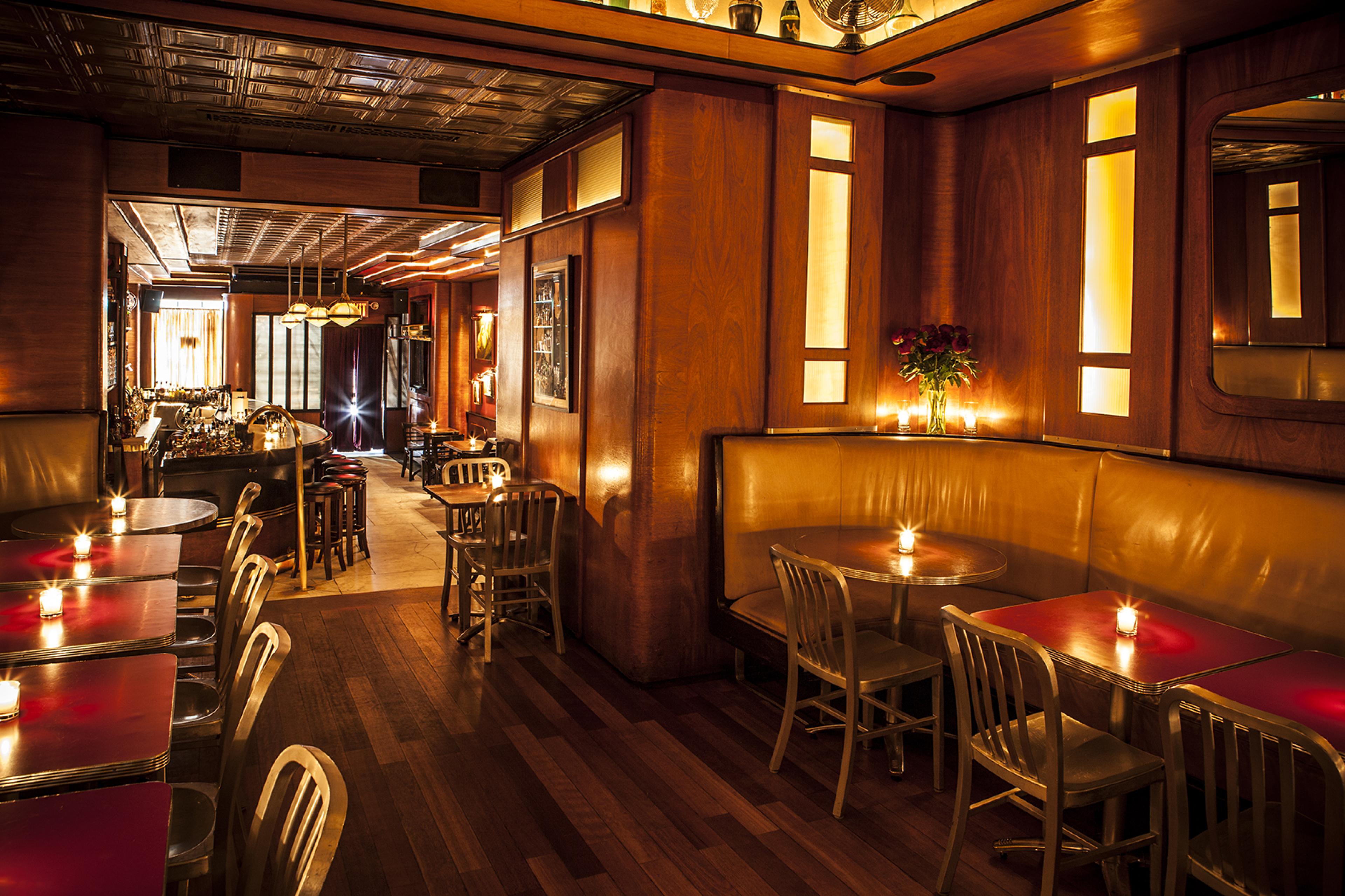
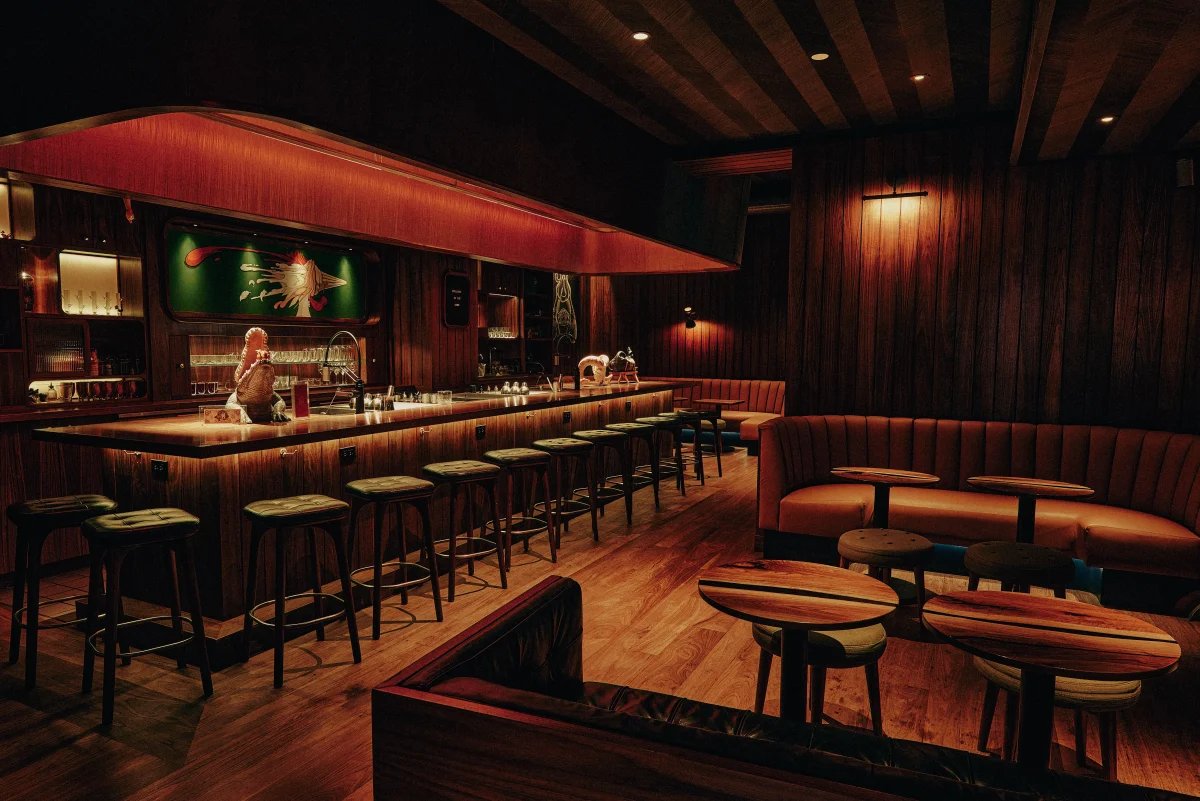
Energetic and harmonious blend of contemporary and traditional Japanese elements with lively karaoke sessions and cultural workshops.
Tags
Vibe
Best For
Format
At the Bar
- Bar Category
- Sake Bar
- Late Night
- Closes by Midnight
- Music
- Karaoke
- Spirits Focus
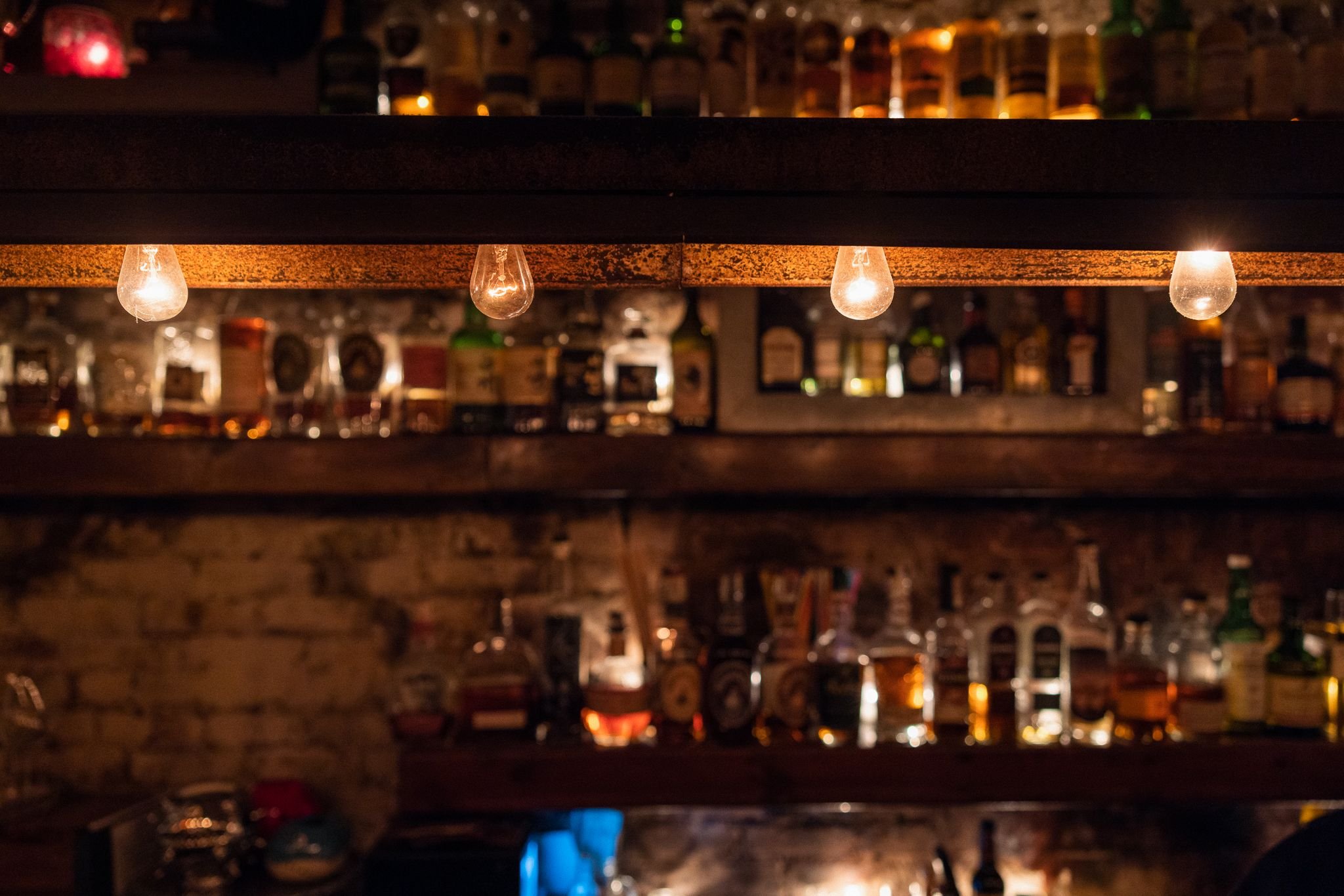
- Sake, Shochu, Whisky
Know before you go
Know Before You Go
- Getting there
- 934 3rd Ave, Brooklyn, NY 11232
Planning details
Location
Also consider
Also Consider
- Brooklyn Kura, Notable alternative
- Folk, Indian-influenced cocktails, Indian-influenced cocktails
- Good Judy, Notable alternative
- Hometown Bar-B-Que, Notable alternative
- Barbès, Notable alternative
Bar context
How Japan Village compares in Brooklyn
Japan Village is the easiest call when flexibility matters: it suits a casual browse-and-graze plan better than a structured dinner or cocktail reservation. Brooklyn Kura is the better pick for a sake-focused evening, while Folk makes more sense when the night should revolve around Indian-influenced cocktails.
For ambiance, Japan Village leans practical and open-ended. Good Judy and Barbès are stronger choices when the room itself is the point of the night. Hometown Bar-B-Que is the better fit for a food-first group that wants a more defined meal.
Book Japan Village when the plan is casual, mixed-preference, and low pressure. Choose Brooklyn Kura for sake, Folk for cocktails, Good Judy or Barbès for a bar-room date, and Hometown Bar-B-Que when the group wants barbecue as the anchor.
Explore New York City
Around this place
Discover more on Pearl
Unlock the full Japan Village guide in Pearl, including awards, comparisons, FAQs, planning details, and nearby places.
Compare Japan Village
| Venue | Location | Cuisine | Awards |
|---|---|---|---|
| Japan Village | New York City | , | No published awards |
| Brooklyn Kura | New York City | , | No published awards |
| Folk | New York City | Indian-influenced cocktails | No published awards |
| Good Judy | New York City | , | No published awards |
| Hometown Bar-B-Que | New York City | , | No published awards |
| Barbès | New York City | , | No published awards |
How Japan Village NYC compares with similar nearby venues.
FAQ
Frequently Asked Questions
Does Japan Village have happy hour deals?
Is Japan Village good for groups?
Japan Village has a casual dress code, which may work for some relaxed group plans. Specific group policies, seating details, and billing arrangements should be confirmed directly if those details matter.
Does Japan Village have outdoor seating?
Is the food good at Japan Village?
The page does not include menu details, cuisine specifics, dishes, prices, or ratings. Treat Japan Village as a New York City venue with a casual dress code and check current information directly if the food offering is the deciding factor.
Is Japan Village good for a date?
It may suit a plan where a casual dress code in New York City is preferred. Hometown Bar-B-Que is another venue to compare, but confirm current details for either place before deciding.