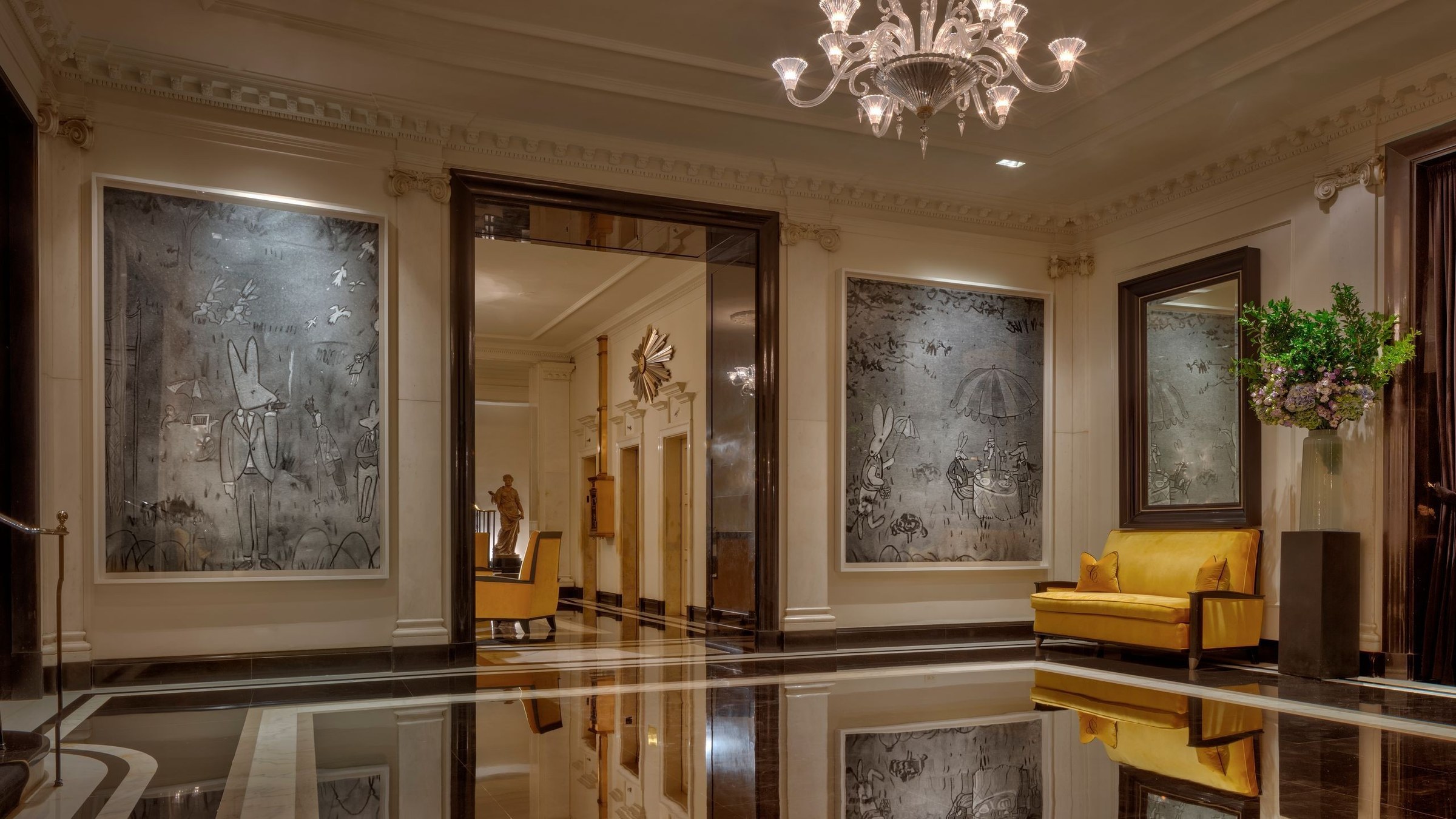
Hudson Clearwater
West Village, New York City
Bar in New York City, United States
 Book with Pearl
Why go
Hudson Clearwater is a practical West Village pick when you want an easy New York City plan without chasing a high-ceremony reservation. Book it for a date or small catch-up where the neighborhood setting matters; cross-shop Little Branch or Employees Only NYC if the night needs to be more cocktail-focused.
About Hudson Clearwater
Hudson Clearwater is a New York City venue with daily hours from 8 AM to 2 AM and a smart casual dress code. Plan around the schedule rather than assuming a specific cuisine, chef, drinks program, price point, awards history, or service format.
A first-timer should treat it as a flexible New York City option, not a splurge target
The clearest planning advantage is the long daily operating window. Hudson Clearwater is listed as open every day from 8 AM to 2 AM, which gives it more scheduling flexibility than many venues with narrower evening-only hours.
Keep expectations practical. Do not book on the assumption that this is a documented destination for a specific cocktail program, wine list, tasting format, or chef-led menu. Use the hours and smart casual dress code as the reliable planning details.
Where it fits against other New York City choices
If you are comparing options, consider Hudson Clearwater alongside Little Branch, Employees Only NYC, La Loteria, Dandelion, or L'Accolade based on the kind of outing you want.
For broader planning, use Our full New York City bars guide or Our full New York City restaurants guide to compare other New York City options.
Bottom line: choose Hudson Clearwater when its New York City location, daily 8 AM–2 AM hours, and smart casual dress code fit your plan. Check the venue directly for current details before you go.
Planning details
- Location
- 447 Hudson St, New York, NY 10014
- Website
- hudsonclearwater.com
- Phone
- +1 212 989 3255
The take
The Take
The Vibe
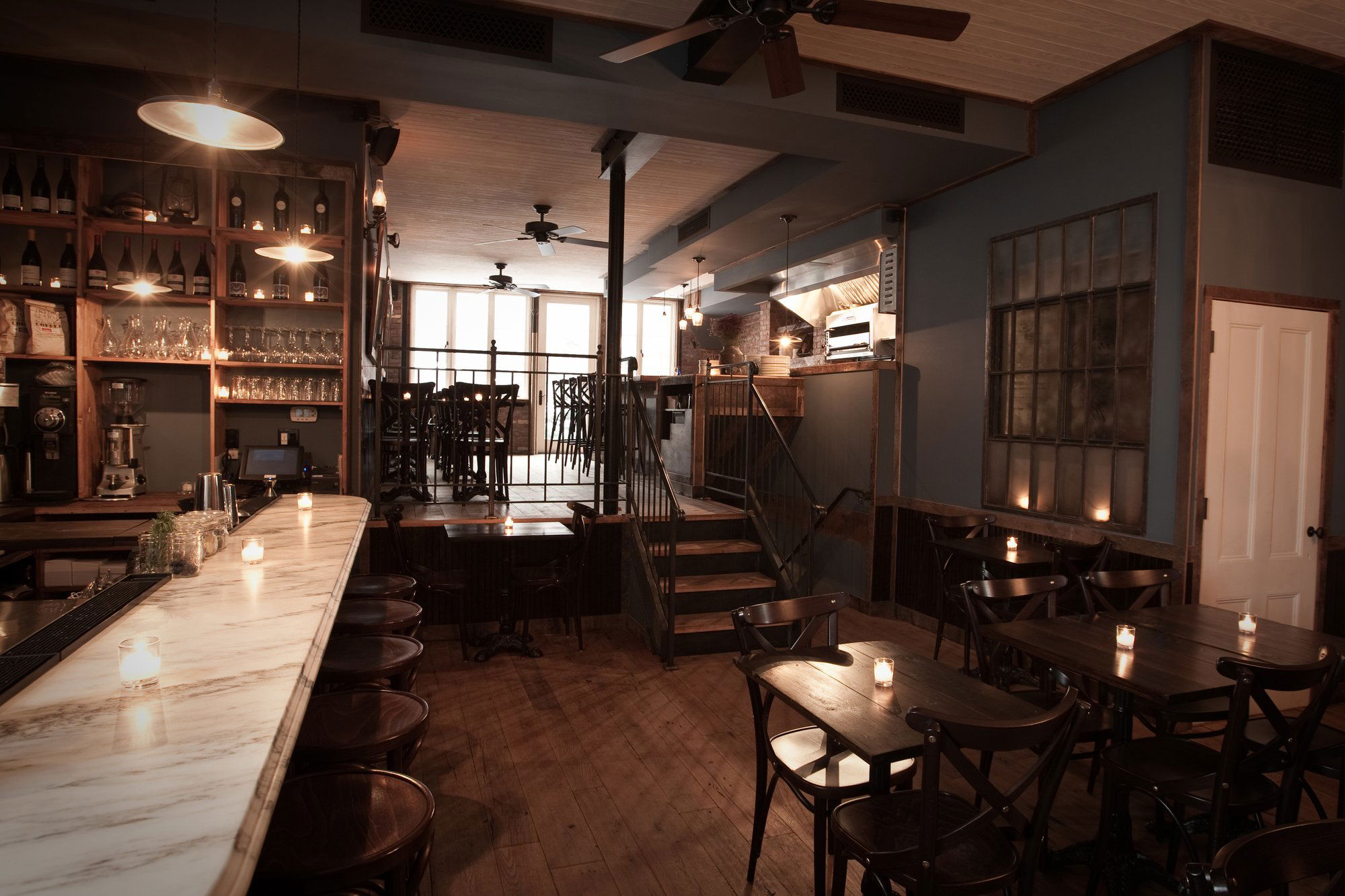
Hudson Clearwater reads like a quietly confident West Village room: small, meticulously sourced and residential in scale. The building’s carriage-house lineage and the neighborhood’s long relationship with provenance keep the focus tightly on ingredients and the intimacy of service. Rather than theatricality, the place trades in restraint—the sourcing conversation happens quietly between kitchen and guest—so evenings feel thoughtful and focused. The modest footprint and townhouse frontage make the transition from street to dining room feel personal, the kind of spot where the city’s culinary history is present in the details rather than announced loudly.
Best For
This is a spot built for low-key, attentive evenings when provenance matters. The compact dining room and neighborhood setting make it a strong choice for date nights and quiet dinners with friends who appreciate seasonality and smaller-scale cooking. Its small size and close tables also suit solo diners who favor attentive service and rotating, supply-driven menus. It is less of a destination for large groups or loud celebrations and more of a neighborhood anchor where the evening unfolds around what’s fresh and thoughtfully prepared.
Ordering Tips
Expect a menu that shifts with what producers and day-boat fisheries deliver; the description stresses that dishes change because supply changes. Ask your server what arrived that day and lean into the daily selections—those items reflect the restaurant’s sourcing logic. Because the kitchen operates on limited regional allocations, be flexible and order what’s recommended rather than hunting for a signature dish. Reservations or arriving earlier in the evening can help secure a table in the compact dining room.
Venue details
Ambiance
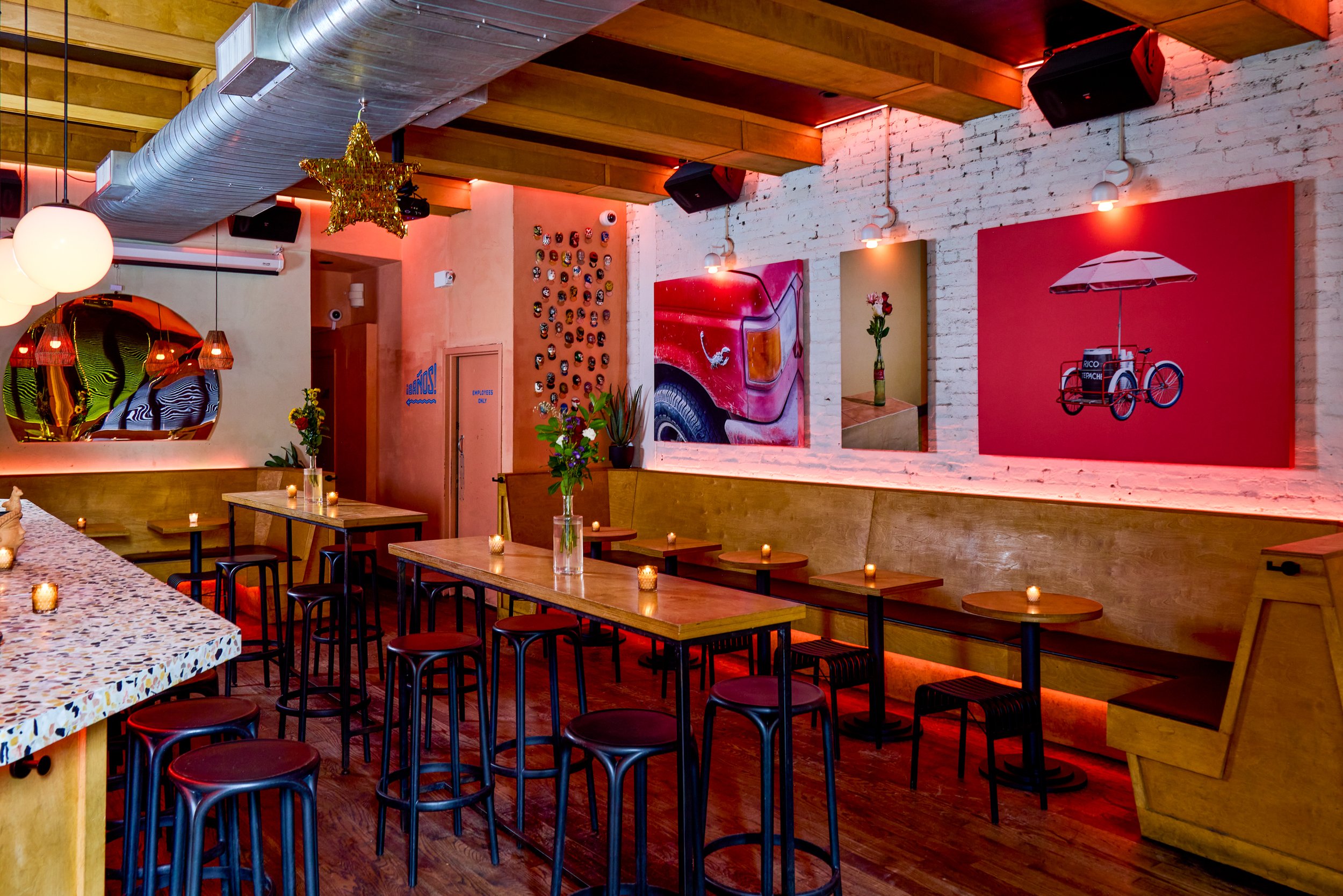
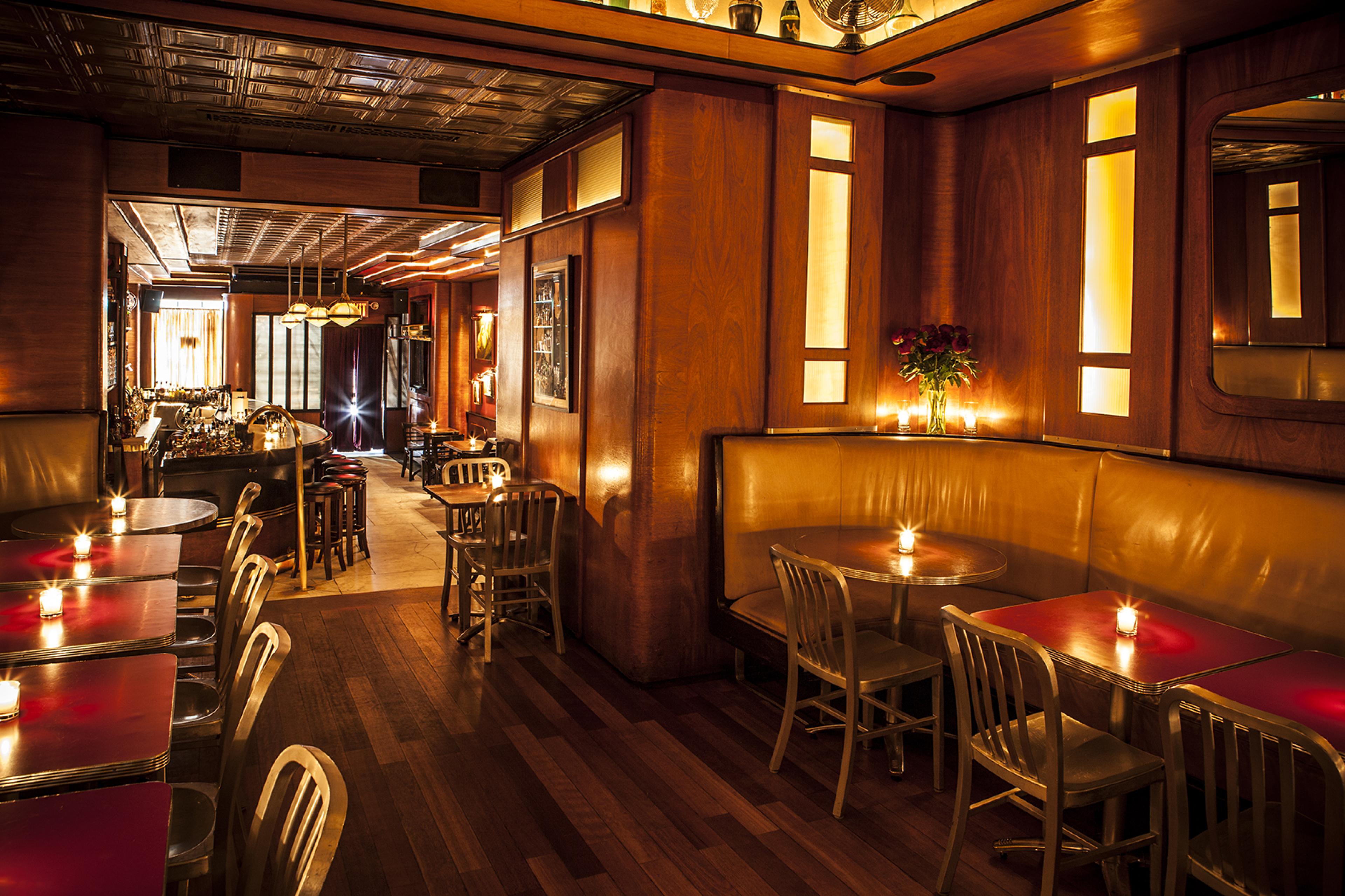
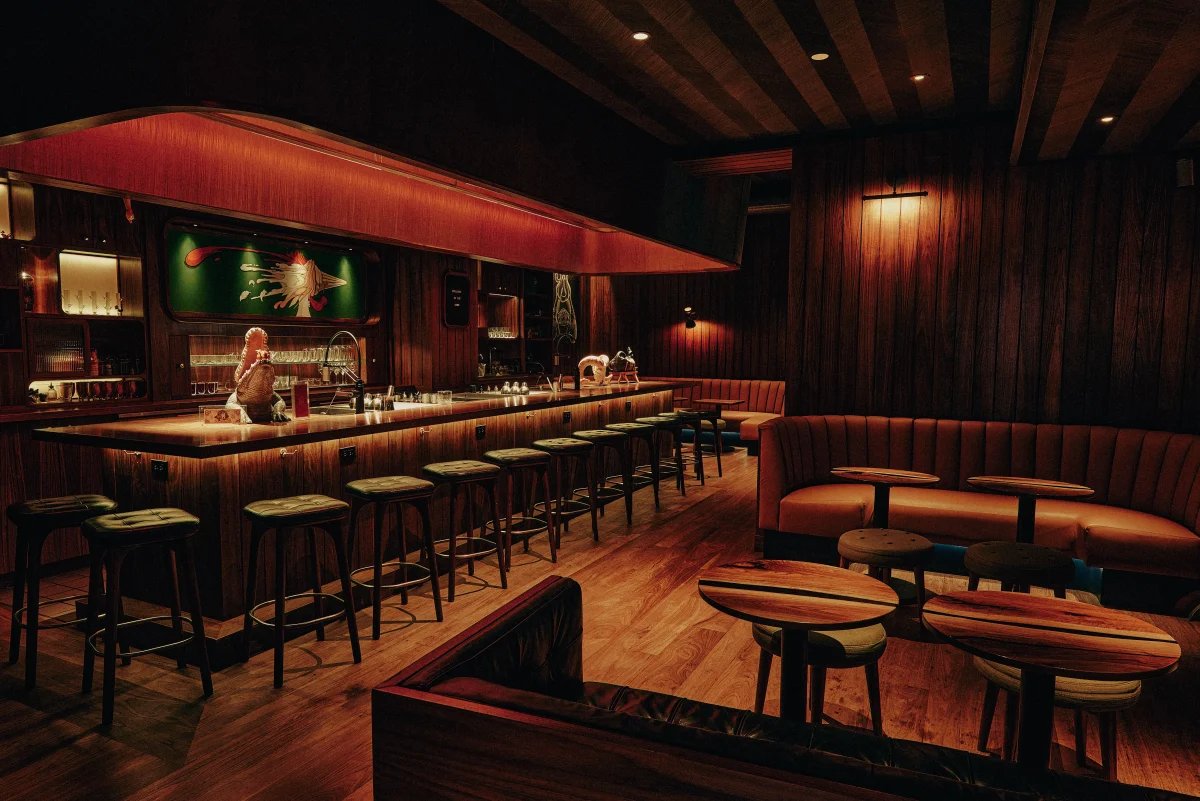
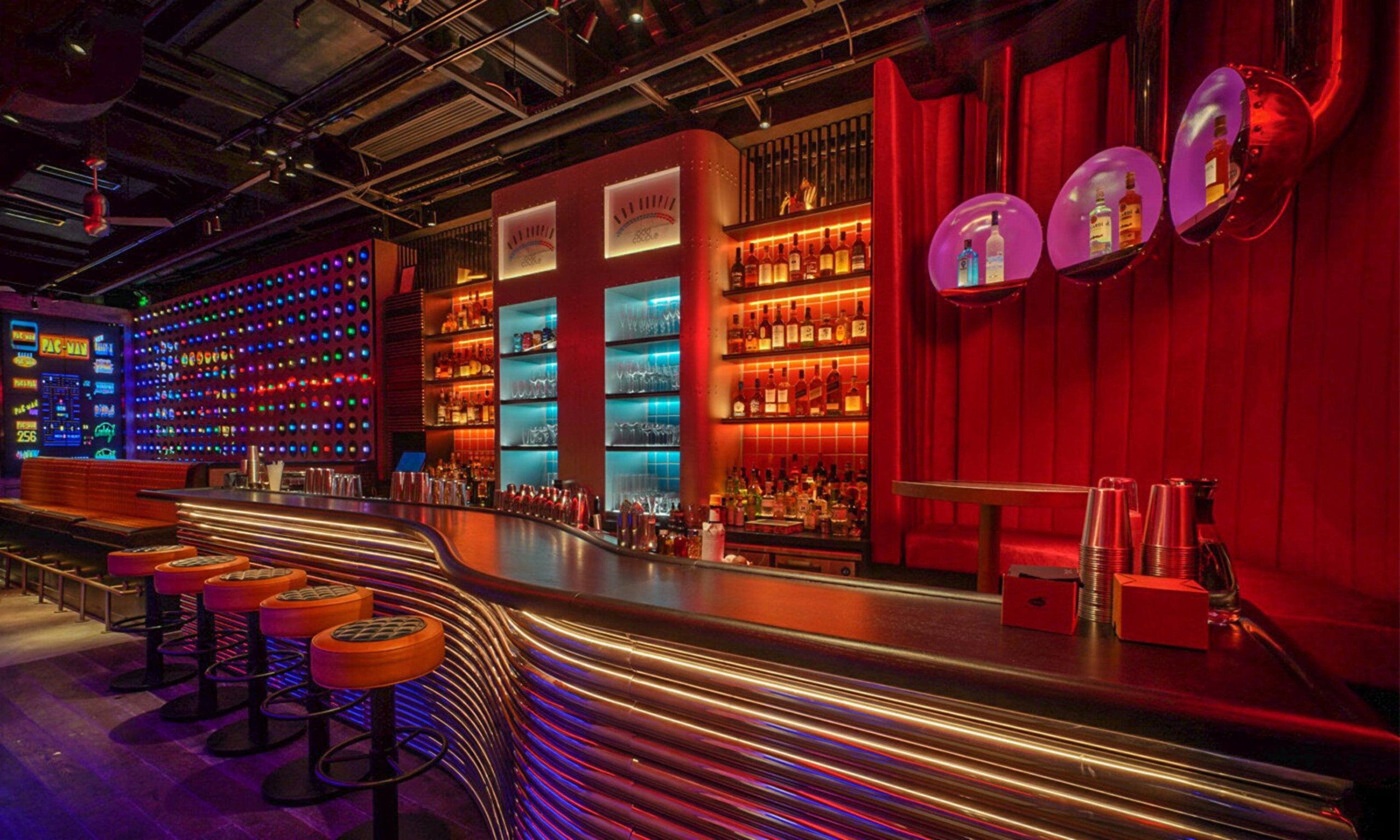
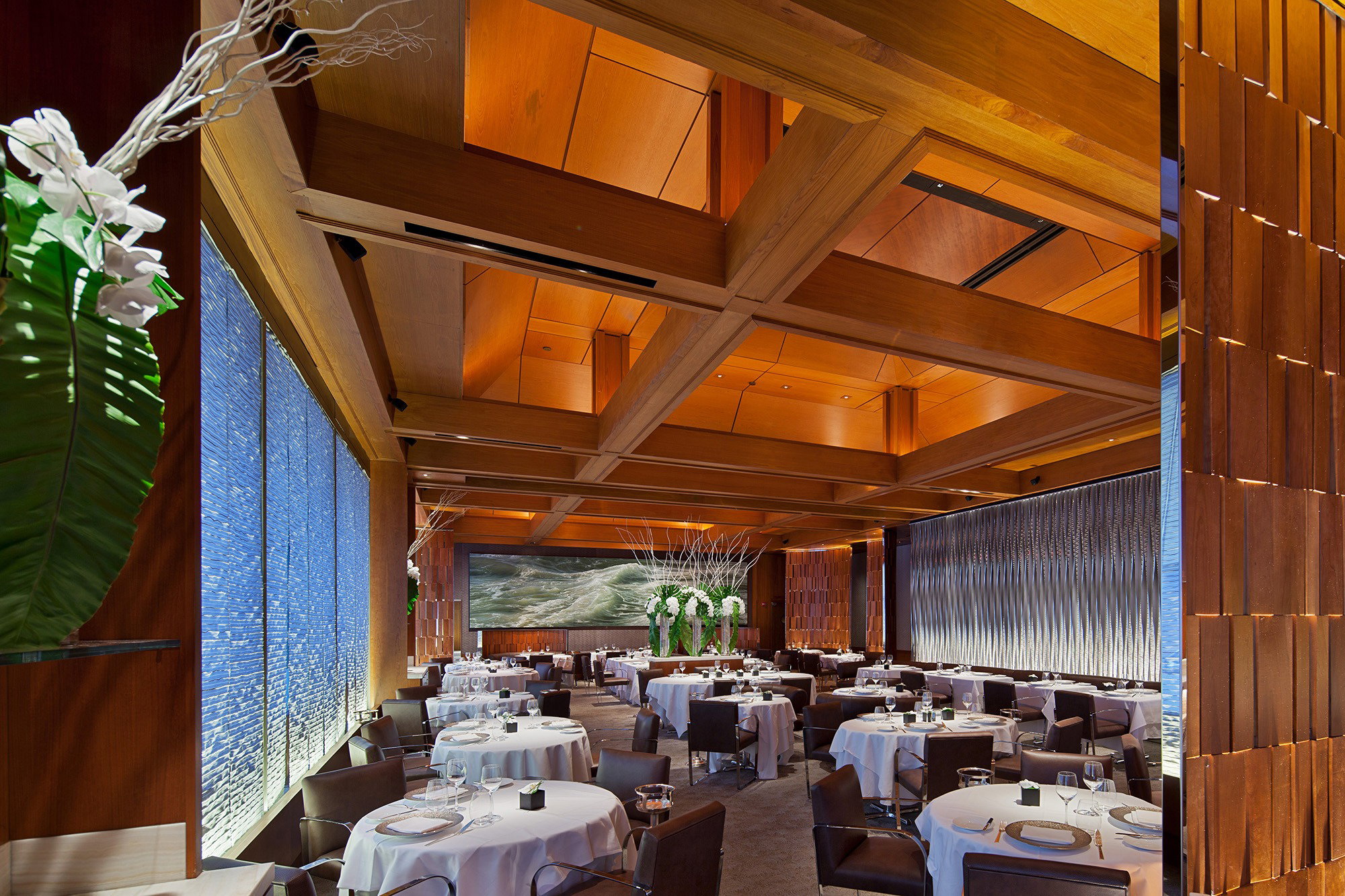
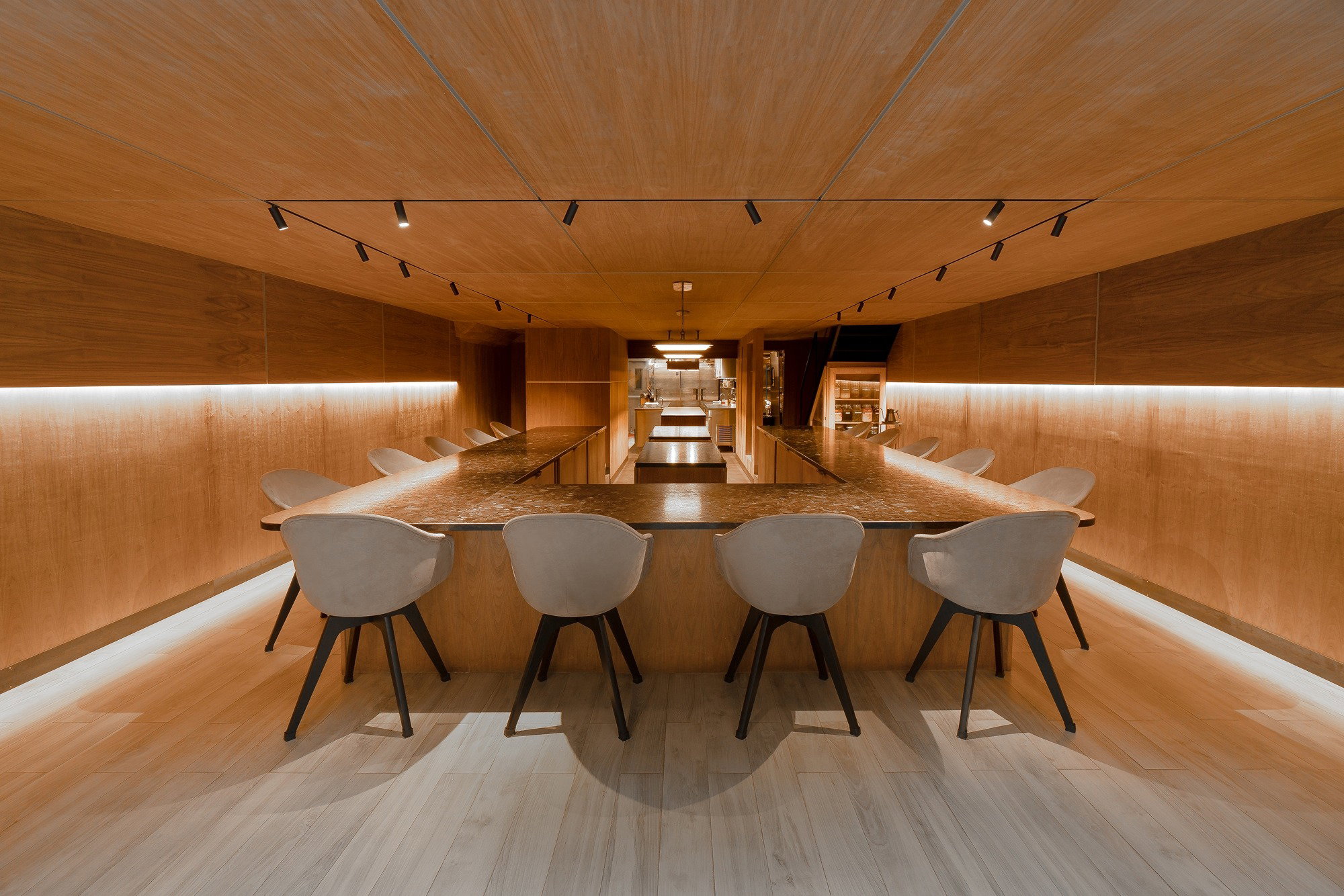
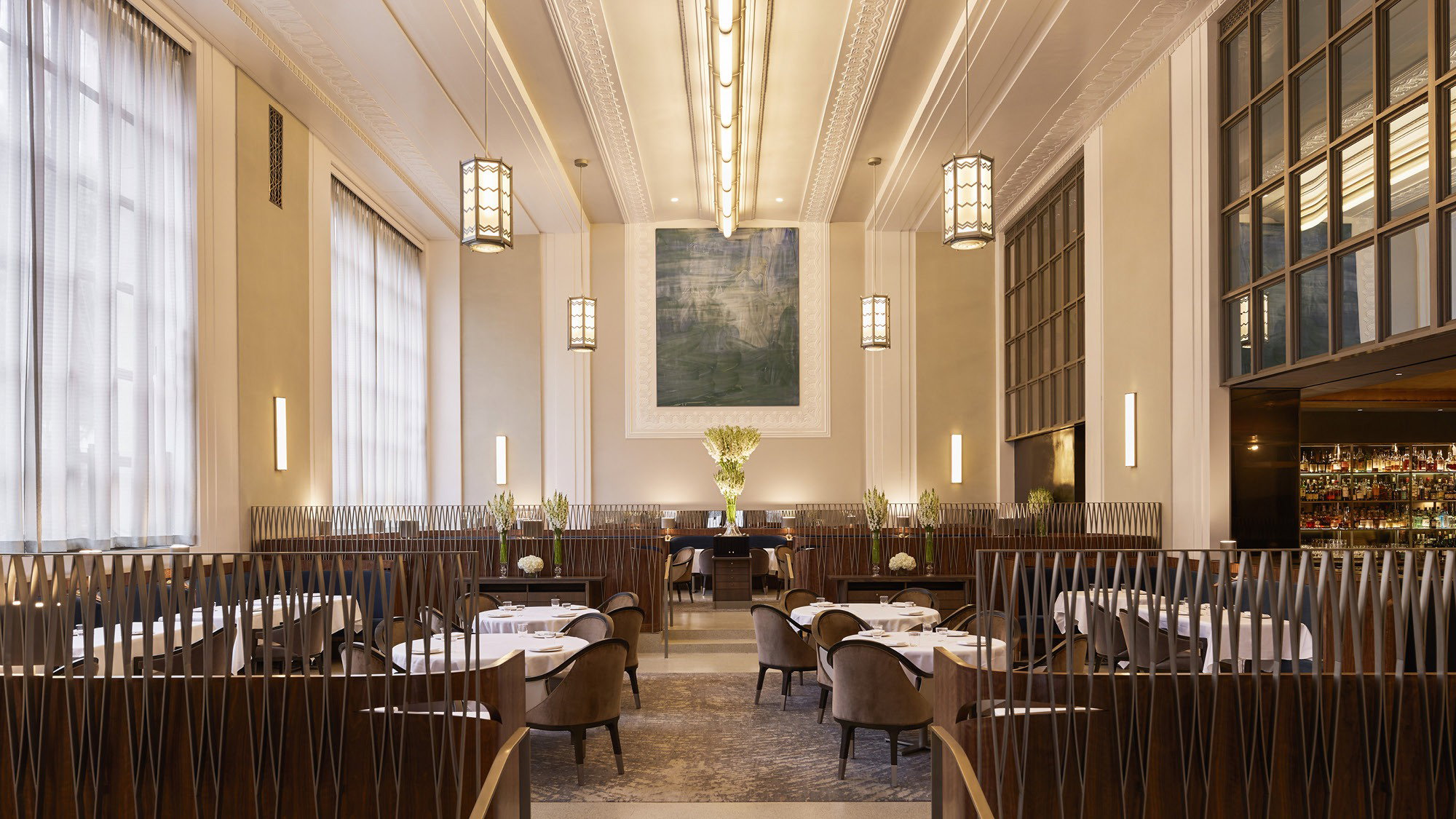
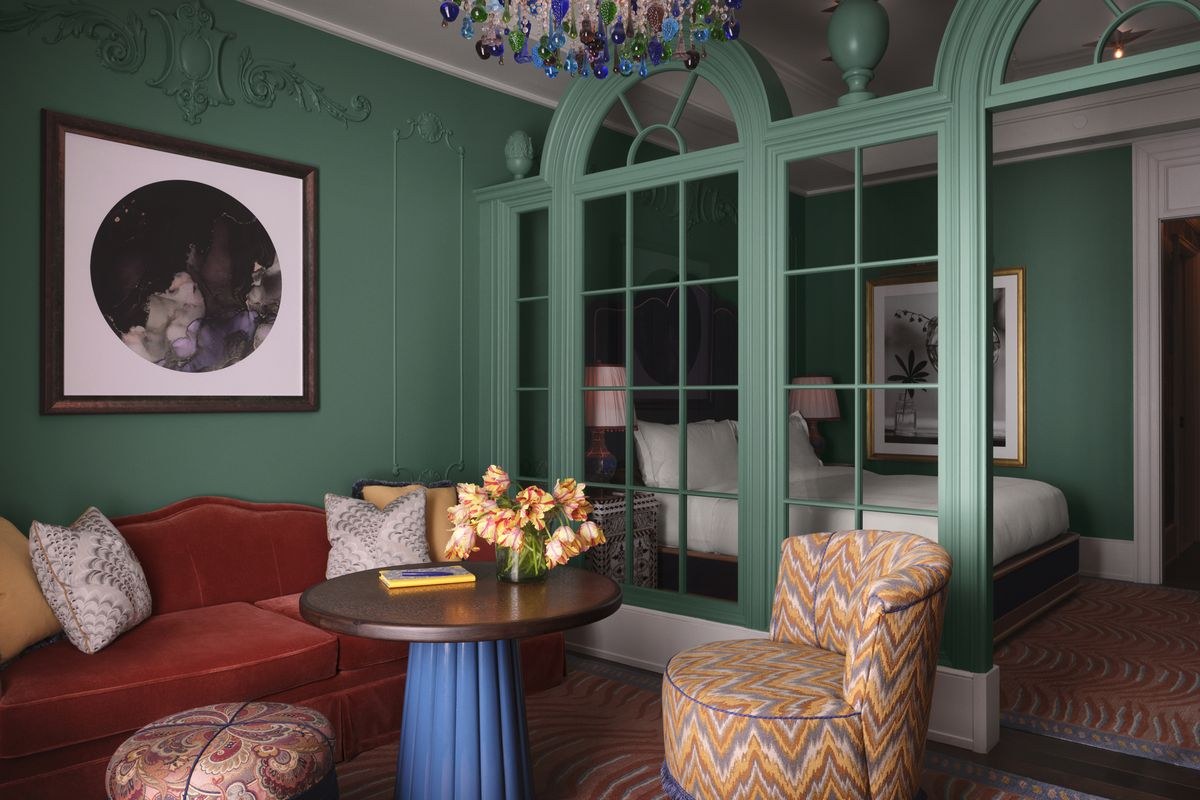
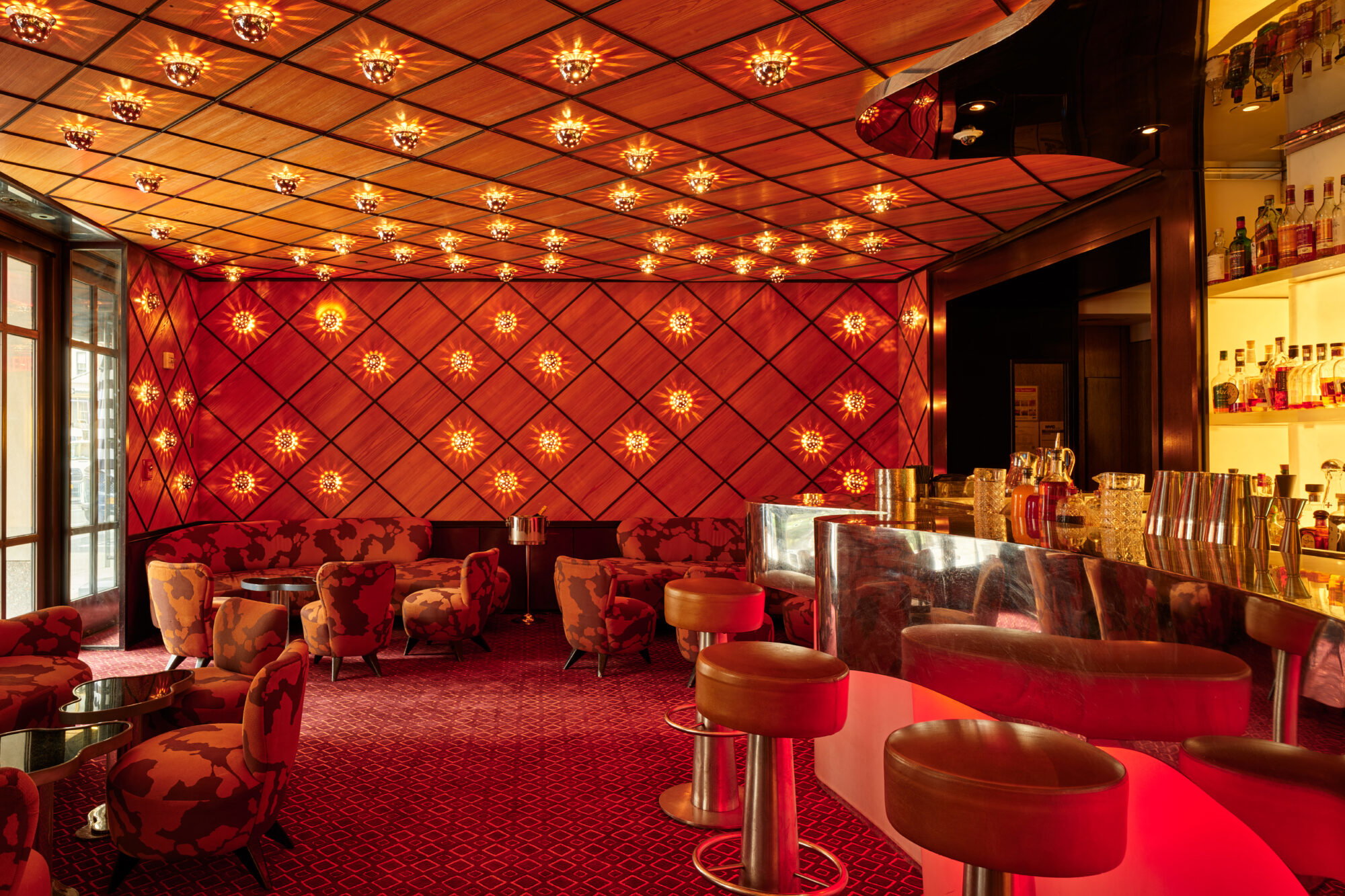
Warm and inviting with rustic charm blended with modern aesthetics, casual yet elegant.
Tags
Vibe
Best For
Experience
Format
View
At the Bar
- Bar Category
- Cocktail Bar
- Late Night
- Open Until 2am
Signature Pours
house-made margarita
Know before you go
Know Before You Go
- Getting there
- 447 Hudson St, New York, NY 10014
Planning details
Location
Also consider
Where to go if this is not the right fit
If the priority is a stronger cocktail-bar identity, cross-shop Little Branch or Employees Only NYC. If the group wants a more casual alternative, check La Loteria before committing.
Bar context
How it compares in the West Village
Hudson Clearwater is the easier, more flexible choice in this set. Little Branch and Employees Only NYC make more sense when the bar program is the main event; Hudson Clearwater is better when the brief is a low-friction West Village evening where food, drinks, and location carry equal weight.
La Loteria is the better cross-shop for a more casual, format-specific night, while Dandelion and L'Accolade are useful alternatives if the group wants a different neighborhood feel or a more clearly defined bar identity. Pick Hudson Clearwater when ease matters more than a highly specialized drinks brief.
Explore New York City
Around this place
Discover more on Pearl
Unlock the full Hudson Clearwater guide in Pearl, including awards, comparisons, FAQs, planning details, and nearby places.
Compare Hudson Clearwater
| Venue | Location | Awards |
|---|---|---|
| Hudson Clearwater | New York City | No published awards |
| Little Branch | New York City | 2009 World's 50 Best Bars · #18 |
| La Loteria | New York City | No published awards |
| Employees Only NYC | New York City | 2026 North America's 50 Best Bars · #45The 50 Best Bars 2026 — 51–100 · #782026 OAD Casual in North America Recommended2025 North America's 50 Best Bars · #18Top 500 Bars 2025 · #742025 World's 50 Best Bars · #952024 North America's 50 Best Bars · #152024 World's 50 Best Bars · #972023 World's 50 North America's Best Bars · #14 |
| Dandelion | New York City | No published awards |
| L'Accolade | New York City | No published awards |




How Hudson Clearwater New York City compares with similar nearby venues.
FAQ
Frequently Asked Questions
Do I need a reservation at Hudson Clearwater?
For reservation requirements, confirm directly with the venue. Hudson Clearwater is listed as open daily from 8 AM to 2 AM, but if you need a specific time in New York City, it is safest to confirm directly with the venue.
What's the crowd like at Hudson Clearwater?
The main planning details are that Hudson Clearwater is in New York City, keeps daily 8 AM–2 AM hours, and has a smart casual dress code.
What's the best time to go to Hudson Clearwater?
The best time depends on your plan. Hudson Clearwater is open every day from 8 AM to 2 AM, so choose a time within that window and confirm directly if you need details about menu availability, seating, or service format.