Grand Central Terminal
East Midtown-Turtle Bay, New York City
Bar in New York City, United States
 Book with Pearl
The Read
Price
$30–50per person
Why go
Grand Central Terminal is worth a short, purposeful stop if Midtown convenience, architecture, and New York context matter more than a seated bar experience. Use it as a meeting point or pre-reservation detour, then move to a dedicated cocktail room if drinks are the priority.
About Grand Central Terminal
Grand Central Terminal is a New York City venue to plan around, with daily hours of 5:15 AM–2 AM.
The dress code is smart casual. If Grand Central Terminal is part of a broader New York City plan, use the hours and dress guidance as the reliable baseline, then confirm any visit-specific needs through current official channels before you go.
Use it as a New York City anchor, not the whole plan
The schedule is a major planning detail: Grand Central Terminal is listed as open from 5:15 AM–2 AM every day of the week. That wide daily window can make it easier to fit into a New York City itinerary, especially when coordinating plans before or after other stops.
For a drinks-led night, compare dedicated options in Our full New York City bars guide. If the night needs dinner first, use Our full New York City restaurants guide; for a stay in the city, check Our full New York City hotels guide.
Who should make the detour
Grand Central Terminal is best considered when the group wants a New York City stop with clear daily hours and a smart casual dress code. If details such as cuisine, service format, reservations, menus, pricing, seating, or a drinks program matter to the plan, check directly before you go.
If this is part of a broader city crawl, additional research can do more work than over-planning the terminal itself. Readers comparing New York City venues may also want to consider The Campbell, Jōji, La Biblioteca, Milk & Honey NY, and Highball Ltd. For category browsing beyond bars, use Our full New York City wineries guide and Our full New York City experiences guide.
Bottom line: include Grand Central Terminal when its New York City location, daily 5:15 AM–2 AM hours, and smart casual guidance fit the plan. For anything more specific, confirm directly before building the visit around it.
Planning details
- Location
- 89 E 42nd St, New York, NY 10017
- Website
- grandcentralterminal.com
- Phone
- +1 212 340 2583
The take
The Take
The Vibe
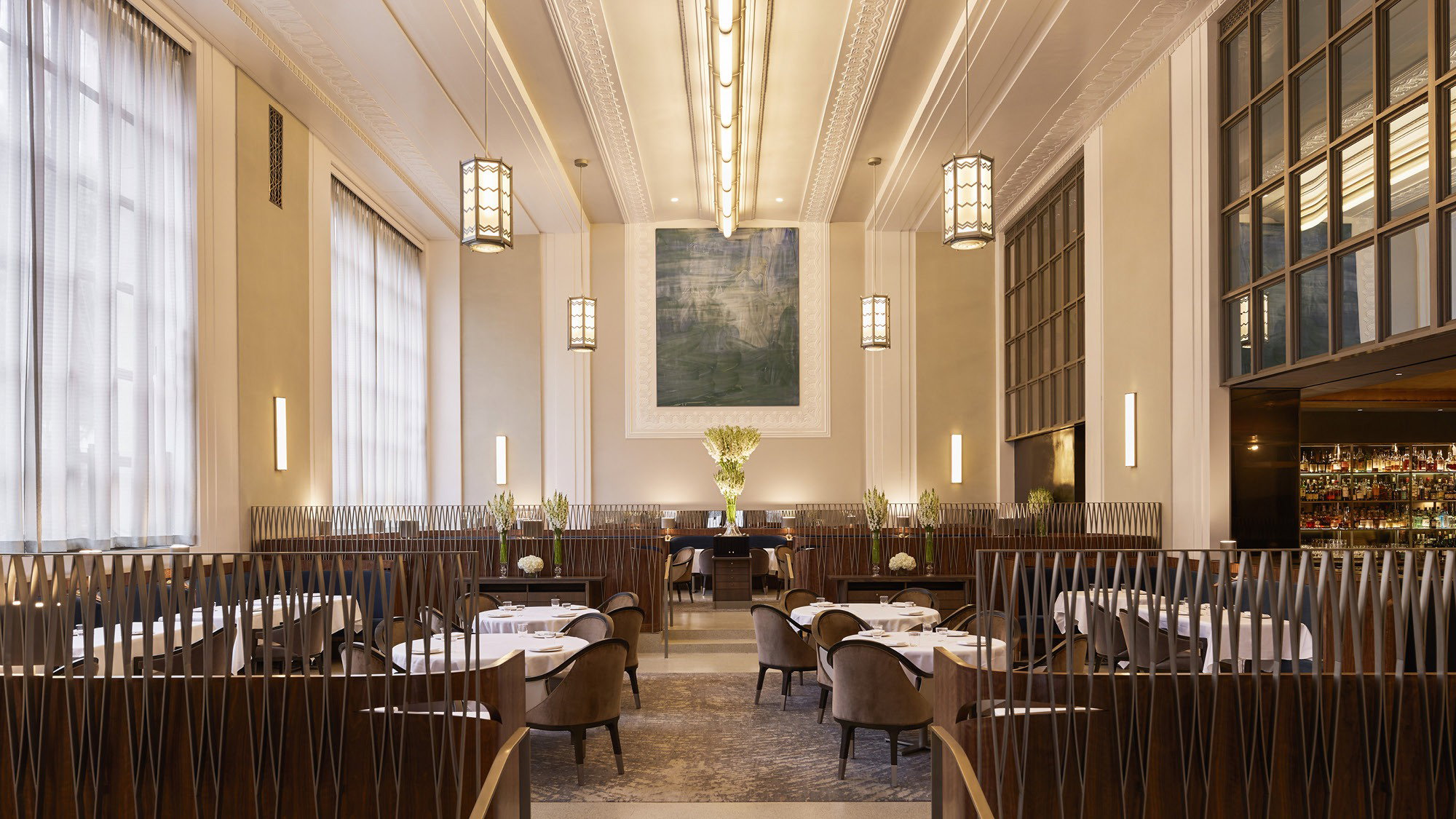
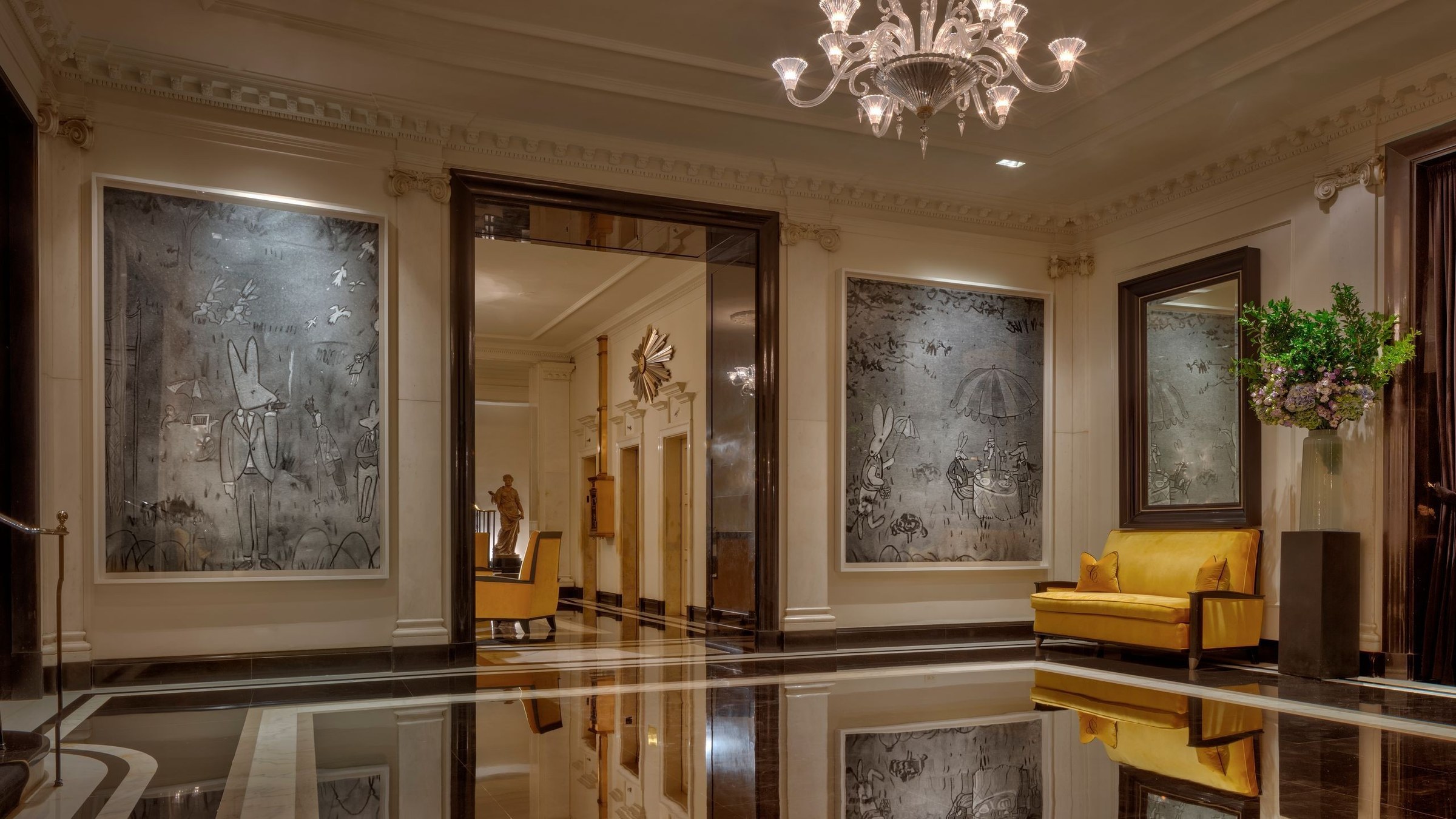
Grand Central Terminal reads as a civic dining room: monumental, classically proportioned and organized around movement and light. The Beaux‑Arts concourse—with its cerulean zodiac ceiling, stone floors and arched south‑facing windows—creates a visual theater that elevates whatever you eat or drink beneath it. The effect is less about intimacy and more about being part of a larger, active place: dining here feels architectural and public rather than tucked away. That tension between monumentality and practicality defines the Terminal’s character and frames the many bars and counters that operate within it.
Best For
The Terminal works for a wide range of practical occasions. It suits solo travelers and commuters looking for a strong, efficient meal or a deliberate stop on arrival or departure, and it’s also a convenient option for business‑travel routines. Because the building hosts a dense cluster of raw bars, cocktail rooms and wine bars alongside counter dining, it’s flexible for quick lunches, after‑work drinks and more purposeful visits. The environment favors all‑day activity rather than a single formal mealtime.
Ordering Tips
Think of Grand Central as a covered market district rather than a single restaurant: your best move is to explore the different formats housed under one roof. The Terminal offers raw bars, cocktail rooms, wine bars and counter dining, so pick a venue type that matches how much time you have—counter options for faster meals, dedicated bars for a sit‑down drink. Note that the main concourse is designed for movement and scale, while lower levels skew more utilitarian, so you can choose a brisk, transit‑friendly stop or a slightly quieter subterranean option.
Venue details
Ambiance
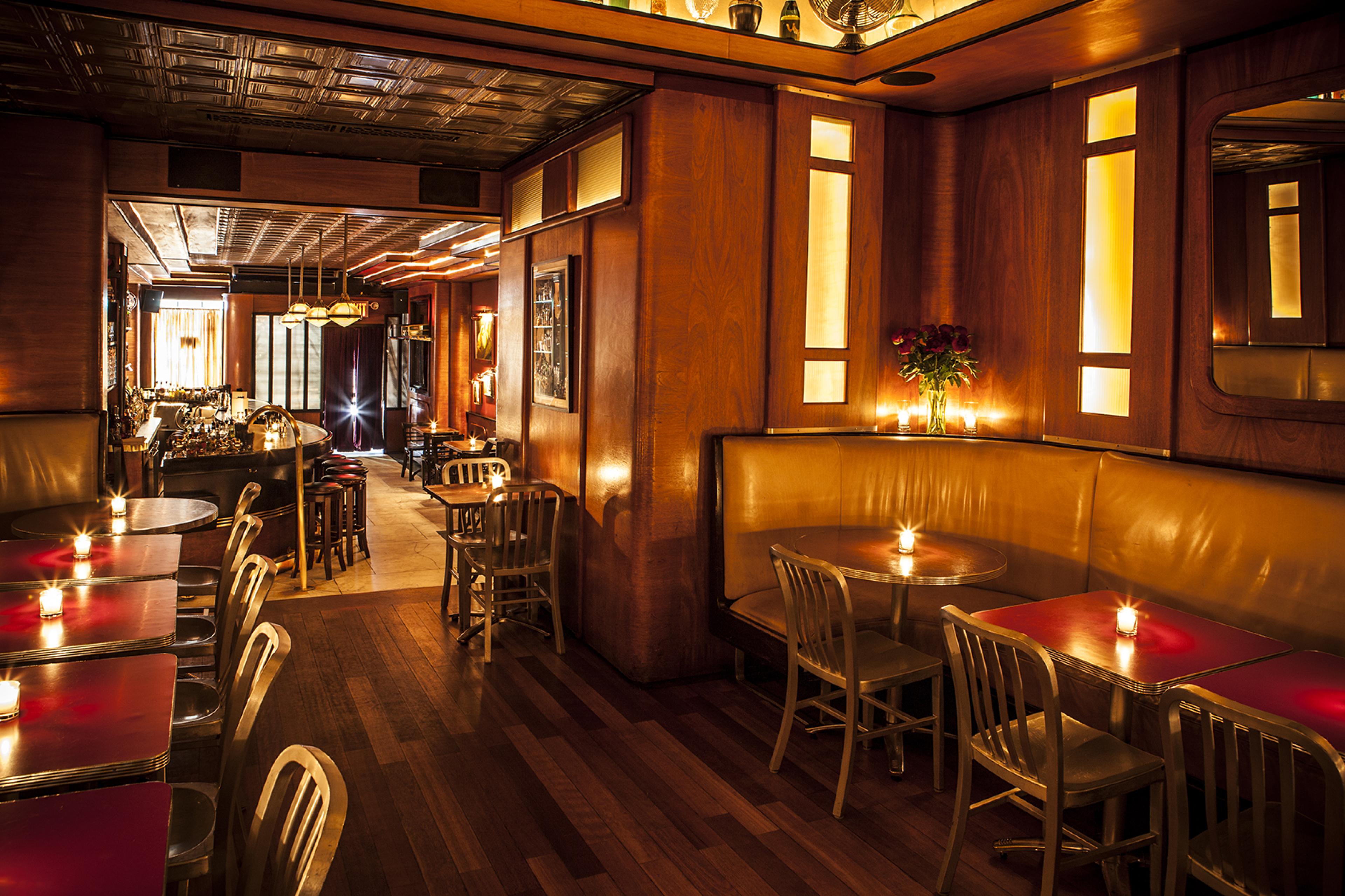
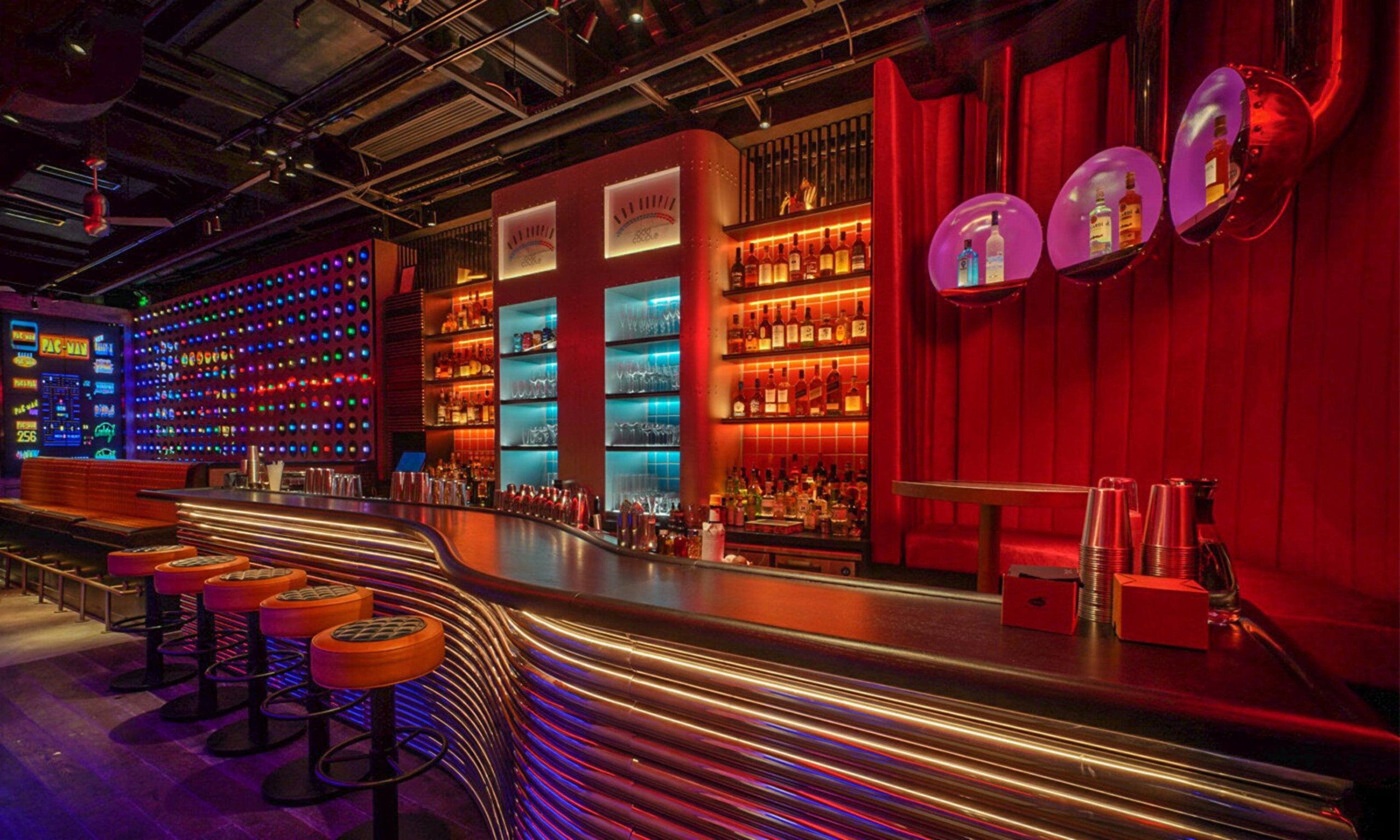
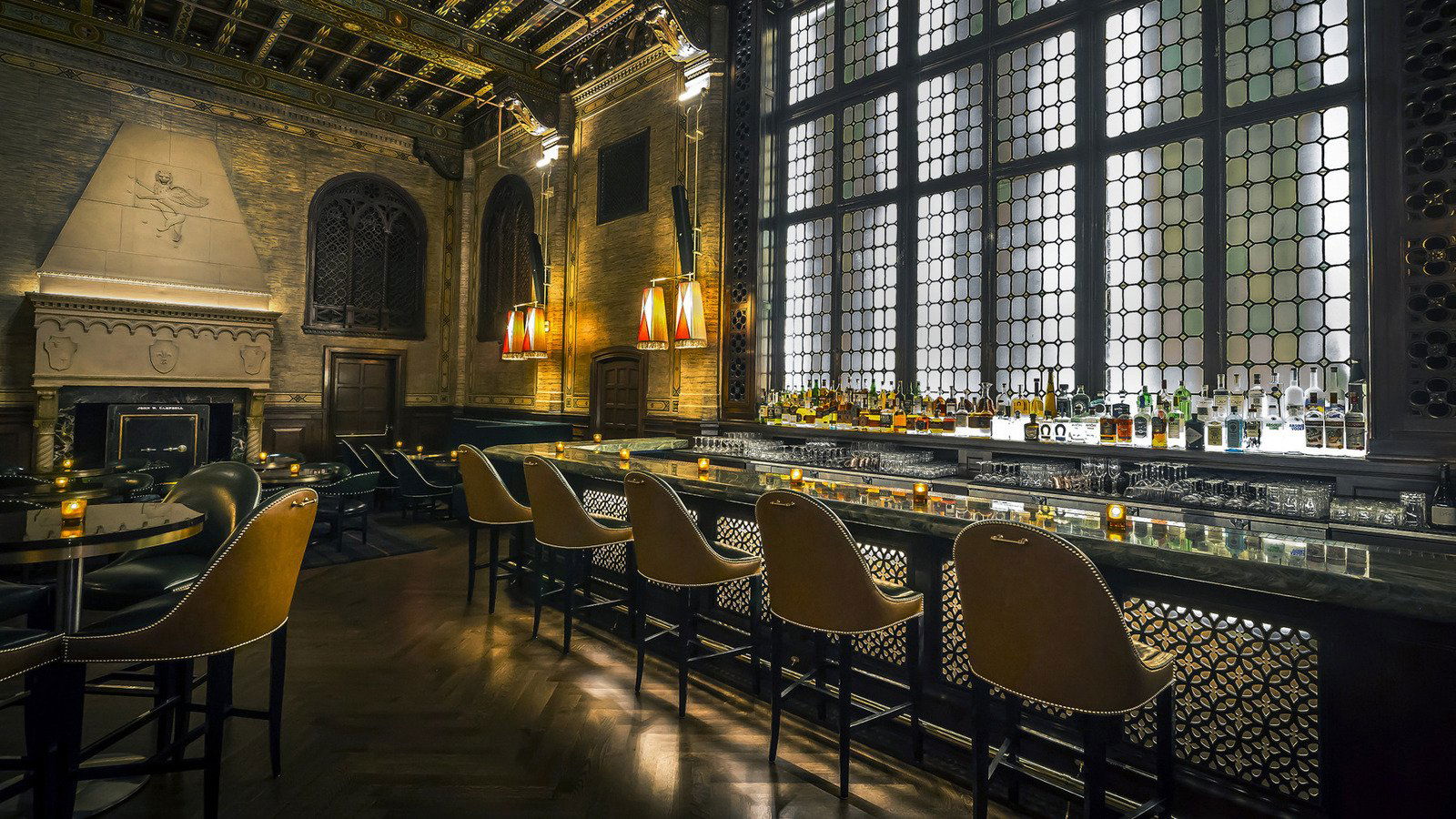
Sophisticated 1930s-inspired atmosphere with dark paneled walls, ornate stone fireplace, and leaded-glass windows; refined yet occasionally inconsistent service and music programming
Tags
Vibe
Best For
Experience
Format
Accessibility
At the Bar
- Bar Category
- Cocktail Bar
- Late Night
- Closes by Midnight
- Music
- Jazz and Swing with Occasional Contemporary Music
- Live Music
- Yes
- Spirits Focus
- Whiskey, Gin, Vodka
Signature Pours
- Kia Lime-tini
- The Gilded Nail
Know before you go
Know Before You Go
- Getting there
- 89 E 42nd St, New York, NY 10017
Planning details
Location
Also consider
Also Consider
- The Campbell, Notable alternative
- Jōji, Notable alternative
- Highball Ltd, Cocktails / cocktail bar, Cocktails / cocktail bar
- Milk & Honey NY, Notable alternative
- La Biblioteca, Notable alternative
Bar context
How it compares for a Midtown night
Grand Central Terminal is the easiest choice when the plan needs no reservation friction and no fixed spend. It beats The Campbell for pure flexibility, but The Campbell is the better pick if the group actually wants a seated drink in a more deliberate room.
For a serious drinks decision, Highball Ltd is the cleaner comparison because it is explicitly cocktail-led. Choose it over the terminal when the night is about the glass, not the stopover. Milk & Honey NY and La Biblioteca also make more sense for readers who want a bar as the destination rather than a meeting point.
Jōji is the opposite use case: it suits a planned, higher-commitment night where the experience is the reason to go. Grand Central Terminal is better for visitors stitching together Midtown plans; Jōji is better when the evening should revolve around the reservation.
Explore New York City
Around this place
Discover more on Pearl
Unlock the full Grand Central Terminal guide in Pearl, including awards, comparisons, FAQs, planning details, and nearby places.
Compare Grand Central Terminal
| Venue | Location | Cuisine | Awards |
|---|---|---|---|
| Grand Central Terminal | New York City | , | No published awards |
| The Campbell | New York City | , | No published awards |
| Jōji | New York City | , | No published awards |
| Highball Ltd | New York City | Cocktails / cocktail bar | No published awards |
| Milk & Honey NY | New York City | , | No published awards |
| La Biblioteca | New York City | , | No published awards |
How Grand Central Terminal compares with similar nearby venues.
FAQ
Frequently Asked Questions
What is Grand Central Terminal known for?
Grand Central Terminal is a New York City venue with daily hours of 5:15 AM–2 AM and a smart casual dress code.
Where is Grand Central Terminal located?
Grand Central Terminal is located in New York City.
How can I contact Grand Central Terminal?
Use Grand Central Terminal's official channels for current contact details and visit-specific information.