Goodnight Sonny
East Village, New York City
Bar in New York City, United States
 Book with Pearl
The Read
Price
$30–50per person
Why go
Goodnight Sonny is a practical East Village pick for flexible nights, casual repeat visits, and groups that want bar energy without a heavy planning lift. Choose it over more food-led options if the priority is atmosphere and timing; choose Banshee instead if oysters and a clearer cocktail-and-food format matter more.
About Goodnight Sonny
Goodnight Sonny is a New York City venue with a casual dress code and late operating hours. When planning, focus on its schedule, as details about the menu, service style, price point, or atmosphere are not available.
A New York City venue with late hours and casual dress
Goodnight Sonny is open Monday through Friday from 4 PM to 4 AM, and Saturday and Sunday from 2 PM to 4 AM. That makes it a practical option to consider when plans need a venue with a late closing time.
The dress code is casual. Beyond hours and dress code, specific details about the menu, drinks, seating, pricing, reservations, or service format are not available.
Who should pick it over other comparison venues
Pick Goodnight Sonny if its hours and casual dress code fit the plan. Other venues to consider include Banshee, Big Bar, The Grafton, The Lions Bar & Grill, and Tile Bar, depending on what else you are weighing for the evening.
Goodnight Sonny's strongest feature is its schedule: it is open until 4 AM every day of the week. For any more specific planning question, confirm directly with the venue before relying on assumptions.
Use it as part of a wider New York City plan
If the night needs a broader city plan, the New York City bars guide, New York City restaurants guide, New York City hotels guide, New York City wineries guide, and New York City experiences guide can help frame other options in New York City.
Planning details
- Location
- 134 1st Ave, New York, NY 10009
- Website
- goodnightsonnynyc.com
- Phone
- +1 646 692 3254
The take
The Take
The Vibe
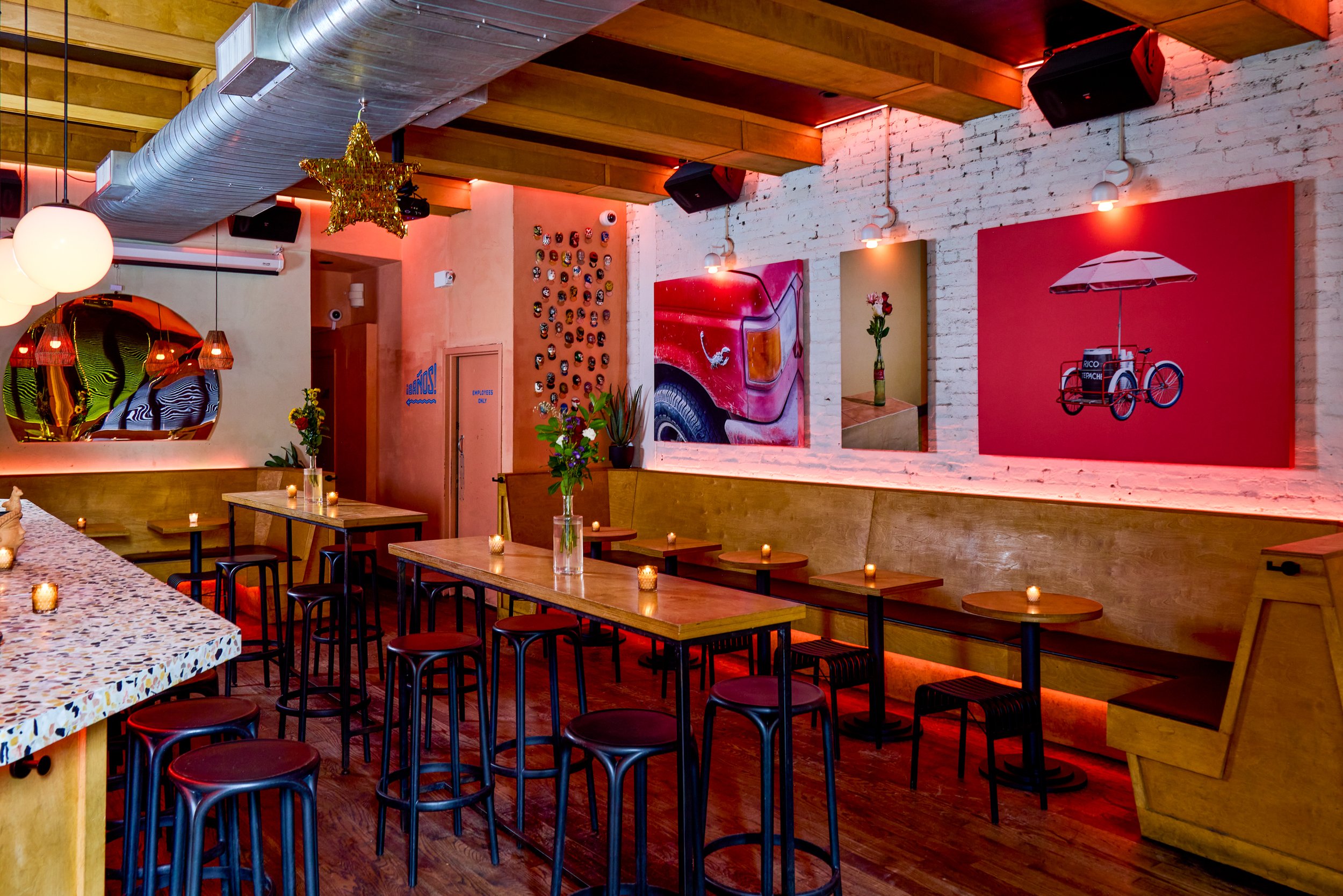
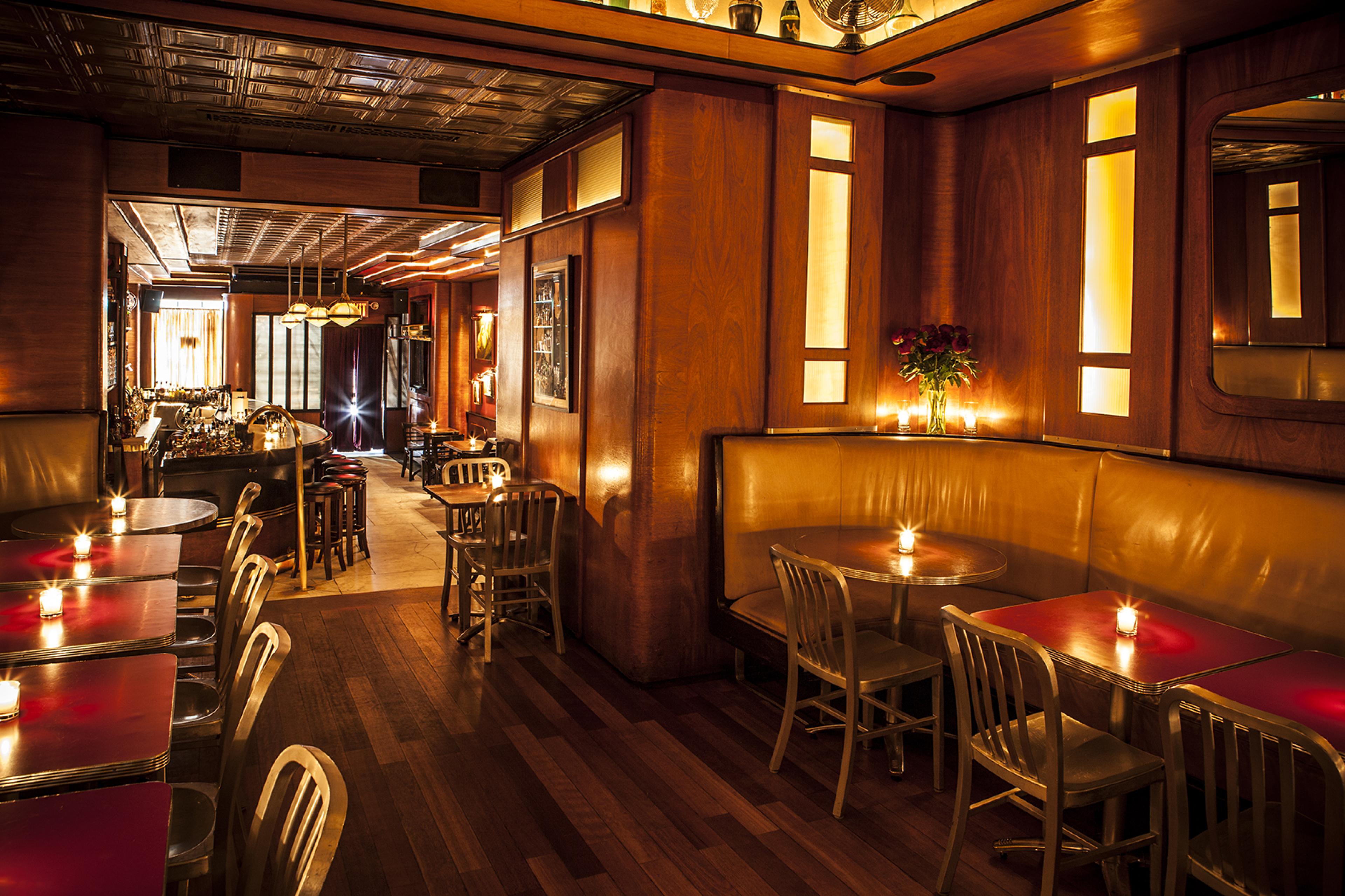
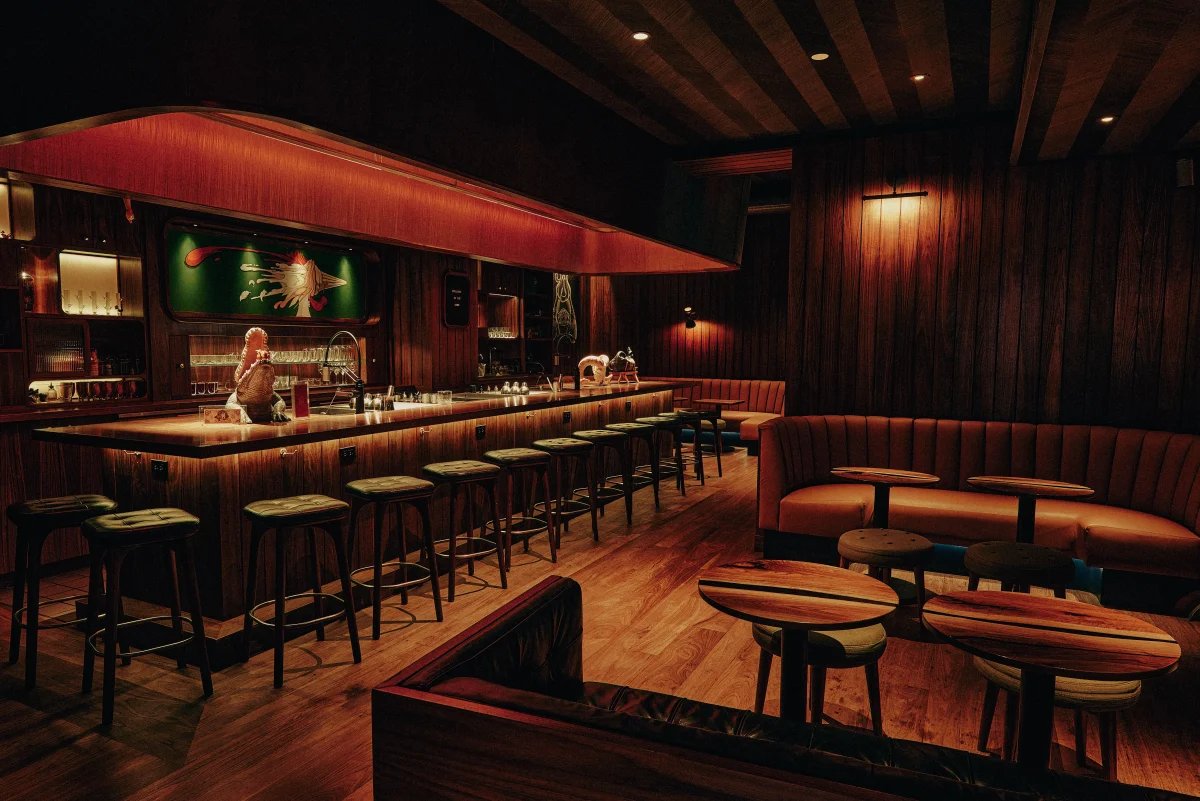
Goodnight Sonny sits squarely in the East Village tradition of serious yet unshowy cocktail rooms. It occupies a middle register between aggressively low-key and technical cocktail bars, prioritizing craft without theatricality. The result is an understated, sophisticated space that feels welcoming rather than performative: bartenders and floor staff collaborate quietly to deliver well-made drinks, and the room reads as accessible to neighborhood regulars rather than as a staged tasting experience. The bar’s name and street-level presence reinforce an intimate, neighborhood sensibility—polished but relaxed, and resolutely part of the local late-night current.
Best For
This is an East Village bar you visit for easygoing evening plans: after-work drinks, late-night rounds with friends, or casual group outings. The writing emphasizes walk-in-friendly accessibility and a neighborhood bar culture, so it works well for people who want solid, ingredient-driven cocktails without ceremony. It’s not pitched as a destination for theatrical service or elaborate presentations; instead, it suits guests who value professionalism and good technique delivered in a comfortable, approachable room. The bar’s placement on First Avenue also makes it a natural stop in a broader night out.
Ordering Tips
Order with a mindset toward craftsmanship: the program leans ingredient-driven and professional rather than theatrical, so tell the bartender what flavors you like and trust their recommendations. Because the room is described as walk-in-friendly and neighborhood-oriented, you can often approach the bar directly rather than booking far in advance. Avoid expecting speakeasy theatrics; instead, ask questions about technique or ingredients if you’re curious—the staff’s collaborative approach invites conversation about what’s in the glass. Keep plans flexible for late-night service and group-friendly seating.
Venue details
Ambiance
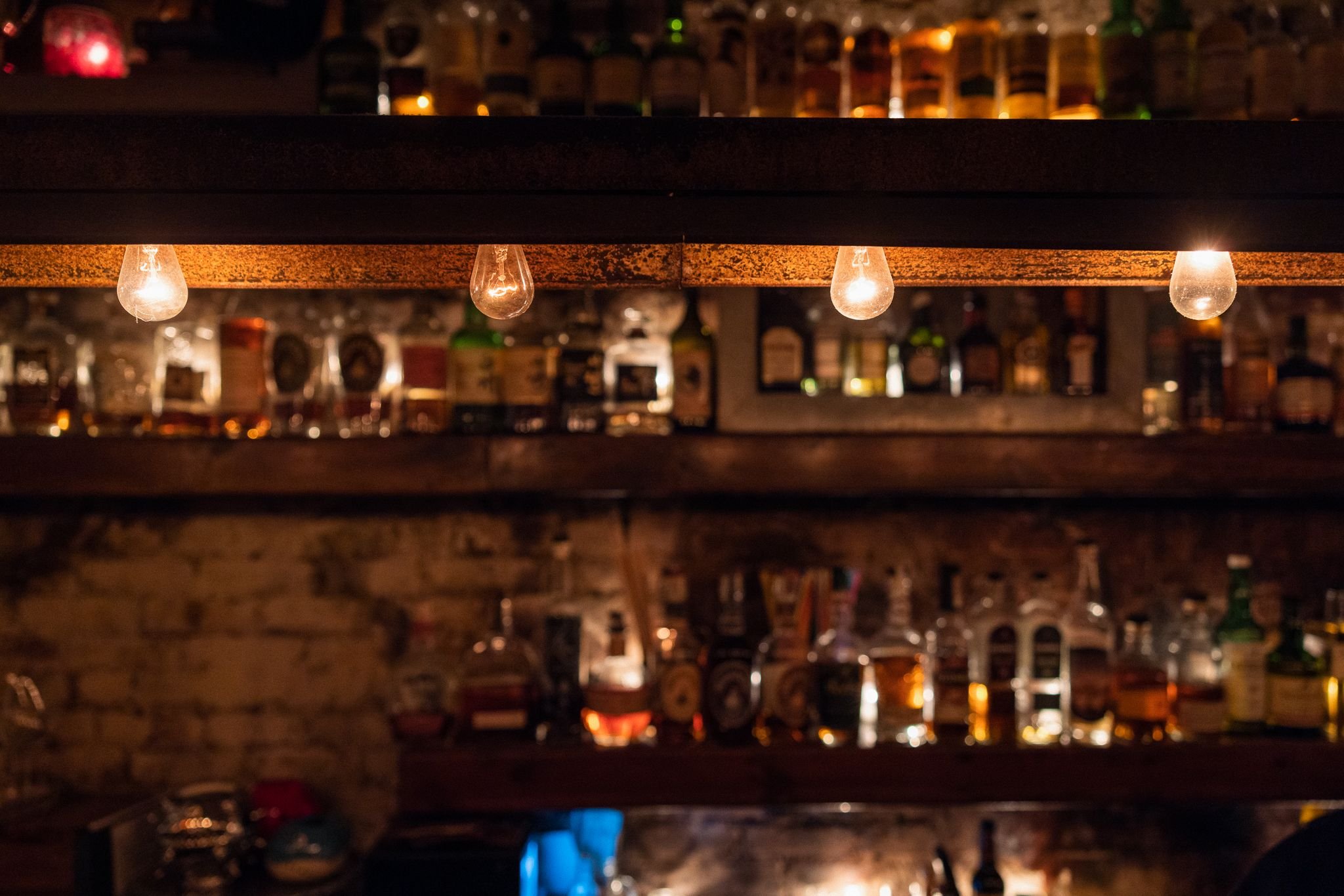
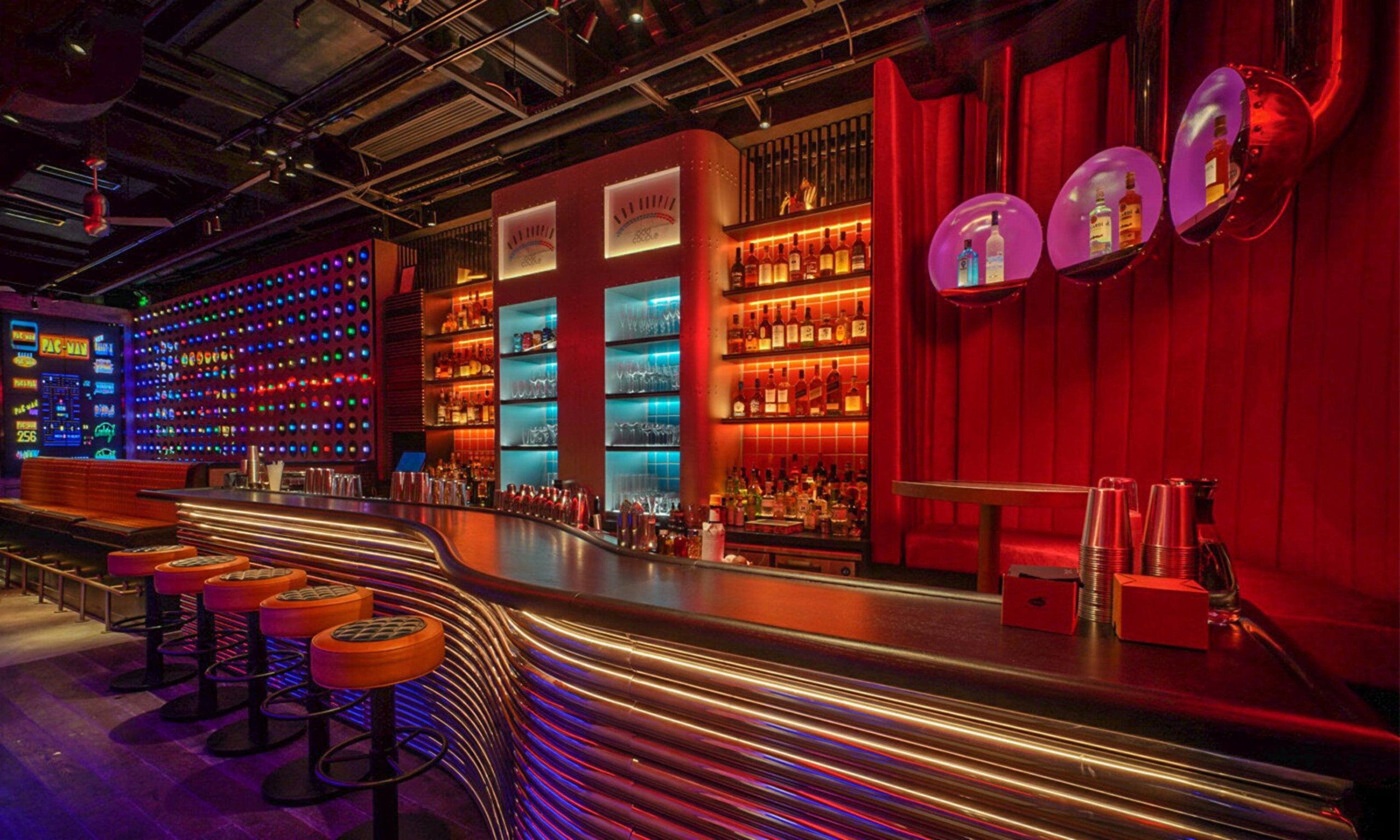
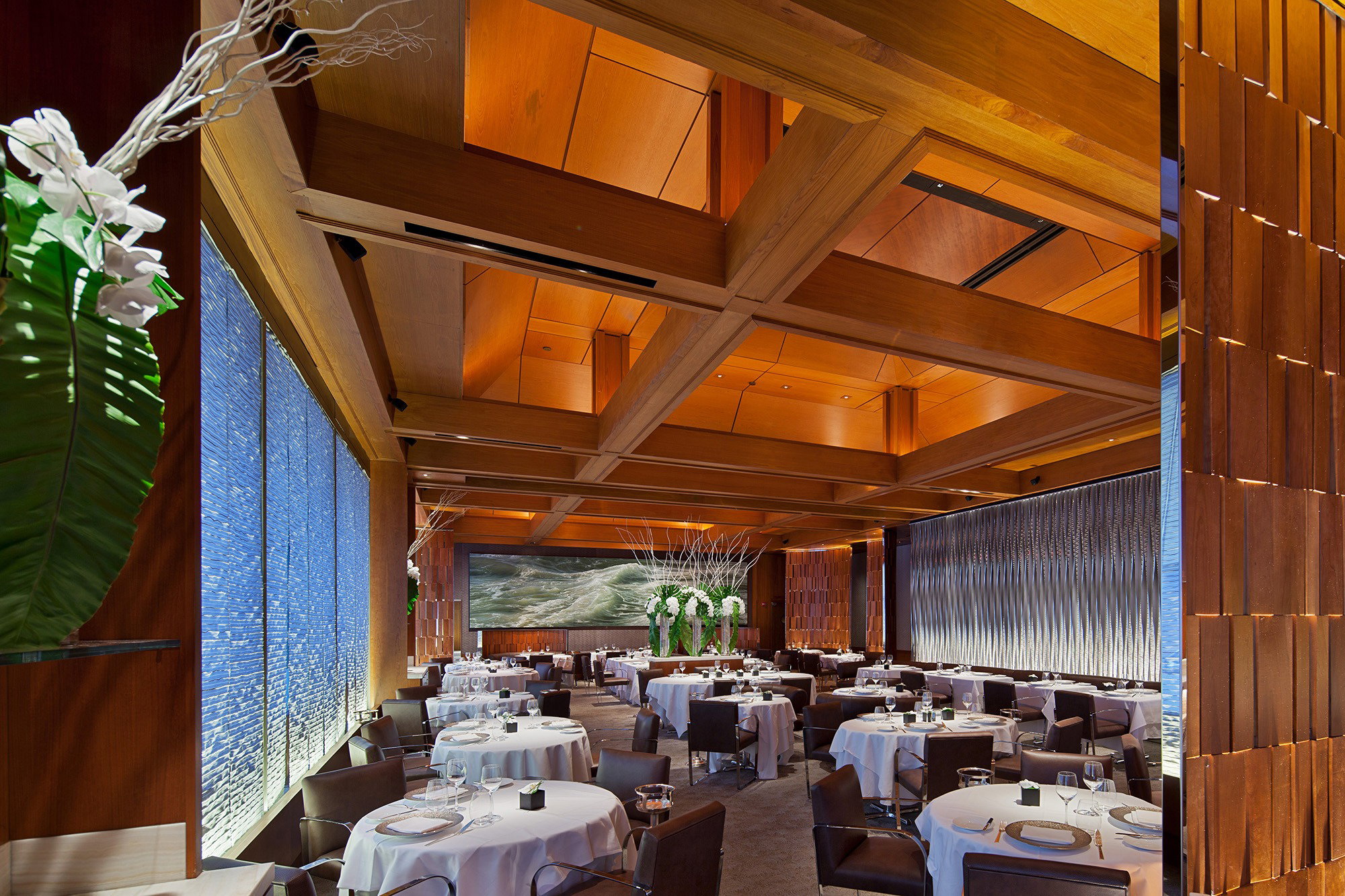
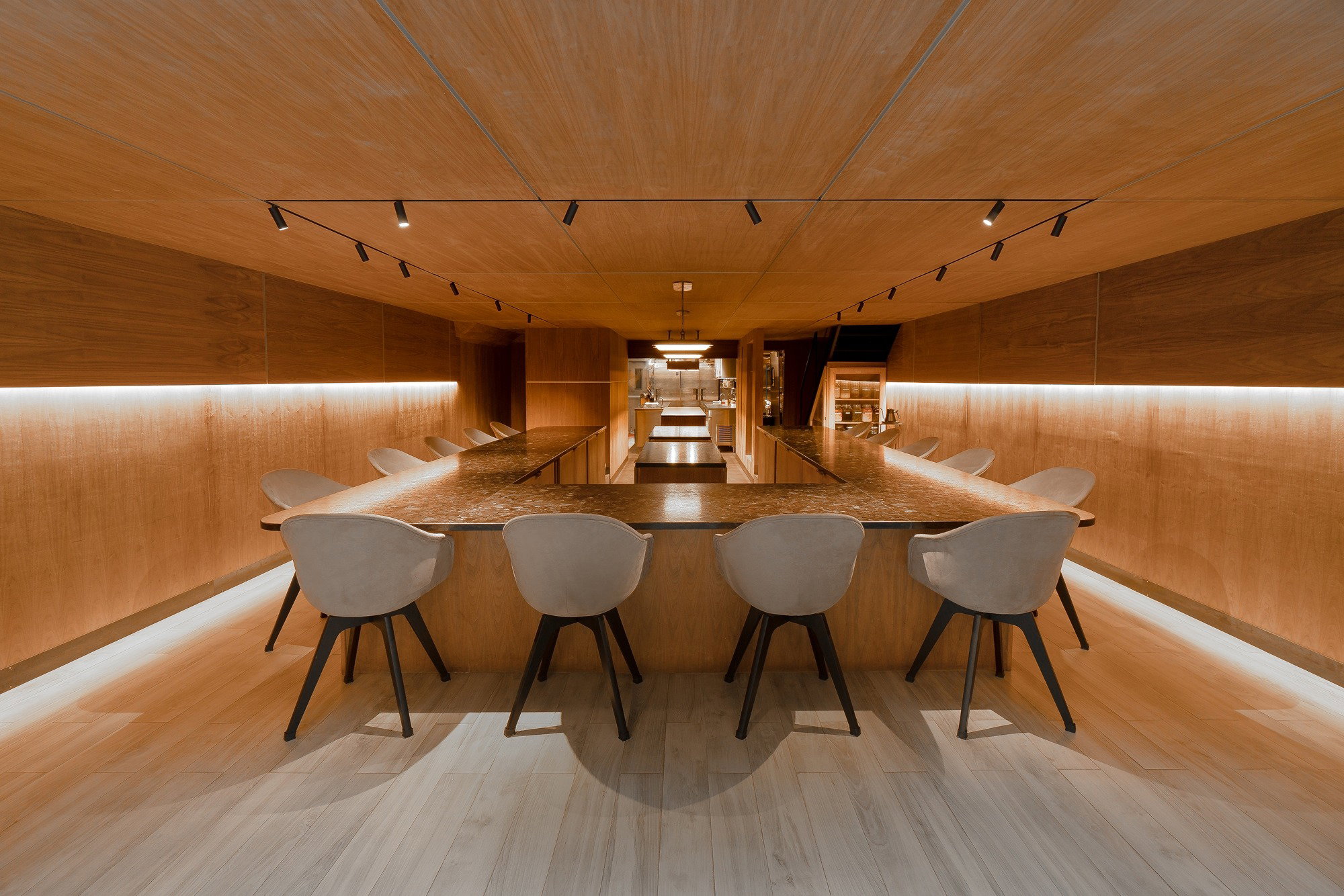
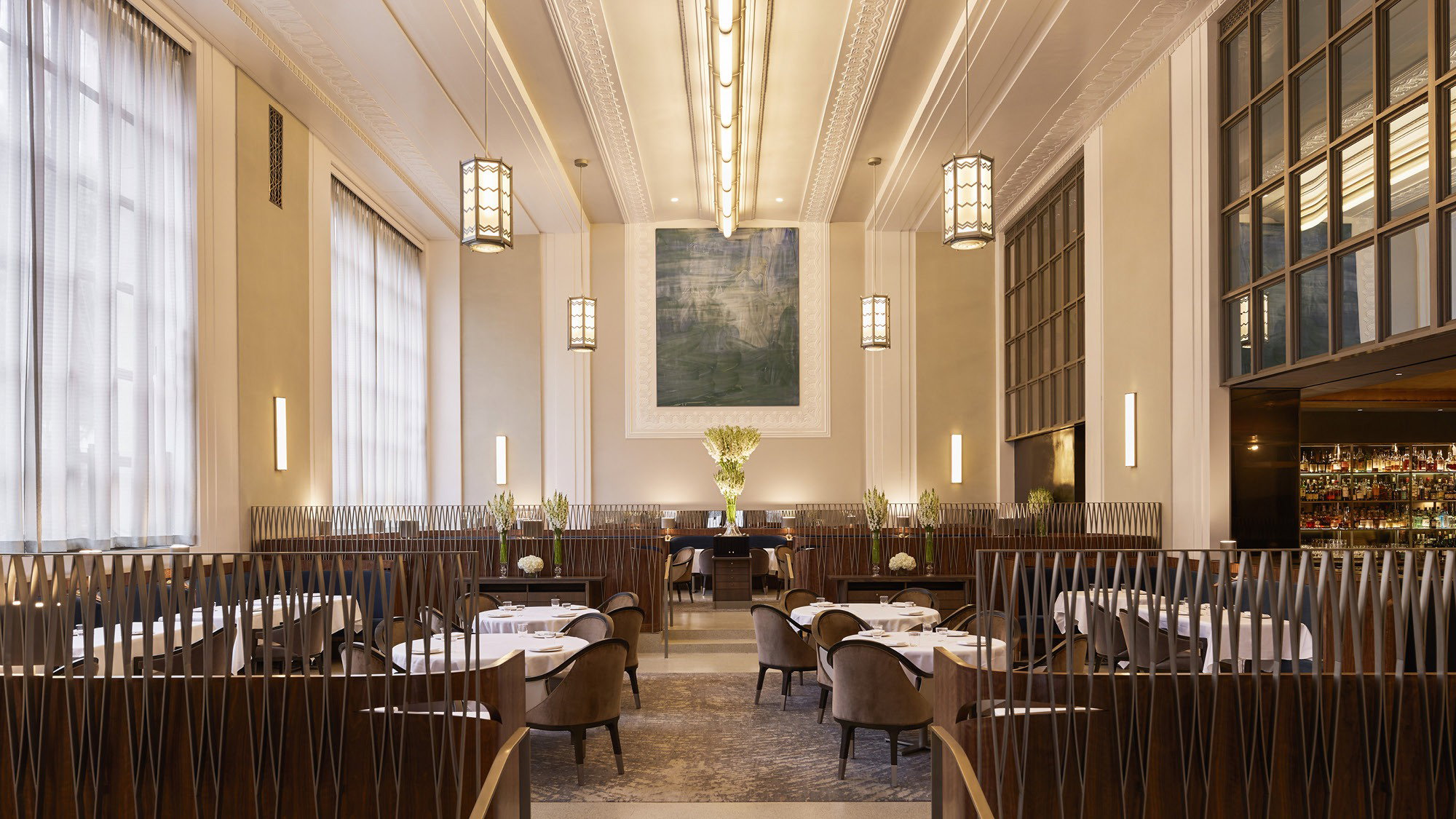
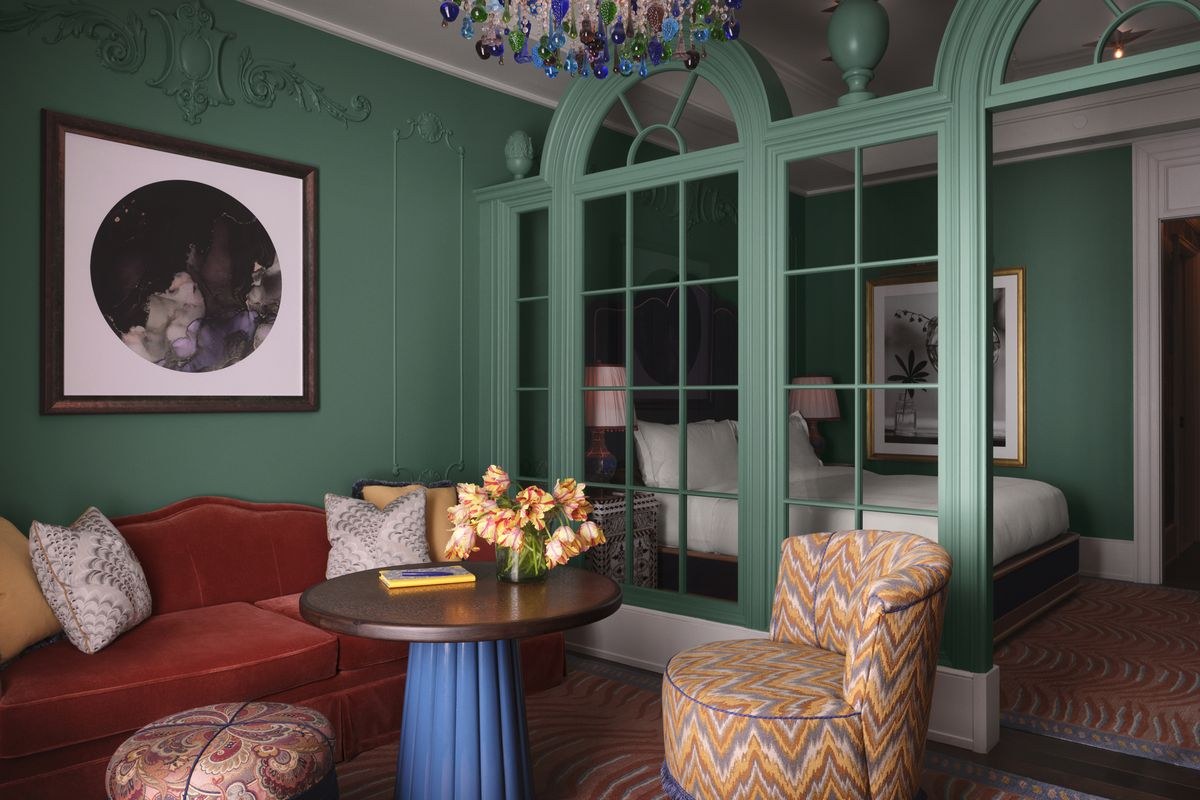
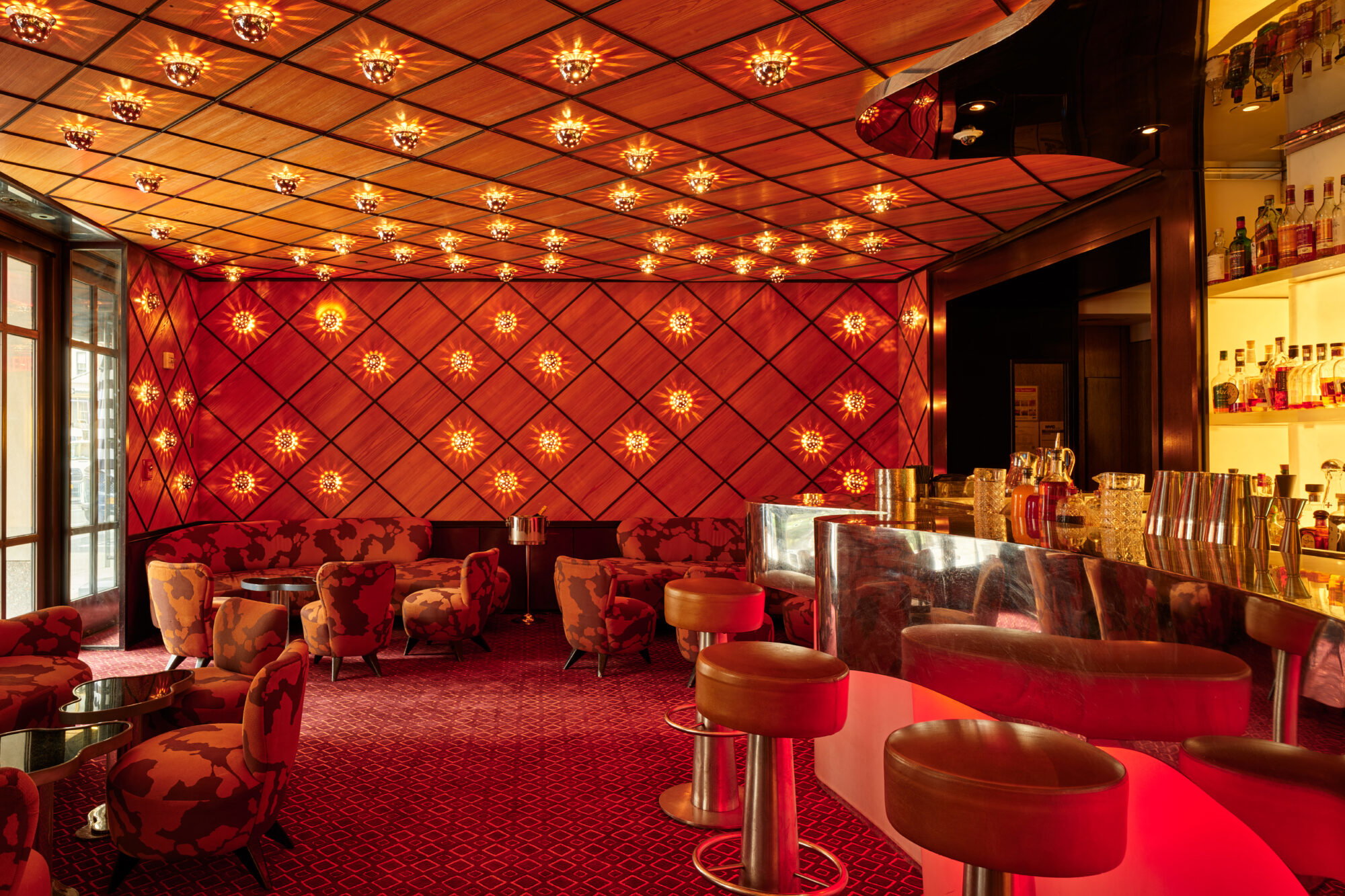
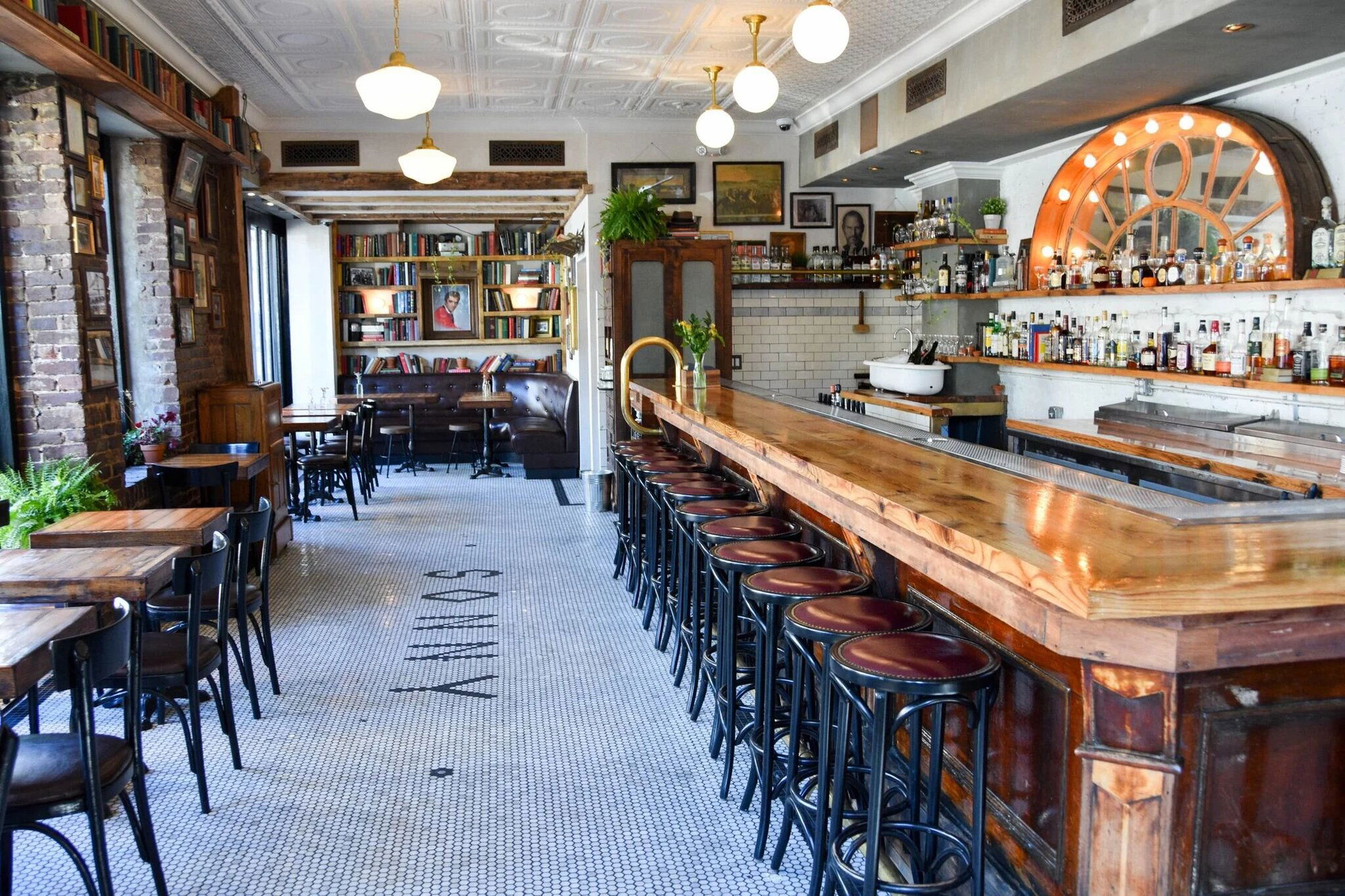
Dimly lit, moody bar with old-school tavern aesthetic featuring mahogany bar and tile flooring, creating an intimate yet lively neighborhood atmosphere.
Tags
Vibe
Best For
Experience
Format
At the Bar
- Bar Category
- Cocktail Bar
- Late Night
- Open Until 4am
- Music
- Live Music Venue
- Live Music
- Yes
- Spirits Focus
- Mezcal, Tequila, Rum
Signature Pours
- Chili-Salted Margarita
- Agave Blues
Know before you go
Know Before You Go
- Getting there
- 134 1st Ave, New York, NY 10009
Planning details
Location
Also consider
Where to go if Goodnight Sonny is not the right fit
Choose Banshee if the group wants a clearer food-and-drink format built around Irish-influenced cocktails, oysters, and classics.
Choose The Grafton if the goal is a more familiar pub-style night rather than an East Village bar stop built around crowd energy.
Bar context
How Goodnight Sonny compares in New York City
Goodnight Sonny is the easier choice when flexibility matters. Compared with Banshee, it is less about a defined Irish-influenced cocktails-and-oysters format and more about keeping an East Village night moving. Pick Banshee when food is part of the plan; pick Goodnight Sonny when the bar itself is the plan.
The Grafton reads more pub-like, so it is a better fit for groups that want a familiar, low-pressure drinking room. Tile Bar and Big Bar are stronger cross-shops for a simpler neighborhood-bar mood. Goodnight Sonny wins when location, late-night usefulness, and East Village crowd energy are the deciding factors.
The Lions Bar & Grill is the better comparison if the group wants a grill-and-bar framework rather than a bar-led stop. For value, Goodnight Sonny's advantage is not a stated price tier; it is the ability to work as a first stop, last stop, or fallback without making the night feel overbuilt.
Explore New York City
Around this place
Discover more on Pearl
Unlock the full Goodnight Sonny guide in Pearl, including awards, comparisons, FAQs, planning details, and nearby places.
Compare Goodnight Sonny
| Venue | Location | Cuisine | Awards |
|---|---|---|---|
| Goodnight Sonny | New York City | , | No published awards |
| The Lions Bar & Grill | New York City | , | No published awards |
| The Grafton | New York City | , | No published awards |
| Banshee | New York City | Irish-influenced cocktails, oysters, classic cocktails | No published awards |
| Tile Bar | New York City | , | No published awards |
| Big Bar | New York City | , | No published awards |
How Goodnight Sonny New York City compares with similar nearby venues.
FAQ
Frequently Asked Questions
What's the crowd like at Goodnight Sonny?
Information on a specific crowd or atmosphere is not available. Goodnight Sonny is open Monday through Friday from 4 PM to 4 AM, and Saturday and Sunday from 2 PM to 4 AM, with a casual dress code.
What is Goodnight Sonny known for?
Goodnight Sonny is a New York City venue with late daily hours and a casual dress code. Specific claims about its menu, drinks, pricing, or service format are not available.
Where is Goodnight Sonny located?
Goodnight Sonny is located in New York City.
How can I contact Goodnight Sonny?
No phone number or contact method is provided. Check the venue's own channels for current contact details.