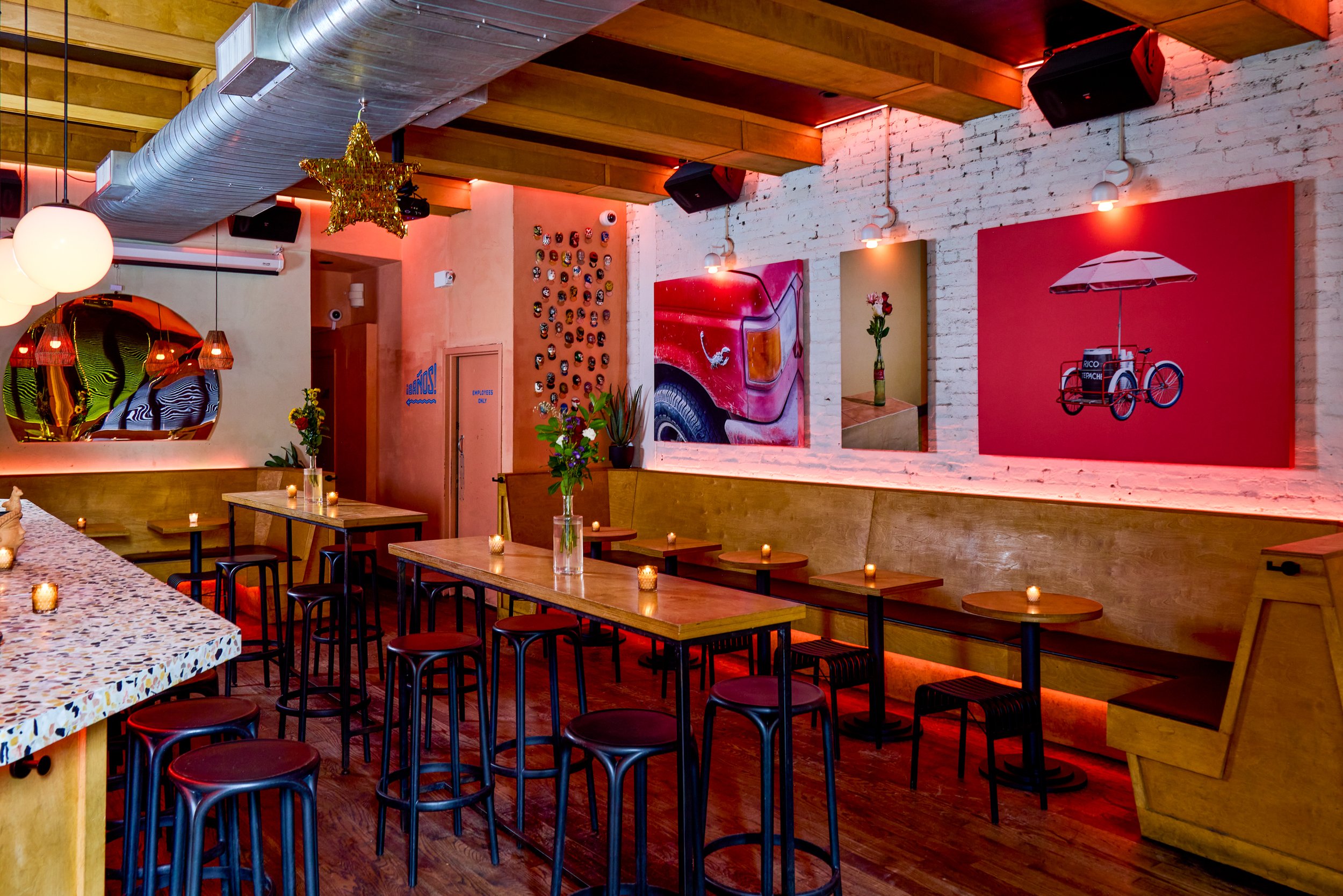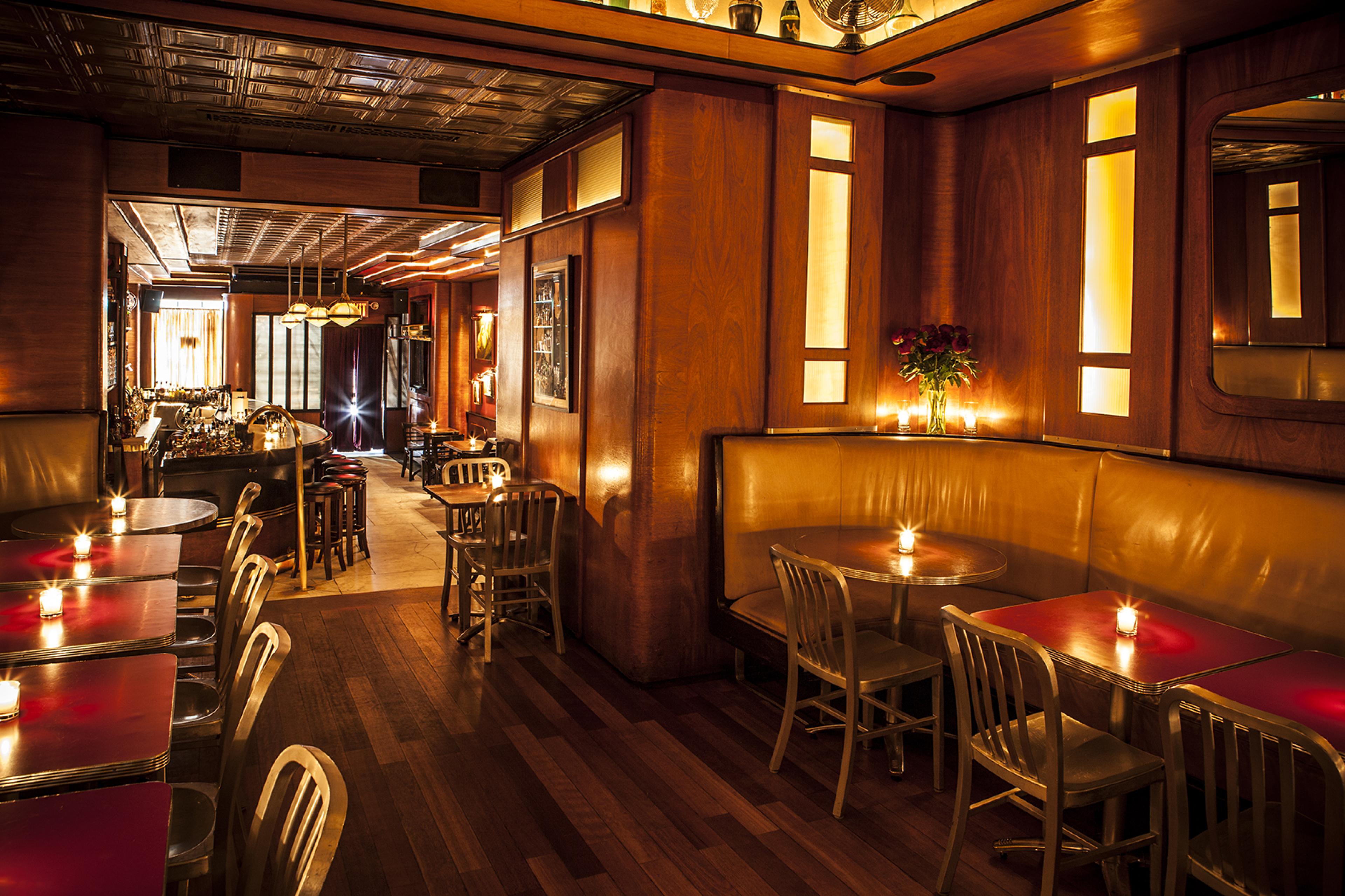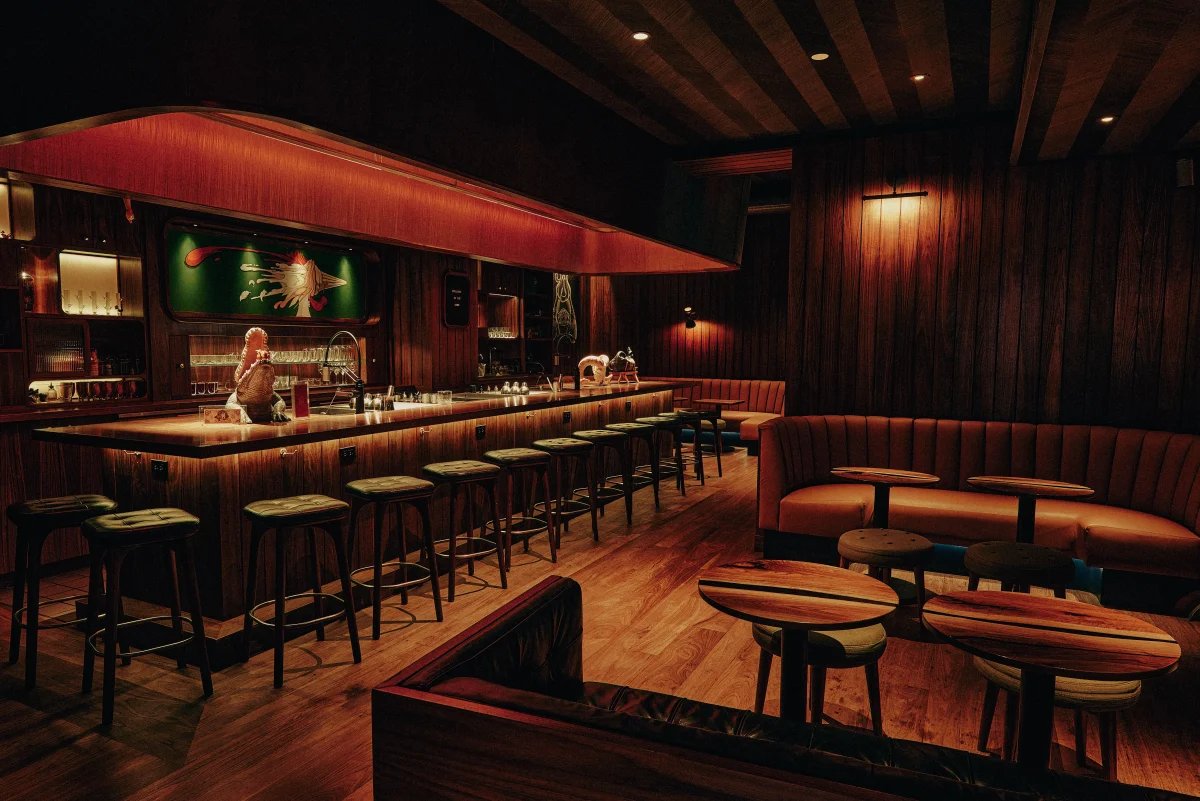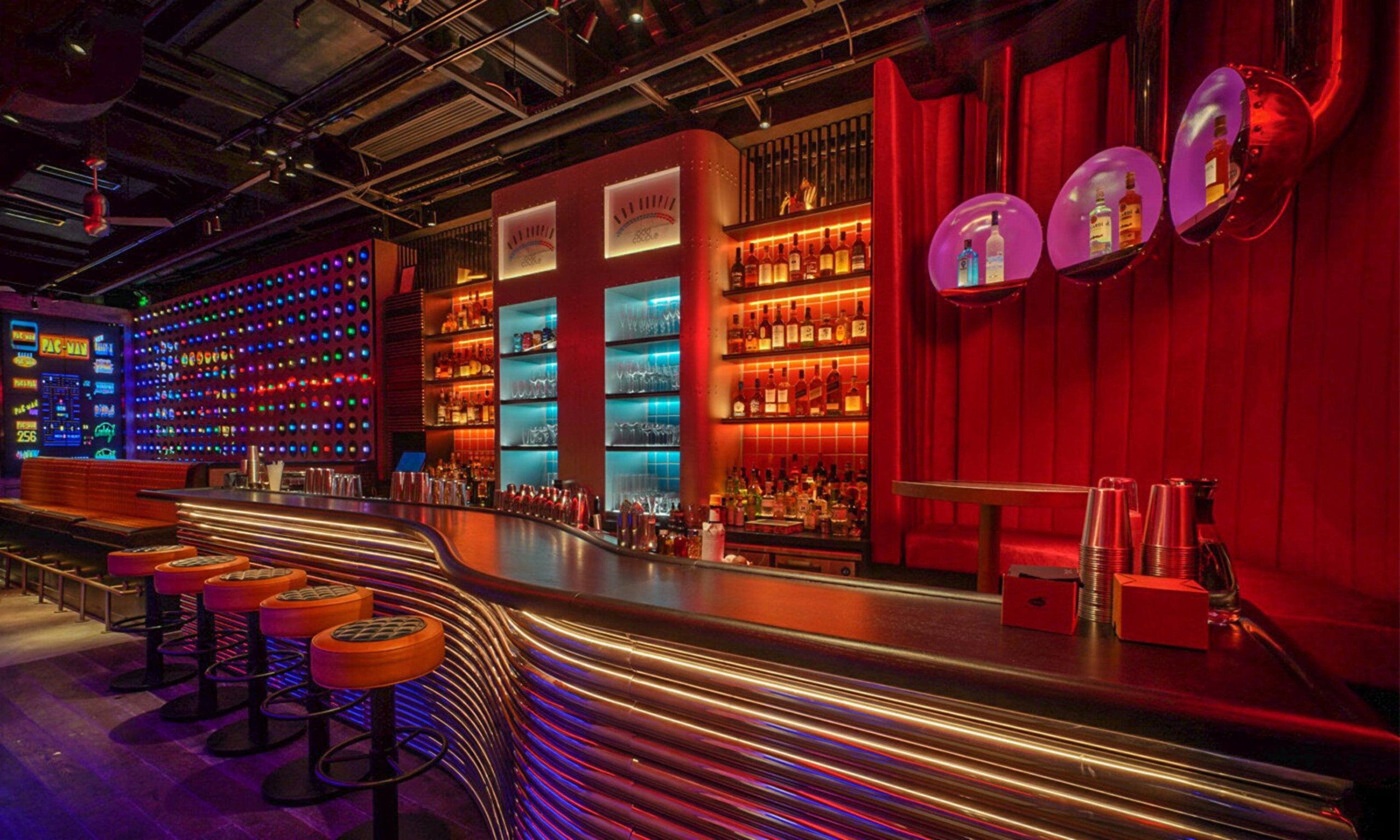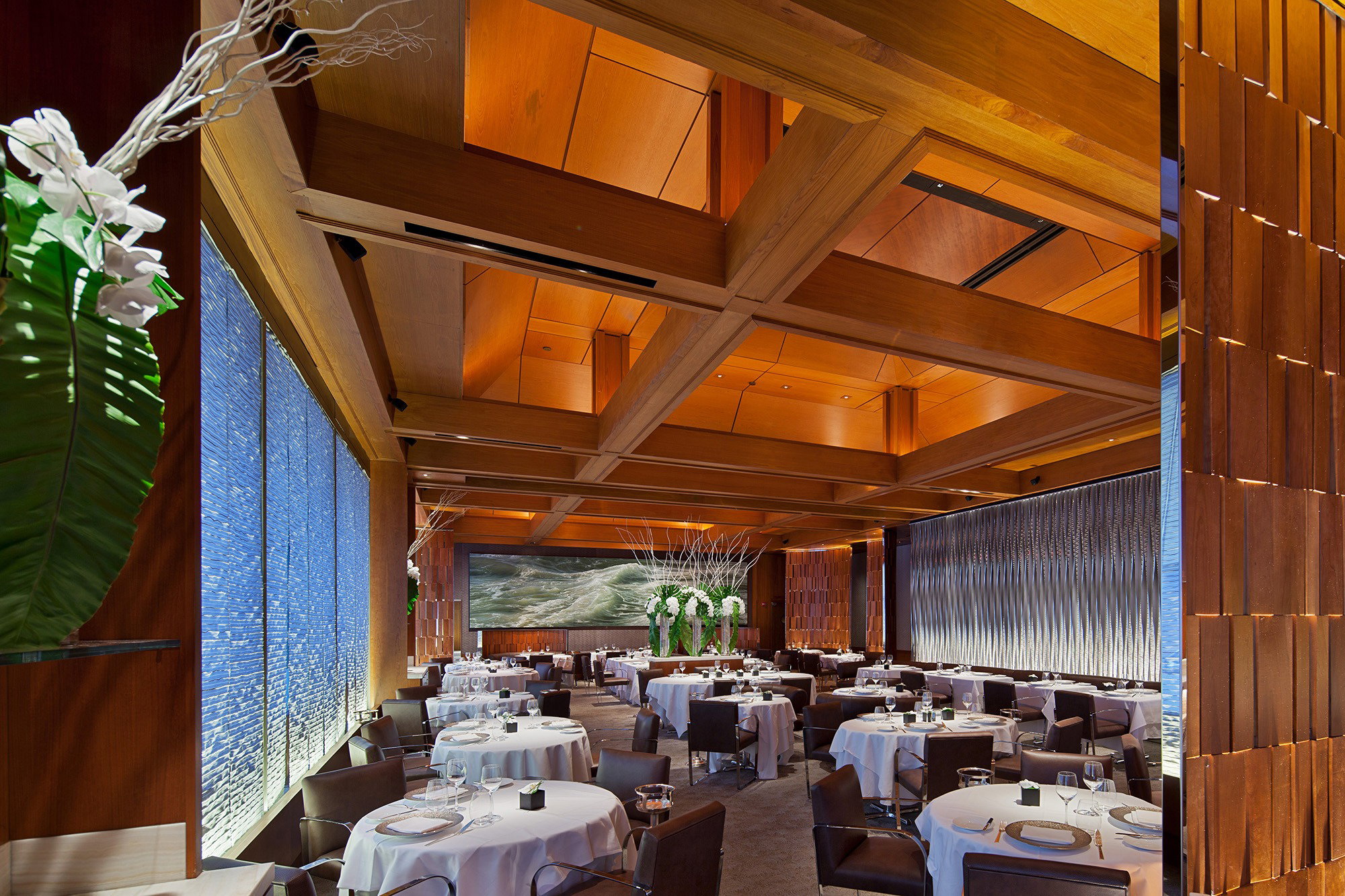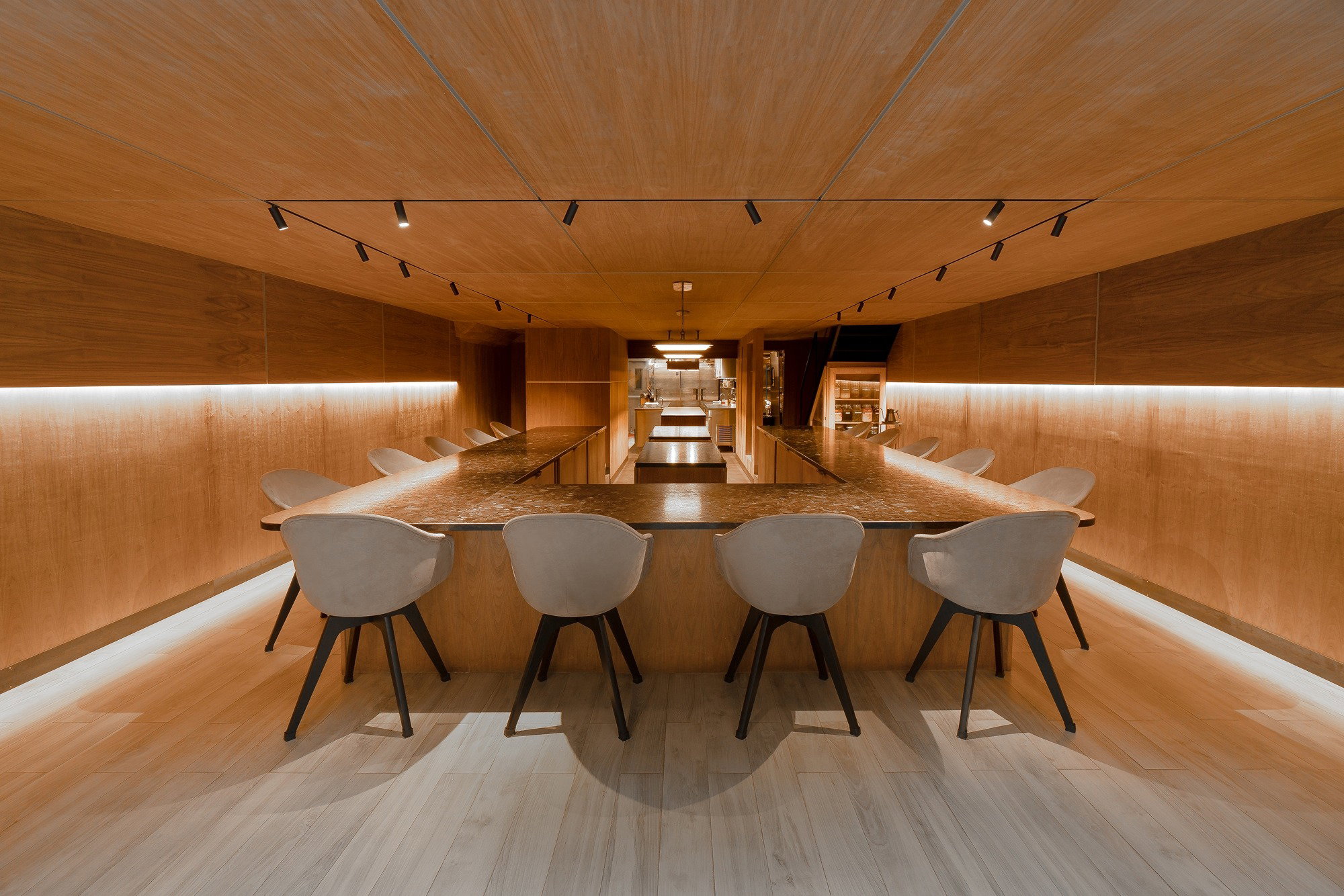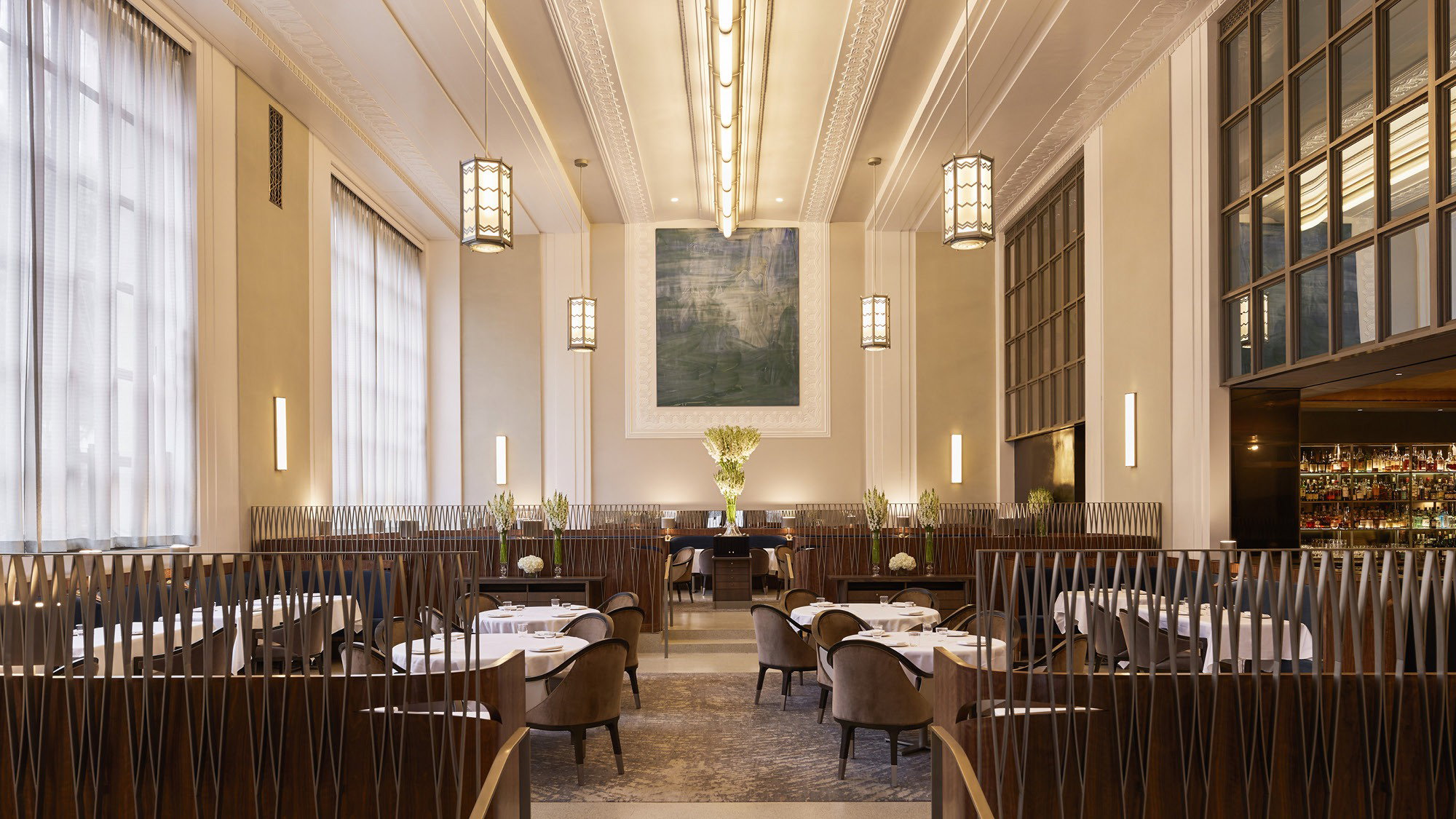
Bar in New York City, United States
Cocktail Omakase
100ptsBartender-Led Sequence

About Cocktail Omakase
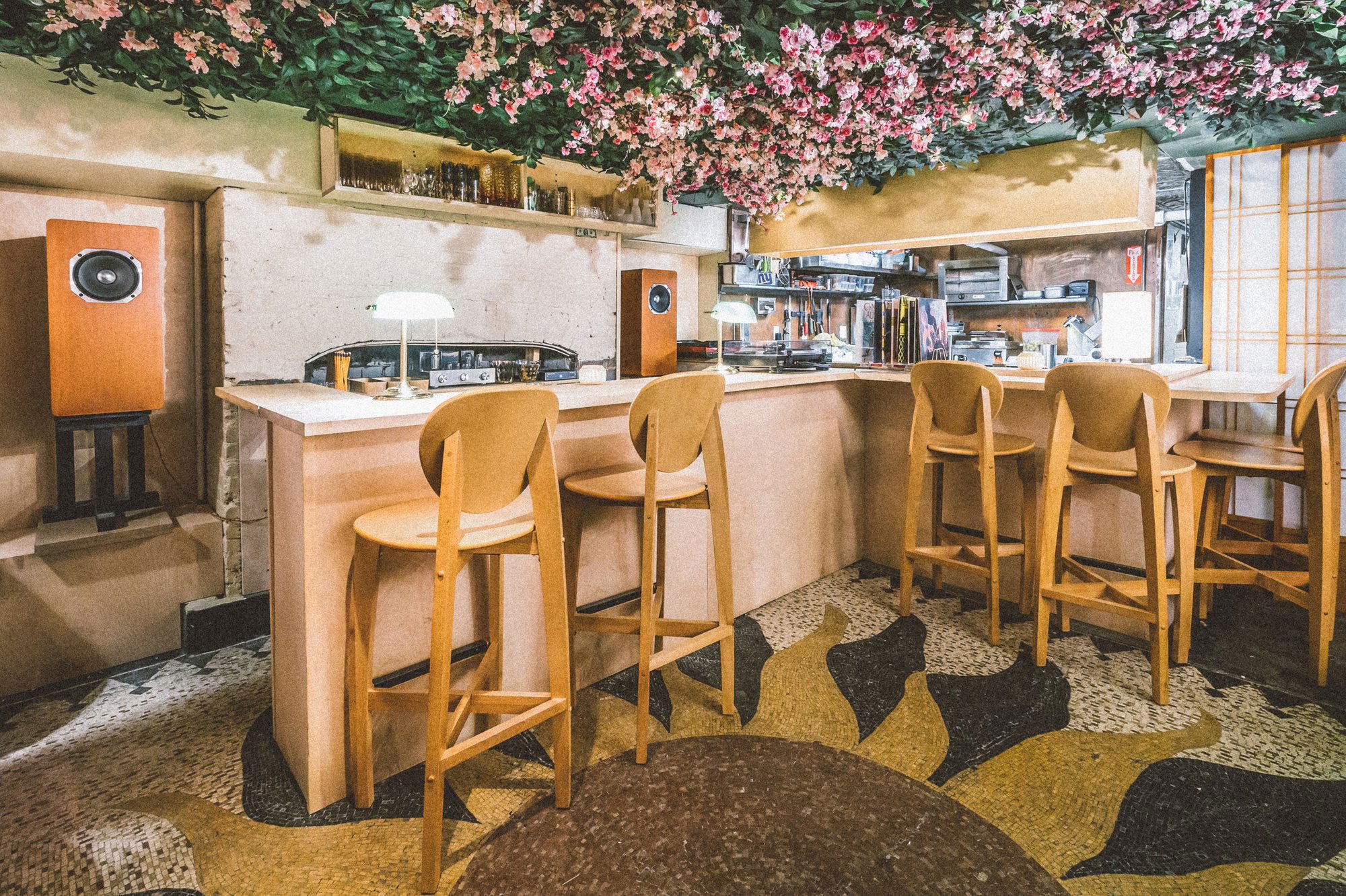
Cocktail Omakase brings the Japanese omakase format to the cocktail counter, offering a sequenced, chef-driven drinks experience in New York City. The format places the bartender in full creative control, moving guests through a curated progression of spirits and technique. It occupies a niche that sits closer to the city's serious drinking culture than its nightlife scene.
The Counter as Classroom
New York's cocktail culture has spent the better part of two decades moving away from performance and toward precision. The era of smoke machines and elaborate theatrical props gave way to something quieter and more demanding: programs built around ingredient sourcing, technique discipline, and the kind of host-guest dialogue that makes a seat at a bar feel earned. Cocktail Omakase belongs to that second wave, borrowing the structural logic of Japanese omakase dining and applying it to spirits and mixed drinks. The result is a format where the menu doesn't exist until you sit down, and the bartender's judgment replaces the drinks list entirely.
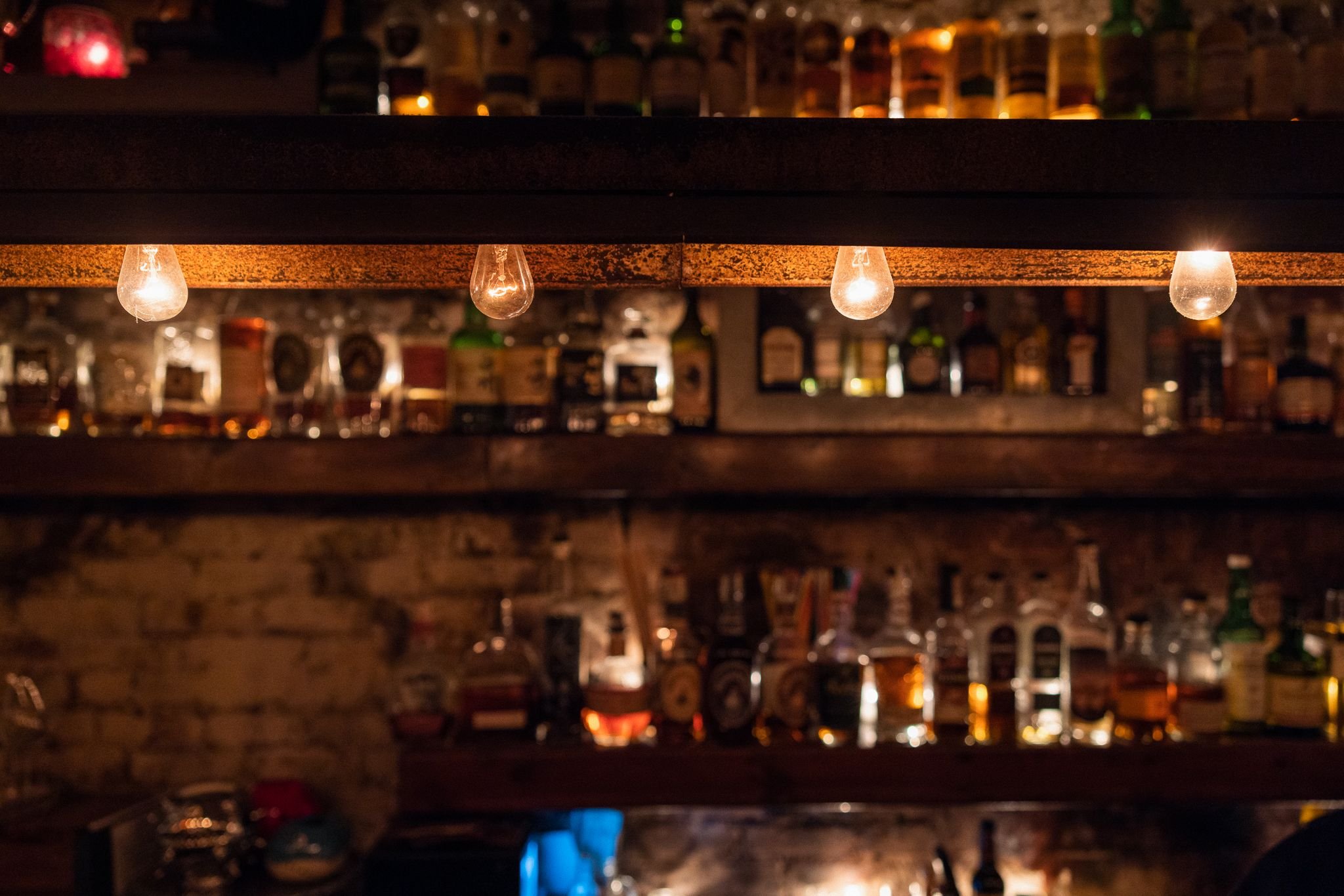
In omakase dining, the Japanese phrase translates roughly to "I leave it up to you" — a transfer of decision-making from guest to chef that only works when the host's depth of knowledge justifies the surrender. At a cocktail counter operating under that same principle, the back bar becomes the equivalent of the fish case at a serious sushi counter: a curated collection whose range and rarity signal what kind of operation you're dealing with before a single drink is poured.
What a Spirits Collection Actually Signals
The editorial angle for any omakase-format bar isn't the drinks themselves but the collection behind them. A bartender working in a sequenced, guest-responsive format needs access to bottles that most cocktail programs never stock: aged expressions from small Japanese distilleries, allocated American whiskeys, artisanal vermouths and bitters with genuine provenance, and spirits from categories that fall outside the commercial mainstream. Without that depth, the omakase promise collapses into a set menu with a Japanese-sounding name.
New York has a handful of bars where the back bar functions as genuine curation rather than decoration. Amor y Amargo built its entire identity around amaro and bittersweet spirits, treating a narrow category with encyclopedic seriousness. Angel's Share, the East Village institution that helped define New York's quiet-bar movement in the 1990s, has long maintained a Japanese whisky collection that predates the category's current mainstream popularity. What those programs share with a cocktail omakase format is the assumption that the guest trusts the house's curation — and that the house has earned that trust through the specificity of what it stocks.
Cocktail Omakase positions itself inside that tradition. The Japanese-style cocktail omakase format, applied in New York, draws on a broader set of influences: the precision of Japanese bartending culture, where technique is trained over years and presentation is considered inseparable from flavor; the American craft cocktail revival's emphasis on ingredient integrity; and New York's particular habit of borrowing formats from global dining culture and stress-testing them against a local audience that has seen most things before.
The Format and What It Demands of Both Sides
A sequenced cocktail experience operates differently from a conventional bar visit in ways that go beyond the absence of a menu. The bartender needs to read the table quickly , calibrating alcohol tolerance, flavor preferences, and the guest's familiarity with the format , and then sequence drinks that build on each other rather than simply rotating through crowd-pleasers. The early rounds typically establish baseline preferences; the middle sequence introduces more challenging spirits or unusual combinations; the closing drinks tend toward length and contemplation. It's a structure borrowed directly from kaiseki and omakase dining, where the arc of the meal matters as much as any individual course.
For the guest, the demand is different: a willingness to be led, combined with enough engagement to give the bartender the feedback that shapes the sequence. The format doesn't work with passive drinkers any more than a sushi omakase works with guests who refuse to eat fish. What it rewards is curiosity and the kind of palate that's interested in comparison, contrast, and the logic of progression.
This places Cocktail Omakase in a specific tier of New York's cocktail scene, one that sits alongside programs like Attaboy NYC, where the no-menu, guest-responsive format has been the operating model since the bar opened. Both formats depend on bartender expertise and honest back-and-forth with the guest. The difference is structural: Attaboy operates as a riff-style bar where each drink is a single response to stated preferences, while an omakase format sequences the entire visit as a composed arc.
New York in a Global Cocktail Context
The cocktail omakase format has precedents outside New York. Kumiko in Chicago has built a program explicitly rooted in Japanese aesthetic principles and spirit categories, with a level of structural rigor that places it among the most formally conceived bar programs in the United States. Bar Leather Apron in Honolulu operates a guest-responsive format shaped by its position between Japanese and American drinking cultures. Further afield, The Parlour in Frankfurt on the Main demonstrates that the format's appeal extends well beyond its cities of origin.
Within the United States, the Japanese-influenced cocktail format also appears in programs like Jewel of the South in New Orleans and ABV in San Francisco, each of which integrates Japanese technique and spirit categories into their own regional identities. Julep in Houston and Allegory in Washington, D.C. represent the broader American movement toward bartender-led, intentional drinking experiences that share the omakase format's philosophical DNA without the explicit Japanese framing.
What distinguishes the New York version is the competitive environment. A bar operating a specialist, low-capacity format in New York is pricing against a peer set that includes some of the most sophisticated cocktail programs in the world, and it's doing so in front of an audience that can name-check the alternatives. Superbueno, with its focused agave program, represents a different kind of specialist depth operating in the same city. The presence of that competition raises the stakes for any format that asks guests to trust the house entirely.
Planning Your Visit
The omakase cocktail format, whether operating from a dedicated counter or within a larger space, typically requires advance booking. In New York, where the specialist tier of cocktail programs routinely books out days or weeks ahead, checking reservation availability early is advisable. Because specific booking details, pricing, and hours for Cocktail Omakase are not confirmed in EP Club's current database, prospective guests should verify current operational details directly before planning a visit. For broader context on where this kind of drinking experience fits within the city's full range of options, our full New York City restaurants and bars guide maps the relevant scene in detail.
The format suits guests who approach drinking the way they'd approach a tasting menu: as an exercise in attention rather than consumption. If the concept of surrendering the menu to a bartender's judgment sounds appealing rather than frustrating, the omakase cocktail counter is among the most direct expressions of that approach currently operating in American cities.
Frequently Asked Questions
- What should I try at Cocktail Omakase?
- The omakase format means there is no fixed menu to select from , the bartender sequences drinks based on your stated preferences and feedback during the session. Arriving with a broad sense of your flavor inclinations (spirit categories you enjoy, tolerance for bitterness or sweetness) gives the bartender more to work with and typically produces a more responsive sequence.
- What makes Cocktail Omakase worth visiting?
- The format places New York City's cocktail culture in direct conversation with Japanese bartending tradition, which prioritizes precision, restraint, and the arc of a multi-drink experience over individual showpieces. For guests who find a standard drinks list limiting, the omakase structure offers a more personalized and sequenced alternative at the specialist end of the city's bar scene.
- Should I book Cocktail Omakase in advance?
- Given how New York's specialist cocktail programs operate, advance booking is strongly advisable. Low-capacity, bartender-led formats in the city tend to fill early, particularly at peak times. Confirm current reservation policy and availability directly, as specific booking details are not confirmed in our current database.
- What's Cocktail Omakase a strong choice for?
- It suits guests who treat a bar visit as an experience to be composed rather than assembled from a list. The format works well for celebrating a specific occasion, for guests with serious interest in Japanese spirits or technique, or for anyone whose instinct at a great bar is to ask the bartender what they'd recommend and then follow through on the answer.
- Any tips before I go to Cocktail Omakase?
- Arrive with an open palate and a clear sense of any spirits you dislike, since that information is more useful to the bartender than a list of favorites. Eat beforehand , the omakase format typically covers multiple drinks, and the sequencing assumes a guest who is engaged rather than managing on an empty stomach. Check current hours and any reservation requirements directly before visiting.
- Is a night at Cocktail Omakase worth it?
- For guests oriented toward the serious end of New York's cocktail scene, the omakase format offers something that most bars cannot: a sequenced, responsive experience shaped entirely by the bartender's expertise and the guest's feedback. Whether the specific execution justifies the investment depends on factors leading confirmed through current reviews and pricing details, which should be verified directly.
- How does a cocktail omakase differ from a standard tasting menu bar experience?
- A cocktail omakase is guest-responsive in real time rather than pre-set: the sequence of drinks is built around your reactions and preferences as the session progresses, rather than following a fixed list. This places it closer to formats like Attaboy NYC's riff-style service than to a conventional tasting menu, while the Japanese omakase framing adds a structural arc and a level of ceremony to the progression. In New York's specialist cocktail tier, that combination of responsiveness and intentional sequencing remains relatively uncommon.
More bars in New York City
- (SUB)MERCER(SUB)MERCER occupies a basement address on Mercer Street in SoHo, positioning it as a deliberate destination rather than a drop-in. The subterranean format tends to keep ambient noise lower than street-level alternatives, making it a reasonable call for groups of four or more. Book ahead for weekends and confirm group capacity directly with the venue.
- 1 OR 81 OR 8 on DeKalb Avenue is a low-key Fort Greene bar that works best for two people on a weeknight when the room is quiet enough for conversation. Walk-ins are easy, no advance planning required. If a specialist cocktail program is your priority, Attaboy or Amor y Amargo offer more defined experiences — but for a neighbourhood drink without the fuss, this delivers.
- 230 Fifth Rooftop Bar230 Fifth is the easiest rooftop bar in Midtown to walk into, and the Empire State Building views justify the trip. The crowd skews groups and tourists, and the drinks are solid rather than craft-focused. Go early on a weekday for the best version of the experience; after 9 PM on weekends it tips firmly into party-group territory.
- 4 Charles Prime Rib4 Charles Prime Rib is a compact, reservation-required West Village dining room built around a focused prime rib format. It works well for dates and pairs but is too small for groups of four or more. Booking is easy relative to Manhattan peers, and the narrow menu signals a kitchen that executes one thing consistently well.
- 44 & X Hell's KitchenA low-key Hell's Kitchen neighborhood bar-restaurant that earns its place for easy weeknight dates and pre-theatre dinners. Booking is simple, the room is intimate enough for conversation, and there's no dress pressure. Not a cocktail destination, but a reliable, pressure-free option in Midtown West when you want comfort over spectacle.
- 58-22 Myrtle Ave58-22 Myrtle Ave is a low-key Ridgewood neighborhood spot that rewards return visits more than first impressions. Easy to get into, with no reservation headaches, it suits regulars looking for an unpretentious room rather than a structured cocktail program. If a strong drinks list or kitchen ambition matters to you, look to Attaboy or Amor y Amargo instead.
Related editorial
- Best Fine Dining Restaurants in ParisFrom three-Michelin-star icons to the next generation of Parisian chefs pushing boundaries, these are the restaurants that define fine dining in the world's culinary capital.
- Best Luxury Hotels in RomeFrom rooftop terraces overlooking ancient ruins to Michelin-starred hotel dining, these are the luxury hotels that make Rome unforgettable.
- Best Cocktail Bars in KyotoFrom sleek lounges to hidden speakeasies, Kyoto's cocktail scene blends Japanese precision with global influence in ways you won't find anywhere else.
Save or rate Cocktail Omakase on Pearl
Keep this venue in your Pearl passport, rate it after you visit, and track it alongside every other place you collect.