Clandestino
Chinatown-Two Bridges, New York City
Bar in New York City, United States
 Book with Pearl
The Read
Price
$10–20per person
Why go
Clandestino is a practical late-night downtown bar choice, better for a flexible second stop than a tightly planned date or food-led night. Choose it when location and late hours matter; cross-shop Le Dive, Sunn's, or Parcelle Chinatown if the drink program is the main reason to go.
About Clandestino
For Clandestino in New York City, the most reliable planning fact is its schedule: it is open late every night, running until 4 AM, with afternoon openings that start at 4:30 PM Monday through Friday and 3:30 PM on Saturday and Sunday. Beyond those hours and a casual dress code, specific public-facing details such as menu format, cuisine, pricing, reservations, outdoor seating, or a drinks program are best checked directly with the venue. It works well as a flexible New York City stop rather than a place to build an overly fixed plan around.
Book it in your head as a practical option, not a fully documented special-occasion anchor. With no confirmed price range, menu format, cuisine, reservation channel, seating setup, or service style, the safer expectation is to check current details before you go and keep the plan adaptable. The casual dress code makes it easier to approach without over-planning, while the late hours are the clearest reason to keep it in mind.
Use it when flexibility matters more than polish
The strongest argument here is timing. In New York City, Clandestino's listed hours make it useful when a plan may run late or needs room to shift. For other options, you can compare it with Le Dive, Sunn's, or Parcelle Chinatown, but do not assume Clandestino matches any particular format or program unless you confirm directly with the venue.
For a repeat visit, the best move is to treat Clandestino as a flexible New York City option and keep decisions practical. Without published pricing or a confirmed menu format, value comes from not over-planning. If the setup does not fit the moment, other venues in the guide can give you a fallback path without forcing the night to fit one venue.
Where it fits in a New York City night
Clandestino makes the most sense for people who want a casual New York City stop with late hours more than a tightly defined destination experience. It is less clear for visitors who need a fully planned meal, a confirmed reservation format, or specific amenities before committing. For another option, Metrograph may fit a different kind of plan, while Forgtmenot is another venue to consider as you compare choices.
If the night needs a cleaner plan, keep the confirmed facts in view: Clandestino is a New York City venue with casual dress and late hours. For food-led, lodging-led, or more structured plans, compare current details across other New York City options before committing.
Planning details
- Location
- 35 Canal St, New York, NY 10002
- Website
- clandestinonyc.com
- Phone
- +1 212 475 5505
The take
The Take
The Vibe
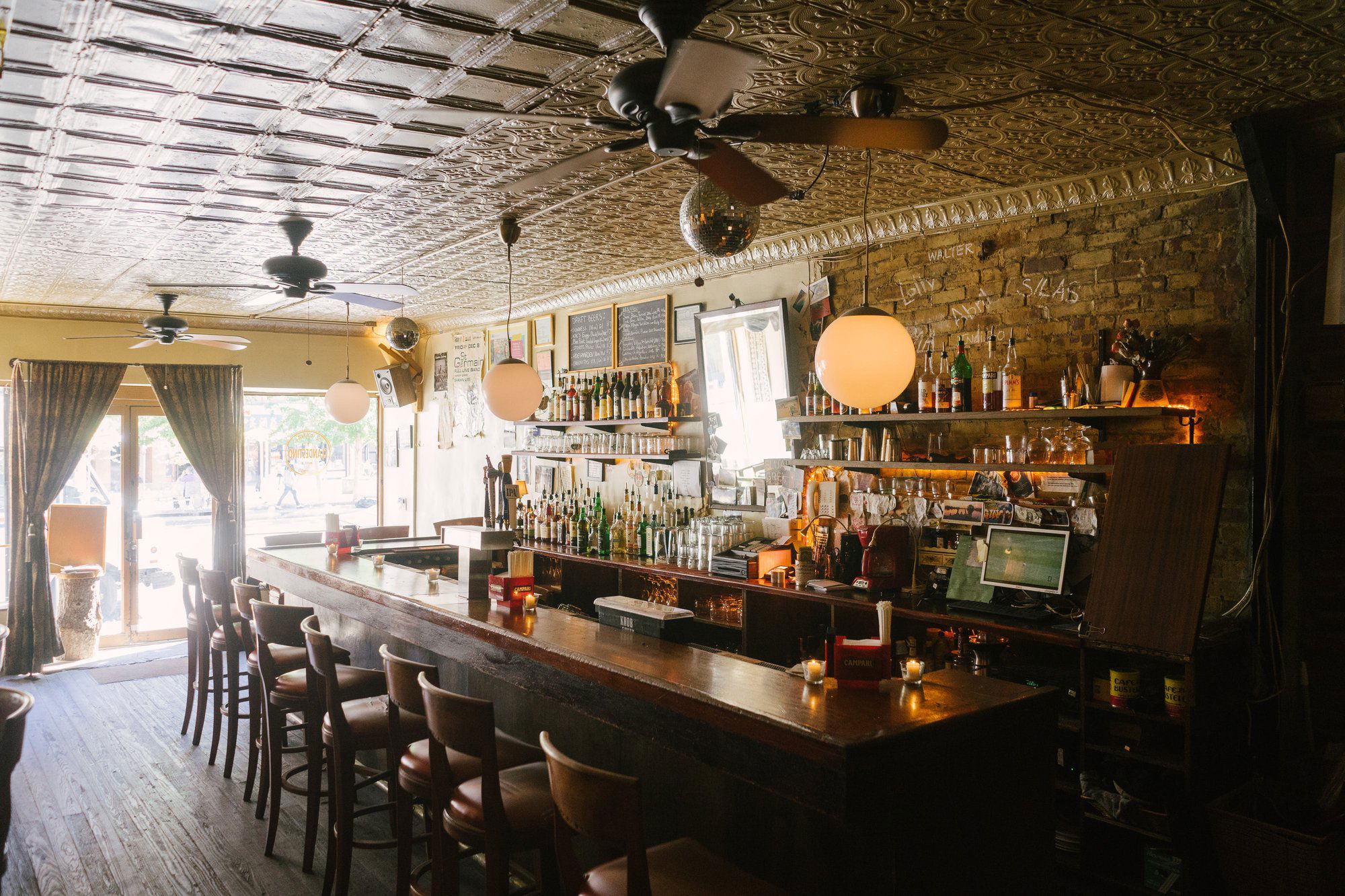
Clandestino sits on the seam of Canal Street and trades on a quietly insular energy: it feels like a neighborhood bar that rewards people who know where they’re headed. The write-up frames it against Canal Street’s bifurcated character — not a PR-built showroom but a place that accrues loyalty over time. That positioning gives the room a low-key, insider intimacy; the bar privileges durability and depth over spectacle. The result is a compact, sometimes secretive spot that reads as cozy and tucked away rather than loudly performative, appealing to locals and curious regulars who favor substance over flash.
Best For
Clandestino is best for small-group evenings that value quiet discovery: date nights, late-night stops and casual hangouts with friends. The description emphasizes a clientele that seeks the place out rather than stumbling in, so it suits visitors who want a contained, conversation-friendly evening rather than a tourist-heavy scene. Because the bar’s reputation is framed as neighborhood-earned rather than media-driven, it rewards repeat visits and low-key celebrations where the focus is on well-crafted drinks and an intimate atmosphere rather than loud spectacle or large-party energy.
Ordering Tips
The write-up highlights a drink program oriented more toward 'cellar logic' and cocktail scholarship than seasonal gimmicks. When ordering, look for cocktails that emphasize depth and provenance rather than flashy, ephemeral trends: think classics and cellar-forward selections, or ask the bartender about spirits allocations and any amaro/bitters-driven offerings. The text also notes the range of contemporary approaches — rare spirits, house ferments, low-intervention ingredients — so a short conversation with staff about what they prioritize that night will quickly point you to the drinks that best represent the bar’s durable, detail-oriented program.
Venue details
Ambiance
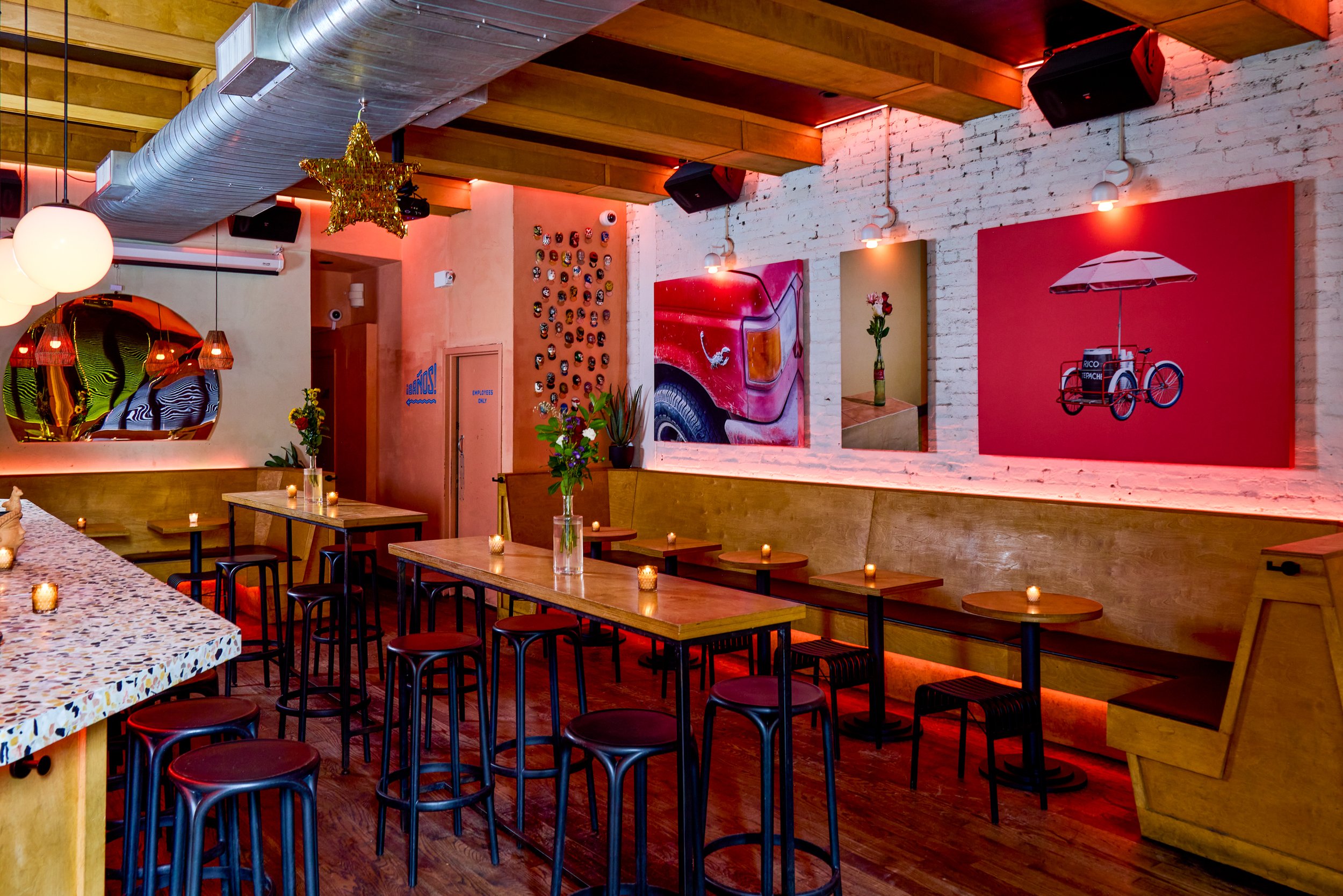
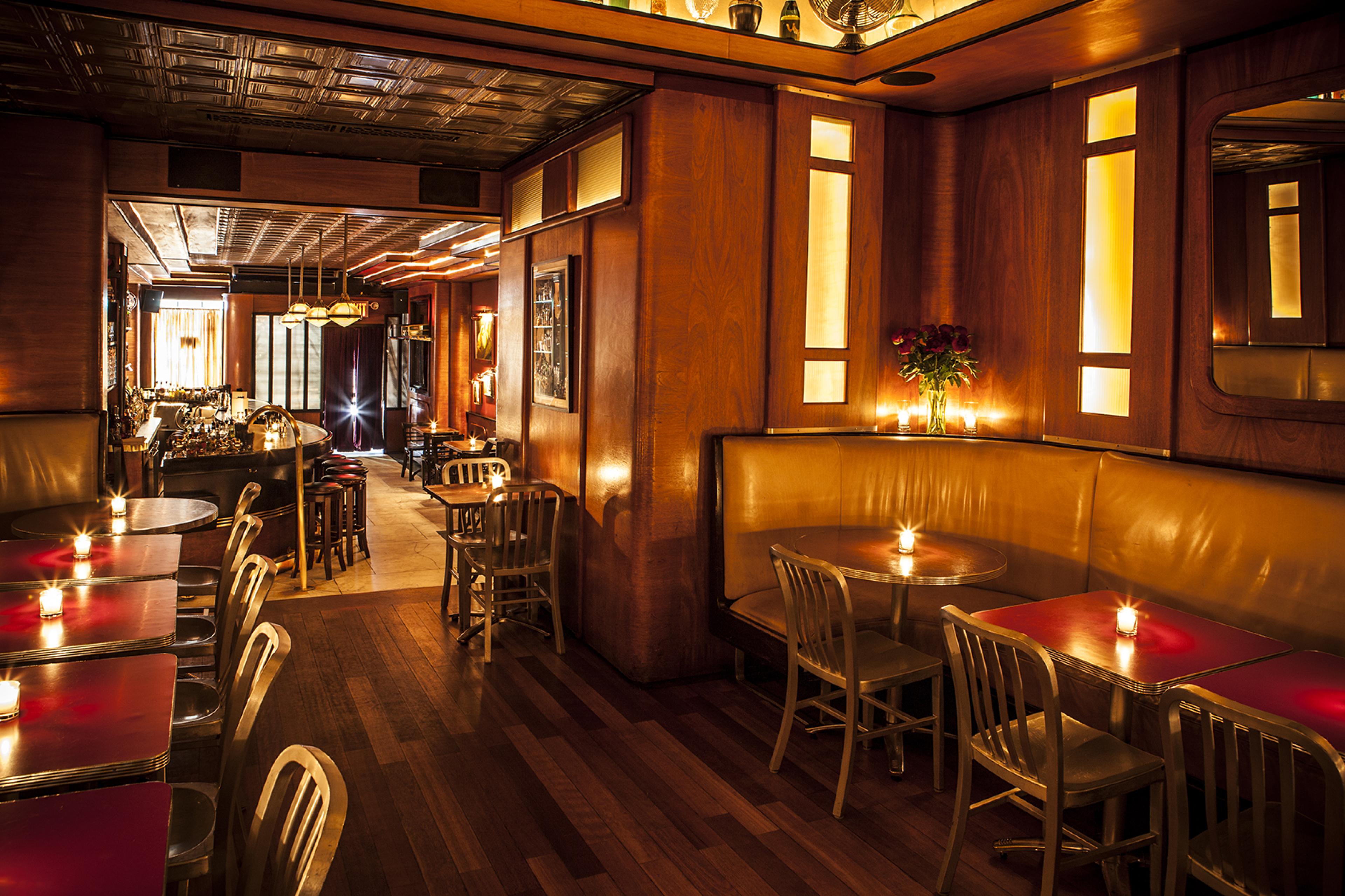
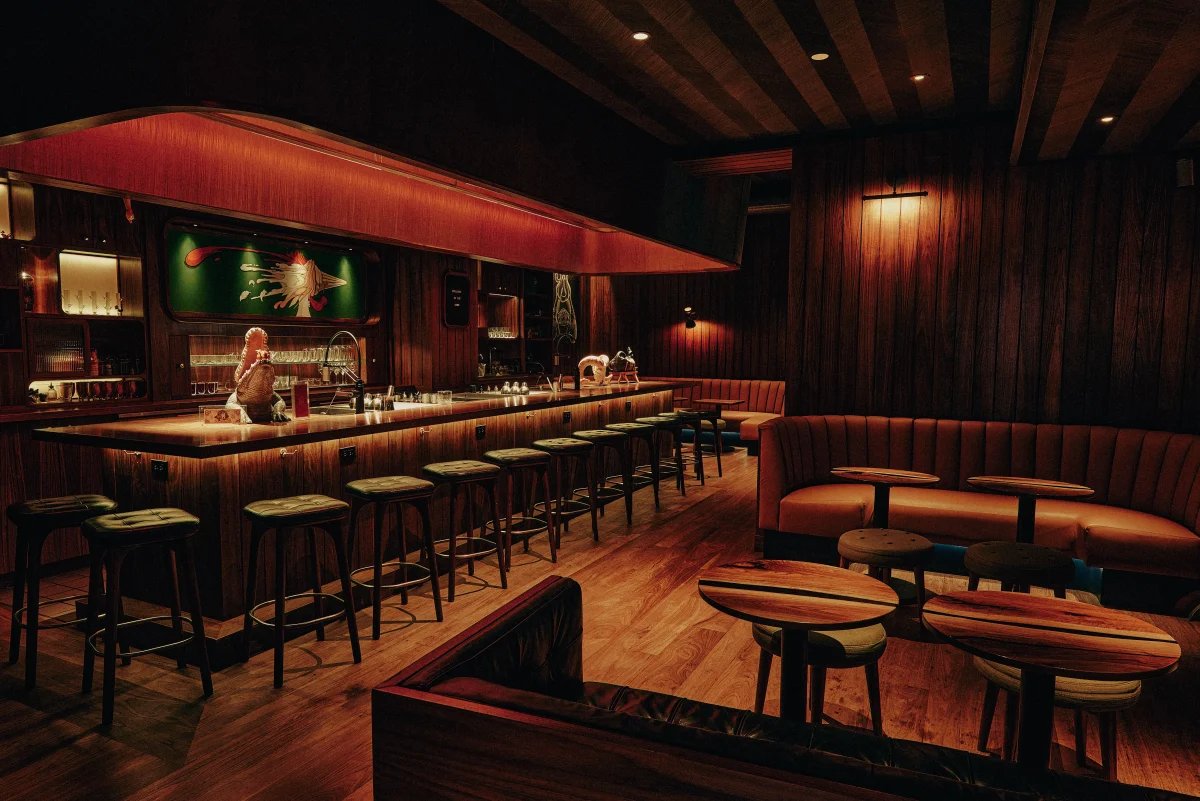
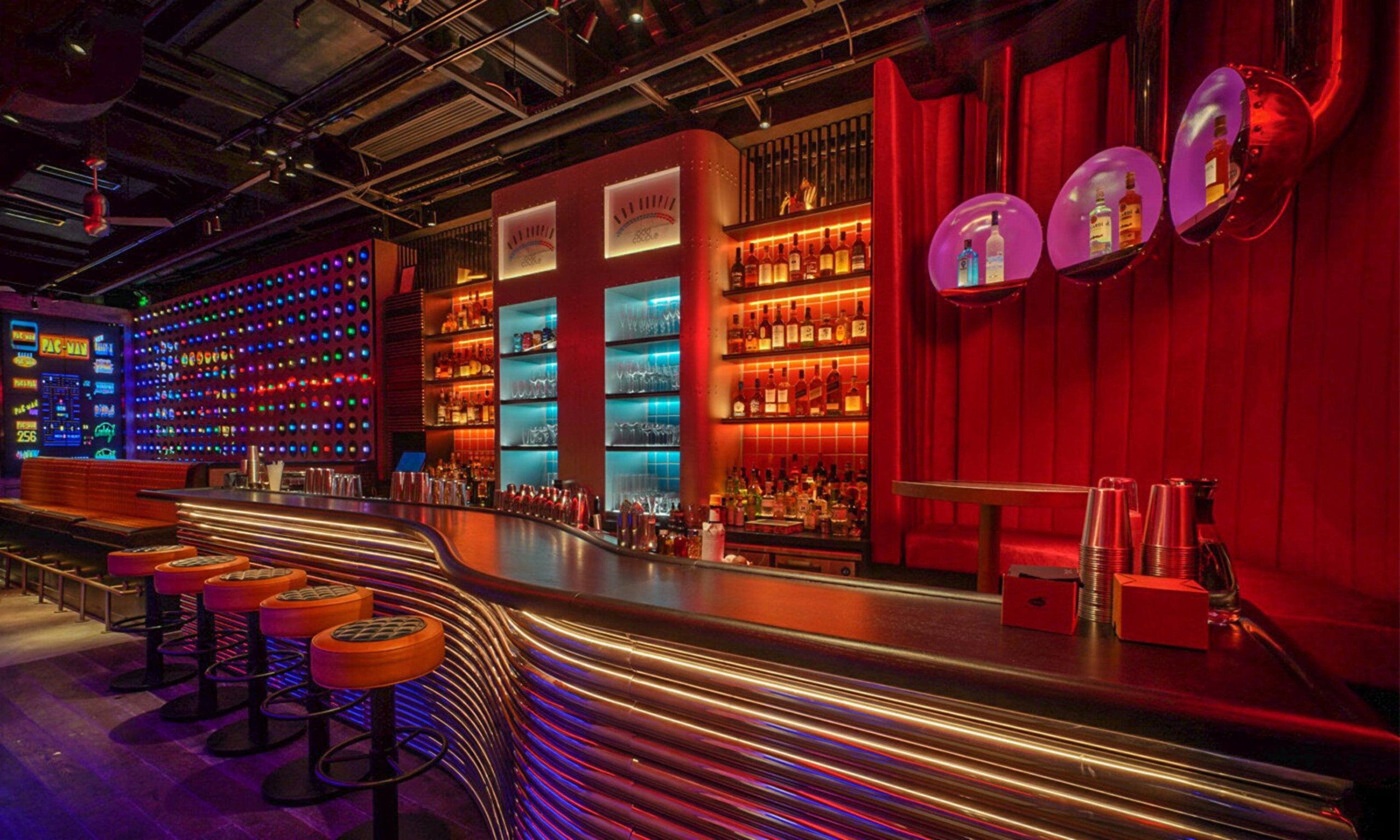
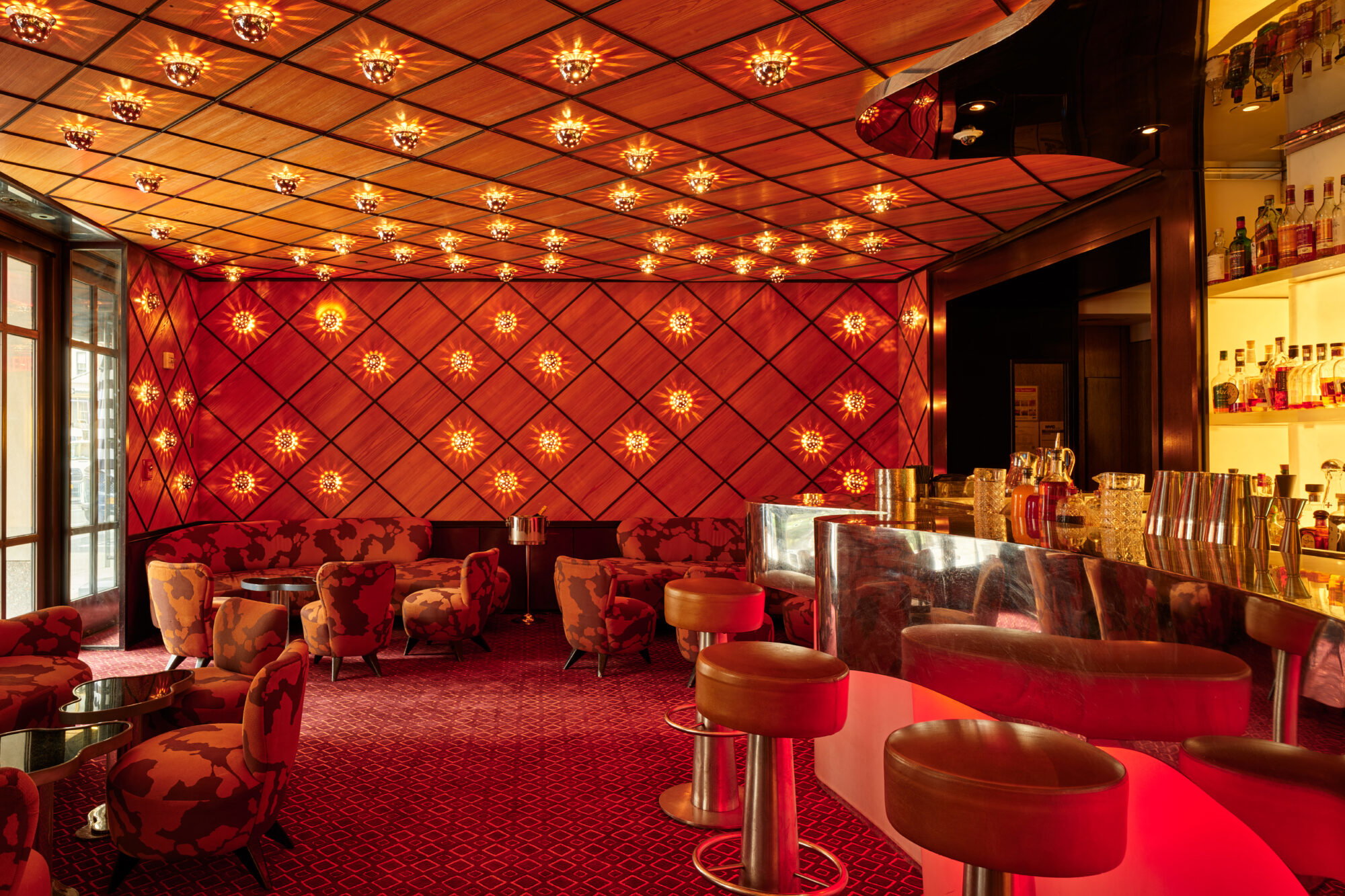
Low-key, candlelit neighborhood-bar atmosphere with a European vibe, world music that gets louder as the night goes on, and a cozy setting suited to conversation.
Tags
Vibe
Best For
Experience
Format
At the Bar
- Bar Category
- Cocktail Bar
- Late Night
- Open Until 4am
- Music
- World Music
- Spirits Focus
- Gin, Whiskey, Rum, Mezcal, Tequila
- Zero-Proof Program
- Yes
Signature Pours
- Pimm's Cup
- Whiskey Mac
- Fine and Dandy
Know before you go
Know Before You Go
- Getting there
- 35 Canal St, New York, NY 10002
Planning details
Location
Also consider
Where to go if this is not the right fit
If the goal is a more wine-led downtown night, choose Parcelle Chinatown or Le Dive instead. If the plan needs a clearer built-in occasion, Metrograph is the smarter backup.
Bar context
How it compares with nearby downtown options
Clandestino is the easiest recommendation when the priority is a flexible late-night stop rather than a carefully planned round. Against Le Dive, Sunn's, and Parcelle Chinatown, it reads as the lower-commitment choice: less useful for a wine-focused plan, more useful when the group needs a casual downtown room without making the drinks the entire point.
For ambiance, Metrograph is the cleaner pick when the night is tied to a film or a more defined occasion. Forgtmenot is the better cross-shop for a neighborhood-casual feel. Clandestino wins on practicality if the plan is fluid; the others are stronger when the venue itself needs to carry the night.
Explore New York City
Around this place
Discover more on Pearl
Unlock the full Clandestino guide in Pearl, including awards, comparisons, FAQs, planning details, and nearby places.
Compare Clandestino
| Venue | Location | Awards |
|---|---|---|
| Clandestino | New York City | No published awards |
| Le Dive | New York City | No published awards |
| Sunn’s | New York City | No published awards |
| Parcelle Chinatown | New York City | No published awards |
| Metrograph | New York City | No published awards |
| Forgtmenot | New York City | No published awards |
How Clandestino New York City compares with similar nearby venues.
FAQ
Frequently Asked Questions
Is Clandestino good for a date?
It can work if you want a casual, flexible option in New York City rather than a formal dinner plan. Its casual dress code and late hours make it easy to keep the evening loose, so confirm any specific setup or service details directly before going.
Is Clandestino open late?
Yes. Clandestino is listed as open until 4 AM every day, opening at 4:30 PM Monday through Friday and 3:30 PM on Saturday and Sunday.
What's the crowd like at Clandestino?
Clandestino is in New York City, has a casual dress code, and keeps late hours, so plan with flexibility and confirm current details if the atmosphere matters.
Do I need a reservation at Clandestino?
Plan for flexibility unless you confirm otherwise with the venue, and compare with options such as Parcelle Chinatown if you want to shape the outing around a different kind of plan.
Does Clandestino have outdoor seating?
If outside space matters, check Clandestino's official channels before heading out, and compare with other New York City options such as Forgtmenot or Sunn's as needed.