City Winery New York City
Chelsea-Hudson Yards, New York City
Bar in New York City, United States
 Book with Pearl
The Read
Price
$50–100per person
Why go
City Winery New York City is a practical West Side pick for an easy, wine-leaning night out, especially when booking friction matters more than a chef-driven dinner. It is better for casual dates and flexible groups than for high-stakes dining; compare Bessou or Mel's if food is the main reason to go.
About City Winery New York City
City Winery New York City is a New York City venue with hours that cover every day of the week: noon to 10 PM Monday through Thursday, noon to 11 PM Friday, 10 AM to 11 PM Saturday, and 10 AM to 10 PM Sunday. The dress code is smart casual. For cuisine, chef, price, awards, seating, and service format, check current details directly before booking.
Use the hours as the main planning signal. Weekdays run from midday through evening, while Saturday and Sunday start earlier. Friday and Saturday are the latest listed nights, closing at 11 PM. If your plans depend on a particular menu, room setup, event format, or seating arrangement, check with the venue rather than assuming those details.
Book it for practical New York City planning, not for specific dining details
The key tradeoff is the limited detail. With no confirmed cuisine, chef, awards, price range, or menu format to judge against, City Winery New York City is best evaluated as a practical venue option rather than a food-first recommendation. If venue identity is the deciding factor, compare the available details carefully against Bessou or Mel's before committing. If your priority is a New York City venue with broad listed hours and a smart-casual dress code, City Winery New York City may fit the plan.
For a date, group outing, or casual evening, base the decision on the hours, dress code, and any details you confirm directly with the venue. For a high-stakes meal or a plan that depends on a specific style of service, confirm the current setup in advance.
Where it fits among New York City night-out options
Use City Winery New York City as a practical New York City option when its listed hours and smart-casual dress code match the occasion. NBetween, Brass Monkey, and Dickson's Farmstand Meats may be useful comparison points if you are weighing different possibilities.
The verdict: consider City Winery New York City when the hours and dress code work for your plans. Skip or keep comparing if your decision depends on cuisine, price, seating, awards, or a specific service format.
Planning details
- Location
- 25 11th Ave, New York, NY 10011
- Reservations
- Book on the venue's website
- Website
- citywinery.com/pages/locations/new-york-city
- Phone
- +1 646 751 6033
The take
The Take
The Vibe
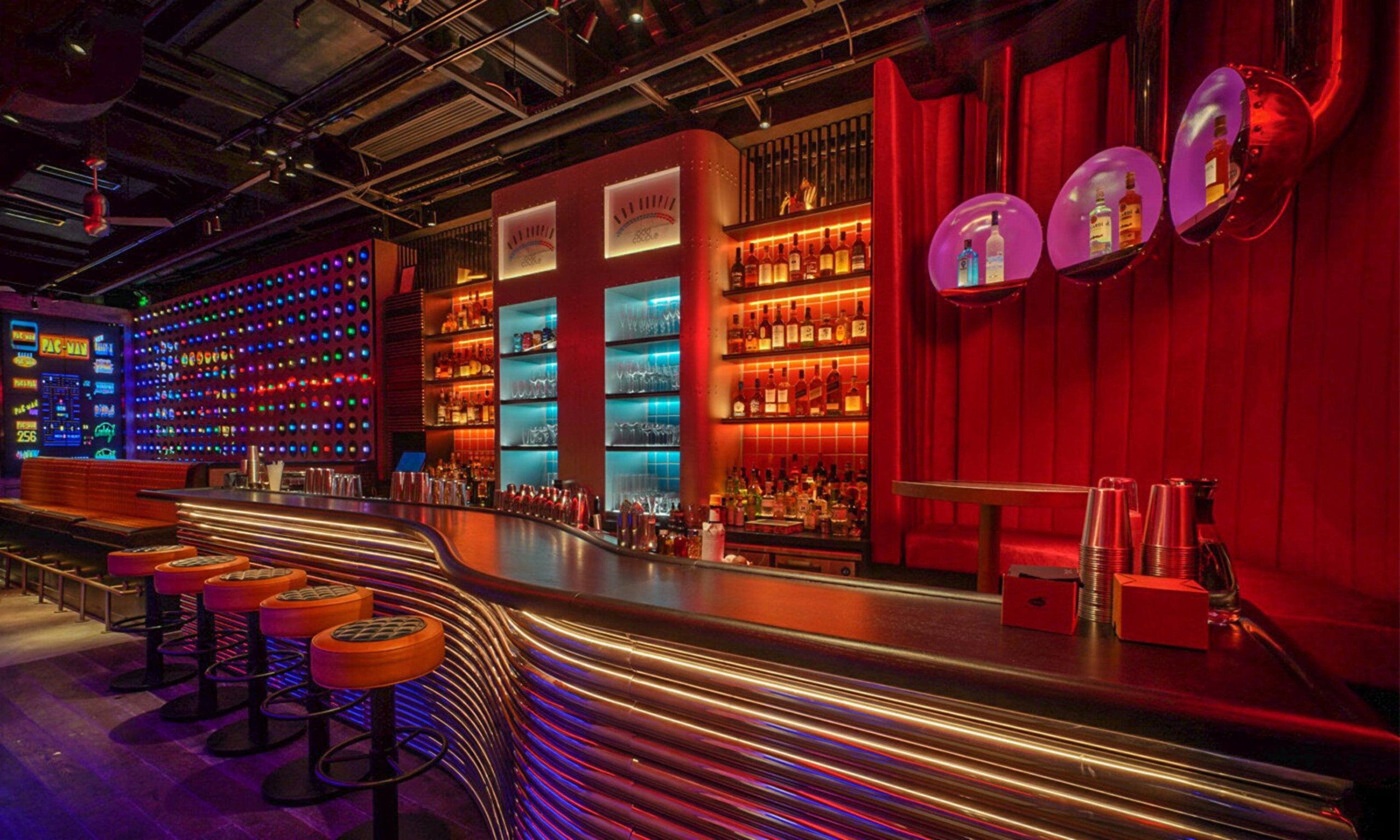
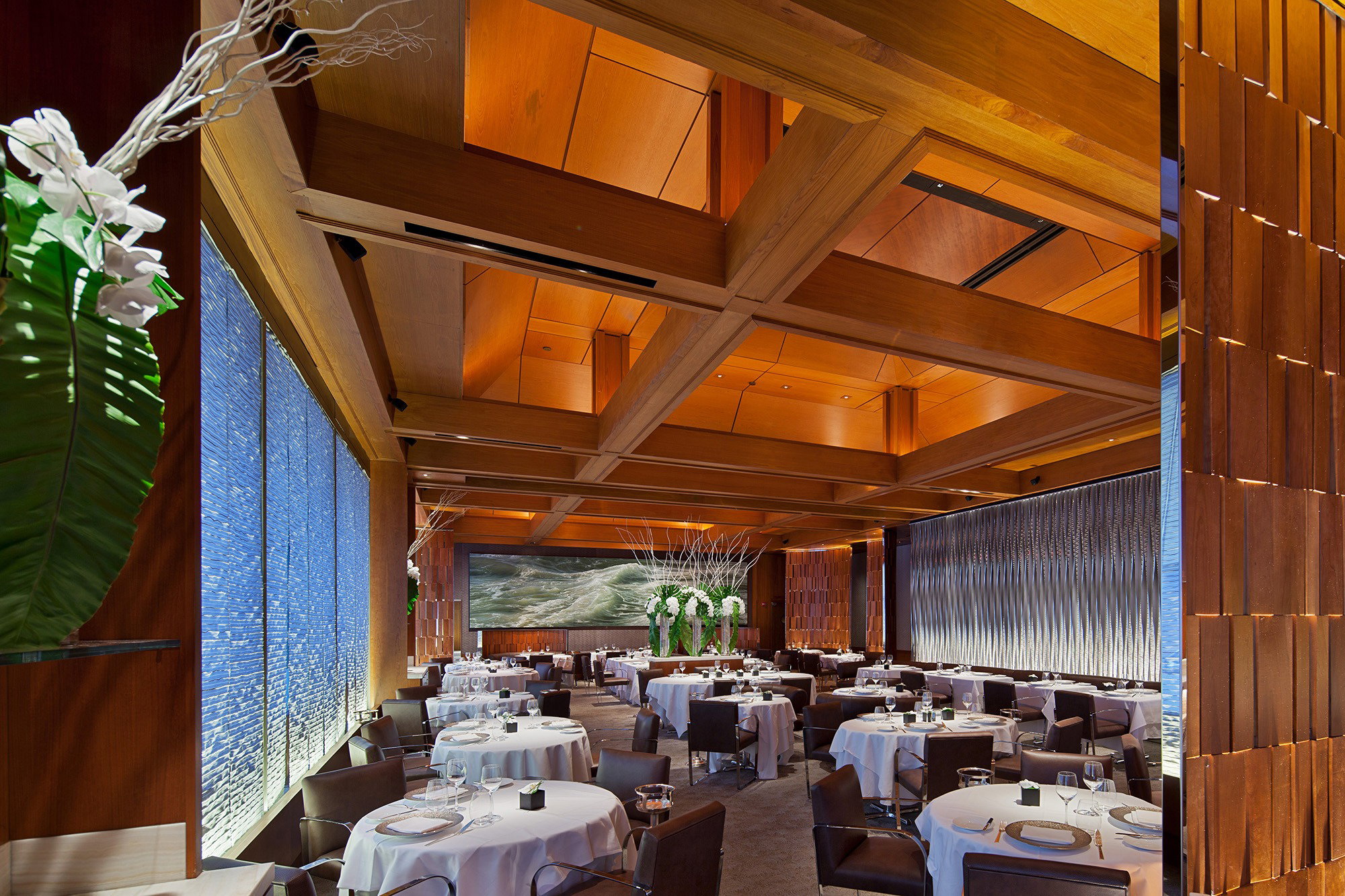
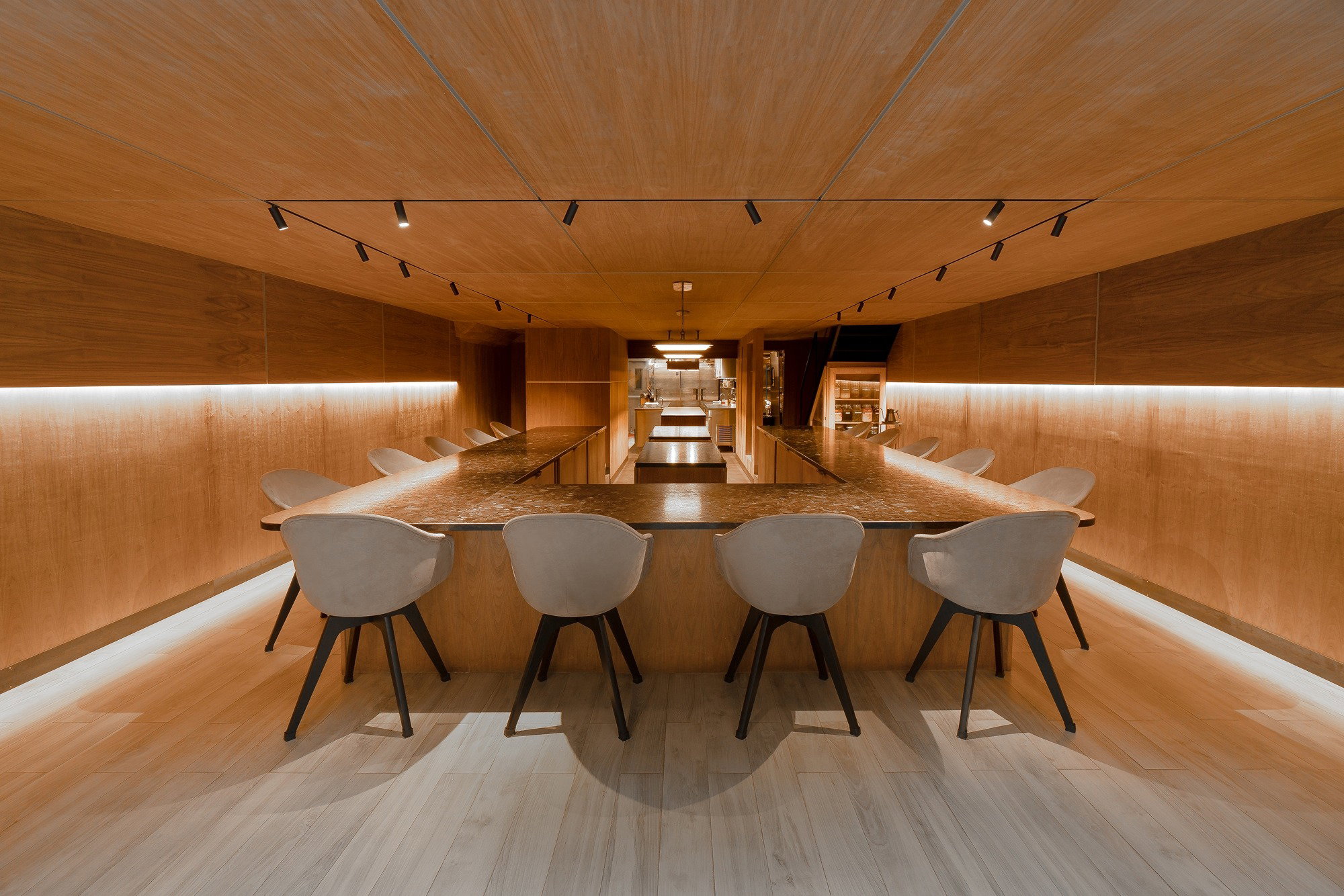
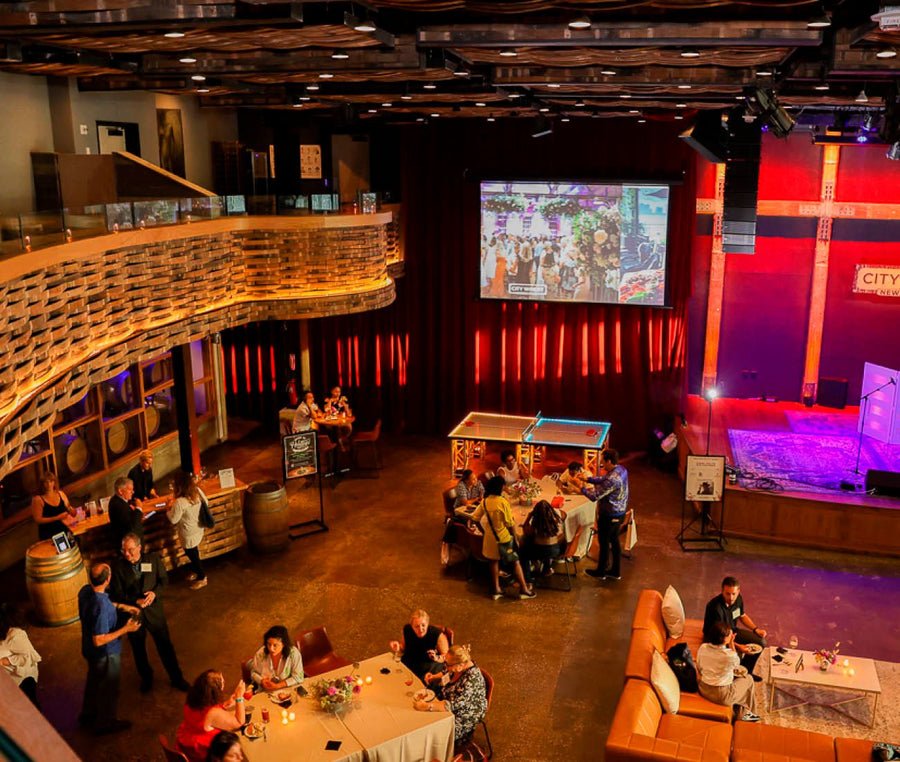
City Winery NYC reads like an industrial production facility fused with a live-entertainment room. The space is cavernous by Manhattan standards: high ceilings, concrete-and-wood barrel-aging areas and an open floor plan that keeps the working winery visible from the dining floor. It feels deliberately engineered to be both a production site and a hospitality destination — a raw, utilitarian edge softened by the warmth of barrels and the bustle of dinner service and performances. The result is more workshop-than-theme, a place where wine making and nightlife coexist on a large scale.
Best For
This venue is best for evenings that pair music and meals. Its full concert stage and roomy layout make it a natural pick for groups or couples looking for a spirited night out — think date nights built around a show or celebratory gatherings with dinner beforehand. Because the winery operates on-site, the space also suits guests who want an immersive wine-forward experience rather than a quiet tasting room. Expect a lively, energetic evening environment rather than a hushed, formal service.
Ordering Tips
Lean into the fact that City Winery actually makes wine on the premises: prioritize the house-produced bottles or ask for flights that showcase in-house vintages so you can connect the tasting to the visible barrel-aging area. The bar program is broad rather than narrowly specialist, so if you’re unsure start with wine selections and pair them with food from the dining menu before a performance. Plan service around showtimes — arrive early to secure table seating and time for a relaxed pour.
Venue details
Ambiance
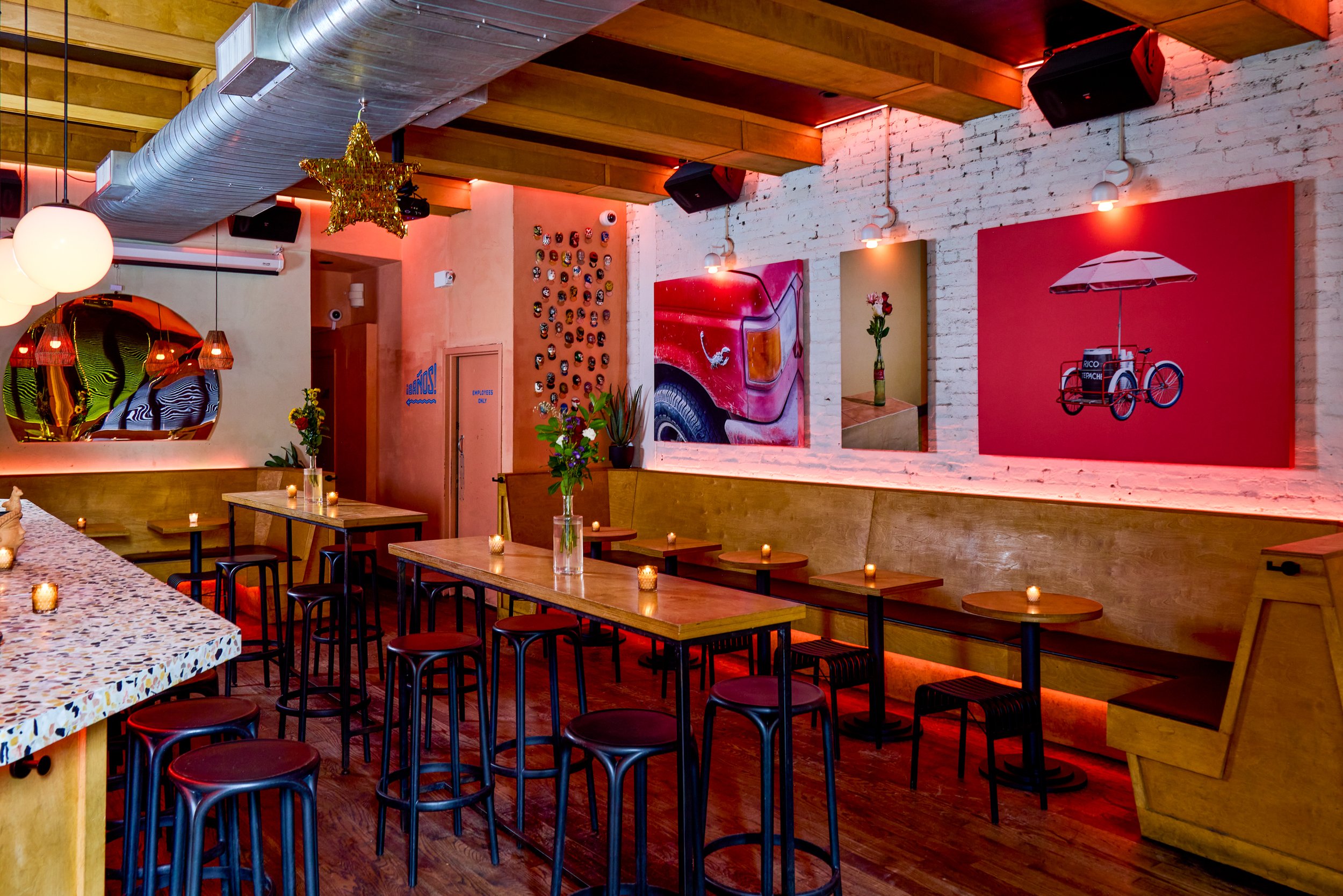
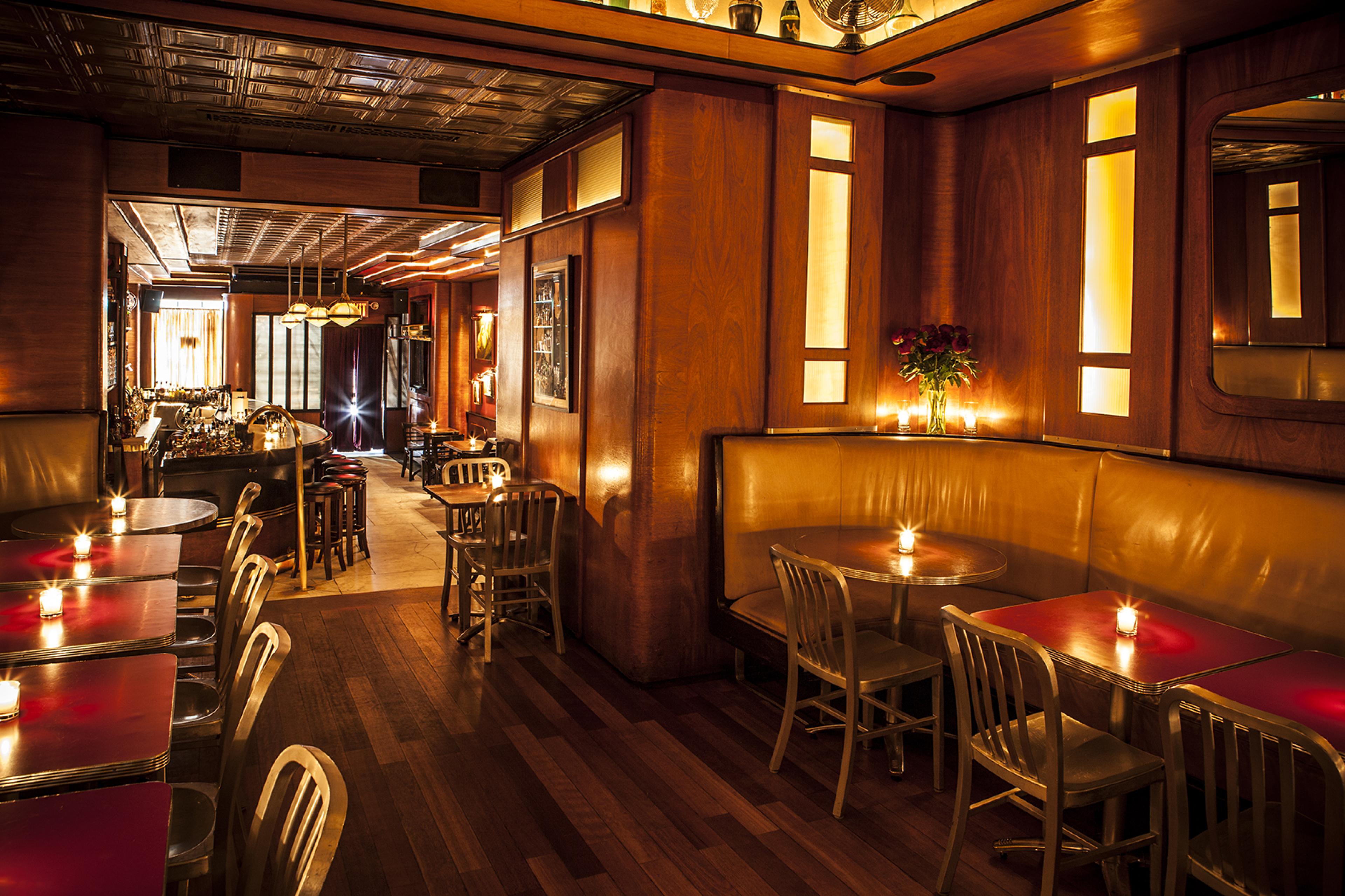
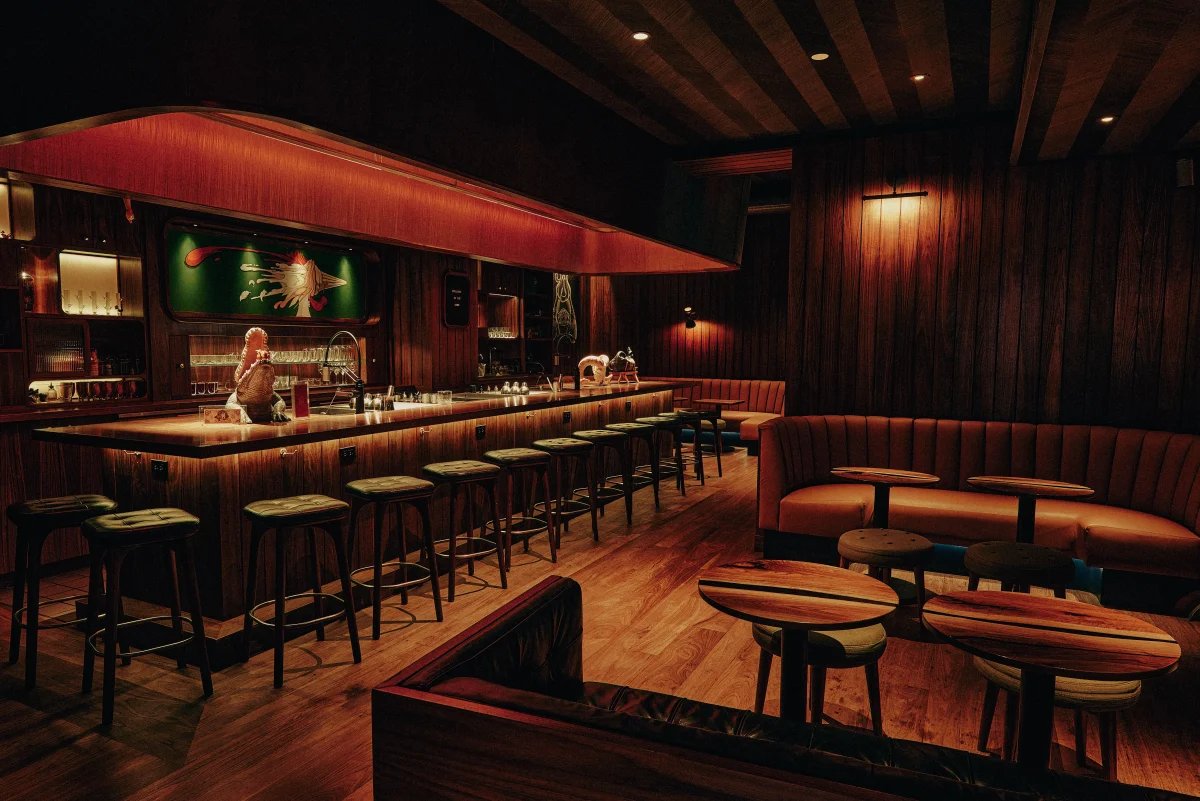
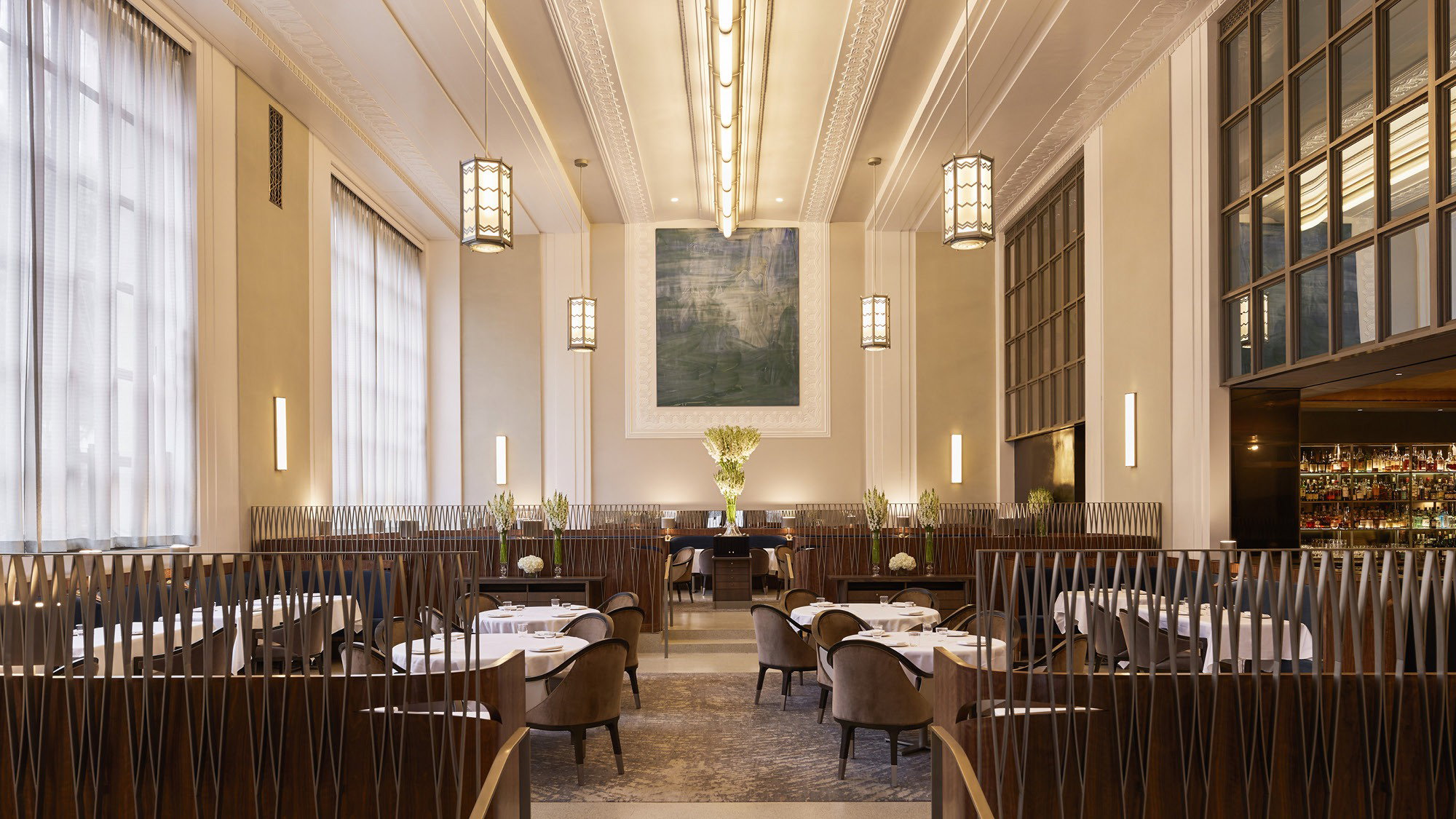
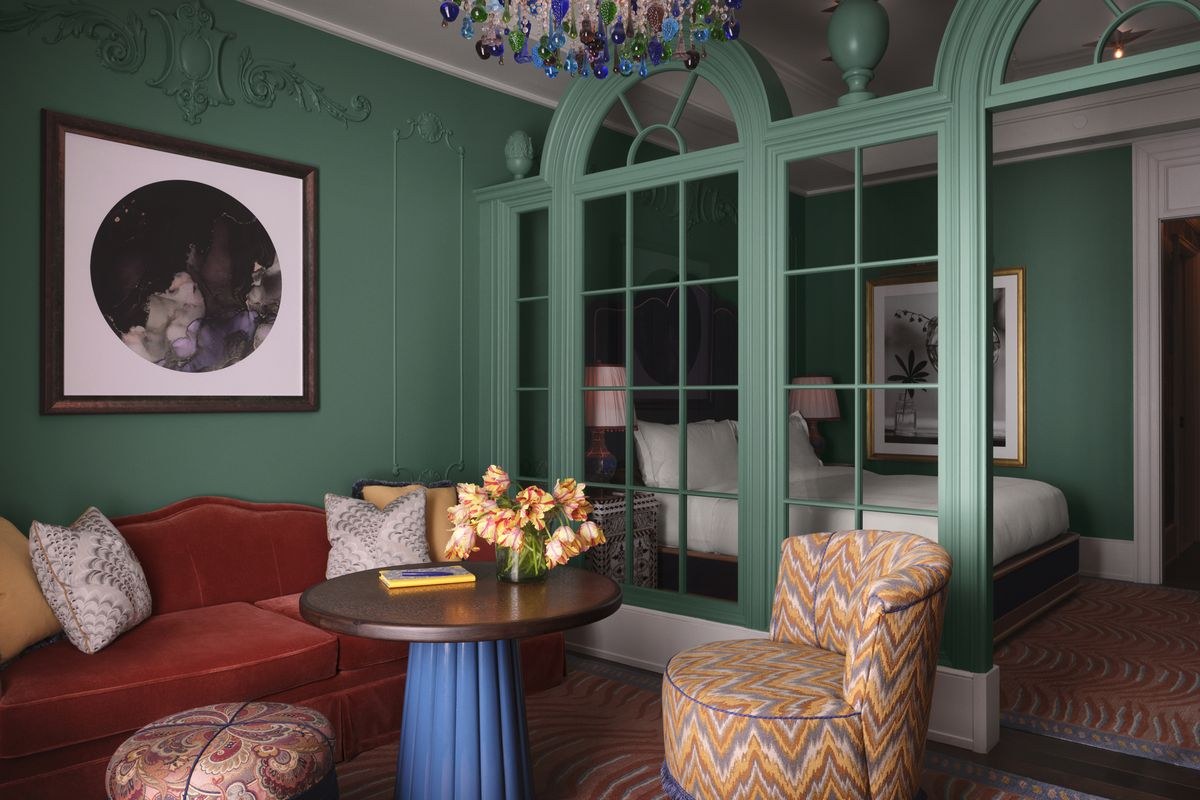
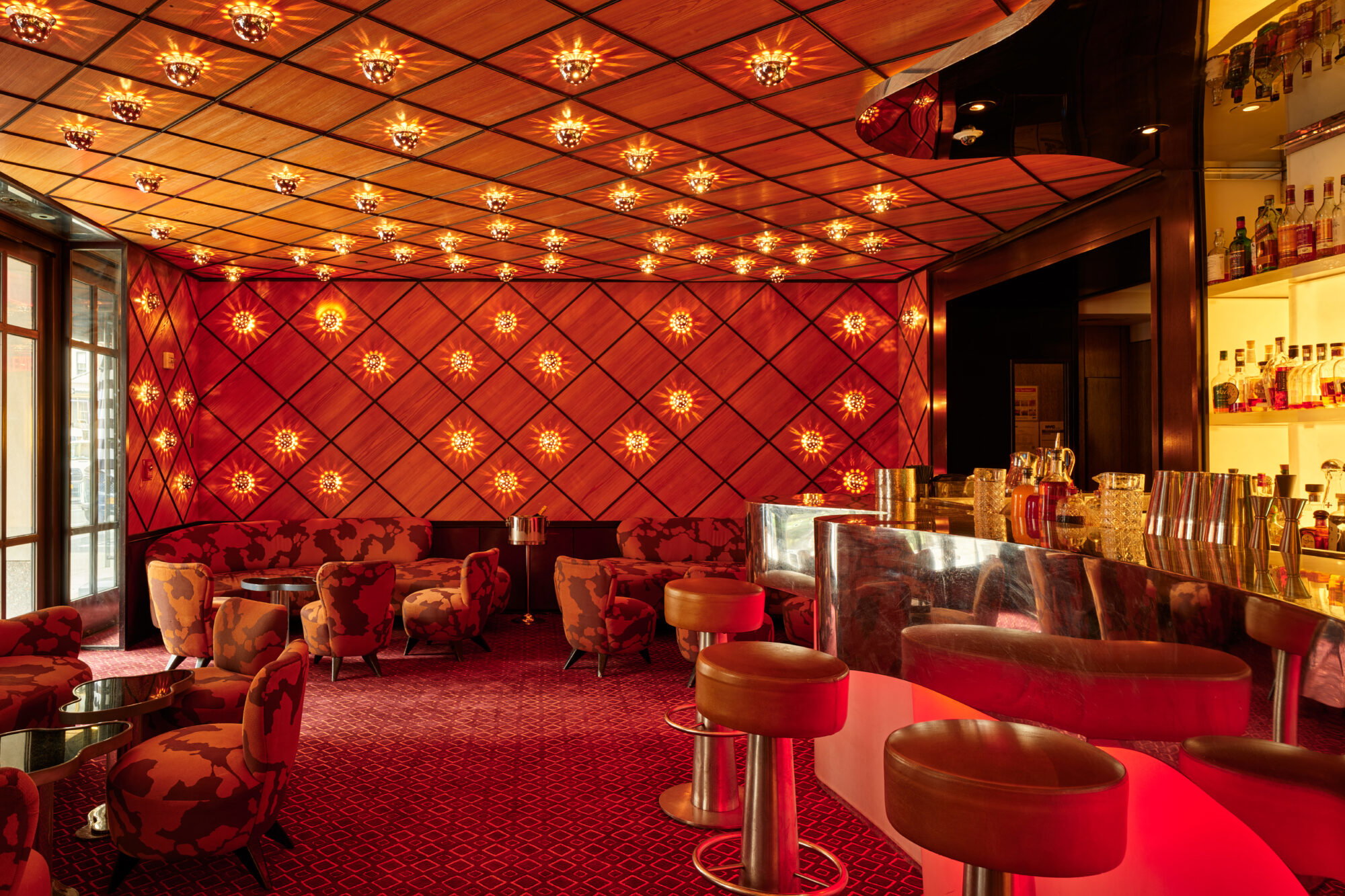
Sophisticated atmosphere with Hudson River views, live music energy, and warm lighting in a music venue and winery setting.
Tags
Vibe
Best For
Experience
Format
View
At the Bar
- Bar Category
- Wine Bar
- Late Night
- Closes by Midnight
- Music
- R&b, Soul, Jazz, Blues, Rock
- Live Music
- Yes
Know before you go
Know Before You Go
- Getting there
- 25 11th Ave, New York, NY 10011
Planning details
Location
25 11th Ave, New York, NY 10011 · Directions
Also consider
Where to go if this is not the right fit
Choose Bessou if the night needs a clearer dinner focus. Choose NBetween if the group wants a more bar-led plan.
Bar context
How it compares for a New York night out
City Winery New York City is the easiest recommendation when the group wants a flexible, wine-leaning evening without treating the booking as the main event. Bessou and Mel's are stronger cross-shops when dinner quality is the point of the night; choose them first for a more food-led plan.
For drinks-first energy, NBetween and Brass Monkey are cleaner comparisons. City Winery New York City is the better fit when the group wants a broader evening that can stretch later, while those peers make more sense for a tighter bar stop.
Dickson's Farmstand Meats is the one to consider when the food component matters more than the room format. City Winery New York City wins on low-friction planning; the others are better when the occasion needs a more specific dining or drinking identity.
Explore New York City
Around this place
Discover more on Pearl
Unlock the full City Winery New York City guide in Pearl, including awards, comparisons, FAQs, planning details, and nearby places.
Compare City Winery New York City
| Venue | Location | Awards |
|---|---|---|
| City Winery New York City | New York City | No published awards |
| Bessou | New York City | No published awards |
| Mel's | New York City | No published awards |
| NBetween | New York City | No published awards |
| Dickson's Farmstand Meats | New York City | No published awards |
| Brass Monkey | New York City | No published awards |
How City Winery New York City compares with similar nearby venues.
FAQ
Frequently Asked Questions
What's the best time to go to City Winery New York City?
Plan around the hours: Monday through Thursday from 12–10 PM, Friday from 12–11 PM, Saturday from 10 AM–11 PM, and Sunday from 10 AM–10 PM. Saturday and Sunday start earlier, while Friday and Saturday are the latest listed nights. Confirm current availability before you go.
Does City Winery New York City have outdoor seating?
Is City Winery New York City good for a date?
It can be considered for a date if the hours and smart-casual dress code fit the plan. If the date depends on a specific dining experience, confirm current details first.
Is the food good at City Winery New York City?
If the group wants a dining-first night, compare current information for Bessou or Dickson's Farmstand Meats and check City Winery New York City's official channels for the latest details.
Is City Winery New York City good for groups?
It may work for groups if the listed hours and smart-casual dress code suit the occasion. The hours include 10 AM starts on Saturday and Sunday and 11 PM closing on Friday and Saturday. NBetween and Brass Monkey may also be worth checking as comparison points.