
Chin Up
Lower East Side, New York City
Bar in New York City, United States
 Book with Pearl
The Read
Price
$20–30per person
Why go
Chin Up is worth considering for a Lower East Side cocktail night when gin is the point, not an afterthought. Its Star Wine List recognition adds a useful trust signal, and the easy booking profile makes it a practical choice for a later round in New York City, especially for pairs or small groups that want a focused drink rather than a broad menu.
About Chin Up
Is Chin Up worth planning for in New York City? Yes if the goal is a focused gin-cocktail night rather than a broad restaurant plan. Chin Up is centered on gin-focused cocktails, follows a smart casual dress code, and keeps evening hours from Tuesday through Saturday.
Chin Up is best approached as a cocktail-focused stop rather than a place to assume dinner, outdoor seating, group capacity, or a specific service style. The clearest reason to choose it is the gin focus. If that is what the group wants, it can anchor the drinks portion of the night; if the group needs a wider food plan or a different kind of venue, compare it with other New York City options before committing.
Use it for the later round, not the opening sprint
Chin Up is closed Monday and Sunday. It opens at 5 PM Tuesday through Saturday, with closing at 12 AM on Tuesday and Wednesday, 1 AM on Thursday, and 2 AM on Friday and Saturday. That schedule makes it most useful as an evening or later-night cocktail stop, especially toward the end of the week. If the plan is dinner before drinks, pair the decision with Our full New York City restaurants guide; if the plan is a broader bar night, keep Our full New York City bars guide open for backups.
Because the concept is built around gin-focused cocktails, Chin Up is strongest when the group is specifically interested in that lane. It is less useful as a catch-all plan for people who primarily want a meal or a venue with many amenities. The safest way to frame it is simple: a New York City cocktail stop with a clear gin focus and late hours on select nights.
Who should choose it over a broader New York City bar plan
Choose Chin Up when the night calls for a focused cocktail stop in New York City and the group does not need the venue to provide a dinner format. For a different kind of New York City night, Ray's, Banzarbar, Fig. 19, Peasant, and The Butcher's Daughter can be considered depending on the rest of the plan. Chin Up is the more direct fit when gin-focused cocktails are the point.
For visitors building a full New York City trip, this should sit in the drinks slot, not carry the whole itinerary. Use Our full New York City hotels guide for the stay, and use broader New York City guides for daytime planning and backup dining or drinking options.
Planning details
- Location
- 171 Chrystie St, New York, NY 10002
- Reservations
- Book on Resy
- Website
- chinupbarnyc.com
The take
The Take
The Vibe
Chin Up presents a focused, intimate bar experience built around a single spirit category: gin. The writing emphasizes the bar’s editorial discipline — a program organized by gin style rather than a broad spirit list — and its 2026 Star Wine List recognition signals serious beverage credentials. The Lower East Side location places it in a corridor known for experimentation, so the atmosphere reads as purposeful and quietly confident rather than flashy. Service is technical and informed; pacing is deliberate, inviting guests to linger at the counter and engage with the bartenders’ knowledge of botanical variations and regional expressions.
Best For
This bar is best for guests who want a thoughtful, category-driven drinking experience rather than a grab-and-go cocktail. The write-up frames Chin Up for people who appreciate deep dives into style distinctions — London Dry versus contemporary botanical, navy strength versus lower-ABV expressions — and who enjoy a bartender-led sequence of drinks. Its recognition for beverage program quality suggests it appeals to serious spirit enthusiasts and curious visitors who value sourcing, service knowledge, and a measured pace that encourages tasting and discussion.
Ordering Tips
Ordering here starts with gin style, not spirit category; orient conversations around botanical profile, origin, and strength. Expect the bartender to guide a sequence: a classical expression early on, then more adventurous or regionally distinct bottles later in the visit. Because the program favors deliberate pacing, plan to sample rather than rush; ask questions about Old World versus American and Asian producers to refine your next pour. The format privileges an engaged exchange with staff, so come ready to describe preferences and to follow a curated tasting path through the list.
Venue details
Ambiance
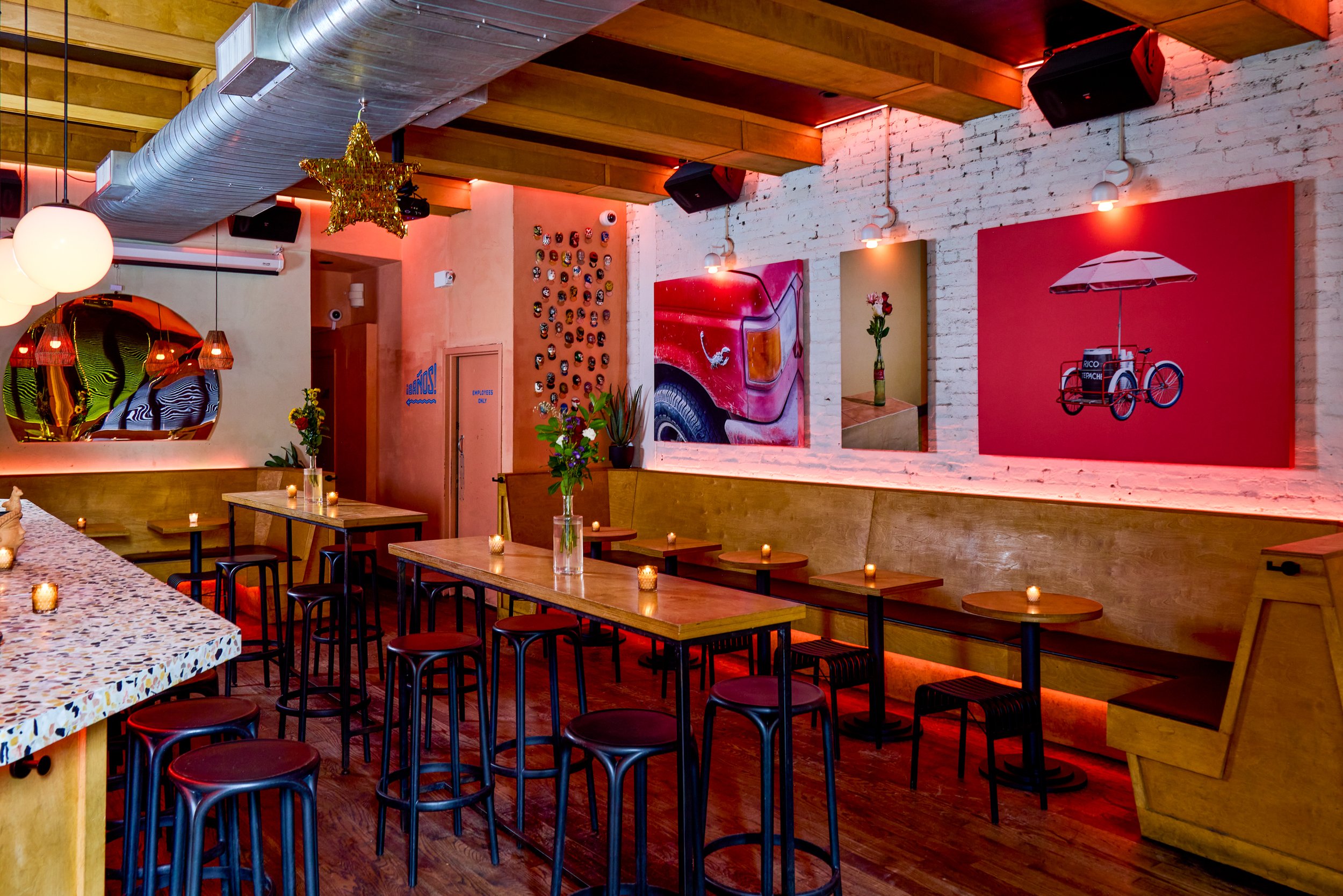
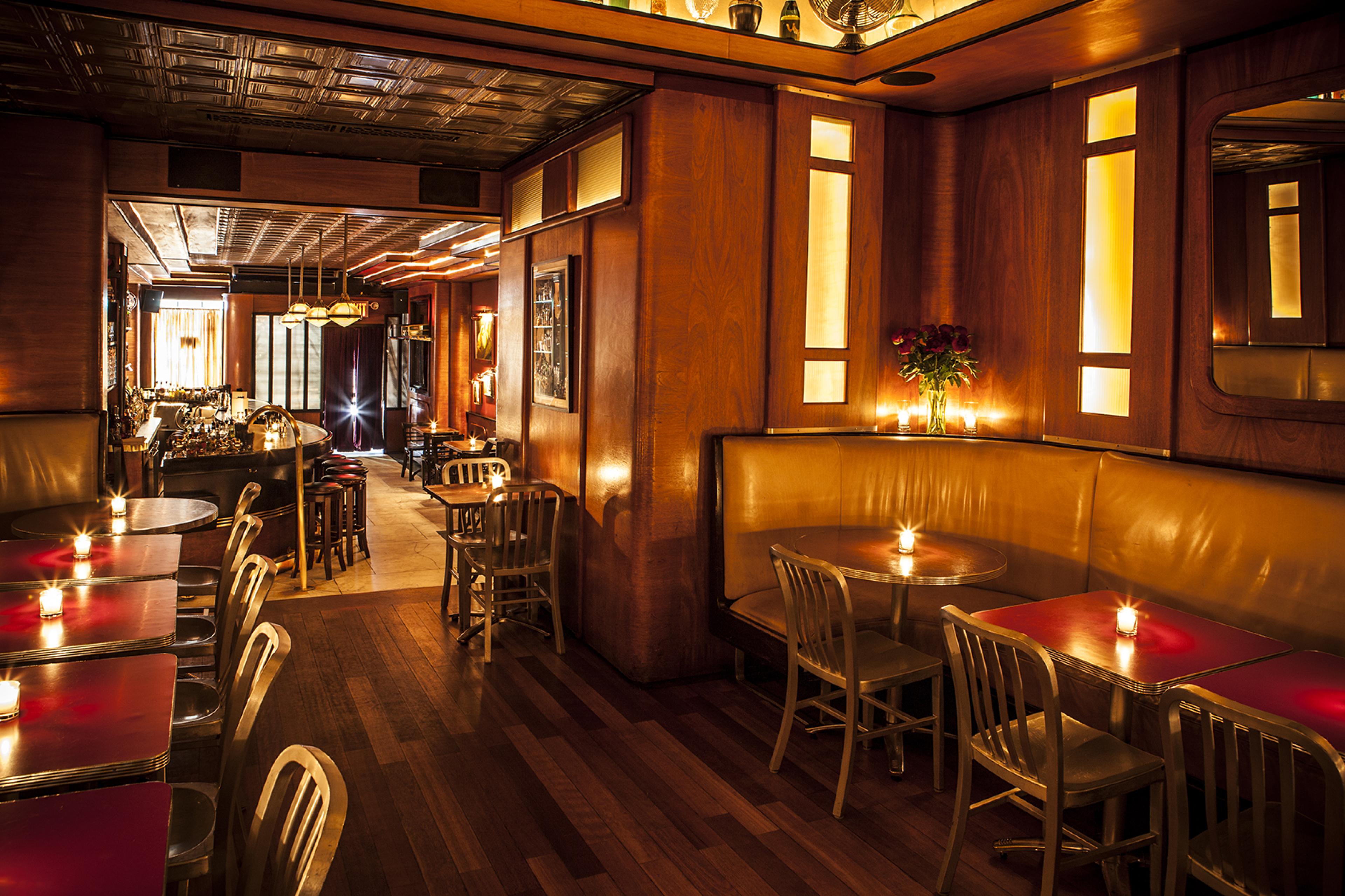
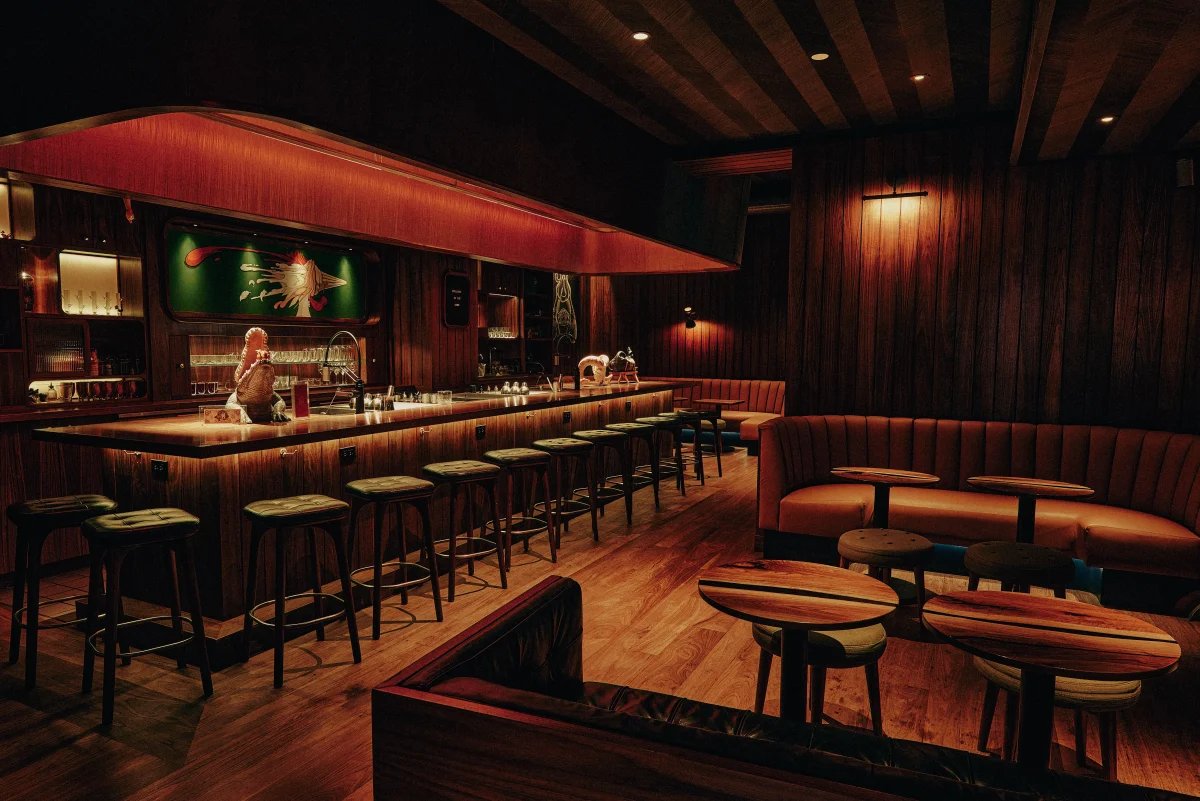
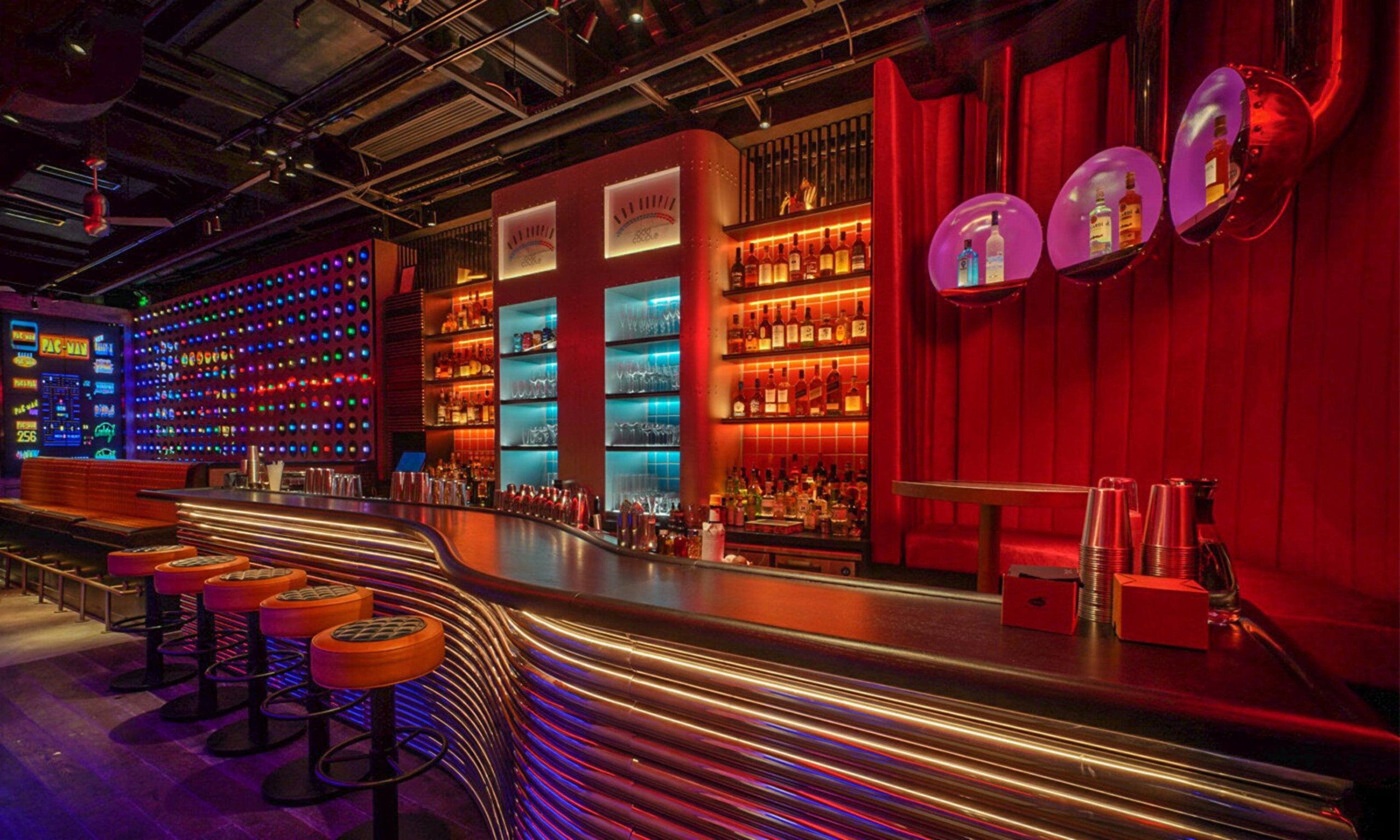
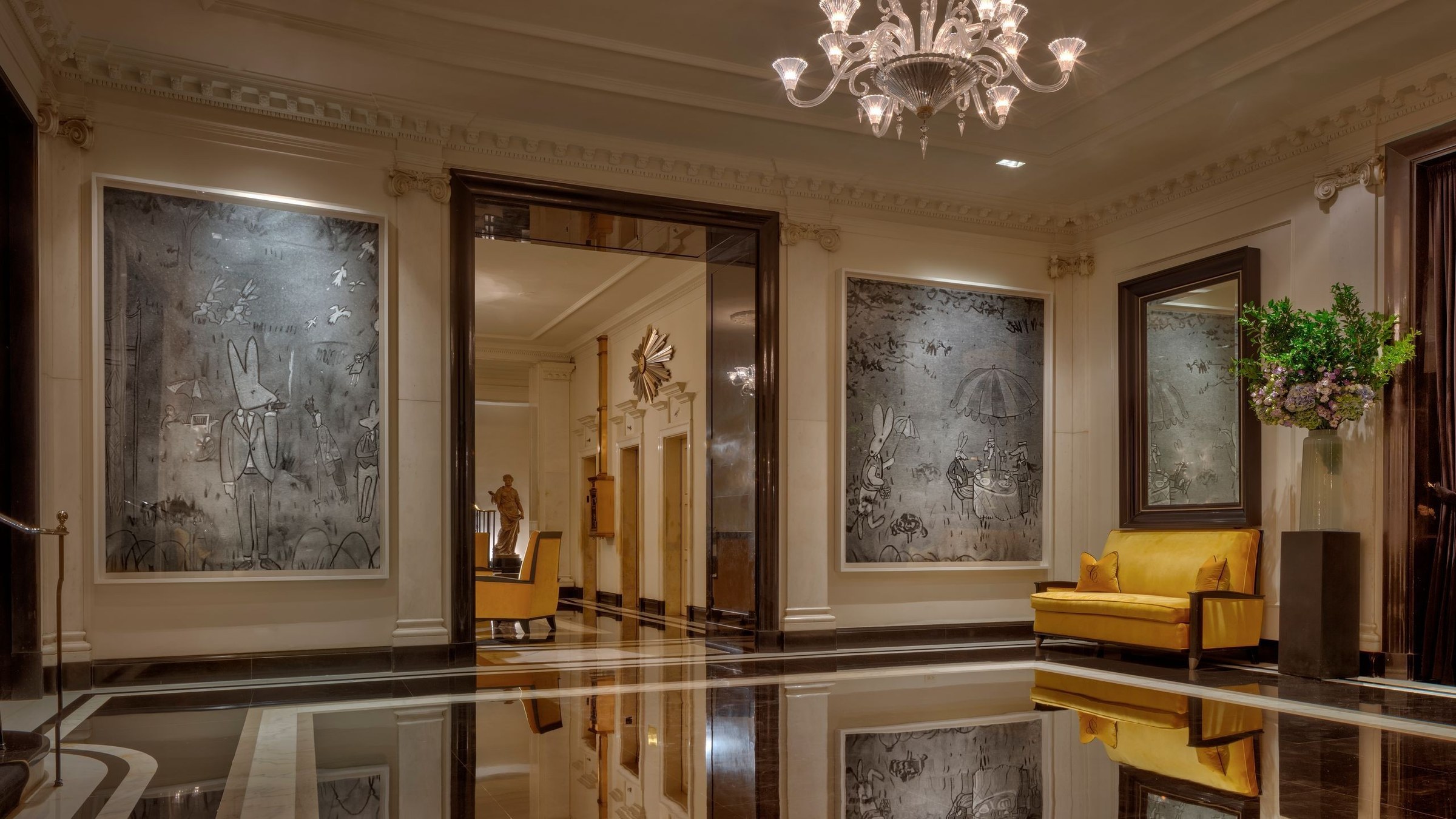
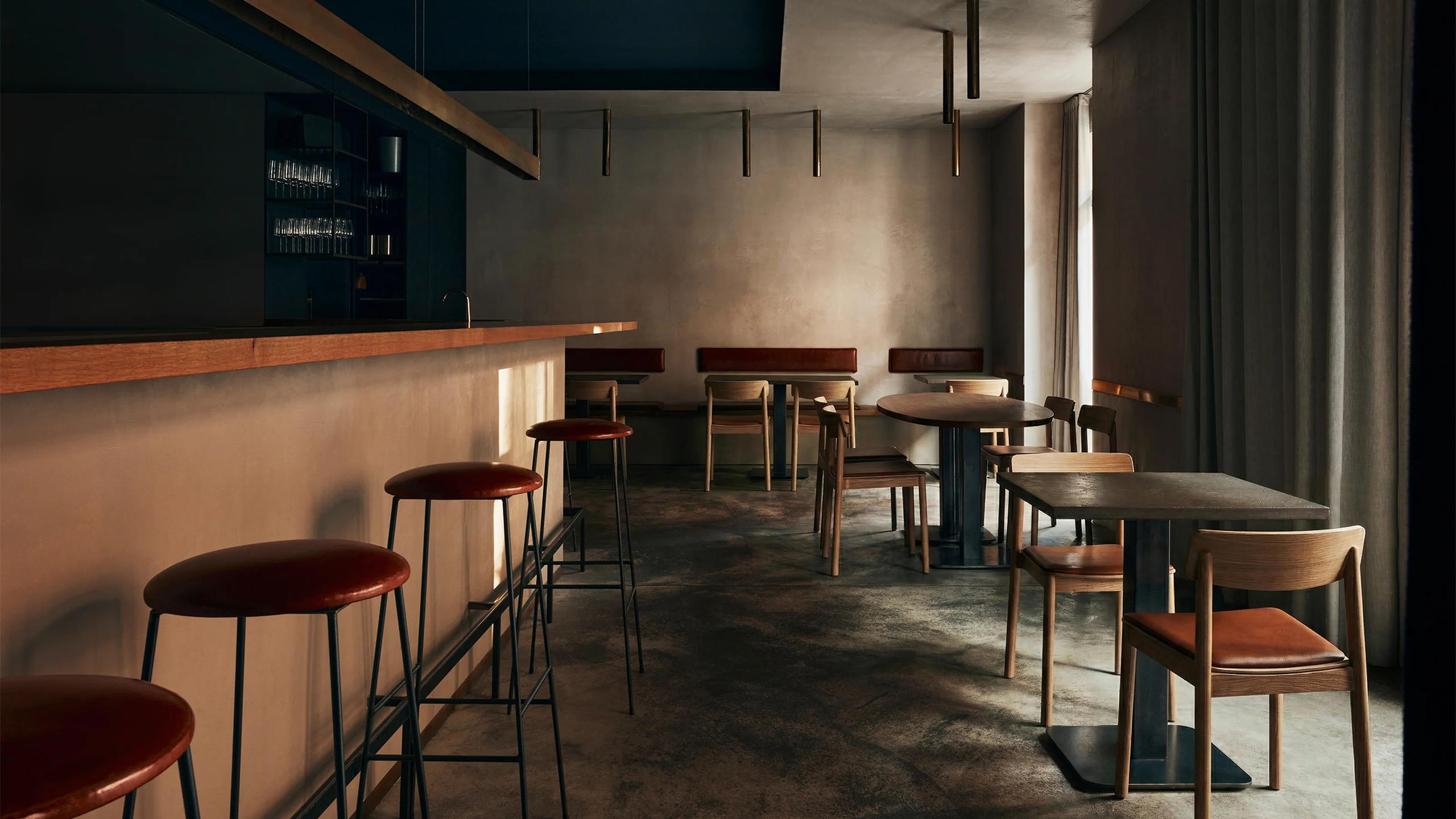
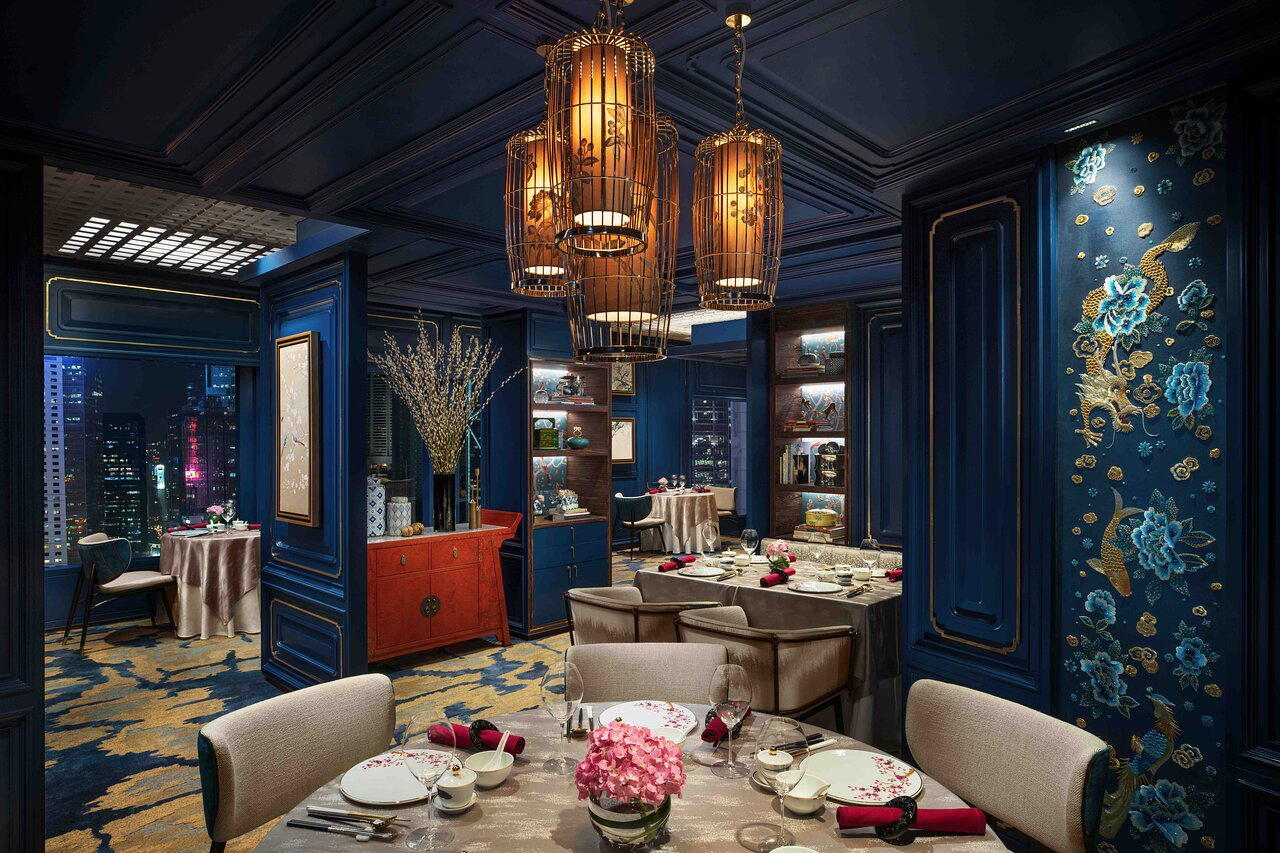
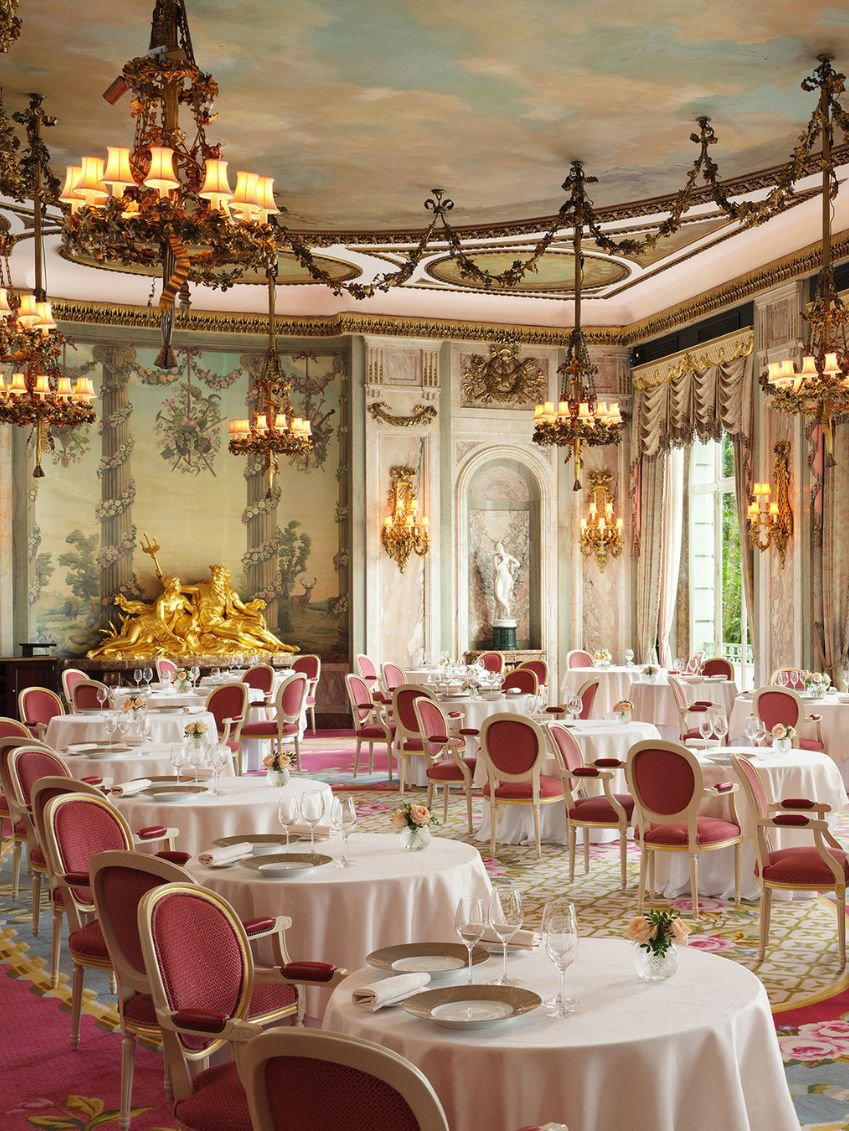
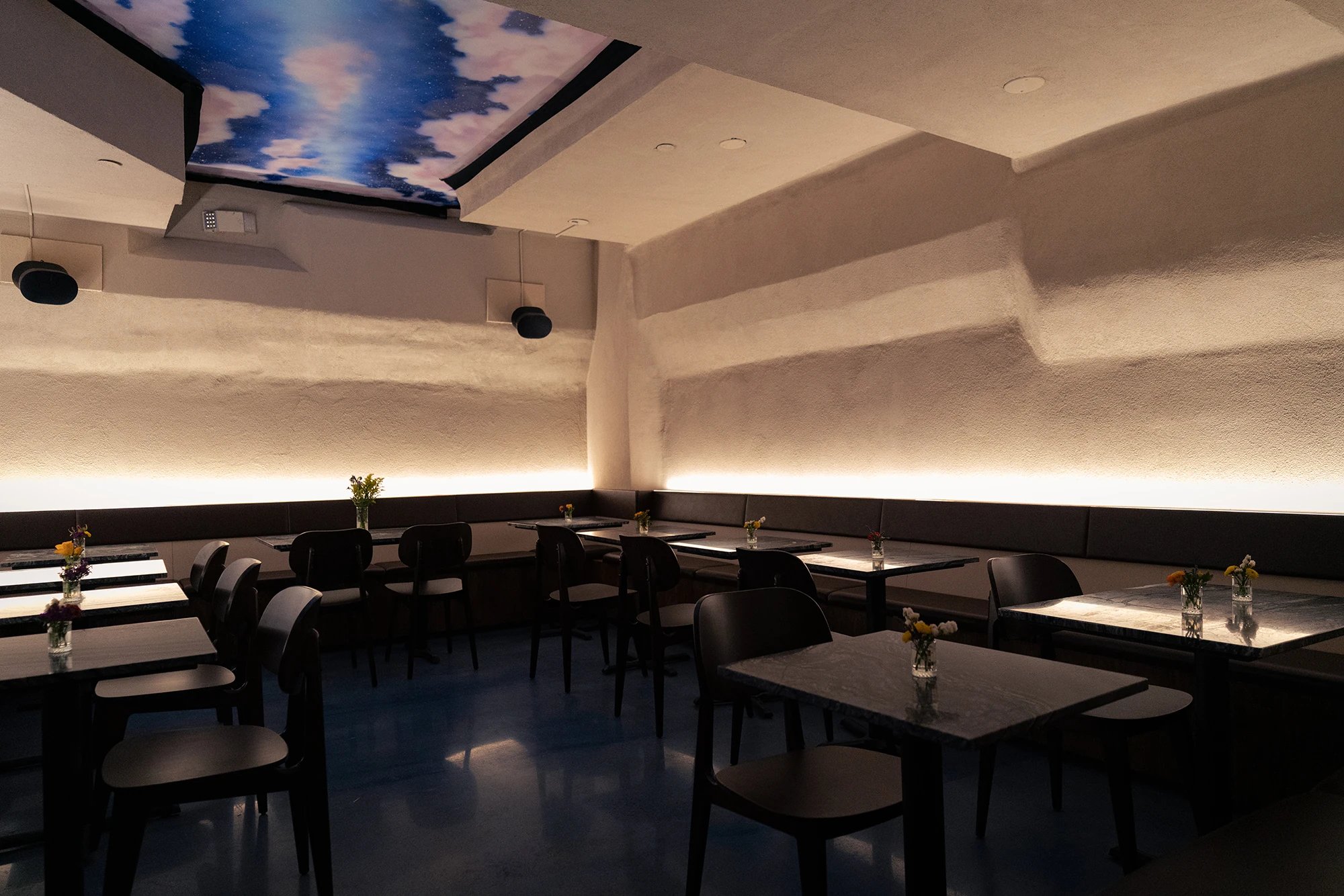
Sculptural space with cave-like white stucco walls, high vaulted ceilings featuring sky murals, and subtle greenery touches creating a calm, other-worldly atmosphere inspired by New York landmarks.
Tags
Vibe
Best For
Experience
Format
At the Bar
- Bar Category
- Cocktail Bar
- Spirits Focus
- Gin
Signature Pours
- Rendezvous in Chennai
- Saturn
Know before you go
Know Before You Go
- Getting there
- 171 Chrystie St, New York, NY 10002
Planning details
Location
Recognition and awards

Also consider
If Chin Up is not the right fit
Try Banzarbar if the group wants a more structured cocktail night, or Fig. 19 if the priority is a downtown room with a more tucked-away feel. For a more casual backup, Ray's is the safer social choice.
Bar context
How Chin Up compares in New York City
Choose Chin Up when the group wants a gin-led cocktail stop with an easy booking profile. Ray's is the better fit for a looser, more casual bar night, while Banzarbar is the more deliberate choice if the priority is a more structured cocktail experience.
Peasant makes more sense when the evening needs food attached to the drinks plan. The Butcher's Daughter is better for a lighter, daytime-leaning or wellness-adjacent group, while Chin Up is the sharper call for a night built around spirits.
If the group wants a discreet downtown-feeling room, cross-shop Fig. 19. Chin Up wins when gin is the deciding factor; Fig. 19 is more useful when the room itself is the draw and the drink category matters less.
Explore New York City
Around this place
Discover more on Pearl
Unlock the full Chin Up guide in Pearl, including awards, comparisons, FAQs, planning details, and nearby places.
Compare Chin Up
| Venue | Location | Cuisine | Awards |
|---|---|---|---|
| Chin Up | New York City | Gin-focused cocktails | Star Wine Lists 2026 |
| Ray’s | New York City | No published awards | , |
| Banzarbar | New York City | Pearl Recommended Bars | , |
| Peasant | New York City | No published awards | , |
| The Butcher's Daughter | New York City | No published awards | , |
| Fig. 19 | New York City | No published awards | , |

How Chin Up New York City compares with similar nearby venues.
FAQ
Frequently Asked Questions
Is Chin Up open late?
Yes. Chin Up is open until 12 AM on Tuesday and Wednesday, 1 AM on Thursday, and 2 AM on Friday and Saturday. It is closed Monday and Sunday.
Do I need a reservation at Chin Up?
Is Chin Up good for groups?
Does Chin Up have happy hour deals?
Chin Up does not list happy hour deals here. Treat Chin Up as a gin-focused cocktail stop and check directly with the venue for current pricing or promotions.
What's the best time to go to Chin Up?
Chin Up opens at 5 PM Tuesday through Saturday. Thursday through Saturday offer the latest closing times, with service listed until 1 AM on Thursday and 2 AM on Friday and Saturday.
Does Chin Up have outdoor seating?
What's the crowd like at Chin Up?
What is confirmed is that Chin Up is a New York City venue focused on gin cocktails, with smart casual dress code guidance and Star Wine List recognition in 2026.