Cafe Erzulie
Bedford-Stuyvesant (East), New York City
Bar in New York City, United States
 Book with Pearl
The Read
Price
$20–30per person
Why go
Cafe Erzulie is a practical Brooklyn pick for a casual evening when flexibility matters more than a formal dining or cocktail agenda. Treat it as a social bar-led hangout, not a food destination; cross-shop BOYFRIEND co-op café + bar for a café-bar feel, Rosie Pizza Bar for food, and The Narrows or Orion Bar for a clearer drinks focus.
About Cafe Erzulie
Should you go to Cafe Erzulie? Consider it if you are looking for a casual New York City venue with evening and late-night hours, especially when the goal is to keep the night open-ended rather than schedule every detail in advance. Cafe Erzulie has a casual dress code, is closed Monday and Tuesday, opens Wednesday through Sunday, and runs especially late on Thursday, Friday, and Saturday. The safest way to plan is to treat it as a flexible evening option rather than a tightly defined dining or cocktail destination.
The clearest practical reason to consider Cafe Erzulie is its schedule. It is open Wednesday 7–11 PM, Thursday 7 PM–2 AM, Friday 7 PM–4 AM, Saturday 4 PM–4 AM, and Sunday 4–11 PM. That makes it more useful for later plans than for daytime use, and the casual dress code keeps the planning simple because there is no need to treat it like a formal occasion. If you want to compare it with other options, The Narrows, Orion Bar, BOYFRIEND co-op café + bar, Rosie Pizza Bar, and The Three Diamond Door are natural names to consider depending on the kind of night you want.
Go for a casual New York City evening, not a fully mapped-out meal
Cafe Erzulie works best when expectations stay simple. Keep the plan flexible rather than building it around a specific cuisine type, chef name, price range, award, menu format, seat count, or reservation policy. It is a casual New York City venue with service concentrated in the evening and late night. That makes it most legible as a possible stop in a loose night out, rather than the centerpiece of a plan that depends on specific dishes, drinks, timing, or table logistics. If you want to compare it with other options, consider Rosie Pizza Bar, The Narrows, Orion Bar, The Three Diamond Door, or BOYFRIEND co-op café + bar based on the kind of plan you are making.
For readers comparing broader New York City options, use our full New York City bars guide first, then branch into our full New York City restaurants guide if dinner is the deciding factor. Hotel-led nights belong in our full New York City hotels guide, while non-bar plans sit better in our full New York City experiences guide. The short version: Cafe Erzulie is worth considering for a casual evening or late-night plan, but not one that depends on a specific food program, drinks identity, awards, pricing, or service format. Plan around the hours and casual dress code, then leave room for adjustment.
Planning details
- Location
- 894 Broadway, Brooklyn, NY 11206
- Website
- cafeerzulie.com
- Phone
- +1 718 450 3255
The take
The Take
The Vibe
Cafe Erzulie presents a focused, culturally specific take on Haitian cooking that reads as both serious and contemporary. Anchored on Broadway in Bushwick, the restaurant signals specificity through its name and mission, invoking Haitian cultural references rather than a generalized Caribbean palette. The kitchen pairs respect for origin with a New York ingredient‑led mindset, so the overall feel is deliberate and sophisticated rather than purely nostalgic. It sits comfortably within Brooklyn’s current dining conversation: rooted in diaspora tradition while engaging modern technique and sourcing, drawing diners who want a thoughtful, cuisine‑first experience.
Best For
This is a destination for diners seeking concentrated Haitian cuisine presented with contemporary technique. Because it distinguishes itself from casual lunch counters and broader pan‑Caribbean formats, it attracts guests from beyond the immediate neighborhood and suits evenings when people want a full-service, restaurant‑level meal. It works well for small groups curious to explore a focused menu and for diners interested in diaspora cooking treated with care. The positioning and attention to sourcing make it a strong pick for anyone looking to experience Haitian flavors in a Brooklyn setting that takes that lineage seriously.
Ordering Tips
Approach the menu with an openness to dishes that foreground Haitian specificity rather than pan‑Caribbean generalities. Servers and staff are the best guides to how the kitchen balances traditional references with contemporary technique, so ask for recommendations and for dishes that showcase the house’s point of view. Given the restaurant’s role as a focused address for Haitian food, consider visiting with companions to sample multiple plates and get a broader sense of the kitchen’s take on its culinary roots.
Venue details
Ambiance
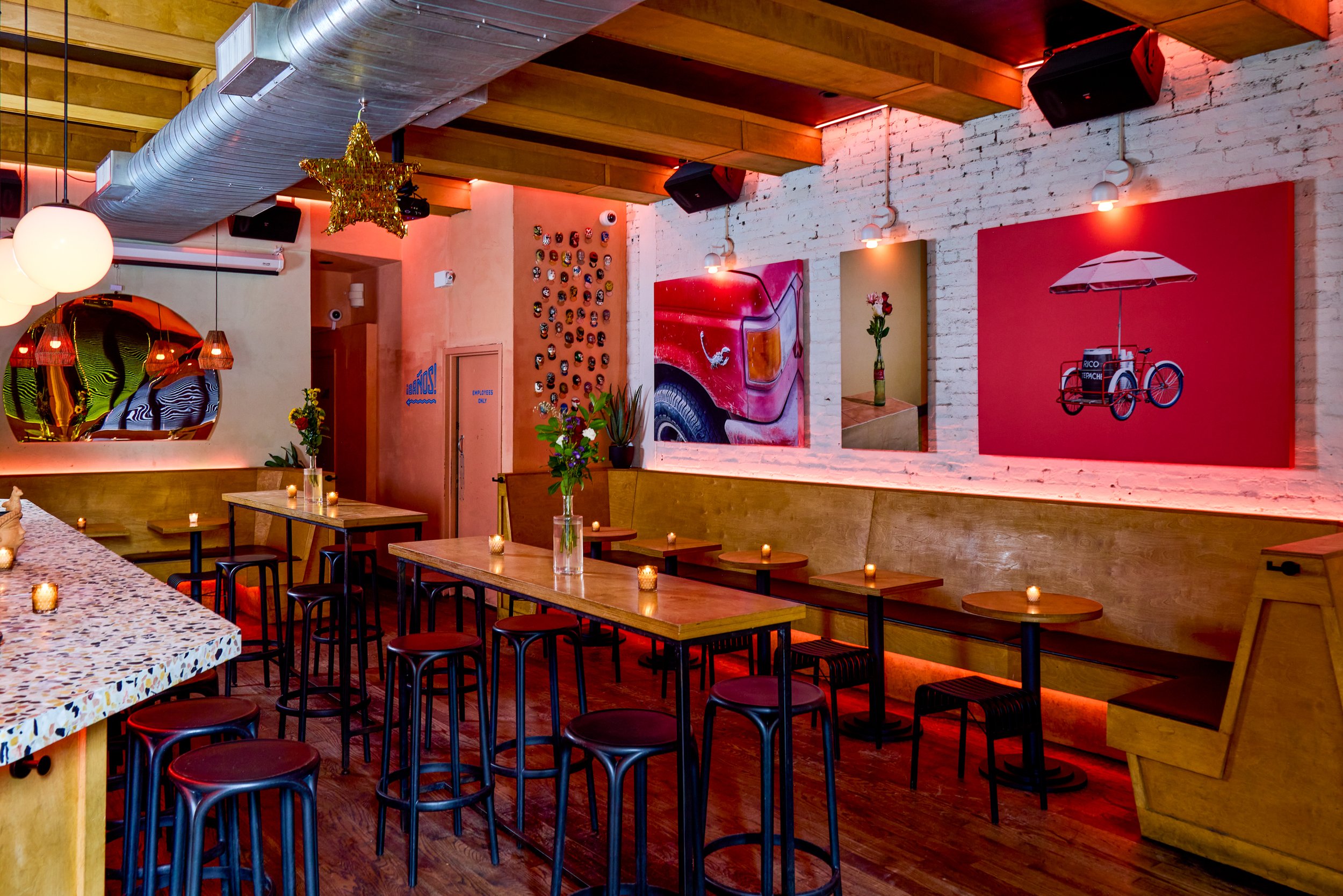
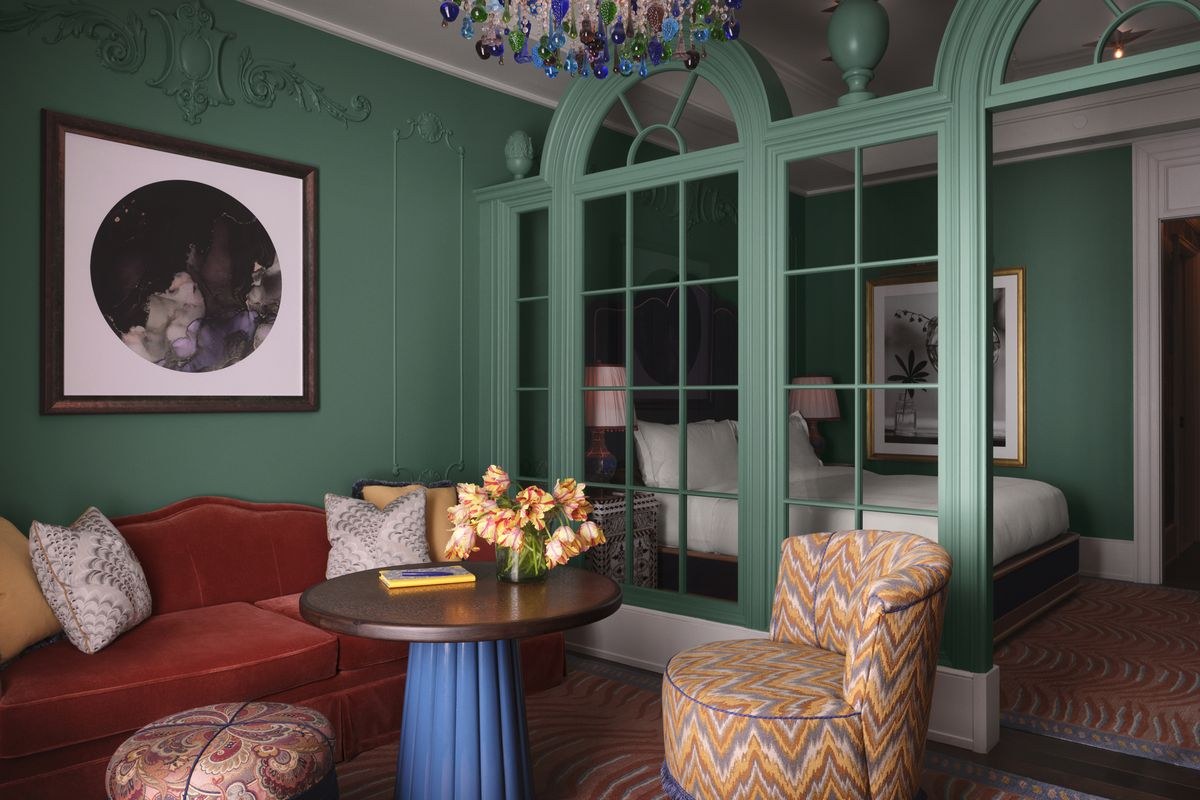
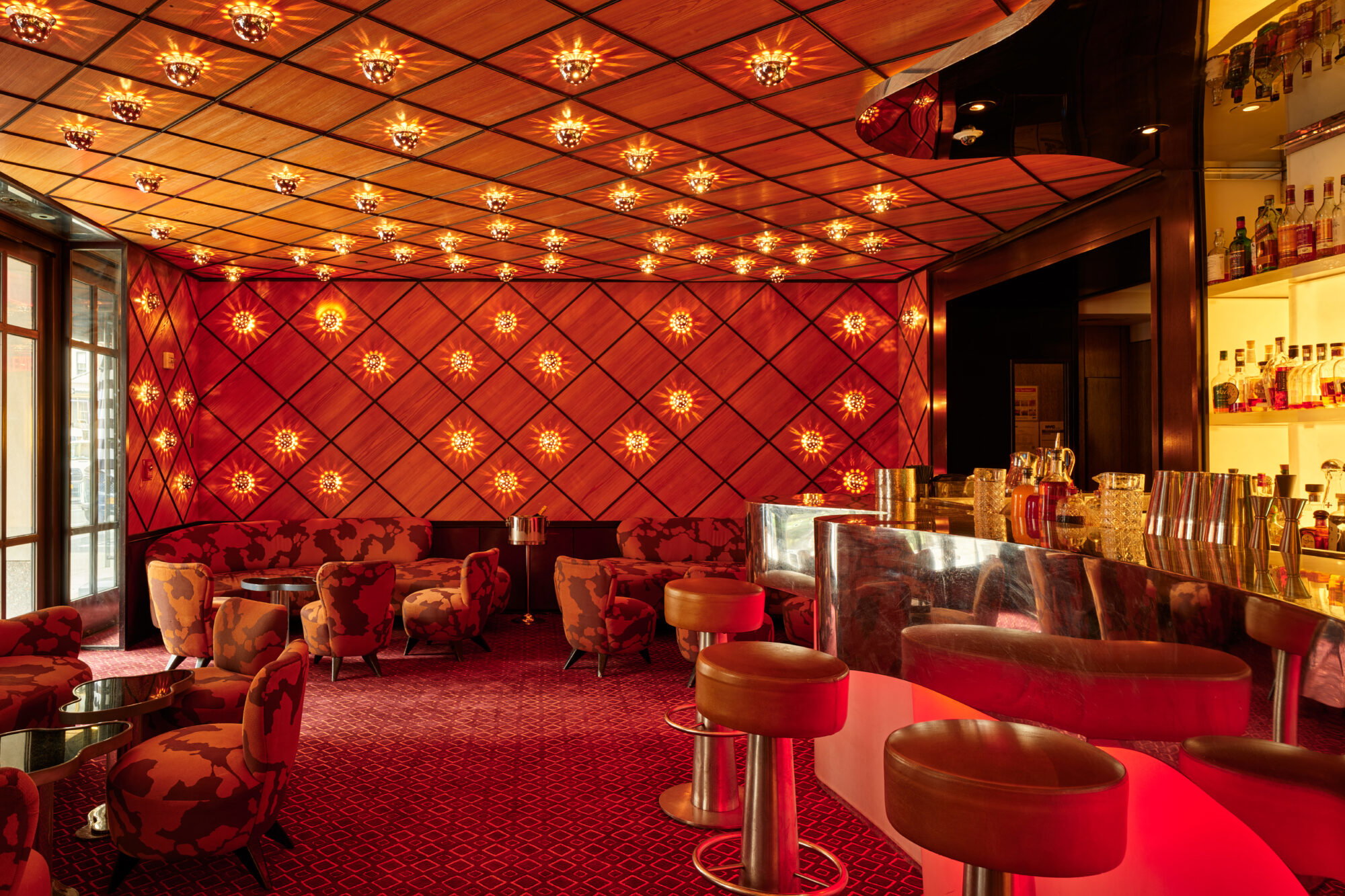
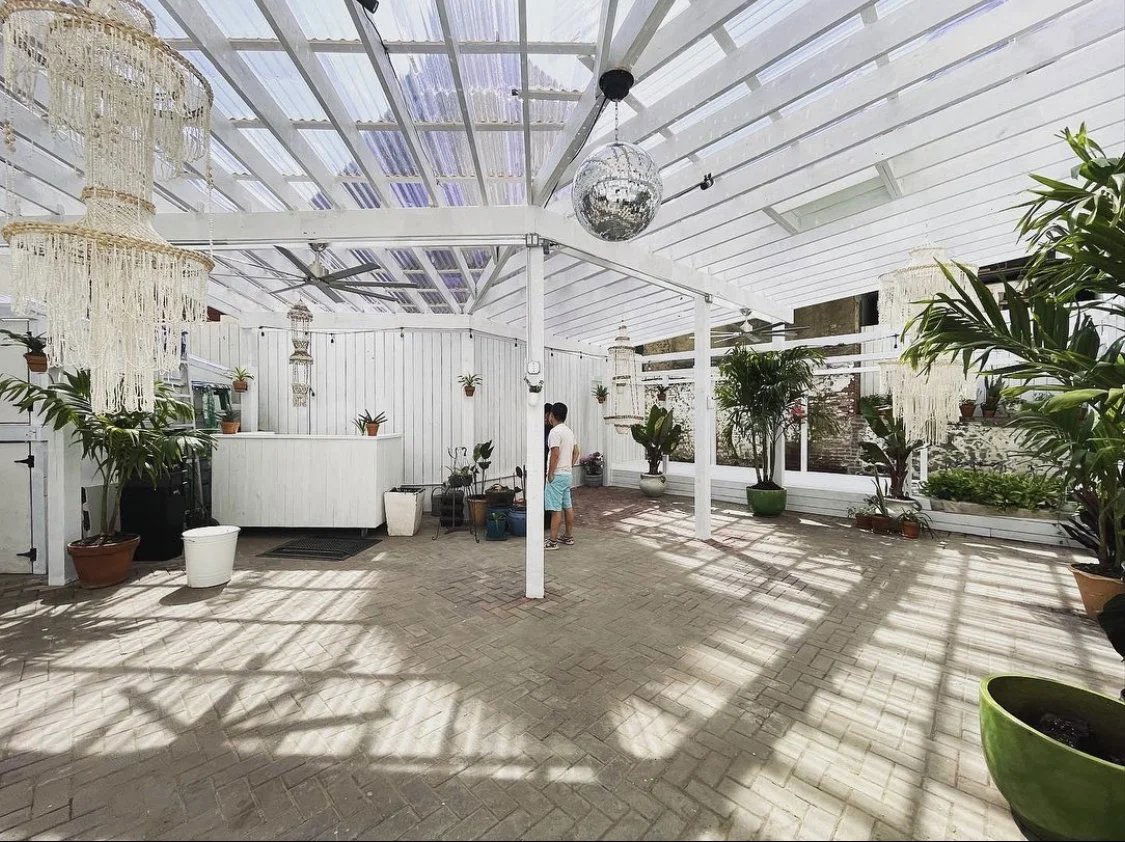
Candy-colored tropical oasis with enchanting vibes, lush backyard garden, and lively atmosphere blending Haitian culture and Brooklyn energy.
Tags
Vibe
Best For
Experience
Format
View
At the Bar
- Bar Category
- Cocktail Bar
- Late Night
- Open Until 4am
- Music
- Jazz, Caribbean, Dj Sets
- Live Music
- Yes
- Spirits Focus
- Rum
Signature Pours
- Summer Sorrel
- Smokey Palomas
Know before you go
Know Before You Go
- Getting there
- 894 Broadway, Brooklyn, NY 11206
Planning details
Location
Also consider
Also Consider
- BOYFRIEND co-op café + bar, Notable alternative
- Rosie Pizza Bar, Notable alternative
- The Narrows, Notable alternative
- Orion Bar, Notable alternative
- The Three Diamond Door, Notable alternative
Bar context
How Cafe Erzulie Compares
Choose Cafe Erzulie when the plan is loose and social: it reads as an easier Brooklyn night-out option than a reservation-heavy destination. BOYFRIEND co-op café + bar is the closest alternative for readers who want a café-bar rhythm, while Rosie Pizza Bar is the better choice when food needs to carry the evening.
For a stronger cocktail-bar decision, look at The Narrows or Orion Bar instead. Those make more sense when the drinks program and room identity matter more than flexibility. Cafe Erzulie is the value-minded pick for groups that want a relaxed base rather than a tightly scripted bar experience.
The Three Diamond Door is the other practical cross-shop for a casual Brooklyn bar night. If availability is the main concern, Cafe Erzulie looks easier to treat as a drop-in candidate than the more plan-ahead cocktail options, but diners who need a defined meal should start with Rosie Pizza Bar.
Explore New York City
Around this place
Discover more on Pearl
Unlock the full Cafe Erzulie guide in Pearl, including awards, comparisons, FAQs, planning details, and nearby places.
Compare Cafe Erzulie
| Venue | Location | Awards |
|---|---|---|
| Cafe Erzulie | New York City | No published awards |
| BOYFRIEND co-op café + bar | New York City | No published awards |
| Rosie Pizza Bar | New York City | No published awards |
| The Narrows | New York City | No published awards |
| Orion Bar | New York City | No published awards |
| The Three Diamond Door | New York City | No published awards |
How Cafe Erzulie New York City compares with similar nearby venues.
FAQ
Frequently Asked Questions
Is Cafe Erzulie open late?
Yes. It is closed Monday and Tuesday, then open Wednesday 7–11 PM, Thursday 7 PM–2 AM, Friday 7 PM–4 AM, Saturday 4 PM–4 AM, and Sunday 4–11 PM.
Is Cafe Erzulie good for a date?
It may suit a casual evening or late-night date if the schedule fits your plan. The dress code is casual, and the hours run late on Thursday, Friday, and Saturday. For a more structured meal date, choose a venue whose cuisine, menu, and reservation process match the plan.