Brouwerij Lane
Greenpoint, New York City
Bar in New York City, United States
 Book with Pearl
The Read
Price
$20–30per person
Why go
Brouwerij Lane is a practical Greenpoint pick for a casual drinks-first stop, especially when ease matters more than a fully planned dinner. Treat it as a beer-bar option rather than a food-led booking, since no confirmed menu or price tier is available here.
About Brouwerij Lane
Brouwerij Lane is a New York City venue with a casual dress code and afternoon-to-evening hours. The safest way to plan around it is to use the practical details rather than assuming a specific food program, service style, price tier, or drinks focus.
The value case is direct: if your plans depend on a full meal, a particular menu, specials, seating format, or dietary accommodations, confirm those details directly before going. Brouwerij Lane is best treated as a casual stop with known hours, not as a venue for dining or specific service details.
Choose it for a casual New York City stop, not a food-led night
The appeal is practical rather than elaborate: Brouwerij Lane has a casual dress code and operates daily, opening at 2 PM Monday through Friday and at 12 PM on Saturday and Sunday. Closing is 10 PM Sunday through Thursday and 11 PM on Friday and Saturday.
If the question is “Should this be dinner?”, confirm the current food offering before building the night around it. If the question is “Can this fit into a relaxed New York City plan?”, its hours and casual dress code make that easier to judge. For broader planning, use Our full New York City bars guide, or cross-check dinner options in Our full New York City restaurants guide.
Where it fits in a New York City night out
Brouwerij Lane does not feature a chef, cuisine, menu format, price tier, seating count, happy hour, outdoor seating, or specific drinks program. That does not make it a bad choice; it simply means planning should stay centered on its known details: New York City, casual dress code, and daily hours.
Travelers building a fuller New York City trip can pair the search with Our full New York City hotels guide. If the night needs a different kind of stop, compare its basics with other options such as Bar Americano, El Pingüino, GiGi's, Million Goods, or Sonny's Corner, then check each venue's current details before committing.
Planning details
- Location
- 78 Greenpoint Ave, Brooklyn, NY 11222, USA
- Website
- brouwerijlanenyc.com
- Phone
- +1 347 529 6133
The take
The Take
The Vibe
Brouwerij Lane presents a low-key, neighborhood-minded take on Brooklyn beer culture. The bar leans on depth of selection and staff knowledge rather than spectacle, creating a relaxed, casually sophisticated atmosphere. It fits squarely in Greenpoint’s strip of unpretentious drinking spots — the kind of place that rewards attention to taps and provenance. Instead of flashy cocktails or theatrical service, the focus is on fermentation culture, curated draft lists and a steady, consistent program. The result is an approachable yet informed local bar that feels both comforting and discerning to people who care about beer.
Best For
This is a bar for people who come for the beer rather than the show: after-work evenings, casual hangouts with friends, and visits by beer-curious locals who appreciate a carefully maintained draft list. Brouwerij Lane sits in the neighborhood rhythm of Greenpoint, so it’s well suited to regulars and visitors who want a serious beer program without ceremony. It appeals particularly to patrons who notice provenance and flavor profiles and value staff who can explain what’s on tap. The setting rewards lingering and conversation rather than loud, transient crowds.
Ordering Tips
Expect a curated draft list and staff who know the beers — the description emphasizes 'selection depth' and 'staff knowledge' about flavor and provenance. Ask the bartenders for recommendations based on flavor interests or provenance, and mention styles you like to get a thoughtful pour. Because the operation is positioned as a specialist craft beer bar, approach ordering as you would at any focused beer bar: seek guidance, try single pours to sample new taps, and rely on staff expertise to navigate rotating selections.
Venue details
Ambiance
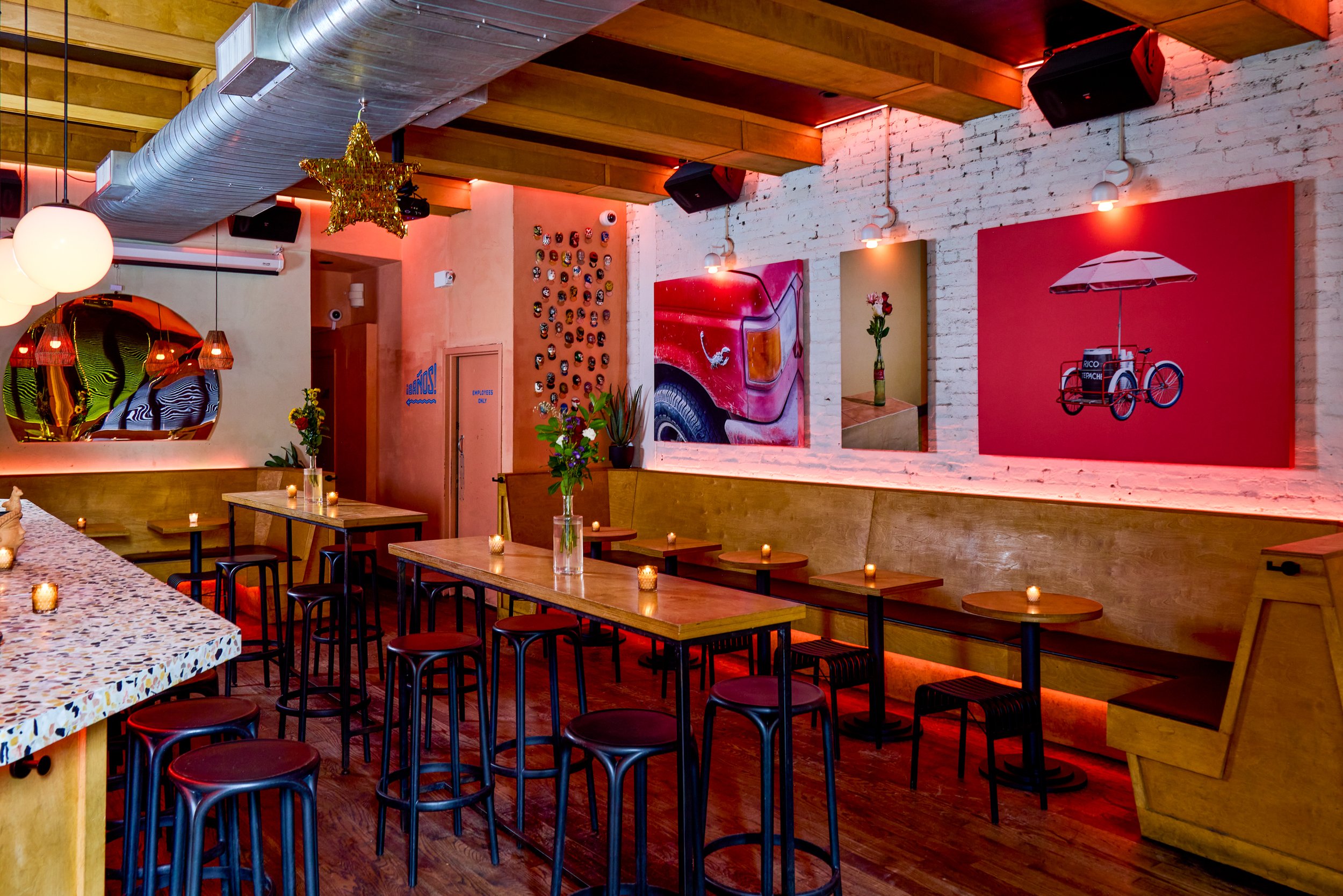
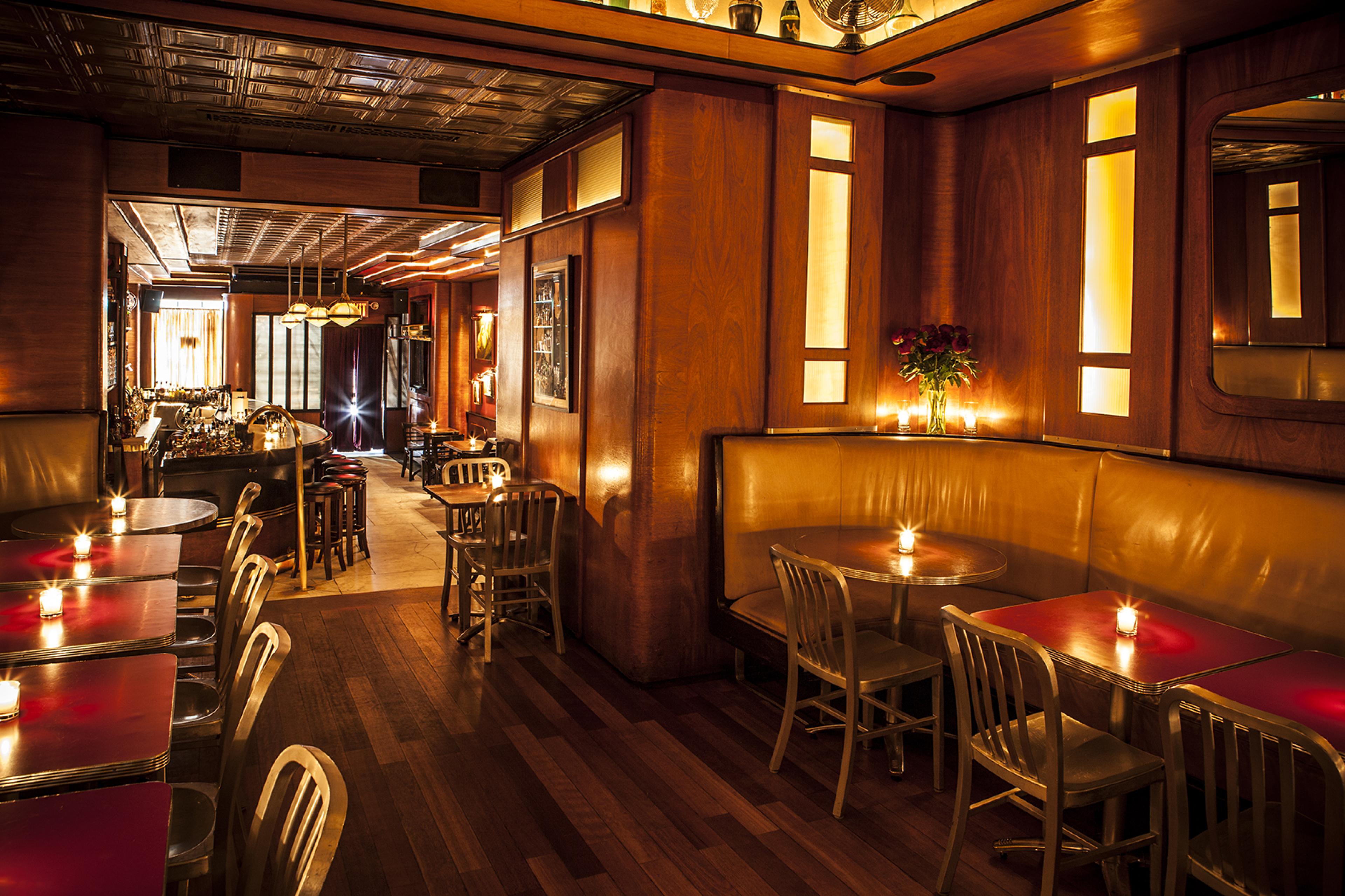
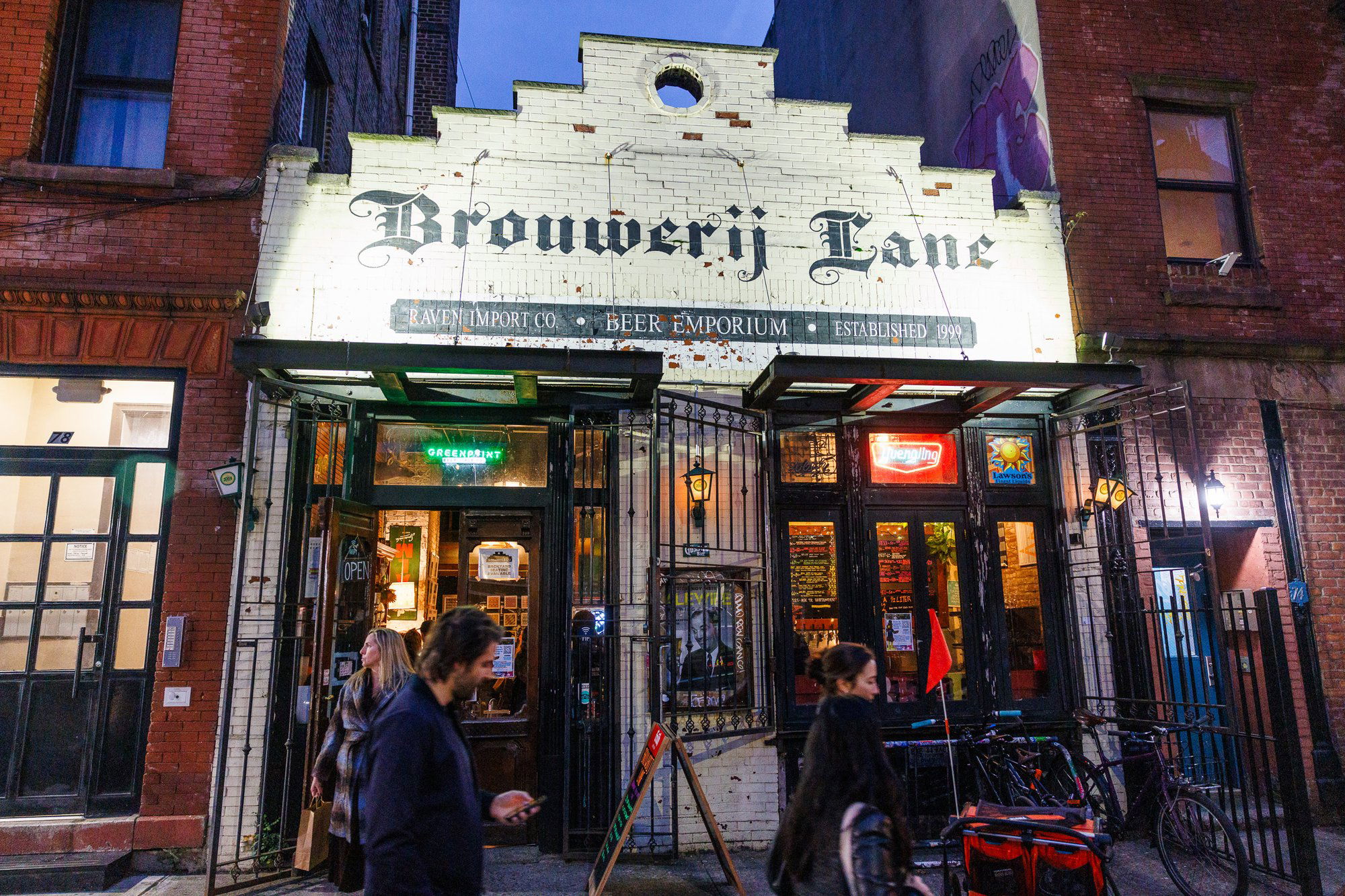
Cozy neighborhood watering hole with mellow eclectic music, sparse seating including communal tables, and a quirky mounted deer head.
Tags
Vibe
Best For
Experience
Format
At the Bar
- Bar Category
- Beer Bar
- Music
- Mellow Mishmash of Funk, Rock, Punk, Reggae
Know before you go
Know Before You Go
- Getting there
- 78 Greenpoint Ave, Brooklyn, NY 11222, USA
Planning details
Location
Also consider
Also Consider
- GiGi's, wine bar / rotisserie-style chicken, wine bar / rotisserie-style chicken
- Sonny's Corner, Notable alternative
- El Pingüino, Notable alternative
- Bar Americano, Notable alternative
- Million Goods, Notable alternative
Bar context
How it compares for value and ease
Brouwerij Lane is the lower-commitment choice in this set: useful for a casual Greenpoint drink when booking friction matters. GiGi's is the stronger pick if food is part of the decision, since its wine bar and rotisserie-style chicken format gives the meal a clearer role.
El Pingüino and Bar Americano make more sense when the bar itself is the planned destination rather than a neighborhood add-on. Choose them for a more deliberate night out; choose Brouwerij Lane when the priority is a casual Brooklyn stop with less ceremony.
Sonny's Corner and Million Goods sit closer to Brouwerij Lane in low-pressure usefulness, but the deciding factor should be location and the kind of room the group wants. If dinner quality matters, GiGi's is the safer cross-shop; if flexibility matters, Brouwerij Lane stays in play.
Explore New York City
Around this place
Discover more on Pearl
Unlock the full Brouwerij Lane guide in Pearl, including awards, comparisons, FAQs, planning details, and nearby places.
Compare Brouwerij Lane
| Venue | Location | Cuisine | Awards |
|---|---|---|---|
| Brouwerij Lane | New York City | , | No published awards |
| GiGi’s | New York City | wine bar / rotisserie-style chicken | No published awards |
| Sonny’s Corner | New York City | , | No published awards |
| El Pingüino | New York City | , | No published awards |
| Bar Americano | New York City | , | No published awards |
| Million Goods | New York City | , | No published awards |
How Brouwerij Lane New York City compares with similar nearby venues.
FAQ
Frequently Asked Questions
What's the crowd like at Brouwerij Lane?
A specific crowd profile for Brouwerij Lane is not specified. The dress code is casual, so plan for a relaxed New York City stop rather than a formal dress-up setting.
Is Brouwerij Lane good for groups?
Information on group suitability is not available, including seating capacity or reservation format. If you are planning for more than a casual drop-in, confirm directly with the venue or compare current details with another option such as GiGi's.
Is Brouwerij Lane open late?
Brouwerij Lane is open until 11 PM on Friday and Saturday. It closes at 10 PM Sunday through Thursday, with Monday through Friday opening at 2 PM and Saturday and Sunday opening at 12 PM.
Does Brouwerij Lane have outdoor seating?
Outdoor seating is not listed, so do not plan around it. If outside tables matter, check current details directly or compare with another option such as Million Goods before heading out.
What's the best time to go to Brouwerij Lane?
Use the hours to plan: Monday through Thursday, 2–10 PM; Friday, 2–11 PM; Saturday, 12–11 PM; and Sunday, 12–10 PM. A quieter or busier time window is not specified.