Brooklyn Kura
Sunset Park (West), New York City
Bar in New York City, United States
 Book with Pearl
The Read
Price
$30–50per person
Why go
Brooklyn Kura is worth considering when you want an easy-booking Brooklyn drinks stop with a more focused feel than a generic bar. It is less useful for late-night plans or groups needing a full food-and-drink spread, so cross-shop Japan Village, Folk, or Hometown Bar-B-Que depending on the night.
About Brooklyn Kura
Brooklyn Kura is open four days a week in New York City, so it is a plan-ahead stop rather than an anytime fallback. Service runs Thursday through Sunday, and the dress code is smart casual.
A focused New York City stop, not an all-purpose night out
Brooklyn Kura is a specific New York City plan built around its hours. It is closed Monday through Wednesday, open 4–9 PM on Thursday and Friday, 12–9 PM on Saturday, and 1–8 PM on Sunday. Those hours make timing the main planning factor.
If the group is comparing options, keep the comparison practical rather than assuming a particular menu, service style, or scene. Folk, Japan Village, Good Judy, Hometown Bar-B-Que, and Barbès may fit different plans, while Brooklyn Kura is best evaluated against its limited weekly hours and smart-casual expectations.
Use it when the schedule fits
The main practical limitation is timing. Brooklyn Kura is not the right call for a spontaneous Monday, Tuesday, or Wednesday plan because it is closed on those days. It also is not a late-night option. For a broader scan of New York City categories, use Our full New York City bars guide, Our full New York City restaurants guide, Our full New York City hotels guide, Our full New York City wineries guide, and Our full New York City experiences guide.
If the plan needs a different fit, compare by schedule, dress code, and the kind of outing the group wants. Good Judy, Hometown Bar-B-Que, Barbès, Folk, and Japan Village are other names to consider, while Brooklyn Kura is worth keeping on the list when its Thursday-to-Sunday hours and smart-casual dress code work for the occasion.
Planning details
- Location
- 34 34th St, Brooklyn, NY 11232
- Website
- brooklynkura.com
- Phone
- +1 347 766 1601
The take
The Take
The Vibe
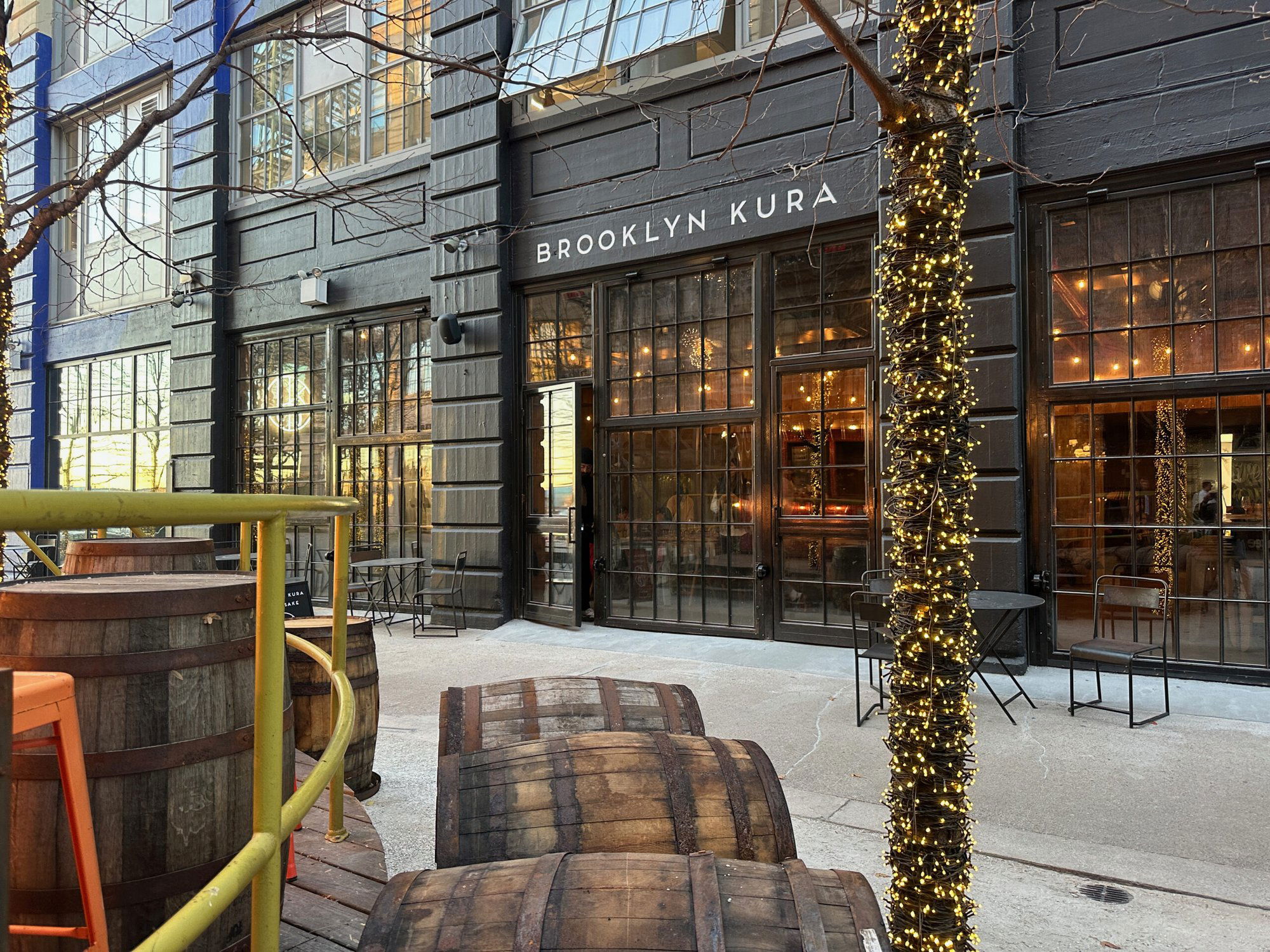
Brooklyn Kura sits squarely in Industry City's converted warehouse fabric, pairing production-scale sake brewing with a public taproom. The space foregrounds process — stainless tanks and brewing equipment sit within sight of the bar, shifting conversation toward how the liquid is made rather than trends or gimmicks. That transparency gives the room an industrious, maker-focused energy while still feeling approachable: it’s a place where people come to learn as much as to drink. The result is a thoughtfully raw environment that rewards curiosity and focused conversation rather than noisy, background nightlife.
Best For
This taproom stakes a claim as an alternative special-occasion destination and a learning-forward drink spot. Rather than repeating the ritual of a steakhouse or rooftop, Brooklyn Kura offers a memorable, site-specific experience: sake brewed on-site and presented in a production context. It suits guests marking a milestone who want specificity and story in their glass, and it’s ideal for people curious about sake—those who value process, provenance, and attentive staff guidance over familiar, ubiquitous pours.
Ordering Tips
Treat a visit like a tasting: engage the staff and let the production context guide your choices. Because the tanks and brewing process are visible, staff are positioned to explain styles and recommend pours; ask them about what’s currently on tap and how the brewery’s offerings differ. Prioritize house-brewed items to connect drinking with place, and request smaller tasting pours if you want to compare styles. The format rewards questions and curiosity, so lean into conversation rather than a single large bottle.
Venue details
Ambiance
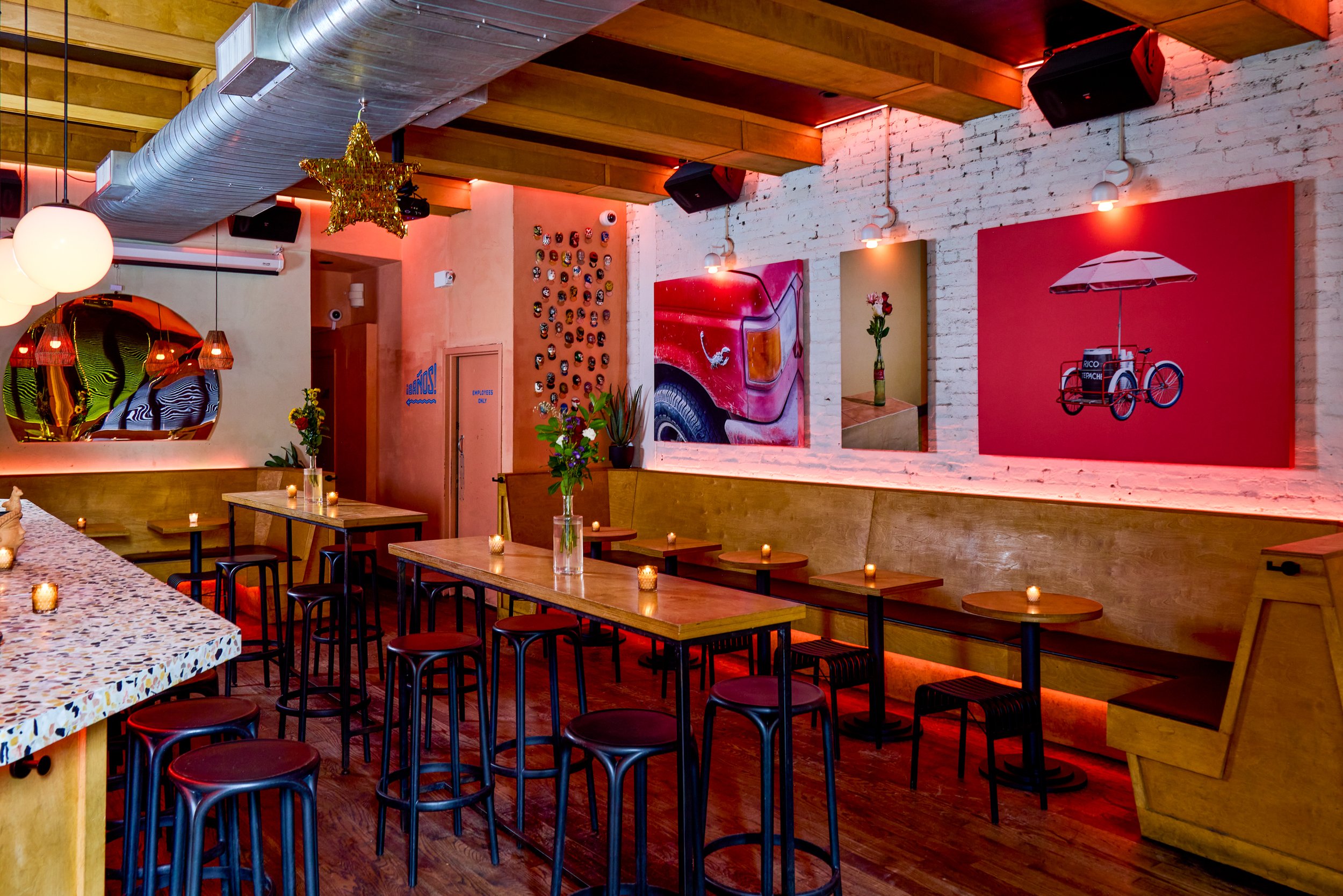
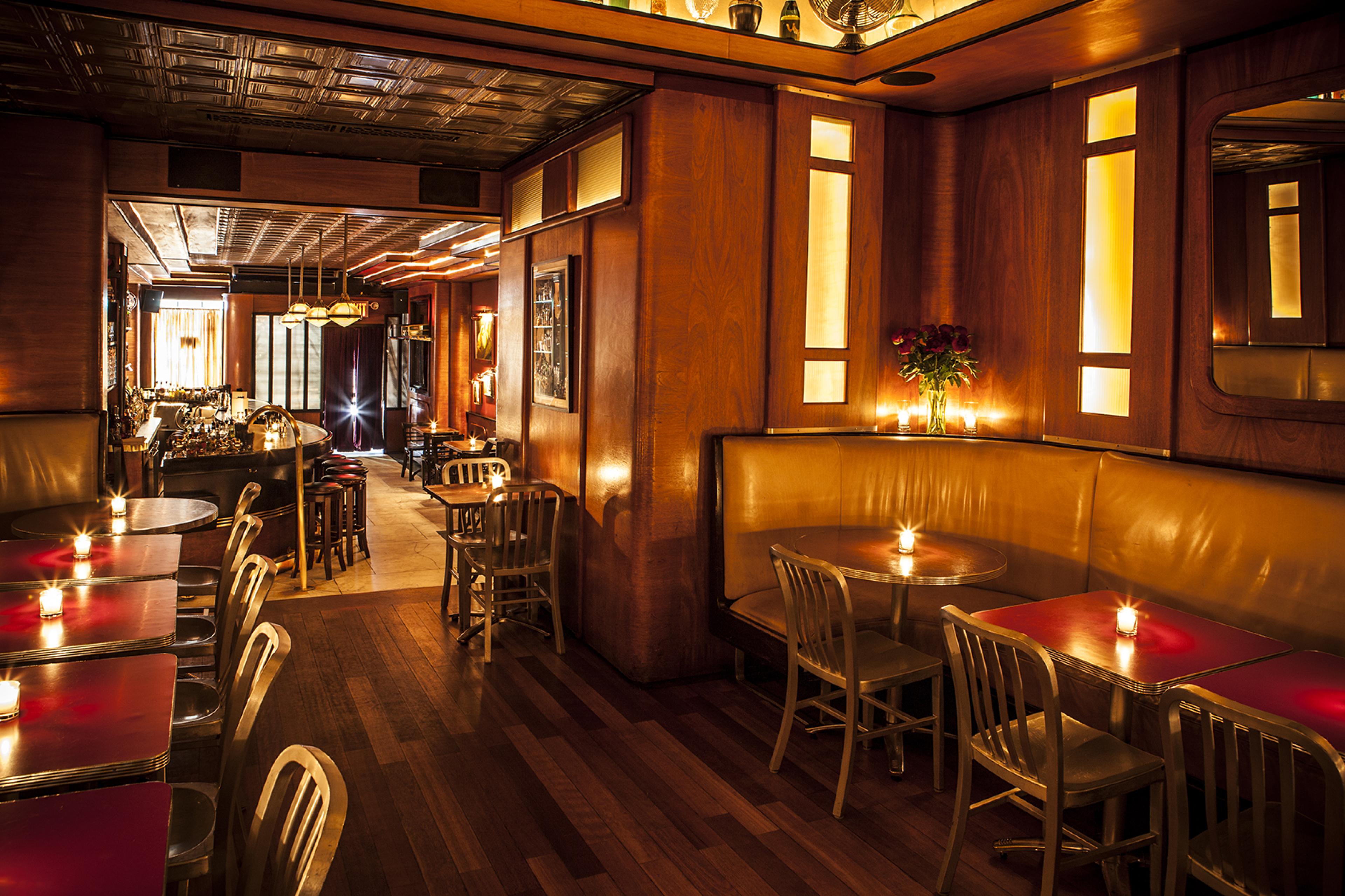
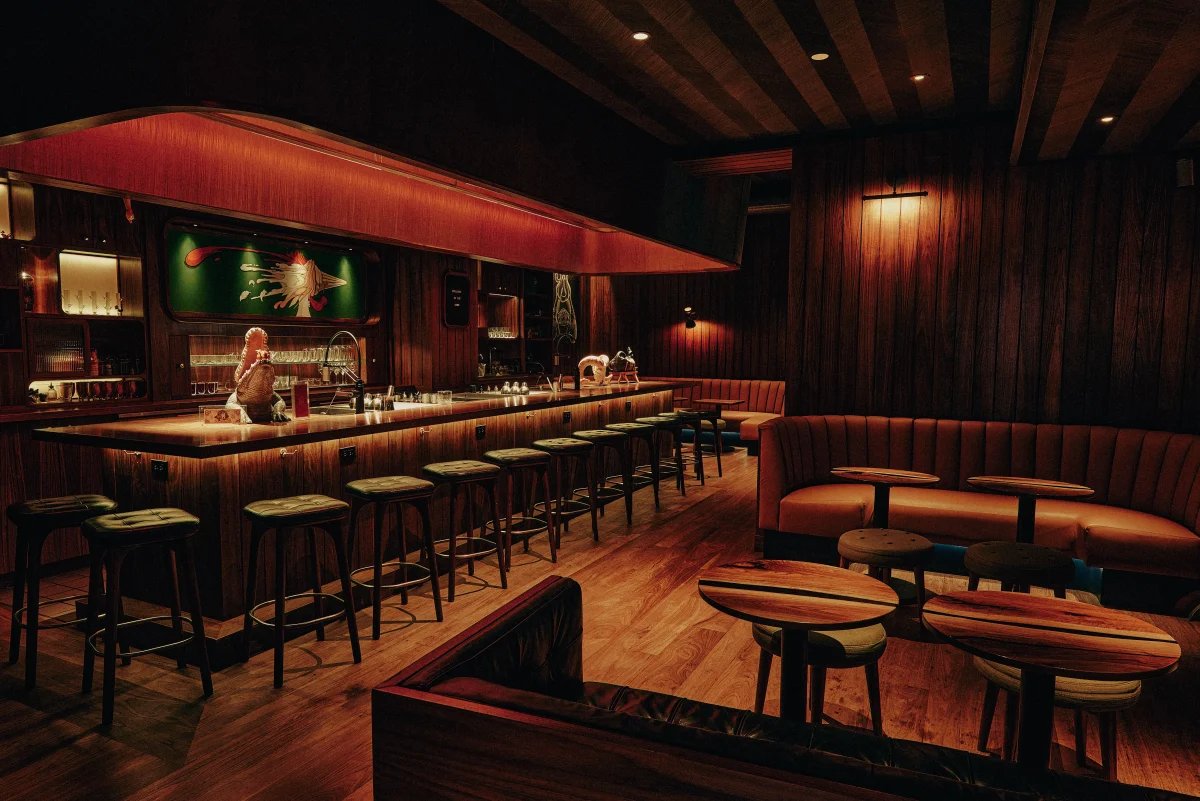
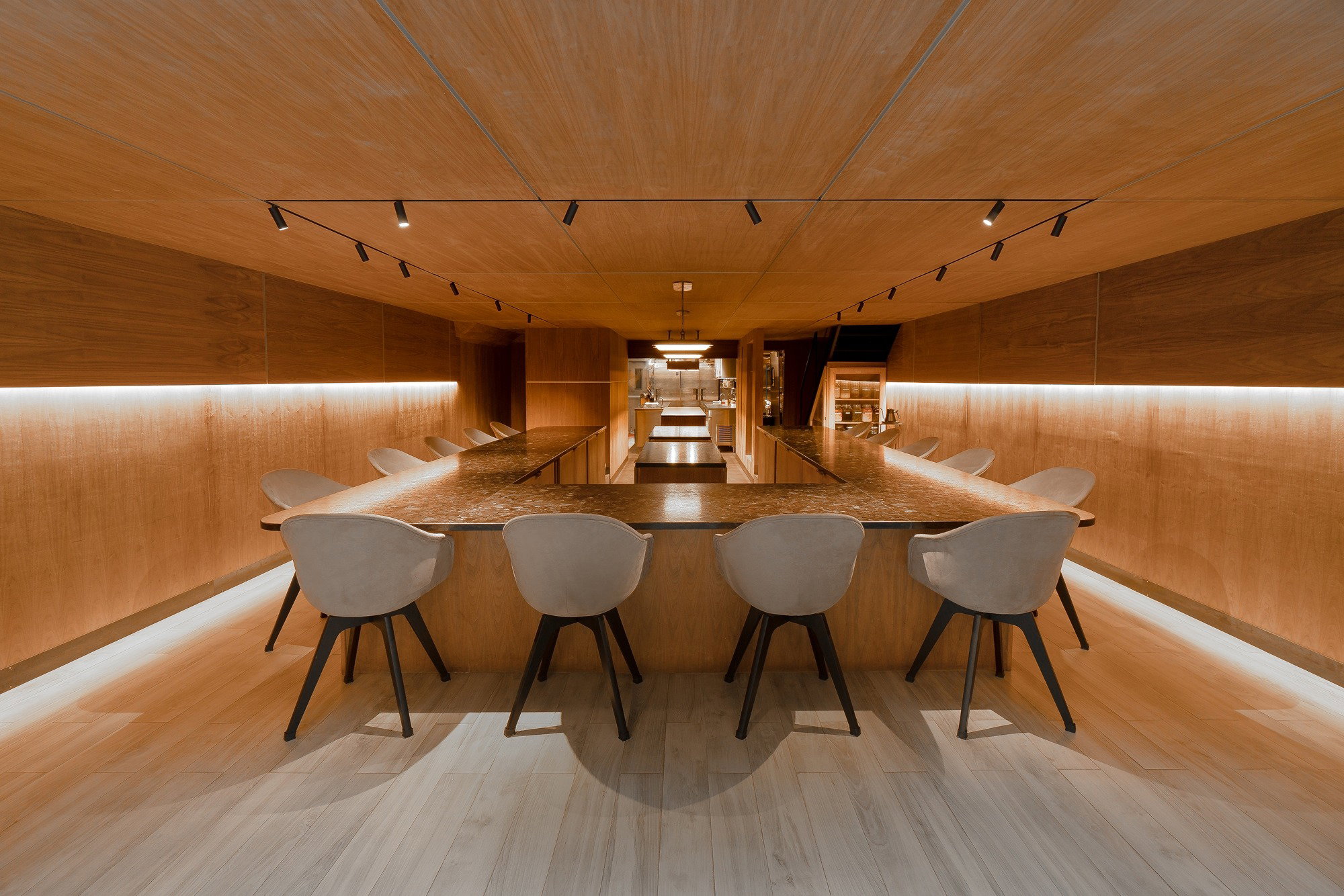
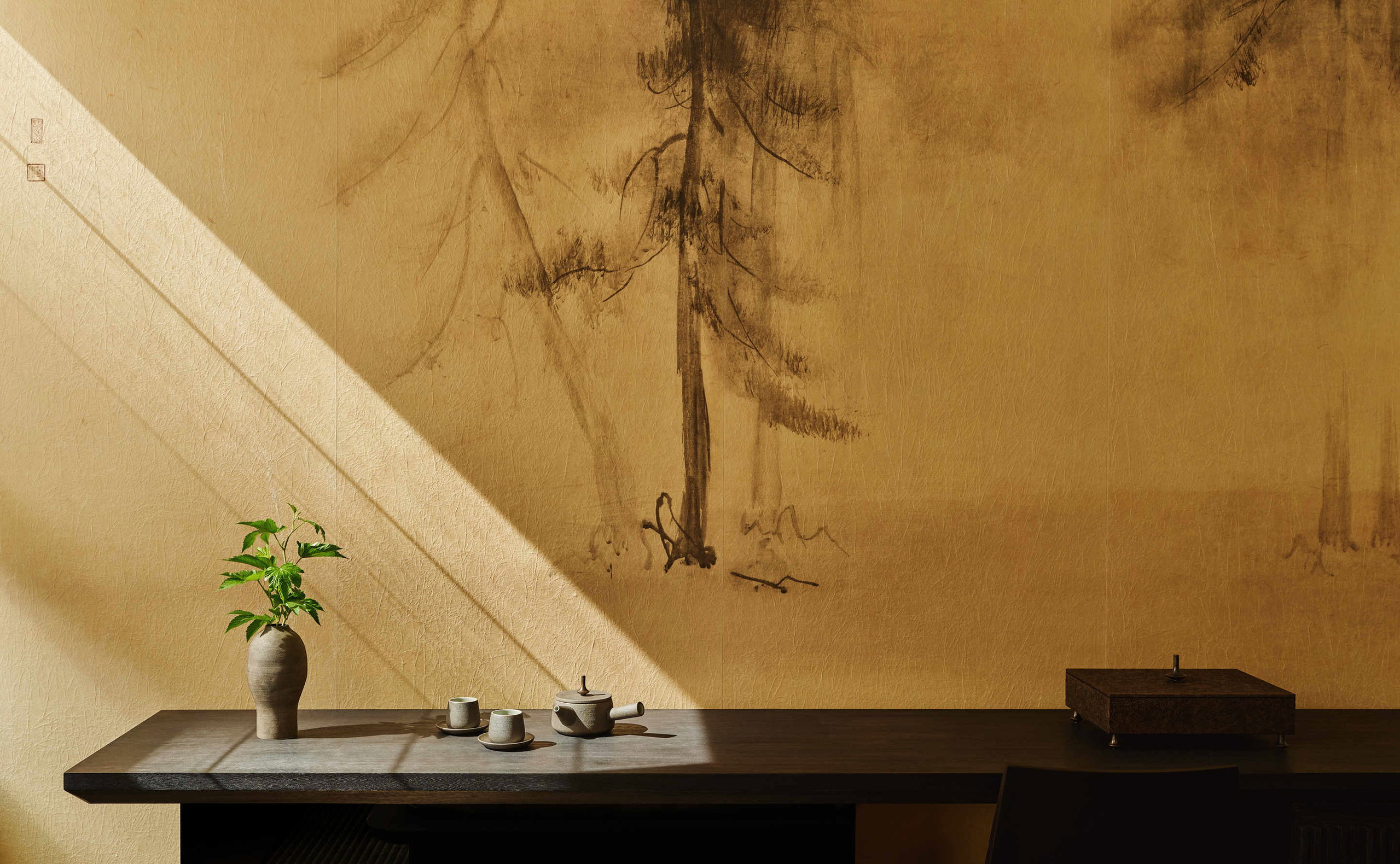
Sleek and modern industrial vibe with brutalist gray cement walls, wooden paneling, long communal tables, and a techno club meets Zen garden atmosphere.
Tags
Vibe
Best For
Experience
Format
At the Bar
- Bar Category
- Sake Bar
- Late Night
- Closes by Midnight
- Music
- Meditative
- Spirits Focus
- Shochu
Know before you go
Know Before You Go
- Getting there
- 34 34th St, Brooklyn, NY 11232
Planning details
Location
Also consider
Also Consider
- Japan Village, Notable alternative
- Folk, Indian-influenced cocktails, Indian-influenced cocktails
- Good Judy, Notable alternative
- Hometown Bar-B-Que, Notable alternative
- Barbès, Notable alternative
Bar context
How it compares
Choose Brooklyn Kura when ease matters. Against Folk, it is the more practical pick for a lower-friction Brooklyn drinks plan, while Folk is the clearer choice for readers specifically seeking Indian-influenced cocktails and a more defined mixed-drinks angle.
Japan Village is the better fit for a broader casual outing, especially when food options and group flexibility matter. Brooklyn Kura is more focused, which helps for a tighter drinks-led plan but makes it less useful as a catch-all destination.
For ambiance-led cross-shopping, Good Judy and Barbès are stronger if the room is the point of the night. If the group needs food to do more of the work, Hometown Bar-B-Que is the safer choice. Brooklyn Kura wins on simplicity and focus, not breadth.
Explore New York City
Around this place
Discover more on Pearl
Unlock the full Brooklyn Kura guide in Pearl, including awards, comparisons, FAQs, planning details, and nearby places.
Compare Brooklyn Kura
| Venue | Location | Cuisine | Awards |
|---|---|---|---|
| Brooklyn Kura | New York City | , | No published awards |
| Japan Village | New York City | , | No published awards |
| Folk | New York City | Indian-influenced cocktails | No published awards |
| Good Judy | New York City | , | No published awards |
| Hometown Bar-B-Que | New York City | , | No published awards |
| Barbès | New York City | , | No published awards |
How Brooklyn Kura Hours compares with similar nearby venues.
FAQ
Frequently Asked Questions
What's the crowd like at Brooklyn Kura?
Information on the crowd at Brooklyn Kura is not available. Instead, plan around the basics: it is in New York City, has a smart-casual dress code, and is open Thursday through Sunday.
Is Brooklyn Kura open late?
No. Hours run to 9 PM on Thursday, Friday, and Saturday, and to 8 PM on Sunday. Brooklyn Kura is closed Monday through Wednesday.
What's the best time to go to Brooklyn Kura?
Use the hours to plan: Thursday and Friday 4–9 PM, Saturday 12–9 PM, and Sunday 1–8 PM. It is not available Monday through Wednesday.
What is Brooklyn Kura known for?
Brooklyn Kura is a New York City venue with Thursday-to-Sunday hours and a smart-casual dress code. Specific menu, service-style, or specialty claims are not available.