Bar Pisellino
West Village, New York City
Bar in New York City, United States
 Book with Pearl
The Read
Price
$20–30per person
Why go
Book Bar Pisellino when you want an easy West Village stop rather than a high-commitment cocktail reservation. It is strongest for twos, casual dates, and flexible plans near Grove Street; groups or drinkers chasing a clearly defined cocktail program should cross-shop Angel's Share, The Garret, or Wilfie & Nell.
About Bar Pisellino
For a first-timer in New York City, Bar Pisellino offers these practical details: it is open daily from 8 AM to 11 PM and has a casual dress code. Beyond that, information about it is limited, so the safest plan is to treat it as a flexible stop and check the venue's own channels before making specific plans around food, drinks, seating, or reservations.
A casual New York City stop with daily hours
The clearest planning advantage is the schedule. Bar Pisellino is open from 8 AM to 11 PM every day, which gives it more flexibility than places with narrower evening-only hours. For a first visit, think in simple terms: it can fit into a daytime, early-evening, or later-evening plan, but it does not establish a specific menu, service format, seating setup, or specialty program.
Because it does not include party-size guidance, seating details, or reservation requirements, avoid building a tightly timed group plan around assumptions. If the visit depends on a guaranteed table, a particular service style, or a specific offering, confirm directly with the venue before you go.
Plan around what's known
Details about price tier, awards, named chefs, cuisine, specific dishes, beverage programs, or happy hours are not available. The reason to consider Bar Pisellino is direct: it is a casual New York City venue with daily 8 AM–11 PM hours. That makes it useful for flexible planning, but it cannot be framed around a splurge, signature order, or special format.
If your priority is comparing different New York City bar options, Angel's Share, The Garret, Wilfie & Nell, Marie's Crisis Café, and L'Accolade are natural names to consider alongside Bar Pisellino. For a broader scan, use Our full New York City bars guide.
Planning details
- Location
- 52 Grove Street, 7th Ave S at, New York, NY 10014
- Website
- barpisellino.com
- Phone
- +1 347 859 7624
The take
The Take
The Vibe
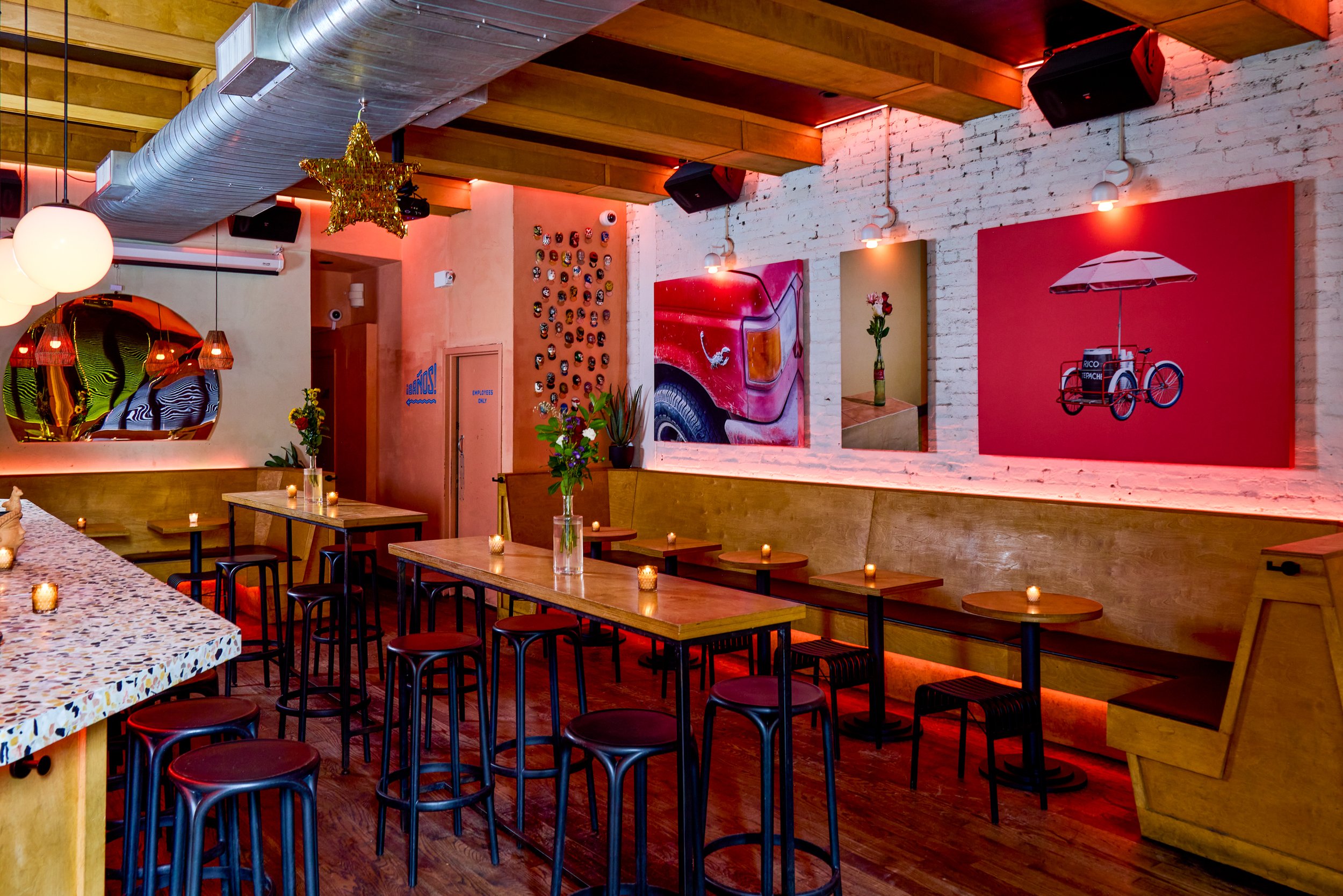
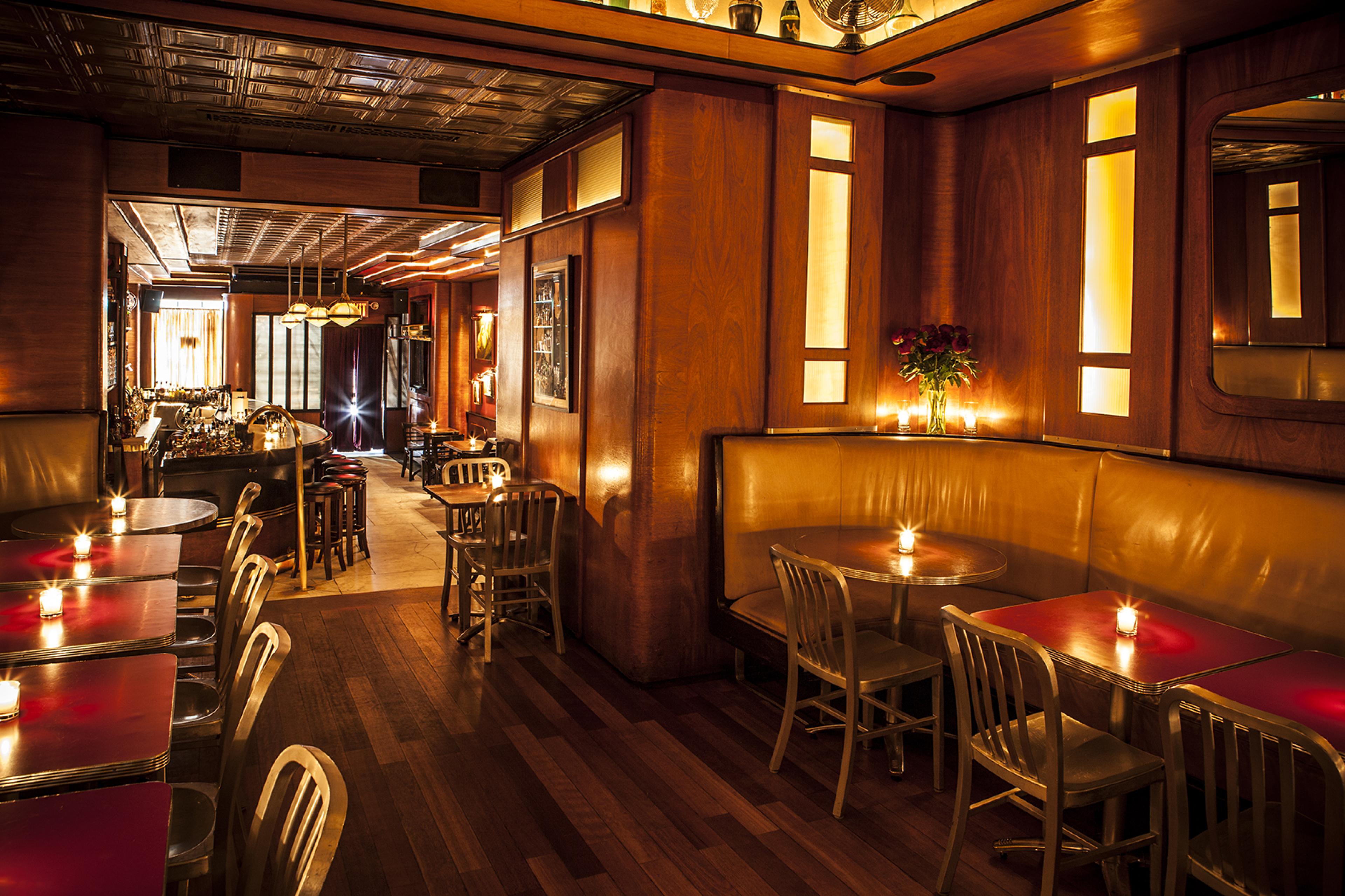
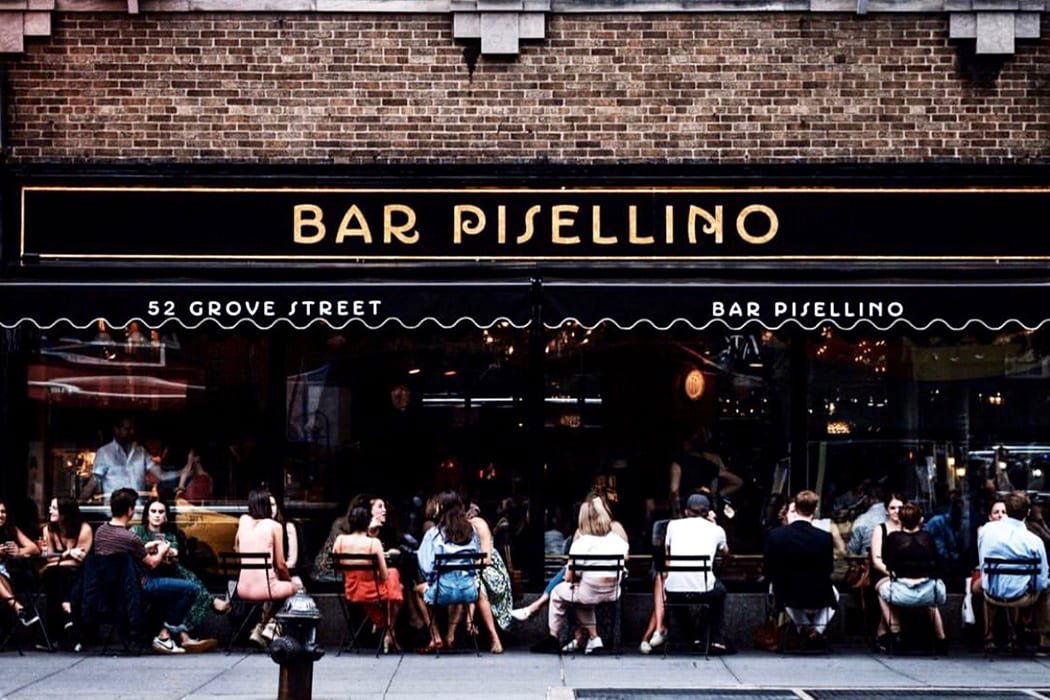
Bar Pisellino presents a compact, old-world corner of the West Village where mosaic tile and a marble counter meet a zinc bar and inches between patrons. It leans hard into northern Italian café culture: the standing bar is central, the counter functions as social infrastructure, and the rhythm of the room follows whoever is pouring. The space reads charming and quietly historic — a hidden-gem feel in a neighborhood that otherwise trends toward polished gentrification — and it favors relaxed, unhurried evenings over anything forced or optimized.
Best For
Pisellino is best for low-key evenings that favor conversation over a long meal: aperitivo seekers, after-work crowds and casual dates find it especially fitting. The bar’s focus on bitter, low–ABV pours and cicchetti makes it a natural prelude to dinner or a standalone late-night stop—the house aperitivo service runs into the later hours, explicitly extending toward midnight. Its small footprint and counter-first format also make it welcoming for solo visitors who don’t need a table and for friends who want a social, standing-bar scene.
Ordering Tips
You order directly at the bar and either stand or grab one of the limited stools; the place operates on counter service rather than table service. Start with the classic aperitivo choices—spritzes or Campari-based pours—and expect the menu to drift into amaro territory as the night progresses. Food is offered as cicchetti and small plates meant to accompany drinks rather than anchor a meal. The tempo is intentionally open-ended: let the person pouring set the pace and plan for a lingering, social stretch rather than a quick, optimized stop.
Venue details
Ambiance
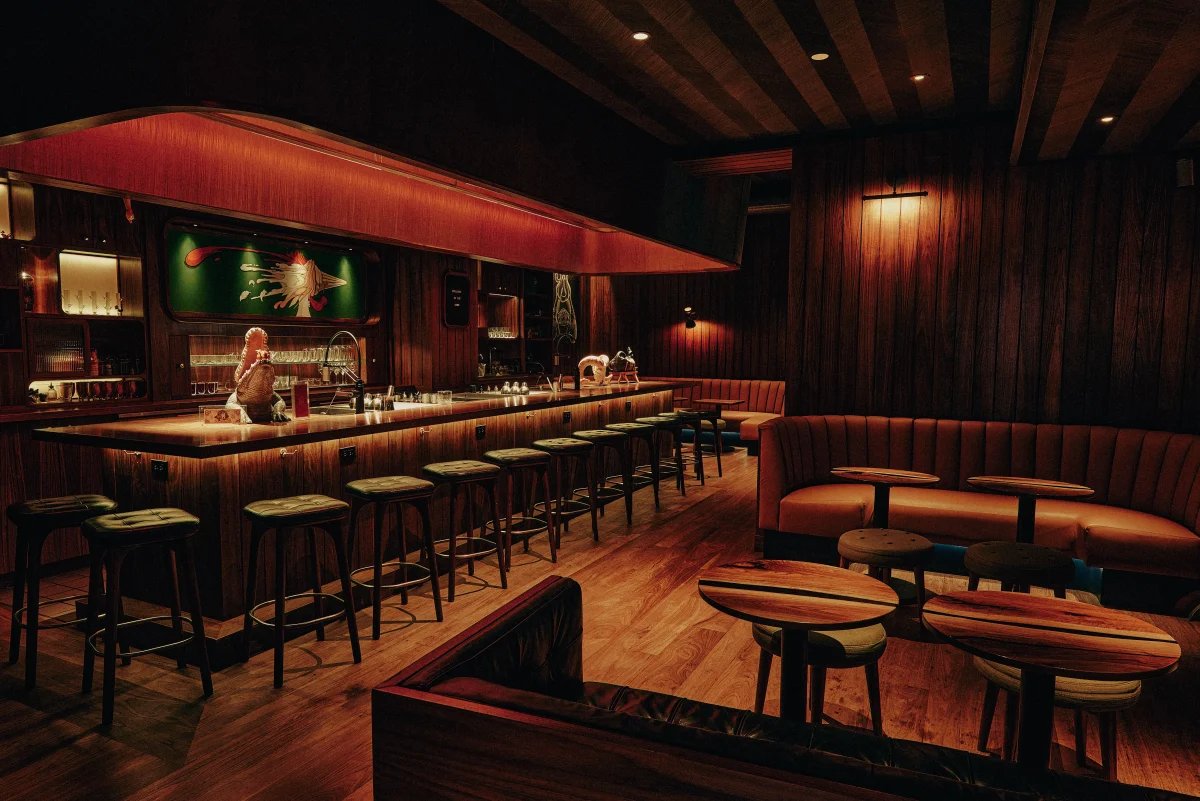
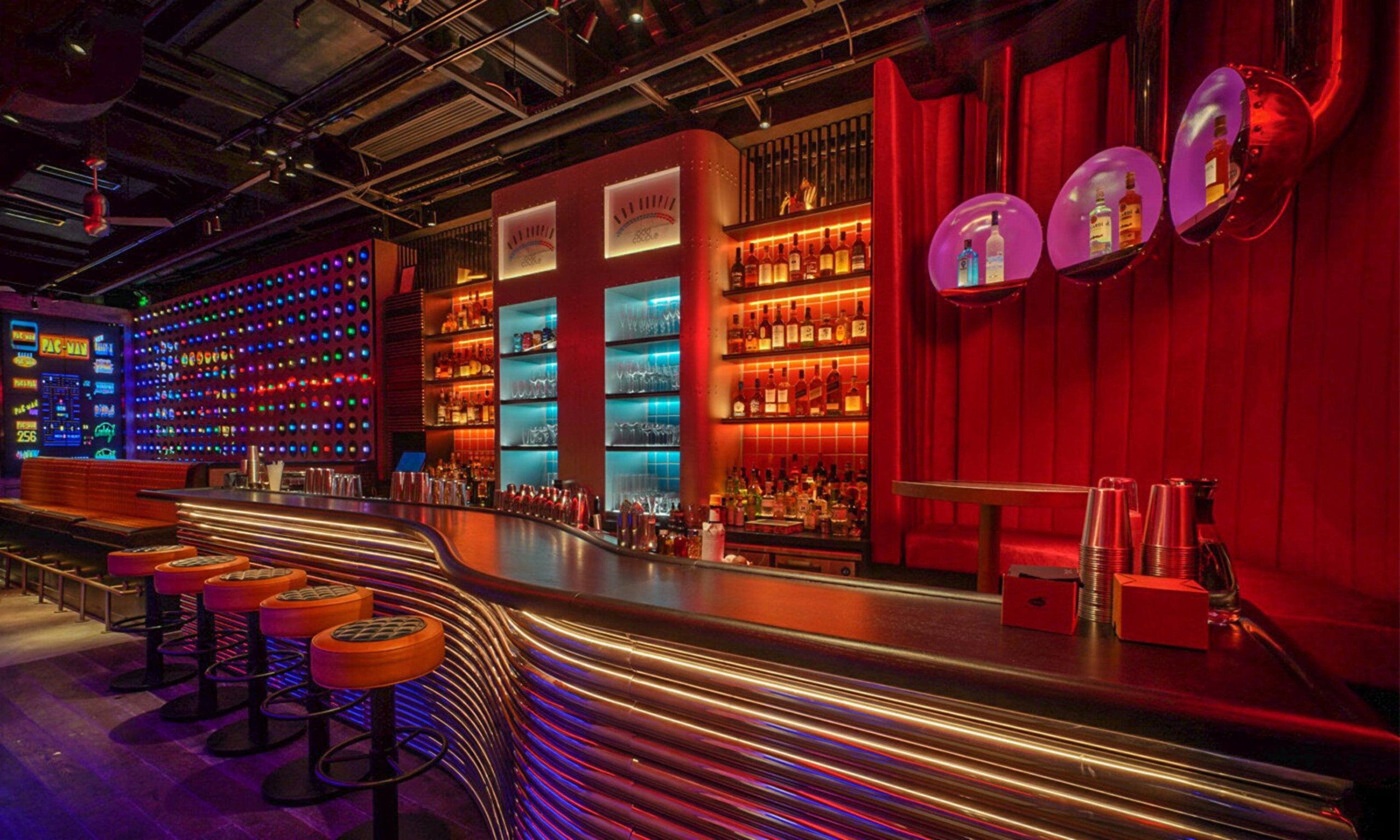
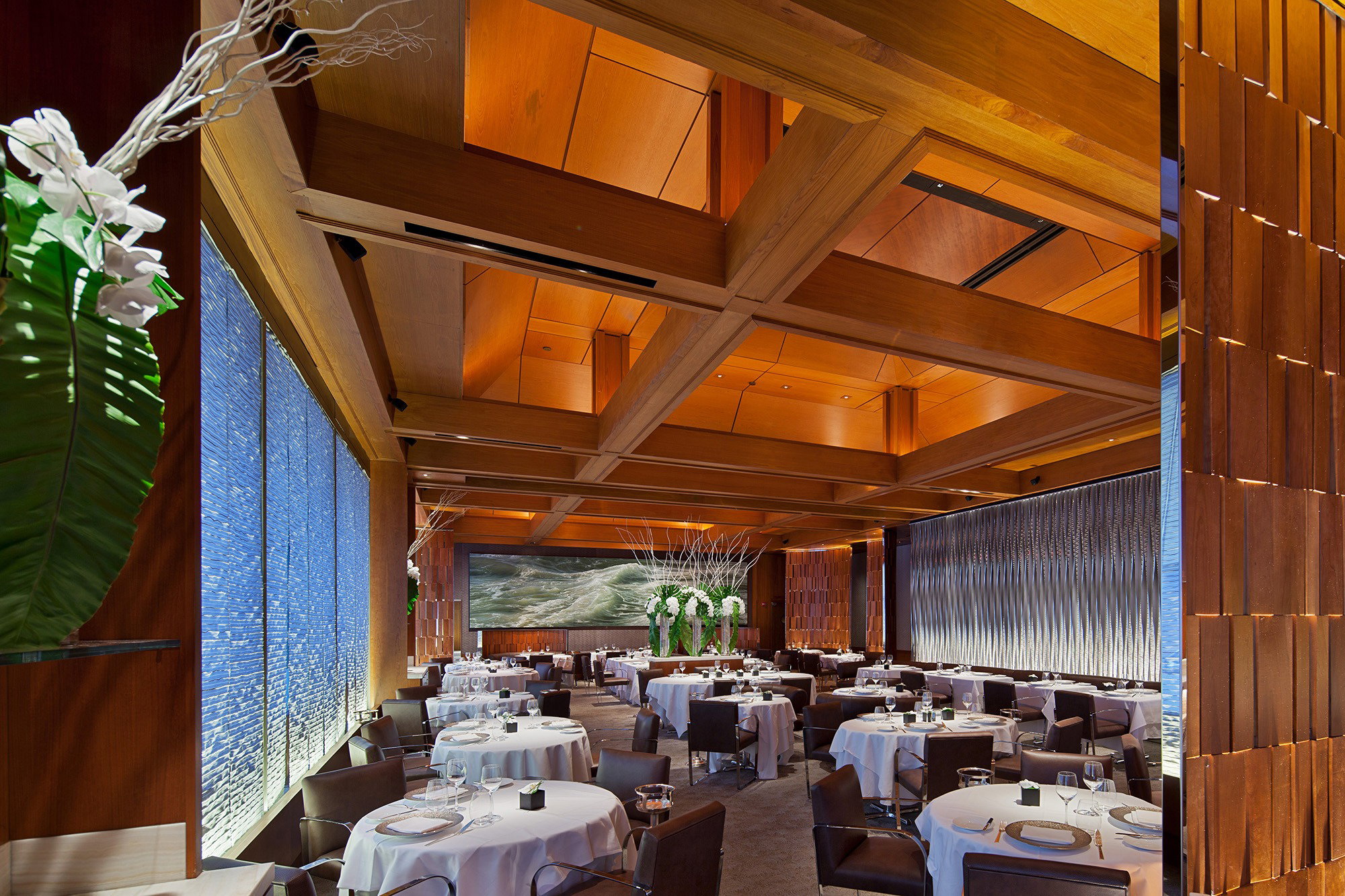
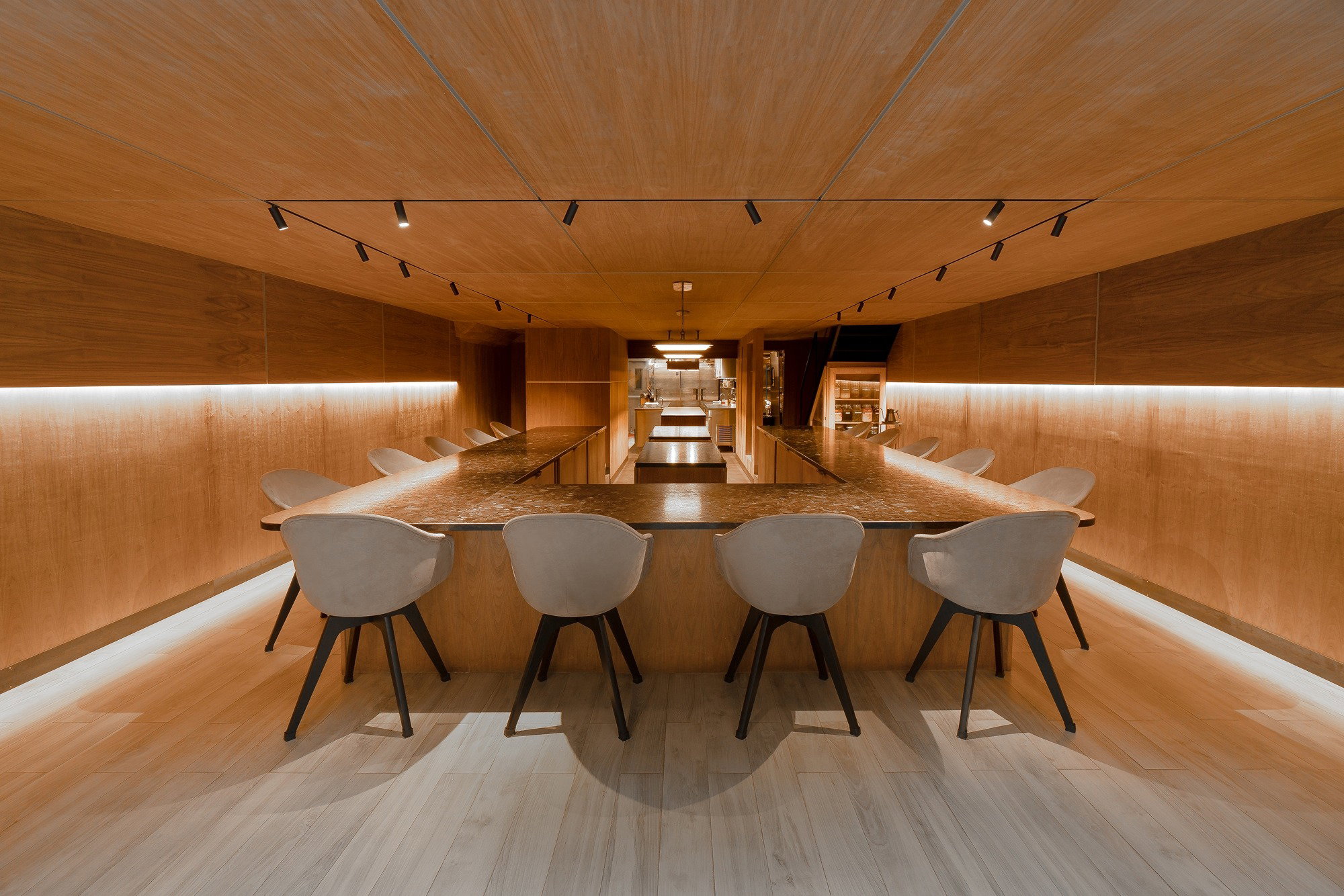
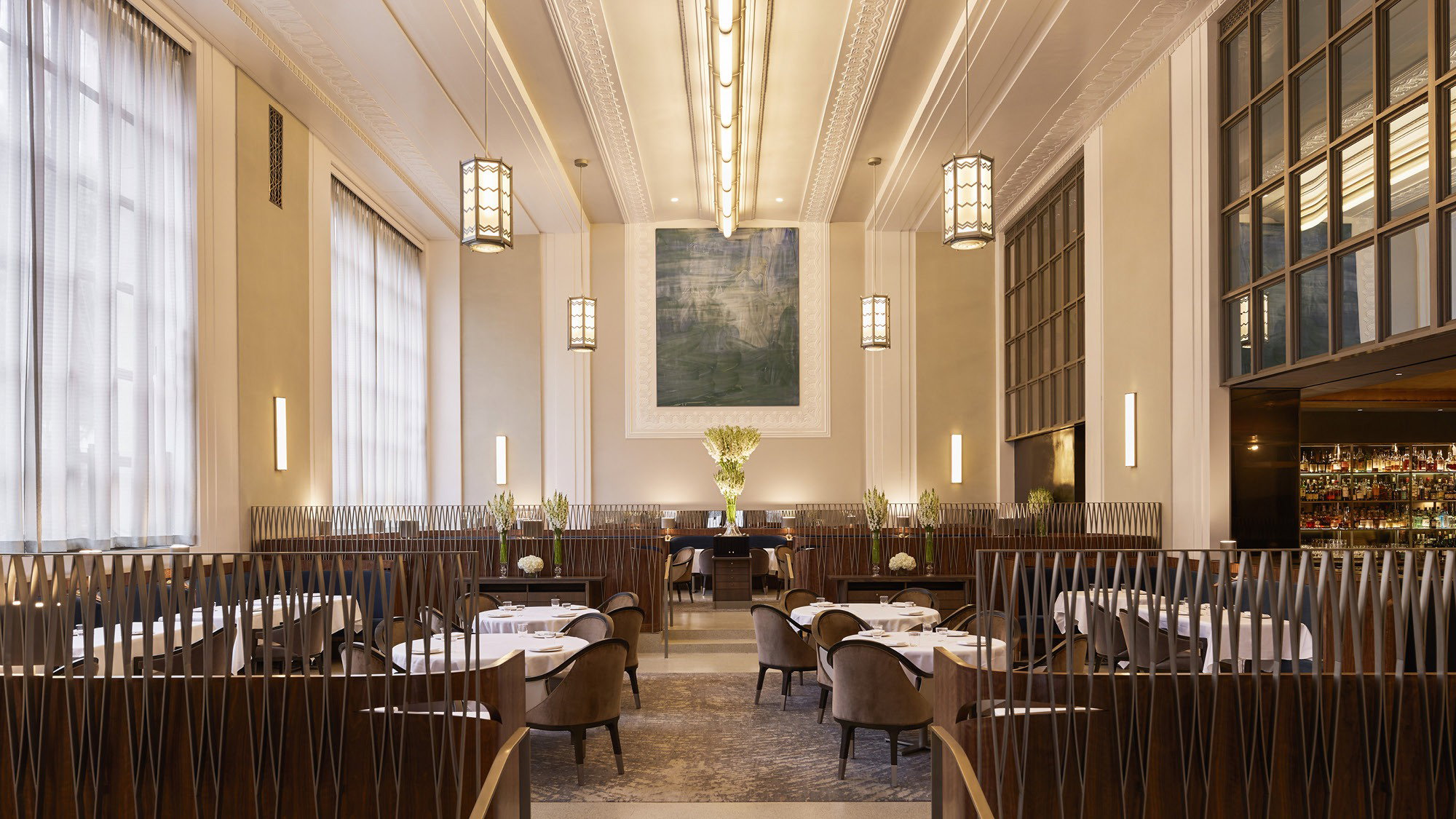
Warm wood interior, marble bar, and old-school Italian charm with cozy, elegant lighting perfect for people-watching on tiny sidewalk tables.
Tags
Vibe
Best For
Experience
Format
View
At the Bar
- Bar Category
- Cocktail Bar
- Late Night
- Closes by Midnight
- Spirits Focus
- Gin, Vermouth
Signature Pours
- Negroni
- Aperol Spritz
- Sbagliato
Know before you go
Know Before You Go
- Getting there
- 52 Grove Street, 7th Ave S at, New York, NY 10014
Planning details
Location
Also consider
Also Consider
- Marie's Crisis Café, Notable alternative
- L'Accolade, Notable alternative
- Angel's Share, Notable alternative
- The Garret, Notable alternative
- Wilfie & Nell, Notable alternative
Bar context
How Bar Pisellino compares in the West Village bar set
Bar Pisellino is the easiest recommendation when flexibility matters more than a tightly scripted cocktail night. Compared with Angel's Share, it reads as less destination-driven and more useful for a casual stop. Pick Angel's Share when the drink program is the point of the evening; pick Bar Pisellino when the location and low-friction timing matter more.
The Garret is the better cross-shop for a more bar-forward night, while Wilfie & Nell is the stronger call for a relaxed neighborhood feel. Marie's Crisis Café serves a different kind of evening entirely, better for a lively, social stop than a quiet date. L'Accolade is worth considering if the plan leans wine-bar rather than cocktail-bar.
For first-timers, the decision is simple: Bar Pisellino is a practical West Village pick for small groups and flexible timing, not the venue to choose when you need a guaranteed seated group setup or a documented splurge experience.
Explore New York City
Around this place
Discover more on Pearl
Unlock the full Bar Pisellino guide in Pearl, including awards, comparisons, FAQs, planning details, and nearby places.
Compare Bar Pisellino
| Venue | Location | Awards |
|---|---|---|
| Bar Pisellino | New York City | No published awards |
| Marie's Crisis Café | New York City | No published awards |
| L'Accolade | New York City | No published awards |
| Angel's Share | New York City | 2026 North America's 50 Best Bars · #312026 OAD Casual in North America Recommended2025 North America's 50 Best Bars · #43Top 500 Bars 2025 · #2002025 OAD Casual in North America2024 North America's 50 Best Bars · #432012 World's 50 Best Bars · #34Pearl Recommended Bars |
| The Garret | New York City | No published awards |
| Wilfie & Nell | New York City | No published awards |




How Bar Pisellino New York City: Hours, Dress Code, and Planning Tips compares with similar nearby venues.
FAQ
Frequently Asked Questions
Is Bar Pisellino open late?
Bar Pisellino is open until 11 PM every day. That makes it usable for an evening stop, though after-hours service beyond that closing time is not available.
Does Bar Pisellino have happy hour deals?
What's the best time to go to Bar Pisellino?
Bar Pisellino is open daily from 8 AM to 11 PM. Choose a time based on your schedule, and confirm current hours with the venue if your plans are time-sensitive.
Is Bar Pisellino good for a date?
Bar Pisellino has a casual dress code and daily 8 AM–11 PM hours, which can make it easy to fit into a simple New York City plan. Seating style, ambience, or reservation details are not available, so confirm directly if those factors matter for your date.
What's the crowd like at Bar Pisellino?
Information about the crowd is not available. However, Bar Pisellino is casual and open daily from 8 AM to 11 PM.