Bar Amasa
Midtown, New York City
Bar in New York City, United States
 Book with Pearl
The Read
Agave-Forward Cantina
Price
$30–50per person
Why go
Bar Amasa is a practical pick for Latin cocktails and Mexican tacos when the night calls for a casual cantina rather than a full dinner production. Use it for a low-commitment date, a small-group first stop, or drinks with food; skip it if outdoor seating, signature cocktails, or awards are central to the decision.
About Bar Amasa
Bar Amasa is a casual New York City option built around a street-level cantina format for Latin cocktails and Mexican tacos. It is best understood as a cocktails-and-tacos stop rather than a fully specified fine-dining plan.
A cantina format that works better for drinks-plus-food than a fully specified plan
The useful way to think about Bar Amasa is as the street-level cantina for Amasa, with the appeal centered on Latin cocktails and Mexican tacos. The casual dress code and cantina description point to an easygoing setting for people who want drinks with food in New York City.
There is not enough detail to treat it as a sure thing for a special-occasion format. No awards, tasting-menu structure, chef-led format, pricing, hours, or published signature items are included in the profile, so the safer recommendation is to choose it when the cantina category itself is the draw.
Go when the casual cantina brief fits the night
The atmosphere signal is casual rather than formal. Bar Amasa makes sense when Latin cocktails and Mexican tacos are the point of the plan, especially for a relaxed New York City stop that does not require a dressed-up restaurant brief.
Outdoor space should not be the reason to choose it unless confirmed before going. Plan around the street-level cantina description first. If weather is driving the decision, use Our full New York City bars guide to compare options with clearer outdoor setups.
Who should choose it
Choose Bar Amasa if the brief is simple: Latin cocktails, Mexican tacos, and a casual cantina setting in New York City. Skip it if the group needs a known signature drink, a documented chef counter, or a heavily awarded bar program. For broader planning around the same night, also see Our full New York City restaurants guide, Our full New York City hotels guide, Our full New York City wineries guide, and Our full New York City experiences guide.
Quick reference: casual street-level cantina for Latin cocktails and Mexican tacos.
Planning details
- Location
- New York City, United States
The take
The Take
The Vibe
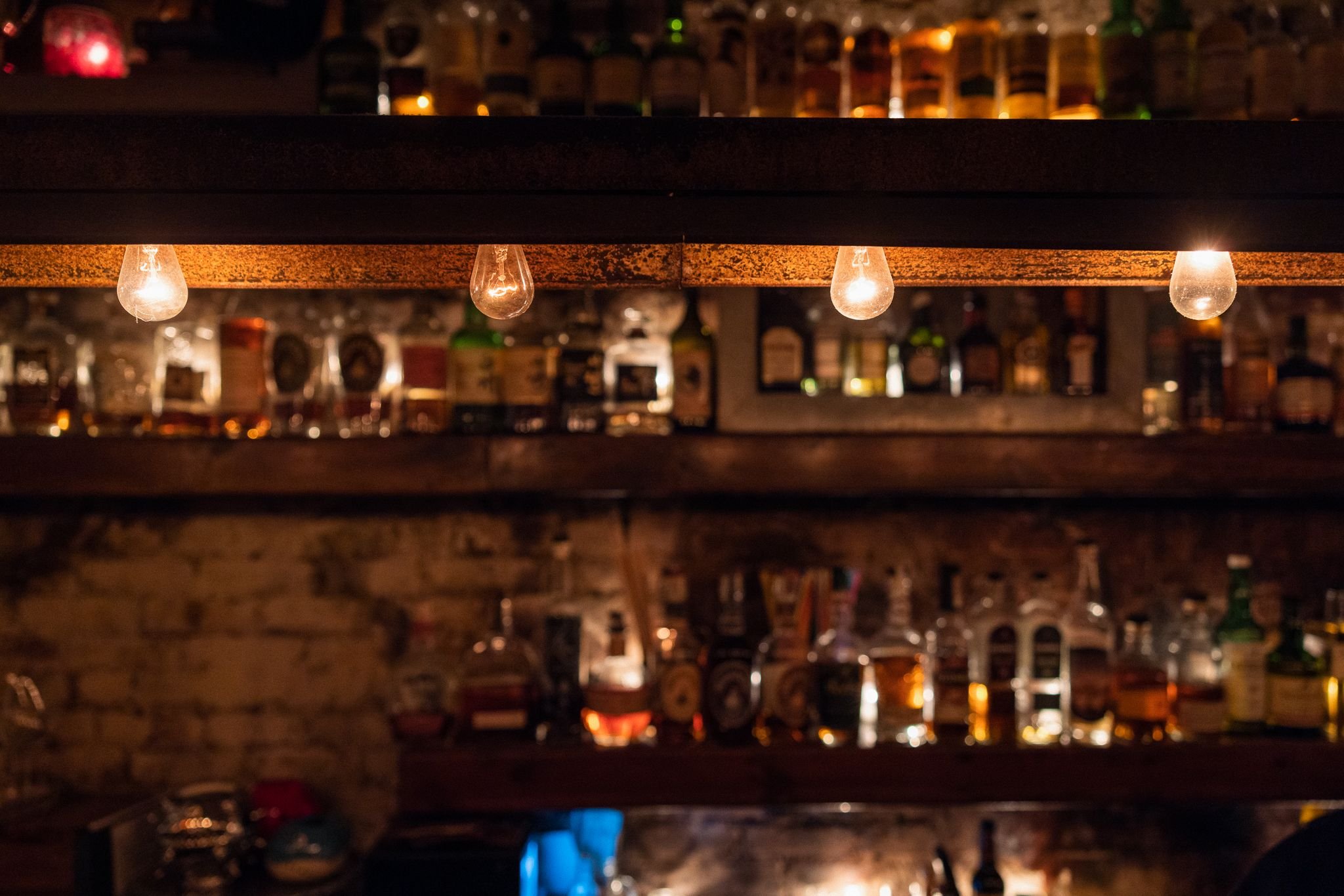
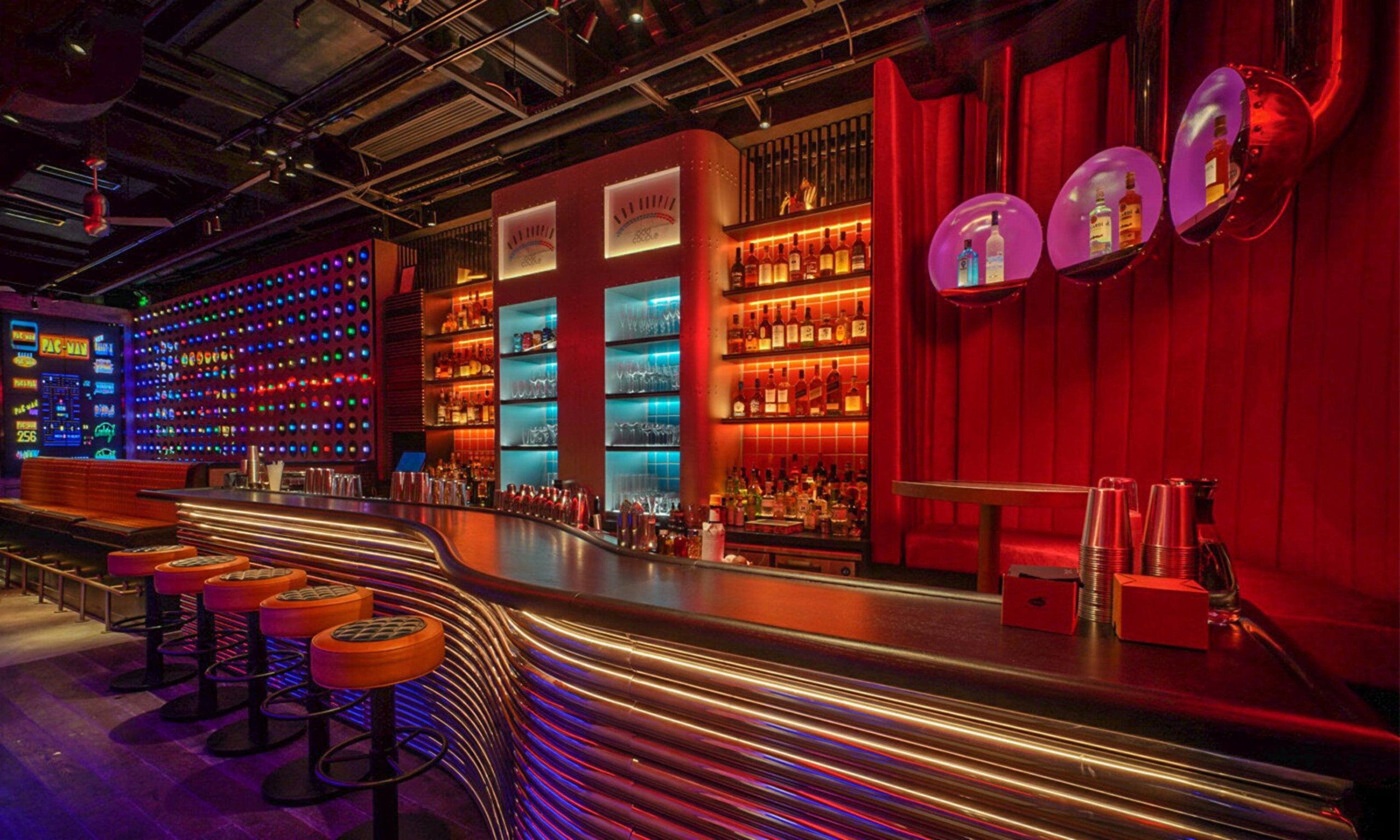
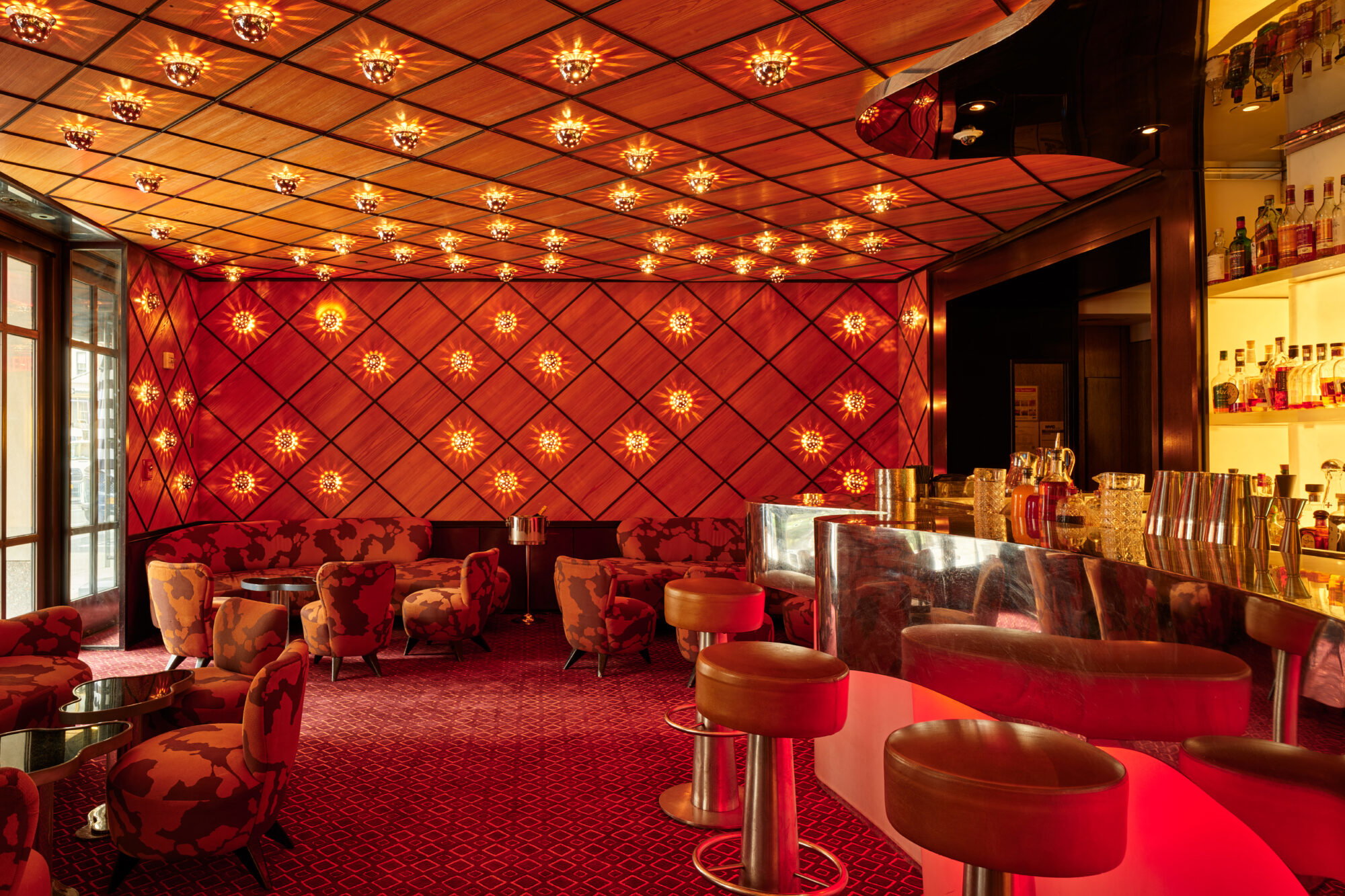
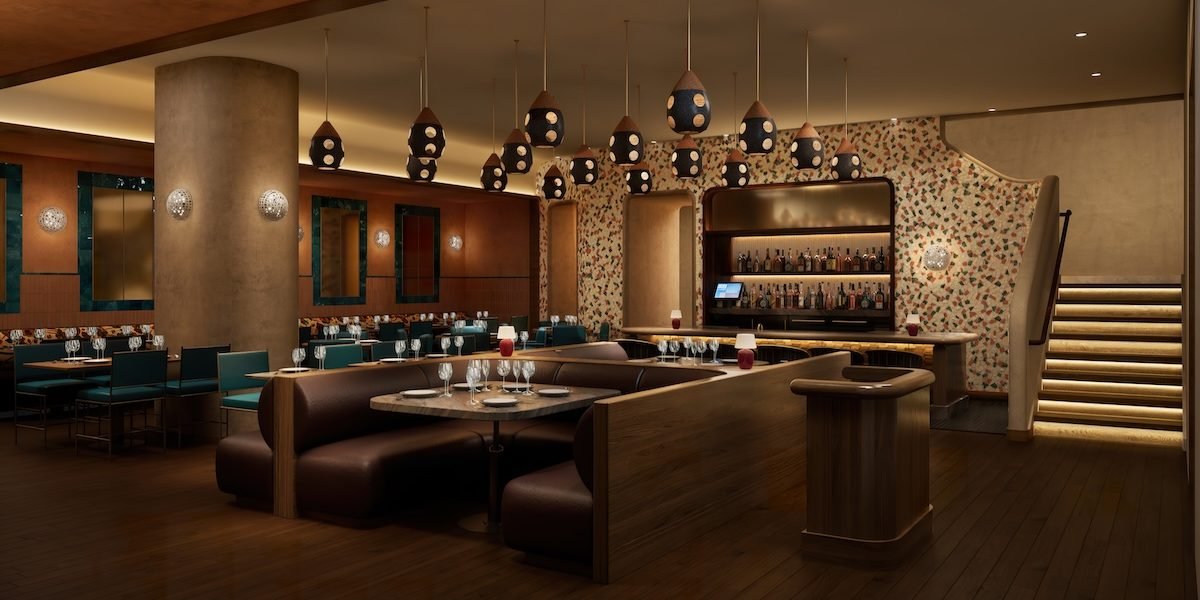
Bar Amasa presents a disciplined cantina approach that privileges depth and craft over theatrics. The room centers the back bar as a working library, signaling a program built around agave and other Latin American distillates rather than showy techniques. That focus gives the place a sophisticated, trend-forward edge: it sits in a growing cohort of Latin-rooted, agave-forward bars that are reshaping New York's drinking culture. Service and design choices read as intentional and programmatic, inviting serious drinkers while remaining rooted in cantina traditions rather than in formal tasting-room ritual.
Best For
Bar Amasa is best for people who come for thoughtful cocktails and spirit-driven discovery, especially diners who appreciate agave, mezcal, and regional Latin American distillates paired with Mexican street food. The cantina framing makes it a good evening destination for groups and after-work gatherings that want focused cocktails rather than theatrical presentations. It also suits patrons who care about spirits depth—those who treat a cocktail menu as a curated collection and prefer a bar where the back bar conveys the program's convictions.
Ordering Tips
Lean into the agave-forward program: ask the bartender about mezcal, tequila, and other regional spirits such as sotol or raicilla instead of defaulting to familiar classics. The back bar is described as a working library, so request recommendations or a guided pour to explore lesser-known distillates. Pair a spirit-forward cocktail with items from the Mexican street food menu to balance intensity and texture. Expect a program that favors depth over gimmicks; let the staff steer you through producers and regional styles rather than ordering for spectacle.
Venue details
Ambiance
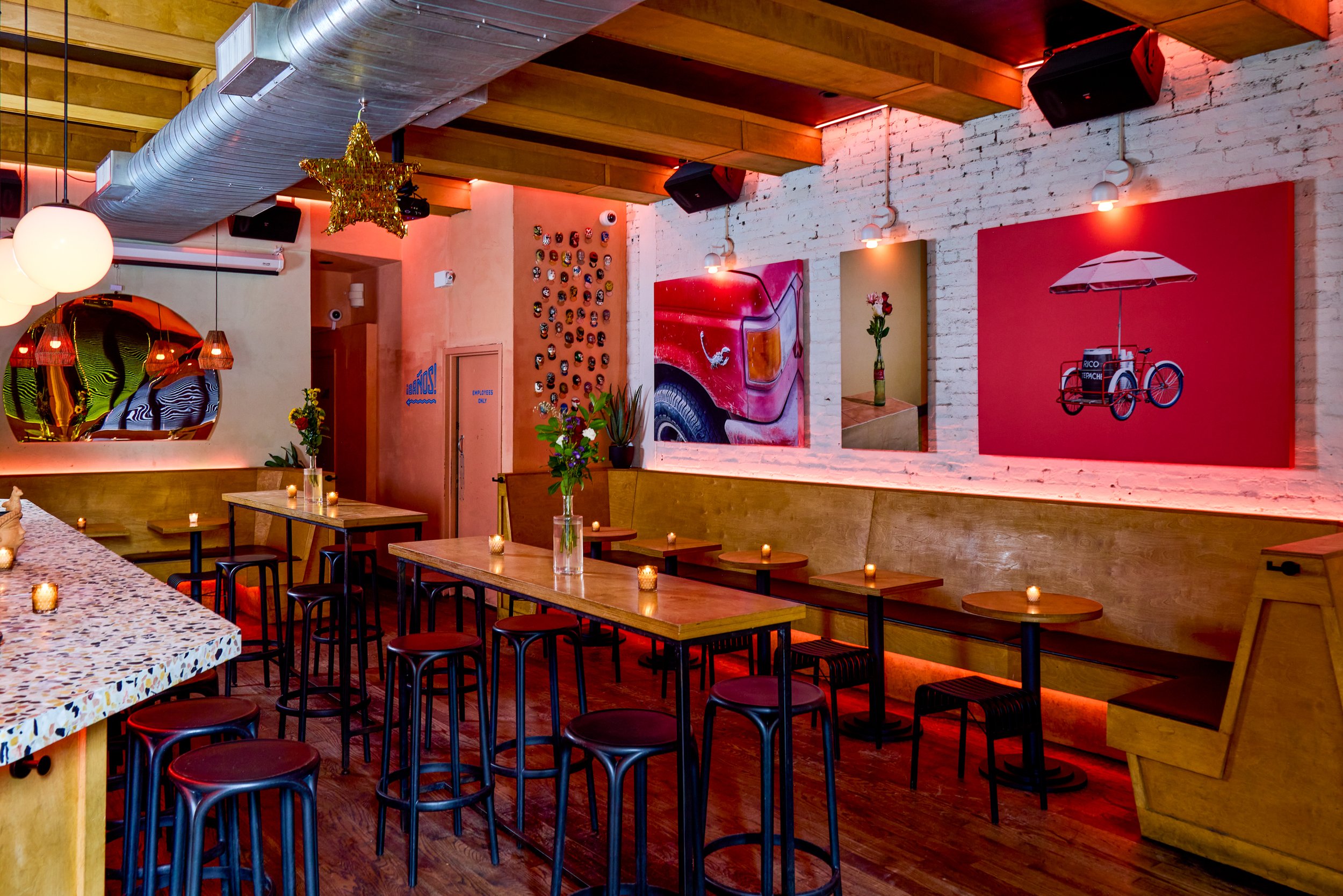
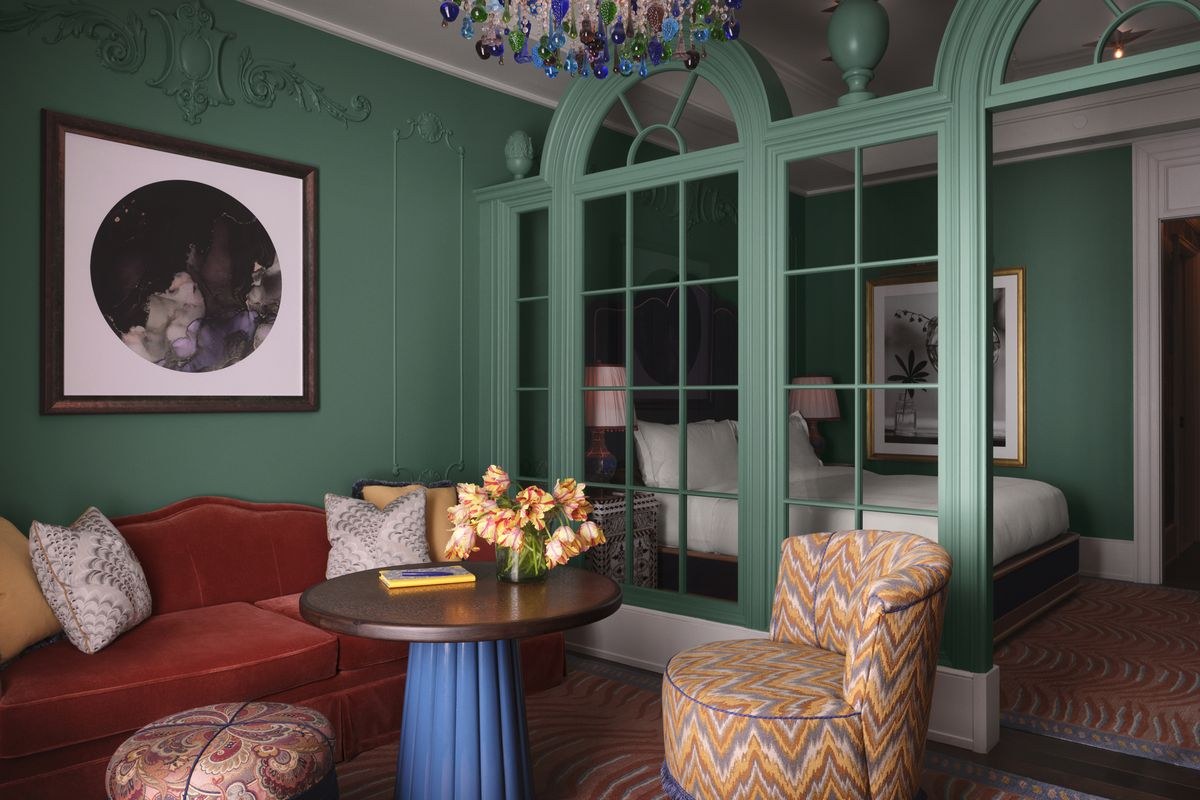
Casual, laid-back setting with warm earth-tone mosaic finishes and jewel-toned fabrics reflecting regional warmth.
Tags
Vibe
Best For
Experience
Format
At the Bar
- Bar Category
- Lounge
- Late Night
- Closes by Midnight
- Spirits Focus
- Tequila, Mezcal, Rum, Vodka
Signature Pours
7 itemsPlanning details
Location
New York City, United States
Explore New York City
Around this place
Discover more on Pearl
Unlock the full Bar Amasa guide in Pearl, including awards, comparisons, FAQs, planning details, and nearby places.
FAQ
Frequently Asked Questions
Is Bar Amasa good for a date?
It can be a fit if the plan is casual Latin cocktails and Mexican tacos rather than a formal dinner. Bar Amasa is a street-level cantina in New York City.
Do I need a reservation at Bar Amasa?
What's the crowd like at Bar Amasa?
The dress code is casual, and the venue is described as a street-level cantina for Latin cocktails and Mexican tacos in New York City.