b'artusi
West Village, New York City
Bar in New York City, United States
 Book with Pearl
The Read
Price
$50–100per person
Why go
Compared with West Village cocktail-first rooms, b'artusi is the better pick when food, conversation, and late-evening flexibility matter. Booking is listed as easy, so it is useful for dates or repeat neighborhood plans when more famous nearby bars are full or too drinks-focused.
About b'artusi
b'artusi is a New York City venue with opening hours that run from midday or late morning into the evening, depending on the day. The dress code is smart casual, making it a practical option to consider when planning a polished but not overly formal outing.
New York City planning basics for b'artusi
b'artusi's hours are Monday 12–11 PM; Tuesday through Thursday 12 PM–12 AM; Friday 12 PM–1 AM; Saturday 11 AM–1 AM; and Sunday 11 AM–11 PM. Those hours give it a wide weekly operating window, including later closing times on Friday and Saturday.
For broader planning, you can compare the occasion with other New York City options such as Employees Only NYC, Katana Kitten, Saint Theo's, Café Kitsuné West Village, and Dandelion, depending on what kind of stop you want before or after b'artusi.
Who should pick it, and who should keep looking
Pick b'artusi if its hours and smart casual dress code fit your New York City plans. It may be especially useful when you need a venue open later in the week, but details beyond the published schedule should be checked directly.
Keep looking if you need details such as cuisine, specific dishes, seating style, outdoor seating, pricing, delivery, takeout, allergy accommodations, or a particular service format. For broader trip-building, use Our full New York City bars guide and Our full New York City restaurants guide.
Planning details
- Location
- 520 Hudson St, New York, NY 10014
- Reservations
- Book on Resy
- Website
- bartusinyc.com
- Phone
- +19088339112
The take
The Take
The Vibe
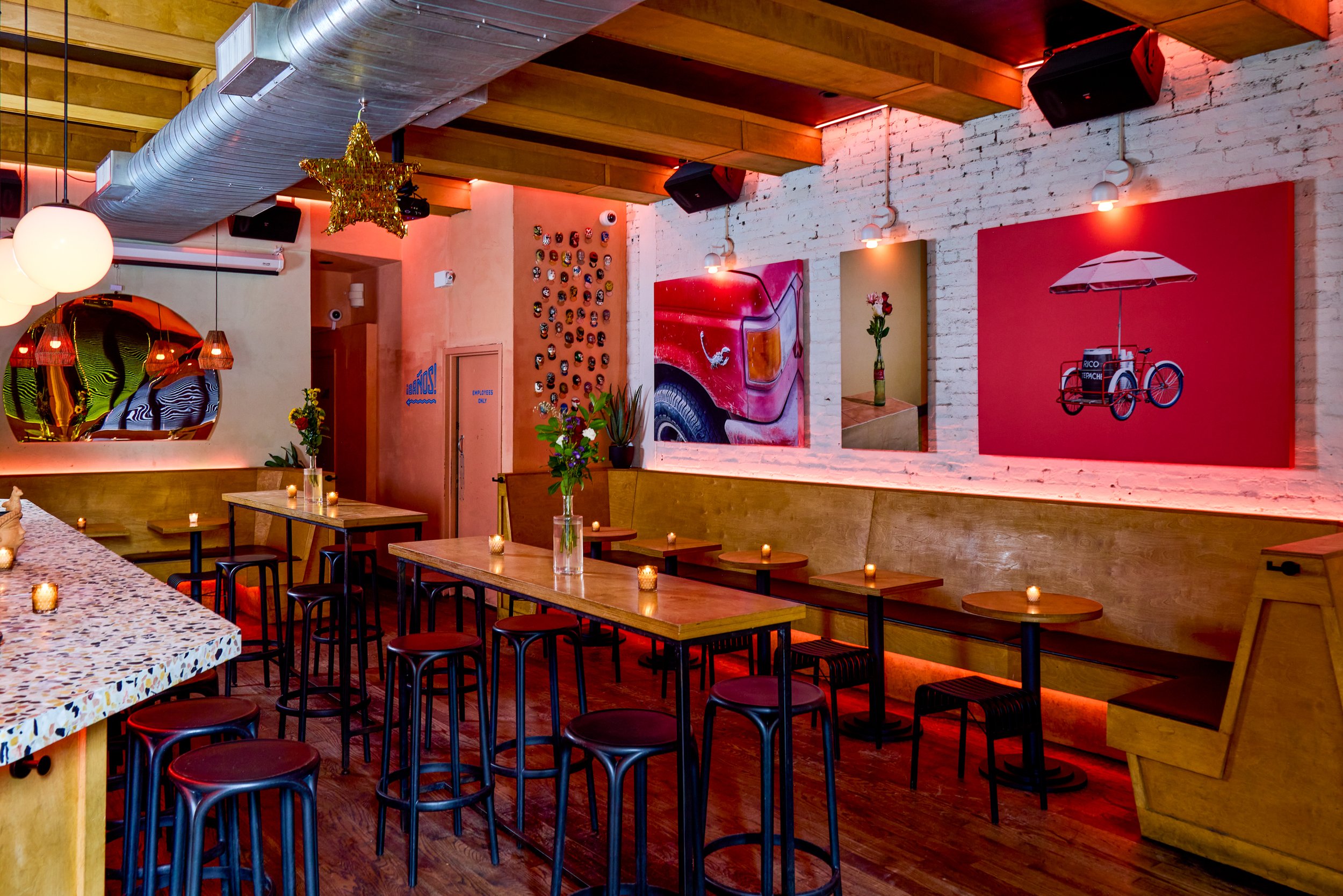
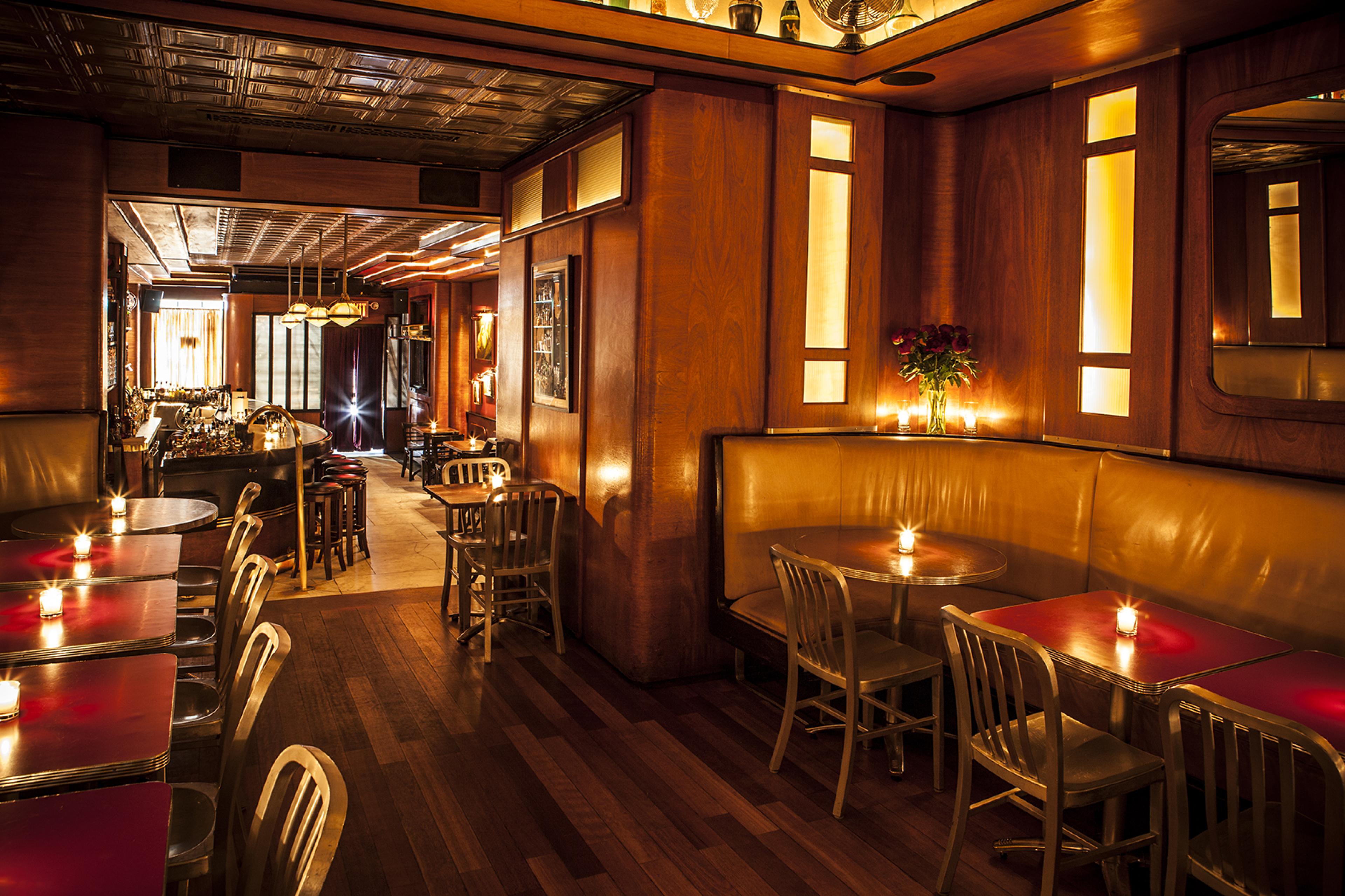
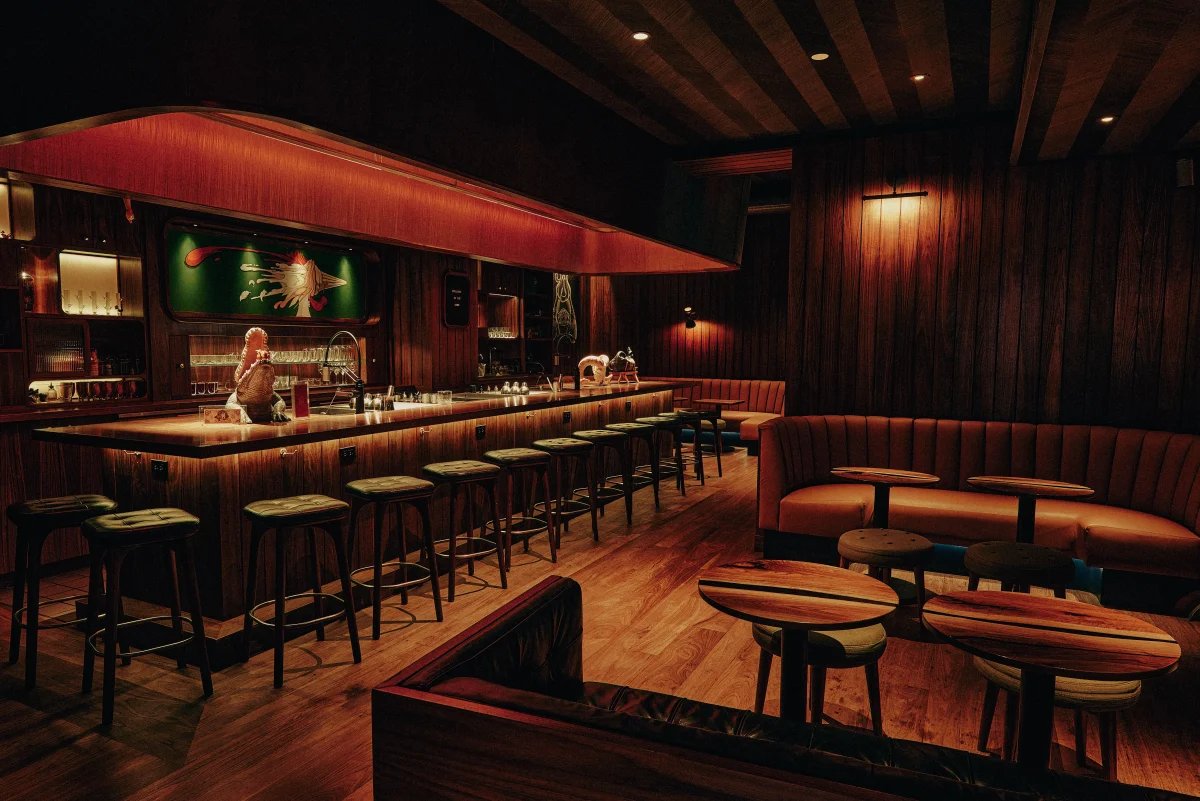
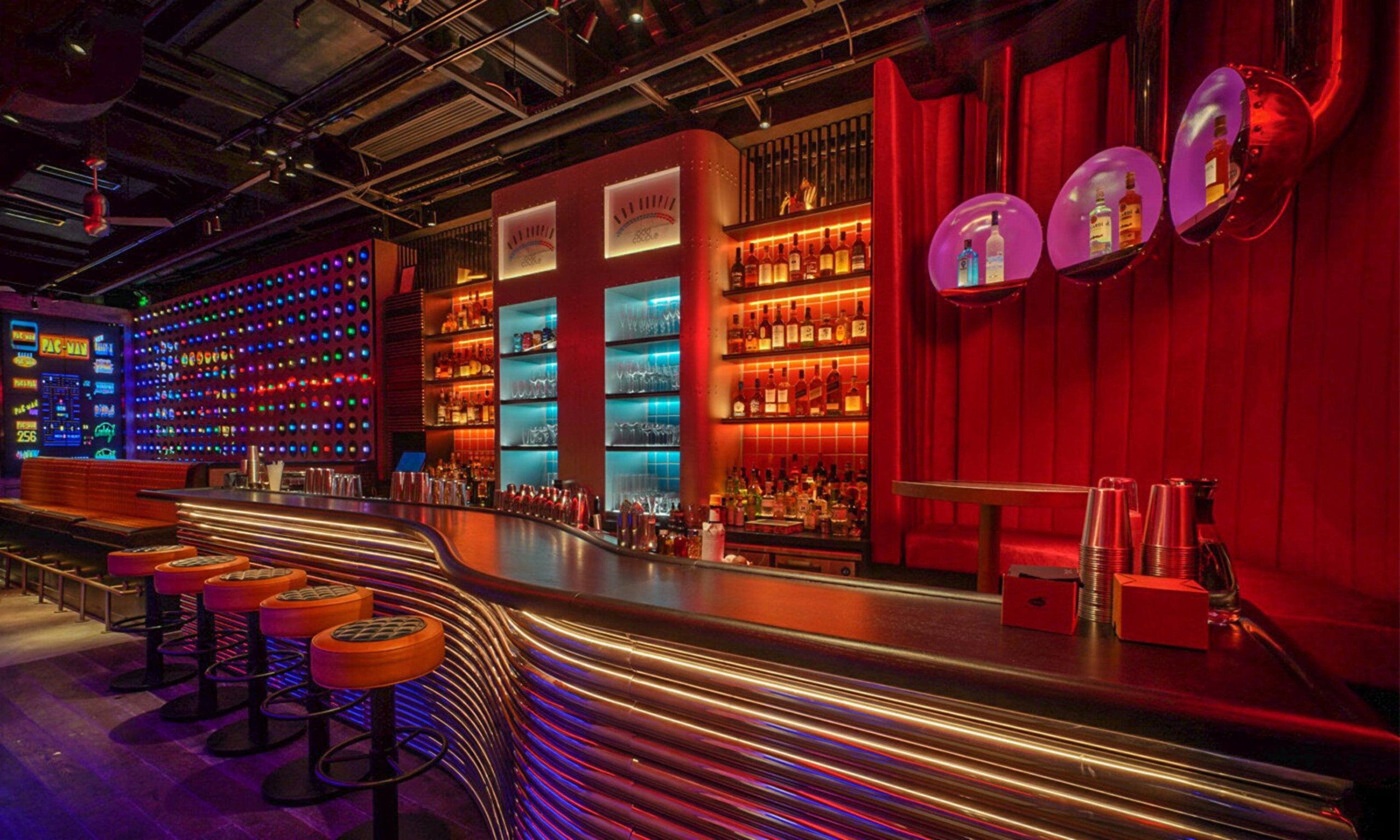
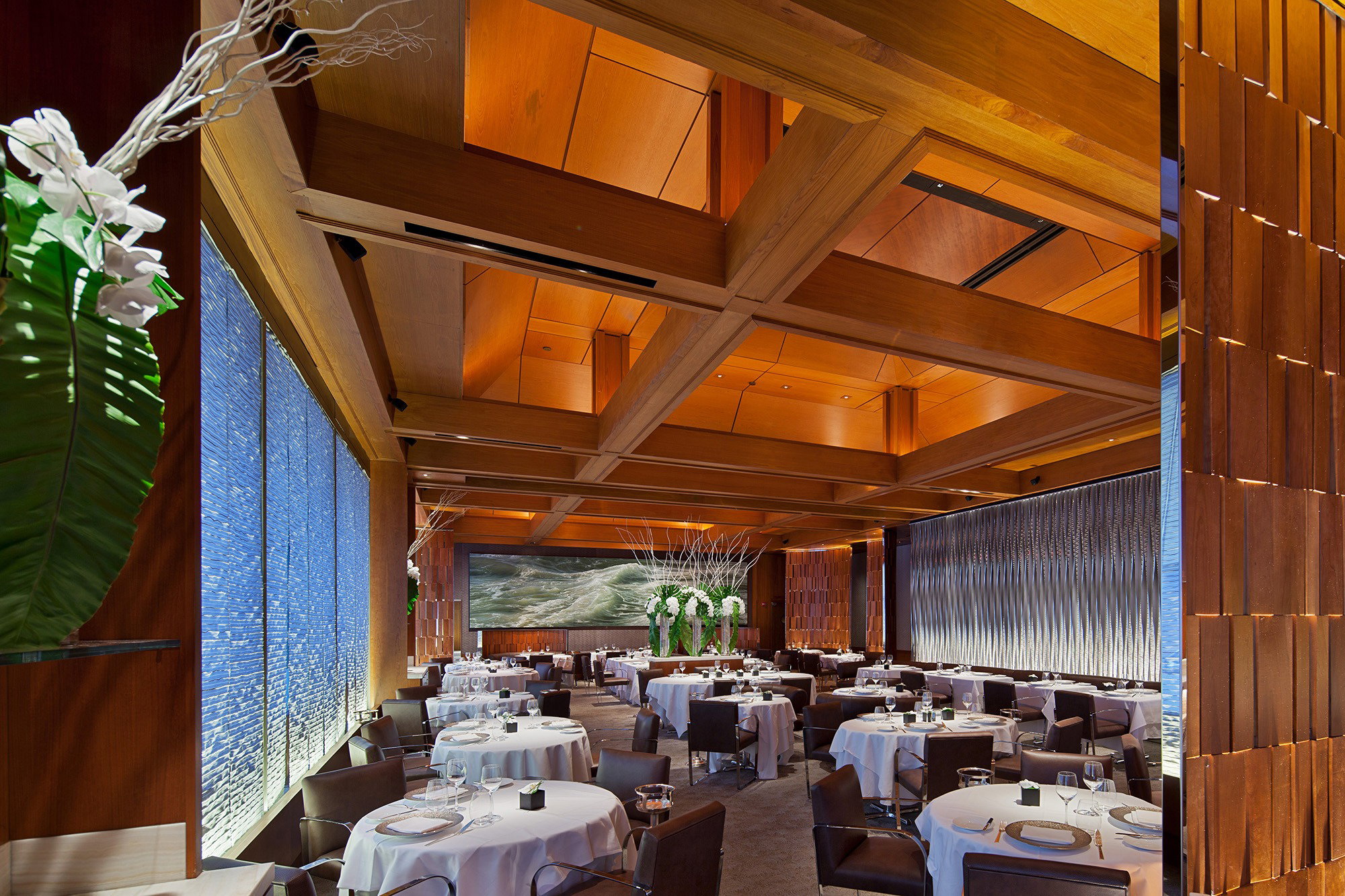
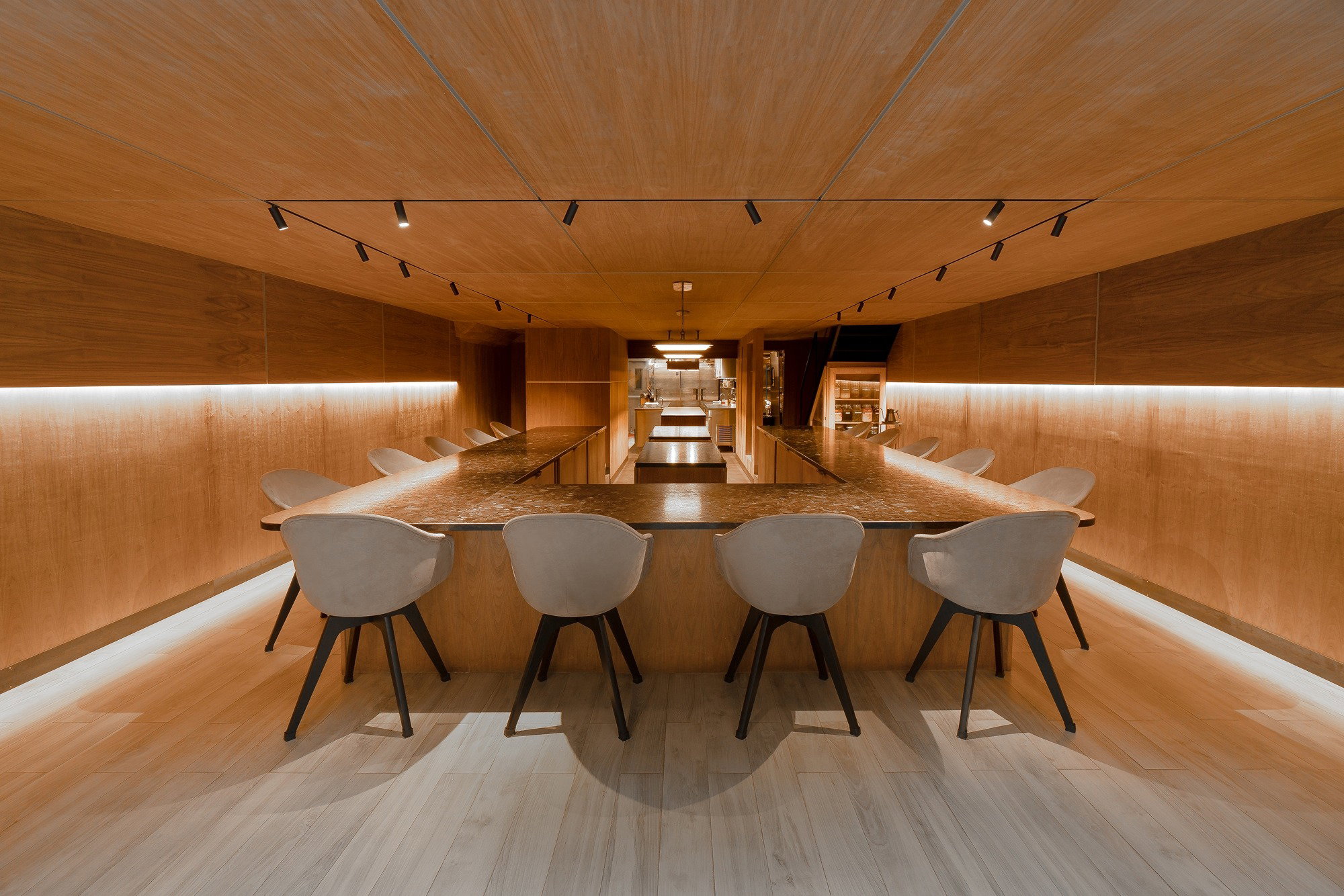
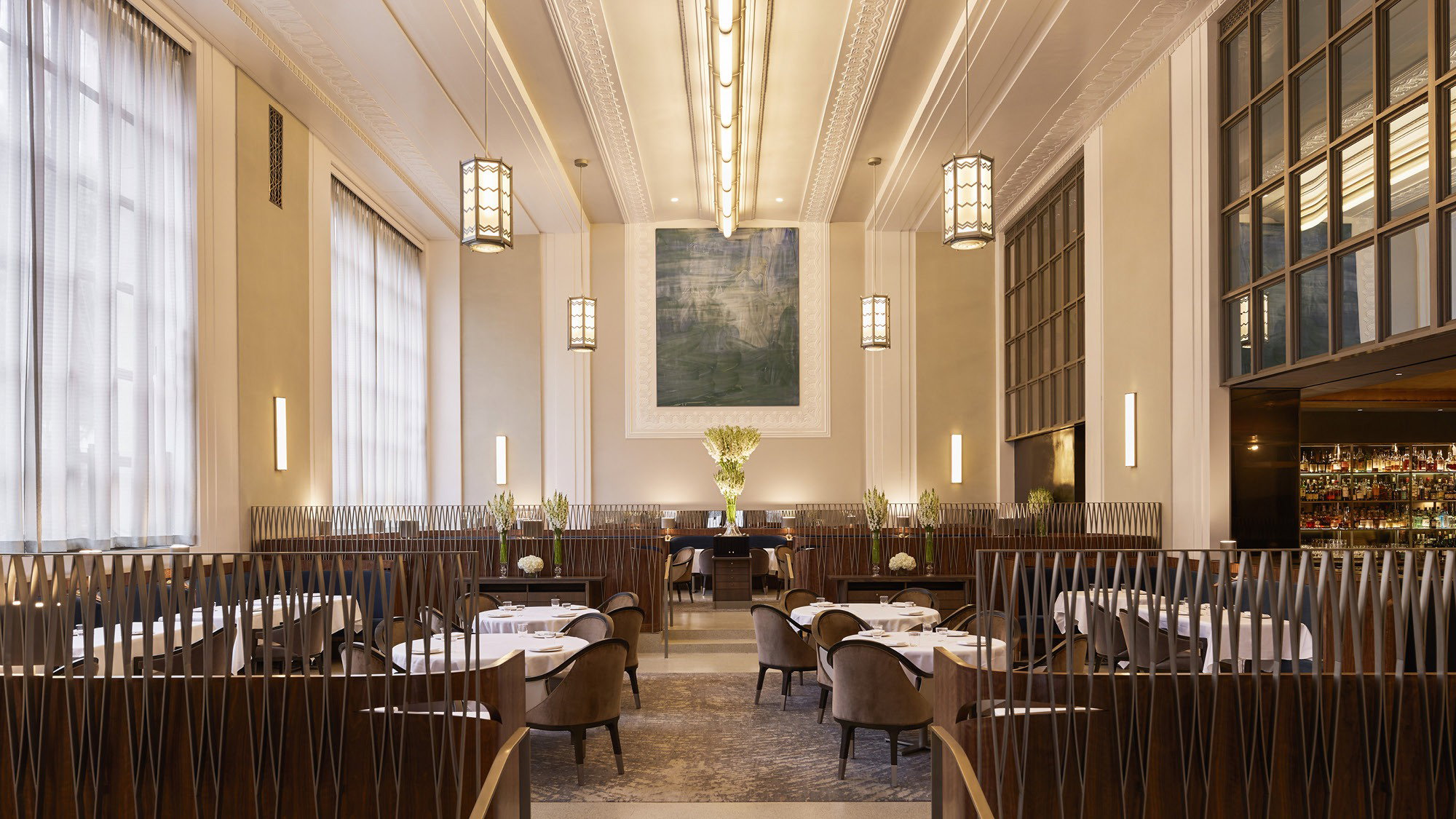
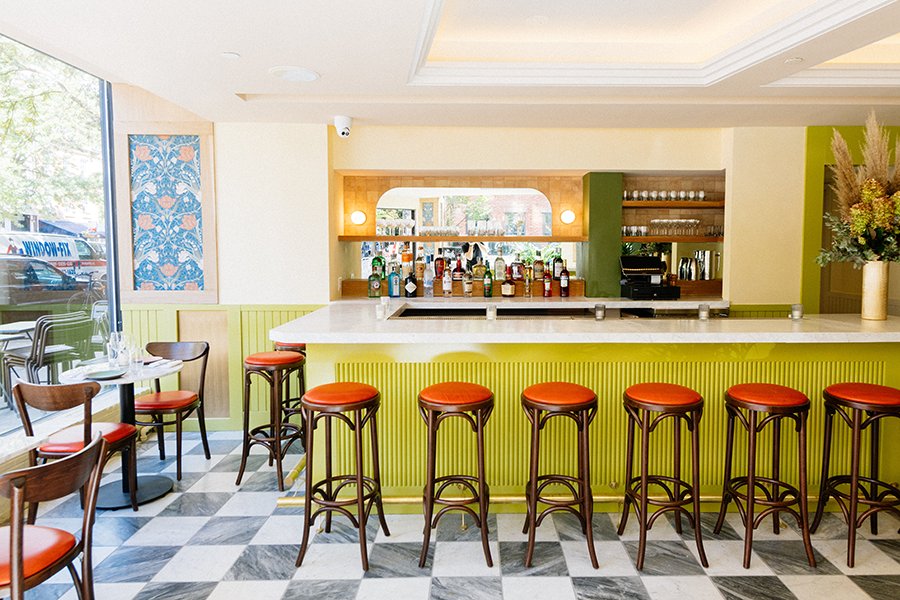
b'artusi reads like a West Village stalwart that marries Italian restraint with a neighborhood bar sensibility. The dining room favors low light and long windows, and the layout signals that the bar is central to the experience rather than an afterthought. Rather than theatrical or overly ornate, the space favors a considered informality—clean, composed and quietly confident. That balance makes the place feel both classic and sophisticated: familiar in its trattoria roots but elevated in execution, with a warm, relaxed atmosphere that rewards both short visits for drinks and longer, lingering meals.
Best For
This is an evening-focused spot where drinks and pasta share equal billing. The menu is arranged around snacks and small plates at one end, a tight pasta selection in the middle, and a drink list robust enough to draw people in on its own. Service evenings center on repeatable, rewarding pasta dishes, making b'artusi ideal for date nights, after-work drinks, and casual hangouts with friends. The bar-forward layout also accommodates quick social stops—standing with a glass while you wait is part of the intended rhythm.
Ordering Tips
Start at the bar with something from the focused drink list—Vermentino is singled out as a natural choice in the room’s description—and settle into the ritual of snacks leading into pasta. The menu’s architecture encourages ordering a few small plates to share before choosing from the compact pasta selection; the dishes are designed to reward repeat visits rather than one-off novelty. Because the bar experience is integral, consider arriving early to secure bar standing room or a seat, especially on busy West Village evenings.
Venue details
Ambiance
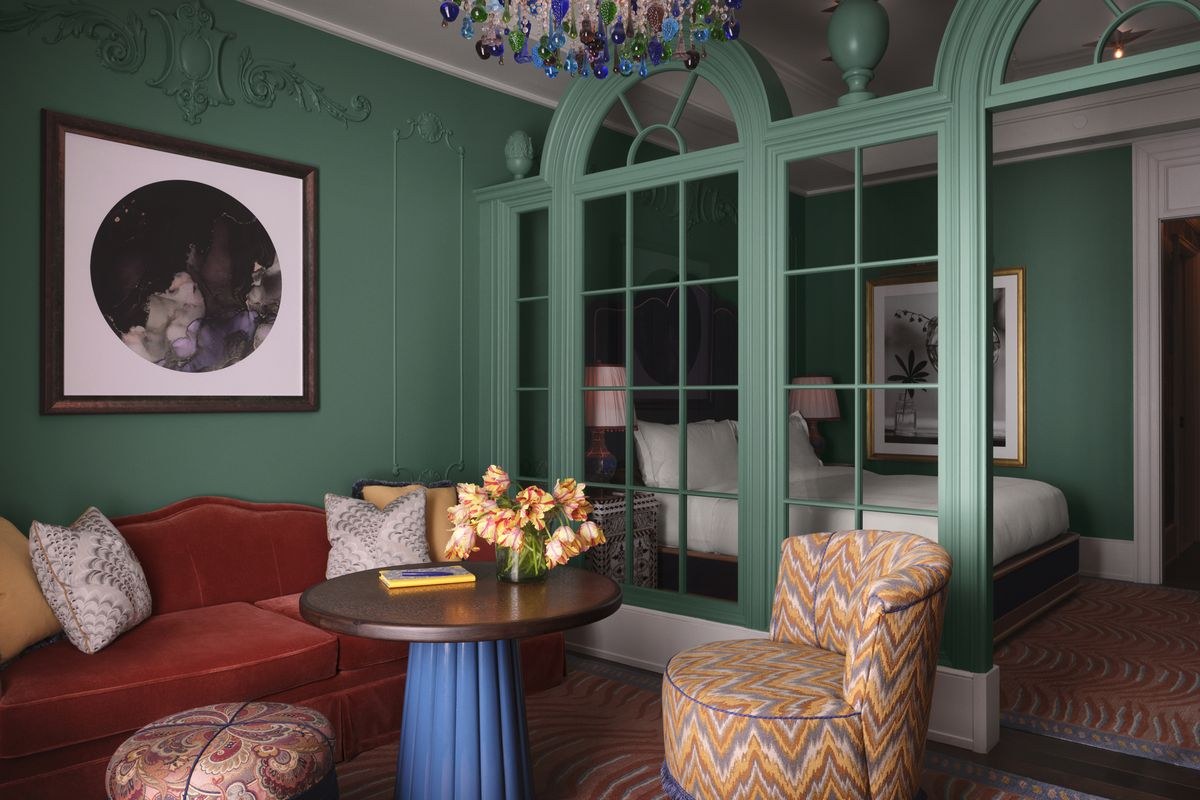
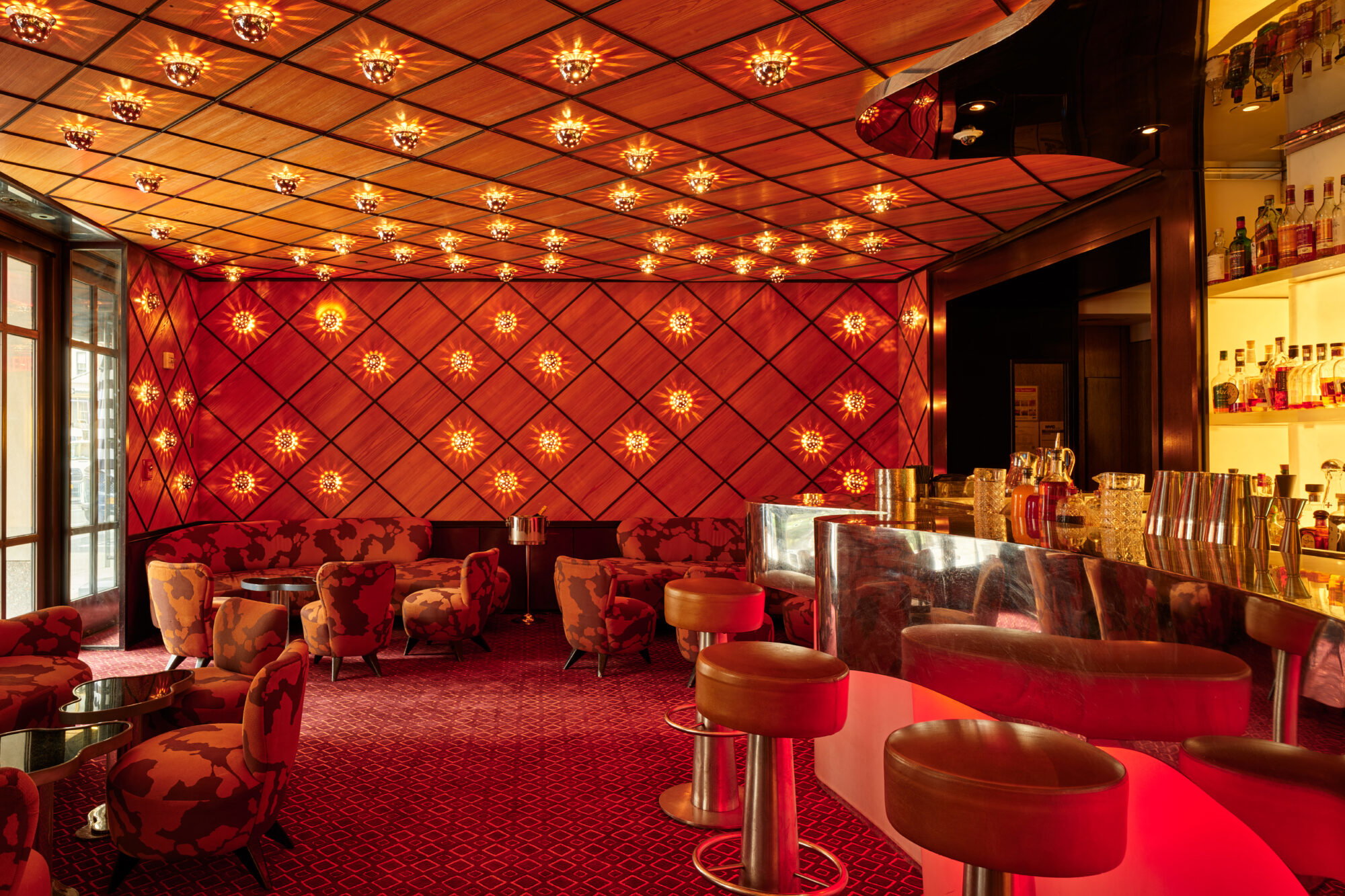
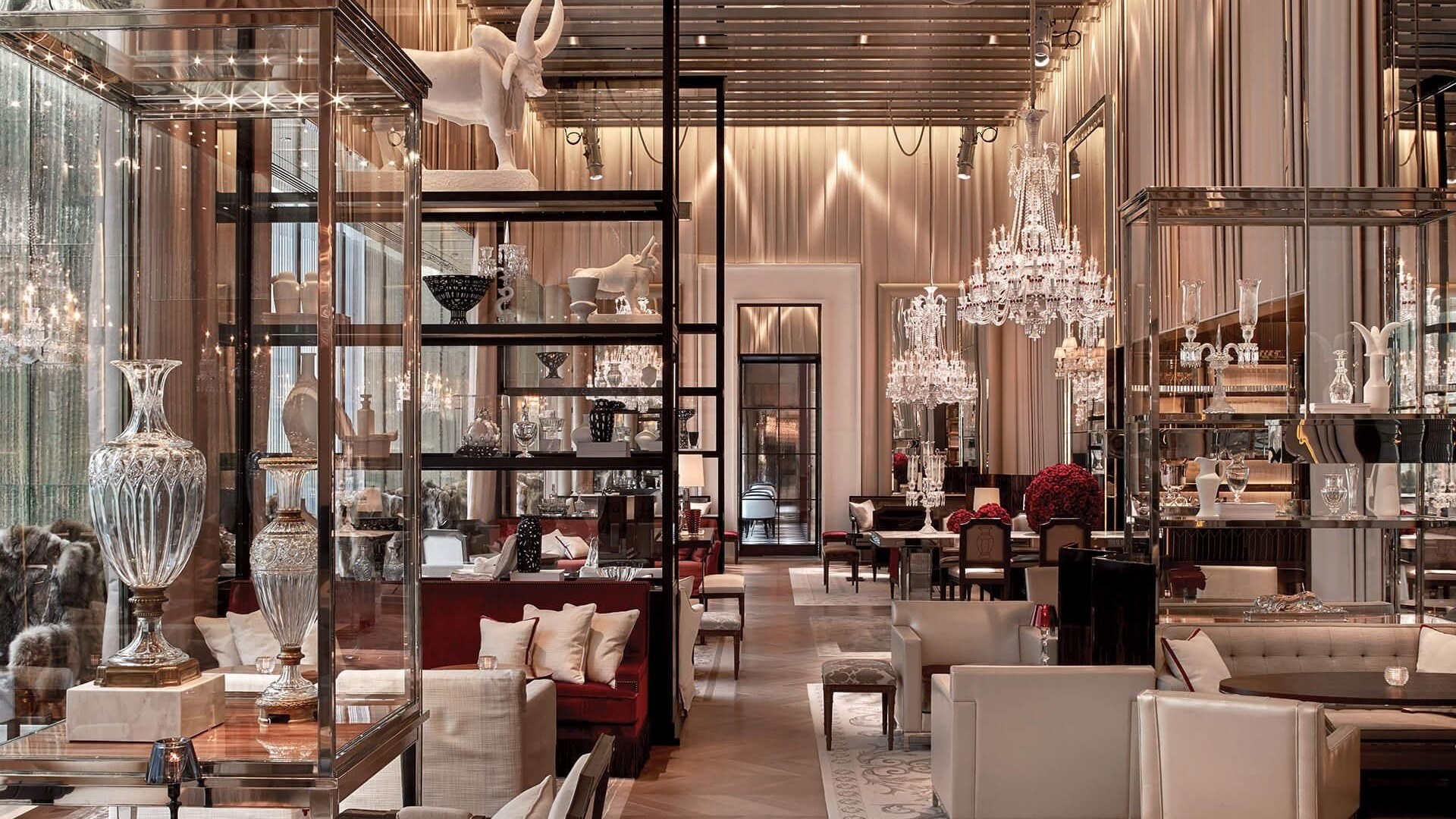
Cozy interior with rich woods, vintage mirrors, lush greenery, and art gallery wall, complemented by expansive outdoor seating.
Tags
Vibe
Best For
Experience
Format
View
At the Bar
- Bar Category
- Wine Bar
- Late Night
- Open Until 2am
- Music
- Lofi or Bebop
- Spirits Focus
- Gin, Mezcal
- Zero-Proof Program
- Yes
Signature Pours
- The Eleven AM
- Reigning Queens
- Earth & Green
Know before you go
Know Before You Go
- Getting there
- 520 Hudson St, New York, NY 10014
Planning details
Location
Also consider
Also Consider
- Employees Only NYC, Notable alternative
- Dandelion, Notable alternative
- Katana Kitten, Notable alternative
- Saint Theo's, Notable alternative
- Café Kitsuné West Village, Notable alternative
Bar context
How it compares in the West Village late-night mix
Choose b'artusi over Employees Only NYC when the night needs a meal-shaped plan, not just cocktails. Employees Only NYC is the more obvious bar destination; b'artusi is the safer call for a date that needs food, a table, and a less single-minded drinks agenda.
Katana Kitten is stronger for a bar-led night, while Saint Theo's is the closer cross-shop for a fuller restaurant feel. If the group wants something lighter or more casual, Café Kitsuné West Village is the easier low-commitment choice.
Dandelion belongs in the comparison set for readers prioritizing ambiance over a structured meal. For value, b'artusi wins when one booking has to cover drinks, food, and conversation without turning the evening into a formal occasion.
Explore New York City
Around this place
Discover more on Pearl
Unlock the full b'artusi guide in Pearl, including awards, comparisons, FAQs, planning details, and nearby places.
Compare b'artusi
| Venue | Location | Awards |
|---|---|---|
| b'artusi | New York City | No published awards |
| Employees Only NYC | New York City | 2026 North America's 50 Best Bars · #45The 50 Best Bars 2026 — 51–100 · #782026 OAD Casual in North America Recommended2025 North America's 50 Best Bars · #18Top 500 Bars 2025 · #742025 World's 50 Best Bars · #952024 North America's 50 Best Bars · #152024 World's 50 Best Bars · #972023 World's 50 North America's Best Bars · #14 |
| Dandelion | New York City | No published awards |
| Katana Kitten | New York City | 2026 North America's 50 Best Bars · #522026 OAD Casual in North America Recommended2025 North America's 50 Best Bars · #42Top 500 Bars 2025 · #1972025 OAD Casual in North America Ranked · #8092024 North America's 50 Best Bars · #122024 World's 50 Best Bars · #802023 World's 50 North America's Best Bars · #32023 World's 50 Best Bars · #27 |
| Saint Theo's | New York City | No published awards |
| Café Kitsuné West Village | New York City | No published awards |




How b'artusi NYC compares with similar nearby venues.
FAQ
Frequently Asked Questions
Is b'artusi good for a date?
b'artusi may fit a date night if its New York City location, smart casual dress code, and operating hours match your plans. For details such as seating layout, atmosphere, menu, or reservation availability, confirm directly with the venue.
Do I need a reservation at b'artusi?
Check directly with b'artusi for reservation requirements before you go, especially if you are planning around the later Friday and Saturday closing time of 1 AM.
Is the food good at b'artusi?
Is b'artusi open late?
Yes. b'artusi is open until midnight Tuesday through Thursday, until 1 AM on Friday and Saturday, and until 11 PM on Sunday and Monday.
Does b'artusi have outdoor seating?
Is b'artusi good for groups?
Contact b'artusi directly for current information on party size, seating, and availability.
Does b'artusi have happy hour deals?
For happy hour information, check directly with the venue. Practical details include the New York City location, smart casual dress code, and published weekly hours.