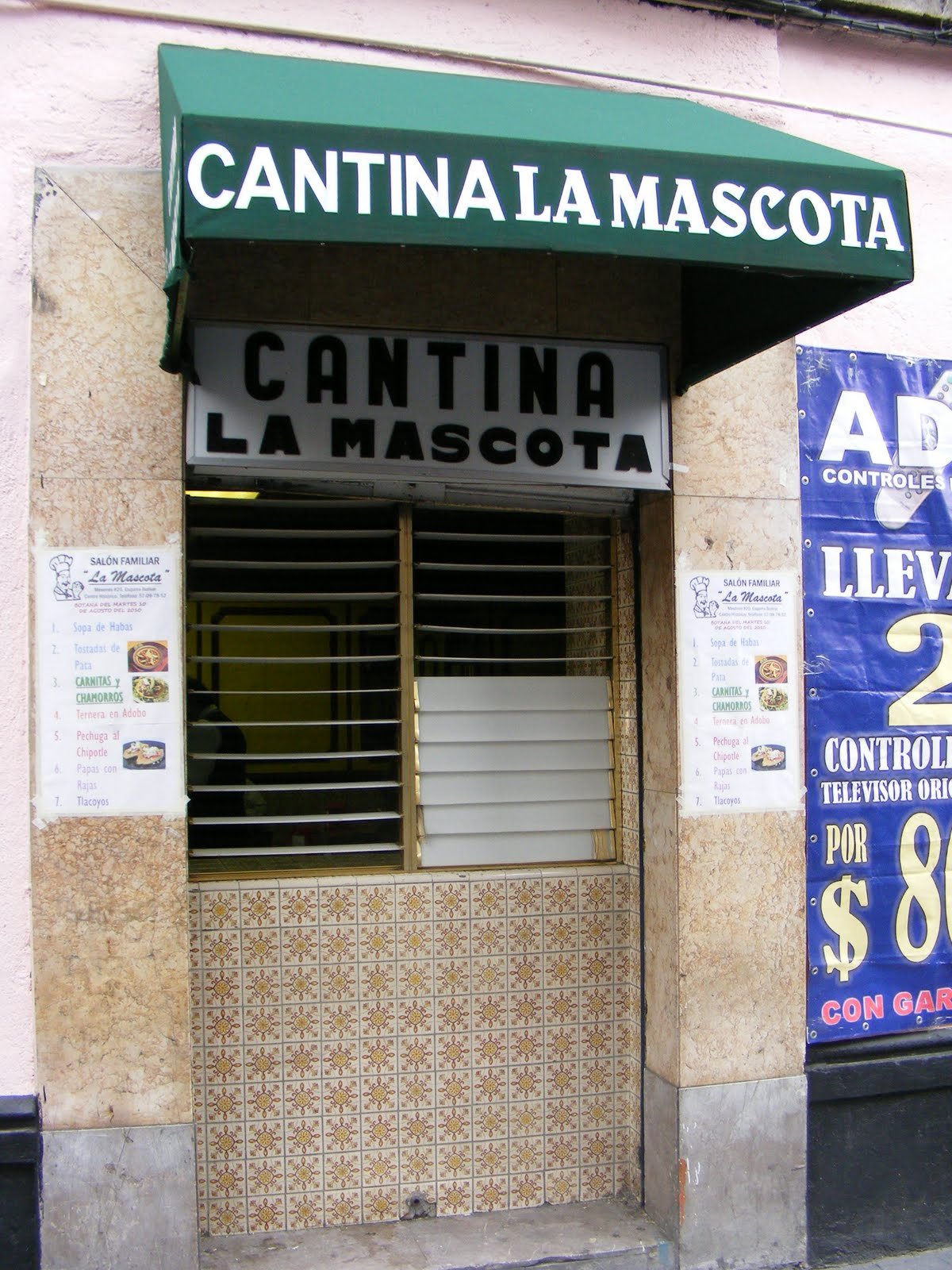
Salon Familiar La Mascota Cantina
Centro, Mexico City
Bar in Mexico City, Mexico
 Book with Pearl
The Read
Price
$10–20per person
Why go
A practical Centro Histórico cantina choice for first-timers who want an easy, casual stop rather than a high-stakes reservation. Salon Familiar La Mascota Cantina is strongest when the night may run late and the group wants flexibility in Mexico City's historic center.
About Salon Familiar La Mascota Cantina
Salon Familiar La Mascota Cantina is a Mexico City venue with a casual dress code and afternoon-to-late-night hours. It opens at 1 PM daily, closes at 11:30 PM Monday through Wednesday, midnight on Thursday, 2 AM on Friday and Saturday, and 11 PM on Sunday.
Use this information for planning based on Salon Familiar La Mascota Cantina's operating hours and informal dress code. Beyond those basics, specific claims about menu, service style, beverages, pricing, reservations, or the room itself are not specified.
Use it for a casual Mexico City plan
The clearest reason to keep Salon Familiar La Mascota Cantina on a shortlist is scheduling. Its posted hours cover afternoons, evenings, and later nights on Friday and Saturday, which can make it easier to compare against other Mexico City plans.
If you need a confirmed menu format, a particular beverage program, exact pricing, or detailed seating information, those details are not provided. Salon Familiar La Mascota Cantina is a casual Mexico City option with late Friday and Saturday closing times.
Where it fits in a first-timer Mexico City plan
Readers building a larger itinerary should use Pearl's Mexico City bars guide for other options, then cross-check dining plans in Pearl's Mexico City restaurants guide and hotel positioning in Pearl's Mexico City hotels guide. For a different option, compare it with Azul Historico; for other possibilities, consider Freehouse Bar, La Botica Centro, La Casa del Cine, or Zinco Jazz Club.
The practical verdict: consider Salon Familiar La Mascota Cantina when its hours and casual dress code fit your plan. Choose another venue if you need confirmed details about cuisine, menu format, beverages, price, or a more specifically defined experience.
Planning details
- Location
- Calle de Mesones 20, Centro Histórico de la Cdad. de México, Centro, Cuauhtémoc, 06080 Ciudad de México, CDMX, Mexico
- Phone
- +52 55 5709 3414
The take
The Take
The Vibe
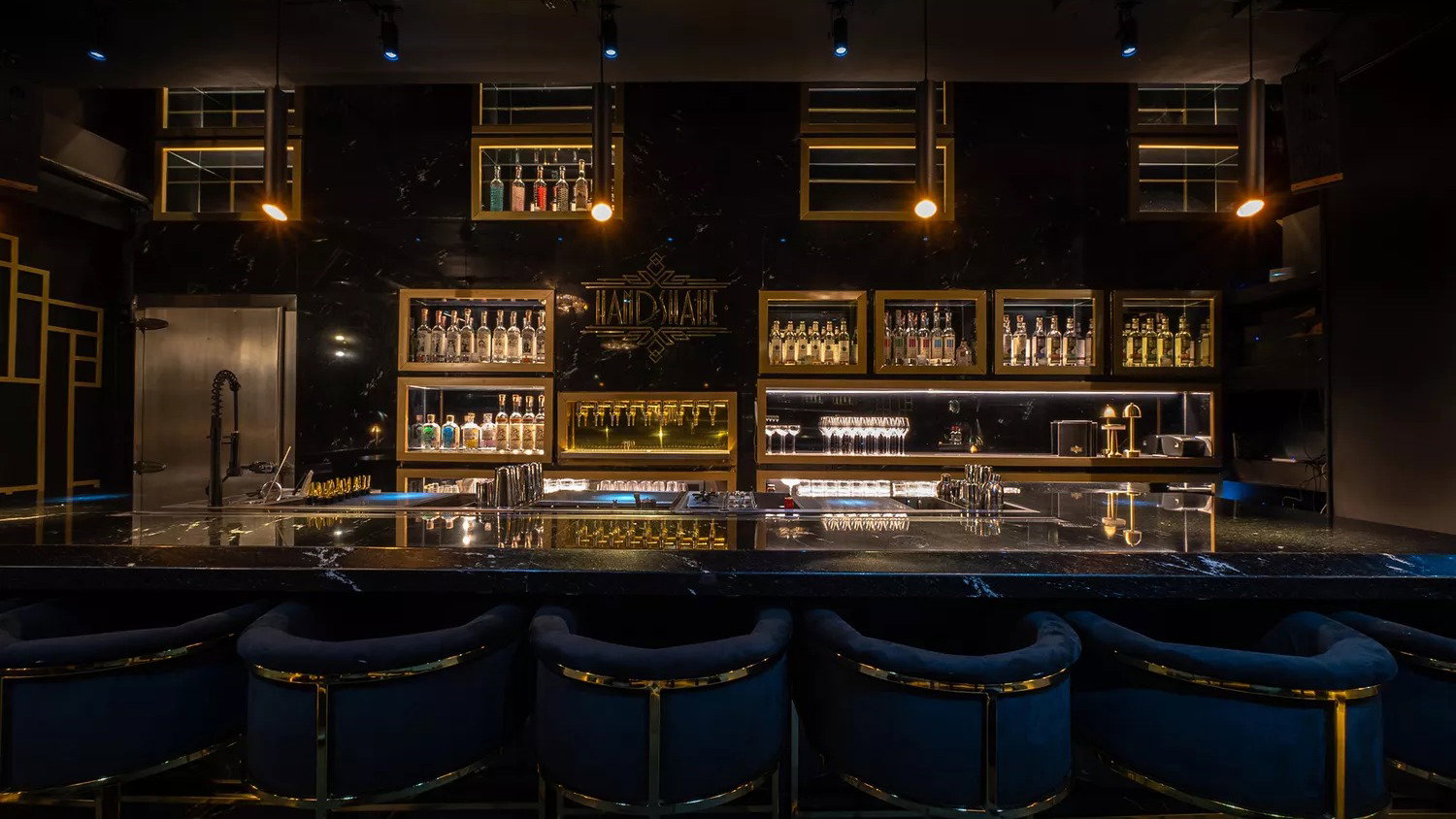
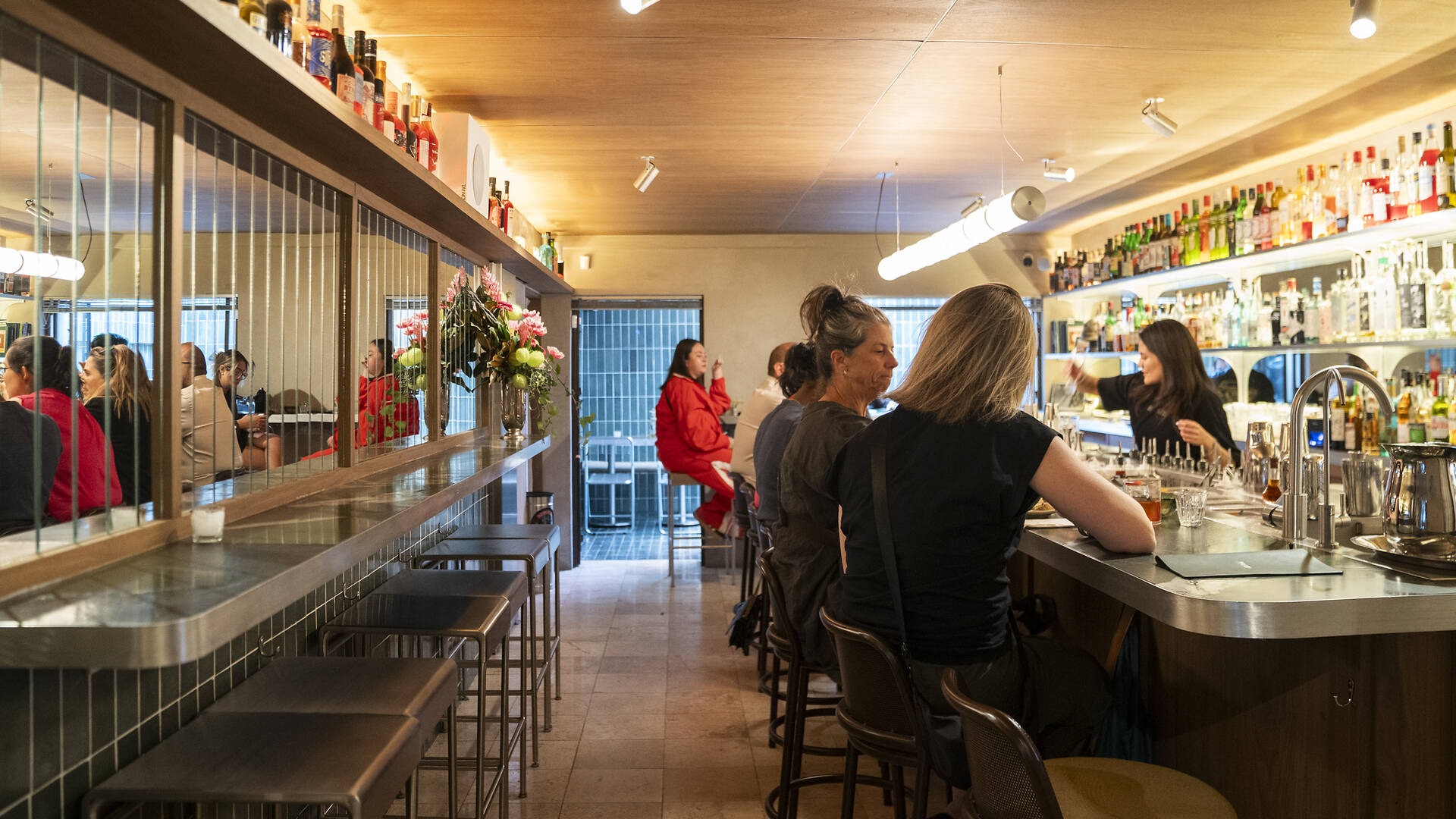
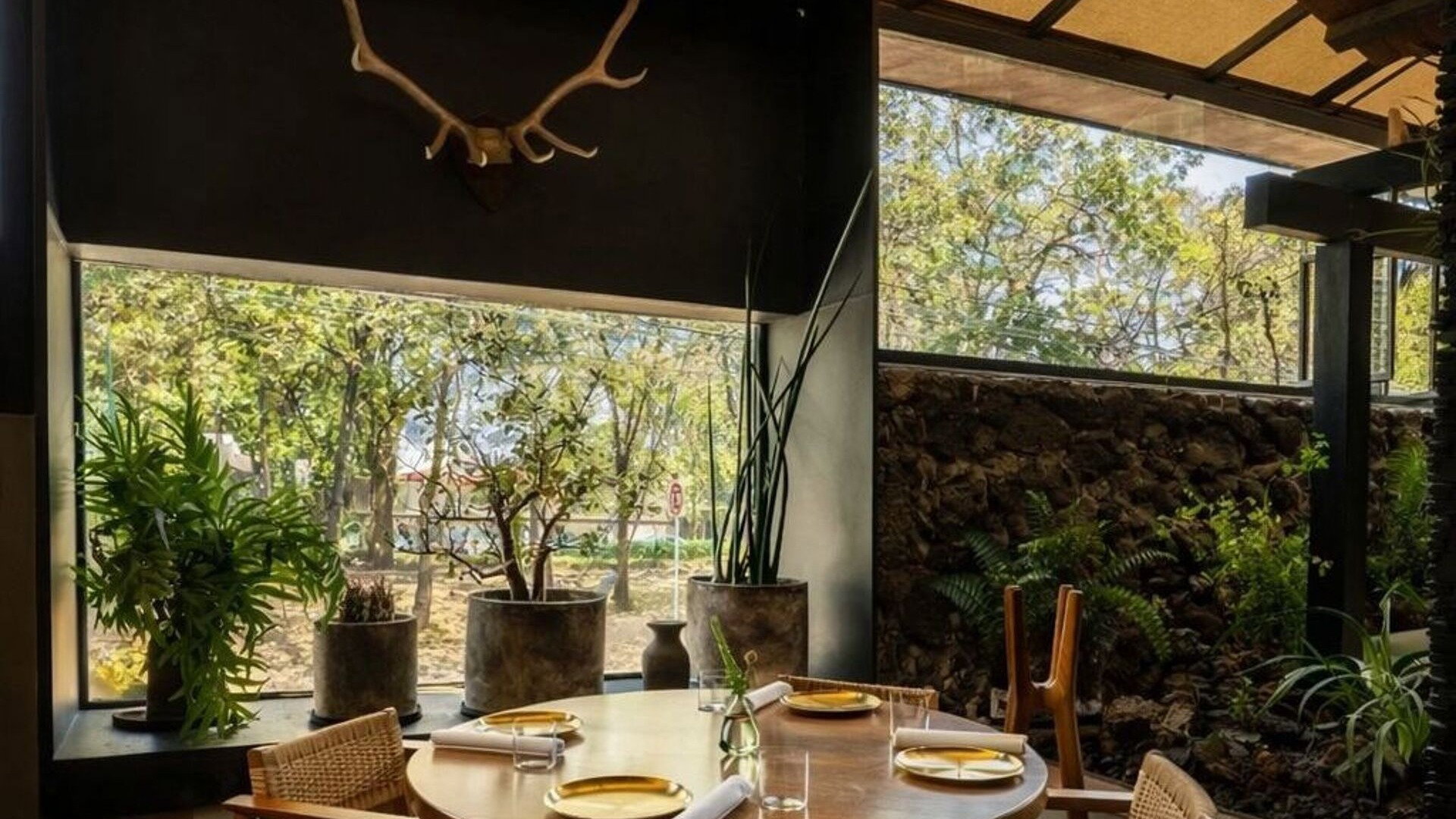
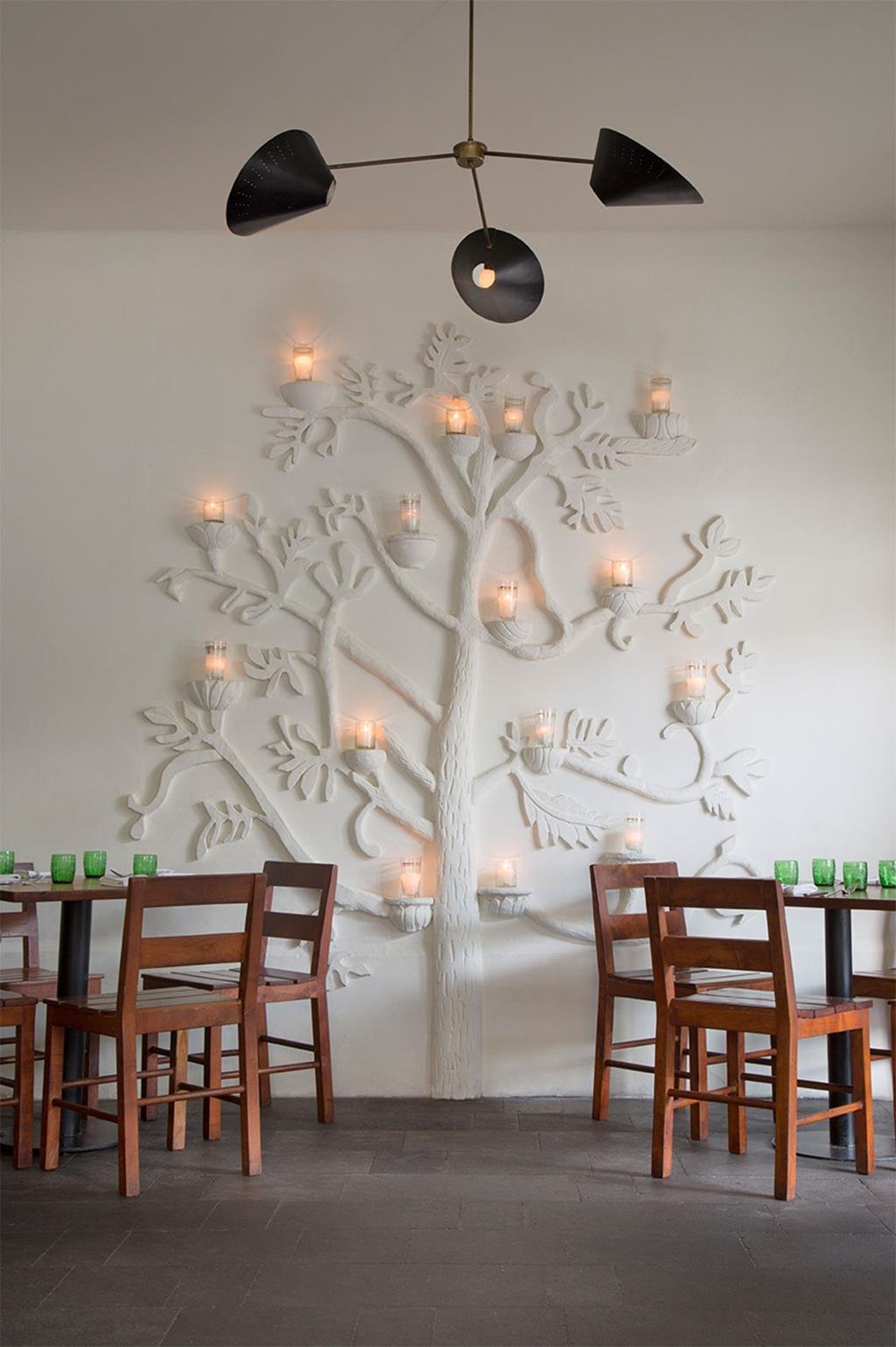
La Mascota reads like a living piece of Centro Histórico: a traditional salon familiar cantina that resists contemporary bar-fashion. Tiled floors, long wooden bars and trays of complimentary botanas circulate through a room where street noise and the smell of frying lard announce your arrival. Men argue about football and neighbourhood regulars populate the space; the place makes no concessions to modern hospitality design. The result is an authentic, unapologetic cantina atmosphere that foregrounds social continuity and local ritual rather than crafted cocktails or design-forward staging.
Best For
This is a go-to for informal evening outings and communal drinking with neighbours and family. Located a short walk from the Zócalo on Calle de Mesones, La Mascota suits after-work crowds and groups seeking the old cantina experience — families included, thanks to its salon familiar tradition. It’s less a destination for cocktail innovation than a place to plug into local life: expect regulars, lively conversation, and the sort of convivial bustle that rewards repeat visits and group gatherings.
Ordering Tips
Treat La Mascota as a traditional cantina: expect complimentary botanas to circulate and an informal service rhythm rather than a crafted cocktail program. Sit at the long wooden bar or join the room’s regulars and embrace the social atmosphere rather than looking for contemporary hospitality trappings. Because the venue registers as a neighbourhood institution, it’s useful to arrive ready for a convivial, shared experience — order drinks and let the circulating snacks and the room’s rhythm dictate the pace of the visit.
Venue details
Ambiance
Fun and old-school atmosphere with a festive, convivial energy typical of historic downtown Mexico City cantinas.
Tags
Vibe
Best For
Experience
Format
At the Bar
- Bar Category
- Pub
- Music
- Mariachi
- Live Music
- Yes
- Spirits Focus
- Tequila, Mezcal
Know before you go
Know Before You Go
- Getting there
- Calle de Mesones 20, Centro Histórico de la Cdad. de México, Centro, Cuauhtémoc, 06080 Ciudad de México, CDMX, Mexico
Planning details
Location
Calle de Mesones 20, Centro Histórico de la Cdad. de México, Centro, Cuauhtémoc, 06080 Ciudad de México, CDMX, Mexico · Directions
Also consider
Where to go if this does not fit
Pick La Botica Centro for a mezcal-led night, or Zinco Jazz Club if live music matters more than cantina ease. For a more composed Centro setting, Azul Historico is the cleaner alternative.
Bar context
How it compares in Centro
Salon Familiar La Mascota Cantina is the practical cantina choice in this set: easier to treat as a flexible stop than Zinco Jazz Club, which is better when the night is built around live music. Choose Zinco when ambiance is the main event; choose La Mascota when the group wants a lower-planning Centro drink.
La Botica Centro is the sharper pick for a mezcal-focused outing, while La Casa del Cine makes more sense when the evening is tied to film or a cultural stop. Azul Historico is the better cross-shop for visitors who want a more composed setting around a meal or drinks in the historic center.
Freehouse Bar reads as the stronger choice for a more bar-forward night. La Mascota is the value-minded, low-friction option when booking difficulty and flexibility matter more than a designed cocktail-room experience.
Explore Mexico City
Around this place
Discover more on Pearl
Unlock the full Salon Familiar La Mascota Cantina guide in Pearl, including awards, comparisons, FAQs, planning details, and nearby places.
Compare Salon Familiar La Mascota Cantina
| Venue | Location | Awards |
|---|---|---|
| Salon Familiar La Mascota Cantina | Mexico City | No published awards |
| La Casa del Cine | Mexico City | No published awards |
| La Botica Centro | Mexico City | No published awards |
| Azul Historico | Mexico City | No published awards |
| Freehouse Bar | Mexico City | No published awards |
| Zinco Jazz Club | Mexico City | No published awards |
How Salon Familiar La Mascota Cantina Mexico City Hours compares with similar nearby venues.
FAQ
Frequently Asked Questions
Is Salon Familiar La Mascota Cantina good for groups?
The venue has a casual dress code, but details on seating, reservation setup, or group-specific accommodations are not available. If you need a more structured night out, La Botica Centro is another venue to compare.
Is Salon Familiar La Mascota Cantina open late?
Yes. Salon Familiar La Mascota Cantina is open until 11:30 PM Monday through Wednesday, midnight on Thursday, 2 AM on Friday and Saturday, and 11 PM on Sunday. If you want to compare hours with another option, Azul Historico is a useful reference point.
What is Salon Familiar La Mascota Cantina known for?
Salon Familiar La Mascota Cantina's key details include its Mexico City location, casual dress code, and operating hours. Specific claims about cuisine, dishes, beverages, price, or service style are not available.
Where is Salon Familiar La Mascota Cantina located?
Salon Familiar La Mascota Cantina is located in Mexico City.