

OCTAVIA CASA
Hipodromo de la Condesa, Mexico City
Hotel in Mexico City, Mexico
 Book with Pearl
The Read
Fashion-Authored Restraint
Why go
OCTAVIA CASA is worth booking if you want a small, design-led Condesa base with recognized hotel credentials rather than a points-driven business stay. The suite upgrade makes sense for downtime-heavy trips; standard room value is stronger if Mexico City itself is the main event.
About OCTAVIA CASA
For a Mexico City stay, OCTAVIA CASA is best evaluated on its key signals: a smart casual dress code, Michelin 1 Key recognition in 2025, and a Mr & Mrs Smith Seal of Approval in 2026. Compare it early with Casa Nuevo León Hotel, Hotel Dama, Condesa DF, Casa Cuenca, and Hotel San Fernando if you are deciding among Mexico City hotel options.
The verdict: consider OCTAVIA CASA if those recognitions matter to your hotel search and you want a Mexico City base. Base the decision on room size, amenities, service style, loyalty benefits, and neighborhood specifics only after checking your booking channel directly.
Value depends on the booking details
The room question is the right one to check before booking. For a value-seeker, any upgrade is worth considering only if the room will do real work: slow mornings, work calls, downtime between plans, or a longer stay where extra space changes the trip. If the plan is mostly to be out in Mexico City, compare the total cost against other hotel options before committing. For a broader scan, use Our full Mexico City hotels guide alongside options such as Casa Cuenca, Casa Nuevo León Hotel, Condesa DF, Hotel Dama, and Hotel San Fernando.
OCTAVIA CASA is easiest to assess by its hotel recognition, while practical factors such as facilities and operating style should be checked in the booking terms. If points, suite upgrades through status, late checkout guarantees, or extensive business services are essential, check the booking terms carefully and compare with other Mexico City hotels before committing.
Who should choose this over another hotel
Choose it if you are looking at Mexico City hotels and the recognition helps narrow the shortlist. If dining or nightlife is a major part of the trip, pair the hotel search with Our full Mexico City restaurants guide and, for later plans, Our full Mexico City bars guide.
Do not choose it purely because it has accolades. The Michelin 1 Key and Mr & Mrs Smith Seal of Approval help validate its positioning, but the practical decision should still come down to your dates, rate, room choice, cancellation terms, and what the property lists at booking. Keep the comparison focused on Mexico City options such as Casa Cuenca, Casa Nuevo León Hotel, Condesa DF, Hotel Dama, and Hotel San Fernando.
Planning details
- Location
- Av. Amatlan 126, Hipódromo Condesa, Cuauhtémoc, 06170 Ciudad de México, CDMX
- Website
- octaviacasa.mx
- Phone
- +52 55 3262 2290
The take
The Take
The Vibe
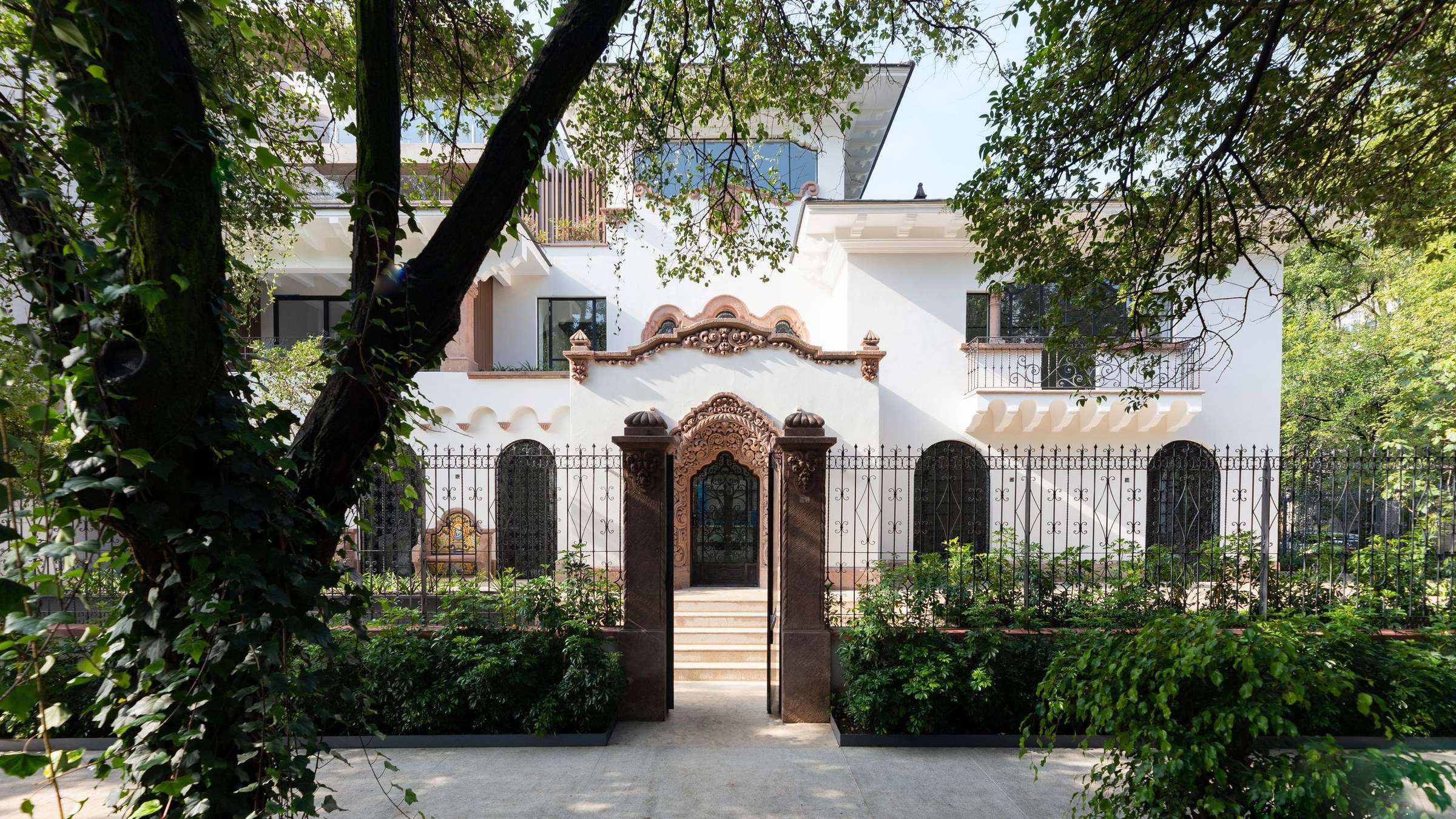
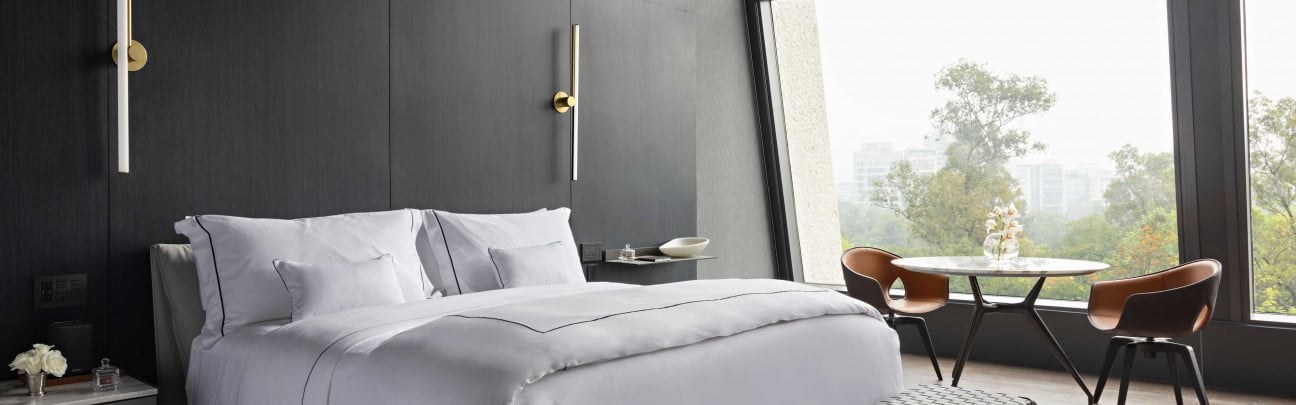
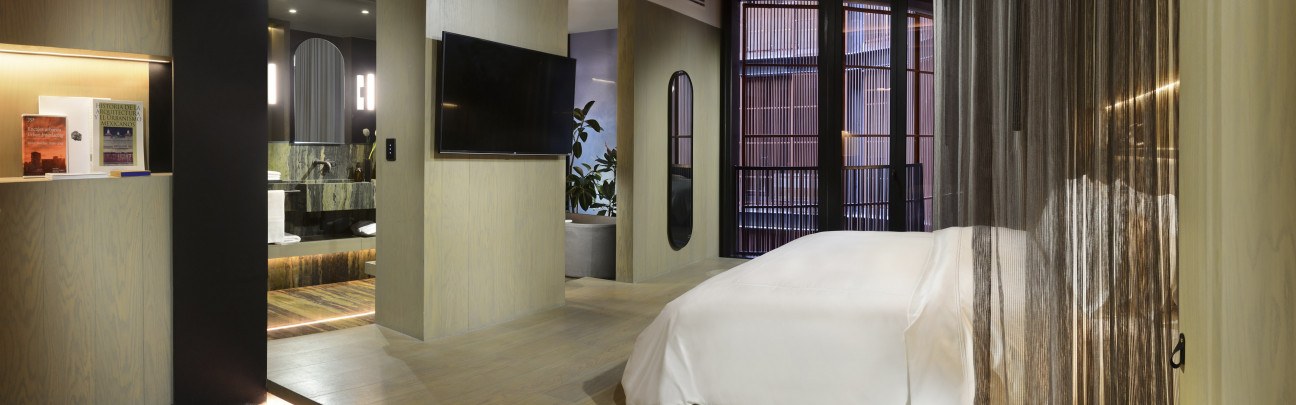
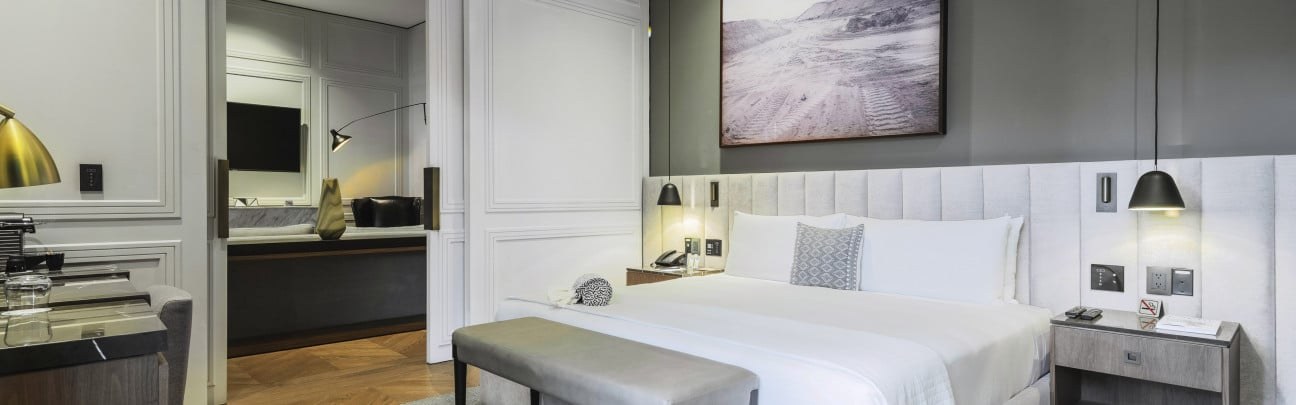
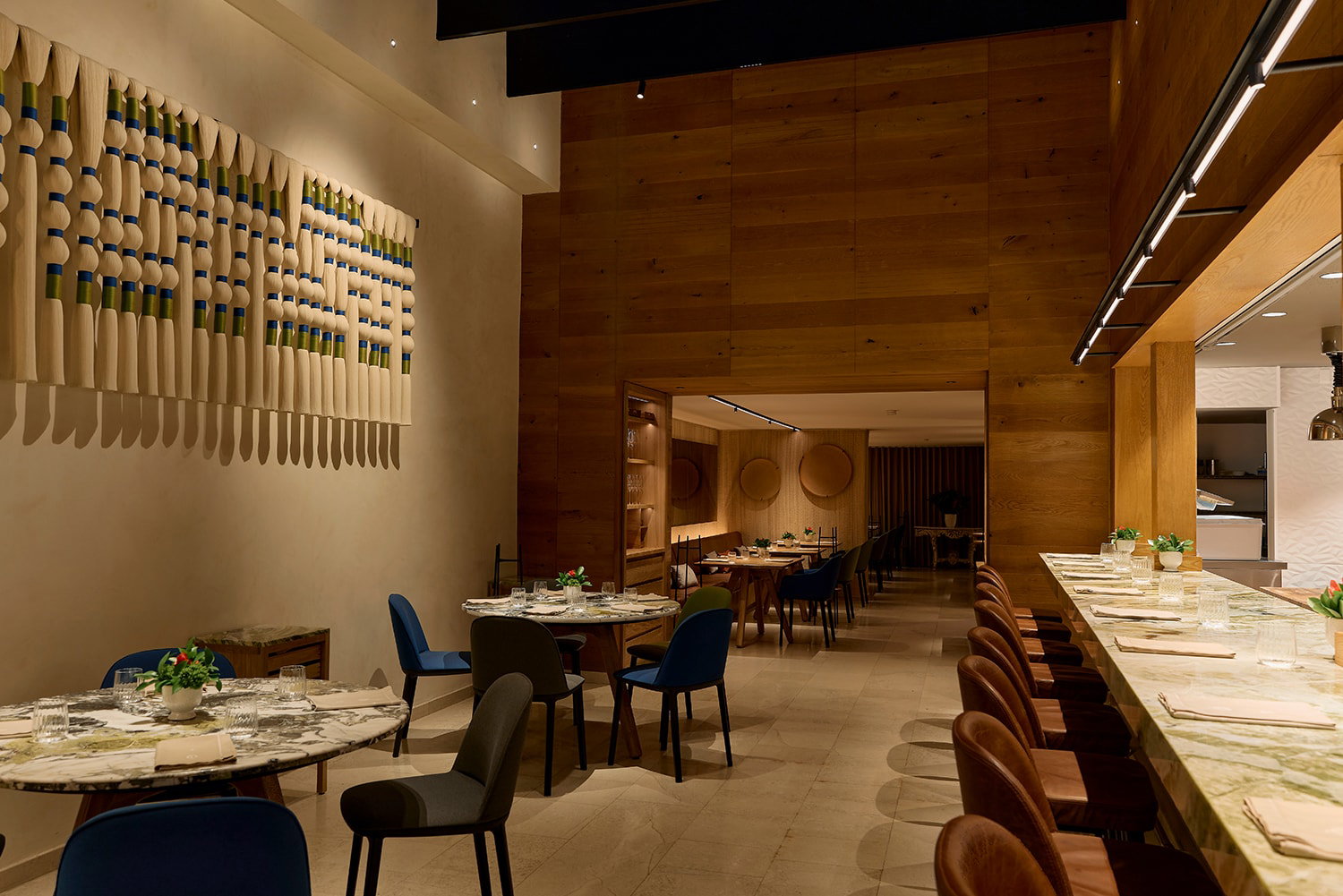
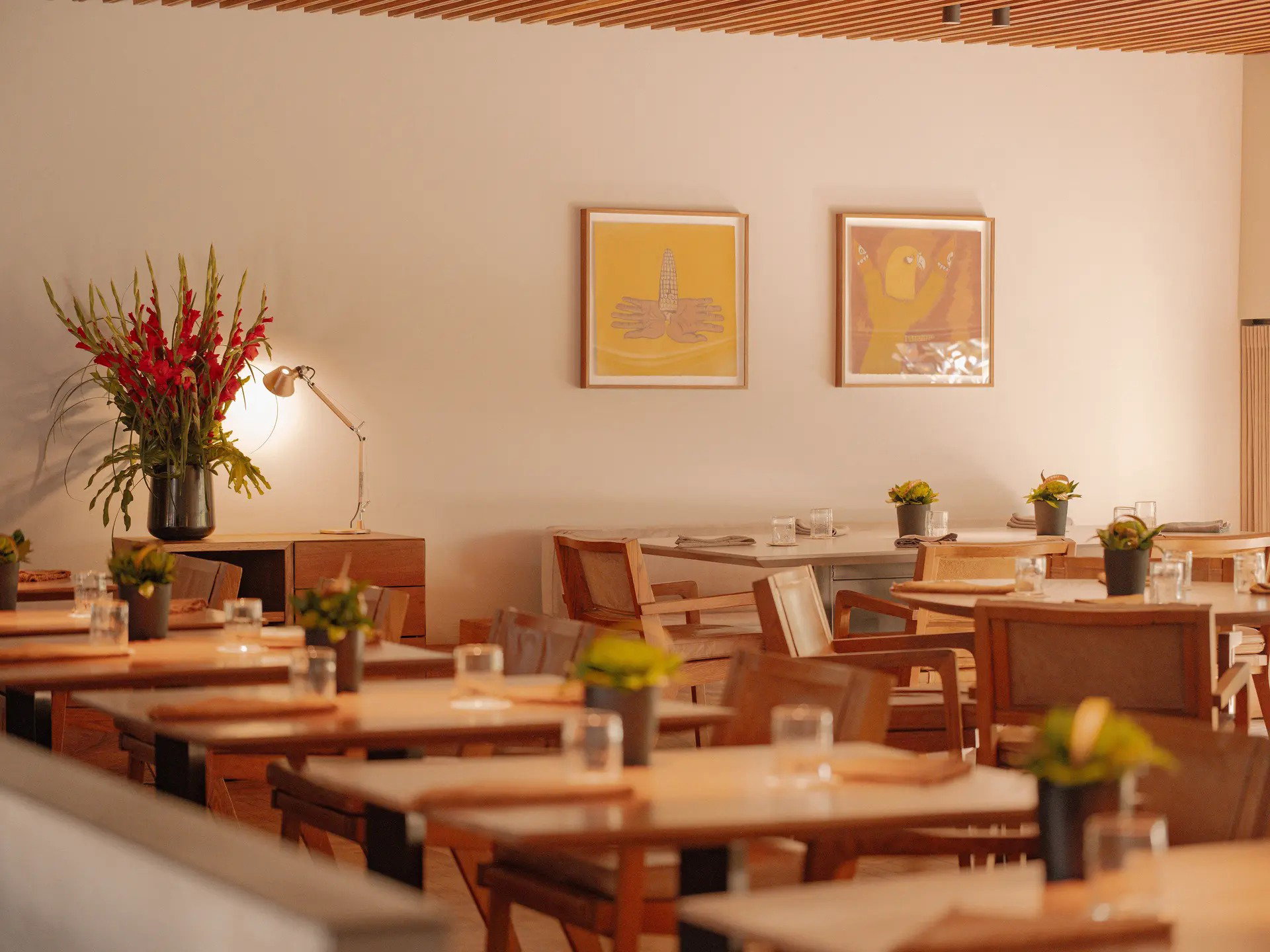
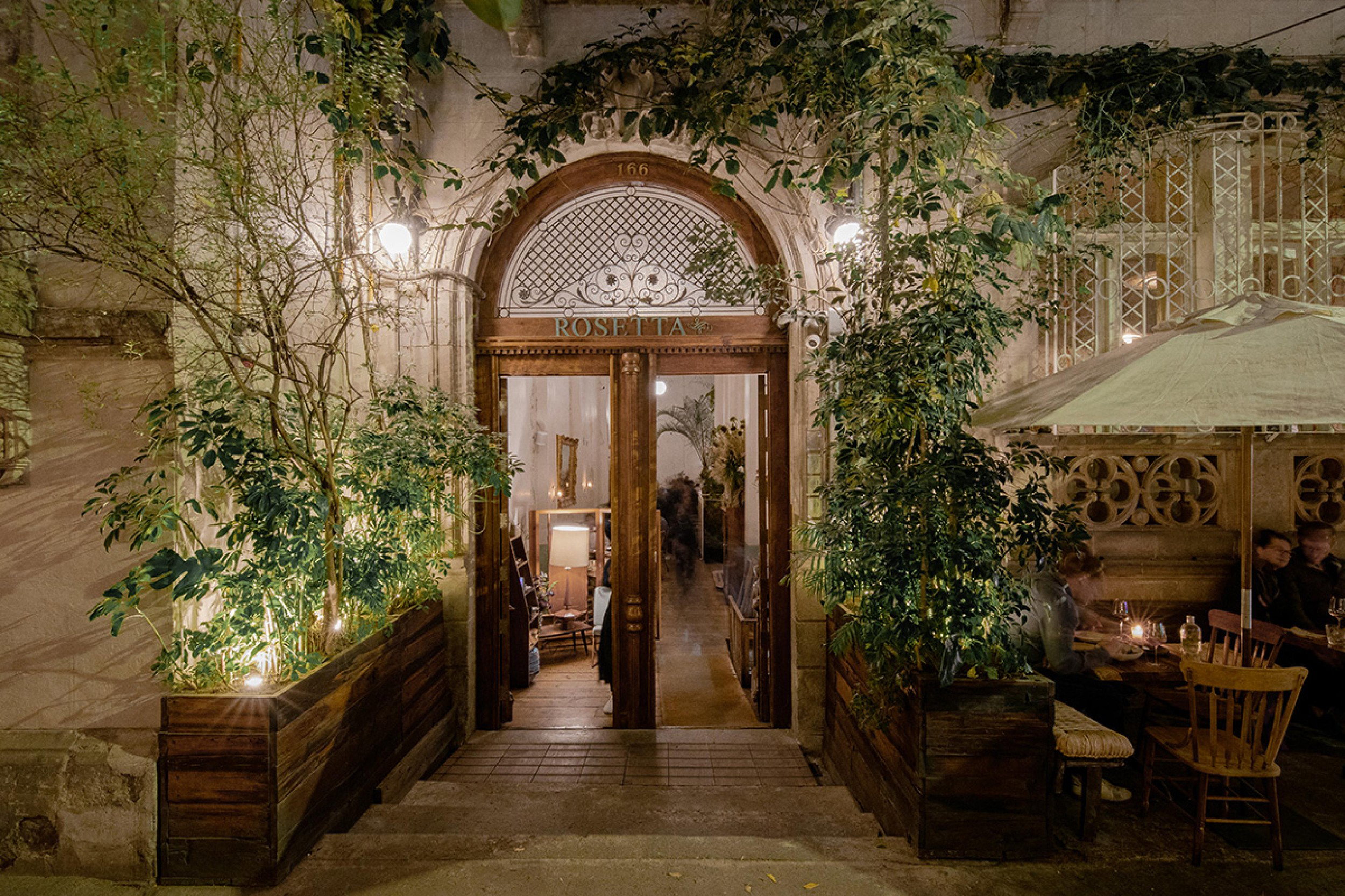
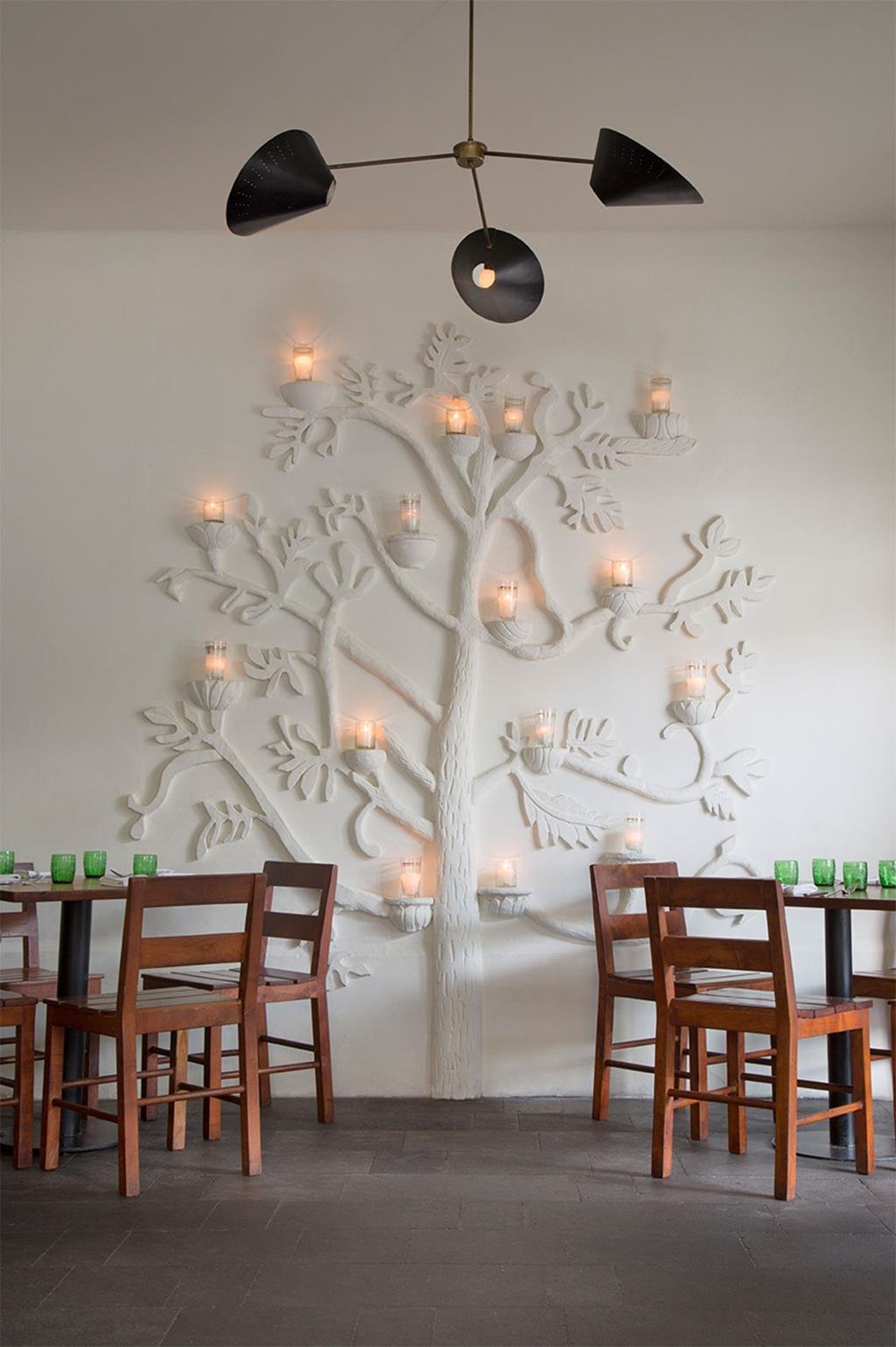
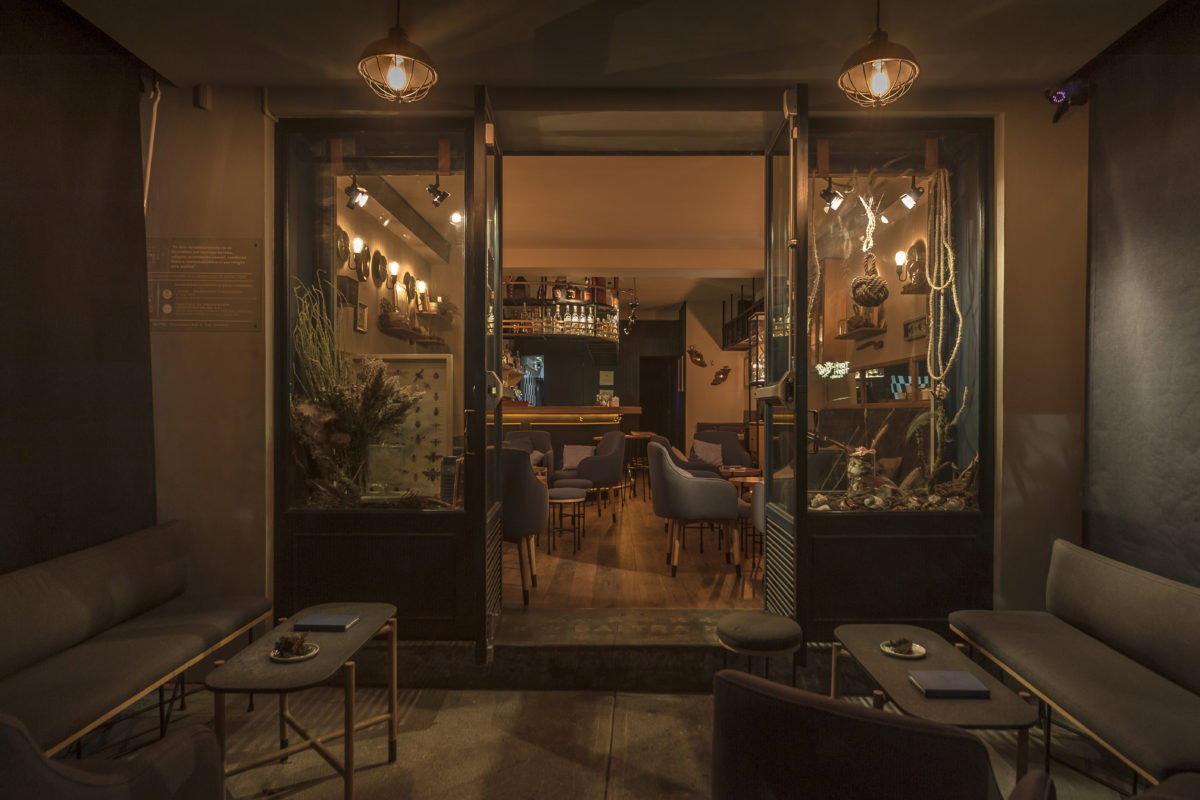
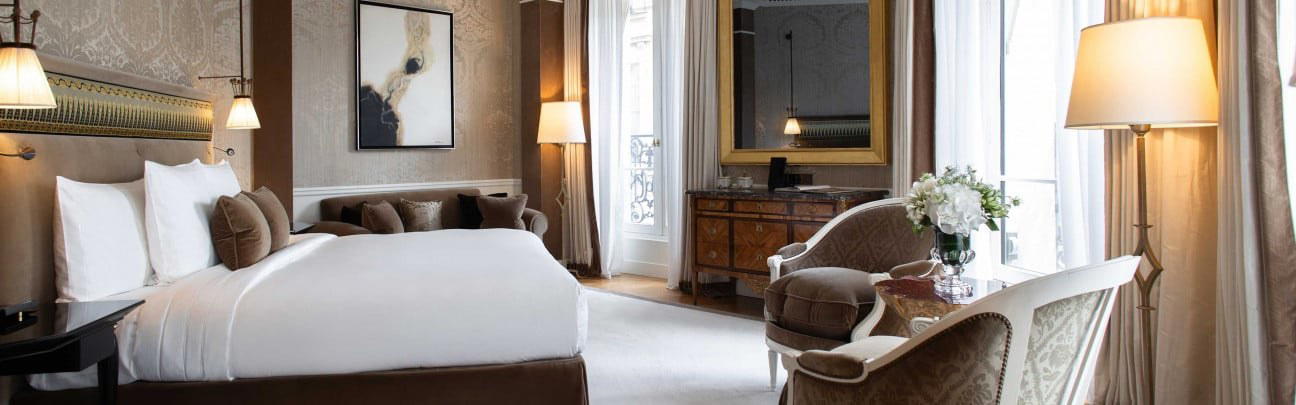
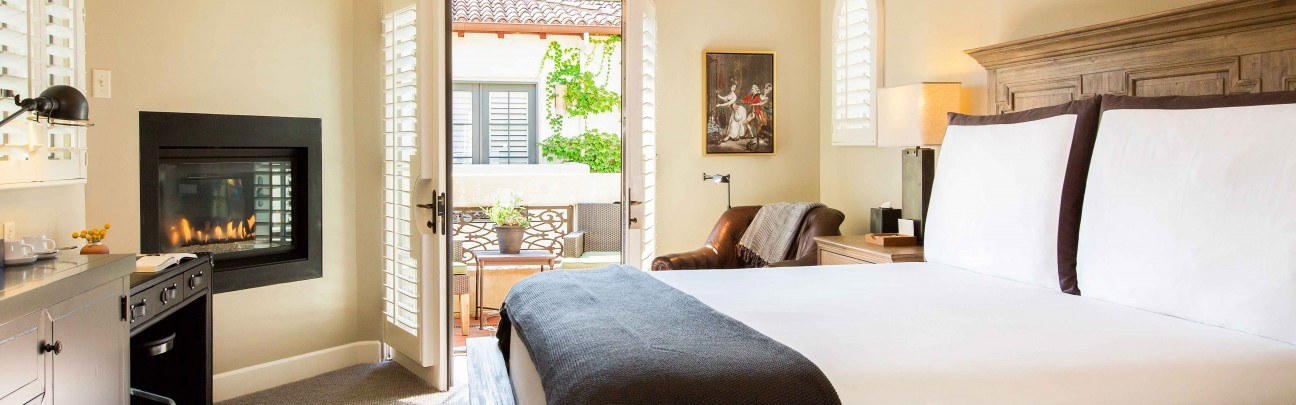
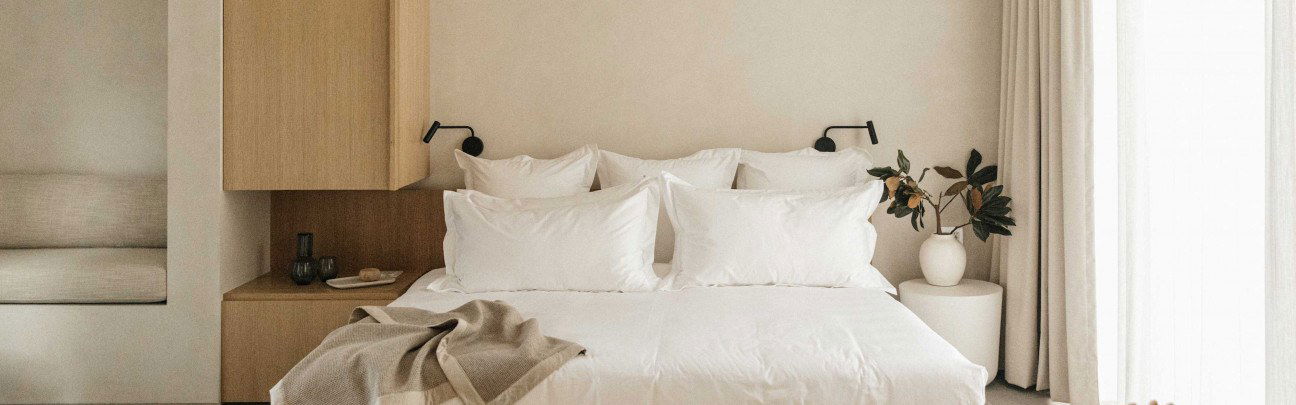
Octavia Casa presents a quietly curated take on boutique hospitality, reading more like a well-appointed residence than a typical hotel. The design-forward property emphasizes material honesty — whitewashed walls, carved wooden furniture, linen sofas, raffia rugs and handcrafted accoutrements — that give each of its six suites a restrained, tactile warmth. The result is intimate and understated: sophisticated without ostentation, and built around local craft and Mexican makers. It favors a calm, residential tempo over buzzy public spaces, making its personality lie in thoughtful details rather than spectacle.
Best For
This small Condesa casa is best for travelers who prize neighborhood texture and design sensibility over full-service amenities. It suits design-minded visitors and anyone who treats a hotel as a quiet base for exploring tree-lined streets, independent cafés, wine bars and restaurants nearby. Couples and solo travelers looking for an intimate, residential stay in a layered, Art Deco–inflected neighborhood find this particularly satisfying. It is less appropriate for guests seeking large-scale amenities like a full-service spa or extensive on-site nightlife.
Stay Tips
Book early and treat a reservation here like securing a private apartment: the hotel has only six suites, so availability can be limited. Lean on the neighbourhood rather than the property for dining and nightlife—Condensa's ground-floor ecosystem of independent cafés, wine bars and restaurants is the intended extension of the stay. Expect a residential service model and modest public spaces; the copy explicitly contrasts this approach with full-service spa or lobby-bar offerings, so don’t plan around on-site spa treatments or a busy hotel bar.
Venue details
Ambiance
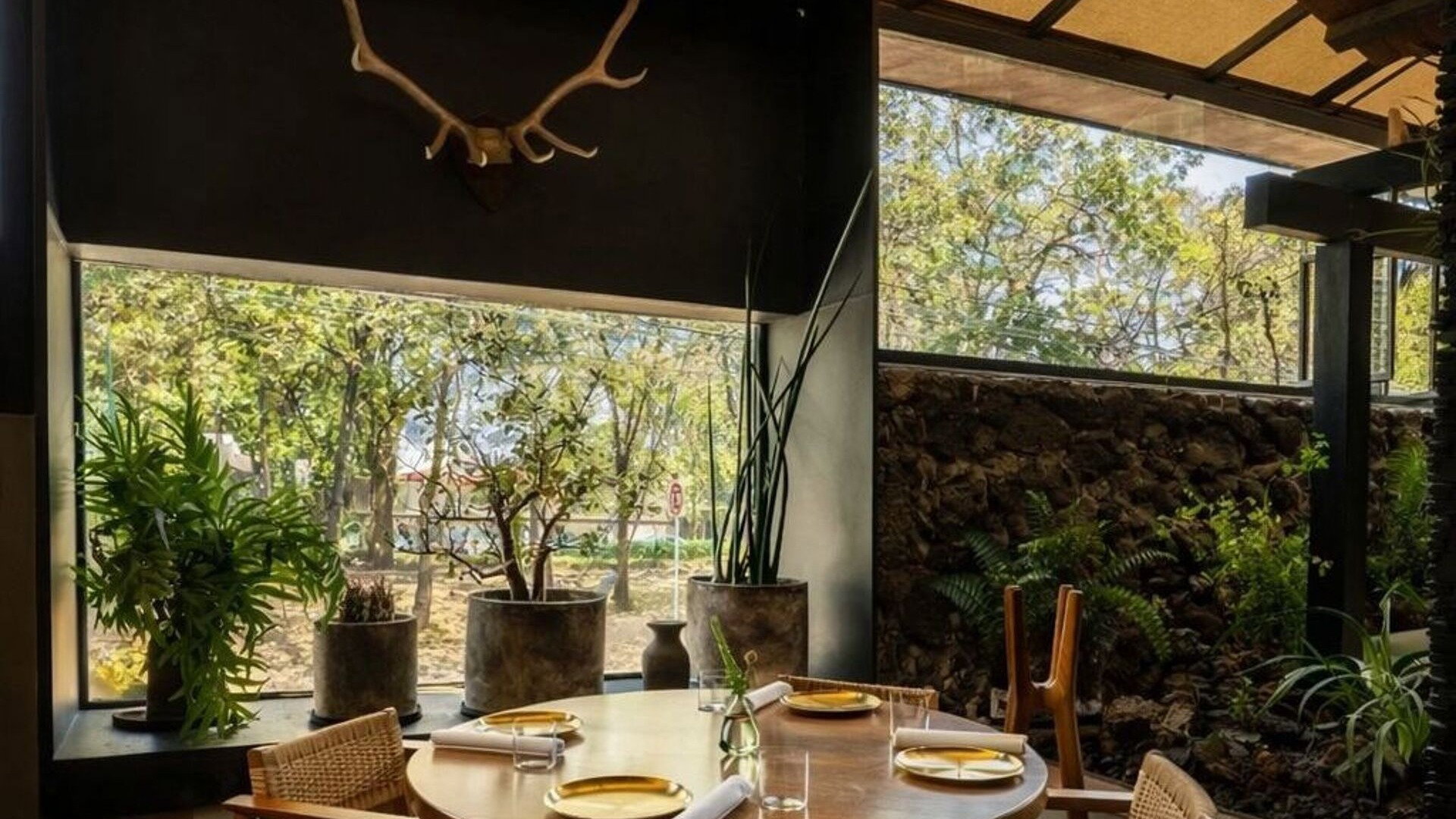
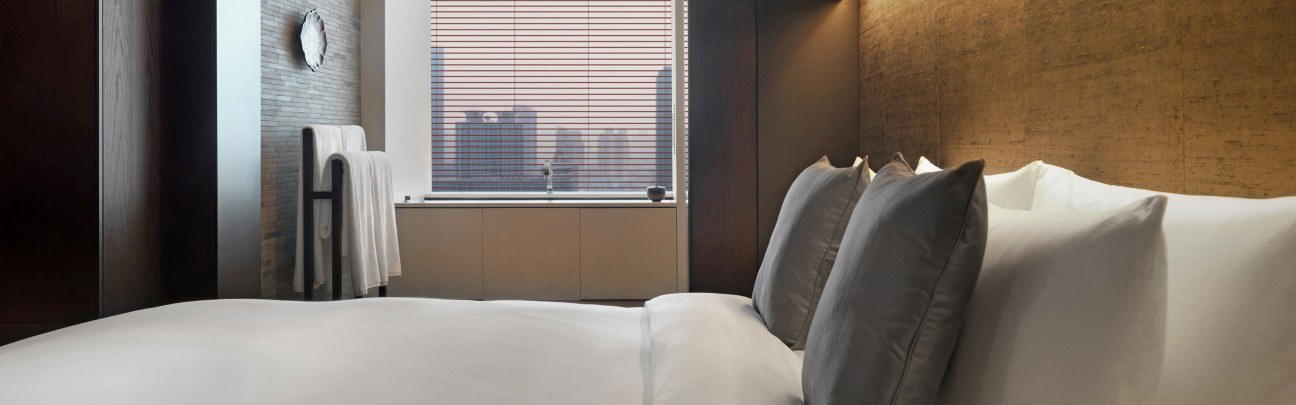
Light-filled minimalist interiors with clean lines, natural materials, soft lighting, and a calm, ethereal atmosphere praised for its quiet oasis-like feel in trendy Condesa.
Tags
Vibe
Best For
Experience
Amenities
View
About the Stay
- Rooms
- 6
- Property Style
- Urban Boutique Modeled on a Contemporary Fashion Brand with Indoor Outdoor Connectivity.
- Design Style
- Minimalist with Clean Lines, Natural Materials, Whitewashed Walls, Wooden Furniture, and Mexican Designer Accents.
Know before you go
Know Before You Go
- Getting there
- Av. Amatlan 126, Hipódromo Condesa, Cuauhtémoc, 06170 Ciudad de México, CDMX
Planning details
Location
Av. Amatlan 126, Hipódromo Condesa, Cuauhtémoc, 06170 Ciudad de México, CDMX · Directions
Recognition and awards

Also consider
Also Consider
- Casa Nuevo León Hotel, Notable alternative
- Hotel Dama, Notable alternative
- Hotel San Fernando, Notable alternative
- Casa Cuenca, Notable alternative
- Condesa DF, Notable alternative
Hotel context
How it compares in Condesa
Against Casa Nuevo León Hotel and Hotel Dama, OCTAVIA CASA is the pick when design polish and recognition matter more than simply finding a room in the neighborhood. Its Michelin 1 Key and Mr & Mrs Smith Seal of Approval give it a clearer quality signal, which helps justify choosing it when rates are close.
Hotel San Fernando and Casa Cuenca are the more natural cross-shops if the goal is a characterful Mexico City stay without defaulting to a large hotel. Choose OCTAVIA CASA for a quieter, more composed boutique feel; look at those peers if availability, room mix, or a different neighborhood rhythm matters more.
Condesa DF is the better-known social choice in the area, while OCTAVIA CASA reads as more restrained. For couples or solo travelers who want calm over scene, OCTAVIA CASA is the stronger fit. For guests who want a livelier hotel atmosphere, Condesa DF is the safer comparison to price-check first.
Explore Mexico City
Around this place
Discover more on Pearl
Unlock the full OCTAVIA CASA guide in Pearl, including awards, comparisons, FAQs, planning details, and nearby places.
Compare OCTAVIA CASA
| Venue | Location | Awards |
|---|---|---|
| OCTAVIA CASA | Mexico City | 2026 Vogue Best Hotels in Mexico City2026 Mr & Mrs Smith Luxury HotelsMichelin 1 Key 20252025 Michelin 1 Key |
| Casa Nuevo León Hotel | Mexico City | No published awards |
| Hotel Dama | Mexico City | No published awards |
| Hotel San Fernando | Mexico City | No published awards |
| Casa Cuenca | Mexico City | No published awards |
| Condesa DF | Mexico City | No published awards |
How OCTAVIA CASA Mexico City compares with similar nearby venues.
FAQ
Frequently Asked Questions
How is the dining at OCTAVIA CASA?
The Michelin 1 Key in 2025 points to hotel recognition rather than a restaurant-led claim. If dining is important, check current options directly and consider Mexico City restaurants separately.
Is OCTAVIA CASA good for business travel?
It may work for a business trip in Mexico City if the rate, room type, and booking terms fit your needs. Do not assume specific business services, workspace features, or loyalty benefits unless they are listed clearly in your booking terms.
Do loyalty programs work at OCTAVIA CASA?
Do not plan around a major loyalty program unless one appears clearly in your booking terms. The Michelin 1 Key and the Mr & Mrs Smith Seal of Approval in 2026 say more about recognition than points. If points matter, compare the booking terms before committing.
How is the location of OCTAVIA CASA?
OCTAVIA CASA is in Mexico City. If location is central to your decision, check the exact address and transport needs directly before booking. If you want to compare it with another Mexico City hotel, Condesa DF is one option to check.
When is the best time to book OCTAVIA CASA?
Book when the rate, cancellation terms, and room choice work for your Mexico City dates. Avoid relying on assumptions about weekends, holidays, or midweek availability unless your booking channel shows them clearly.
How does OCTAVIA CASA compare to other hotels?
Choose OCTAVIA CASA if its recognition, including the Michelin 1 Key, is important to your Mexico City hotel search. Casa Nuevo León Hotel, Casa Cuenca, Condesa DF, Hotel Dama, and Hotel San Fernando are worth comparing for rate, room type, location details, and booking terms.
Is OCTAVIA CASA family-friendly?
If you are traveling with children or a larger group, check room configurations, policies, and services directly before booking, and compare with other Mexico City hotels if you need more predictable family support.