
The Kinneuchar Inn
Kilconquhar
Bar in Kilconquhar, United Kingdom
 Book with Pearl
Why go
A good choice for a relaxed two-person meal in Kilconquhar, especially if you want food-led village-inn comfort rather than hotel-bar polish. The Good Food Guide 2025 recognition gives it a useful trust signal, and the schedule makes it easier to plan from Wednesday dinner through Sunday.
About The Kinneuchar Inn
The Kinneuchar Inn is a venue in Kilconquhar with opening hours from Wednesday to Sunday and a casual dress code. Its most useful planning details are practical: location, schedule, and dress code.
A practical Kilconquhar planning option
The Kinneuchar Inn makes the clearest case when the brief is relaxed and practical. The Good Food Guide 2025 recognition gives it a credible food signal, while the dress code is casual. For planning, focus on the hours and the Kilconquhar location rather than assuming a particular cuisine, chef-led format, tasting menu, or special-occasion price structure.
For a visit, avoid overcomplicating the plan. The appeal is direct: Kilconquhar, casual dress, and opening hours that cover Wednesday to Sunday. It may suit a simple meal plan, while larger-party planning should be checked directly with the venue.
For room feel, crowd, or bar programme, check directly if those details matter. Treat it as a Kilconquhar option with evening availability from Wednesday and additional earlier opening on Friday, Saturday, and Sunday.
Who should pick it, and who should look elsewhere
Consider it when you want a Kilconquhar venue with casual dress and set opening hours. The schedule is Monday closed, Tuesday closed, Wednesday 6–11 PM, Thursday 6–11 PM, Friday 12–11 PM, Saturday 12–11 PM, and Sunday 12–9 PM.
Look elsewhere if you need details on a late-bar atmosphere, a named cocktail programme, a luxury-hotel setting, a specific cuisine, or a published price structure. If your priority is certainty, check directly with the venue before making plans.
If comparing it with other options, keep the comparison practical rather than stylistic. Plan around The Kinneuchar Inn's Kilconquhar location, casual dress code, Good Food Guide 2025 recognition, and opening hours, rather than assumptions about menu format, drinks, service style, or atmosphere.
Planning details
- Location
- 9-11 Main St, Kilconquhar, Leven KY9 1LF, United Kingdom
- Website
- kinneucharinn.com
- Phone
- +44 1333 340377
The take
The Take
The Vibe
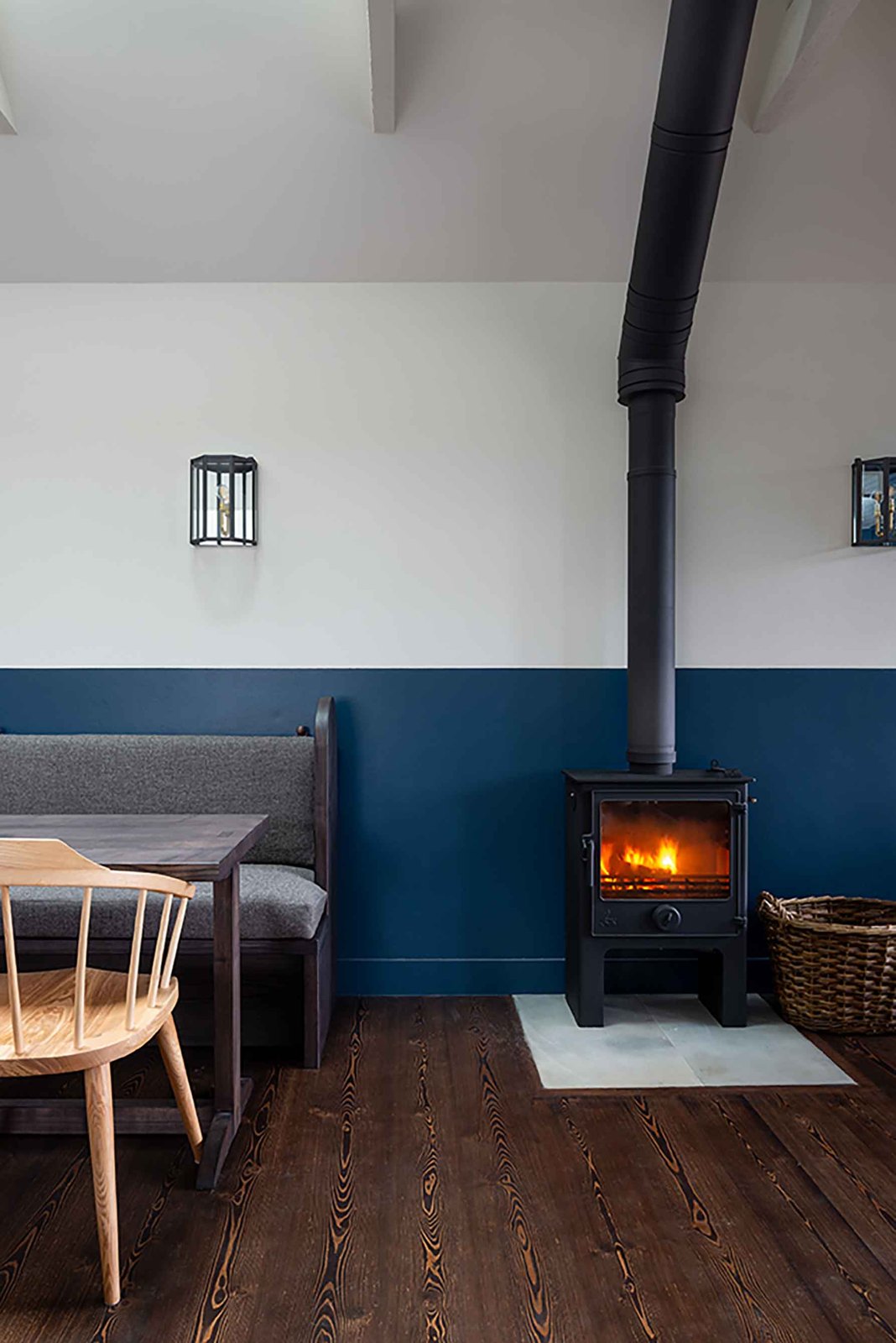
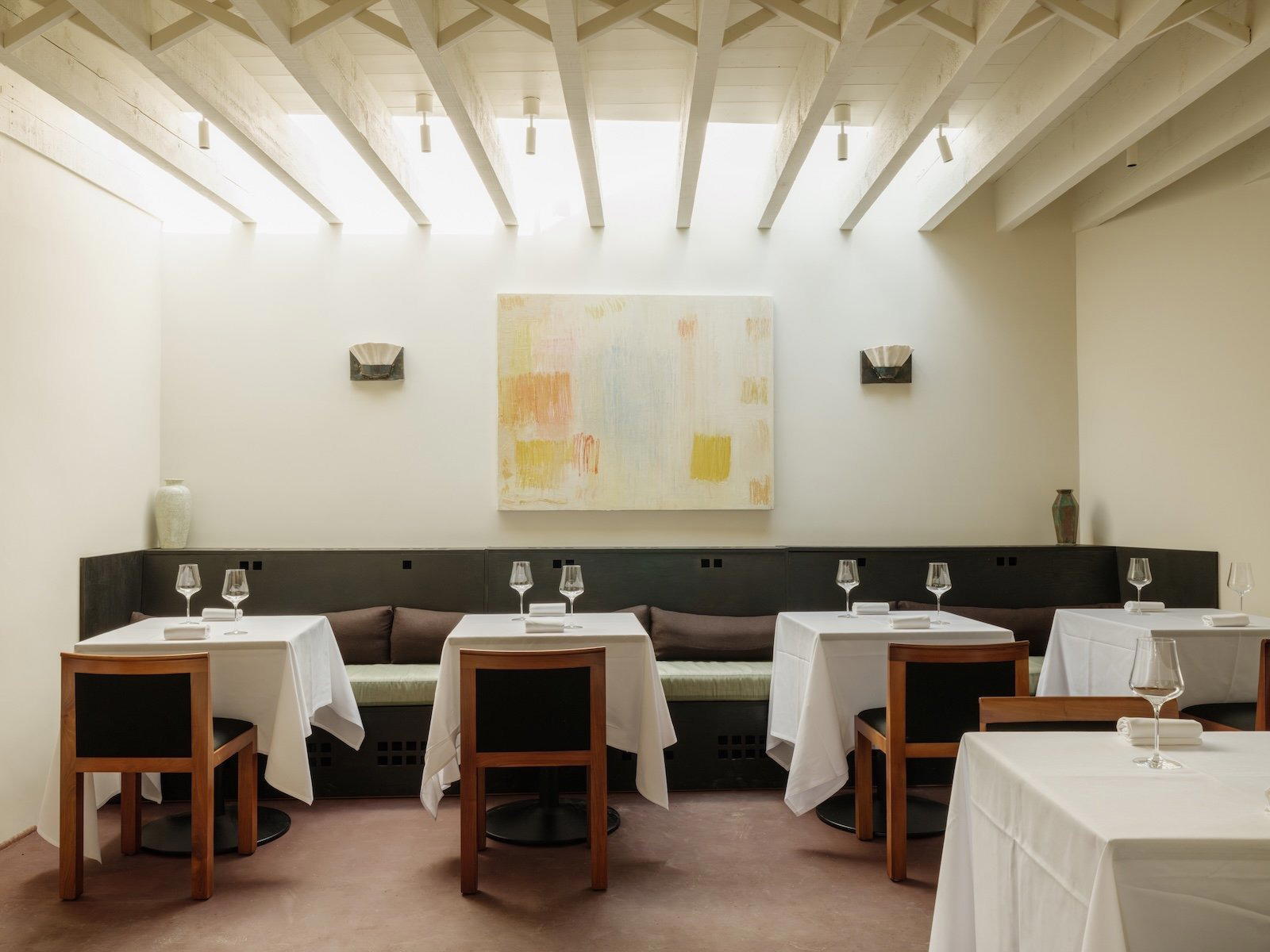
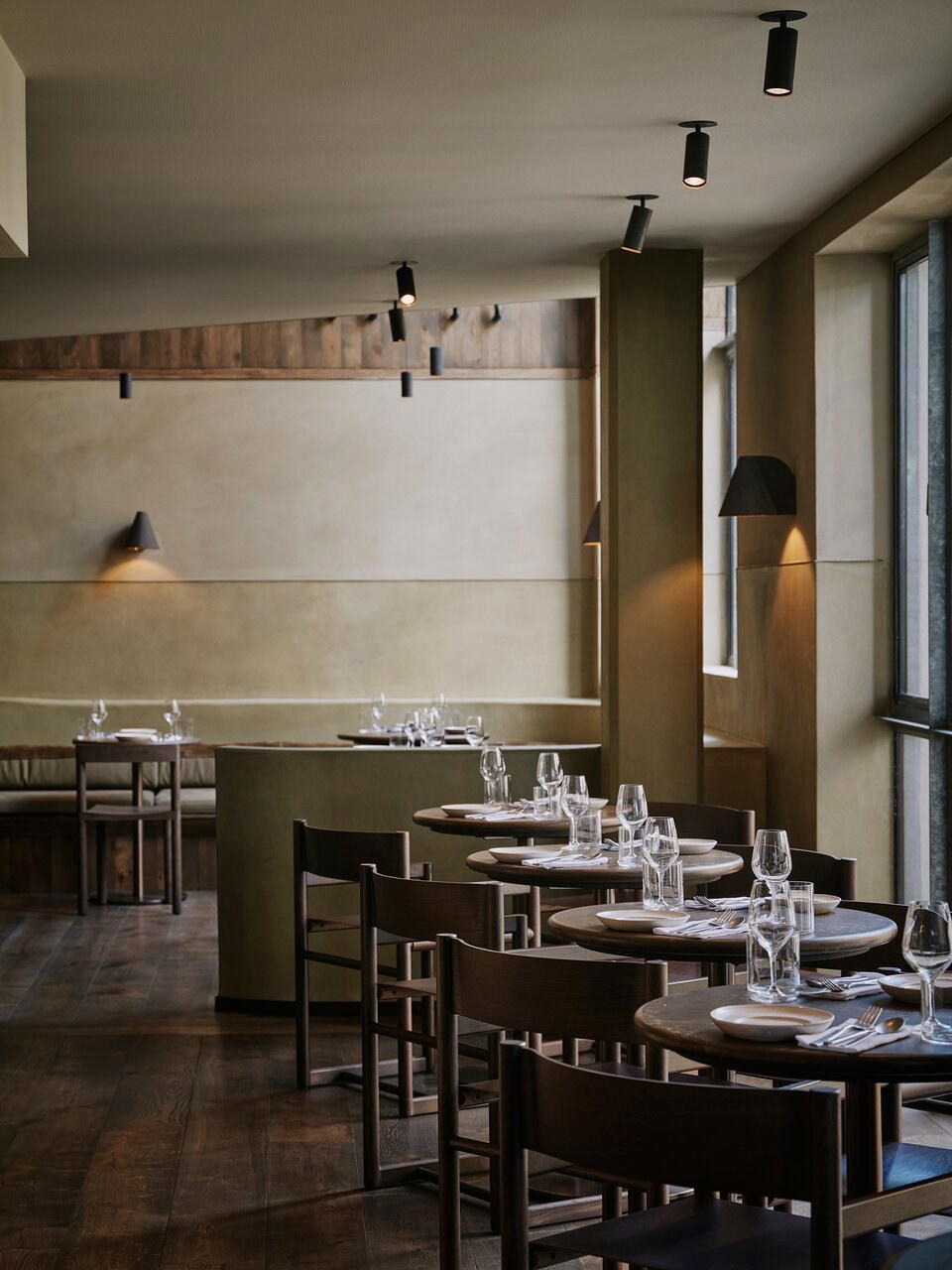
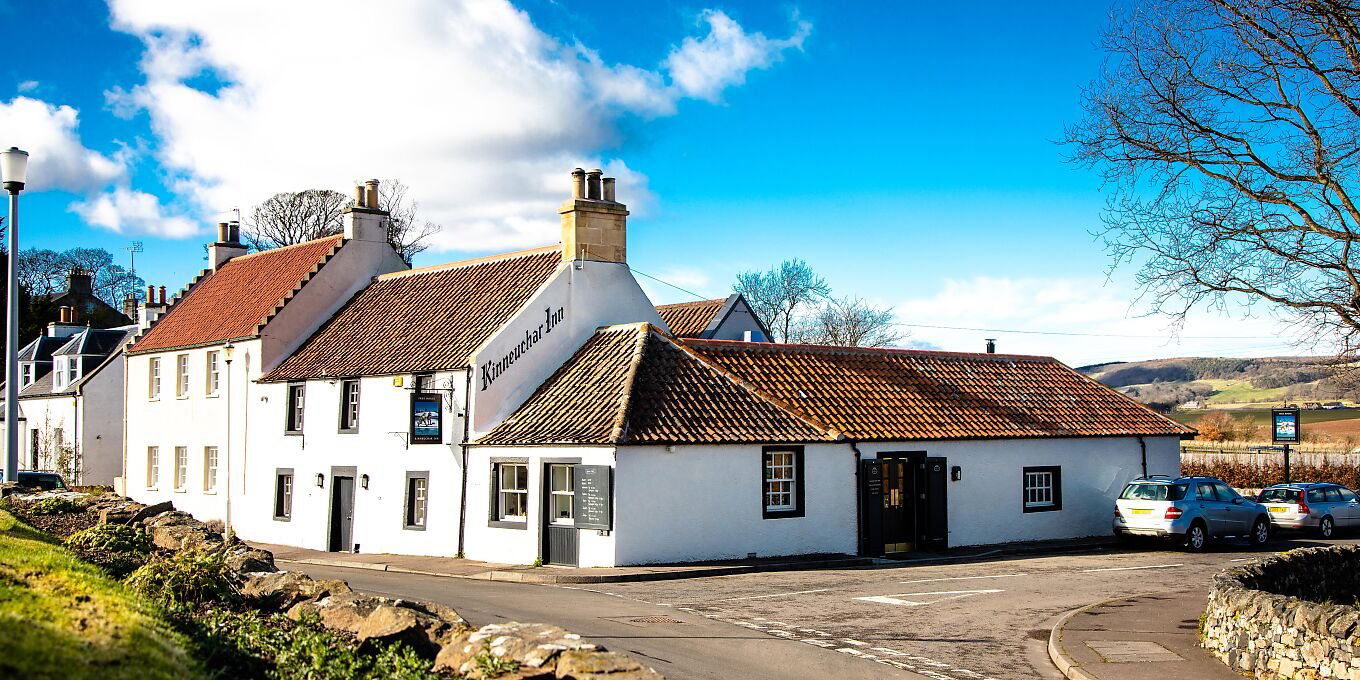
The Kinneuchar Inn occupies a quietly historic 17th‑century stone building and leans into the architecture rather than into any showy design trend. Candlelit evenings and simple, unfussy finishes let the room speak for itself, while the co‑owner’s direct warmth keeps service personable and immediate. The effect is small‑scale and village‑rooted: understated, neighborly and intentionally unpretentious. Dogs are welcomed in the bar when pre‑advised, reinforcing a lived‑in, communal feel. If you come to experience place as much as cuisine, the inn’s history and modest charm are its defining attractions.
Best For
This is a place to settle in for dinner or a relaxed, low‑key date night. The kitchen’s seriousness and the curated, short wine list are geared toward evening meals where bottles are chosen to work at the table rather than to impress by breadth. Candlelit service and the option of outside tables in warmer months favor leisurely dinners and quiet conversation. Locals and visitors alike come for the village‑scale conviviality; plan for an unforced, intimate evening rather than a flashy night out.
Ordering Tips
Lean on the inn’s curated wine list and the staff’s recommendations: bottles are selected to pair with food rather than to fill categories, so ask for a suggestion that matches what you order. The bar also offers craft beers and ciders as straightforward alternatives. If you want to sit outside request a table in warmer months, and give advance notice if you’re bringing a dog. For busier evenings it’s sensible to book for dinner; otherwise the inn’s informal rhythm welcomes walk‑ins.
Venue details
Ambiance
Cozy rustic interior with simple decor, candlelight in evenings, wood-burning stove, and warm welcoming atmosphere.
Tags
Vibe
Best For
Experience
Format
At the Bar
- Bar Category
- Pub
- Late Night
- Closes by Midnight
Know before you go
Know Before You Go
- Getting there
- 9-11 Main St, Kilconquhar, Leven KY9 1LF, United Kingdom
Planning details
Location
9-11 Main St, Kilconquhar, Leven KY9 1LF, United Kingdom · Directions
Recognition and awards
Also consider
Also Consider
- Bow Butts Bar, Notable alternative
- Jigger Bar, Notable alternative
- Road Hole Bar, Notable alternative
- Old Course Hotel, Notable alternative
- Bass Rock Bar, Notable alternative
Bar context
How it compares with nearby bar and hotel options
Choose The Kinneuchar Inn when the priority is a food-led village evening with low booking friction. Bow Butts Bar and Jigger Bar are better fits if the night is mainly about drinks, while this works harder for a meal-centered plan.
Road Hole Bar and Old Course Hotel make more sense for a polished hotel setting or a golf-trip occasion. They are the stronger picks when atmosphere and service formality matter more than a village-inn feel.
Bass Rock Bar is the better cross-shop for a bar-forward evening, especially if the group wants a clearer drinks focus. For a date where conversation and dinner matter more than a late-bar mood, The Kinneuchar Inn is the more practical call.
Explore Kilconquhar
Around this place
Discover more on Pearl
Unlock the full The Kinneuchar Inn guide in Pearl, including awards, comparisons, FAQs, planning details, and nearby places.
Compare The Kinneuchar Inn
| Venue | Location | Awards |
|---|---|---|
| The Kinneuchar Inn | Kilconquhar | The Good Food Guide 2025 |
| Bow Butts Bar | St. Andrews | No published awards |
| Jigger Bar | St. Andrews | No published awards |
| Road Hole Bar | St. Andrews | No published awards |
| Old Course Hotel | Fife | No published awards |
| Bass Rock Bar | East Lothian | No published awards |
How The Kinneuchar Inn Kilconquhar compares with similar nearby venues.
FAQ
Frequently Asked Questions
What's the best time to go to The Kinneuchar Inn?
Use the hours as the starting point: Wednesday and Thursday 6–11 PM, Friday and Saturday 12–11 PM, and Sunday 12–9 PM. The venue is closed Monday and Tuesday. The Good Food Guide 2025 recognition makes it worth checking availability before you go.
Do I need a reservation at The Kinneuchar Inn?
Is The Kinneuchar Inn good for groups?
For larger parties, ask the venue directly about room size, table size, and private-dining arrangements before planning around it.
Is the food good at The Kinneuchar Inn?
The clearest food-related signal is its Good Food Guide 2025 recognition. For specific cuisine, dishes, menu format, and pricing, check directly with the venue.
Is The Kinneuchar Inn good for a date?
It may work for a simple Kilconquhar meal plan if the hours and casual dress code fit what you want. If atmosphere, seating, or service style matters, check directly before booking.