Khoai
Binh Thanh, Ho Chi Minh City
Bar in Ho Chi Minh City, Vietnam
 Book with Pearl
The Read
Price
$10–20per person
Why go
Khoai is a practical Bình Thạnh pick for a casual Ho Chi Minh City night when flexibility matters more than a defined cocktail, wine, or food program. Choose it for an easy local stop; cross-shop Alto Saigon, Terroir Wine Bar, or Mad Wine Bar if the occasion needs a clearer bar identity.
About Khoai
Khoai is a Ho Chi Minh City venue with evening and late-night hours and a casual dress code. It is best approached as a flexible stop rather than a venue with a defined cuisine, drinks program, pricing, awards, or a specific service format. Use it when the key planning facts you need are simple: it opens at 5 PM daily and runs late, with later closing on Friday and Saturday.
Use it for a casual late-night plan, not a tightly scripted occasion
The clearest reasons to consider Khoai are timing and simplicity. Hours are 5 PM–2 AM Monday through Thursday and Sunday, and 5 PM–3 AM on Friday and Saturday. Dress code is casual. Beyond that, specific details such as menu style, signature drinks, price range, seating format, and awards are not defined.
Because the cuisine, signature drinks, awards, and price range are not defined, the decision should be conservative: choose Khoai for its Ho Chi Minh City location, late hours, and casual dress code, not for a promised food or spirits experience. If the evening needs a more defined comparison set, consider other options such as Terroir Wine Bar or Mad Wine Bar. If the priority is a broader city shortlist, use Our full Ho Chi Minh City bars guide before committing.
Who should consider it, and who should cross-shop
Khoai makes sense for guests who want a casual Ho Chi Minh City stop with late operating hours. It is less certain for diners who need menu certainty, set-course pacing, a known beverage program, or a clearly defined celebratory format. Visitors building a fuller night can pair this page with Our full Ho Chi Minh City restaurants guide, especially if the evening depends on comparing several options rather than choosing a single destination venue.
For another Ho Chi Minh City option, compare with Alto Saigon. Mad Wine Bar, Terroir Wine Bar, and QUE by Kaarem may also be useful reference points when shaping a wider shortlist. Khoai is the practical choice when casual dress and late Ho Chi Minh City hours matter more than a named program or formal dining credentials.
Planning details
- Hours
- Monday: 5 PM–2 AM · Tuesday: 5 PM–2 AM
- Location
- 89 Phạm Viết Chánh, Phường 19, Bình Thạnh, Thành phố Hồ Chí Minh 700000, Vietnam
- Website
- instagram.com/khoai_ruin_bar
- Phone
- +84 931 164 417
The take
The Take
The Vibe
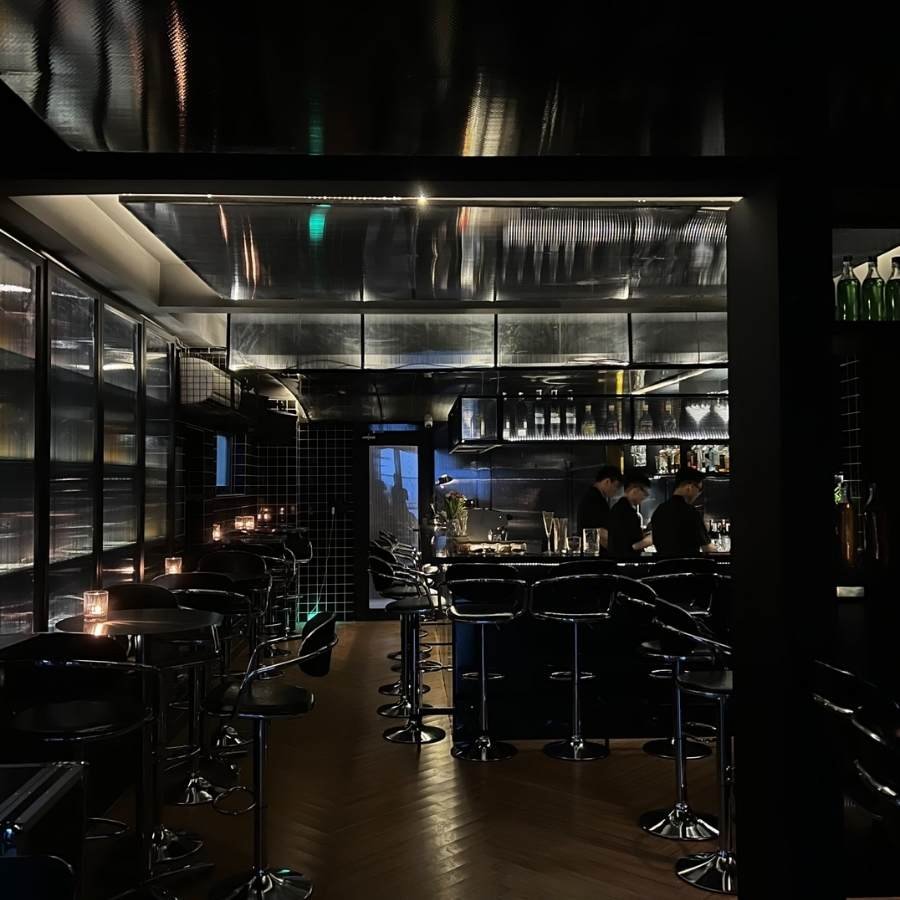
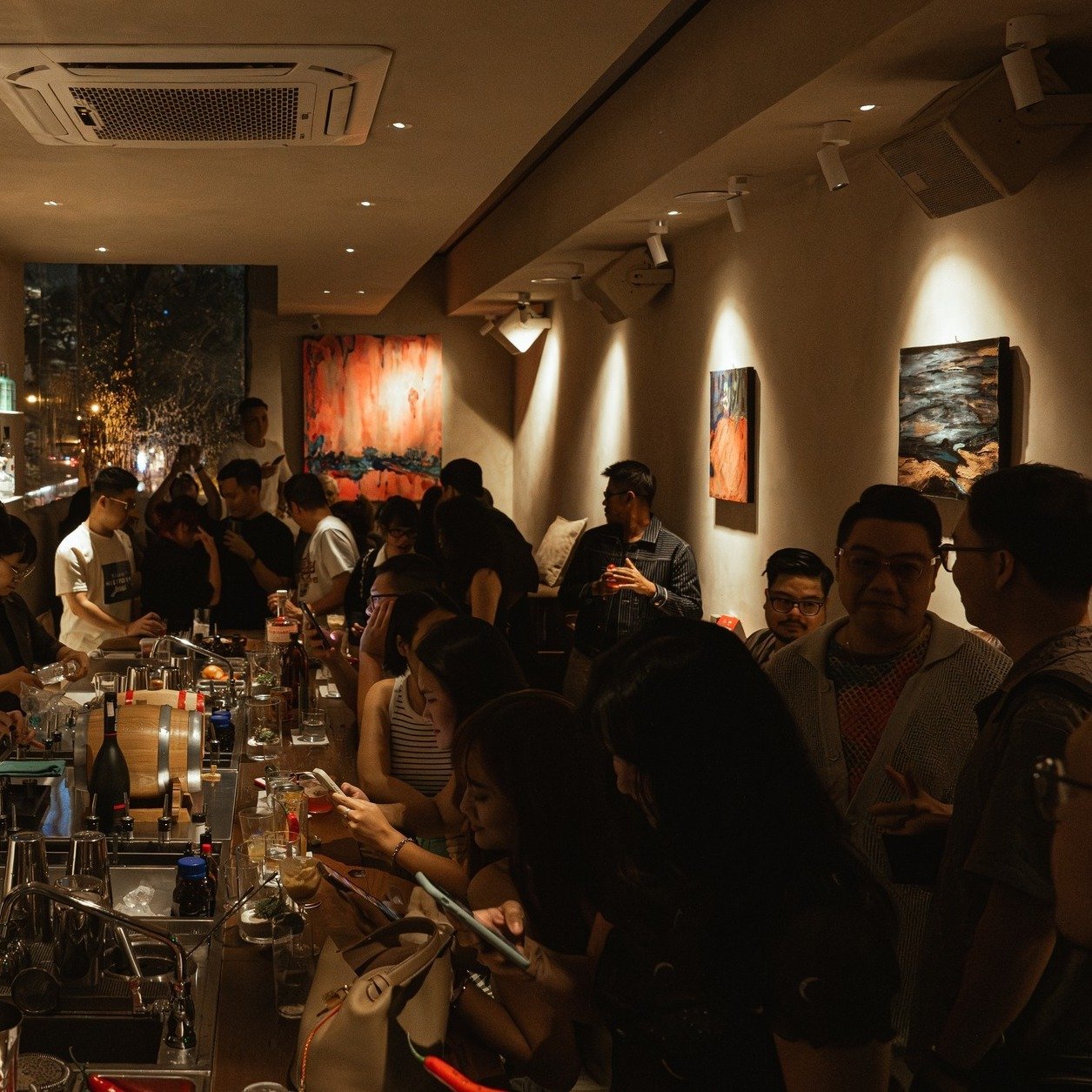
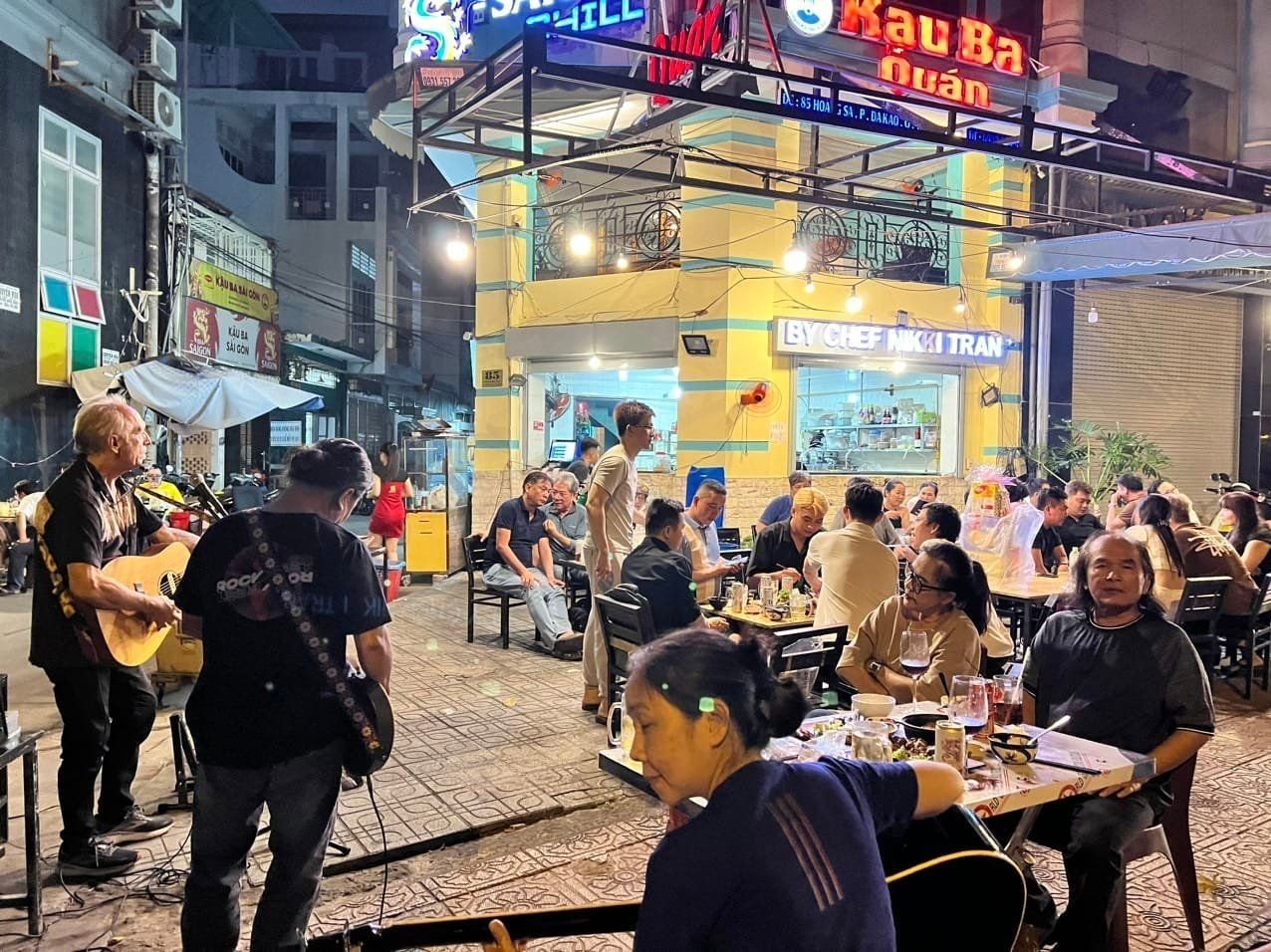
Khoai lives in the rhythm of Bình Thạnh rather than in the spotlight of District 1. It feels like a neighbourhood room where regulars set the tone: the cooking and pricing are calibrated for local repeat custom, and the atmosphere follows the community’s habits rather than a designed aesthetic. The bar’s draw is its off-the-tourist-circuit authenticity: visitors who cross the bridge find familiarity, freshness, and the ebb and flow of everyday life. It reads like a local haunt, quietly confident and unpretentious.
Best For
Khoai is best for people seeking an authentic local evening out rather than a destination for sightseers. The description highlights weekday evenings and heavy repeat custom, so it’s a spot that suits after-work drinks and dinner with friends who value straightforward, well-priced cooking. Groups of regulars and neighbours feel at ease here, and visitors willing to travel across town are rewarded with a more grounded, community-driven meal. Expect a lively neighbourhood energy that’s driven by habit and local taste rather than tourist traffic.
Ordering Tips
Ordering here follows a local logic: regulars tend to bypass the most photogenic items and choose what’s freshest that day. The piece explicitly notes that patrons “skip the dishes that read well on a card and go directly to whatever is freshest,” so look for daily specialties and the cooks’ recommendations. There’s no reservation system or heavy social-media presence, and the place often fills the same seats twice on a weekday evening, so arrive prepared to follow the rhythm of turnover rather than demand formal booking.
Venue details
Ambiance
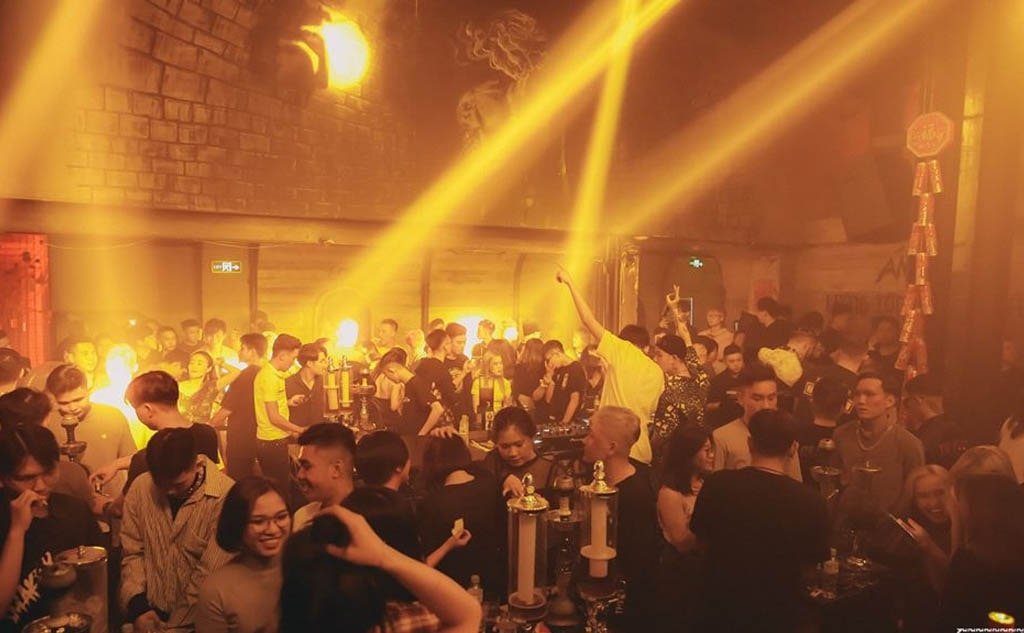
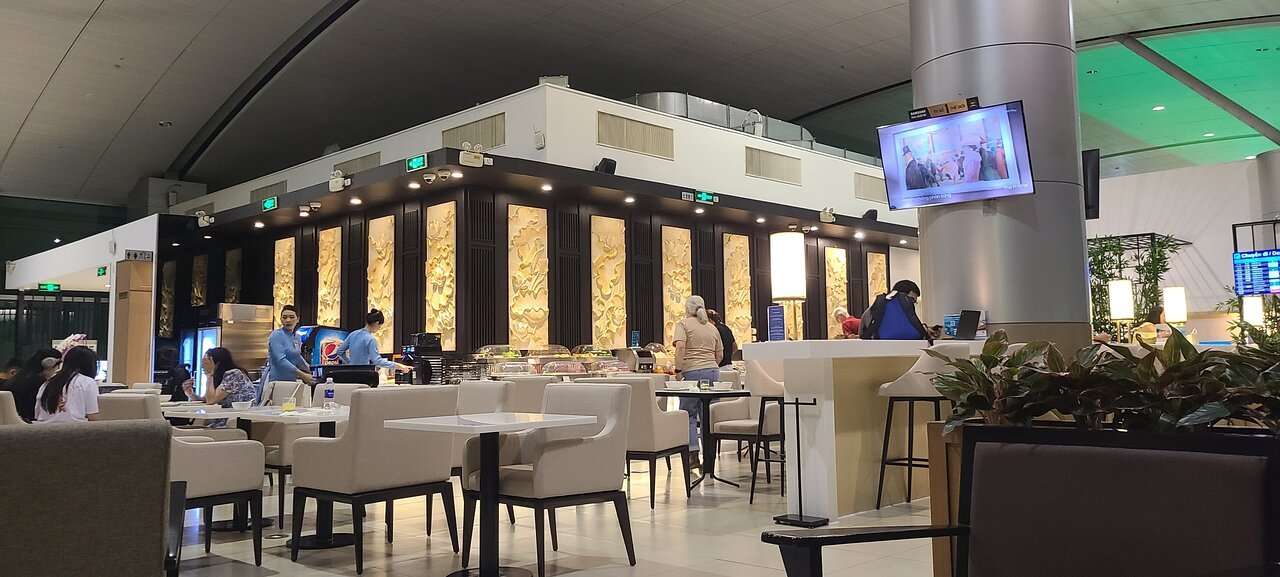
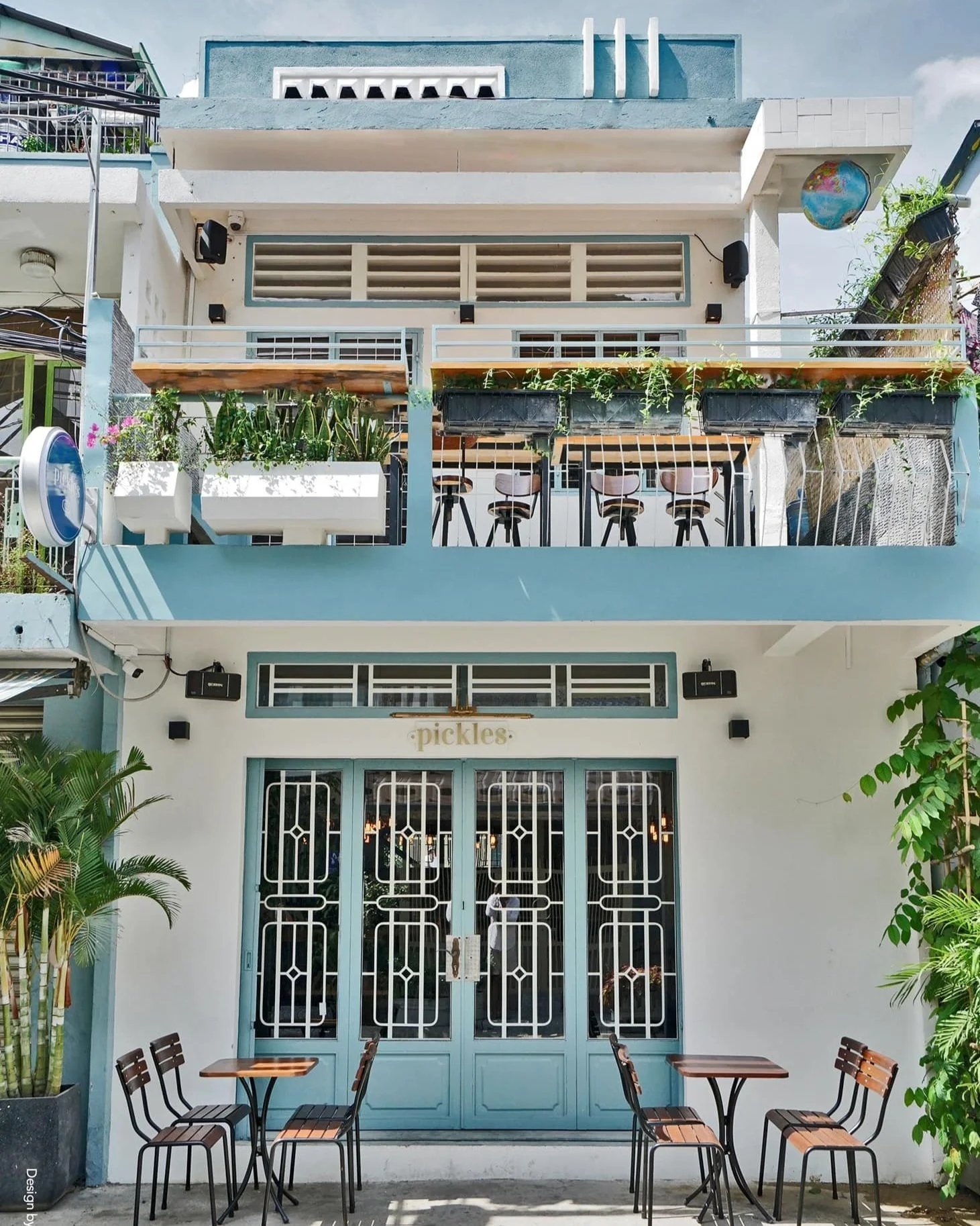
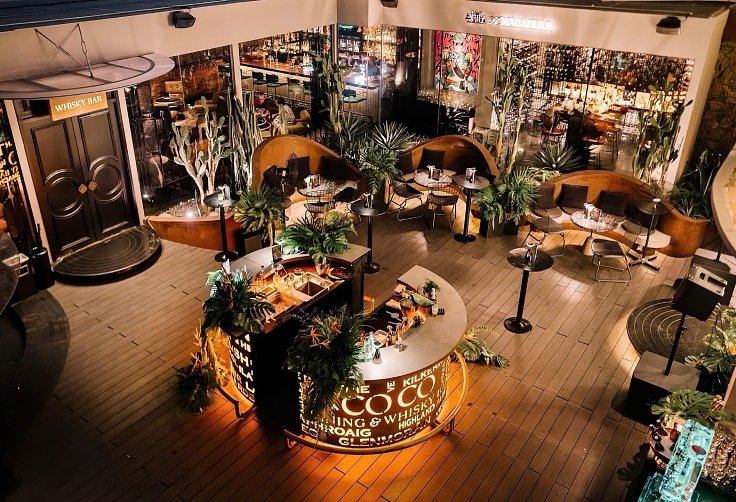
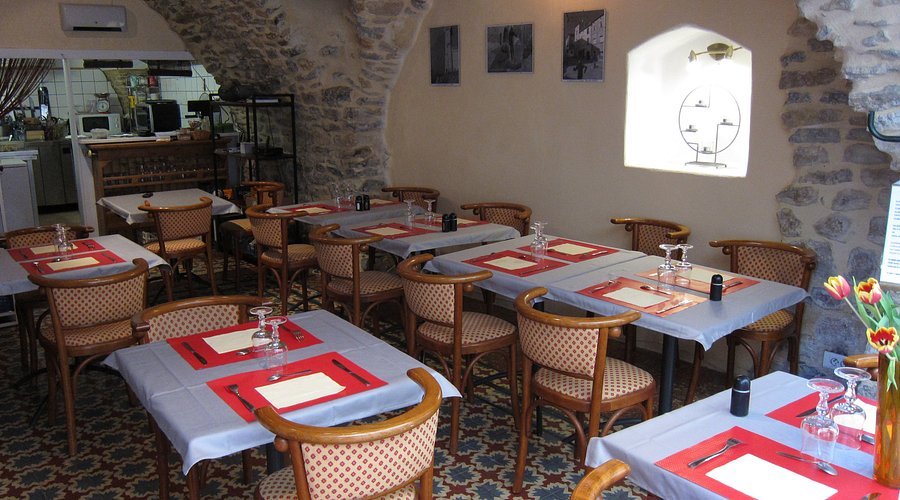
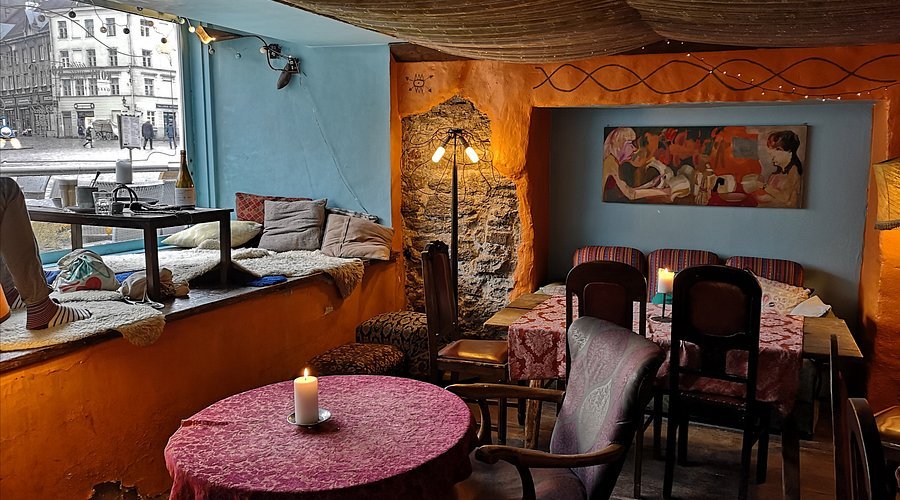
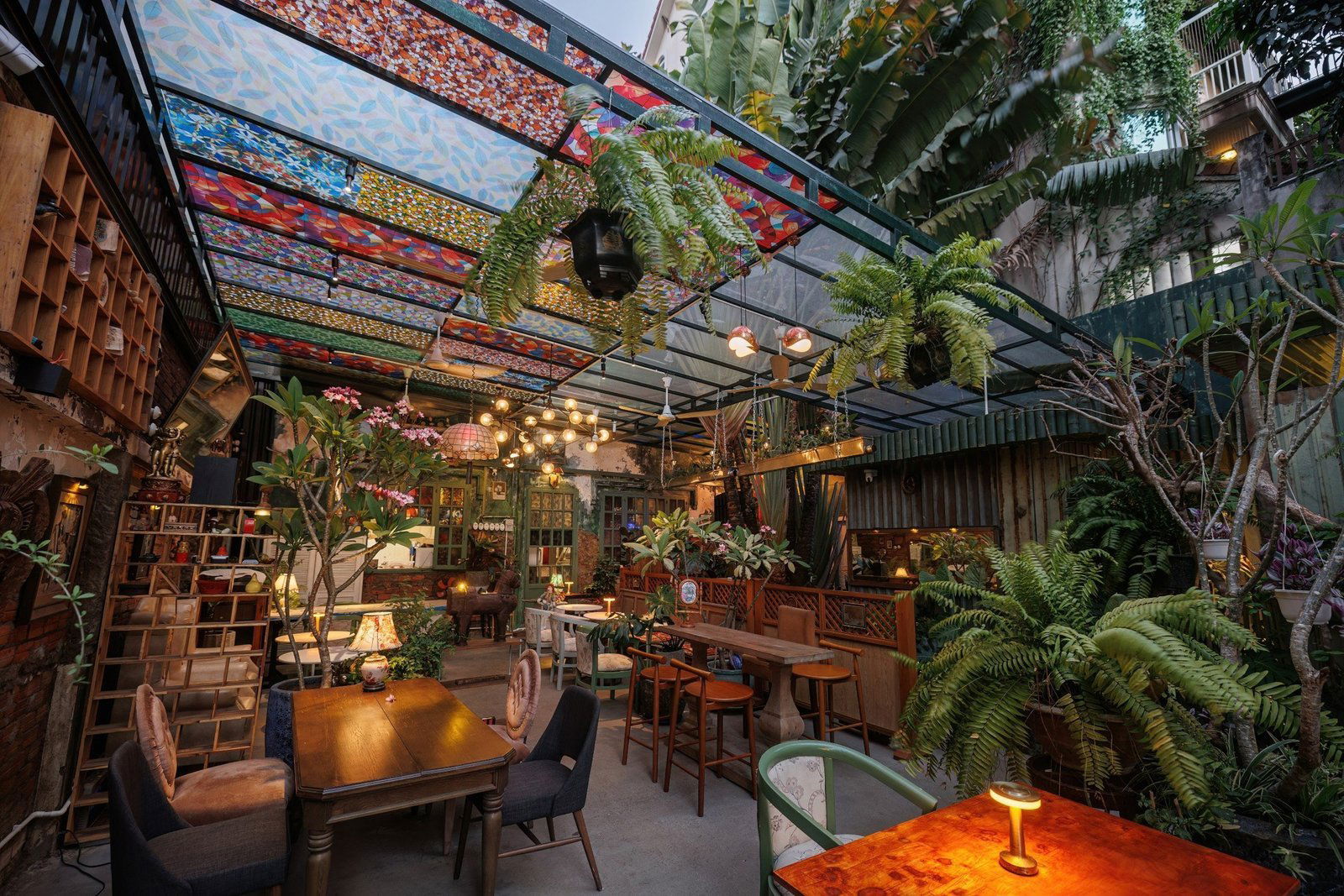
Relaxed ruin bar atmosphere with good music, lovely staff, and a chill, slightly rustic charm.
Tags
Vibe
Best For
Experience
Format
At the Bar
- Bar Category
- Beer Bar
- Late Night
- Closes by Midnight
- Music
- Good Music
Signature Pours
Bazan Hibiscus Cider
Know before you go
Know Before You Go
- Getting there
- 89 Phạm Viết Chánh, Phường 19, Bình Thạnh, Thành phố Hồ Chí Minh 700000, Vietnam
Planning details
Hours
- Monday
- 5 PM–2 AM
- Tuesday
- 5 PM–2 AM
- Wednesday
- 5 PM–2 AM
- Thursday
- 5 PM–2 AM
- Friday
- 5 PM–3 AM
- Saturday
- 5 PM–3 AM
- Sunday
- 5 PM–2 AM
Location
89 Phạm Viết Chánh, Phường 19, Bình Thạnh, Thành phố Hồ Chí Minh 700000, Vietnam · Directions
Also consider
Where to go if Khoai is not the right fit
Pick Alto Saigon if the night needs a more polished bar choice for a date or guest-facing plan. Pick Terroir Wine Bar or Mad Wine Bar if wine is the reason for going out.
Bar context
How Khoai compares in Ho Chi Minh City
Khoai is the low-planning choice in this set: useful when Bình Thạnh location and an easy late-night feel matter more than a documented drinks specialty. Alto Saigon is the better cross-shop for readers who want a more polished Ho Chi Minh City bar plan, especially for a date or hotel-adjacent evening.
If wine is the point of the night, Terroir Wine Bar and Mad Wine Bar are easier recommendations because the category is clear before arrival. Khoai asks for more flexibility from the guest, so it fits casual groups better than wine-focused drinkers choosing around a list.
Birdy and QUE by Kaarem are worth checking when ambience is the main filter. Khoai is the safer call for a simple neighborhood stop; choose QUE by Kaarem when the room and occasion need to carry more of the evening.
Explore Ho Chi Minh City
Around this place
Discover more on Pearl
Unlock the full Khoai guide in Pearl, including awards, comparisons, FAQs, planning details, and nearby places.
Compare Khoai
| Venue | Location | Awards |
|---|---|---|
| Khoai | Ho Chi Minh City | No published awards |
| Alto Saigon | Ho Chi Minh City | No published awards |
| Birdy | Ho Chi Minh City | No published awards |
| Terroir Wine Bar | Ho Chi Minh City | No published awards |
| Mad Wine Bar | Ho Chi Minh City | No published awards |
| QUE by Kaarem | Ho Chi Minh City | No published awards |
How Khoai Ho Chi Minh City compares with similar nearby venues.
FAQ
Frequently Asked Questions
What's the crowd like at Khoai?
The crowd profile is not defined here. The practical details are that Khoai is in Ho Chi Minh City, has a casual dress code, and stays open until 2 AM on most days, with 3 AM closing on Friday and Saturday.
Is Khoai open late?
Yes. Khoai opens at 5 PM every day, stays open until 2 AM Monday through Thursday and Sunday, and until 3 AM on Friday and Saturday. That makes it an option for a late Ho Chi Minh City stop.
Is Khoai good for a date?
Khoai may be worth considering if you want a casual Ho Chi Minh City venue with late hours. For comparison while planning, look at Terroir Wine Bar or Mad Wine Bar.