
Bar in Fence, United Kingdom
The White Swan
150Pearl PointsGroup-friendly pub

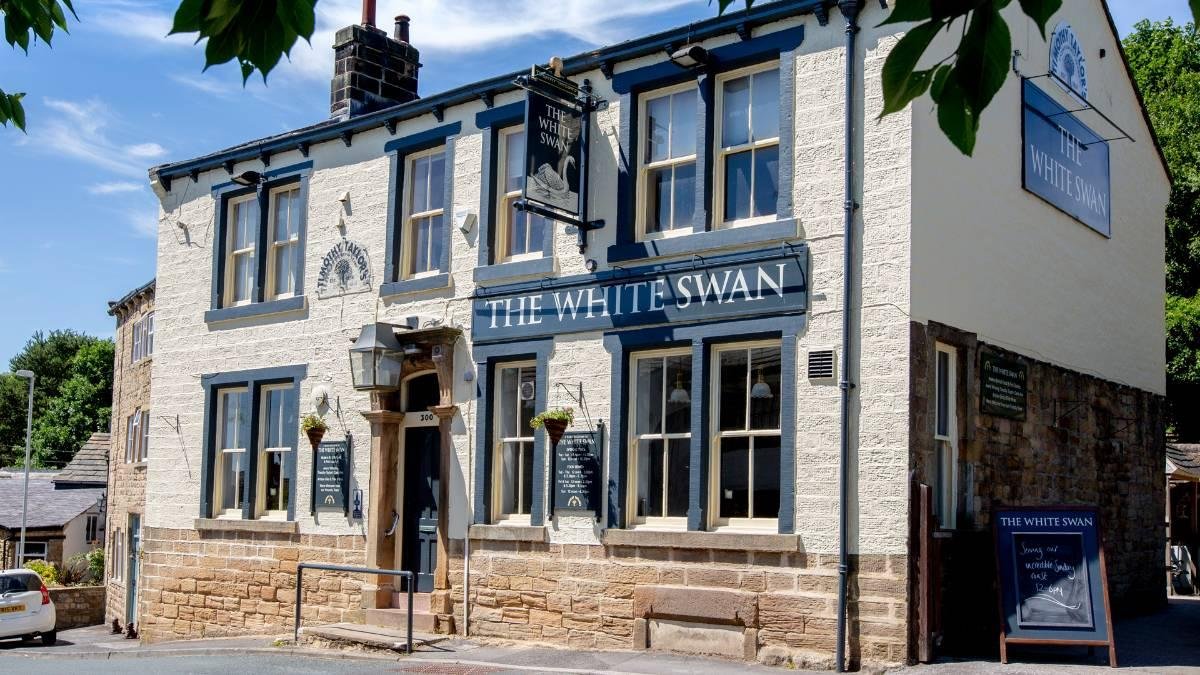
About The White Swan
Book The White Swan if the brief is a relaxed Fence pub meal with a credible food signal and low booking friction. The Good Food Guide 2025 “Very Good” listing makes it a safer group choice than an untested local pub, especially for four or more people who want quality without a formal format.
The White Swan is a Fence venue with clear verified planning basics: it is closed on Monday, open Tuesday through Sunday from 12–11 PM, and has a casual dress code. It also has a confirmed external recognition signal from The Good Food Guide 2025, where it is listed as “Very Good.” The verified details are limited, so the safest way to plan is to rely on what is known rather than assume a particular menu style, service format, or price point.
The practical appeal is simple: The White Swan has a confirmed Good Food Guide 2025 “Very Good” listing. That matters here because the available verified detail is otherwise lean; the recognition gives a useful quality signal without needing to overread the menu. For groups, dates, or return visits, confirm any occasion-specific needs directly with the venue before building the plan around them.
Planning with verified basics
For arranging a visit, the main useful information is the direct planning detail that is available. The White Swan is closed on Monday and open Tuesday through Sunday from 12–11 PM, which gives a broad weekly window for considering a visit. Its dress code is casual, which also keeps expectations simple.
That said, it is not the right pick for every occasion if you need every detail settled in advance. There is no verified price, menu format, seat count, or dietary information here, so a fully mapped-out plan requires more direct checking. If the priority is low-stress planning from confirmed basics, the hours, casual dress code, and Good Food Guide recognition are the key facts to use.
Where it fits in a regional shortlist
Compared with The Rum Fox, The Three Fishes, Parkers Arms, The Inn at Whitewell, and Edinburgh Castle, The White Swan is easiest to justify when you want a Fence option with a confirmed quality signal and simple practical details. Use it as a verified-basics choice: Fence location, casual dress code, Tuesday-to-Sunday hours, Monday closure, and Good Food Guide 2025 “Very Good” recognition.
Use broader guides if the brief shifts. Our full Fence restaurants guide is the right next stop for wider Fence planning. For anything beyond the verified details here, confirm directly with The White Swan before relying on a specific service, menu, price, or occasion setup.
Know Before You Go
- Group fit: Assess from the verified basics: casual dress code and Tue–Sun 12–11 PM hours.
- Booking difficulty: Not verified; confirm directly before planning around a specific time or party size.
- Closed day: Monday.
- Recognition: The Good Food Guide 2025 “Very Good.”
- Location: Fence.
If this is part of a wider bar or dining search, compare the planning style with other venues generically, but keep The White Swan decision grounded in the confirmed facts: Fence location, casual dress code, Tuesday-to-Sunday 12–11 PM hours, Monday closure, and Good Food Guide 2025 “Very Good” recognition.
Frequently Asked Questions
Is The White Swan good for groups?
The verified details do not confirm a group policy, room layout, or maximum party size. For planning, the useful confirmed facts are that The White Swan in Fence has a casual dress code and is open Tuesday through Sunday from 12–11 PM; check the venue's official channels for group-specific arrangements.
What's the best time to go to The White Swan?
The verified hours are 12–11 PM Tuesday through Sunday, with Monday closed. Choose a time within that window and confirm directly if you need a specific meal period, party size, or occasion setup.
Does The White Swan have happy hour deals?
There is no verified happy hour information in the available details. Do not plan around a specific deal or price drop unless you confirm it directly with The White Swan.
Is the food good at The White Swan?
The strongest verified quality signal is that The Good Food Guide 2025 lists The White Swan as “Very Good.” No specific dishes, cuisine, prices, or menu format are verified here.
Is The White Swan good for a date?
It may suit a simple Fence plan if you want casual dress and a broad Tuesday-to-Sunday opening window. For anything more specific, such as seating style, menu format, or occasion details, confirm directly with the venue.
Is The White Swan open late?
The verified hours run until 11 PM Tuesday through Sunday, and the venue is closed on Monday. Confirm directly if you need kitchen times or a specific late arrival.
Location
300 Wheatley Ln Rd, Fence, Burnley BB12 9QA, United Kingdom
Fence, United Kingdom
Compare The White Swan
How It Compares
The White Swan is the practical pick for a group meal in Fence when external recognition matters but planning effort needs to stay low. The Rum Fox and The Three Fishes are useful cross-shops for a similar pub-led brief, while this venue is easier to recommend when the group wants a credible food signal attached to a relaxed format.
Parkers Arms and The Inn at Whitewell make more sense for diners who want the meal to feel like the centre of the trip. Edinburgh Castle belongs on the backup list if timing matters more than chasing a specific table.
Where to Look If You Cannot Get In
If the preferred slot at The White Swan is not available, try The Rum Fox or The Three Fishes first for a similar pub-led plan. If the meal is meant to anchor a wider outing, compare availability at Parkers Arms or The Inn at Whitewell.
How It Compares
The White Swan is the safer choice for groups who want recognised cooking and easier planning. Against The Rum Fox and The Three Fishes, it reads as the lower-friction option when the group does not want to build the meal around a more destination-style booking.
For a more occasion-led Lancashire pub plan, cross-shop Parkers Arms and The Inn at Whitewell. For a simpler alternative if the preferred time is not available, add Edinburgh Castle to the shortlist.
Recognized By

Explore Fence
Save or rate The White Swan on Pearl
Keep this venue in your Pearl passport, rate it after you visit, and track it alongside every other place you collect.