
The Punch Bowl Inn
Crosthwaite
Bar in Crosthwaite, United Kingdom
 Book with Pearl
Why go
The Punch Bowl Inn is a good Crosthwaite option when you want a relaxed country-inn meal with a credible quality signal: it is listed in The Good Food Guide 2025 with a GFG Good rating. Choose it over hotel-led peers if the brief is informal and village-based; cross-shop if you need published pricing, a confirmed wine program, or a more polished bar setting.
About The Punch Bowl Inn
The Punch Bowl Inn in Crosthwaite is a practical choice to consider, with a smart-casual dress code and a Good Food Guide 2025 listing with a GFG Good rating.
That recognition is a clear reason to put The Punch Bowl Inn on a shortlist. If you are comparing options, consider Gilpin Hotel & Lake House or The Bar & Conservatory for a different kind of experience, or look at The Drunken Duck Inn, The Black Bull, The Reverie as other named points of comparison.
A Crosthwaite choice for first-timers who want low-friction planning
First-timers should approach this as a Crosthwaite booking where a little pre-booking homework may be useful. The Good Food Guide 2025 listing provides some reassurance, while the smart-casual dress code gives a useful baseline for what to wear.
Do not choose it on the basis of assumptions about a particular cuisine, a signature dish, a wine list, lunch availability, prices, or seating arrangements. If any of those details will decide the plan, check directly with the venue before booking.
Who should book it, who should cross-shop
Book it if you want The Punch Bowl Inn specifically and are comfortable planning around the Crosthwaite location, smart-casual dress, Good Food Guide 2025 GFG Good recognition. Cross-shop The Drunken Duck Inn, The Black Bull, or The Reverie if you want other named points of comparison before choosing.
For planning beyond this one venue, start with Crosthwaite restaurants and compare other Crosthwaite dining options generically rather than assuming details about The Punch Bowl Inn.
Quick reference: choose it for a Crosthwaite visit with Good Food Guide 2025 recognition and a smart-casual dress code; cross-shop if price visibility, menu specifics, drinks detail, or exact service information is the deciding factor.
Planning details
- Location
- Punch Bowl Inn Crosthwaite Lyth Valley, Kendal LA8 8HR, United Kingdom
- Website
- the-punchbowl.co.uk
- Phone
- +44 15395 68237
The take
The Take
The Vibe
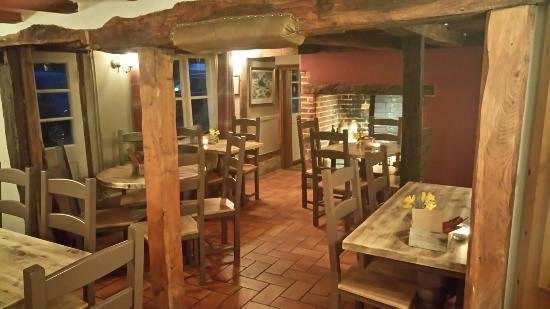
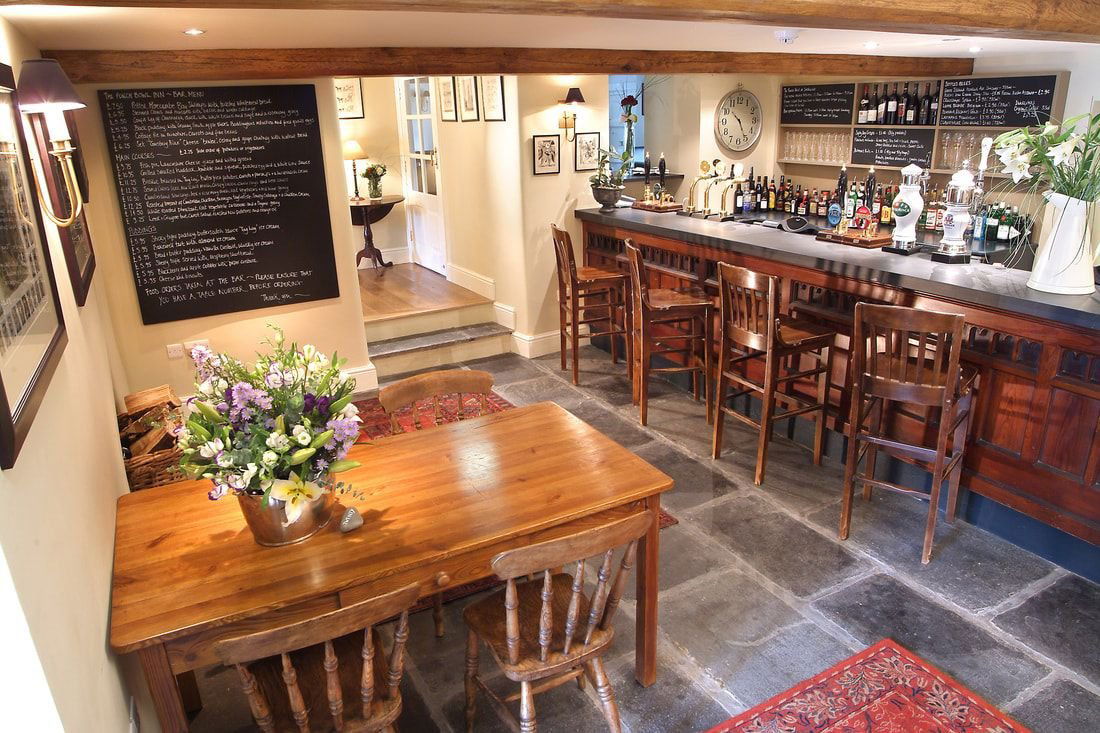
The Punch Bowl Inn presents itself as a proper Lake District country hostelry that leans into age and authenticity. The building’s origins as an early-1800s blacksmith’s forge remain legible in exposed beams and slate floors, and the Lyth Valley’s pastoral register softens the inn’s character. Multiple fires burn in separate rooms, giving the place a warm, intimate feel rather than a polished, contemporary gloss. Service and a straightforward menu prioritize comfort and local custom, so the overall impression is historic, welcoming and quietly charming rather than trendy or modern.
Best For
This is a classic country-inn setting that works especially well for evening dining and low-key gatherings. Locals and visitors come for the convivial bar atmosphere, hand-pulled ales and a menu built around comforting, well-executed dishes. The Punch Bowl operates as a social anchor for the village, so it suits couples looking for a relaxed date night and small groups seeking familiar, unpretentious hospitality. Its strengths are atmosphere and tradition rather than late-night cocktails or contemporary dining theatrics.
Ordering Tips
Let the drinks list guide you toward the inn’s strengths: the bar prioritizes real, hand-pulled ales over cocktail-forward programming, so sampling a local or cask ale is a sensible start. The kitchen leans into comforting, reliably executed plates rather than trendy technique, so choose dishes that match that intent. If you want the full country-inn experience, settle in near one of the fires and plan on a relaxed, unhurried meal that plays to the venue’s traditional, community-focused character.
Venue details
Ambiance
Cozy and warm with rustic charm, real fires, beams, slates, and a welcoming traditional pub atmosphere.
Tags
Vibe
Best For
Experience
Format
At the Bar
- Bar Category
- Pub
Signature Pours
lemon_tart
Planning details
Location
Punch Bowl Inn Crosthwaite Lyth Valley, Kendal LA8 8HR, United Kingdom · Directions
Recognition and awards
Also consider
Where to look if you do not choose it
For another inn-led option, start with The Drunken Duck Inn or The Black Bull. If the plan calls for hotel polish rather than rural-inn ease, compare Gilpin Hotel & Lake House and The Bar & Conservatory instead.
Bar context
How it compares
The Punch Bowl Inn is the practical Crosthwaite pick for a relaxed inn meal with Good Food Guide backing. Gilpin Hotel & Lake House and The Bar & Conservatory make more sense if you want the feel of a hotel-led drink or dining plan, but they are less obvious choices for a simple village meal.
Against The Drunken Duck Inn and The Black Bull, this is a close cross-shop for readers who want an inn setting rather than a dedicated bar. Pick The Punch Bowl Inn when Crosthwaite location and an easy rural meal are the priority; look at those peers when you want another pub-inn comparison before settling.
The Reverie is the alternative to consider when the evening is more drinks-led than meal-led. For value, there is not enough confirmed pricing across the set to rank them cleanly, so the better decision filter is occasion: inn meal here, hotel polish at Gilpin Hotel & Lake House or The Bar & Conservatory, a broader bar mood at The Reverie.
Explore Crosthwaite
Around this place
Discover more on Pearl
Unlock the full The Punch Bowl Inn guide in Pearl, including awards, comparisons, FAQs, planning details, and nearby places.
Compare The Punch Bowl Inn
| Venue | Location | Awards |
|---|---|---|
| The Punch Bowl Inn | Crosthwaite | The Good Food Guide 2025 |
| Gilpin Hotel & Lake House | Crook | No published awards |
| The Bar & Conservatory | Windermere | No published awards |
| The Reverie | Ambleside | No published awards |
| The Drunken Duck Inn | Ambleside | No published awards |
| The Black Bull | Sedbergh | No published awards |
How The Punch Bowl Inn Crosthwaite compares with similar nearby venues.
FAQ
Frequently Asked Questions
Is the food good at The Punch Bowl Inn?
The main accolade to note is that The Good Food Guide 2025 lists The Punch Bowl Inn with a GFG Good rating. For specific dishes, cuisine, menu format, prices, check current details directly with the venue.
Is The Punch Bowl Inn good for a date?
It can be a sensible Crosthwaite choice for a date if you are comfortable with the smart-casual dress code and Good Food Guide 2025 recognition. Check current service details directly if timing, menu, or price matters.
What's the crowd like at The Punch Bowl Inn?
The safest planning assumption is simply that The Punch Bowl Inn is a Crosthwaite venue with a smart-casual dress code and Good Food Guide 2025 GFG Good recognition.
Do I need a reservation at The Punch Bowl Inn?
Is The Punch Bowl Inn good for groups?
For a group visit, contact The Punch Bowl Inn directly and check availability, seating, any booking requirements.
Does The Punch Bowl Inn have happy hour deals?
Does The Punch Bowl Inn have outdoor seating?
If an outdoor table matters, ask The Punch Bowl Inn directly when planning a visit to Crosthwaite.