Piglatin Cocina
Colorado Springs
Bar in Colorado Springs, United States
 Book with Pearl
The Read
Price
$20–30per person
Why go
Piglatin Cocina is worth considering for an easy, casual Colorado Springs meal when flexibility matters more than a special-occasion format. The strongest reasons to choose it are broad daily hours and low booking friction; for a more drinks-led night, compare Distillery 291, Por Favor Tacos & Tragos, or Goat Patch Brewing Company.
About Piglatin Cocina
For a Colorado Springs dining plan, Piglatin Cocina is a casual venue in Colorado Springs with daily hours from 11 AM to 10 PM. That makes it a direct option to consider when timing and dress code matter more than a highly documented dining format.
It does not offer a tasting format, chef counter, published set menu, formal price tier, named chef, award record, or specific service model to rely on here. Treat Piglatin Cocina as a casual Colorado Springs choice, and compare it with Distillery 291 or Goat Patch Brewing Company if you are weighing other plans.
Book it for flexibility, not a splurge night
This is a sensible pick when the schedule needs a venue open from 11 AM to 10 PM any day of the week. It is less useful as a special-occasion recommendation if the decision depends on awards, a named chef, a published format, or a documented price tier, since those details are not part of the profile. For another option, La Bella Vita Ristorante Italiano is a natural cross-shop. Por Favor Tacos & Tragos is another venue to compare when building a casual plan.
For a broader night out, use Piglatin Cocina as one option in the Colorado Springs map rather than the only plan. For wider planning, start with Our full Colorado Springs restaurants guide, then check Our full Colorado Springs bars guide, Our full Colorado Springs hotels guide, Our full Colorado Springs wineries guide, and Our full Colorado Springs experiences guide.
Who should choose it
Choose Piglatin Cocina if you want a casual Colorado Springs venue with a simple schedule: 11 AM to 10 PM every day. Skip it for a heavily researched dining night where awards, a named chef, a formal format, or detailed menu and pricing information are essential. If the plan changes, compare it with other options, including The Public House at The Alexander, depending on the kind of evening you want.
Planning details
- Location
- 2825 Dublin Blvd, Colorado Springs, CO 80918
- Website
- piglatincocina.com
- Phone
- +1 719 358 8715
The take
The Take
The Vibe
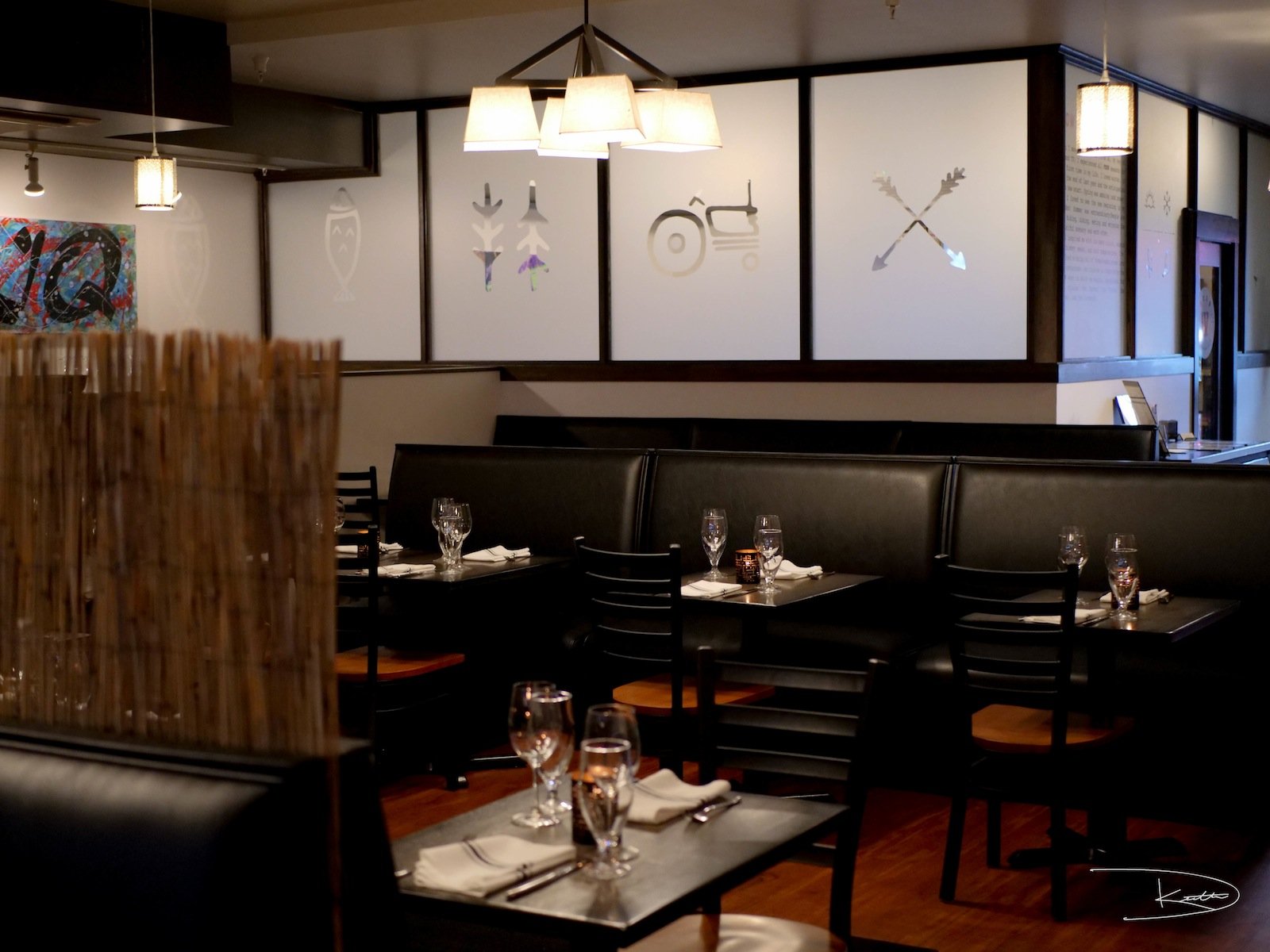
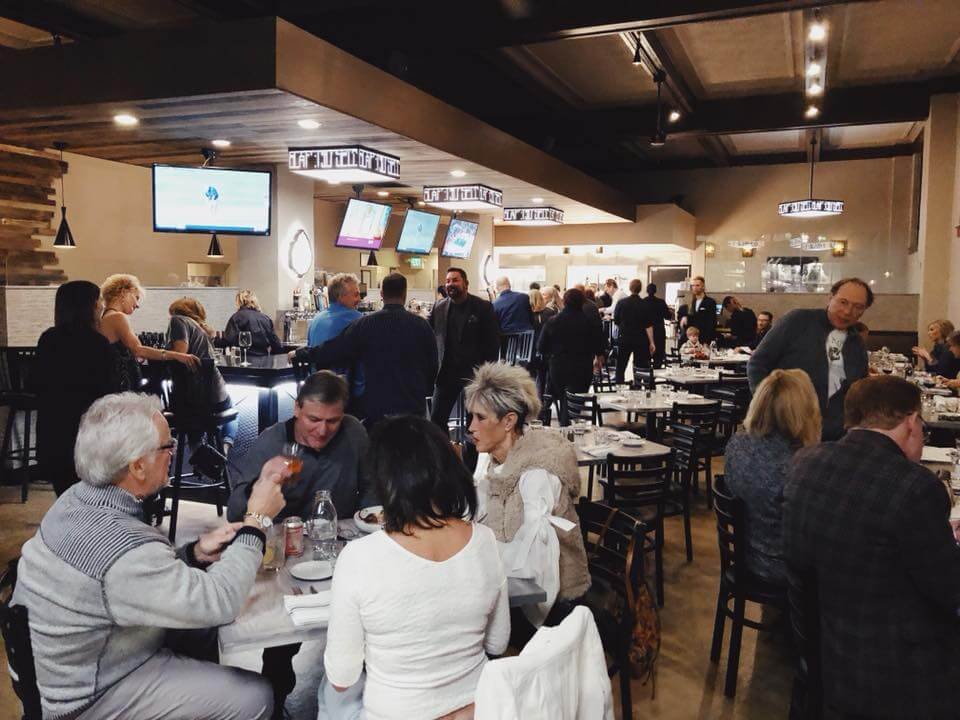
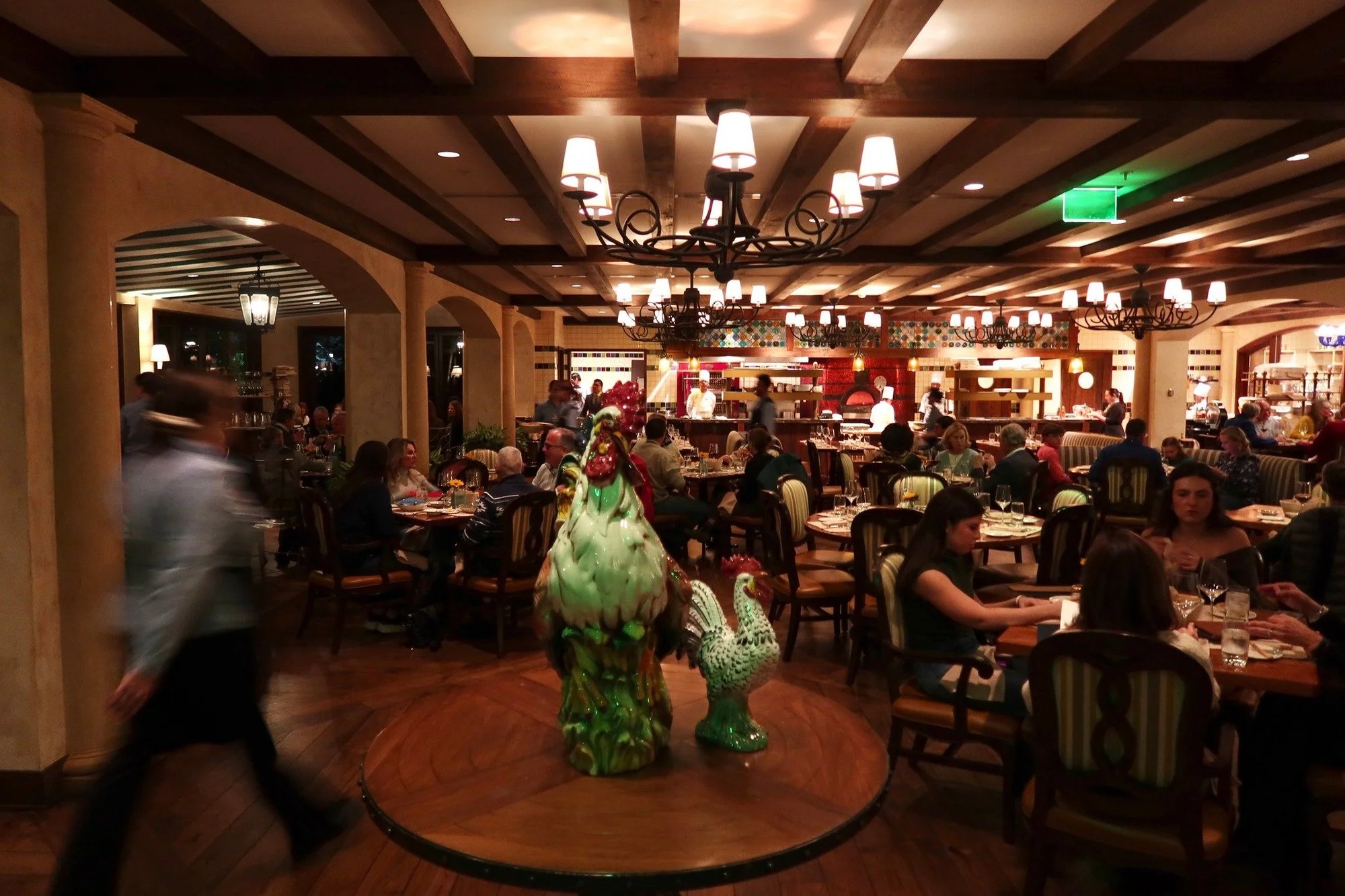
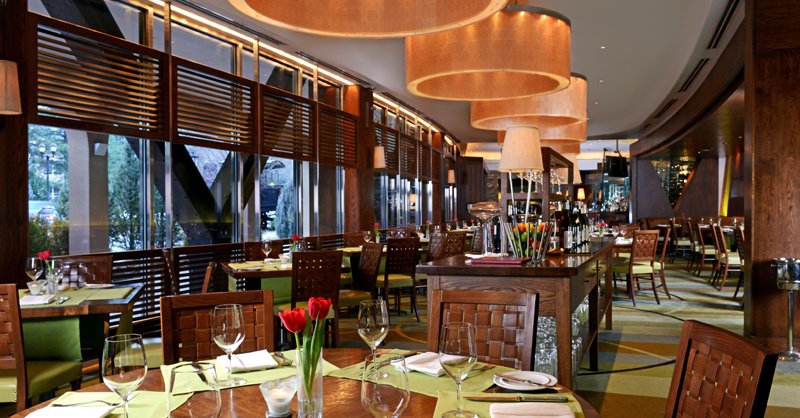
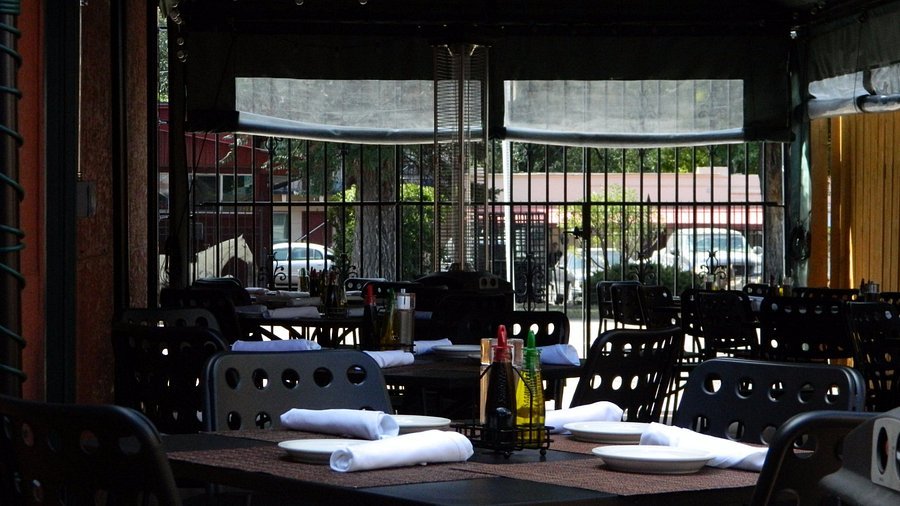
Piglatin Cocina operates in a suburban commercial strip that favors practicality over drama. The dining room is a mid-depth, open-sightline space that reads as an unfussy container for a Latin-inflected kitchen: the relationship between the room and the cooking is the experience's organizing idea. The restaurant leans into accessibility while signaling a more considered approach to Latin flavors, so the overall feel is approachable and relaxed rather than theatrical. It sits quietly apart from downtown buzz, rewarding attention with steady ambition rather than flash.
Best For
This is primarily an evening destination that suits people looking for an approachable night out rather than a downtown spectacle. Dinner is the clearest match: think date nights that prefer low-key charm, casual group dinners that value straightforward service and accessible Latin-influenced cooking, and neighborhood outings where the food takes center stage without fuss. The spot appeals to those who appreciate deliberate cooking delivered in an unpretentious setting.
Ordering Tips
Expect a menu framed around Latin-inflected dishes presented with restraint and accessibility; the description stresses a more considered register without losing legibility for a broad audience. Given the practical layout and throughput mindset, plan for a relaxed but efficient dinner service. For groups or nights out, order a selection of dishes to sample the kitchen's take on Latin flavors rather than treating the meal as haute dining. Reservations for peak evening times are sensible, since the spot functions as a credible suburban alternative to busier downtown rooms.
Venue details
Ambiance
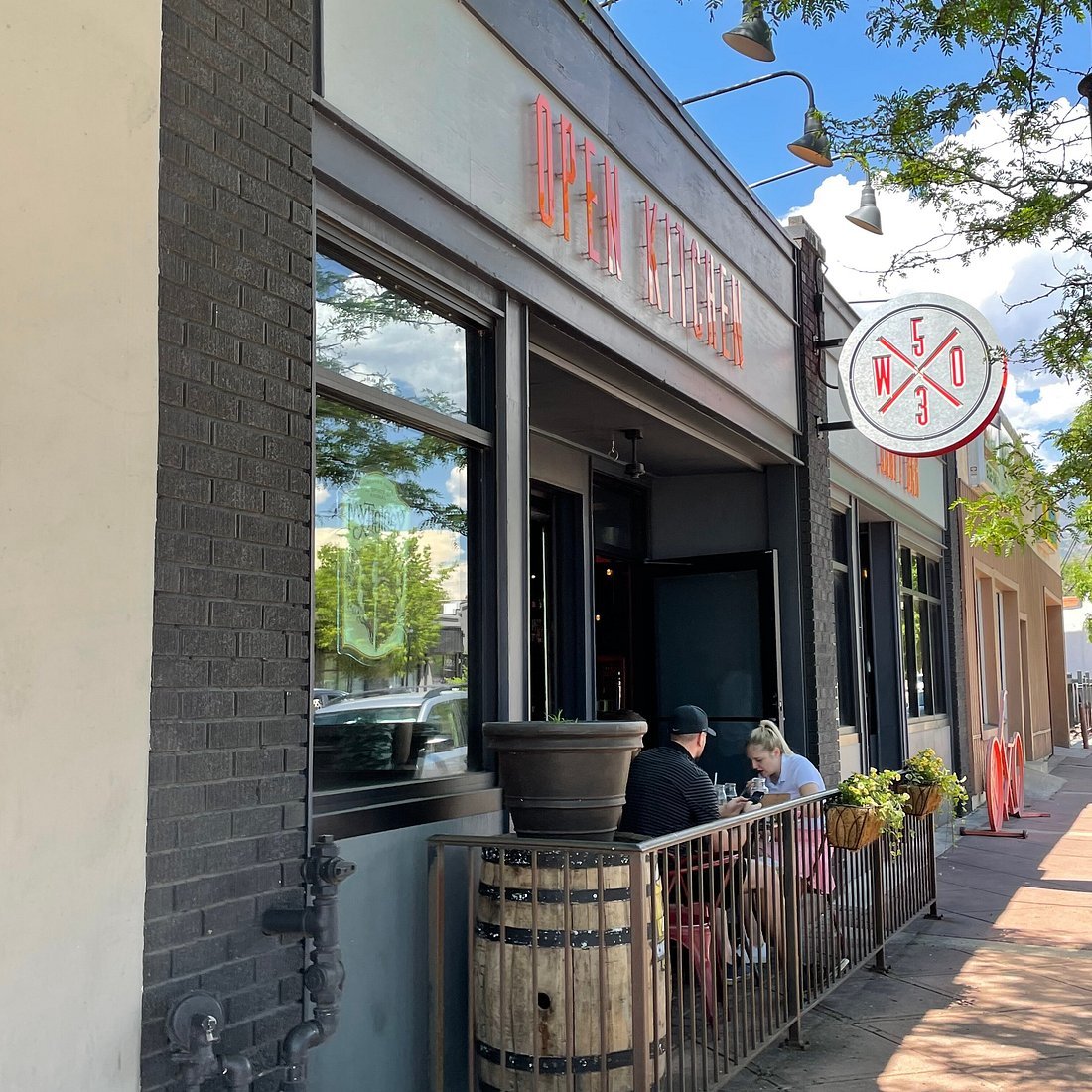
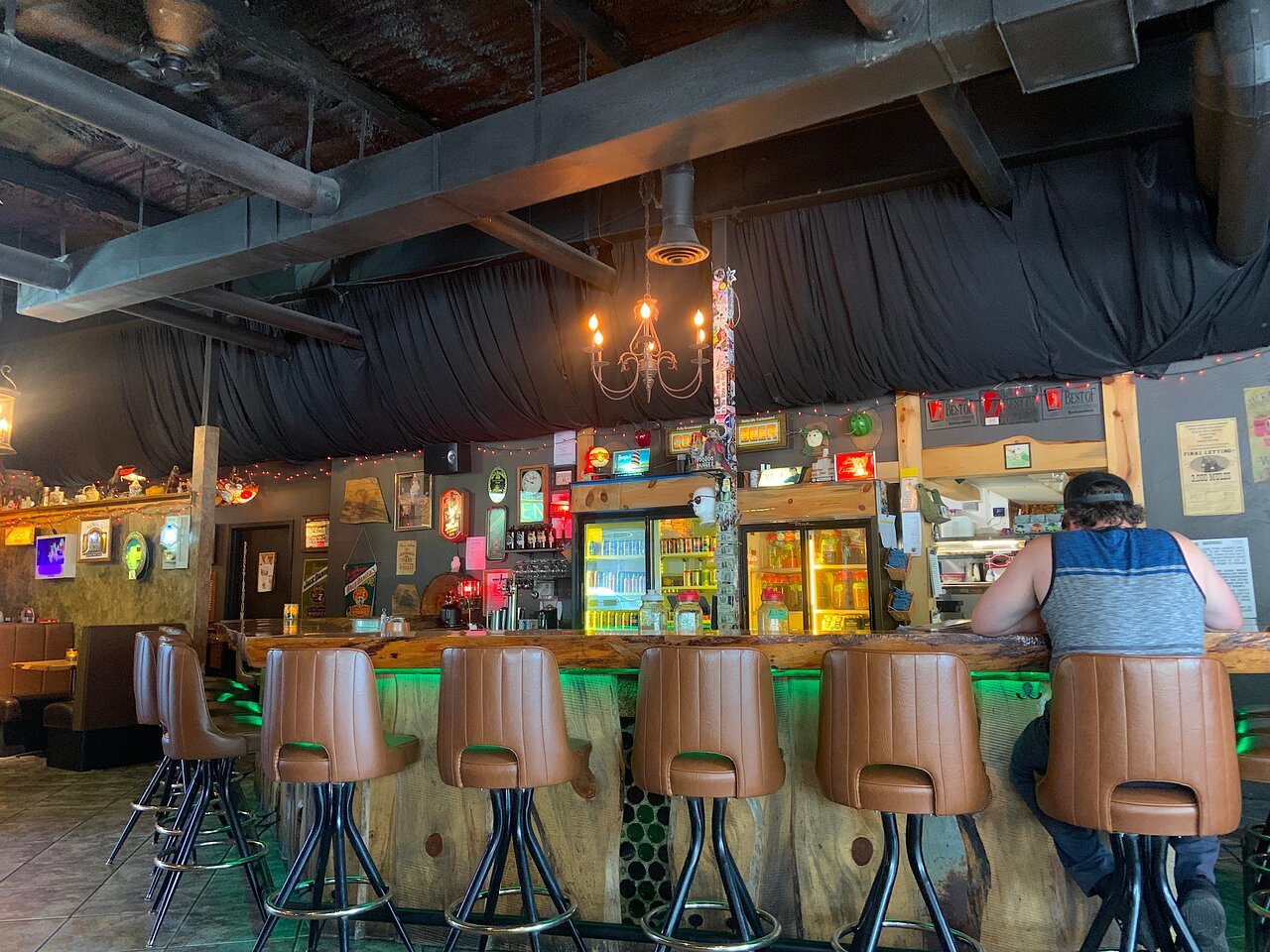
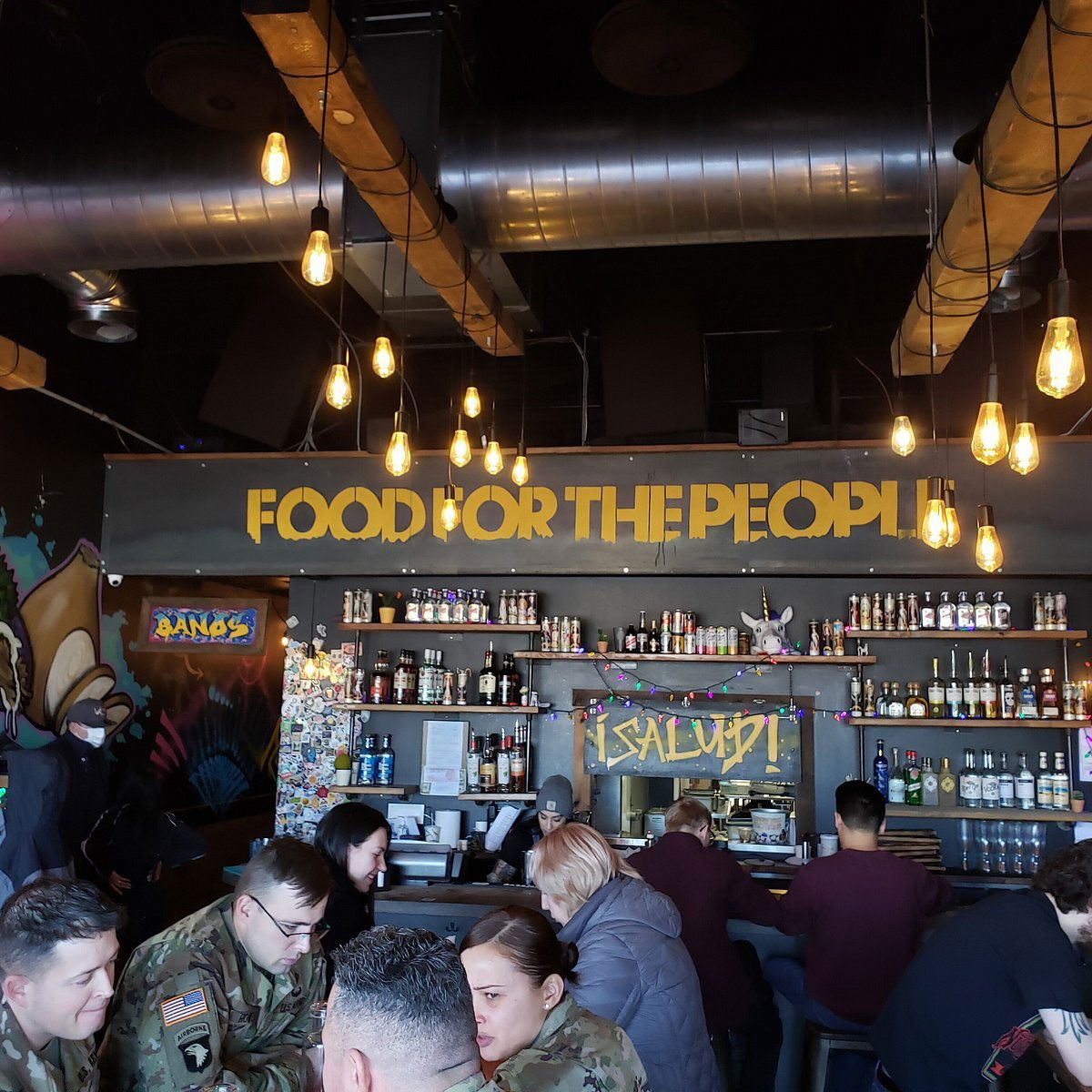
Hip and lively with loud profane rap/hip-hop music, tight seating, and a welcoming patio atmosphere.
Tags
Vibe
Best For
Experience
Format
At the Bar
- Bar Category
- Cocktail Bar
- Late Night
- Closes by Midnight
- Music
- Loud Profane Rap/hip Hop
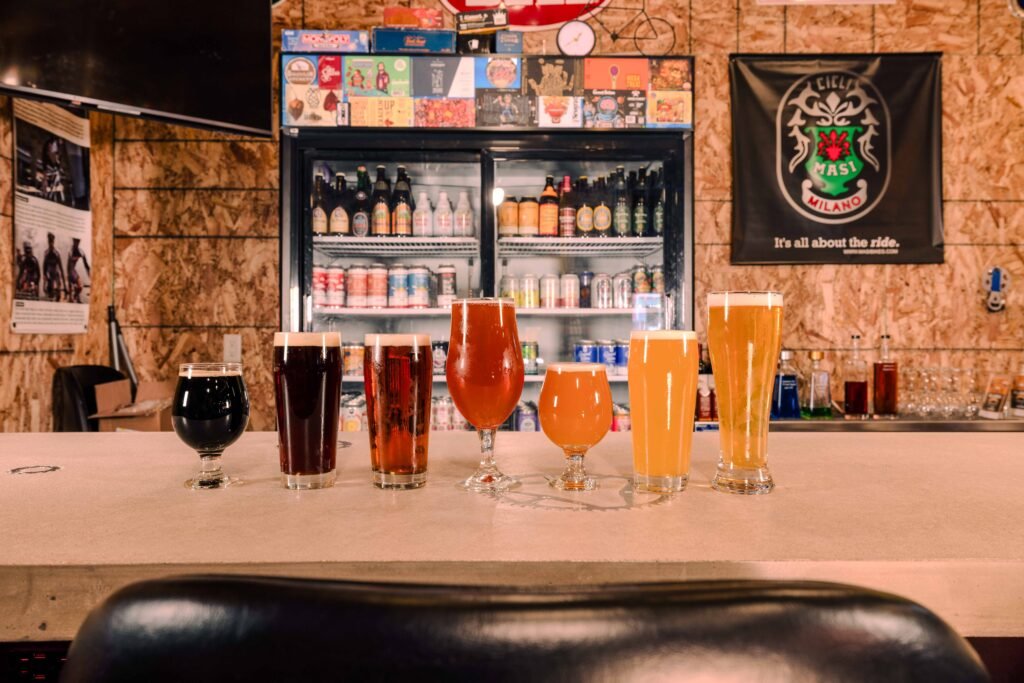
Signature Pours
- papaya_margarita
- quaran-tiki_punch
- pamela_mae
Know before you go
Know Before You Go
- Getting there
- 2825 Dublin Blvd, Colorado Springs, CO 80918
Planning details
Location
Also consider
Where to go if this is not the right fit
Pick Por Favor Tacos & Tragos if the group wants the tacos-and-drinks lane with a clearer night-out feel. Pick Goat Patch Brewing Company if beer is the anchor and the meal is secondary.
For a more adult drinks stop, choose Distillery 291. For a more traditional dinner, look at La Bella Vita Ristorante Italiano instead.
Bar context
How it compares in Colorado Springs
Piglatin Cocina is the practical choice when ease matters: broad daily hours, casual expectations, and a north-side address make it simpler than planning a more structured dinner. La Bella Vita Ristorante Italiano is the better fit for a more traditional sit-down restaurant night, while Por Favor Tacos & Tragos is the closer pick if tacos and drinks are the actual brief.
For drinks-first plans, Distillery 291 gives the night a clearer spirits focus, and Goat Patch Brewing Company is the easier call for a beer-led group. The Public House at The Alexander sits closer to the public-house lane, so choose it when the group wants a bar setting rather than a simple casual meal.
Value-wise, Piglatin Cocina works when convenience is part of the spend: easy timing, simple group coordination, and low ceremony. If the occasion needs a more defined ambiance or category identity, cross-shop the peers above before committing.
Explore Colorado Springs
Around this place
Discover more on Pearl
Unlock the full Piglatin Cocina guide in Pearl, including awards, comparisons, FAQs, planning details, and nearby places.
Compare Piglatin Cocina
| Venue | Location | Awards |
|---|---|---|
| Piglatin Cocina | Colorado Springs | No published awards |
| Distillery 291 | Colorado Springs | No published awards |
| La Bella Vita Ristorante Italiano | Colorado Springs | No published awards |
| The Public House at The Alexander | Colorado Springs | No published awards |
| Por Favor Tacos & Tragos | Colorado Springs | No published awards |
| Goat Patch Brewing Company | Colorado Springs | No published awards |
How Piglatin Cocina Colorado Springs compares with similar nearby venues.
FAQ
Frequently Asked Questions
What's the best time to go to Piglatin Cocina?
Piglatin Cocina is open 11 AM–10 PM every day in Colorado Springs. The best time depends on your plans, but the daily schedule gives you a wide window.
Is Piglatin Cocina open late?
Piglatin Cocina is open until 10 PM every day. That gives it evening availability, though no later-night service beyond 10 PM is indicated.