
Uptown
Palermo, Buenos Aires
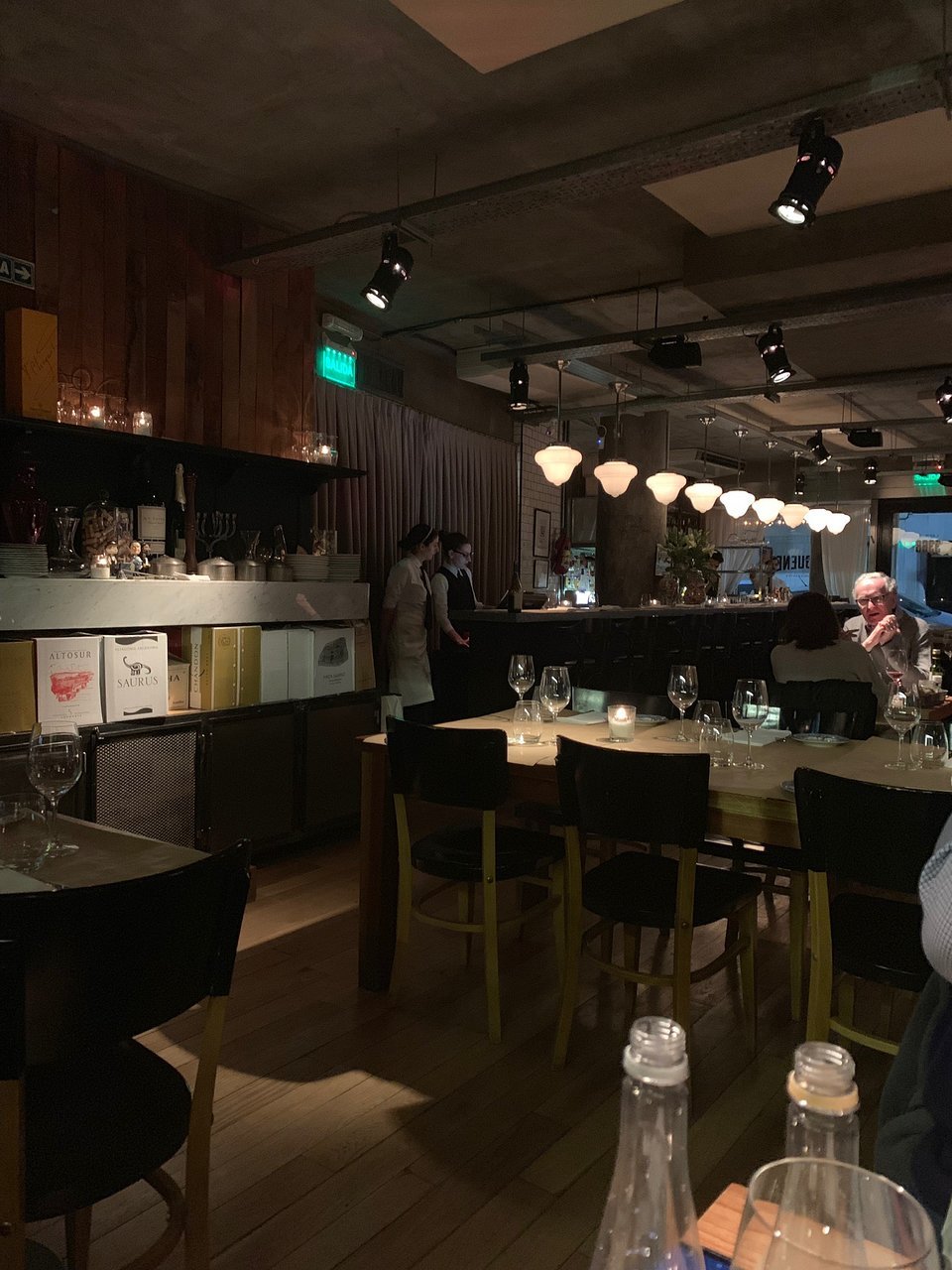
Bar in Buenos Aires, Argentina
 Book with Pearl
The Read
Palermo Counter Precision
Price
$30–50per person
Why go
Uptown is a practical first pick for a cocktail-led night in Palermo when you want atmosphere and an easy plan rather than a deeply researched food or wine outing. The strongest trust signal is its Top 500 Bars Best Bars #396 placement in 2025; the main caution is the lack of published price, menu, and seating detail.
About Uptown
Uptown is a Buenos Aires bar with a casual dress code and a Top 500 Bars Best Bars placement at #396 in 2025.
If you are comparing it with other named options, Pain et Vin, Frank's, Piano Lounge Bar, Boticario, and Victor Audio Bar are useful reference points; for a broader scan, use Our full Buenos Aires bars guide.
Book it for a recognized Buenos Aires bar, not for a priced-out value play
The clearest case for Uptown is its external recognition: Top 500 Bars Best Bars listed it at #396 in 2025. That is a meaningful signal, but it does not confirm pricing, menu format, food, seating, or the kind of service guests should expect on a given night.
For that reason, the value question depends on what you need from the outing. If you want a recognized Buenos Aires bar with casual dress, Uptown is a reasonable candidate. If you need food details, a specific budget, or a fully planned dinner, use Our full Buenos Aires restaurants guide instead.
Use it as a Buenos Aires bar option, then build the night around confirmed needs
Uptown can work as a simple Buenos Aires bar pick, but confirm availability, pricing, and any group needs directly before making it the centerpiece of the night. Travelers building a fuller Buenos Aires itinerary can pair the bar plan with Our full Buenos Aires hotels guide.
Quick reference: choose Uptown if you want a casual Buenos Aires bar with a 2025 Top 500 Bars Best Bars ranking; check elsewhere or confirm directly if price transparency, food details, seating, or a specific service format matters most.
Planning details
- Location
- Arévalo 2030, C1414CQP Cdad. Autónoma de Buenos Aires
- Website
- uptownba.com
- Phone
- +541121014897
The take
The Take
The Vibe
Uptown presents a restrained, craft-driven profile within Palermo's cocktail corridor. The bar prioritises technique and ingredient sourcing over spectacle, aligning its programme with a wider Buenos Aires tendency toward refined, considered drinking rooms. Rather than theatrical flourishes, the experience leans on clarity of purpose: well-made cocktails that reference the city's European immigrant heritage while sitting squarely in an Argentine idiom. That combination produces a sophisticated, quietly confident mood — polished but not flashy — that attracts a local, knowledgeable crowd who come for thoughtful drinks and the steady craft behind them.
Best For
Uptown is best for people who come to Palermo specifically for serious cocktails and a focused bar experience. It suits date nights and special occasions when you want attentive, craft-led drinks rather than spectacle, and it also works for late-night visits and group outings with friends who appreciate technique and provenance. The bar’s inclusion on a global Top 500 list signals enough recognition to make it a stop for visitors exploring Buenos Aires’s drinking culture, while still reading as a local favourite in the Arévalo–Thames–Honduras corridor.
Ordering Tips
When ordering at Uptown, lean into the bartenders’ expertise: ask about the house approach to technique and ingredient sourcing and request drinks that highlight those priorities. The programme frames cocktails as a technical discipline, so favour options that reference classic Italian and Spanish influences or that showcase local Argentine ingredients. Expect thoughtfully balanced, restrained presentations rather than theatrical gimmicks — asking the staff for recommendations on classics or on drinks that reinterpret immigrant-culture flavors will surface the bar’s strengths.
Venue details
Ambiance
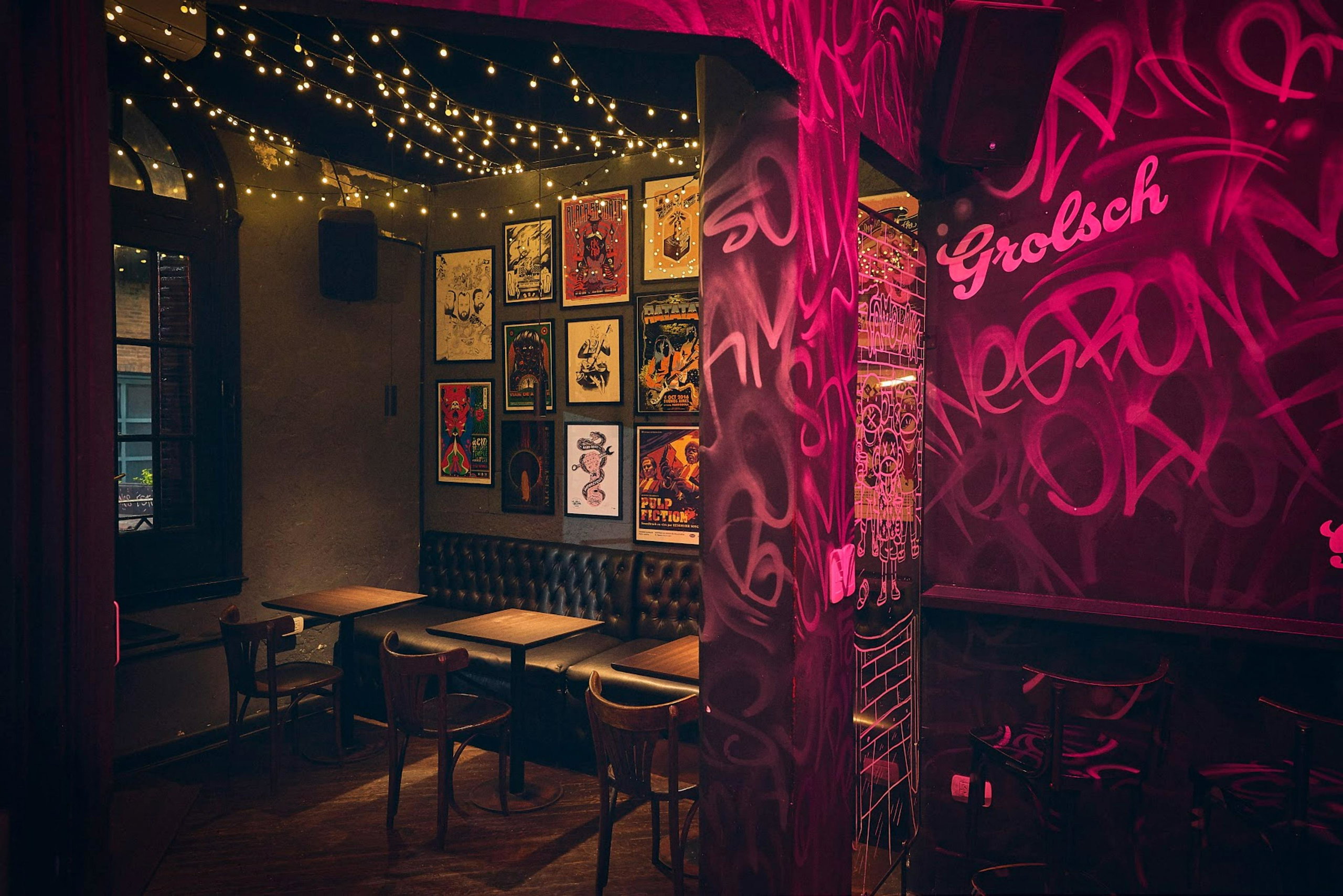
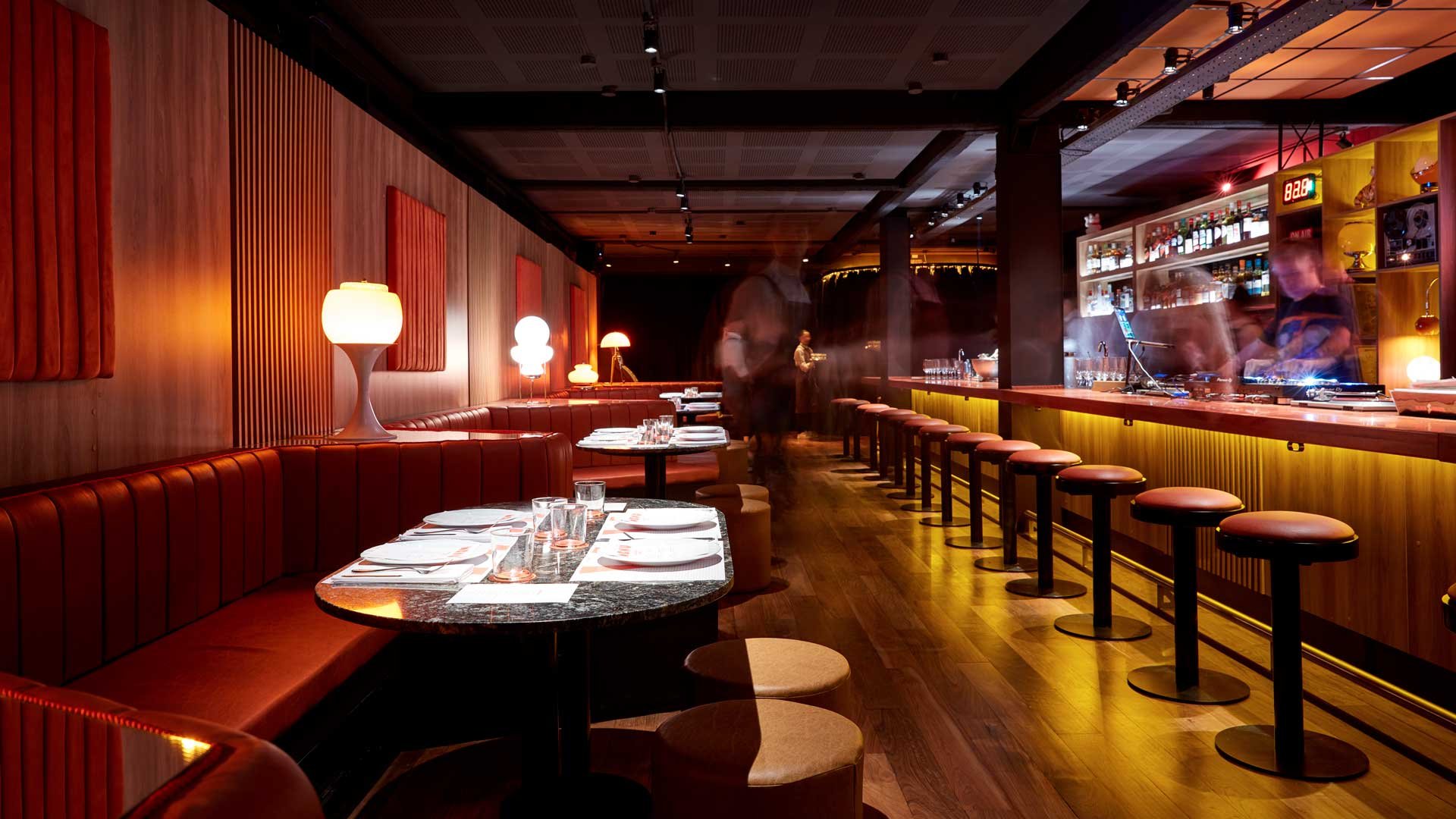
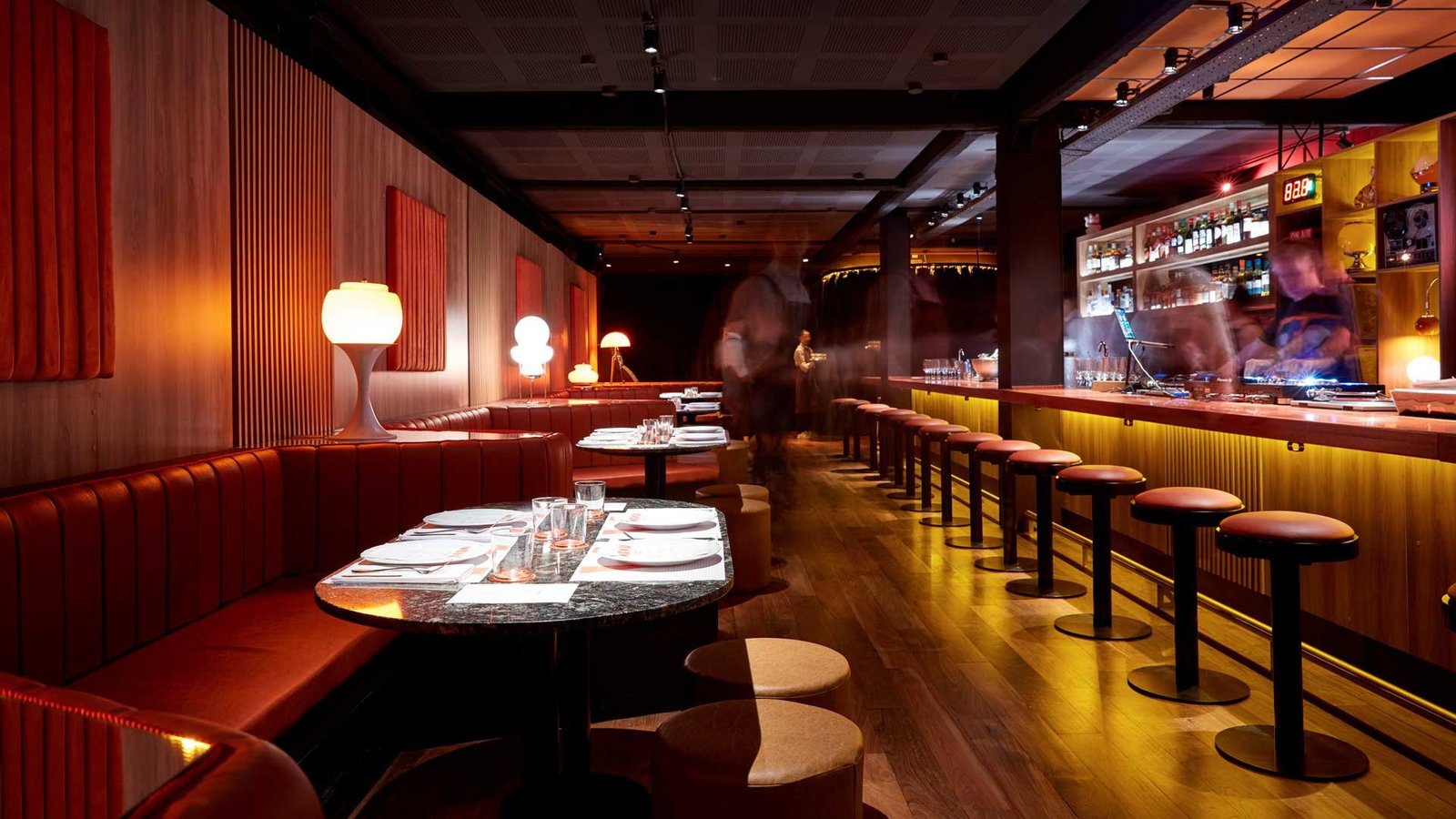
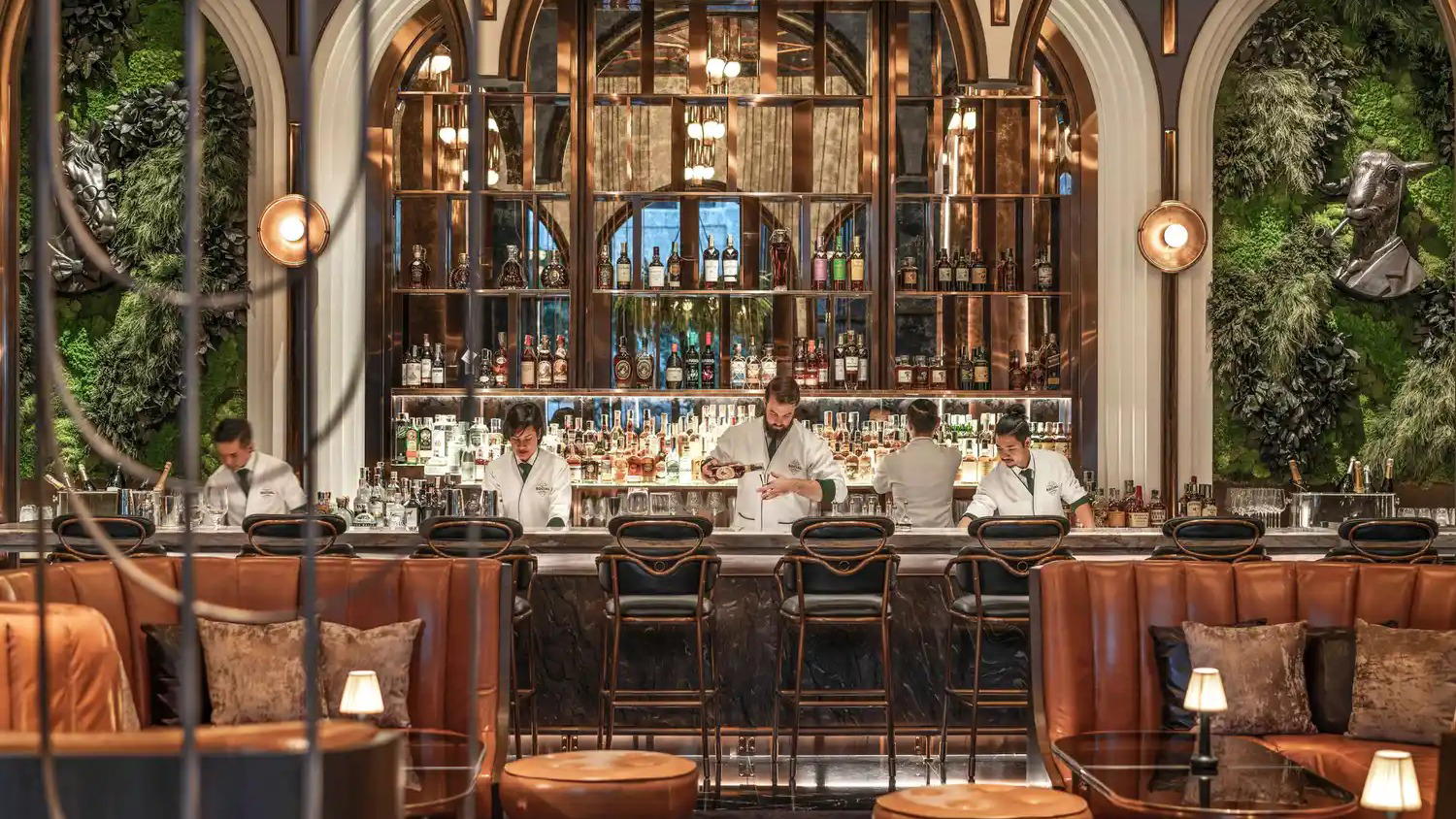
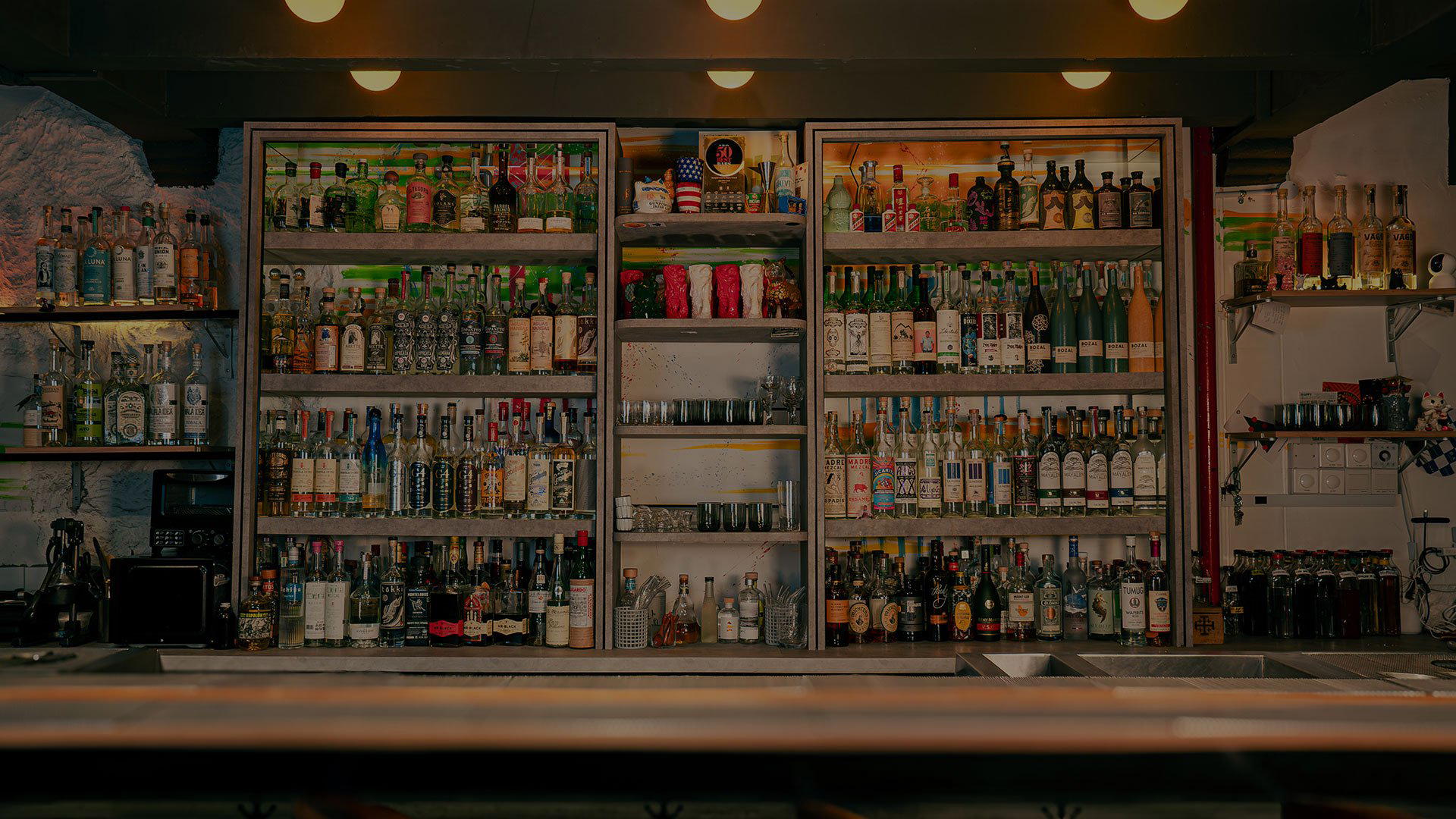
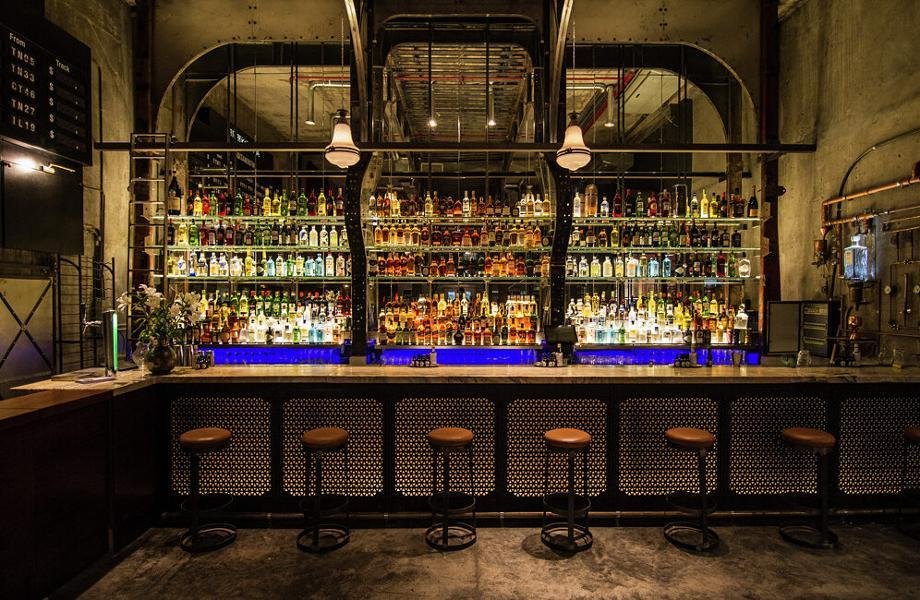
Dark, energetic underground atmosphere with subway station aesthetic; crowded dance floor with DJ-driven music and dim lighting creating an electric party vibe.
Tags
Vibe
Best For
Experience
Format
At the Bar
- Bar Category
- Speakeasy
- Late Night
- Open Until 4am
- Music
- Dj Driven Mix of Reggaeton, Brazilian Funk, Hip Hop, and Salsa
- Spirits Focus
- Gin, Rum
Signature Pours
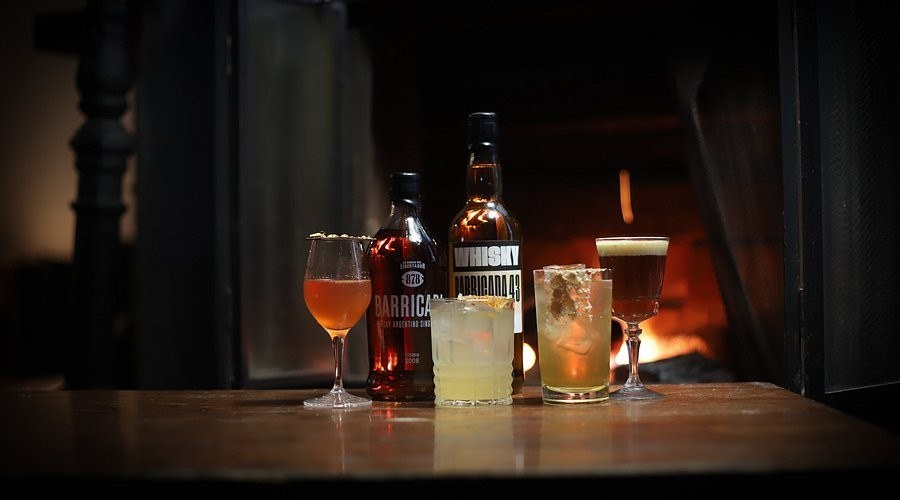
- N25
- Old Fashioned
- Negroni
Know before you go
Know Before You Go
- Getting there
- Arévalo 2030, C1414CQP Cdad. Autónoma de Buenos Aires
Planning details
Location
Recognition and awards
Also consider
Where to go if Uptown is not the right fit
Pick Pain et Vin if the group wants wine over cocktails or a calmer drinking plan. Compare Frank's if the night still needs a Buenos Aires cocktail-bar feel but Uptown does not fit the route.
Bar context
How Uptown compares in Buenos Aires
Uptown is the safer pick for a first-timer who wants a recognized Palermo bar without overcomplicating the night. Against Frank's and Victor Audio Bar, the deciding factor is confidence: choose Uptown when an external bar ranking matters more than chasing a specific format that is not confirmed here.
For value per round, be cautious. With no listed price band, Uptown is easier to justify as an atmosphere-led drink stop than as a controlled-budget choice. Pain et Vin is the better cross-shop if the group is leaning wine rather than cocktails, while Boticario and Piano Lounge Bar make sense to compare when ambiance is the main variable.
If booking ease is the priority, Uptown's assigned difficulty is friendly for visitors. For a date, start here. For a quieter or more wine-focused night, cross-shop Pain et Vin. For a broader bar crawl, compare it directly with Frank's, Victor Audio Bar, Boticario, and Piano Lounge Bar before locking in the route.
Around this place
Discover more on Pearl
Unlock the full Uptown guide in Pearl, including awards, comparisons, FAQs, planning details, and nearby places.
Compare Uptown
| Venue | Location | Awards |
|---|---|---|
| Uptown | Buenos Aires | Top 500 Bars 2025 · #396 |
| Frank's | Buenos Aires | 2012 World's 50 Best Bars · #36 |
| Victor Audio Bar | Buenos Aires | 2025 World's 50 Best Bars · #87 |
| Piano Lounge Bar | Buenos Aires | No published awards |
| Boticario | Buenos Aires | Top 500 Bars 2025 · #484 |
| Pain et Vin | Buenos Aires | No published awards |

How Uptown Buenos Aires compares with similar nearby venues.
FAQ
Frequently Asked Questions
Is Uptown good for a date?
It may fit if you want a casual Buenos Aires bar with external recognition. Its Top 500 Bars Best Bars #396 placement in 2025 gives it a clearer signal than an unlisted venue, but confirm practical details directly if the plan depends on seating, timing, or budget.