


Faena Buenos Aires
Piñeyro, Buenos Aires
Hotel in Buenos Aires, Argentina
 Book with Pearl
The Read
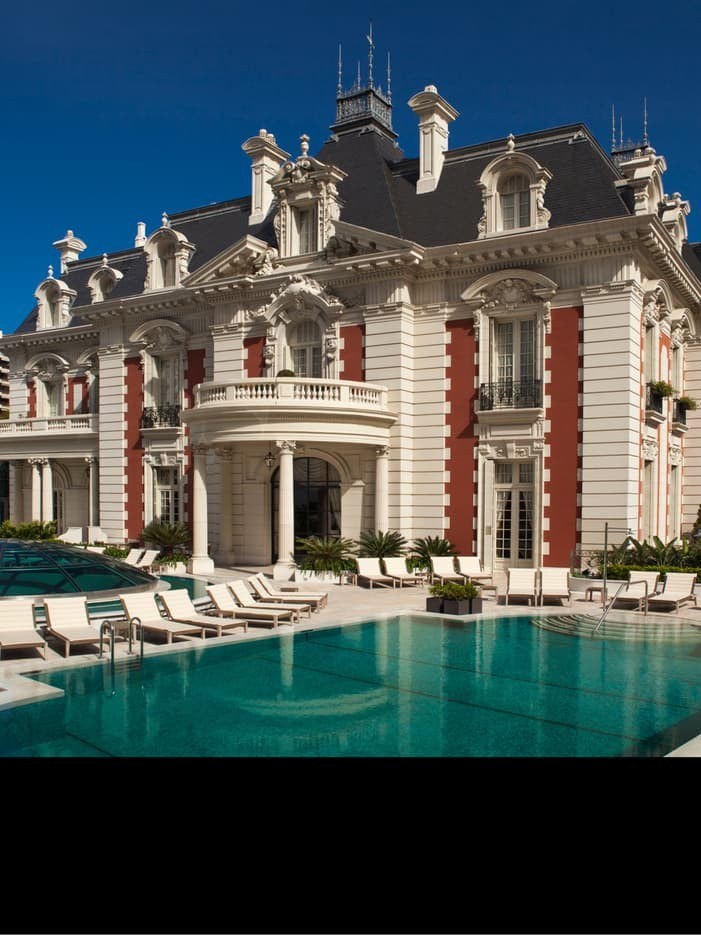
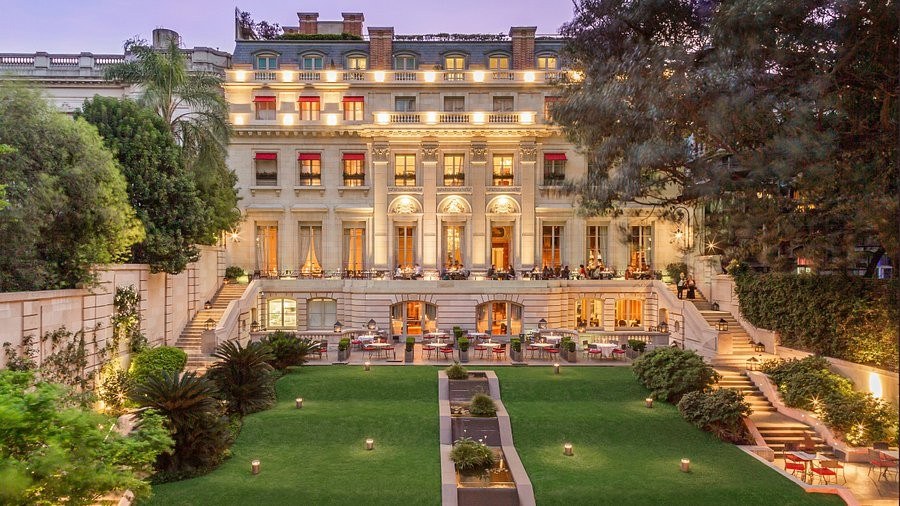
Belle Époque Theatricality
Why go
Faena Buenos Aires is the right booking for travelers who want a polished Puerto Madero stay with strong luxury recognition and a hotel-as-destination feel. It is less compelling if the trip depends on maximum walkability to older central neighborhoods or if the room will only be used for sleep.
About Faena Buenos Aires
Book this for a Buenos Aires stay where the hotel choice itself matters. Faena Buenos Aires has several confirmed hotel-recognition signals, including Forbes 4-Star (2026), Virtuoso Luxury Hotel Partner (2026), Mr & Mrs Smith Seal of Approval (2026), and MICHELIN Guide, Hotels Selected (2025). The dress code is smart casual.
Those credentials do not automatically make it the right booking for every traveler. They mean the hotel belongs in a premium Buenos Aires shortlist, and the decision should come down to whether its overall atmosphere, booking channel, and trip purpose fit what you need.
Choose it for a polished Buenos Aires base
Faena Buenos Aires is best evaluated as a hotel choice in Buenos Aires rather than through unsupported specifics about neighborhood, room count, dining format, or amenities. The hotel's accolades support a recognized stay, but particular services, room categories, restaurant details, or sightseeing advantages are not implied.
If your itinerary depends on a specific facility, dining arrangement, accessibility need, or service, confirm it directly with the hotel before booking. If your main requirement is a premium Buenos Aires hotel with confirmed recognition from Forbes Travel Guide, Virtuoso, Mr & Mrs Smith, and the MICHELIN Guide hotel selection, Faena Buenos Aires belongs on the list.
How to decide against other Buenos Aires hotels
For comparison, consider Faena Buenos Aires alongside Alvear Art Hotel, Alvear Icon Hotel, Anselmo Buenos Aires, Curio Collection by Hilton, Hotel Pulitzer Buenos Aires, and Park Tower, A Luxury Collection Hotel. The better choice depends on your dates, rate, preferred booking channel, and the kind of Buenos Aires stay you want.
For broader planning, use Our full Buenos Aires hotels guide alongside Our full Buenos Aires restaurants guide and Our full Buenos Aires bars guide. Travelers extending beyond the city should compare hotel options based on location, service details, and the role the stay will play in the trip.
Inside Faena Buenos Aires
Planning details
- Location
- Martha Salotti 445, C1107 CMB, Cdad. Autónoma de Buenos Aires
- Website
- faena.com/buenos-aires
- Phone
- +54 11 4010-9000
The take
The Take
The Vibe
Faena Buenos Aires anchors a deliberately curated, waterfront micro-neighborhood that reads as a contemporary intervention at the city’s edge. The hotel sits against open sky and glass towers rather than a tree-lined boulevarded quarter, and the text frames it as a self-contained district that integrates residential towers and an arts center into a single walkable block. That setting gives the property a scenic, modern presence: visually dramatic on the riverfront and positioned as a defining piece of the Faena District rather than as a reflexive part of older Buenos Aires neighborhoods.
Best For
This hotel is best for travelers who want to base themselves in a single, design-forward district and prioritize waterfront access and contemporary urban scenery. It suits guests who plan to use the property as a focal point for their visit—those interested in nearby cultural programming at the Faena Arts Center and in walks along the Río de la Plata and the adjacent ecological reserve. The setting favors visitors who prefer a self-contained, visually striking stay over integrating into older, café-lined Buenos Aires neighborhoods.
Stay Tips
Plan your time around the Faena District itself: the property's description emphasizes that the hotel, luxury residences and the Faena Arts Center form a single walkable block, so allocate part of your visit to exploring that immediate cluster. Factor in walks along the waterfront and visits to the nearby ecological reserve to experience the site's defining open-sky and riverside character. The description frames the hotel as a locus for the district, so treating the stay as an opportunity to explore onsite cultural offerings and waterside public space will align with how the property is presented.
Venue details
Ambiance
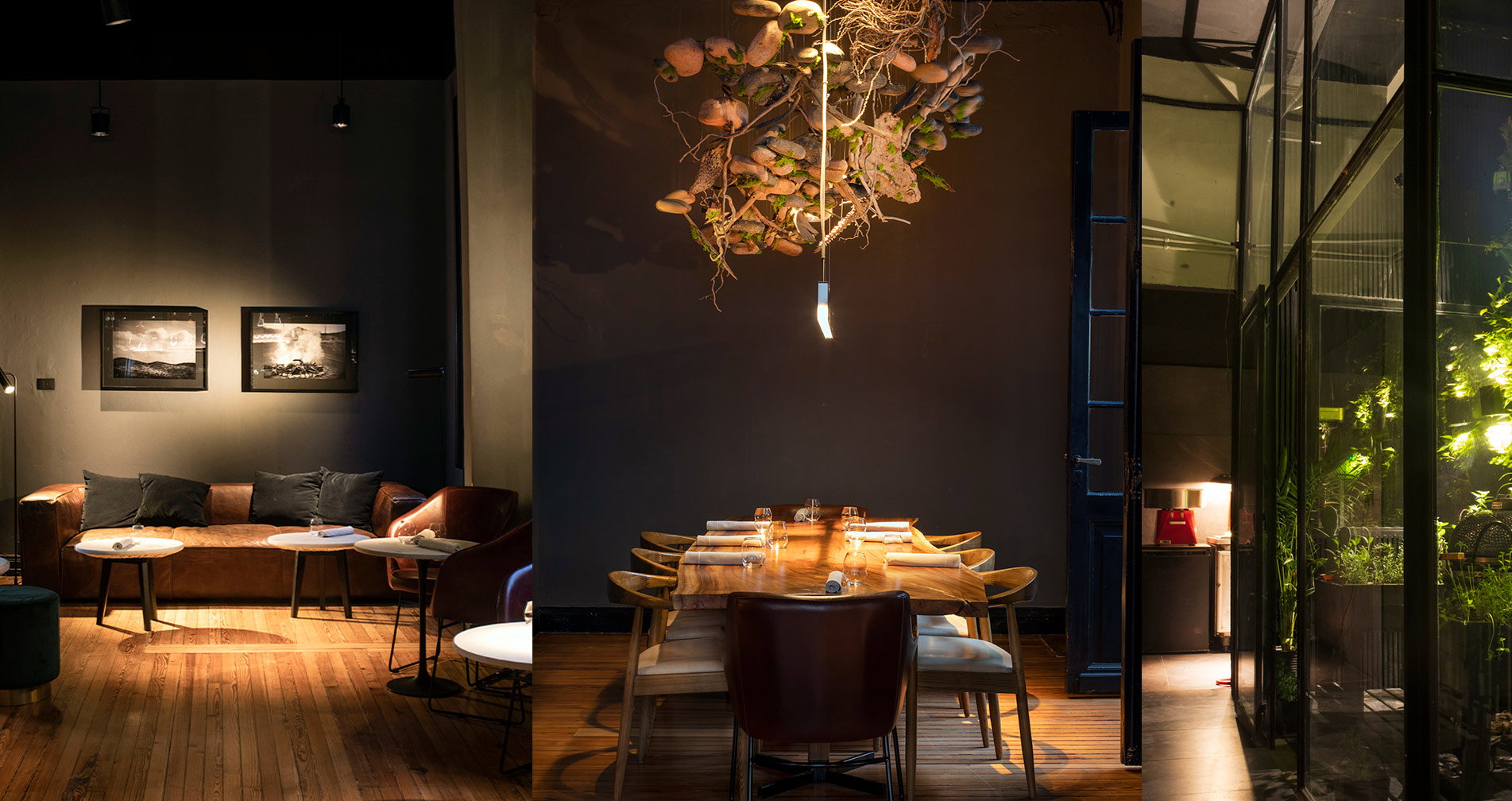
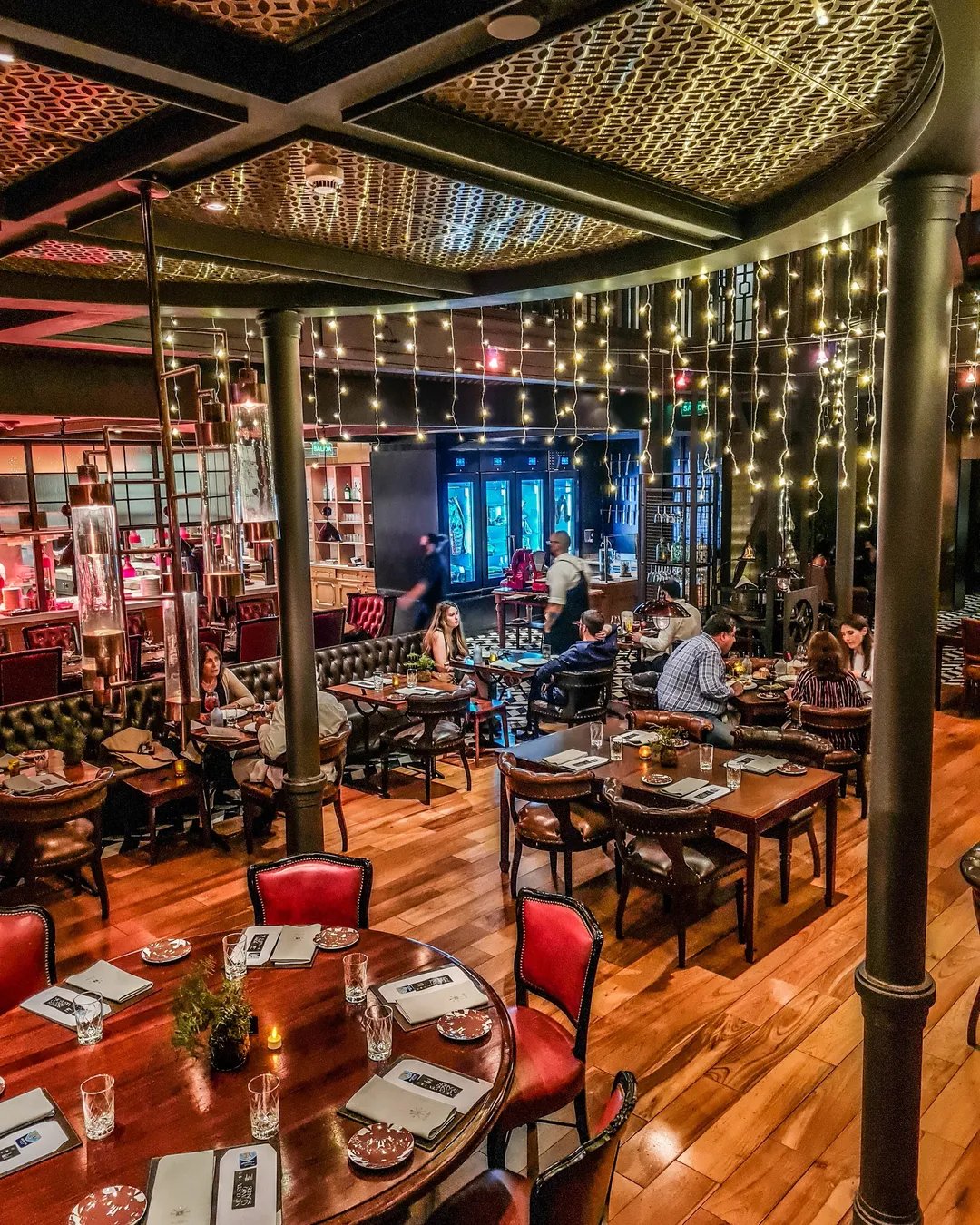
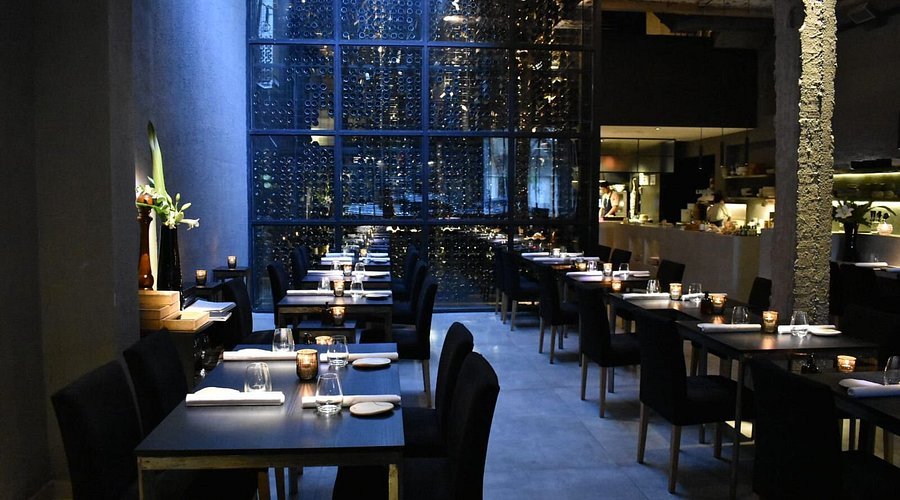
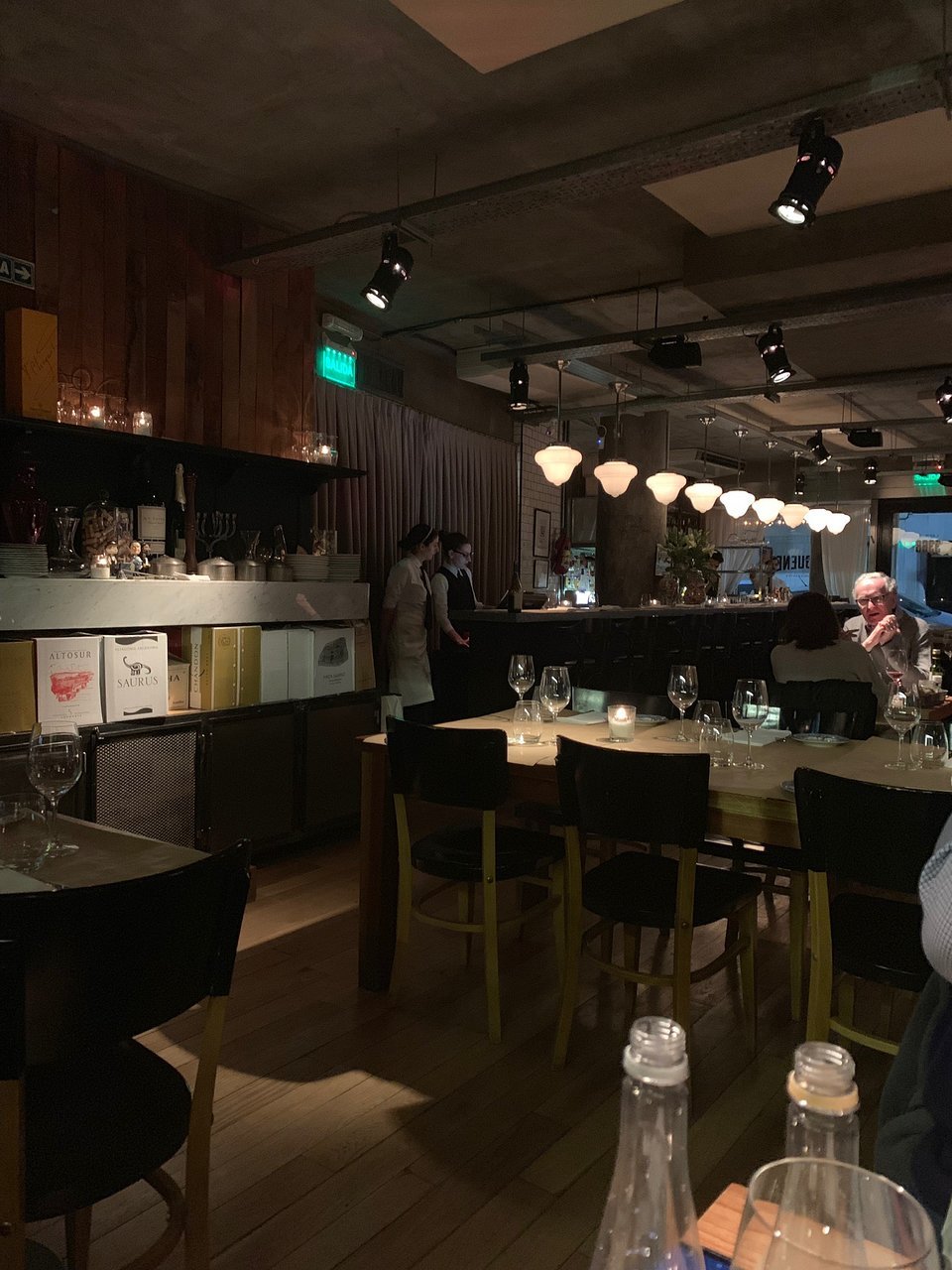
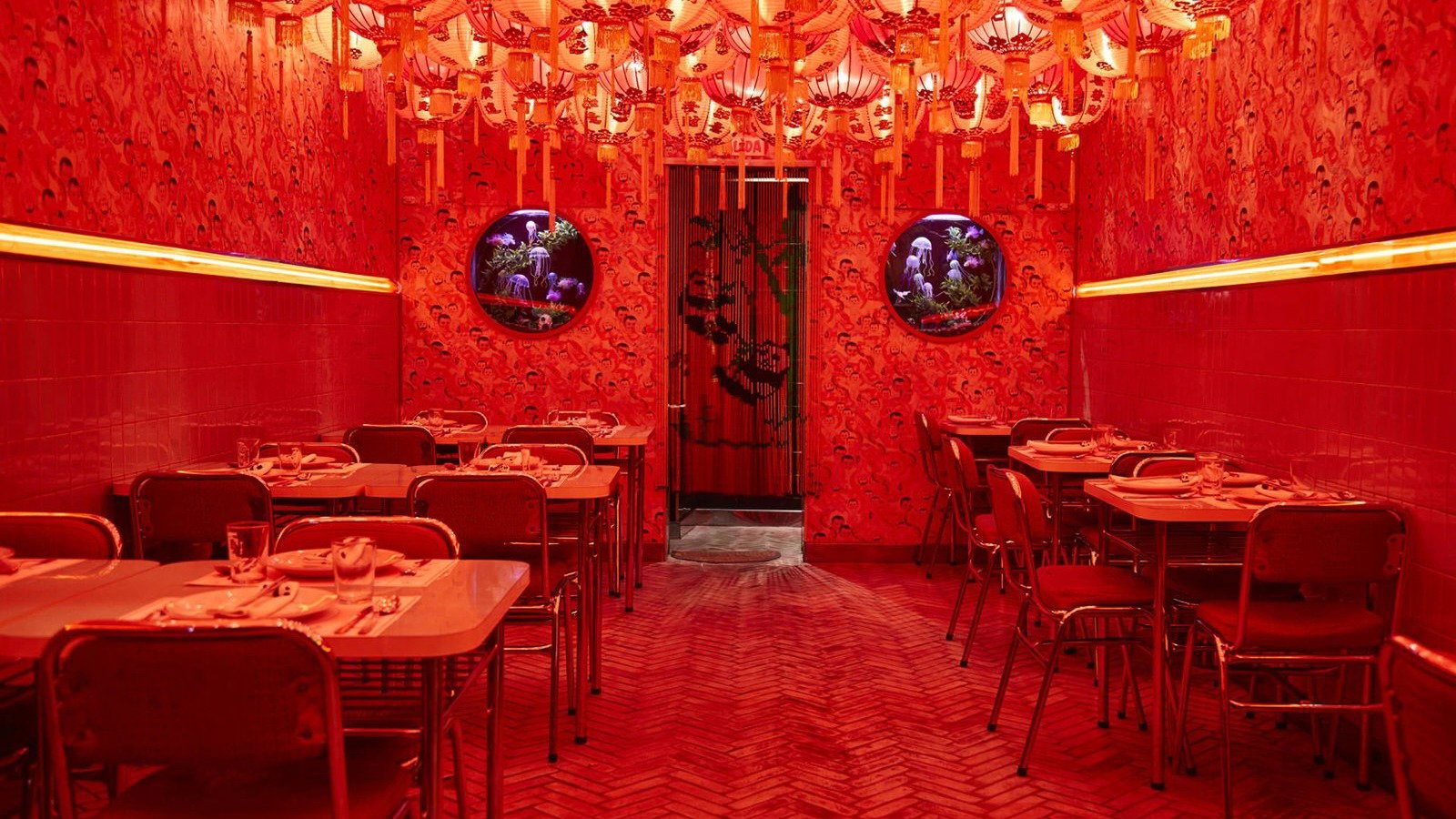
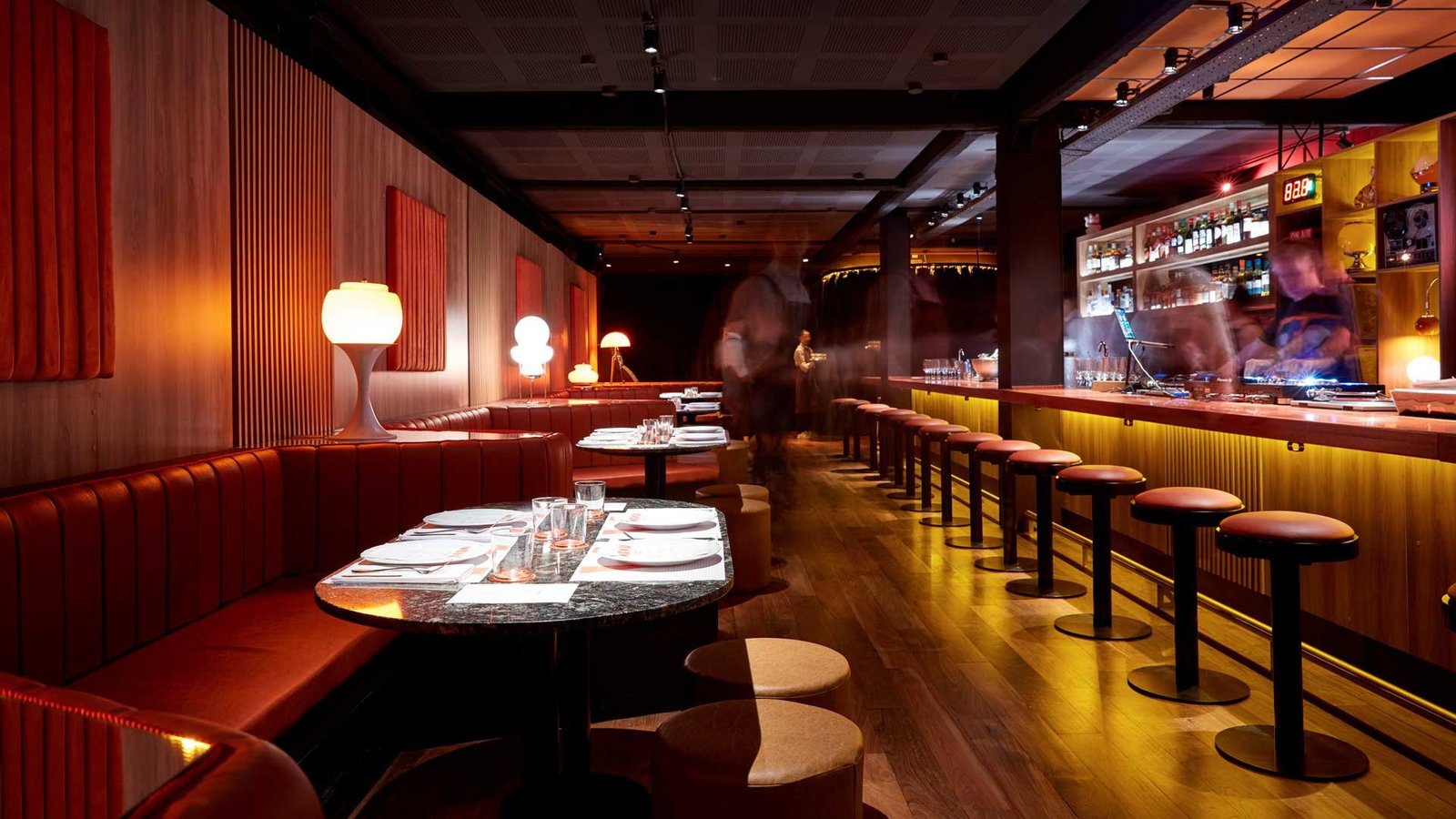
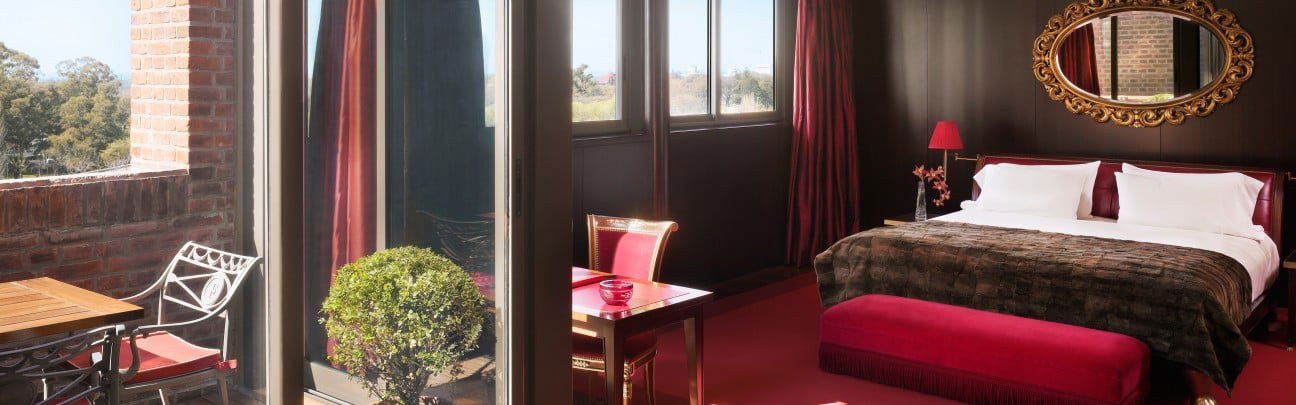
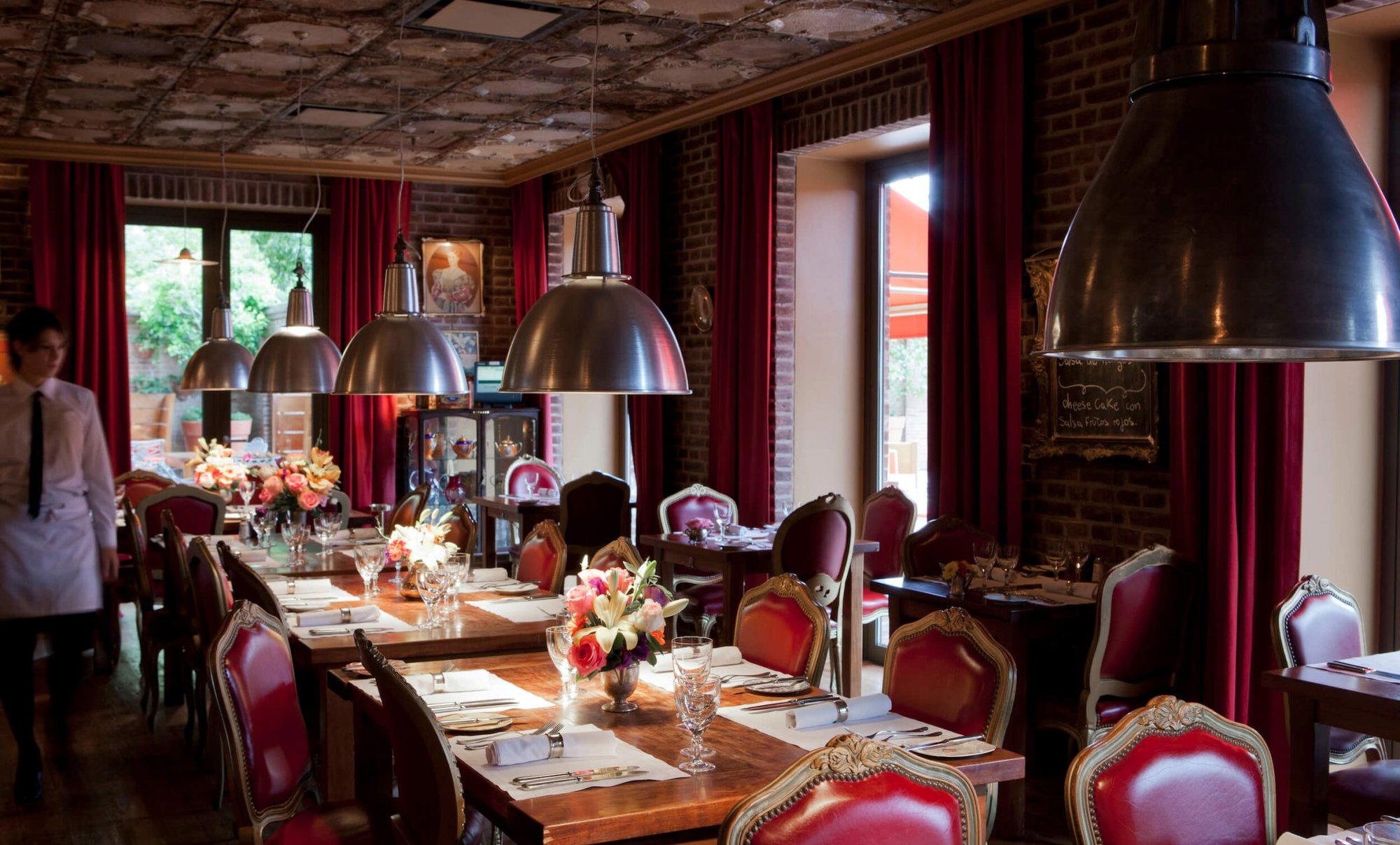
Luxurious and vibrant with artistic decor, red velvet accents, golden Belle Époque elements, and an energetic nightlife scene; spa areas feature dim lighting and meditative spaces for relaxation.
Tags
Vibe
Best For
Experience
Amenities
View
Accessibility
About the Stay
- Rooms
- 195
- Check-in
- 15:00
- Check-out
- 12:00
- Property Style
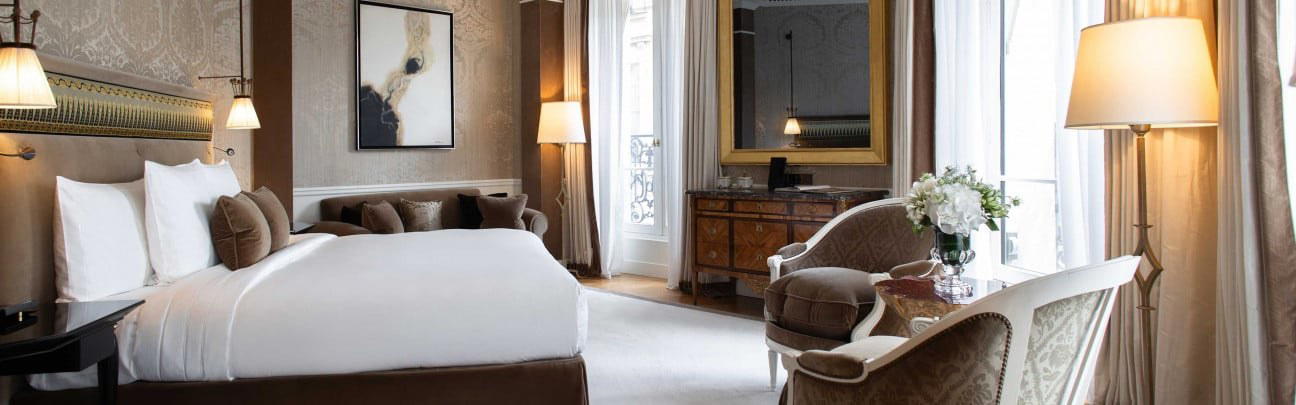
- Contemporary Luxury Design Hotel with Belle Époque Influences, Created by Renowned Designer Philippe Starck; Positioned as an Artistic and Creative Destination.
- Design Style
- Modern Elements Blended with Classic European Decor, Rich Textures, Hand Embroidered Throws, Arabescato Marble Bathrooms, and Vibrant Artistic Accents Throughout.
Know before you go
Know Before You Go
- Getting there
- Martha Salotti 445, C1107 CMB, Cdad. Autónoma de Buenos Aires
Planning details
Location
Martha Salotti 445, C1107 CMB, Cdad. Autónoma de Buenos Aires · Directions
Recognition and awards


Also consider
Also Consider
- Alvear Icon Hotel, Notable alternative
- Anselmo Buenos Aires, Curio Collection by Hilton, Notable alternative
- Hotel Pulitzer Buenos Aires, Notable alternative
- Park Tower, A Luxury Collection Hotel, Notable alternative
- Alvear Art Hotel, Notable alternative
Hotel context
How It Compares
Faena Buenos Aires is the stronger pick for travelers who want atmosphere, luxury recognition, and a stay that feels more destination-led than purely practical. Alvear Icon Hotel is the closest Puerto Madero cross-shop for a modern high-rise feel, while Park Tower, A Luxury Collection Hotel is a better fit for travelers who want a more conventional international luxury-hotel setup.
For value and easier city logistics, Hotel Pulitzer Buenos Aires and Anselmo Buenos Aires, Curio Collection by Hilton are more practical choices, especially if the room is mainly a base between meals, meetings, and sightseeing. They do not compete on the same luxury signal, but they can make more sense for shorter stays or tighter budgets.
Alvear Art Hotel sits between those poles: more polished than a purely value-led booking, less occasion-driven than Faena Buenos Aires. Choose Faena for ambiance and a harder-to-book luxury stay; choose Alvear Art Hotel for a simpler upscale base; choose Anselmo or Hotel Pulitzer when price and location efficiency matter more than hotel theater.
Around this place
Discover more on Pearl
Unlock the full Faena Buenos Aires guide in Pearl, including awards, comparisons, FAQs, planning details, and nearby places.
Compare Faena Buenos Aires
| Venue | Location | Awards |
|---|---|---|
| Faena Buenos Aires | Buenos Aires | 2026 Virtuoso Luxury Hotel Collection2026 Forbes 4-Star2026 Mr & Mrs Smith Luxury Hotels2025 Michelin Selected Hotels2025 Forbes 4-Star |
| Alvear Icon Hotel | Buenos Aires | No published awards |
| Anselmo Buenos Aires, Curio Collection by Hilton | Buenos Aires | No published awards |
| Hotel Pulitzer Buenos Aires | Buenos Aires | No published awards |
| Park Tower, A Luxury Collection Hotel | Buenos Aires | 2026 Forbes Recommended2025 Forbes Recommended |
| Alvear Art Hotel | Buenos Aires | No published awards |
How Faena Buenos Aires compares with similar nearby venues.
FAQ
Frequently Asked Questions
Is Faena Buenos Aires family-friendly?
Specific family facilities or services are not highlighted. If you are traveling with children, ask the hotel directly about room setup, bedding, and any services you need before booking. For comparison, you can also look at Alvear Art Hotel, Alvear Icon Hotel, Anselmo Buenos Aires, Curio Collection by Hilton, Hotel Pulitzer Buenos Aires, and Park Tower, A Luxury Collection Hotel.
How is the dining at Faena Buenos Aires?
Specific details about cuisine, restaurant formats, menus, or dining hours are not provided. Dining details should be checked directly with the hotel. The hotel holds significant recognition, including Forbes 4-Star (2026), Virtuoso Luxury Hotel Partner (2026), Mr & Mrs Smith Seal of Approval (2026), and MICHELIN Guide, Hotels Selected (2025).
When is the best time to book Faena Buenos Aires?
Book when the rate, cancellation policy, and booking channel work for your trip. The hotel has confirmed recognition including Forbes 4-Star (2026) and Virtuoso Luxury Hotel Partner (2026), but specific demand patterns or ideal booking windows are not established. If your plans are flexible, compare live availability with Hotel Pulitzer Buenos Aires, Alvear Art Hotel, and other Buenos Aires options.
Which room category is best at Faena Buenos Aires?
Specific room categories or room inventory are not detailed. Choose based on your trip length, space needs, and sleep preferences, and confirm the latest room details directly with the hotel before booking. If you want to compare alternatives, Park Tower, A Luxury Collection Hotel and Alvear Art Hotel are useful Buenos Aires reference points.
Do loyalty programs work at Faena Buenos Aires?
Faena Buenos Aires is confirmed as a Virtuoso Luxury Hotel Partner (2026) and has the Mr & Mrs Smith Seal of Approval (2026). Benefits and eligibility can depend on the booking channel and rate, so confirm the details before reserving. If you want to compare other hotel options, Alvear Art Hotel and Park Tower, A Luxury Collection Hotel are relevant Buenos Aires names to check.
Is Faena Buenos Aires good for business travel?
Faena Buenos Aires can be considered for a polished Buenos Aires stay, but specific business facilities or meeting services are not highlighted. If those details matter, check directly with the hotel. For comparison, Hotel Pulitzer Buenos Aires, Alvear Art Hotel, Alvear Icon Hotel, and Park Tower, A Luxury Collection Hotel are other Buenos Aires options to review.