
Boticario
Palermo, Buenos Aires
Bar in Buenos Aires, Argentina
 Book with Pearl
The Read
Apothecary-Frame Mixology
Why go
A drinks-first Palermo choice with a Top 500 Bars Best Bars #484 ranking in 2025, Boticario is worth considering for a date or small-group night in Buenos Aires. Treat it as a cocktail-and-atmosphere stop rather than a food-led booking, and cross-shop wine-focused peers if bottles matter more than mixed drinks.
About Boticario
Is Boticario worth considering for a night out in Buenos Aires? Boticario is listed at #484 on Top 500 Bars Best Bars in 2025, and the dress code is smart casual. That makes it a relevant Buenos Aires bar to keep on a shortlist, especially for travelers who want a recognized venue rather than choosing entirely at random.
Keep the plan flexible and make any final decisions based on current availability and the needs of your group. If the priority is to compare different venue options, Pain et Vin or Lo de Joaquin Alberdi (JA!) may also be worth reviewing.
A Buenos Aires bar with a confirmed recognition signal
The clearest trust signal is Boticario's placement on Top 500 Bars Best Bars at #484 in 2025. That does not confirm a specific menu, atmosphere, seating setup, or price point, but it does place the venue in a recognized bar context. For planning purposes, the most grounded read is simple: Boticario is a Buenos Aires bar with a Top 500 Bars listing and a smart-casual dress code.
To avoid building the evening around assumptions, pair it with a separate dinner from our full Buenos Aires restaurants guide, then use Boticario as a potential stop if it fits the night. For a broader city map, compare it with CoChinChina, Pain et Vin, Piano Lounge Bar, Victor Audio Bar, and Lo de Joaquin Alberdi (JA!) before locking the evening.
Who should choose it, and who should cross-shop
Choose Boticario if the group wants a Buenos Aires bar with Top 500 Bars recognition and is comfortable with smart-casual dress. Cross-shop if the evening depends on a specific menu, seating arrangement, price range, or reservation format. In that case, use our full Buenos Aires bars guide to build a fallback list.
The strongest use case is a flexible night in Buenos Aires: dress smart casual, keep the plan adaptable, and confirm any practical details directly before going. For travelers building a complete Buenos Aires itinerary, the city planning rails are useful too: our full Buenos Aires hotels guide, our full Buenos Aires wineries guide, and our full Buenos Aires experiences guide.
Quick reference: choose it for a Buenos Aires bar with Top 500 Bars recognition; cross-shop if the night requires details on menu, seating, pricing, or format.
Planning details
- Location
- Honduras 5207, C1414 Cdad. Autónoma de Buenos Aires
- Website
- boticariobar.com.ar
- Phone
- +5491162279609
The take
The Take
The Vibe
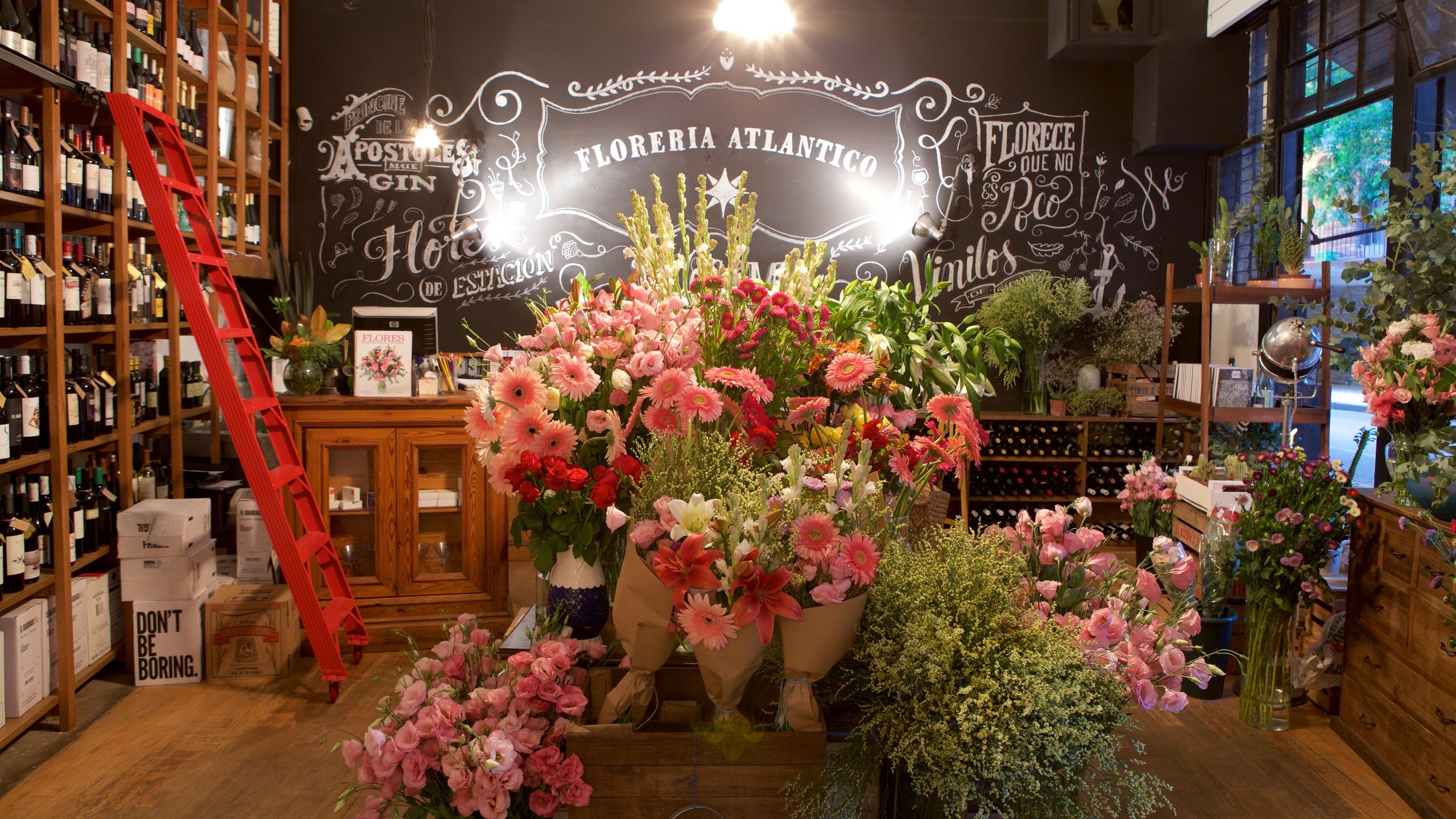
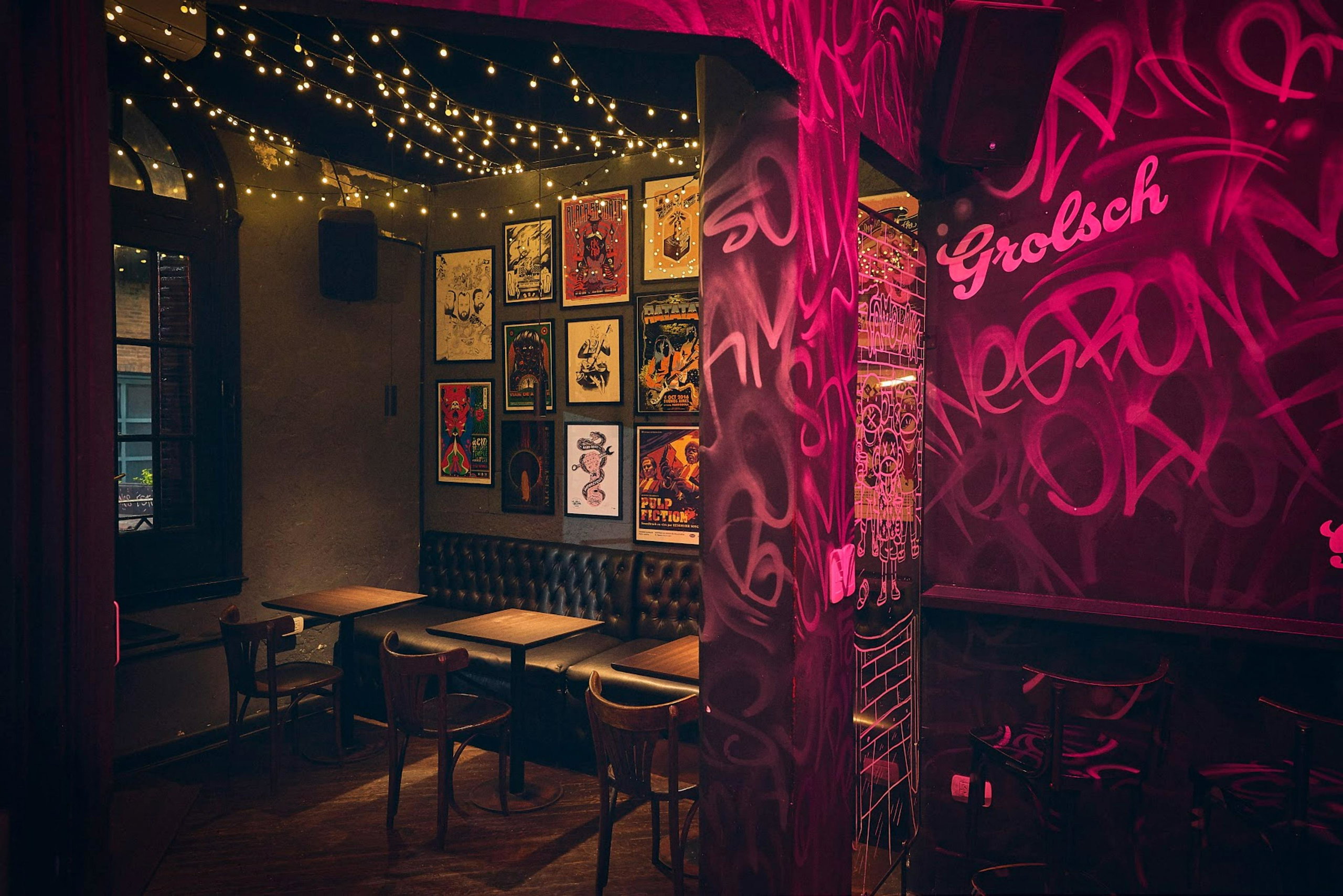
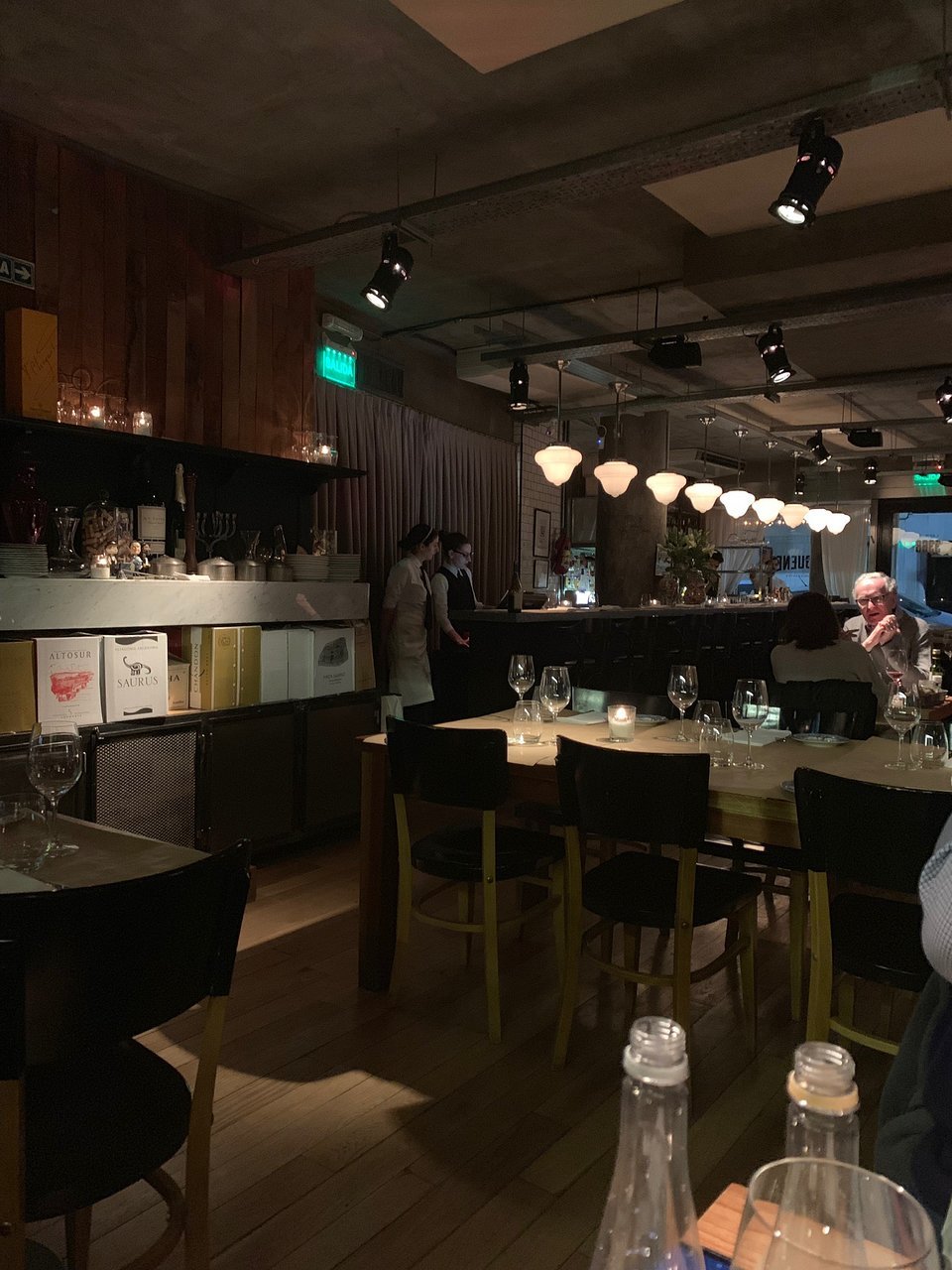
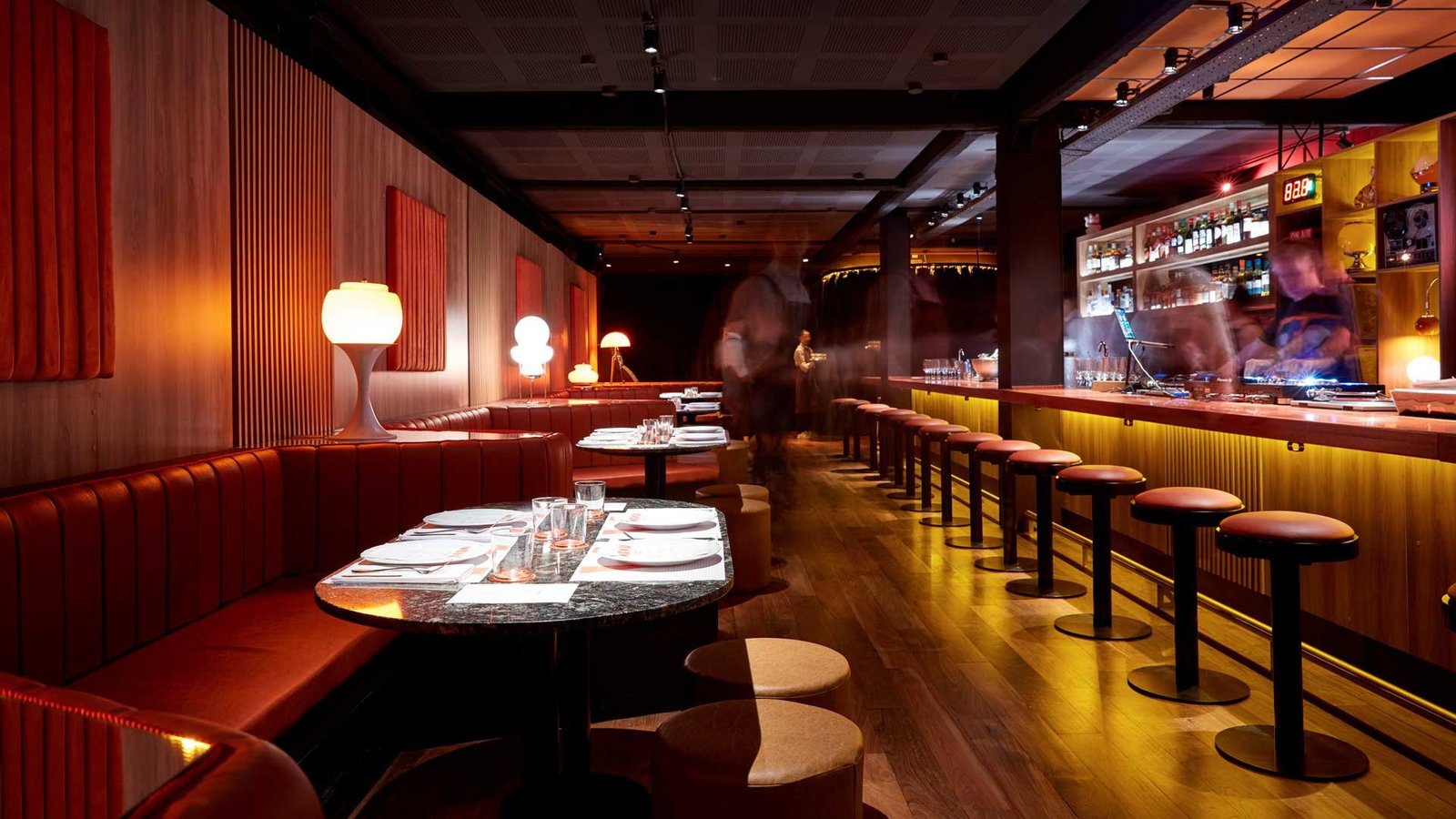
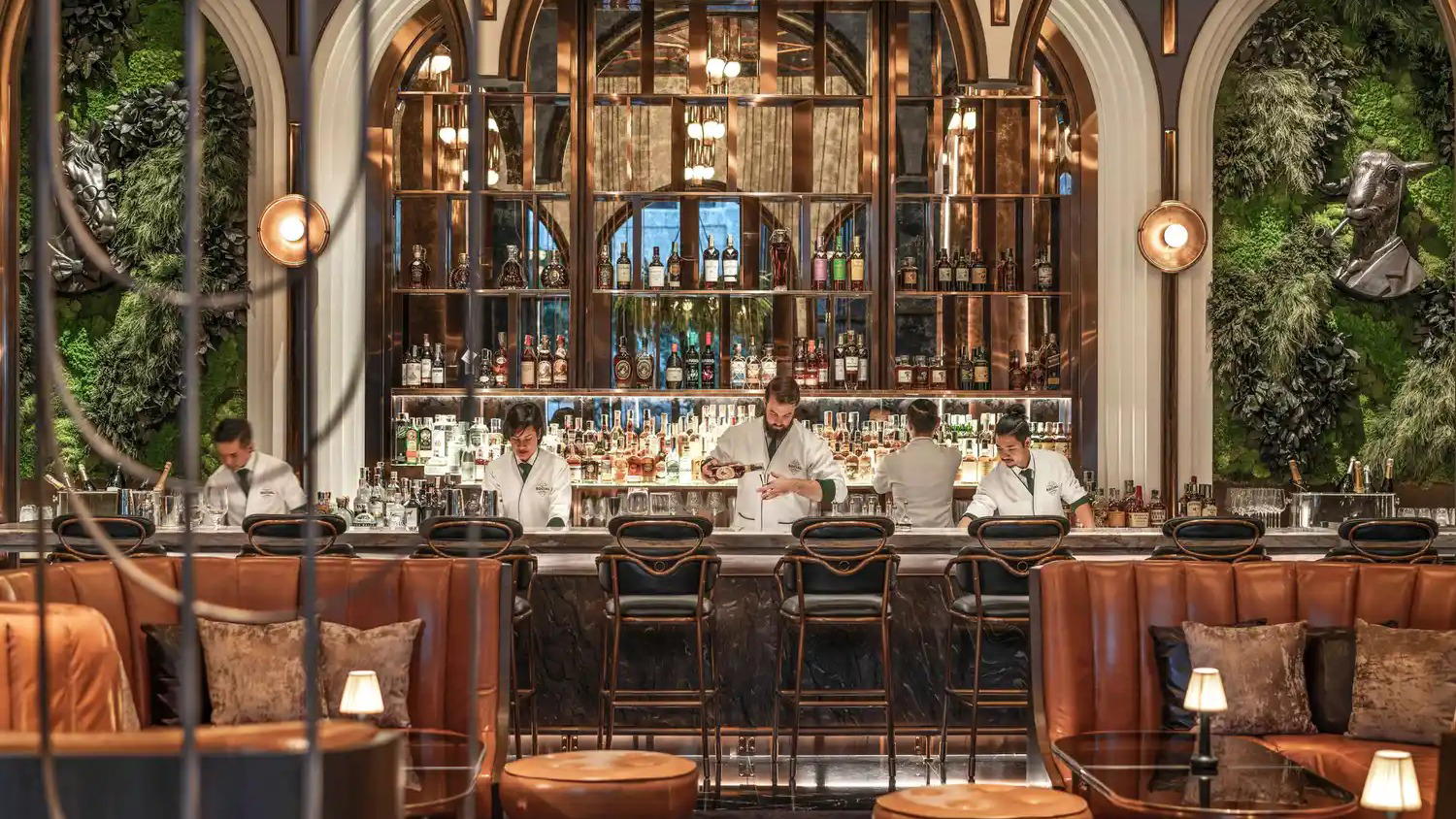
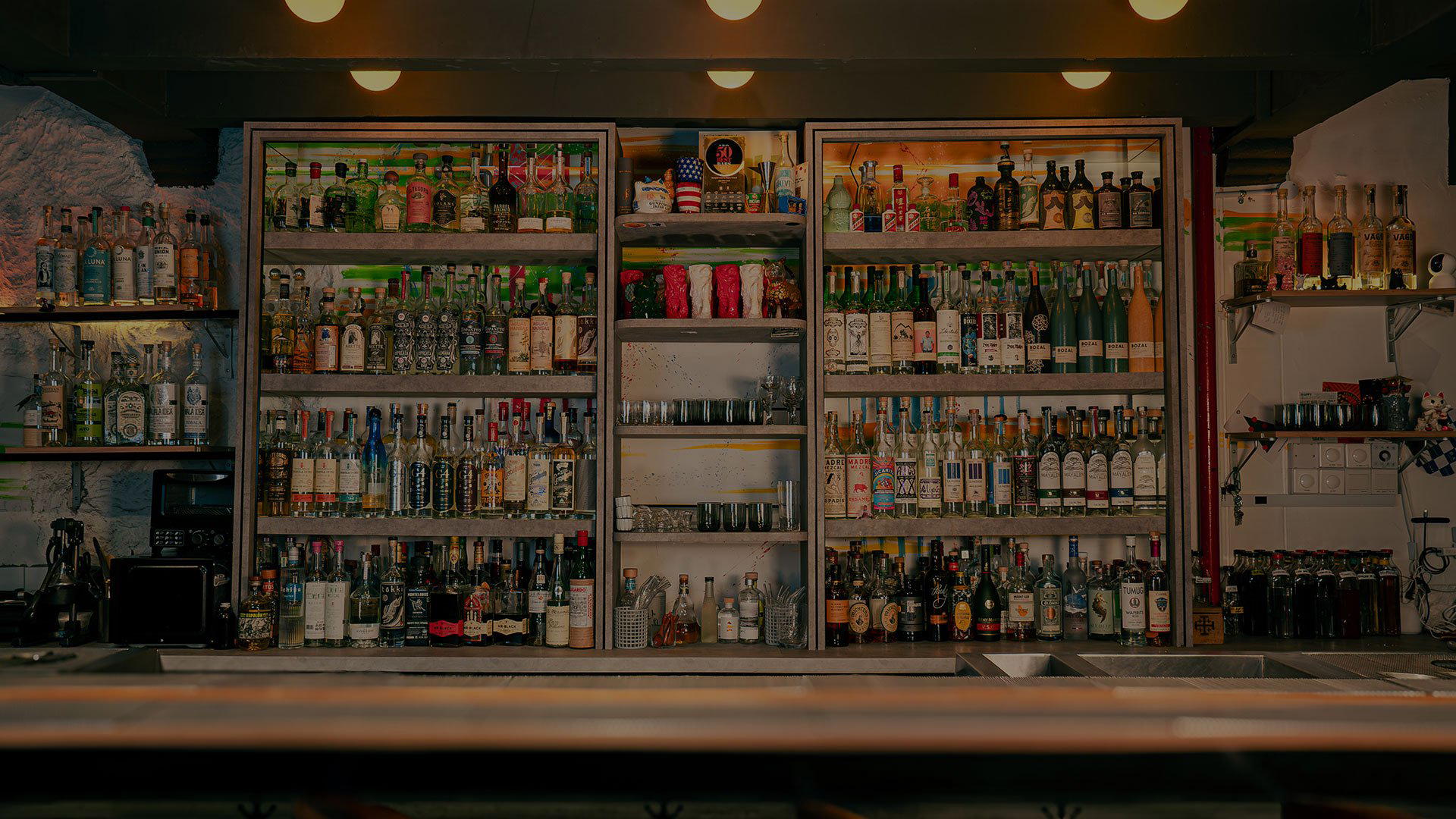
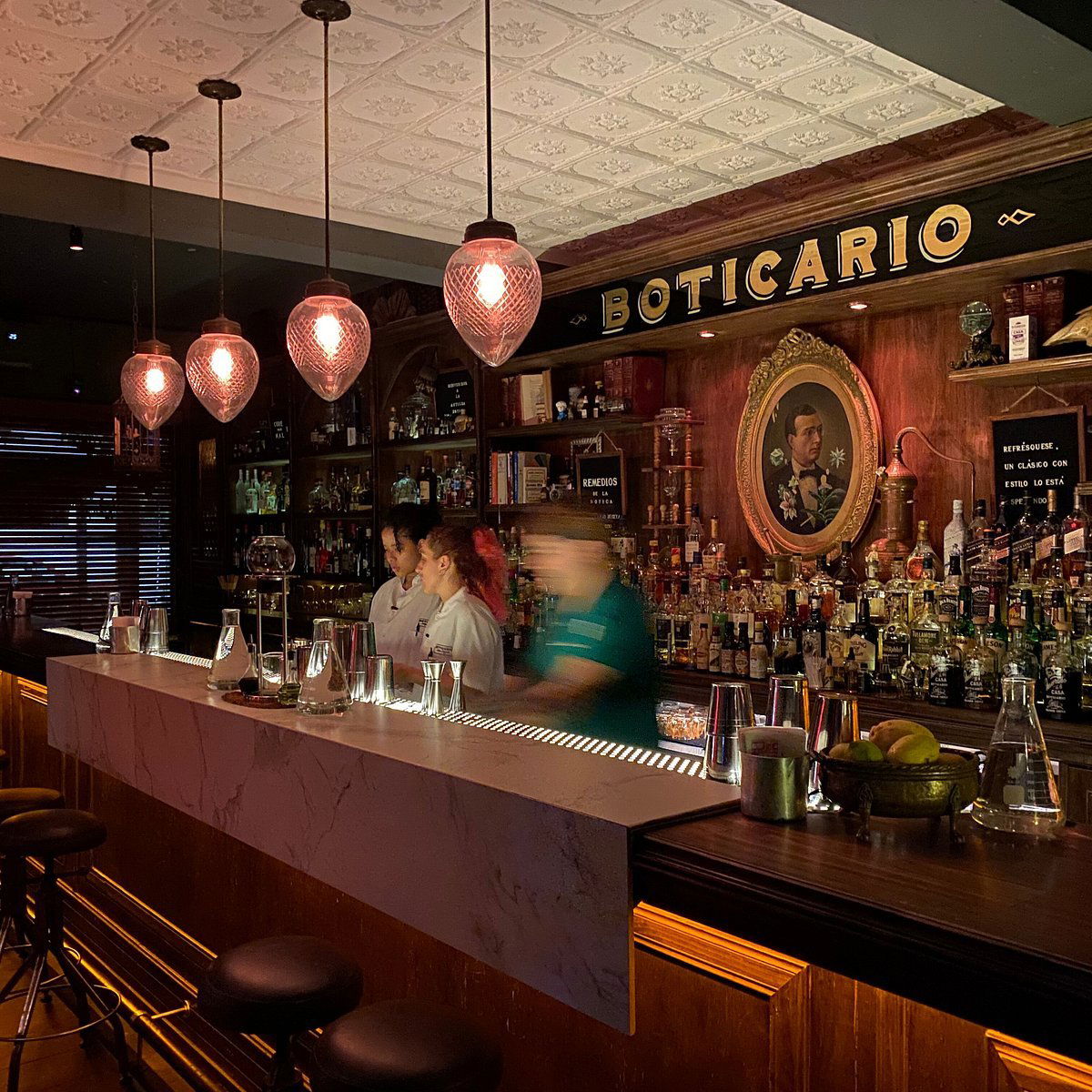
Boticario presents as a quietly charming, craft-focused cocktail bar tucked into Palermo Soho. The name and programme nod to an apothecary ethos, and the place favors technical rigour and ingredient knowledge over spectacle. Hospitality is described as warm and restrained, and the emphasis on bartender-driven craft gives the room an intimate, conversational energy. Rather than leaning on décor or celebrity, the bar earns attention through consistent cocktails and a considered programme that sits comfortably within Buenos Aires’s sophisticated drinking scene.
Best For
Boticario suits visitors who come for seriously thought-through cocktails and a measured, professional bar experience. Its placement on an international list and its location among Palermo’s focused drinking options signal a programme aimed at discerning locals and curious travellers alike. The bar is appropriate for evenings where the drink programme is the main event — a place to experience Argentine botanicals and expertly mixed amargos rather than a noisy night out driven by spectacle or loud entertainment.
Ordering Tips
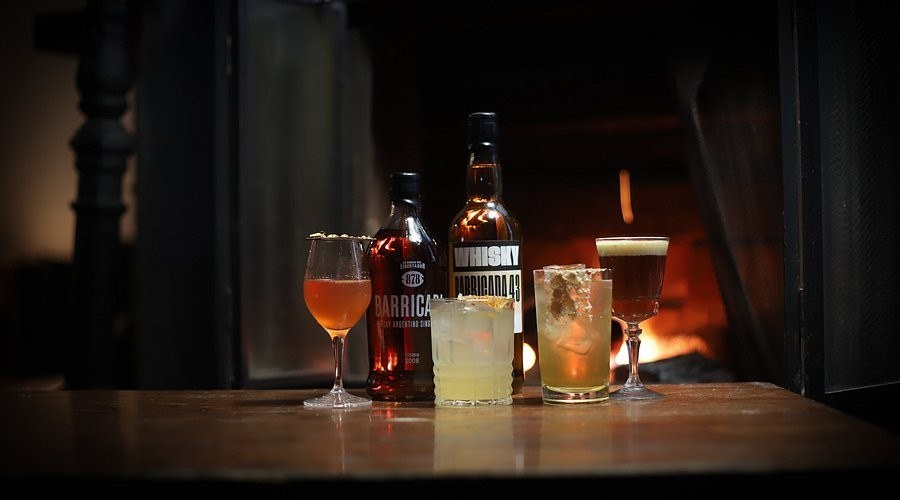
Order with the bartender in mind: the description makes clear that the craft lives behind the counter, so ask for recommendations or a house signature that showcases the programme. Expect cocktails that use Argentine botanicals, Malbec-adjacent grape spirits and amargos — these elements are called out as part of the local cocktail evolution. Opt for drinks that highlight local ingredients and the bartenders’ technical execution to get the clearest sense of what distinguishes Boticario.
Venue details
Ambiance
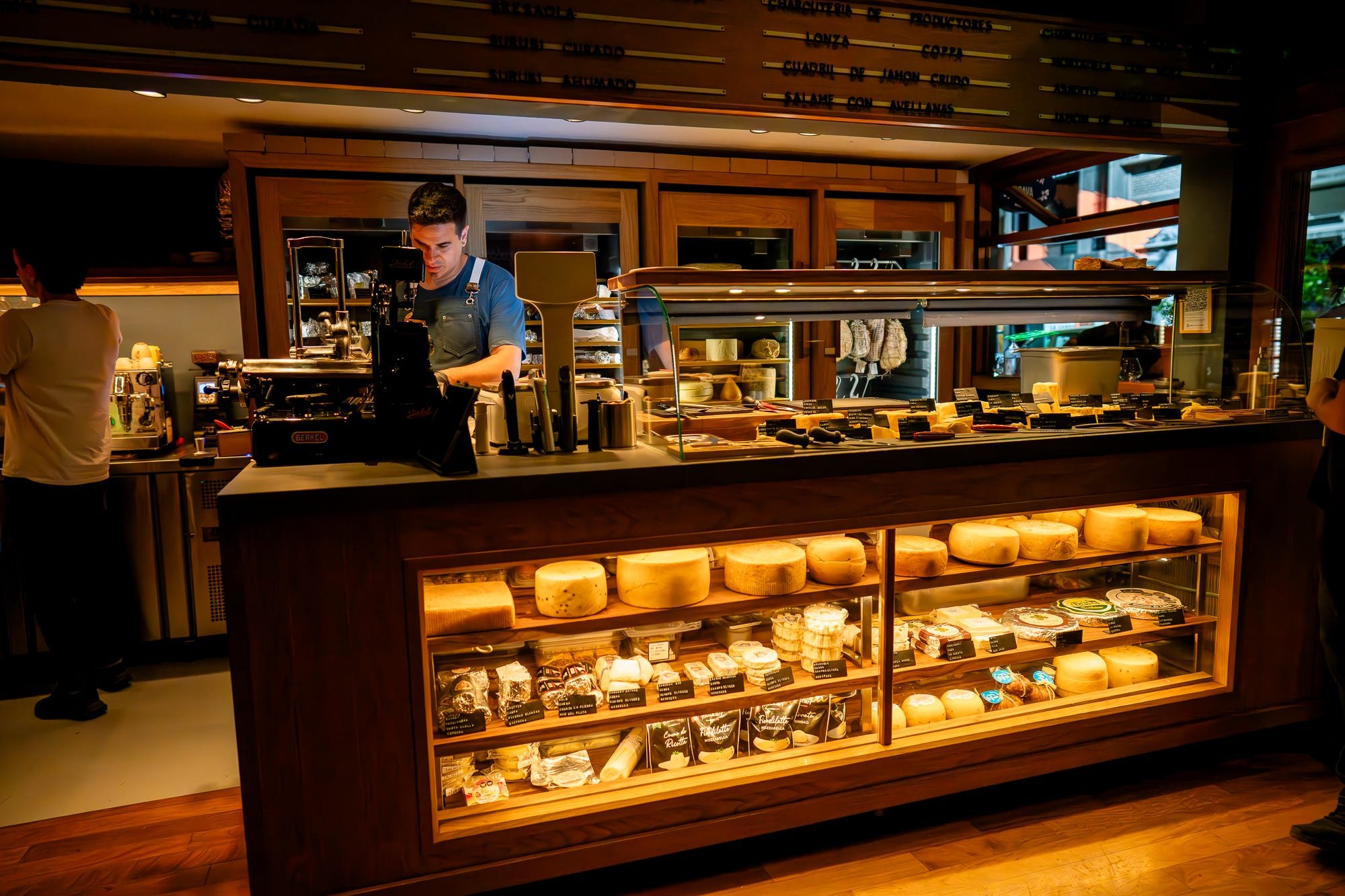
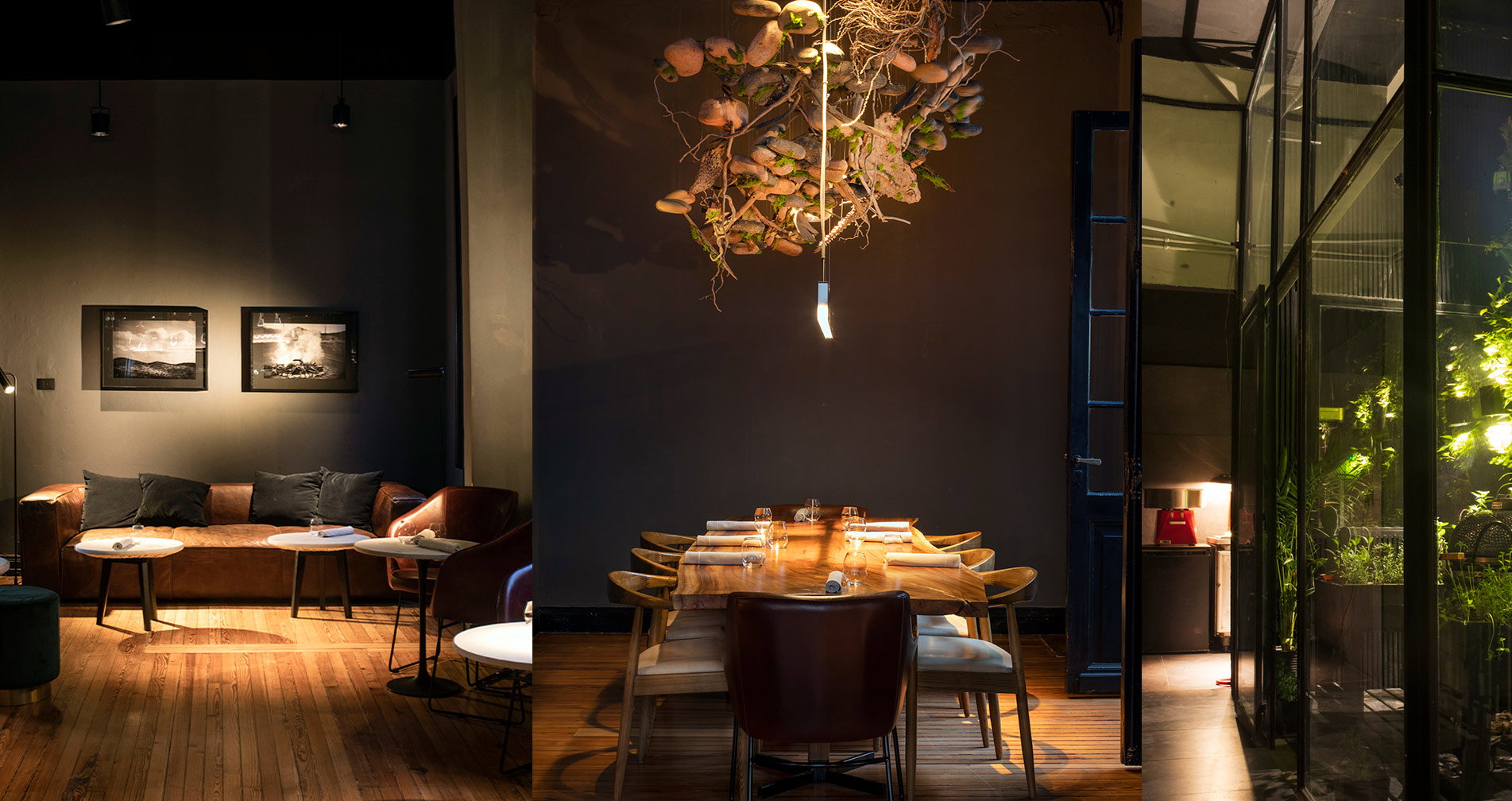
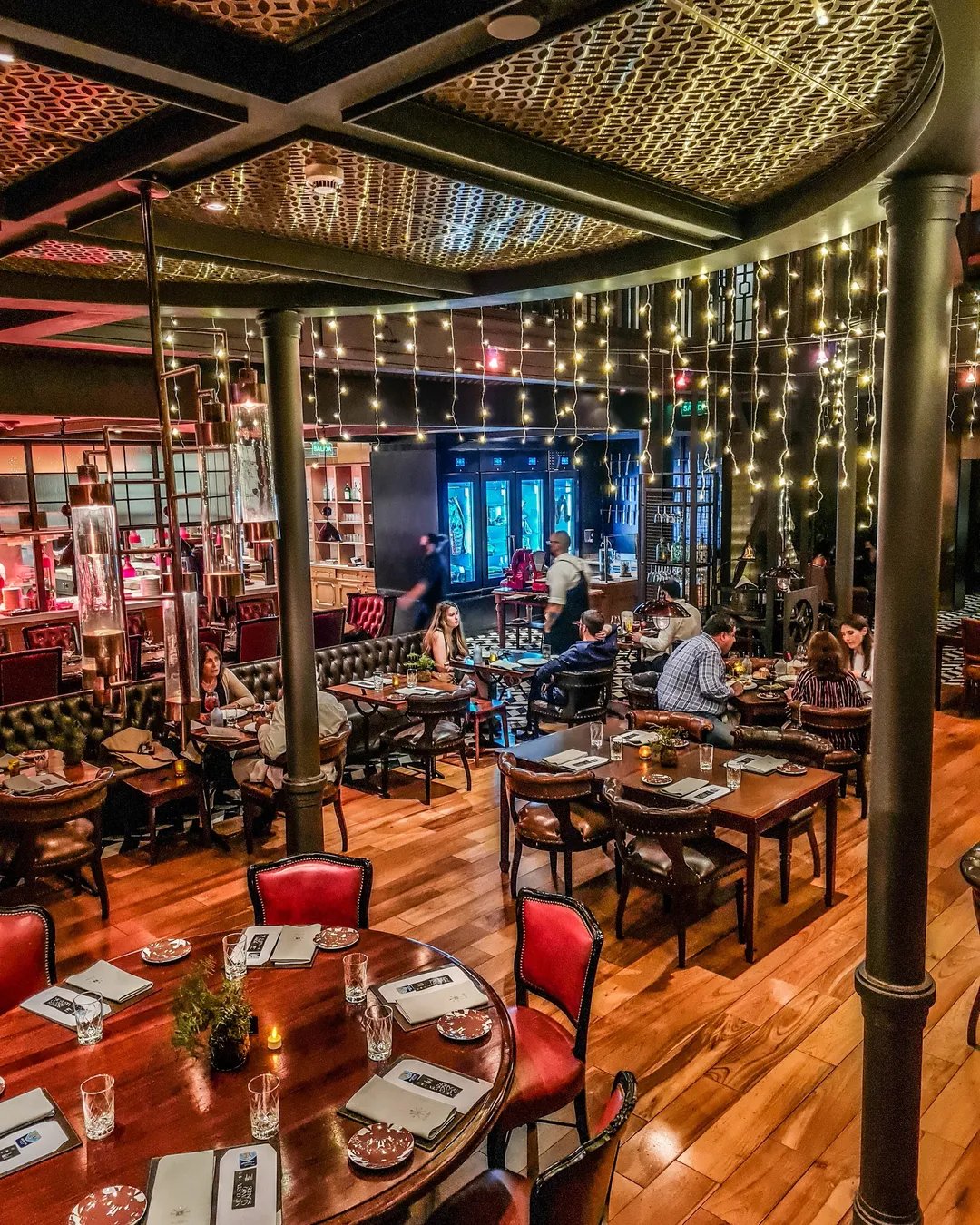
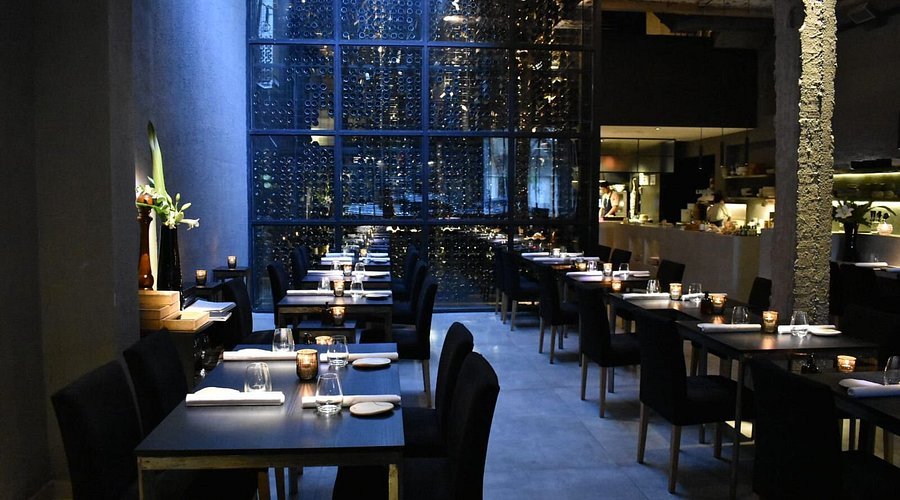
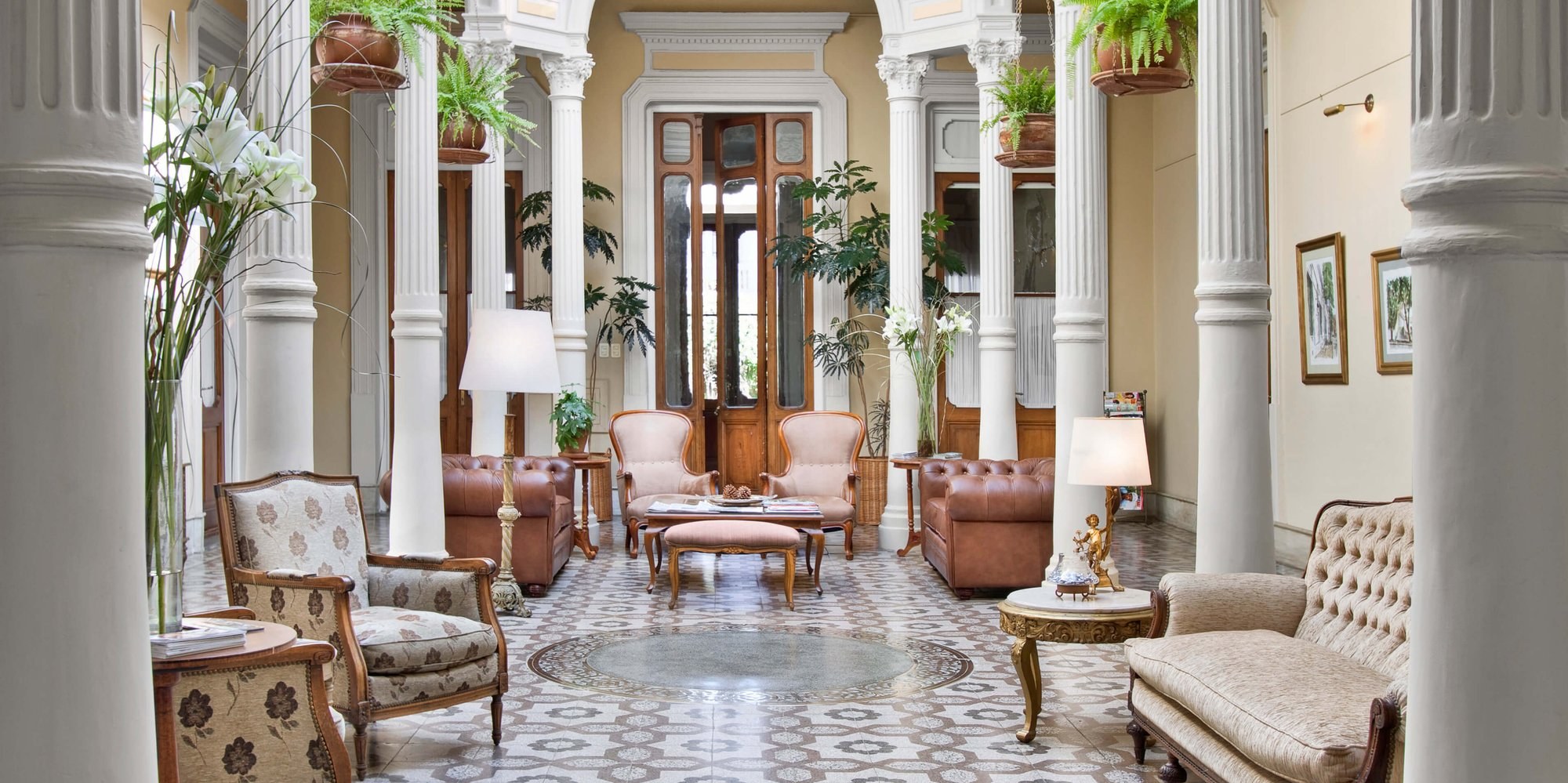
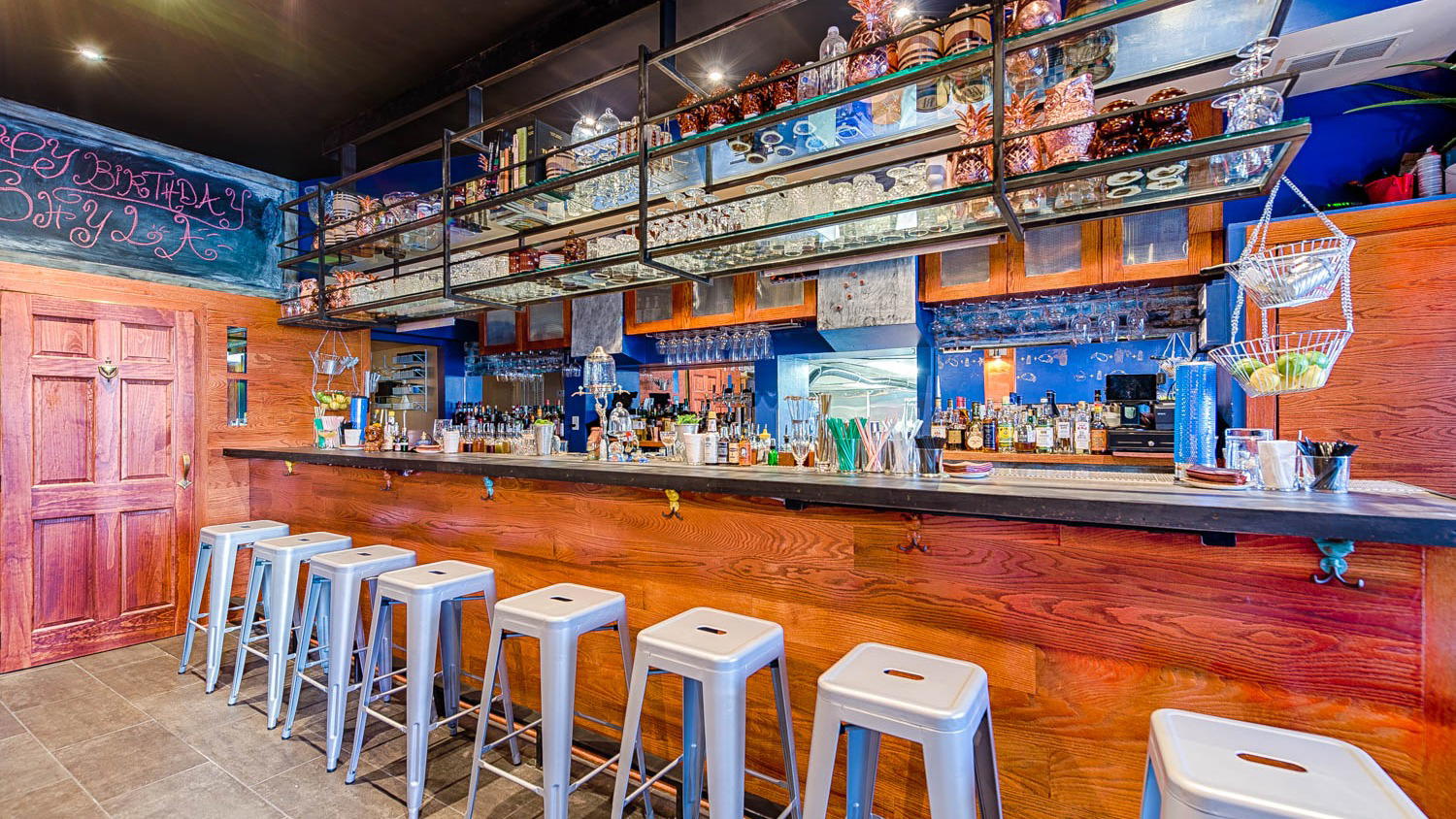
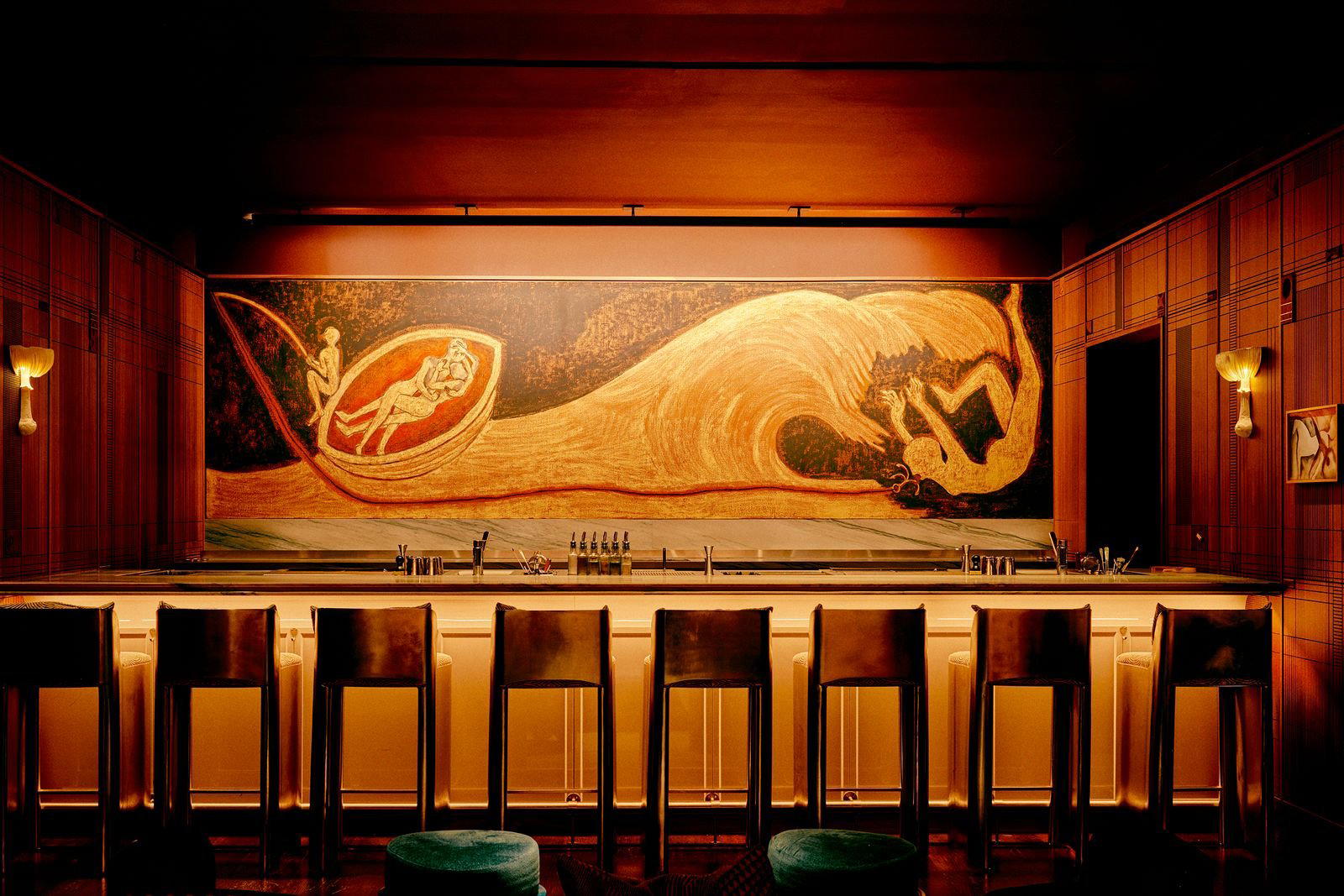
Vintage apothecary aesthetic with warm lighting, intimate setting, and carefully curated decor that transports guests to a historic pharmacy; sophisticated yet welcoming atmosphere with attentive service
Tags
Vibe
Best For
Experience
Format
At the Bar
- Bar Category
- Speakeasy
- Music
- Curated Ambient and Lounge Music at Conversational Volume
- Live Music
- Yes
Signature Pours
- Luxuria
- Pumpkin & Cinnamon Penicillin
- House Tonic Negroni
- Sazerac
Know before you go
Know Before You Go
- Getting there
- Honduras 5207, C1414 Cdad. Autónoma de Buenos Aires
Planning details
Location
Recognition and awards
Also consider
Where to go if this is not the right fit
If cocktails are the goal but the group wants a different energy, try CoChinChina or Victor Audio Bar. If the night should be quieter and wine-led, Pain et Vin is the cleaner substitute.
Bar context
How it compares in Buenos Aires
For cocktail credibility, Boticario has the clearest awards signal in this set thanks to its Top 500 Bars Best Bars #484 placement in 2025. CoChinChina is the stronger cross-shop if the priority is a more destination-style cocktail night, while Victor Audio Bar is the better fit when music and room energy matter as much as what is in the glass.
If the night is wine-led, choose Pain et Vin or Lo de Joaquin Alberdi (JA!) instead. They make more sense for drinkers who want bottles, conversation, and a slower pace. Boticario is the better call when the group wants cocktails in Palermo and does not want the evening to feel like a formal tasting.
Piano Lounge Bar is the alternative for a more polished lounge mood. Pick it when comfort and hotel-style ease matter more than bar-scene energy. For value, the decision comes down to format: wine bars usually give more control over spend, while a cocktail-led night here is about choosing a recognized room and keeping the plan flexible.
Around this place
Discover more on Pearl
Unlock the full Boticario guide in Pearl, including awards, comparisons, FAQs, planning details, and nearby places.
Compare Boticario
| Venue | Location | Awards |
|---|---|---|
| Boticario | Buenos Aires | Top 500 Bars 2025 · #484 |
| Pain et Vin | Buenos Aires | No published awards |
| Piano Lounge Bar | Buenos Aires | No published awards |
| Lo de Joaquin Alberdi (JA!) | Buenos Aires | No published awards |
| CoChinChina | Buenos Aires | Top 500 Bars 2025 · #232025 World's 50 Best Bars · #262024 World's 50 Best Bars · #222023 World's 50 Best Bars · #26 |
| Victor Audio Bar | Buenos Aires | 2025 World's 50 Best Bars · #87 |

How Boticario Buenos Aires compares with similar nearby venues.
FAQ
Frequently Asked Questions
Does Boticario have outdoor seating?
Is Boticario good for a date?
It may be a candidate for a date if you want a recognized Buenos Aires bar and are comfortable with a smart-casual dress code. Confirm practical details before making firm plans.
What's the crowd like at Boticario?
The confirmed details are that Boticario is in Buenos Aires, has a smart-casual dress code, and is listed at #484 on Top 500 Bars Best Bars in 2025.
Is Boticario good for groups?
If you are planning for several people, confirm availability and seating directly; Piano Lounge Bar is another option to compare for a different bar plan.
Is the food good at Boticario?
Boticario's clearest confirmed signal is its Top 500 Bars Best Bars #484 recognition in 2025, not a food-focused identity. For another comparison, CoChinChina may be worth reviewing separately.