
Bar in Berlin, Germany
Rutz
100Pearl PointsWine-First Dinner

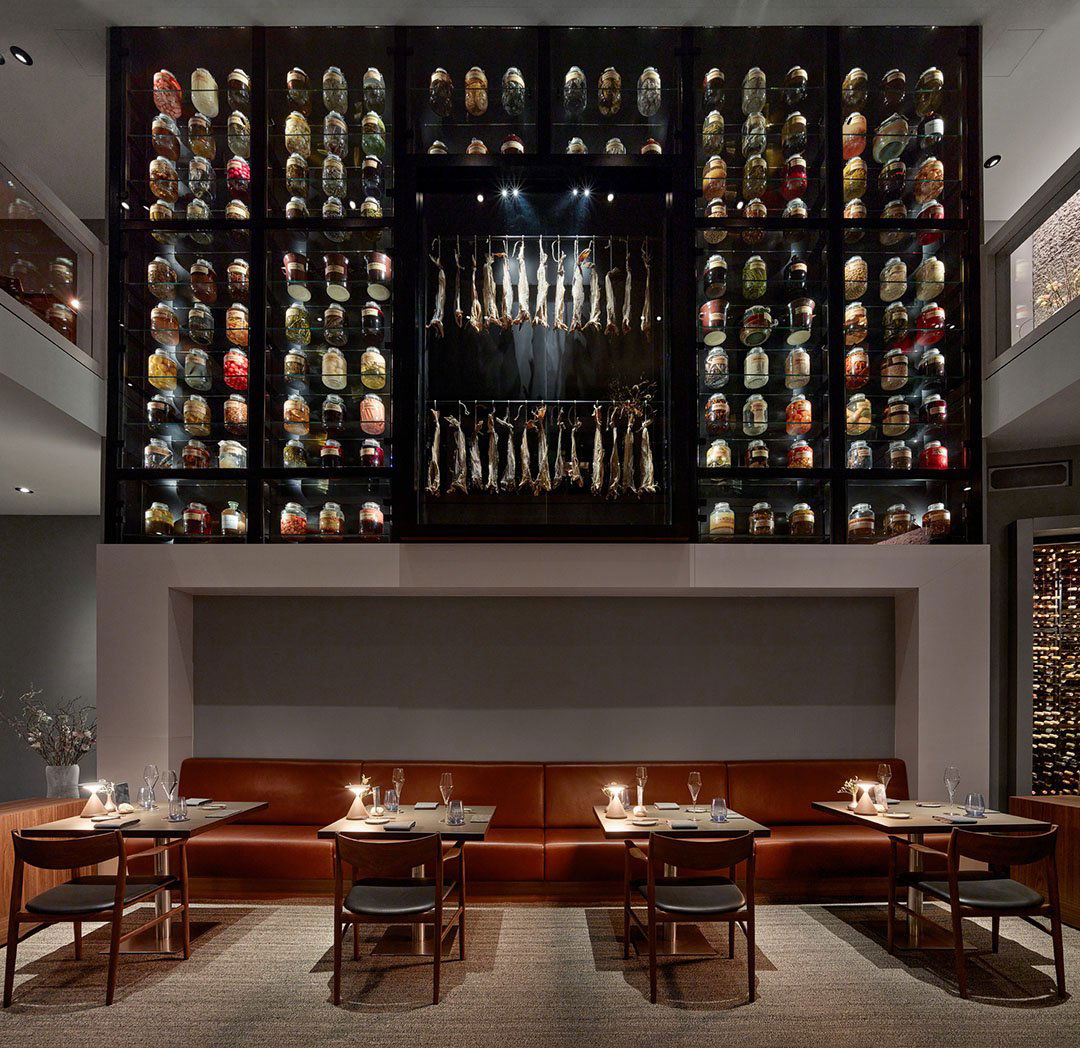
About Rutz
Book Rutz when wine is the point of the evening. Its Star Wine List recognition gives it a stronger quality signal than a generic Berlin bar pick, and the easy booking profile makes it useful for a planned but low-friction night in Mitte. It is better for dates or small groups than for a loose, mixed-drinks crawl.
Consider Rutz in Berlin if the plan fits a weekday evening and a smart-casual setting. The clearest verified external signal is Star Wine List recognition in 2026. The verified hours are narrow: Monday through Friday from 6–11 PM, with Saturday and Sunday closed.
Because the available verified details are limited, avoid building the plan around unconfirmed specifics such as cuisine, menu format, prices, seating style, or late-night service. If the night needs a broader set of options, start with the full Berlin bars guide instead. If the evening plan is the main question, cross-check the Berlin restaurants guide before committing here.
Choose it for a planned weekday evening
Rutz is easiest to place in an itinerary when the group wants a scheduled evening in Berlin rather than an open-ended late-night stop. Star Wine List recognition in 2026 is a useful external signal, but the verified information does not confirm menu details, pricing, or service format. Treat it as a place to evaluate for a focused evening within its listed hours.
That focus comes with a practical tradeoff: it is not the safest pick for a group that needs confirmed lunch service, late hours, or clearly published price expectations from the details here. For that kind of flexible evening, use the Berlin hotels guide for stay planning, then choose from the wider Berlin list based on the group's timing and energy.
Where it fits in a first Berlin night
For a first visit, keep the plan simple. Rutz lists evening hours from 6–11 PM Monday through Friday, so it works well as a planned weekday stop rather than a spontaneous weekend option. If the group is comparing different moods for the same night, consider other Berlin venues such as Buck & Breck, Root Bar, Der Kleine August, Strandbad Mitte, or Verōnika by Fotografiska depending on the kind of evening you want.
The planning case is direct: use the posted weekday evening window and the smart-casual dress code as the reliable anchors. Beyond that, do not assume details that are not verified here, including lunch, takeout, delivery, a specific menu format, or allergy accommodations. For broader trip planning, use the Berlin guides to separate a focused evening from a full itinerary day.
Frequently Asked Questions
Is Rutz open late?
Rutz lists hours of 6–11 PM Monday through Friday, and it is closed Saturday and Sunday. Based on those verified hours, it is an evening-only weekday option rather than a late-night stop. If you want to compare a different kind of Berlin venue, Root Bar is another option to check.
What's the crowd like at Rutz?
The verified details do not specify the crowd or room atmosphere. The clearest confirmed points are the Berlin location, smart-casual dress code, weekday 6–11 PM hours, and Star Wine List recognition in 2026. For another possible stop before or after, Buck & Breck or Root Bar may be worth comparing.
Does Rutz have happy hour deals?
No verified happy hour pricing is listed here. The confirmed schedule is Monday through Friday from 6–11 PM, with Saturday and Sunday closed. If deals or a more casual outing are the priority, compare other Berlin options such as Strandbad Mitte before deciding.
Is the food good at Rutz?
The verified information here does not include cuisine, dishes, menu format, or food ratings. What is confirmed is Star Wine List recognition in 2026, smart-casual dress code, and weekday evening hours in Berlin. If your night is more about comparing broader evening settings, Verōnika by Fotografiska is another Berlin venue to consider.
Is Rutz good for a date?
It can be a fit if the date works with a planned weekday evening from 6–11 PM and a smart-casual dress code. The verified details support planning around timing and setting, but they do not confirm menu style, prices, or seating format. For a different date-night plan, Root Bar is another option to compare.
Is Rutz good for groups?
The verified details do not include group capacity, seating style, or private dining information. If you are planning for a group, use the confirmed weekday 6–11 PM schedule and smart-casual dress code as the starting point, then check directly before committing. For a more flexible group hang, Der Kleine August is another Berlin option to consider.
Do I need a reservation at Rutz?
The verified details here do not state a reservation policy. It is sensible to plan ahead because the listed hours are limited to Monday through Friday from 6–11 PM, but reservation requirements should be checked directly with the venue. If you want something less structured, Buck & Breck is another option in Berlin.
Location
Chausseestraße 8, 10115 Berlin, Germany
Compare Rutz
| Venue | Awards |
|---|---|
| Rutz | Star Wine List (2026) |
| Verōnika by Fotografiska | |
| Strandbad Mitte | |
| Der Kleine August | |
| Root Bar | |
| Buck & Breck |
Comparable nearby venues by cuisine and price for this tier.
Also Consider
- Verōnika by Fotografiska, Notable alternative
- Strandbad Mitte, Notable alternative
- Der Kleine August, Notable alternative
- Root Bar, Notable alternative
- Buck & Breck, Notable alternative
How it compares in Berlin
Choose Rutz over Verōnika by Fotografiska if the priority is a wine-led evening with a clear external recognition signal. Verōnika is the better cross-shop when the group wants a broader night-out setting, but Rutz is the cleaner decision for guests who care more about the list than the room's social energy.
Against Strandbad Mitte, Der Kleine August, and Root Bar, Rutz is the more specialist choice. Pick the peers when the brief is casual, flexible, or group-friendly; pick Rutz when the night needs structure and a more serious bottle conversation. The booking difficulty signal also makes it a practical fallback when Berlin's smaller cocktail rooms are full.
Buck & Breck is the sharper comparison for cocktail-first drinkers. If someone in the group is chasing a precise cocktail bar experience, start there; if the table wants wine credibility and a calmer first-timer plan, Rutz is the more direct fit.
Recognized By

Explore Berlin
Save or rate Rutz on Pearl
Keep this venue in your Pearl passport, rate it after you visit, and track it alongside every other place you collect.