Yoichi (Nikka)
Yoichi
Winery in Yoichi, Japan
 Book with Pearl
The Read
Coal-Fired Terroir Distilling
Why go
Yoichi is the Hokkaido whisky stop to prioritise when the setting matters as much as the tasting. It is a poor fit for loose itineraries because access and planning are demanding, but it makes sense for travellers willing to anchor a day around the distillery and the town around it.
About Yoichi (Nikka)
Yoichi (Nikka) is a Pearl 3 Star Prestige venue in Yoichi. Beyond that confirmed recognition and its casual dress code, data is intentionally limited, so planning should avoid assuming specific services, visitor formats, menus, tastings, prices, hours, or booking rules unless they are confirmed directly by the venue. In practical terms, the reliable picture is deliberately narrow: the place, the recognition level, and the general dress expectation are known, while the day-to-day visitor experience is not described here in enough detail to support more specific promises.
Use this page as a conservative planning note rather than a full operational profile. If Yoichi (Nikka) is a priority for your itinerary, confirm the current visitor details through official channels before building the rest of the day around it. That extra step matters because a venue can be important to a trip even when the public-facing planning details still need to be checked close to the time of travel. For meals or other plans in Yoichi, consider other dining in Yoichi separately rather than assuming they are part of the Yoichi (Nikka) experience. Keeping those pieces separate helps avoid turning an assumption into a fixed part of the itinerary.
Plan around confirmed essentials
The confirmed essentials are simple: Yoichi (Nikka) is in Yoichi, the dress code is casual, and Pearl recognises it with 3 Star Prestige in 2025. Those points are enough to explain why it may appear on a serious Japan itinerary, but they are not enough to define exactly how a visit should work. Specifics such as visitor format, food availability, beverage service, reservation process, timing, pricing, and on-site amenities are not here. They should therefore be treated as open questions, not as implied features of the venue.
Because those operational details are not confirmed in the data, the safest approach is to check the venue's current information before making travel decisions. Build flexibility into the surrounding plan until the essentials that matter to you have been confirmed, especially if your day depends on a particular arrival time, a particular type of visit, or the availability of food or beverage service. You can also use Pearl's Yoichi restaurants guide to plan separate dining in Yoichi without treating any restaurant, bar, or hotel arrangement as part of Yoichi (Nikka). That distinction keeps the Yoichi (Nikka) note clean and accurate while still allowing you to organise the rest of your time in Yoichi with appropriate care.
How to compare Yoichi with other Japan destinations
Yoichi (Nikka) can be compared with Miyagikyo (Nikka), Chichibu, Hakushu (Suntory), Mars Shinshu Distillery, and Château Mercian Mariko Winery when thinking about broader Japan travel. The comparison is most useful at the itinerary level: it helps place Yoichi (Nikka) among other possible destination anchors without implying that those places offer the same visitor format or the same practical arrangements. Those venues should be considered as separate destinations, not as part of the Yoichi local dining scene.
The grounded verdict is direct: choose Yoichi (Nikka) if a Pearl 3 Star Prestige venue in Yoichi fits your trip, and verify the practical details before you go. Its value in planning comes from the confirmed recognition and location, not from assumptions about what may happen on site. If your decision depends on a specific service, schedule, tasting, meal, price, or visitor format, treat that information as unconfirmed until the venue confirms it directly. That cautious approach is the best way to respect what is known, avoid overstating what is not known, and keep the rest of your Japan itinerary realistic.
Planning details
- Location
- 〒046-0003 Hokkaido, Yoichi District, Yoichi, Kurokawachō, 7-chōme−6−133
- Website
- nikka.com/distilleries/yoichi
- Phone
- +81 135-23-3131
The take
The Take
The Vibe
Yoichi (Nikka) presents itself as a distillery steeped in industrial tradition and classic distilling heritage. Stone gatehouses, brick warehouses and a clock tower give the compound an architectural gravity that reads like a transplanted fragment of Scotland, while the enclosed Yoichi Valley and the Sea of Japan’s salt-laden air produce a distinctly northern, maritime character. The writing emphasizes terroir—latitude, humidity and local water—as active ingredients, and that conviction translates into a sober, authoritative atmosphere: the site feels serious, storied and shaped by its elemental surroundings rather than by trend or ornament.
Best For
This is a destination for people who want to understand how place shapes spirit. The distillery’s discussion of water sources, cold climate maturation and its EP Club Pearl 3 Star Prestige rating positions Yoichi as a learning-first visit for enthusiasts and students of production. It suits travelers seeking museum-like context and sensory comparison with other Japanese producers, and it rewards focused, contemplative visits—whether guided or self-directed—where tasting follows careful observation of buildings, landscape and process.
Tasting Tips
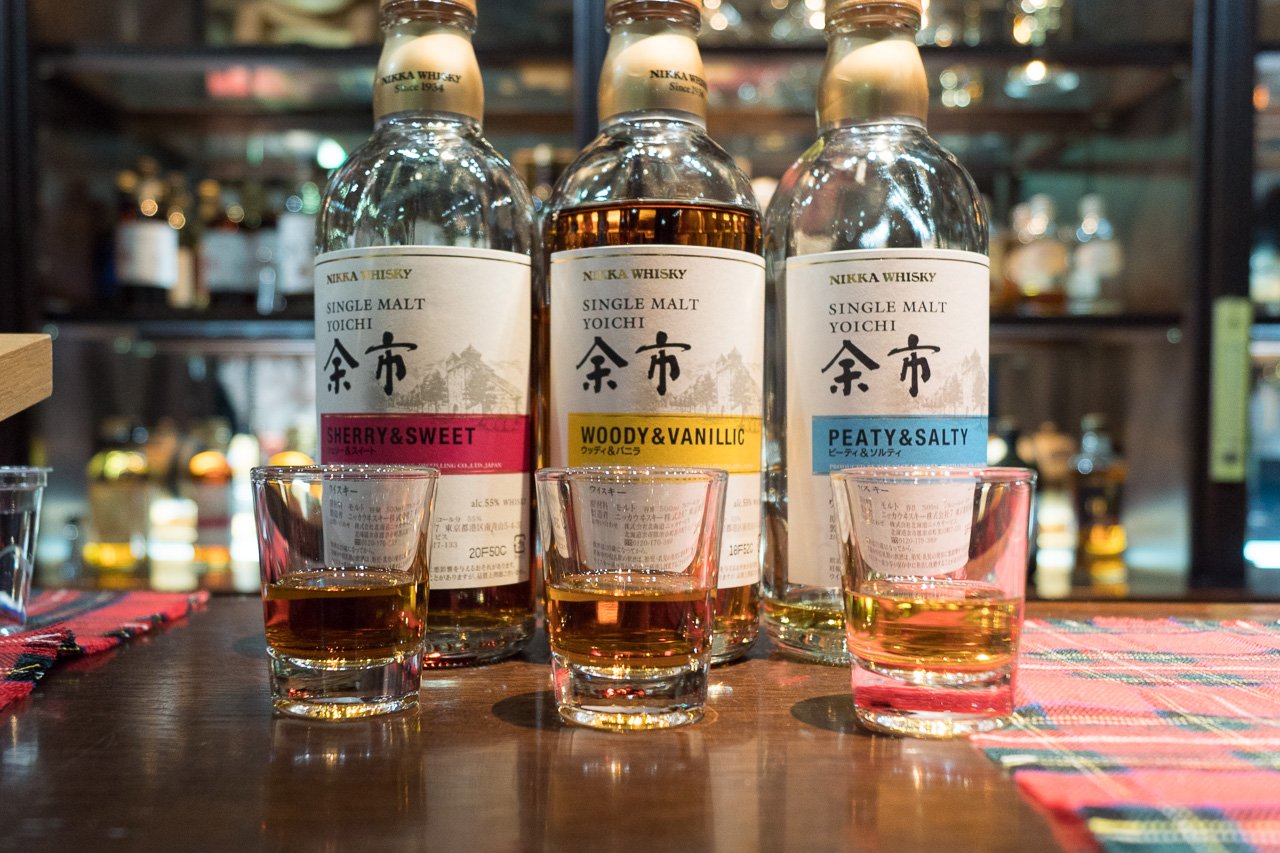
When selecting drams tied to this site, look for expressions that emphasize Yoichi’s northern, maritime profile: heavier, peatier and shaped by cool maturation. The text makes clear that local water and climate are central to the distillery’s identity, so prioritize bottles or tastings described by provenance or by references to Yoichi’s peat and sea-influenced character. Given the emphasis on terroir and slow, cool ageing, expect denser, more maritime flavors and order small pours neat to evaluate the signature regional traits.
Venue details
Ambiance
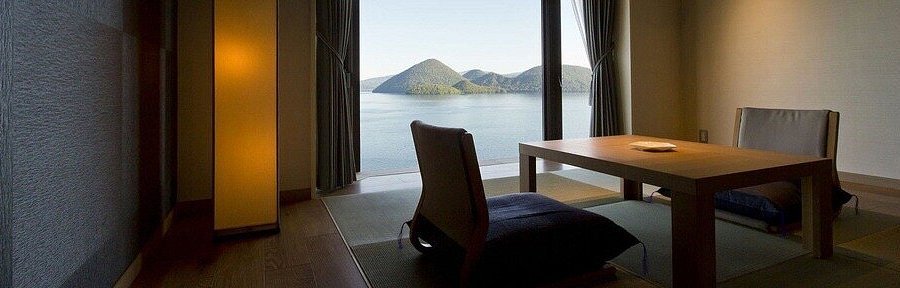
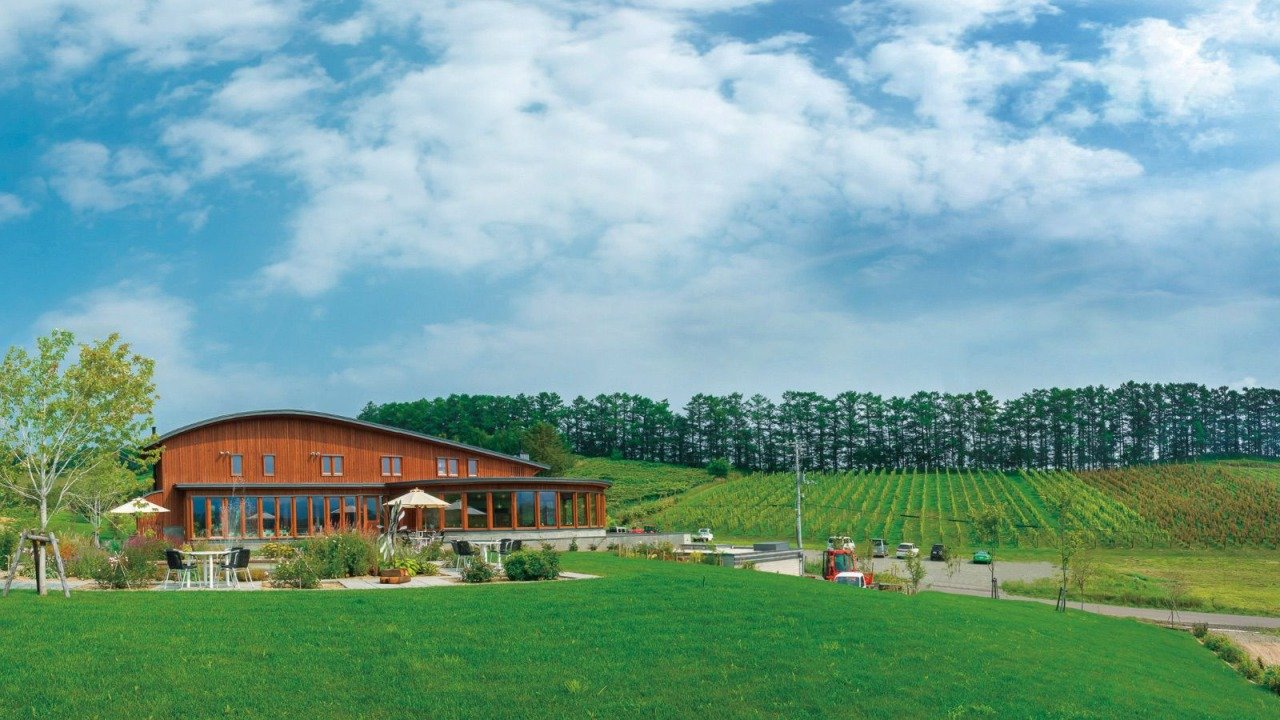
Rustic mix of old stone buildings and modern visitor facilities with a picturesque, green setting and civilized tasting rooms.
Tags
Vibe
Best For
Experience
At the Vineyard
- Appellation
- Yoichi
- Tour Duration
- 60 minutes
- Tour Languages
- Japanese
- Visits
- By reservation
- Production
- Mid-size producer
- Food Pairing
- Offered
- Wine Club
- Not available
Know before you go
Know Before You Go
- Getting there
- 〒046-0003 Hokkaido, Yoichi District, Yoichi, Kurokawachō, 7-chōme−6−133
Planning details
Location
〒046-0003 Hokkaido, Yoichi District, Yoichi, Kurokawachō, 7-chōme−6−133 · Directions
Also consider
Where to Look If Yoichi Is Too Hard to Fit In
If Yoichi does not work logistically, cross-shop Hakushu (Suntory) for a high-impact setting with easier mainland routing, or Mars Shinshu Distillery if Nagano-area travel is already in the plan.
If the point is Nikka specifically, Miyagikyo (Nikka) is the cleaner alternative. If the group is open to switching categories, Château Mercian Mariko Winery is the more logical wine-country substitute.
Winery context
How It Compares
Yoichi is the pick for travellers who want the strongest sense of place: Hokkaido, coastal weather, and a town-based distillery day. Miyagikyo (Nikka) is the more practical sister choice if the trip is already centred on mainland routing, while Hakushu (Suntory) is better for a mountain-forest setting rather than a northern coastal one.
For booking effort, assume Yoichi requires the most forward planning among these options. Mars Shinshu Distillery can be easier to justify on a central Japan itinerary because it pairs naturally with Nagano-area travel. Chichibu is the enthusiast's alternative: less about broad tourism appeal, more about whisky focus and scarcity. Château Mercian Mariko Winery is the wrong comparison if the group wants whisky, but the right pivot if the day should revolve around Japanese wine and vineyard scenery.
Value depends on routing. Yoichi is worth the effort when Hokkaido is already part of the trip or when the distillery is the main reason to go north. If the group is trying to minimise transfers, Hakushu or Mars Shinshu will usually be easier to fold into a broader Japan itinerary.
Explore Yoichi
Around this place
Discover more on Pearl
Unlock the full Yoichi (Nikka) guide in Pearl, including awards, comparisons, FAQs, planning details, and nearby places.
Compare Yoichi (Nikka)
| Venue | Location | Awards |
|---|---|---|
| Yoichi (Nikka) | Yoichi | No published awards |
| Miyagikyo (Nikka) | Sendai | No published awards |
| Château Mercian Mariko Winery | Nagano | 2025 World's 50 Best Vineyards · #462023 World's 50 Best Vineyards · #382021 World's 50 Best Vineyards · #332020 World's 50 Best Vineyards · #30 |
| Chichibu | Chichibu | No published awards |
| Hakushu (Suntory) | Hokuto | No published awards |
| Mars Shinshu Distillery | Miyada | No published awards |

How Yoichi (Nikka) compares with similar nearby venues.
FAQ
Frequently Asked Questions
What other destinations can I compare with Yoichi (Nikka)?
Yoichi (Nikka) can be considered alongside Chichibu, Château Mercian Mariko Winery, Hakushu (Suntory), Mars Shinshu Distillery, and Miyagikyo (Nikka) for broader Japan planning. Treat each as a separate destination, and verify current details directly.