    Winery in Woodstock, United Kingdom

    Muse Vineyards

    250pts

    Oxfordshire Fringe Viticulture

    Muse Vineyards, Winery in Woodstock

    About Muse Vineyards

    Muse Vineyards holds a Pearl 1 Star Prestige (2025) and sits within the understated English wine scene around Woodstock, where chalk and clay soils are quietly reshaping expectations for domestic viticulture. The property operates at a tier defined by critical recognition rather than volume, making it a reference point for understanding what English terroir can produce at its most considered.

    Where the Cotswold Fringe Meets the Vine

    The countryside around Woodstock, Oxfordshire, is not the first landscape most wine drinkers associate with serious viticulture. Blenheim Palace dominates the cultural conversation here, and the town itself draws visitors oriented toward heritage rather than harvest. Yet the soils on the western edge of the Chilterns and across the rolling ground toward the Cotswolds share geological qualities with some of southern England's more established growing areas: a mix of limestone-derived clay, moderate elevation, and a continental microclimate influence that tips the diurnal range in favour of slow, aromatic ripening. Muse Vineyards operates in this context, and its Pearl 1 Star Prestige recognition in 2025 places it inside a narrow tier of English producers whose wines are read as expressions of place rather than exercises in category-building.

    English Terroir and the Case for Oxfordshire

    English wine's critical conversation has long been anchored further south and east, in Kent, Sussex, and Hampshire, where the chalk belt that runs from Champagne re-emerges beneath the North and South Downs. Those regions built England's sparkling wine identity over two decades, and the Nyetimber and Ridgeview generation established a benchmark that subsequent producers have had to position against. Oxfordshire sits slightly outside that chalk heartland, which creates both a challenge and an opening. The soils here incorporate more clay and limestone rather than pure chalk, and the growing season can differ meaningfully from coastal and southeastern sites.

    What that means in practice is a producer that cannot simply replicate the mineral austerity of Downs-grown sparkling wine. Instead, the terroir pushes toward different textural outcomes: rounder mid-palates, more stone fruit character in the base wines, and a ripeness profile that depends on aspect and vine management more than on the reliable climatic template that southern coastal sites offer. Producers working in this part of England are, in effect, building their own reference point rather than inheriting one, and the critical recognition Muse Vineyards earned in 2025 suggests that the work of establishing what Oxfordshire terroir means is producing results worth attention. For broader context on how single-site producers approach terroir expression across very different climates, the output from [Accendo Cellars in St. Helena](https://www.enprimeurclub.com/wineries/accendo-cellars) and [Achaia Clauss in Patras](https://www.enprimeurclub.com/wineries/achaia-clauss-patras-winery) illustrates how place-specific growing conditions shape house style in ways that awards bodies consistently reward.

    Recognition at the Pearl Tier

    The Pearl 1 Star Prestige awarded to Muse Vineyards in 2025 is the trust signal that frames where this property sits in the English wine hierarchy. Pearl-level recognition, within the EP Club framework, marks producers that have demonstrated consistent quality and a legible house identity, not merely a strong single vintage. For a vineyard operating outside the established southern English growing corridors, that distinction carries additional weight: it implies the terroir argument is landing, not just the winemaking argument.

    Peer context matters here. English wine now includes a wide range of producers at very different quality tiers, from large-scale commercial operations built around sparkling wine volumes to small-plot, low-intervention estates targeting allocation-style demand. Muse Vineyards' prestige recognition places it in the latter cohort, where scarcity, site specificity, and critical engagement define the conversation rather than retail distribution breadth. This is the same tier occupied by the more celebrated producers in Hampshire and Kent, which means Muse is being evaluated against some of England's most scrutinised wines despite working from a less-documented regional base.

    What the Setting Tells You

    Arriving in the Woodstock area with wine as your purpose requires a different orientation than the heritage tourism route. The town is well-served from Oxford, roughly eight miles to the south, and the surrounding countryside is accessible by road without the logistics complexity of more remote English wine regions. That convenience is worth noting because it places Muse Vineyards within reach of a day-visit from London or Oxford without requiring the kind of planning that a trip to, say, a remote Scottish distillery demands. Compare that logistical profile with producers like [Ardnahoe in Port Askaig](https://www.enprimeurclub.com/wineries/ardnahoe-port-askaig-winery) or [Clynelish Distillery in Brora](https://www.enprimeurclub.com/wineries/clynelish-distillery-brora-winery), where geographic remoteness is part of the appeal but adds real travel overhead, and Oxfordshire's accessibility becomes a genuine asset.

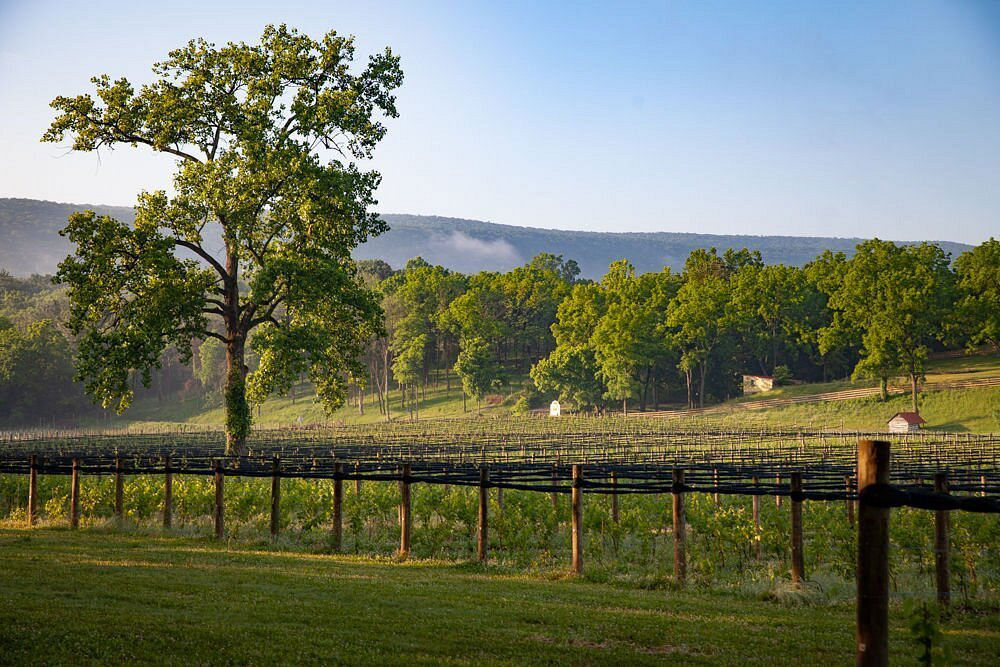
    The physical environment around Woodstock is managed, green, and oriented toward the country house tradition rather than the agricultural working landscape you find further north. Vineyards here sit within a broader pastoral context, and visiting during the growing season, roughly May through September, offers a materially different experience from a winter or early spring visit when the vines are dormant and the landscape reads as generic English countryside. The harvest window in late September through October is the period when Oxfordshire's continental microclimate characteristics are most visibly at work, with morning mist burning off into afternoons of concentrated light across the slopes.

    Planning a Visit

    Because specific booking details, opening hours, and contact information for Muse Vineyards are not publicly indexed in a way that allows reliable reproduction here, the direct approach is to check the vineyard's own channels before planning. For a property operating at the Pearl 1 Star Prestige tier, some form of advance booking is the norm rather than the exception: award-recognised English wine estates almost universally require reservations for tastings, and walk-in access is rarely the operating model at this level. Visitors coming specifically for wine education or structured tasting experiences should allow for this. Oxfordshire as a county is leading visited with accommodation secured in Woodstock itself or in Oxford, which offers a far wider range of lodging options. Travelling from London, the journey runs through Oxford and takes under two hours by road or around an hour by rail to Oxford followed by a short onward transfer.

    For a broader sense of what Woodstock has to offer beyond the vineyard, [our full Woodstock restaurants guide](https://www.enprimeurclub.com/cities/woodstock) covers the town's dining options, which skew toward the traditional English country pub and contemporary British bistro formats that the area's visitor profile sustains.

    Where Muse Sits in the Wider Picture

    The English wine map is in active revision. Regions that were footnotes a decade ago are now producing wines that travel internationally and attract serious critical attention. Oxfordshire is part of that expansion, and Muse Vineyards is one of the producers carrying the argument for what the county's terroir can achieve. For readers building a picture of English viticulture beyond its Sussex and Kent centres of gravity, it represents a useful data point: Pearl 1 Star Prestige in 2025, from a site that operates outside the default regional template, signals that the quality case is made on terroir terms rather than borrowed reputation.

    Readers interested in how other producers across the UK and beyond define their regional identities through single-site or small-batch approaches will find useful comparisons in properties like [Dornoch Distillery in Dornoch](https://www.enprimeurclub.com/wineries/dornoch-distillery-dornoch-winery), [Dunphail Distillery in Dunphail](https://www.enprimeurclub.com/wineries/dunphail-distillery-dunphail-winery), and [Glen Garioch Distillery in Oldmeldrum](https://www.enprimeurclub.com/wineries/glen-garioch-distillery-oldmeldrum-winery) in the spirits category, or [Bladnoch Distillery in Bladnoch](https://www.enprimeurclub.com/wineries/bladnoch-distillery-bladnoch-winery) and [Balblair Distillery in Edderton](https://www.enprimeurclub.com/wineries/balblair-distillery-edderton-winery) for how producers build provenance arguments from less-obvious geographic positions. In wine specifically, [Aberlour in Aberlour](https://www.enprimeurclub.com/wineries/aberlour-aberlour-winery) and [Cardhu in Knockando](https://www.enprimeurclub.com/wineries/cardhu-knockando-winery) demonstrate how consistent critical recognition over time consolidates a regional identity that individual producers then build within. Muse Vineyards is earlier in that process for Oxfordshire, which is precisely what makes it worth tracking now.

    Frequently Asked Questions

    What kind of setting is Muse Vineyards?
    Muse Vineyards is a prestige-tier English wine estate in the Woodstock area of Oxfordshire, operating outside the more documented southern English chalk belt. Its 2025 Pearl 1 Star Prestige recognition places it in the category of critically endorsed, site-specific producers rather than volume-oriented commercial wineries. The setting reflects the managed pastoral character of the Oxfordshire countryside, with the town of Woodstock and its heritage infrastructure nearby.
    What should I taste at Muse Vineyards?
    Specific current releases and tasting formats are leading confirmed directly with the vineyard, as menu details are not reliably documented at a level that allows accurate reproduction here. As a Pearl 1 Star Prestige producer in 2025, the wines are recognised for quality at a level that warrants a structured tasting rather than a casual sample, and the range will reflect the limestone-clay terroir of the Oxfordshire site rather than the chalk-dominant profile of Kent and Sussex estates.
    Why do people go to Muse Vineyards?
    Visitors come primarily for access to a critically recognised English wine estate that sits outside the more visited southern growing regions. The Pearl 1 Star Prestige (2025) provides the trust signal that draws wine-focused travellers, while Woodstock's broader appeal, anchored by Blenheim Palace and an accessible location relative to Oxford and London, supports a combined heritage and wine itinerary in a way that more remote English wine regions do not.
    Do I need a reservation for Muse Vineyards?
    At the Pearl 1 Star Prestige tier, advance booking is the standard operating model for English wine estates of this profile. Walk-in access is not typically available at critically recognised small-production vineyards. Check Muse Vineyards' own channels for current booking arrangements before visiting, as hours and tasting formats may vary by season.
    What's the one thing you'd tell a first-timer at Muse Vineyards?
    Arrive with some understanding of what distinguishes Oxfordshire's limestone-clay terroir from the chalk-belt sites that dominate the English wine conversation. The wines here are being assessed as a regional statement, not a stylistic imitation of established southern English sparkling wine, and that framing sharpens what the Pearl 1 Star Prestige recognition means in practice.
    How does Muse Vineyards' Oxfordshire location affect its wines compared to southern English vineyards?
    Oxfordshire's soils incorporate more limestone-derived clay than the pure chalk subsoils of Kent and Sussex, which shifts the textural and aromatic profile of wines grown here toward rounder structure and different fruit expression. This means Muse Vineyards, as a Pearl 1 Star Prestige producer, is building a regional identity from a less-codified base than its southern peers, which is part of what makes the 2025 recognition notable. Visitors comparing Muse to producers in Hampshire or the South Downs will find the terroir argument runs along a different axis rather than a lesser one.
    Keep this place

    Save or rate Muse Vineyards on Pearl

    Keep this venue in your Pearl passport, rate it after you visit, and track it alongside every other place you collect.