
Winery in Wilderness, South Africa
Monks Gin Distillery
250ptsFynbos-Botanical Distillation
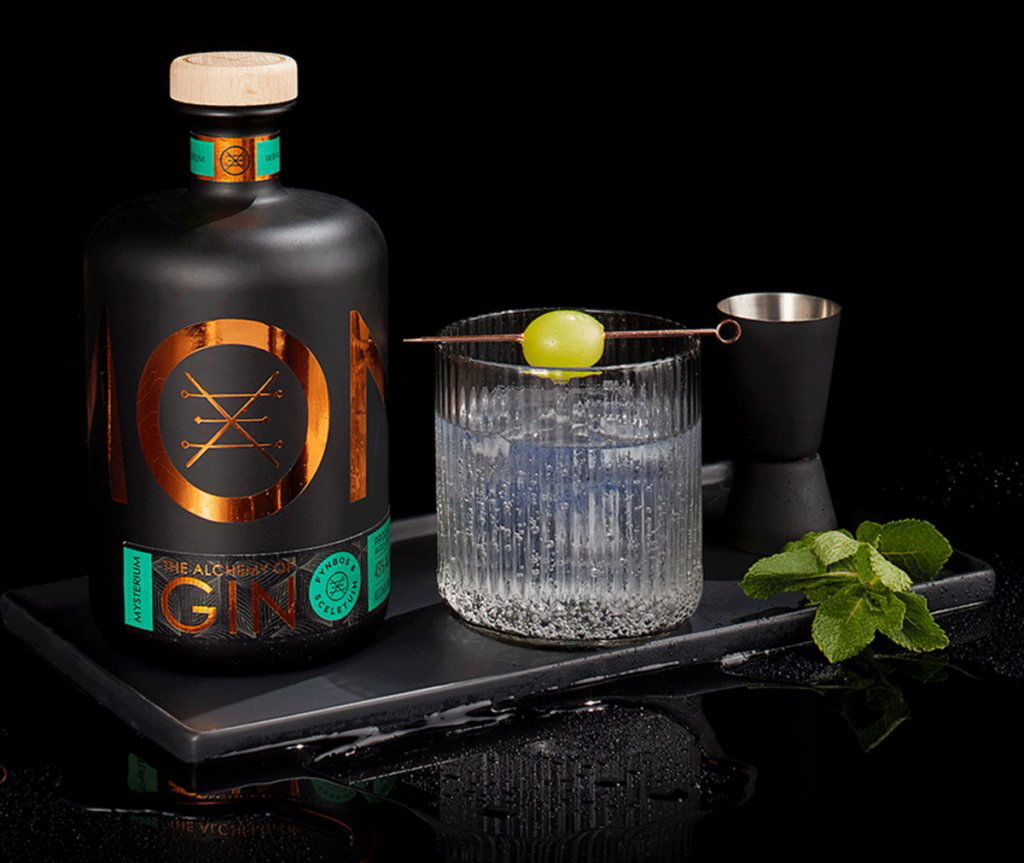
About Monks Gin Distillery
Monks Gin Distillery in Wilderness, South Africa, earned a Pearl 1 Star Prestige award in 2025, placing it among the Garden Route's most recognised craft spirits producers. The distillery draws on the botanicals and character of the surrounding Wilderness terrain, offering a window into how South Africa's southern coastal belt translates into gin. A focused visit here sits comfortably alongside the region's broader wine and spirits trail.
Where the Garden Route Meets the Still
The Garden Route's relationship with craft spirits is newer and less mapped than the Cape Winelands' centuries-old wine identity, but it is developing its own logic. Wilderness sits along a stretch of coastline where the Outeniqua mountains press close to the Indian Ocean, producing a micro-climate that is humid, fynbos-rich, and botanically dense in ways that the drier Winelands simply are not. That environmental character is exactly the kind of raw material that serious gin producers look for: regional botanicals with a distinct aromatic signature that can't be replicated by sourcing ingredients from a catalogue.
Monks Gin Distillery operates within this context. Its 2025 Pearl 1 Star Prestige recognition places it in a tier of South African craft producers that have moved beyond novelty status and into the realm of verifiable quality benchmarking. The Pearl awards, which assess producers across sensory, production, and contextual criteria, use a structured evaluation process, so a Prestige designation carries weight as an external quality signal rather than a self-declared one.
Gin Country: The Garden Route's Botanical Advantage
South Africa's gin industry has expanded sharply over the past decade, with the Cape's fynbos biome becoming one of the most discussed raw material advantages in international craft spirits conversations. Fynbos, the shrubland ecosystem endemic to the southwestern and southern Cape, contains thousands of plant species found nowhere else on earth. For gin producers, that biodiversity translates into aromatic building blocks — rooibos, buchu, Cape chamomile, and dozens of lesser-known botanicals — that give South African gins a regional fingerprint the way terroir defines wine.
Wilderness, further east along the coast than the Overberg or the Cape Peninsula, sits at the edge of where fynbos transitions into the wetter, greener Garden Route forest belt. That transition zone creates its own botanical palette. The area around Wilderness receives significantly more rainfall than Stellenbosch or Franschhoek, and the resulting vegetation is lusher and more varied. Producers working here have access to botanicals that differ from those available to distillers further west, which is part of what gives a Garden Route gin its own character relative to a Hemel-en-Aarde or Swartland-based product.
This is the ecological argument for why location matters in gin production, in the same way it matters in wine. Just as Sadie Family Wines in Swartland draws on the specific granitic and shale soils of that dry, windswept region to produce wines with a particular structural identity, or as Beaumont Family Wines in Bot River reflects the cooling maritime influence of the Kogelberg, a distillery in Wilderness is working with a set of environmental conditions that shape what ends up in the bottle.
The Distillery Visit: What to Expect
South African craft distillery visits have converged on a broadly similar format: a tour of the production space, a tasting flight of the core range, and often a retail component. The better operations add depth through guided comparative tastings, botanical education sessions, or cocktail-making components that give visitors a more active relationship with the product. At distilleries that have reached the Pearl Prestige level, the expectation is that the liquid in the glass justifies the visit independently of the experiential packaging around it.
The atmosphere in Wilderness tilts toward the unhurried. The town itself has fewer visitors than Knysna or Plettenberg Bay to the east, and the pace of the Garden Route at this point on the N2 is noticeably calmer than the Winelands weekend circuit. A distillery visit here is less likely to involve queuing or timed slots than a popular Franschhoek estate during peak season; the trade-off is that advance contact to confirm current tour schedules and tasting availability is worthwhile, particularly in the quieter winter months between June and August when operating hours at smaller producers can vary.
For comparison, the craft spirits category in South Africa now includes established names from across multiple regions. Oude Molen Distillery in Grabouw has built a reputation in brandy, while Boplaas in Calitzdorp operates at the intersection of fortified wine and spirits production in the Klein Karoo. Monks Gin Distillery's Pearl 1 Star Prestige recognition in 2025 places it in the same conversation as producers who have demonstrated consistent quality to structured evaluation panels, not simply producers with a good story and attractive packaging.
Reading the Award in Context
Pearl awards operate on a tiered system, and a 1 Star Prestige designation is a meaningful indicator of quality above the entry level of the award structure. In South Africa's drinks industry, where the proliferation of craft producers has made it harder for consumers to identify genuine quality signals from marketing noise, structured award systems serve an important filtering function. A Pearl Prestige star in 2025 tells a visitor something concrete: independent evaluators assessed this gin and found it to meet a defined quality threshold.
That kind of external validation matters more in gin than in wine, partly because gin lacks the deeply established regional appellations and vintage-by-vintage tracking that wine has accumulated over centuries. Without that infrastructure, awards and ratings carry proportionally more weight in helping a consumer or traveller orient themselves. The same logic applies at the wine estates that bracket this region's broader drinks scene: Creation Wines in Hermanus and Vergelegen Wine Estate in Somerset West both carry award histories that signal their position within their peer sets in ways that guide visitor decision-making.
Placing the Visit in a Wider Garden Route Itinerary
Wilderness works leading as part of a longer Garden Route itinerary rather than a standalone trip from Cape Town, which sits roughly four hours west by road. The practical case for Wilderness is that it occupies a stretch of the route that sees less concentrated tourism than the Knysna Lagoon or the Tsitsikamma, making it a calmer base for exploring the southern Cape's drinks and food producers.
For travellers assembling a Cape-focused drinks itinerary, the Winelands remain the gravitational centre. Babylonstoren in Franschhoek, Constantia Glen in Cape Town, Neethlingshof Estate in Stellenbosch, Val de Vie Estate in Paarl, and Graham Beck Wines in Robertson represent the kind of established estate visits that anchor the wine-focused leg of a southern Africa trip. Monks Gin Distillery sits in a different category: a specialist craft spirits producer in a coastal town that is beginning to develop a more distinct identity within the South African drinks scene.
Our full Wilderness restaurants and producers guide covers the broader eating and drinking picture in this part of the Garden Route, including where to eat before or after a distillery visit and which other producers are operating in the area.
Planning the Visit
Wilderness is accessible from George Airport, which has regular connections to Cape Town and Johannesburg, making it a realistic stop on a Garden Route loop without requiring a full drive from the Cape. The town sits between George to the west and Knysna to the east, both of which offer a wider range of accommodation and dining options for visitors spending more than a day in the area. Contacting Monks Gin Distillery directly before visiting is the practical approach given that opening hours, tasting formats, and availability are not consistently listed through third-party channels; this is standard operating procedure for smaller craft producers in South Africa, where direct communication remains the most reliable way to confirm current offerings.
For context on how craft distillery visits fit into a South African drinks itinerary that might also include whisky or brandy, Aberlour and Accendo Cellars offer reference points for how the distillery visit format operates at the premium end of the category internationally, and Bezalel Wine and Brandy Estate in Upington shows how South Africa's own spirits tradition extends well beyond the Cape's most-visited corridors.
Frequently Asked Questions
What should I expect atmosphere-wise at Monks Gin Distillery?
Wilderness is a quieter stop on the Garden Route than Knysna or Plettenberg Bay, and that unhurried character extends to how a distillery visit feels here. The town sits between the Outeniqua mountains and the Indian Ocean, and the surrounding environment is green, humid, and botanically rich in ways that contrast with the drier Winelands. The distillery has earned a Pearl 1 Star Prestige in 2025, which suggests a level of production seriousness that goes beyond casual cottage-industry operations. Visitors should confirm tasting formats and hours directly before arriving, as this kind of smaller producer operates on schedules that don't always surface reliably through aggregator platforms.
What's the must-try offering at Monks Gin Distillery?
Given the 2025 Pearl 1 Star Prestige recognition, the core gin range is the evident starting point. The award provides external validation that the liquid itself has been evaluated and found to meet a defined quality benchmark, which is the clearest signal available without a winemaker or named tasting note on file. The botanical character of a Garden Route gin, drawing on a wetter, greener environment than the Cape's more celebrated fynbos corridor, makes a comparative tasting against gins from further west a worthwhile exercise if you're building a broader understanding of South African craft spirits.
What's the defining thing about Monks Gin Distillery?
The combination of location and external recognition is the clearest frame. Wilderness is not a mainstream stop on the South African drinks circuit, and a Pearl Prestige star in 2025 marks the distillery as a producer that has moved past the novelty phase of the craft gin boom into verified quality territory. For a traveller moving through the Garden Route who wants to engage with South Africa's craft spirits scene beyond the Winelands, Monks Gin Distillery represents a coherent and award-backed reason to stop.
Related editorial
- Best Fine Dining Restaurants in ParisFrom three-Michelin-star icons to the next generation of Parisian chefs pushing boundaries, these are the restaurants that define fine dining in the world's culinary capital.
- Best Luxury Hotels in RomeFrom rooftop terraces overlooking ancient ruins to Michelin-starred hotel dining, these are the luxury hotels that make Rome unforgettable.
- Best Cocktail Bars in KyotoFrom sleek lounges to hidden speakeasies, Kyoto's cocktail scene blends Japanese precision with global influence in ways you won't find anywhere else.
Save or rate Monks Gin Distillery on Pearl
Keep this venue in your Pearl passport, rate it after you visit, and track it alongside every other place you collect.