

Winery in Whitchurch, United Kingdom
Bombay Sapphire Distillery
500Pearl PointsGin, not filler
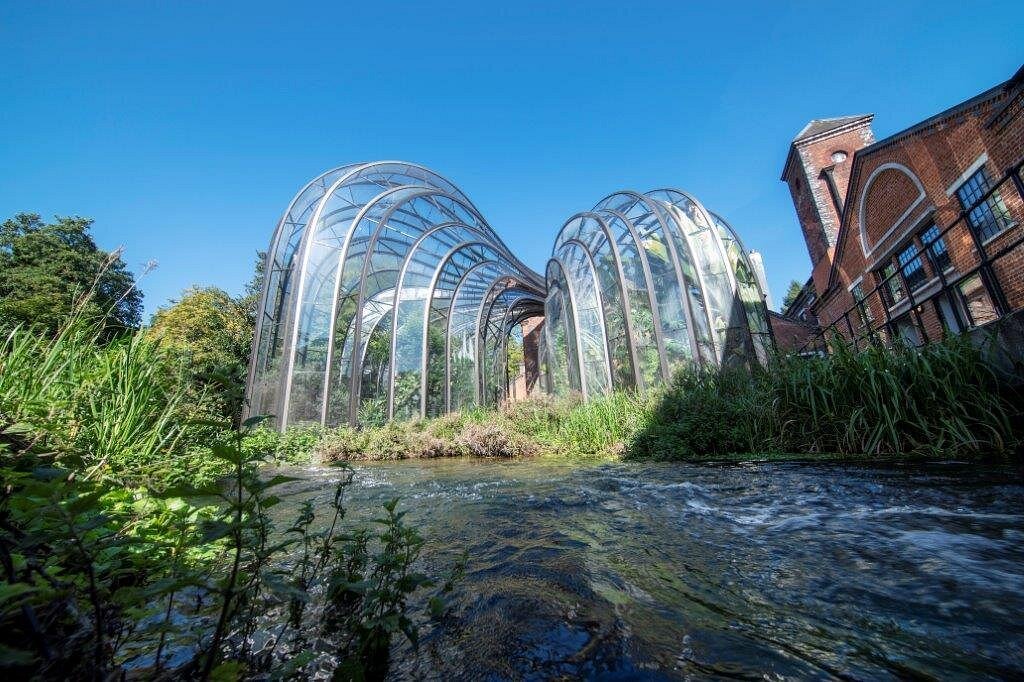
About Bombay Sapphire Distillery
Bombay Sapphire Distillery is worth planning as the anchor of a Whitchurch day if the group wants a polished gin-focused visitor experience in a strong visual setting. It is less useful as a food-led stop, so pair it with separate Whitchurch restaurants, bars, or hotels rather than expecting one venue to cover the whole itinerary.
Bombay Sapphire Distillery is a Whitchurch venue with a smart casual dress code and Pearl 2 Star Prestige recognition for 2025. Treat it as a planned stop rather than a generic add-on: the verified information supports a premium venue profile, but does not confirm specific public details such as menus, prices, hours, tour formats, food service, group capacity, or visitor timings.
The main decision is simple: choose Bombay Sapphire Distillery if your Whitchurch plans are built around the venue itself and you are comfortable checking current practical details directly before you go. If you need a food-led itinerary, pair your planning with our full Whitchurch restaurants guide or other Whitchurch dining research rather than assuming the distillery covers the whole day.
Plan it as the anchor stop, not filler between meals
The practical play is to make Bombay Sapphire Distillery the fixed point of a Whitchurch visit and build the rest of the day around confirmed arrangements. Because verified details here are limited, do not rely on assumptions about opening times, visit length, transport, food, or booking availability. Check the venue directly before locking meals or onward plans.
For groups, the safest approach is to confirm logistics in advance. The available verified facts do not establish a group format, capacity, or same-day access policy, so treat planning as essential rather than optional. Travellers staying locally should also check current Whitchurch accommodation options and keep the schedule realistic.
Who should choose this over a winery or another distillery
Choose Bombay Sapphire Distillery if the venue itself is the reason for visiting Whitchurch and the smart casual, premium-positioned profile suits the occasion. If you are comparing other drinks-focused destinations, Beefeater Gin and Hayman's Gin Distillery are natural distillery comparisons, while Nyetimber, Ridgeview, Leonardslee Family Vineyards are wine-led alternatives.
Do not frame the choice around unverified specifics such as tasting formats, bottle lists, food pairings, production access, prices, or exact visit duration. The grounded comparison is broader: Bombay Sapphire Distillery is a recognised Whitchurch venue, while the other named options may suit different drinks-led itineraries depending on the current experience each one offers.
Frequently Asked Questions
How long should I plan for a visit to Bombay Sapphire Distillery?
The verified information does not confirm a visit length. Plan conservatively, check the venue's official channels before you go, avoid building a tight Whitchurch schedule around an assumed duration.
Does Bombay Sapphire Distillery serve food?
The verified information does not confirm food service. If meals matter, arrange dining separately in Whitchurch and check the venue's official channels for the latest details.
Can Bombay Sapphire Distillery handle large groups?
The verified information does not confirm group capacity or group arrangements. Large groups should check the venue's official channels before making plans.
Are membership or special-access options confirmed at Bombay Sapphire Distillery?
The verified information does not confirm membership or special-access options. Bombay Sapphire Distillery is best treated as a Whitchurch venue to research directly for current offerings.
When is the best time to visit Bombay Sapphire Distillery?
The verified information does not confirm hours or ideal visiting times. Check the venue's official channels before planning your Whitchurch day.
Do I need a reservation at Bombay Sapphire Distillery?
The verified information does not confirm a reservation policy. Because it is a Pearl 2 Star Prestige venue for 2025, it is sensible to check directly and plan ahead rather than assume same-day access.
Are specific products or tastings verified for Bombay Sapphire Distillery?
The verified information does not confirm specific products, tastings, or formats. Do not plan around a specific offering unless the venue's current official information confirms one.
Location
Laverstoke Mill, London Rd, Whitchurch RG28 7NR
Whitchurch, United Kingdom
Compare Bombay Sapphire Distillery
| Venue | Location | Awards |
|---|---|---|
| Bombay Sapphire Distillery | Whitchurch | Pearl 2 Star Prestige (2025) |
| Nyetimber | Horsham | , |
| Leonardslee Family Vineyards | Horsham | , |
| Hayman's Gin Distillery | London | , |
| Beefeater Gin | London | , |
| Ridgeview | Fragbarrow Lane | , |
How Bombay Sapphire Distillery Whitchurch compares with similar nearby venues.
Good backups if this does not fit the trip
If the group wants gin but Whitchurch does not suit the route, cross-shop Hayman's Gin Distillery or Beefeater Gin. If the plan is more wine-led than spirits-led, start with Ridgeview or Nyetimber instead.
How it compares for a drinks-led day
Bombay Sapphire Distillery is the practical choice if the priority is gin, production context, a designed visitor experience in Whitchurch. Hayman's Gin Distillery and Beefeater Gin are the more direct spirits comparisons, especially for readers weighing a gin-focused itinerary rather than a countryside wine stop.
For wine drinkers, Nyetimber, Ridgeview, Leonardslee Family Vineyards make more sense than forcing a gin distillery into a wine-tasting day. Pick those if the group wants vineyard context and bottles; pick Bombay Sapphire Distillery if spirits production is the reason to travel.
On booking difficulty, treat Bombay Sapphire Distillery as the venue to secure first, then build food, bars, transport around it. Value depends on intent: it is stronger value for gin enthusiasts than for groups who mainly want lunch, open-ended drinking, or a flexible countryside stop.
Explore Whitchurch
Save or rate Bombay Sapphire Distillery on Pearl
Keep this venue in your Pearl passport, rate it after you visit, and track it alongside every other place you collect.