Leonetti Cellar
Walla Walla Valley, Walla Walla
Winery in Walla Walla, United States
 Book with Pearl
The Read
Cultivated Collector's Choice
Why go
Leonetti Cellar is the Walla Walla choice for collectors and serious wine travelers, not the easiest casual tasting-room stop. Prioritise it if the trip is built around Washington wine depth; if availability or logistics get tight, compare Dunham Cellars, Spring Valley Vineyard, Cayuse Vineryards, Horsepower Vineyards, and K Vintners before reshaping the day.
About Leonetti Cellar
Leonetti Cellar is a Walla Walla venue recognized with Pearl 1 Star Prestige (2025). That is the firm, usable information this page can stand behind: the venue's location and its stated Pearl recognition. In practical terms, that means the page should be treated with restraint. It can help identify Leonetti Cellar as a notable Walla Walla name to investigate, but it should not be used to infer what a visit will look like on the ground.
If you are deciding whether to include the venue in a Walla Walla itinerary, the next step should be direct confirmation, not assumption. Confirm current visit details directly with the venue before building an itinerary around it, especially if timing, group size, service style, or reservation access would affect the rest of your day.
Plan with confirmed details first
The grounded case for Leonetti Cellar is simple: it is in Walla Walla and carries Pearl 1 Star Prestige (2025). Those points may be enough to put it on a research list, but they are not enough to define a plan. This page should not be read as confirmation of walk-in availability, tasting format, group capacity, food service, or reservation rules. Each of those details can materially change expectations, from how much time to allow to whether the stop fits alongside other Walla Walla visits.
For comparison research, you may also look at Cayuse Vineryards, Dunham Cellars, Horsepower Vineyards, K Vintners (Charles Smith), and Spring Valley Vineyard, along with other Walla Walla options more generally. Use those names as a broader planning frame, then verify the current details for each venue individually.
Planning details
- Location
- 1278 Berney Dr, Walla Walla, WA 99362
- Website
- leonetticellar.com
- Phone
- +1 509-525-1428
The take
The Take
The Vibe
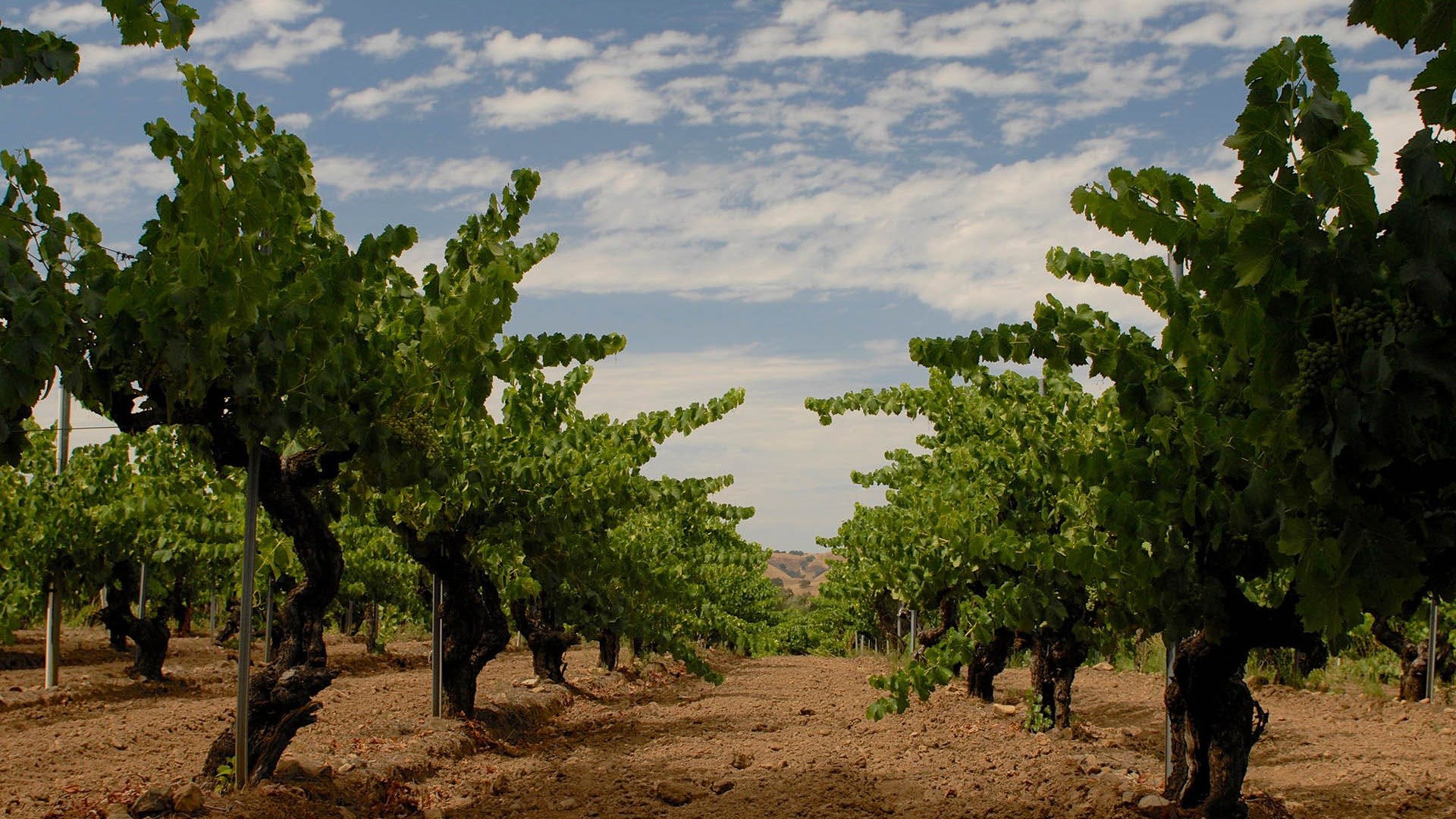
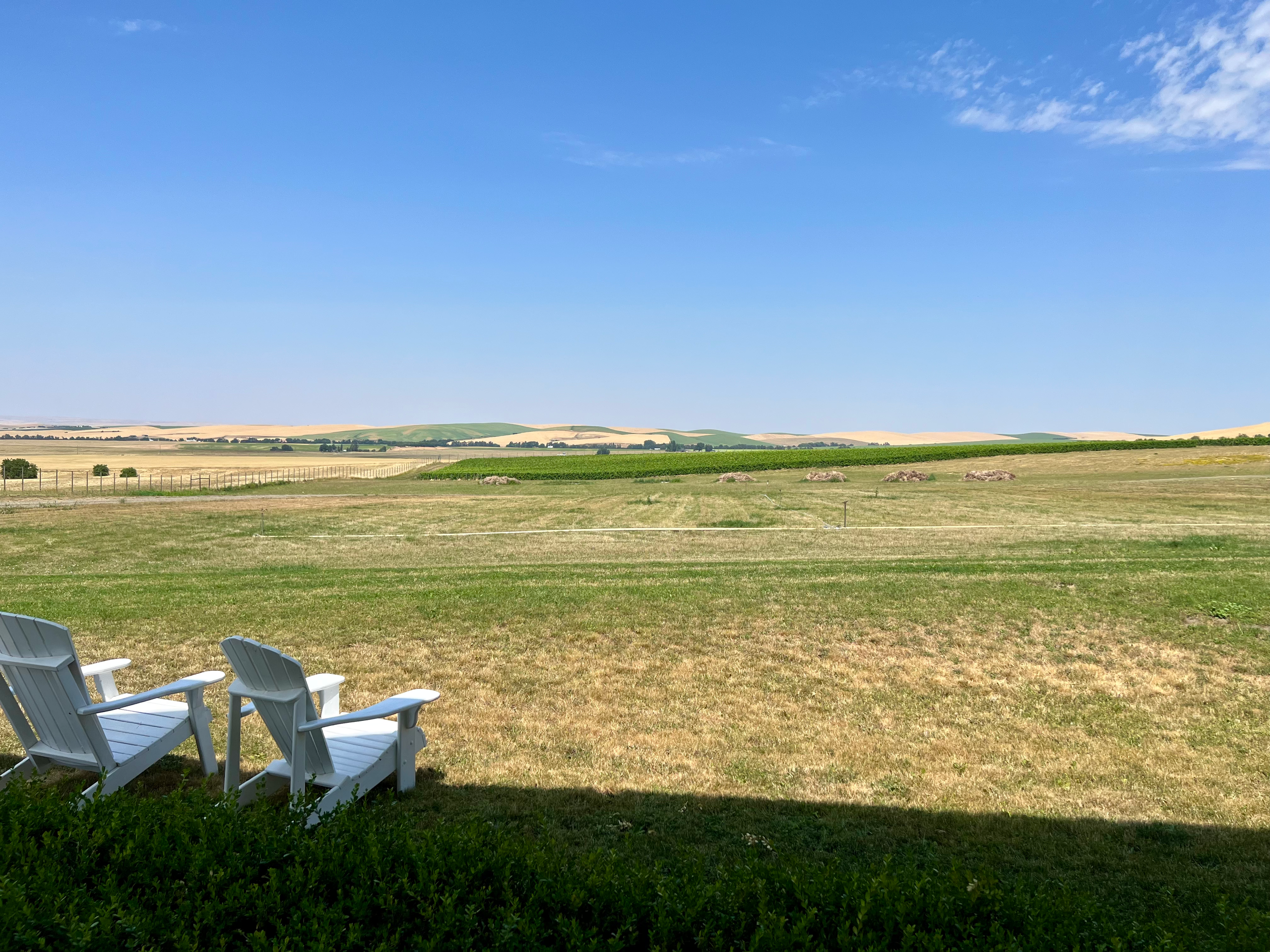
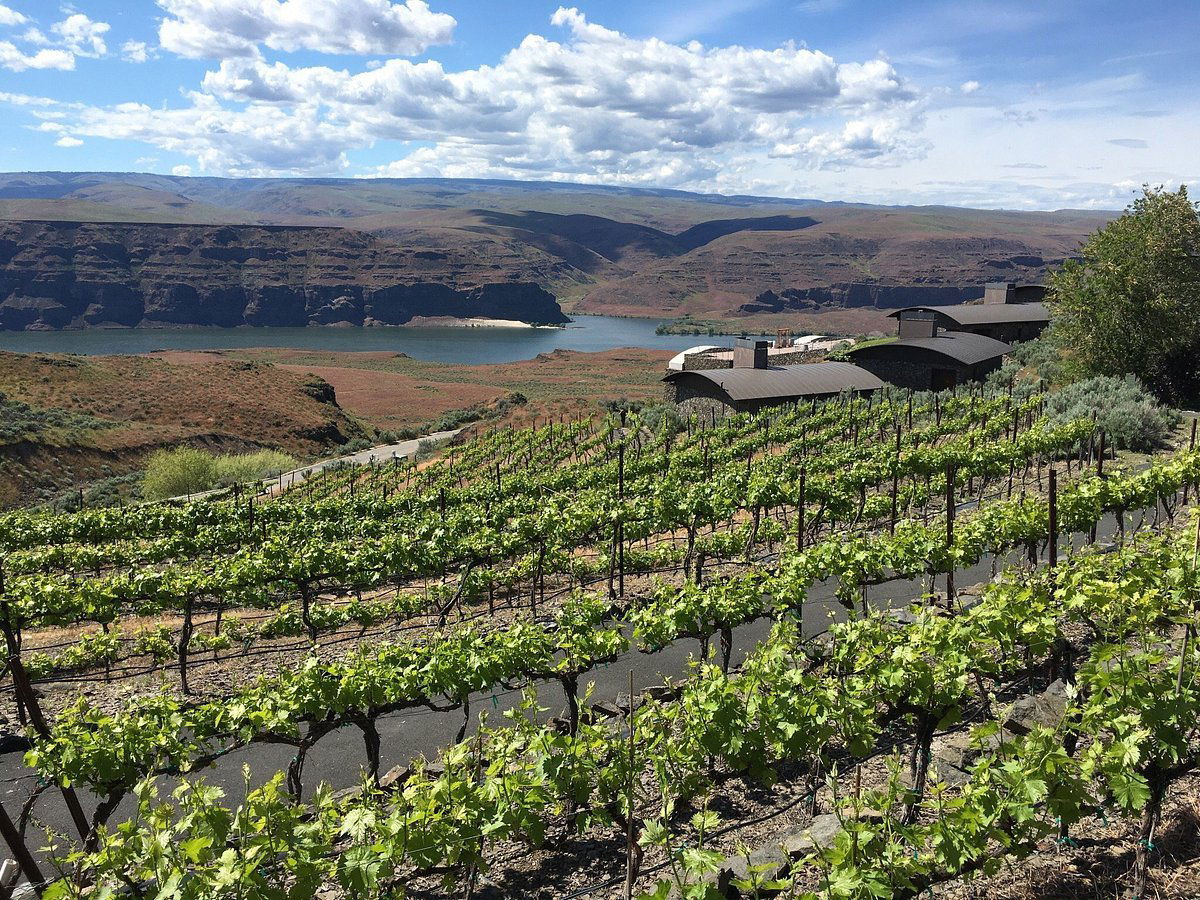
Leonetti Cellar presents itself with quiet authority: no theatrical entry or flashy architecture, just working agricultural land and a focus on the bottle. The tone is classic and refined rather than ostentatious, rooted in the valley’s vineyards and an older, established pedigree within Walla Walla. This is a rustic-meets-sophisticated producer—scenic and grounded, with an emphasis on terroir and structural, varietal-driven wines. Visitors should expect a restrained, contemplative setting where the conversation centers on provenance, vineyard sourcing and the wines themselves rather than on spectacle.
Best For
Leonetti is best suited to serious wine enthusiasts, collectors and anyone interested in the region’s high end. The winery’s place in Walla Walla’s prestige tier and the discussion of sourcing geography make it a good fit for educational visits focused on terroir, varietal structure and regional identity. It also resonates for special-occasion tasting experiences where guests value pedigree and allocation-level releases. Casual drop-ins seeking entertainment-forward winery visits may find Leonetti’s approach more reserved and product-focused.
Tasting Tips
Plan ahead: Leonetti’s history of allocation-driven releases and its Pearl 1 Star Prestige recognition suggest limited availability and demand among collectors. Look for allocation lists, mailing-list notifications or direct-purchase channels rather than relying on widespread retail availability. Emphasize interest in vineyard-designate or estate bottlings when inquiring, since the winery’s reputation is rooted in sourcing and vintage character. Given the producer’s focus on structural, Cabernet- and Merlot-driven wines, consider asking about recent vintages and cellar-ageing potential before buying.
Venue details
Ambiance
Secluded, scenic estate setting with a reputation for polished, structured wines and a private, members-focused atmosphere.
Tags
Vibe
Best For
Experience
View
At the Vineyard
- Appellation
- Walla Walla Valley AVA
- Varietals
- Cabernet Sauvignon, Merlot, Sangiovese, Cabernet Franc
- Visits
- By appointment only
- Farming
- Sustainable
- Production
- Small producer
- Wine Styles
- Still Red
- Shipping
- Available
- Founded
- 1977
- Wine Club
- Available
Know before you go
Know Before You Go
- Getting there
- 1278 Berney Dr, Walla Walla, WA 99362
Planning details
Location
Also consider
Where to look if this does not fit
If access is the issue, start with Dunham Cellars or Spring Valley Vineyard for a Walla Walla day that is easier to shape. If the goal is a harder-charging collector itinerary, compare Cayuse Vineryards and Horsepower Vineyards before committing the trip around one winery.
Winery context
How it compares in Walla Walla
Leonetti Cellar is the higher-commitment pick in this set: better for collectors and travelers planning the day around one serious wine stop than for groups trying to keep the schedule loose. Dunham Cellars and Spring Valley Vineyard are the easier cross-shops when the priority is a smoother Walla Walla itinerary rather than maximum scarcity.
For intensity of demand, compare it most closely with Cayuse Vineryards and Horsepower Vineyards. Those are better fits for visitors chasing a more specialized, cult-wine lane, while Leonetti Cellar is the cleaner choice for someone who wants a classic Walla Walla benchmark as the centre of the trip.
K Vintners (Charles Smith) is the better comparison if ambiance and a more expressive brand experience matter as much as the wine. Choose Leonetti Cellar when the decision is driven by cellar reputation; choose K Vintners when the day needs more energy and less formality.
Explore Walla Walla
Around this place
Discover more on Pearl
Unlock the full Leonetti Cellar guide in Pearl, including awards, comparisons, FAQs, planning details, and nearby places.
Compare Leonetti Cellar
| Venue | Location | Awards |
|---|---|---|
| Leonetti Cellar | Walla Walla | No published awards |
| Dunham Cellars | Walla Walla | No published awards |
| K Vintners (Charles Smith) | Walla Walla | 2026 Falstaff Winery Guide |
| Cayuse Vineryards | Walla Walla | No published awards |
| Horsepower Vineyards | Walla Walla | 2026 Falstaff Winery Guide2025 Pearl 4 Star Prestige |
| Spring Valley Vineyard | Walla Walla | No published awards |


How Leonetti Cellar Walla Walla compares with similar nearby venues.
FAQ
Frequently Asked Questions
When is the best time to visit Leonetti Cellar?
Leonetti Cellar is in Walla Walla and is recognized with Pearl 1 Star Prestige (2025), so confirm current visit details directly before planning around it.
How long should I plan for a visit to Leonetti Cellar?
What other venues should I compare with Leonetti Cellar?
For comparison research, consider Cayuse Vineryards, Dunham Cellars, Horsepower Vineyards, K Vintners (Charles Smith), and Spring Valley Vineyard, along with other Walla Walla options more generally.