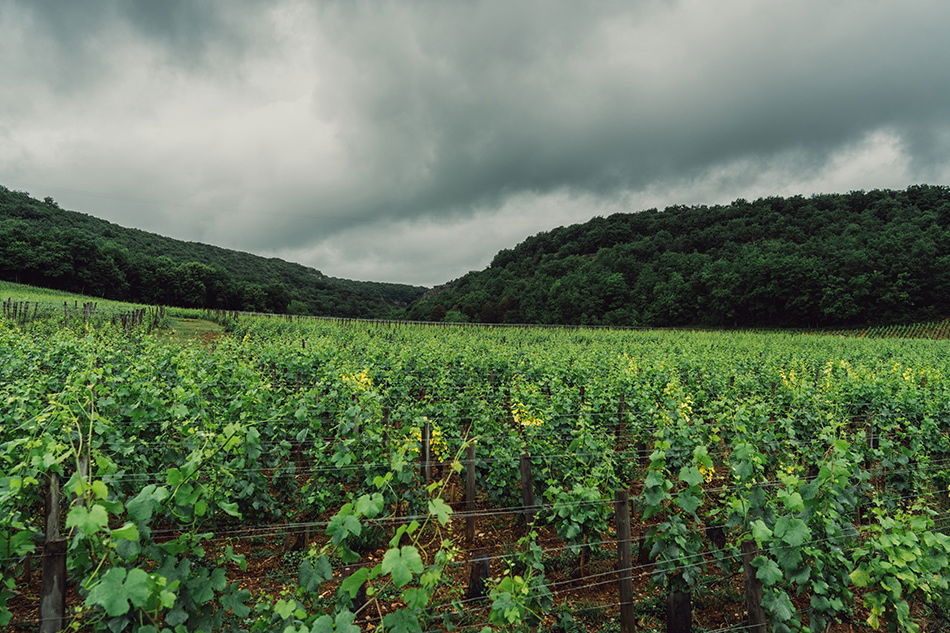

Domaine Rene Engel
Vosne-Romanée
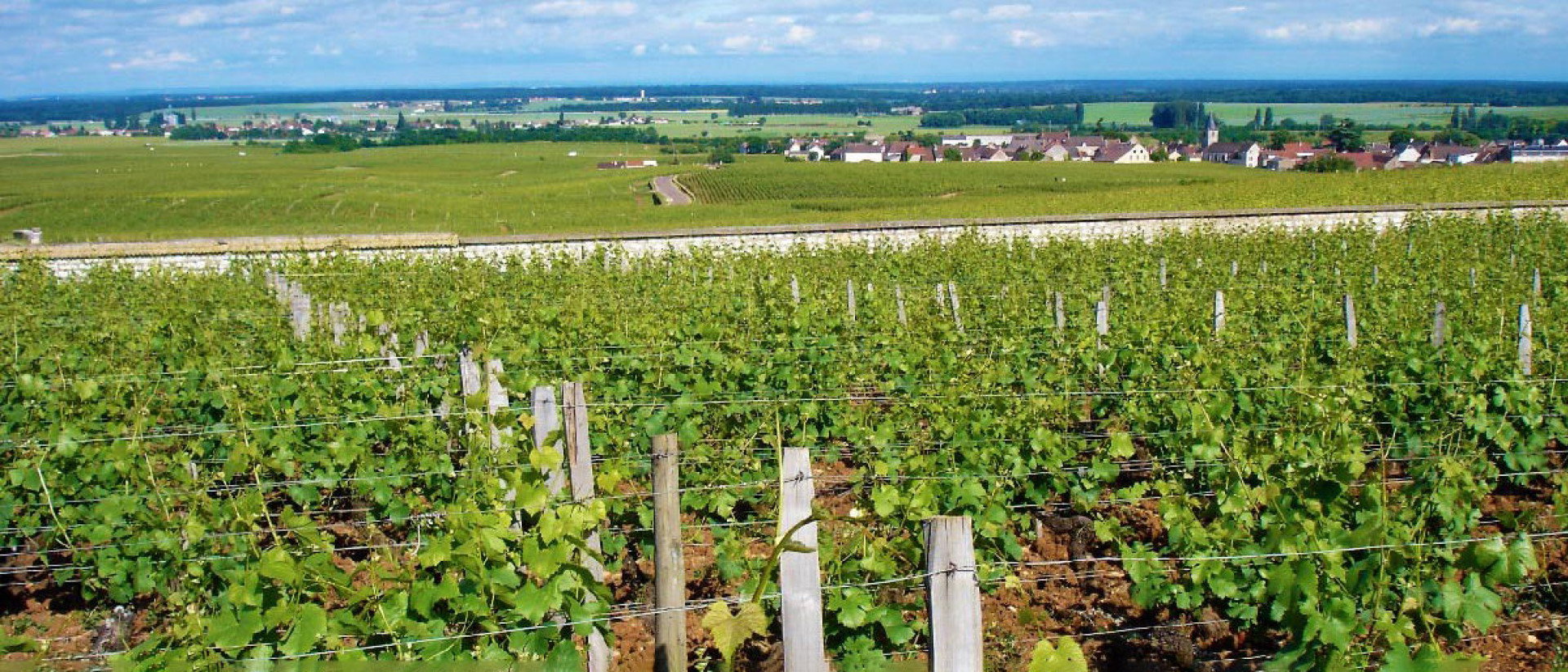
Winery in Vosne-Romanée, France
 Book with Pearl
The Read
Legacy Terroir Custodianship
Why go
Treat Domaine Rene Engel as a serious Burgundy reference point, not an easy winery visit. It is most useful for collectors and wine travelers trying to understand Vosne-Romanée's high-pressure producer map; for a smoother trip, cross-shop confirmed-access options in the village first.
About Domaine Rene Engel
Domaine Rene Engel is a Vosne-Romanée name associated with Philippe Engel, who is deceased. The dress code is smart casual, and the venue holds Pearl 3 Star Prestige recognition for 2025. Before planning, check current visits, food, prices, hours, and services directly with the venue.
For readers comparing Domaine Rene Engel with other named references, Domaine Rene Engel is best understood as a Vosne-Romanée reference point. For practical details such as current menu, visitor format, membership model, group capacity, address-level location, or appointment structure, check official channels before building an itinerary.
Use this listing for context, not operational assumptions
For an explorer, the most useful role of Domaine Rene Engel is context. Domaine Henri Jayer, Domaine du Comte Liger-Belair, and Domaine de la Romanée-Conti are useful comparison names for understanding Domaine Rene Engel alongside other notable references, while avoiding assumptions about visitor access or service format.
That means the value question is different from a fully documented hospitality listing. The key takeaways are Pearl 3 Star Prestige recognition, smart casual dress, and a Vosne-Romanée location. If you are planning around Domaine Rene Engel, check current practical details, including tastings, food service, appointment length, pricing, and amenities, through official channels.
Use Vosne-Romanée as the base, then widen the comparison set
Keep the itinerary focused on firm plans. For broader trip planning, use the Vosne-Romanée guide, then layer in meals, rooms, and after-hours plans through the restaurants, hotels, bars, and experiences guides. Domaine Rene Engel can anchor research into Vosne-Romanée, but the current details of any visit should be checked before arrival.
For comparison, Domaine Francois Raveneau provides another reference point, while Domaine Gros Frère et Sœur offers another name to consider when looking across related venues. Use these comparisons to frame the conversation, not as a substitute for checking current access, services, or availability.
Planning details
- Location
- 4 Rue de la Goillotte, 21700 Vosne-Romanée, France (Now Domaine d'Eugénie)
- Website
- domaine-eugenie.com/%20(Successor:%20Domaine%20d'Eug%C3%A9nie)
The take
The Take
The Vibe
Domaine René Engel reads as a piece of Côte de Nuits history. The write-up frames the address and vineyard holdings as enduring markers — bottles carry village, premier cru or grand cru pedigree and the domaine once 'occupied a position that collectors tracked closely for decades.' That sense of lineage and place gives the estate a distinctly historic, benchmark quality: this is a property where reputation attaches to the vineyard and family line as much as the current label, and where critical memory still informs how collectors and scholars think about Vosne‑Romée.
Best For
This domaine is best suited to collectors, serious students of Burgundy and anyone seeking a touchstone of Vosne‑Romée provenance. The piece stresses the estate’s role as a benchmark across reference vintages and its presence in auction catalogs, so visits or acquisitions tend to appeal to those interested in provenance, historical vintages and education about terroir. It also reads as appropriate for special occasions when a rare bottle or historically notable vineyard expression is called for, rather than casual or everyday drinking.
Tasting Tips
When pursuing bottles linked to this address, prioritize provenance and vineyard designation: the text highlights holdings in Clos Vougeot and Grands Échézeaux and notes that Engel‑named wines appear in auction houses. Expect scarcity and prices that reflect vineyard quality and collector demand. Look for vintages associated with Philippe Engel’s tenure and confirm label details and provenance before purchase; critical distinctions in Burgundy often hinge on the vineyard address and the specific bottling rather than broader regional cues.
Venue details
Ambiance
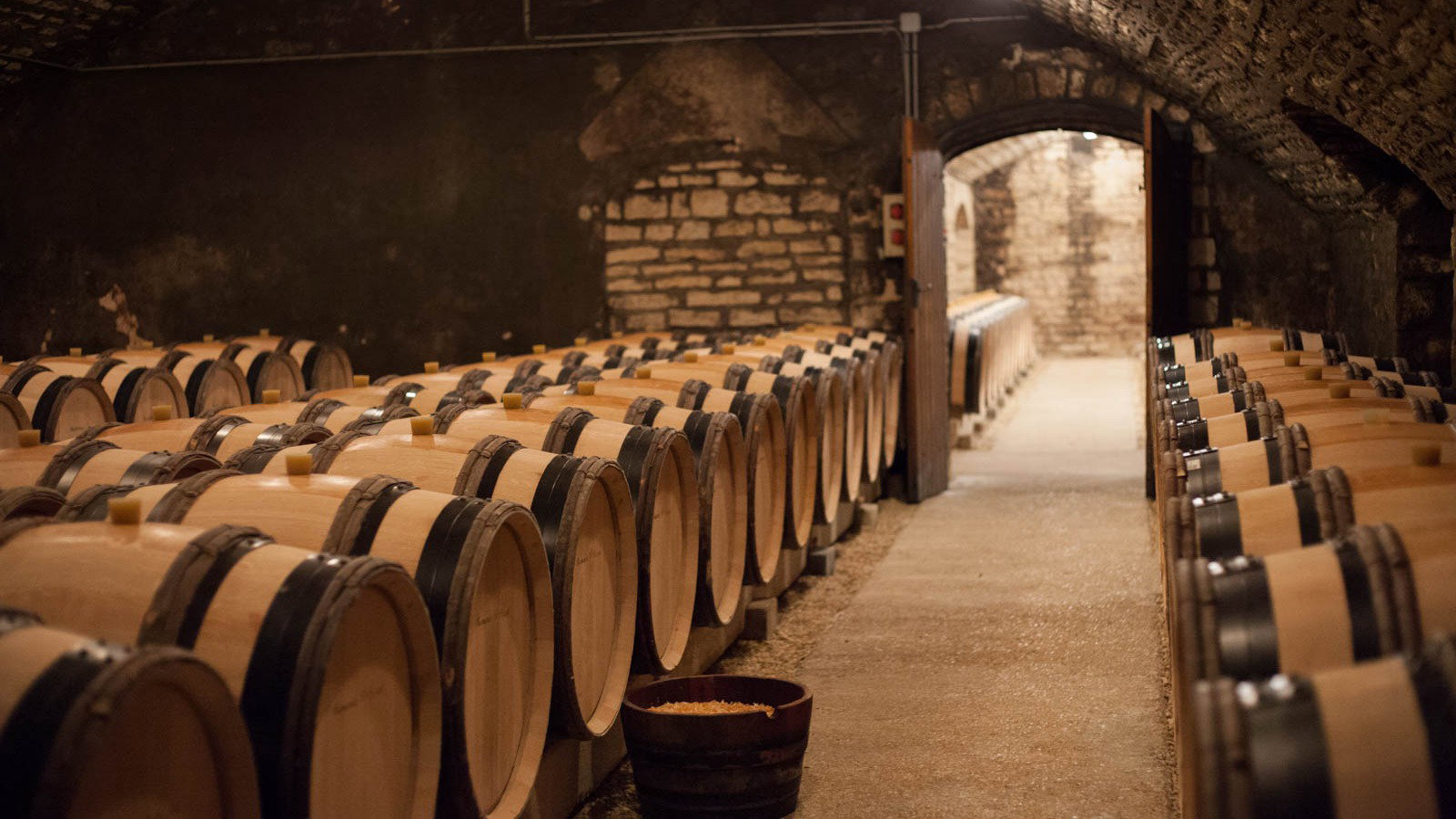
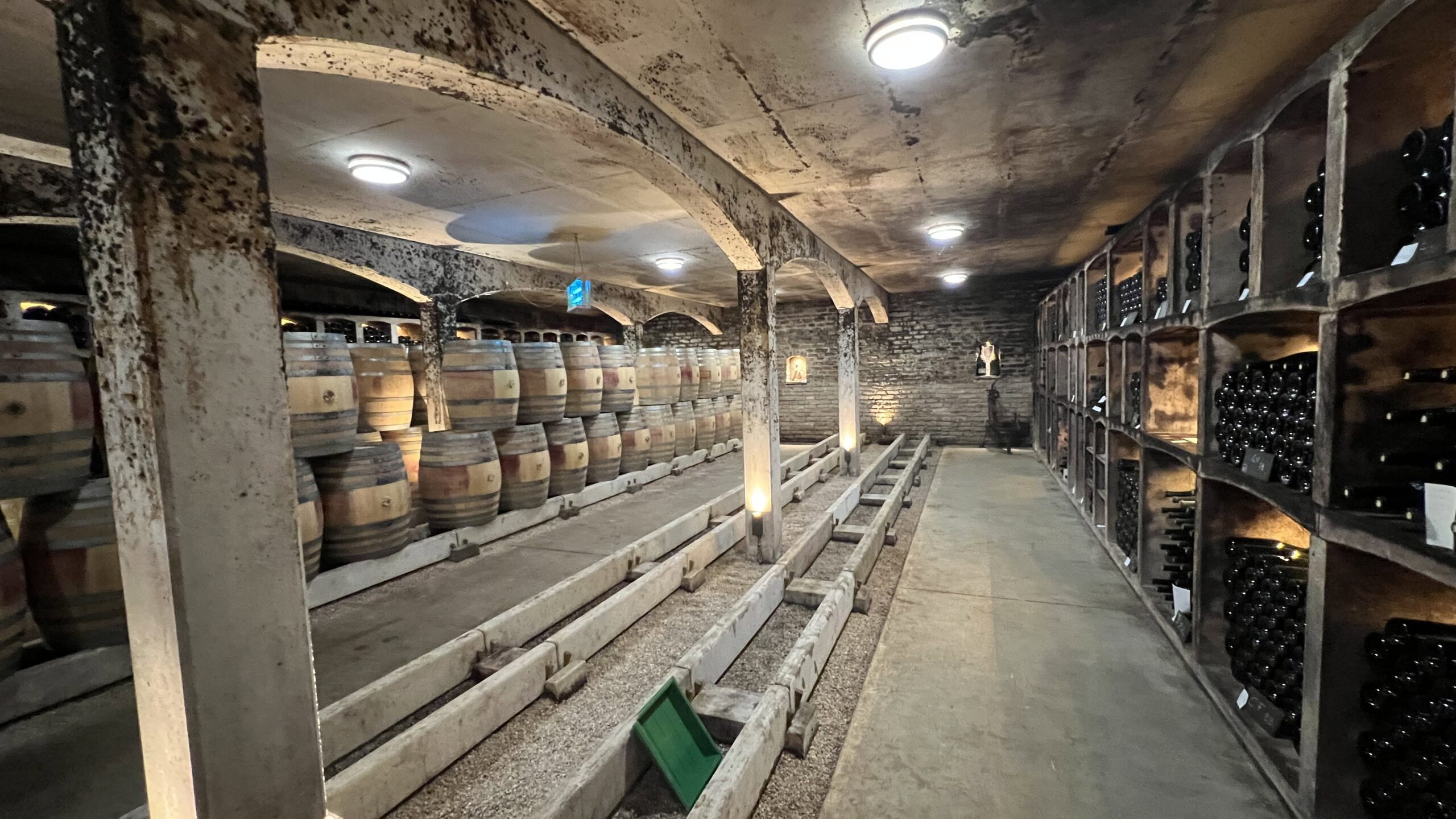
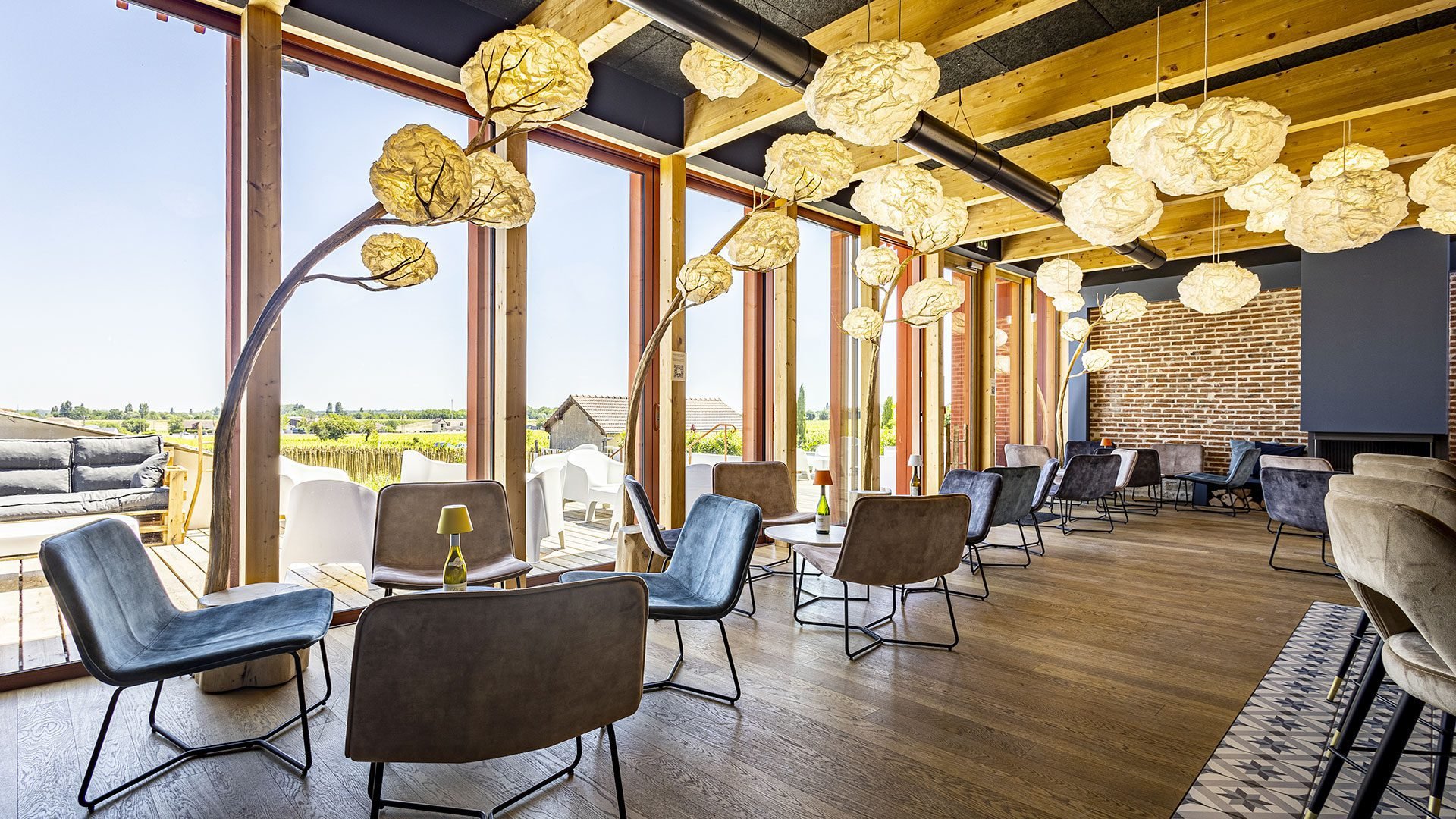
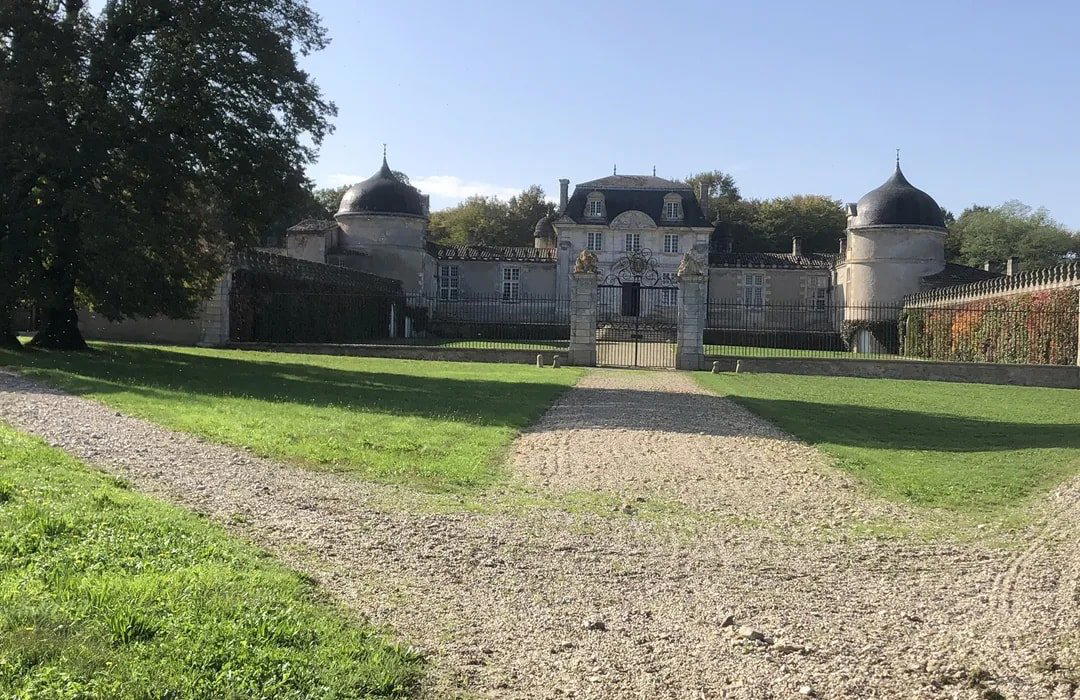
Classic and elegant with a focus on tradition in an imposing early 1900s building featuring a vaulted cellar.
Tags
Vibe
Best For
Experience
View
At the Vineyard
- Appellation
- Vosne-Romanée AOC
- Varietals
- Pinot Noir
- Tour Duration
- 60-90 minutes
- Visits
- By appointment only
- Wine Styles
- Still Red
- Wine Club
- Not available
Know before you go
Know Before You Go
- Getting there
- 4 Rue de la Goillotte, 21700 Vosne-Romanée, France (Now Domaine d'Eugénie)
Planning details
Location
4 Rue de la Goillotte, 21700 Vosne-Romanée, France (Now Domaine d'Eugénie) · Directions
domaine-eugenie.com/%20(Successor:%20Domaine%20d'Eug%C3%A9nie)
Recognition and awards
Also consider
Where to Look If This Is Not Feasible
If access is the issue, start with Domaine Gros Frère et Sœur for a nearby Vosne-Romanée comparison. If the trip is collector-led rather than appointment-led, keep Domaine Henri Jayer in the research set as the closest reference point for historical scarcity and market weight.
Winery context
How It Compares
Domaine Rene Engel is the choice for historical and collector context, not for readers who want a simple tasting appointment. Against Domaine du Comte Liger-Belair and Domaine de la Romanée-Conti, it belongs in the same high-demand Vosne-Romanée conversation, but the practical value is different: less about a visitor-facing experience and more about understanding why certain addresses shape buying decisions.
Domaine Gros Frère et Sœur is the more useful cross-shop if the goal is comparing nearby producers rather than chasing a historic name. Domaine Henri Jayer is the closest peer in collector logic: both are better treated as reference points than standard trip stops. Domaine Francois Raveneau widens the frame outside Vosne-Romanée and is stronger for readers comparing Burgundy demand across regions rather than within one village.
For value for money, do not judge this like a tasting-room visit. The return is strongest for serious wine travelers who want context before buying or drinking Vosne-Romanée. For ambiance and ease, prioritize confirmed appointments elsewhere; for depth and provenance-led Burgundy study, keep this name on the map.
Explore Vosne-Romanée
Around this place
Discover more on Pearl
Unlock the full Domaine Rene Engel guide in Pearl, including awards, comparisons, FAQs, planning details, and nearby places.
Compare Domaine Rene Engel
| Venue | Location | Awards |
|---|---|---|
| Domaine Rene Engel | Vosne-Romanée | 2025 Pearl 3 Star Prestige |
| Domaine du Comte Liger-Belair | Vosne-Romanée | 2026 Falstaff Winery Guide2025 Pearl 5 Star Prestige |
| Domaine Gros Frère et Sœur | Vosne-Romanée | No published awards |
| Domaine Henri Jayer | Burgundy | No published awards |
| Domaine Francois Raveneau | Chablis | 2025 Pearl 5 Star Prestige |
| Domaine de la Romanée-Conti | Vosne-Romanée | 2026 Falstaff Winery Guide2026 Michelin 3 Grapes - Burgundy2025 Pearl 5 Star Prestige |

How Domaine Rene Engel Vosne-Romanée: Pearl Prestige compares with similar nearby venues.
FAQ
Frequently Asked Questions
What comparison venues are relevant to Domaine Rene Engel?
Relevant comparison names include Domaine de la Romanée-Conti, Domaine du Comte Liger-Belair, and Domaine Gros Frère et Sœur. Domaine Rene Engel should be considered within its Vosne-Romanée context, while current visit details should be checked directly.
Is there a wine club at Domaine Rene Engel?
Membership or wine-club details for Domaine Rene Engel should be checked through official channels. Key venue facts include Pearl 3 Star Prestige recognition for 2025, a Vosne-Romanée location, smart casual dress code, and Philippe Engel's association with the domaine. Check official channels for any current membership or allocation details.
Can Domaine Rene Engel handle large groups?
Does Domaine Rene Engel serve food?
How long should I plan for a visit to Domaine Rene Engel?
Use Vosne-Romanée as the location context, note the Pearl 3 Star Prestige recognition for 2025, and check timing directly before planning around comparisons such as Domaine du Comte Liger-Belair or Domaine de la Romanée-Conti.