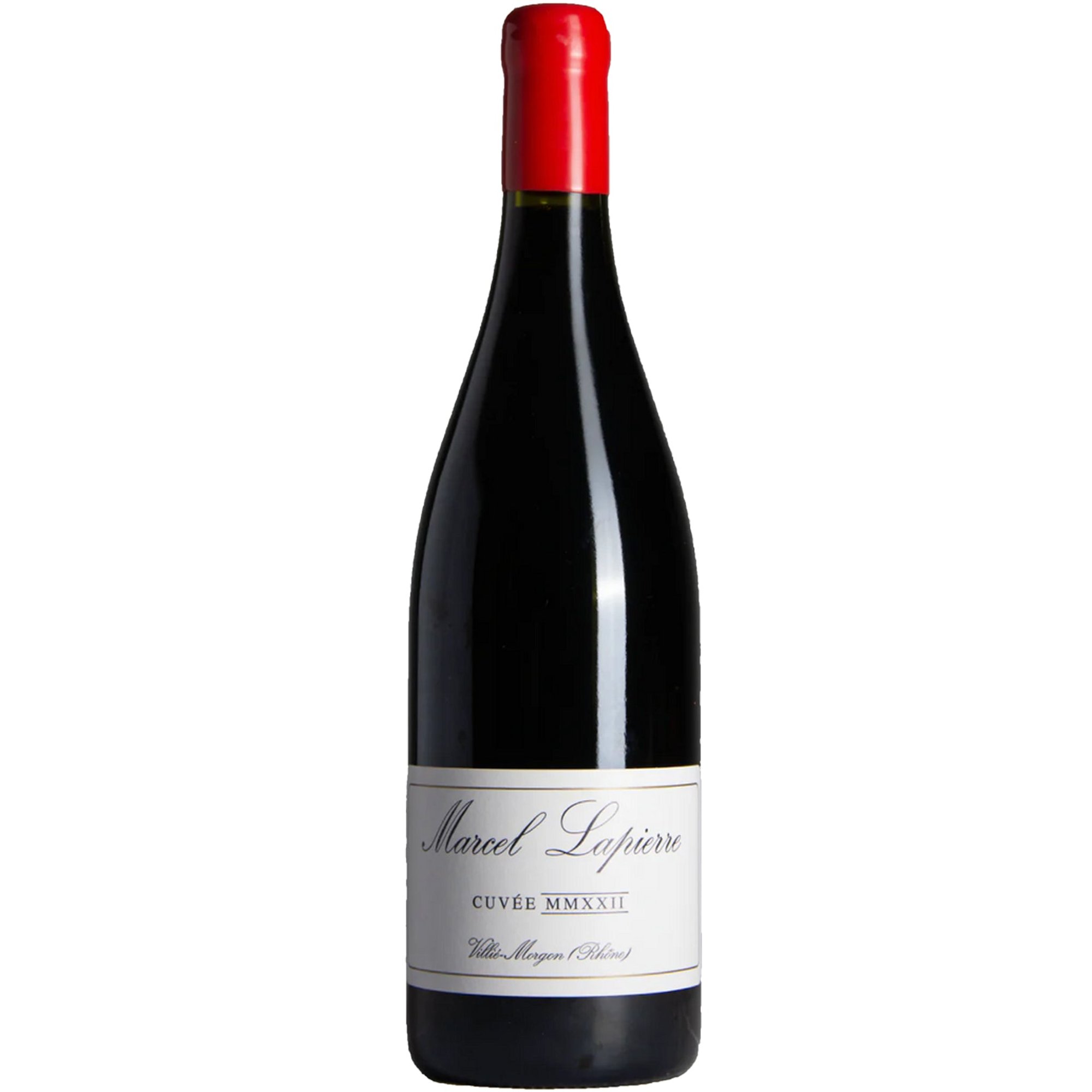
Domaine Marcel Lapierre
Villié-Morgon
Winery in Villié-Morgon, France
 Book with Pearl
The Read
Granite-Rooted Gamay
Why go
Domaine Marcel Lapierre is worth targeting if Morgon is the point of the trip, not just a convenient Beaujolais stop. Access is difficult, so treat it as an anchor appointment and cross-shop Domaine Jean Foillard first if you want a similarly serious Villié-Morgon day.
About Domaine Marcel Lapierre
Domaine Marcel Lapierre is a venue in Villié-Morgon with a casual dress code and Pearl 2 Star Prestige recognition for 2025.
Book for fit, not assumptions
The confirmed information is limited: Domaine Marcel Lapierre is in Villié-Morgon, the dress code is casual, and it holds Pearl 2 Star Prestige (2025). Specific details such as opening hours, reservation process, visitor format, service, prices, purchasing options, or visitor amenities should be confirmed directly with the venue before making plans.
If you are comparing it with other names, the relevant comparison set includes Domaine Jean Foillard, Château Thivin, Georges Duboeuf, Mommessin, and Domaine J.-A. Ferret. Other dining or visiting options in Villié-Morgon can be considered generically.
How to decide if it belongs on the itinerary
Choose Domaine Marcel Lapierre if a Villié-Morgon stop with a casual dress code and Pearl 2 Star Prestige (2025) recognition fits your trip. Do not assume details such as walk-in access, visit length, availability of items to purchase, pairings, delivery, or a particular style of visit.
For comparison planning, Domaine Jean Foillard is another named option to consider, while Georges Duboeuf, Mommessin, Château Thivin, and Domaine J.-A. Ferret may help frame a wider itinerary. Keep the comparison practical: confirm each venue's current location, access, and visitor details directly before building a day around it.
Planning details
- Location
- 588 Rue Rabelais, 69910 Villié-Morgon
- Website
- marcel-lapierre.com
- Phone
- +33 4 74 04 23 89
The take
The Take
The Vibe
Domaine Marcel Lapierre reads as an iconic, sophisticated address in Morgon: a producer whose name surfaces whenever serious discussions of Beaujolais terroir and low‑intervention practice occur. The write‑up highlights both the granitic, schist‑rich soils that give these wines their distinctive register and the domaine’s standing within collector circles via an EP Club Pearl Prestige rating. Rather than festival‑style Beaujolais, this is measured, terroir‑driven production rooted in an influential natural‑wine tradition. Expect a focused, academically minded atmosphere that rewards attention to winemaking detail and vineyard expression rather than flash or novelty.
Best For
This domaine is best approached as a destination for wine education and solitary study. The profile centers on the site’s role in the development of low‑intervention Beaujolais and its historical links to Jules Chauvet’s work, making it particularly fruitful for visitors who want to trace technique to taste. Collectors and serious tasters who prioritize terroir, vintage variation and the region’s evolving reputation will find the domaine revealing. It’s less about entertainment and more about substantive encounters with Morgon’s soils, vines and methodical winemaking choices.
Tasting Tips
When engaging with Lapierre’s bottles or a tasting, lean into questions about provenance and technique: ask which parcels came from granitic or schist soils and how those sites influence the wines’ structure. The profile emphasizes the domaine’s low‑intervention history and its link to carbonic maceration approaches explored with Jules Chauvet, so inquire about sulphur use and vinification choices across vintages. Given the EP Club Pearl Prestige rating, seek examples that demonstrate ageability and collector interest rather than only youthful fruit; prioritize cru Morgon bottlings to understand the estate’s signature expression.
Venue details
Ambiance
rustic family estate amid granitic vineyards with a focus on natural, pure fruit-driven wines in a serene, traditional setting.
Tags
Vibe
Best For
Experience
Sourcing
View
At the Vineyard
- Appellation
- Morgon AOC
- Varietals
- Gamay
- Tour Duration
- 60-90 minutes
- Tour Languages
- French, English
- Visits
- By appointment only
- Farming
- Natural wine
- Wine Styles
- Still Red
- Wine Club
- Available
Know before you go
Know Before You Go
- Getting there
- 588 Rue Rabelais, 69910 Villié-Morgon
Planning details
Location
Also consider
Where to Look If This Is Full
Try Domaine Jean Foillard first if the goal is still a serious Villié-Morgon visit. Choose Georges Duboeuf if the group needs a more flexible, visitor-friendly alternative.
Winery context
How It Compares
Domaine Marcel Lapierre and Domaine Jean Foillard are the most direct comparison for a Morgon-focused itinerary: both make sense for travelers who care more about producer depth than visitor polish. If only one appointment is possible, choose based on confirmed access rather than trying to force both into the same day.
Georges Duboeuf is the easier practical choice for a broader, more accessible Beaujolais visit. Mommessin is a better fit for travelers who want a larger-name Burgundy-Beaujolais context, while Château Thivin suits readers comparing cru Beaujolais beyond Morgon.
Domaine J.-A. Ferret belongs in the cross-shop only if the trip stretches toward a wider Burgundy itinerary. For value, the smarter move is to decide first whether the day is about Morgon specifically; if yes, keep Lapierre and Foillard at the center, then use the others as broader regional backups.
Explore Villié-Morgon
Around this place
Discover more on Pearl
Unlock the full Domaine Marcel Lapierre guide in Pearl, including awards, comparisons, FAQs, planning details, and nearby places.
Compare Domaine Marcel Lapierre
| Venue | Location | Awards |
|---|---|---|
| Domaine Marcel Lapierre | Villié-Morgon | No published awards |
| Domaine Jean Foillard | Villié-Morgon | 2026 Falstaff Winery Guide |
| Georges Duboeuf | Romanèche-Thorins | No published awards |
| Mommessin | Côte de Nuits | 2025 Pearl 3 Star Prestige |
| Château Thivin | Saint-Lager | 2026 Falstaff Winery Guide |
| Domaine J.-A. Ferret | Fuissé | No published awards |


How Domaine Marcel Lapierre Villié-Morgon compares with similar nearby venues.
FAQ
Frequently Asked Questions
What other venues are relevant when comparing Domaine Marcel Lapierre?
The comparison names for planning are Domaine Jean Foillard, Château Thivin, Georges Duboeuf, Mommessin, and Domaine J.-A. Ferret. Domaine Marcel Lapierre is in Villié-Morgon, but exact distances, addresses, or visitor logistics for the comparison venues should be confirmed directly.
How long should I plan for a visit to Domaine Marcel Lapierre?
No visit length, hours, or visitor format is listed here. Treat Domaine Marcel Lapierre as a Villié-Morgon venue to confirm directly before you plan your timing.
Does Domaine Marcel Lapierre offer delivery or shipping?
Delivery and shipping information should be checked directly with Domaine Marcel Lapierre for current purchasing and delivery details.
Is there a membership program at Domaine Marcel Lapierre?
Membership details should be confirmed directly with the venue. If ongoing access is important, ask about any membership or allocation options.
When is the best time to visit Domaine Marcel Lapierre?
What is the flagship offering at Domaine Marcel Lapierre?
The flagship offering is not named here. Ask the venue directly for current details.