Jammertal Wine Estate
Villány
Winery in Villány, Hungary
 Book with Pearl
The Read
Villány Prestige Reds
Why go
Jammertal Wine Estate is the Villány choice for a serious, celebration-minded wine visit rather than a casual tasting crawl. Prioritize it if the goal is a polished estate appointment or a producer-led buying relationship; look to Gere Attila Winery, Wunderlich Winery, or Günzer Tamás Winery if flexibility matters more.
About Jammertal Wine Estate
Jammertal Wine Estate is a Villány venue with Pearl 2 Star Prestige recognition for 2025. The dress code is smart casual. Confirm current arrangements directly before planning around the estate.
For a date, anniversary, or business-hosting day, the practical appeal is that Jammertal Wine Estate has a prestige signal and a smart casual standard. If the goal is a flexible Villány day with several stops, keep the plan adaptable and check details with the venue before committing.
Choose it for a single serious Villány appointment
The strongest signal is its Pearl 2 Star Prestige recognition in 2025. That makes Jammertal Wine Estate a sensible shortlist choice when the day calls for a more considered Villány anchor.
If you are comparing options, Gere Attila Winery, Wunderlich Winery, and Tiffán Ede Winery are natural names to consider as part of a broader Villány plan. Keep the comparison practical: decide which venue best fits the tone of the occasion, then confirm current arrangements directly.
How to frame the value before committing
Do not assume a specific service format, schedule, price, menu, shipping option, or purchase arrangement. Treat Jammertal Wine Estate as a venue to contact in advance, especially for visits where timing and expectations matter.
For a broader day in the region, Günzer Tamás Winery or Günzer Zoltán Winery can also be part of the planning conversation. If the priority is one Villány anchor with a prestige signal, keep Jammertal Wine Estate at the center of the itinerary and avoid overloading the day.
Planning details
- Location
- Villány, Baross Gábor u. 106, 7773
- Website
- jbb.hu
- Phone
- +36 72 592 800
The take
The Take
The Vibe
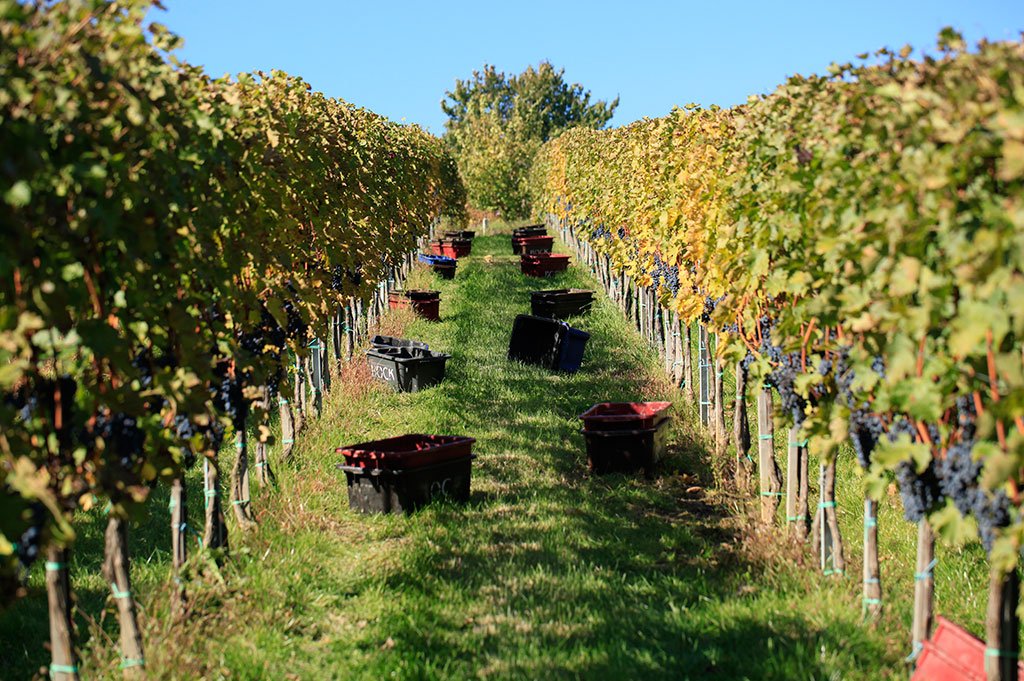
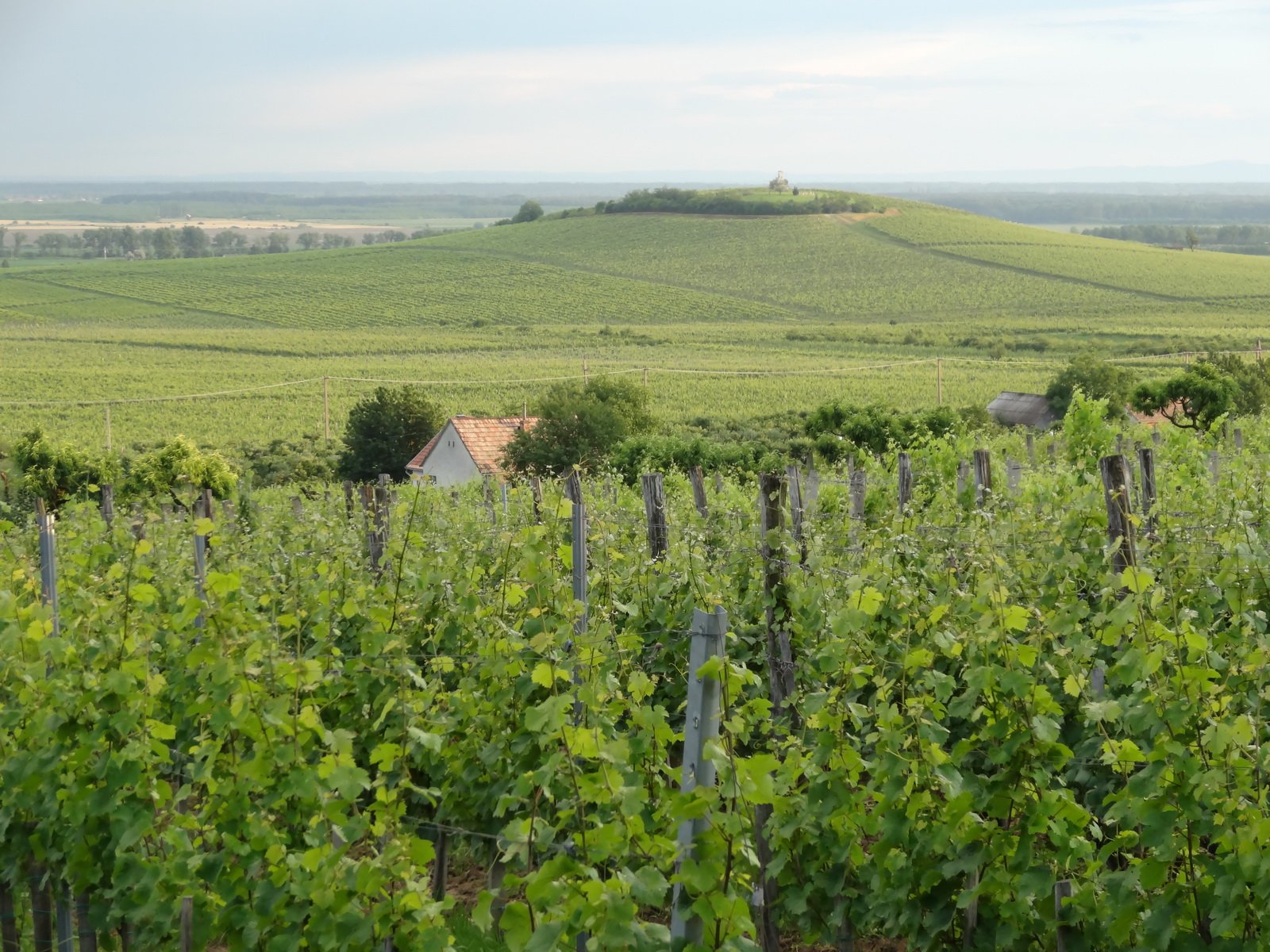
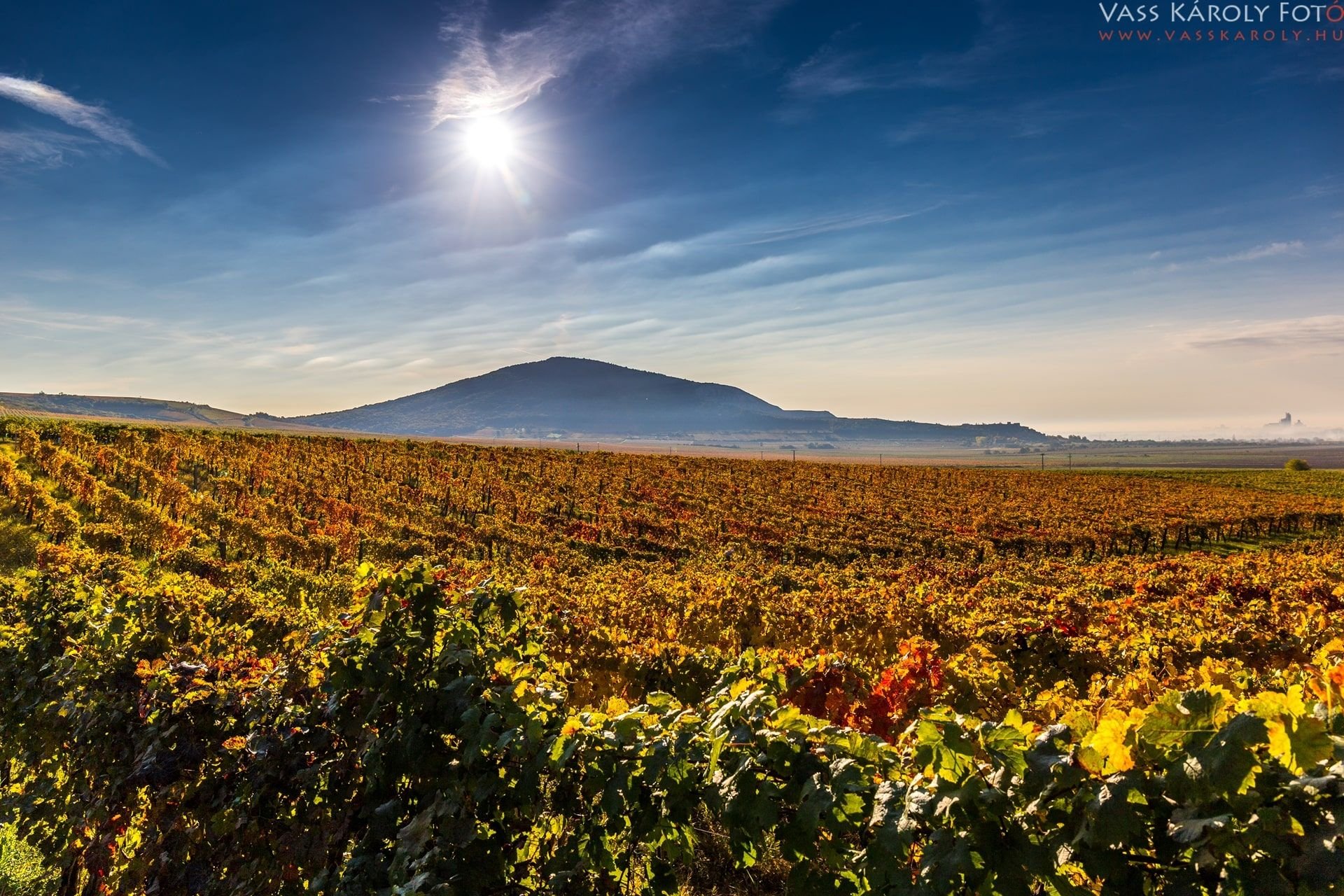
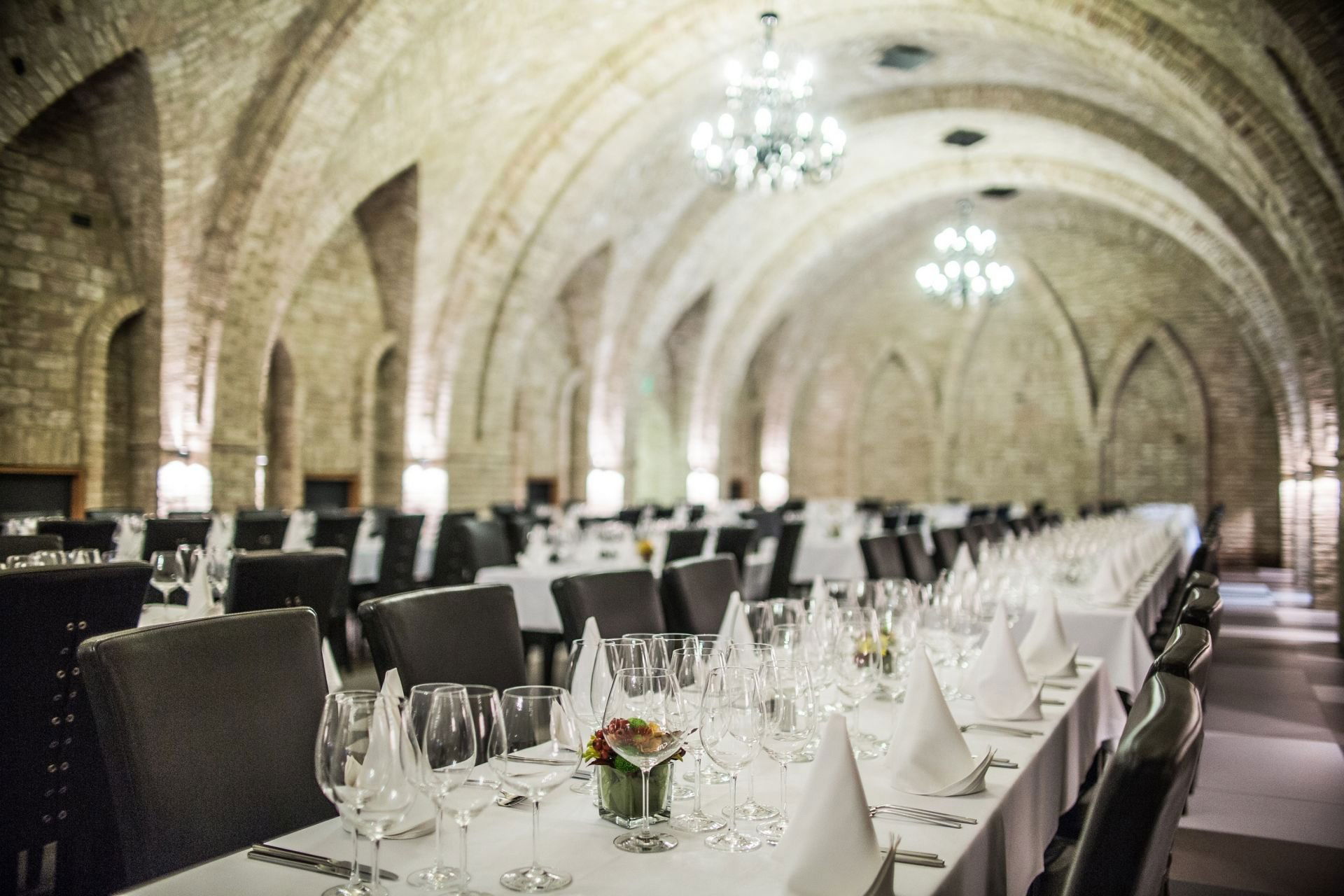
Jammertal Wine Estate reads like a working chapter of Villány's long cellar tradition. Stone facades, low-slung cellar doors and rows of vines climbing toward Szársomlyó hill set a quietly historic, rural tone. The copy emphasizes the region’s limestone-laced soils and a southern sun that lingers into autumn, underlining the place’s terroir-first identity. Cellars that run deep and an industry vocabulary of barrel discipline and patient releases give the estate a serious, time-honored character—less about flash and more about craft, patience and the slow work of making ageworthy red wines.
Best For
This estate suits visitors who come for an earnest study of Villány reds and for milestone visits that favor gravitas over gimmicks. The write-up stresses prestige recognition, barrel discipline and structural focus across vintages, so it particularly rewards those interested in wine education, collector-minded tasting and group outings where the story of place and cellar practice is central. It also reads well as a destination for a special occasion when the aim is to appreciate wines meant for aging and to understand how site and cellar converge in the bottle.
Venue details
Ambiance
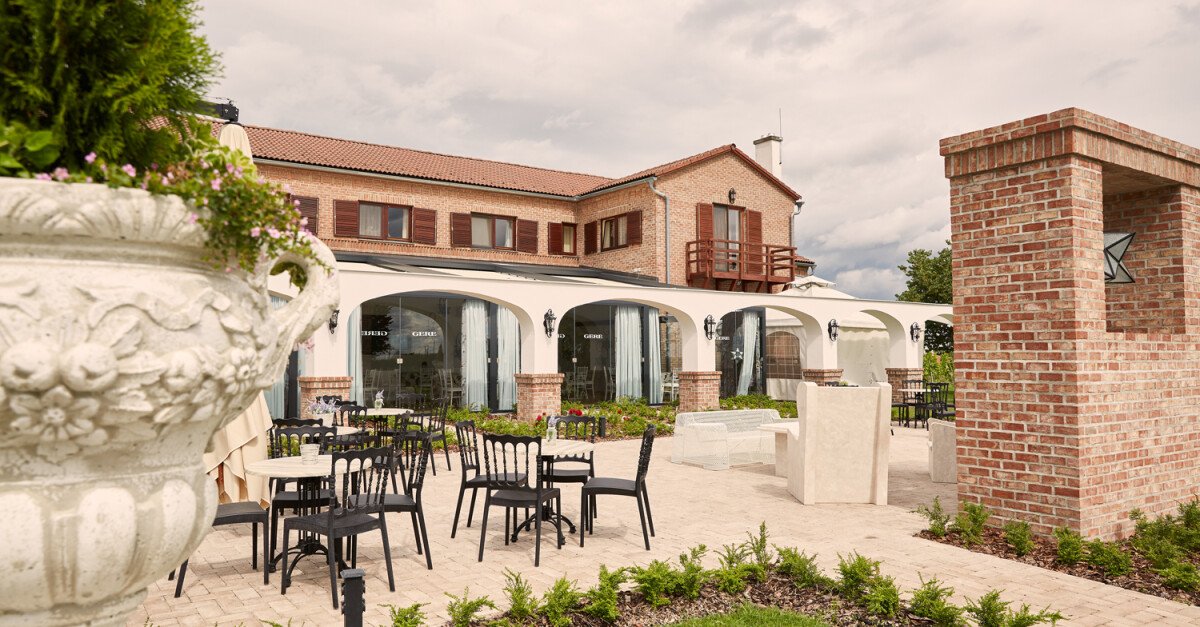
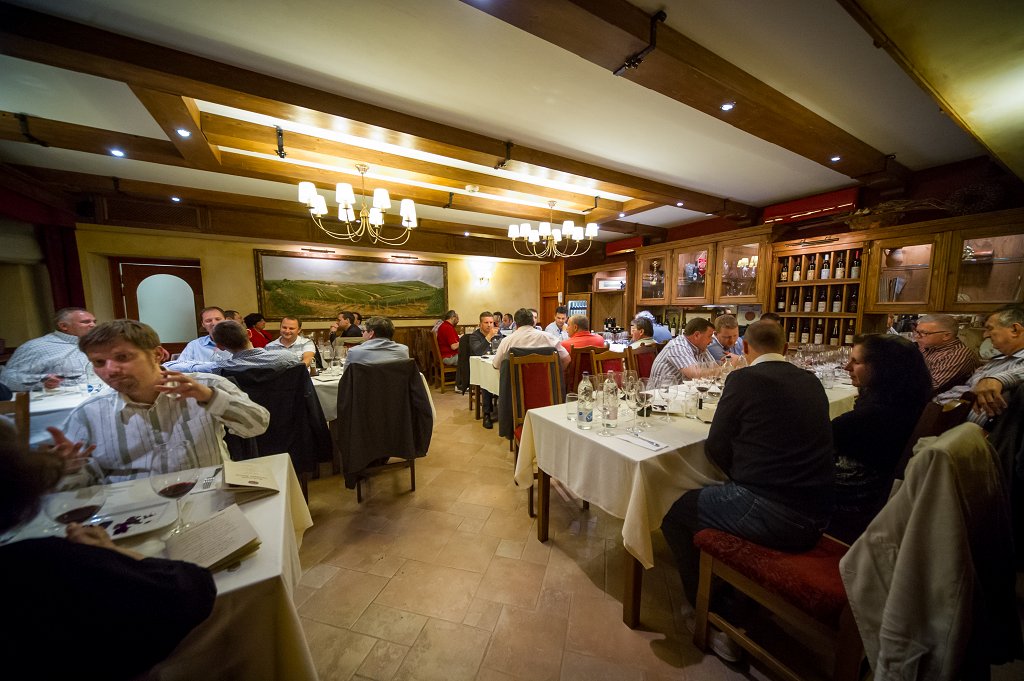
Modern winery facility with state-of-the-art technology combined with traditional winemaking heritage, set in the warm sub-Mediterranean climate of Villány's limestone terroir.
Tags
Vibe
Best For
Experience
Sourcing
View
At the Vineyard
- Appellation
- Villány
- Varietals
- Cabernet Franc, Cabernet Sauvignon, Merlot, Blaufränkisch, Pinot Noir
- Visits
- By appointment only
- Farming
- Sustainable
- Wine Styles
- Still Red
- Shipping
- Available
- Wine Club
- Not available
Know before you go
Know Before You Go
- Getting there
- Villány, Baross Gábor u. 106, 7773
Planning details
Location
Also consider
If you cannot make it work
Try Gere Attila Winery first if you still want a serious Villány name with less pressure around the day. For a more flexible tasting route, Wunderlich Winery or Günzer Tamás Winery will usually make more sense for groups trying to compare several producers.
Winery context
How it compares in Villány
Jammertal Wine Estate is the more commitment-heavy choice in this Villány set: better for a special occasion or serious buying intent than for a flexible afternoon. Gere Attila Winery is the cleaner cross-shop if you want a known Villány name with a more accessible planning profile, while Wunderlich Winery is the safer fallback for visitors who want the day to feel less formal.
For value, start with Günzer Tamás Winery or Günzer Zoltán Winery before committing to a more prestige-led visit. They make more sense when the goal is tasting across Villány without tying the whole day to one estate. Tiffán Ede Winery is another sensible comparison if the group wants a Villány name with a lower-pressure feel.
Book Jammertal when the occasion justifies a single anchor appointment and the group cares about estate stature. Choose the peers when convenience, looser timing, or a wider tasting day matters more than the prestige signal.
Explore Villány
Around this place
Discover more on Pearl
Unlock the full Jammertal Wine Estate guide in Pearl, including awards, comparisons, FAQs, planning details, and nearby places.
Compare Jammertal Wine Estate
| Venue | Location | Awards |
|---|---|---|
| Jammertal Wine Estate | Villány | No published awards |
| Gere Attila Winery | Villány | 2026 Falstaff Winery Guide |
| Wunderlich Winery | Villány | No published awards |
| Tiffán Ede Winery | Villány | No published awards |
| Günzer Tamás Winery | Villány | No published awards |
| Günzer Zoltán Winery | Villány | No published awards |

How Jammertal Wine Estate Villány compares with similar nearby venues.
FAQ
Frequently Asked Questions
Does Jammertal Wine Estate ship wine?
For purchase or delivery logistics, contact the estate directly. For planning purposes, treat Jammertal Wine Estate primarily as an in-person Villány venue.
How long should I plan for a visit to Jammertal Wine Estate?
Because Jammertal Wine Estate holds Pearl 2 Star Prestige recognition for 2025, it is best treated as a planned Villány stop rather than something to squeeze into an uncertain schedule.
When is the best time to visit Jammertal Wine Estate?
What is Jammertal Wine Estate known for?
Jammertal Wine Estate is a Villány venue with Pearl 2 Star Prestige recognition for 2025. The dress code is smart casual.