Fonseca Port
Vila Nova de Gaia
Winery in Vila Nova de Gaia, Portugal
 Book with Pearl
The Read
South-Bank Cellar Tradition
Price
$20–30tasting
Why go
Fonseca Port is worth prioritizing if the goal is a serious Vila Nova de Gaia Port stop rather than a quick riverside tasting. It suits visitors who want producer context, pacing, and a clearer read on house style; pair it with one contrasting Gaia lodge instead of trying to cover too many in a day.
About Fonseca Port
Fonseca Port is a Pearl 2 Star Prestige venue for 2025 in Vila Nova de Gaia. The practical note is the dress code: smart casual. For comparison planning, relevant named alternatives include Dow's Port, Fonseca Port, Niepoort, Ramos Pinto, Sandeman, and Taylor's Port, or you can refer more generally to other Vila Nova de Gaia venues.
Book this with clear expectations
Vila Nova de Gaia is the city for Fonseca Port. Before making plans, check the venue's official channels for detailed service information, visit format, reservation policy, pricing, and opening hours.
The grounded reason to keep Fonseca Port on a premium shortlist is its Pearl 2 Star Prestige recognition for 2025. Beyond that accolade and the smart-casual dress code, confirm the specifics of the experience directly. Treat it as a focused Vila Nova de Gaia option rather than a place to approach with assumptions about timing or service style.
How to fit it into a Gaia day
For planning, keep the day flexible until current details are confirmed by the venue. If you are comparing options, pair Fonseca Port with one or two other named venues rather than building an overstuffed checklist. For a deeper city plan, round out the trip with Our full Vila Nova de Gaia restaurants guide, Our full Vila Nova de Gaia hotels guide, and other Vila Nova de Gaia planning resources.
If the trip extends beyond a single stop, compare Fonseca Port with other suitable names such as Dow's Port, Niepoort, Ramos Pinto, Sandeman, and Taylor's Port, or with other Vila Nova de Gaia dining and hospitality options more generally. Avoid assuming that every venue offers the same format; confirm the current experience, booking requirements, and practical details directly.
Quick reference: choose Fonseca Port as a Pearl 2 Star Prestige option in Vila Nova de Gaia; dress smart casual, keep the day paced, and verify current visit details before you go.
Planning details
- Location
- Rua do Choupelo 54, 4400-187 Vila Nova de Gaia
- Website
- fonseca.pt/en/visitors-centre/fonseca-port-cellars
- Phone
- +351 22 374 2800
The take
The Take
The Vibe
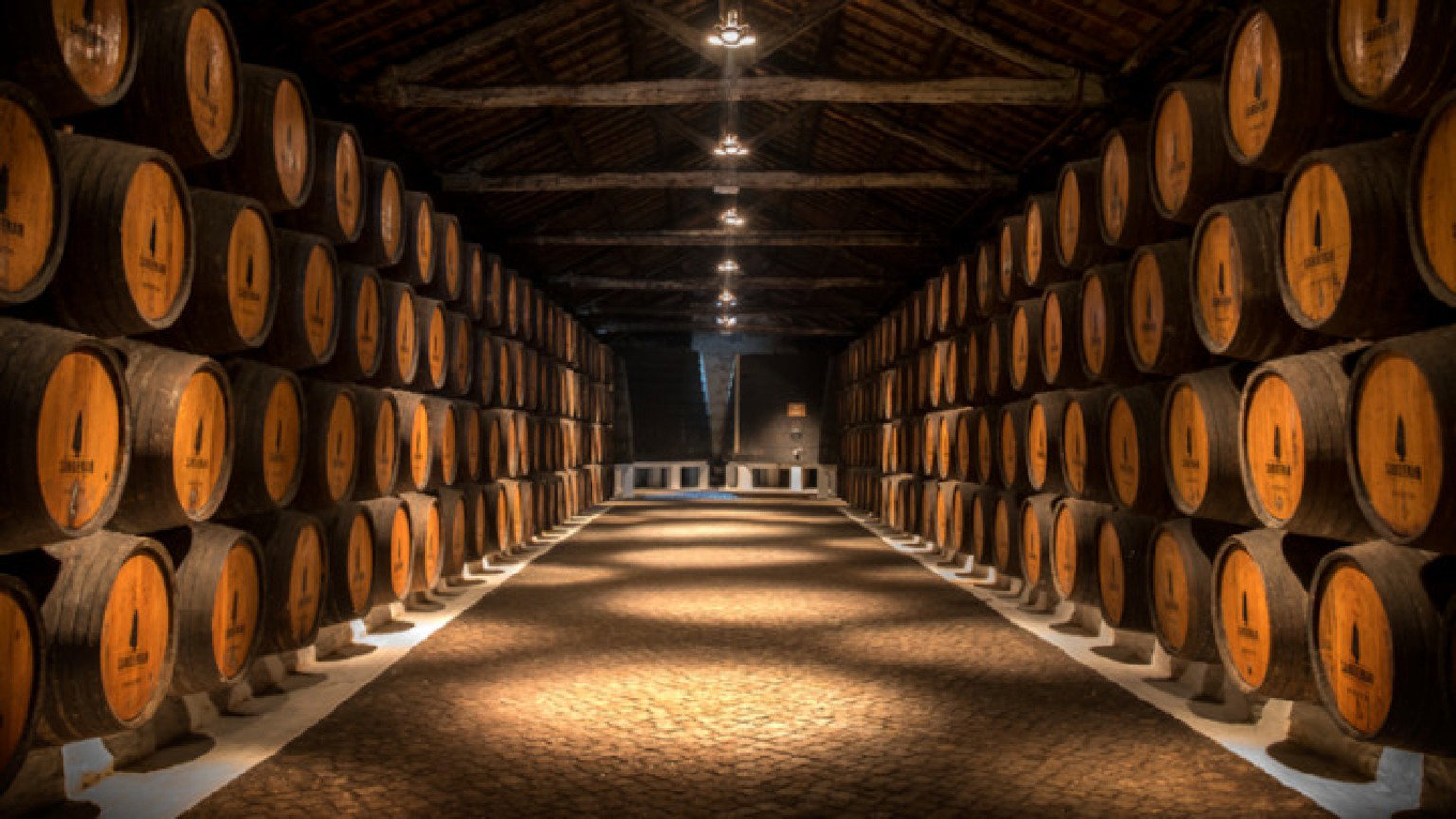
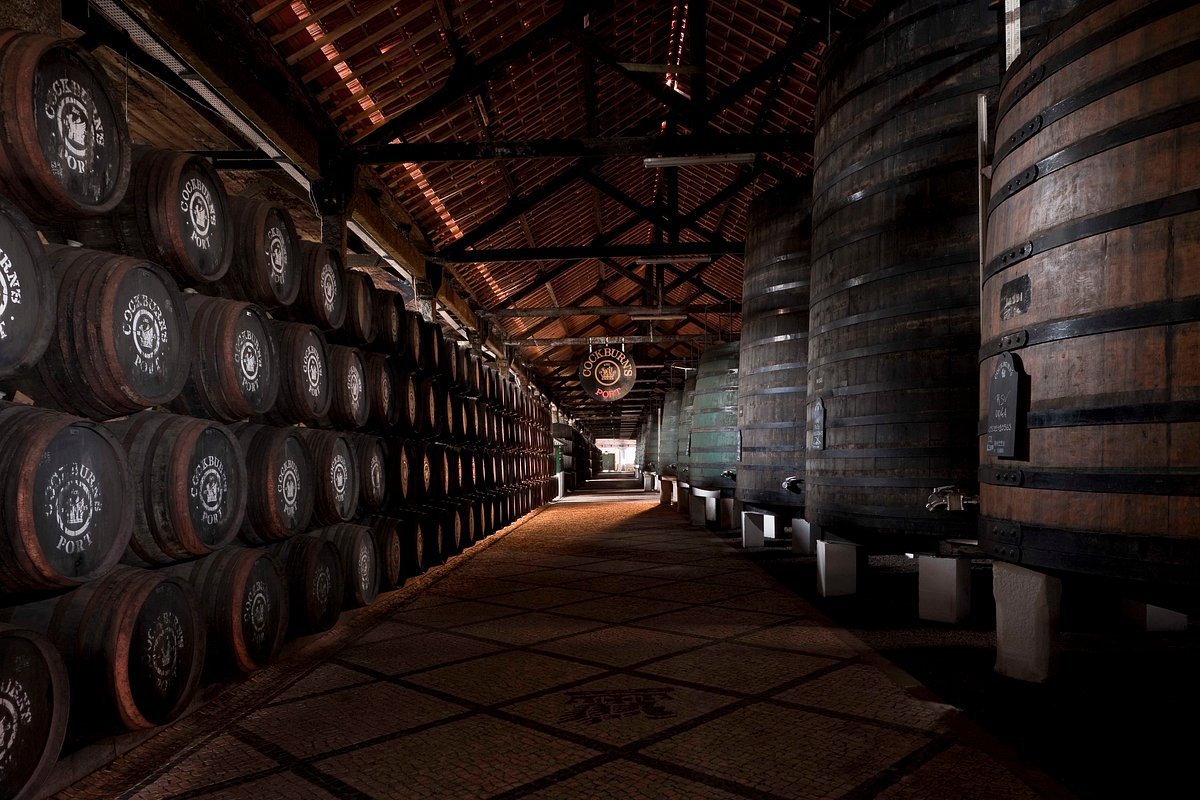
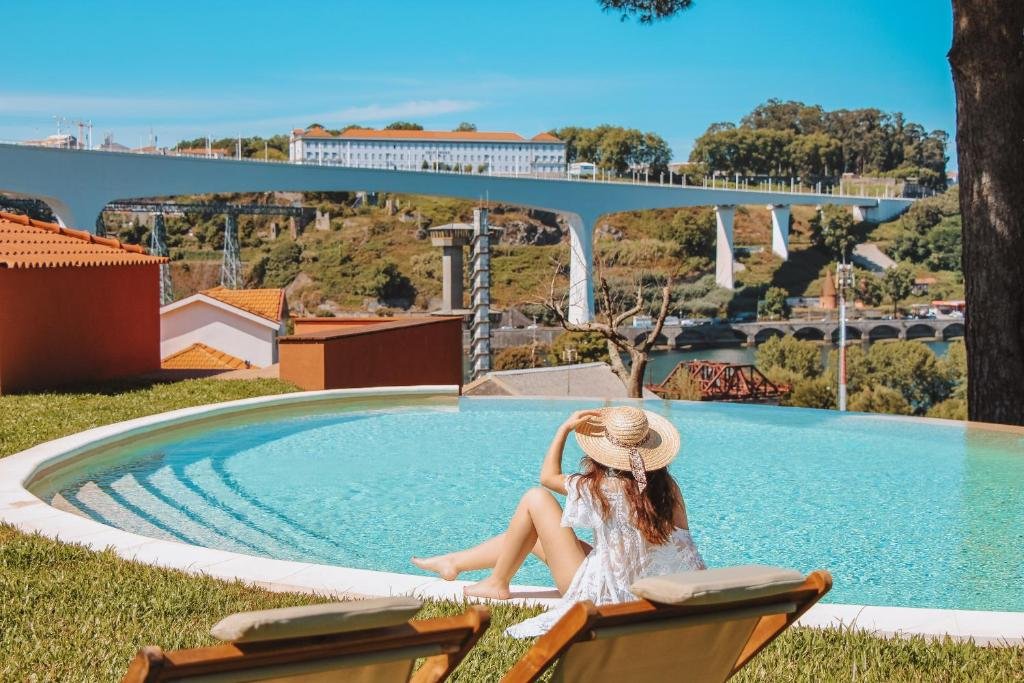
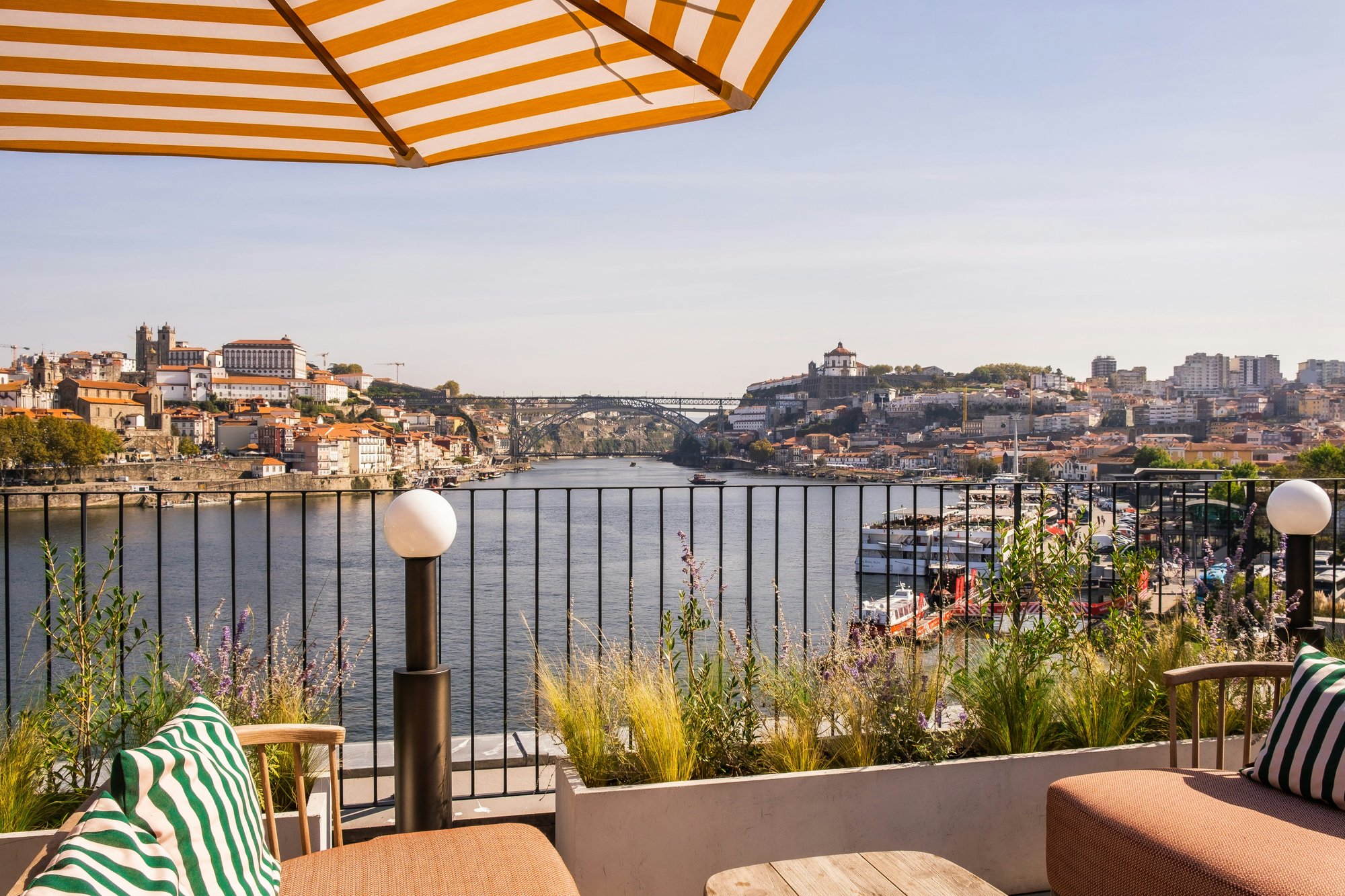
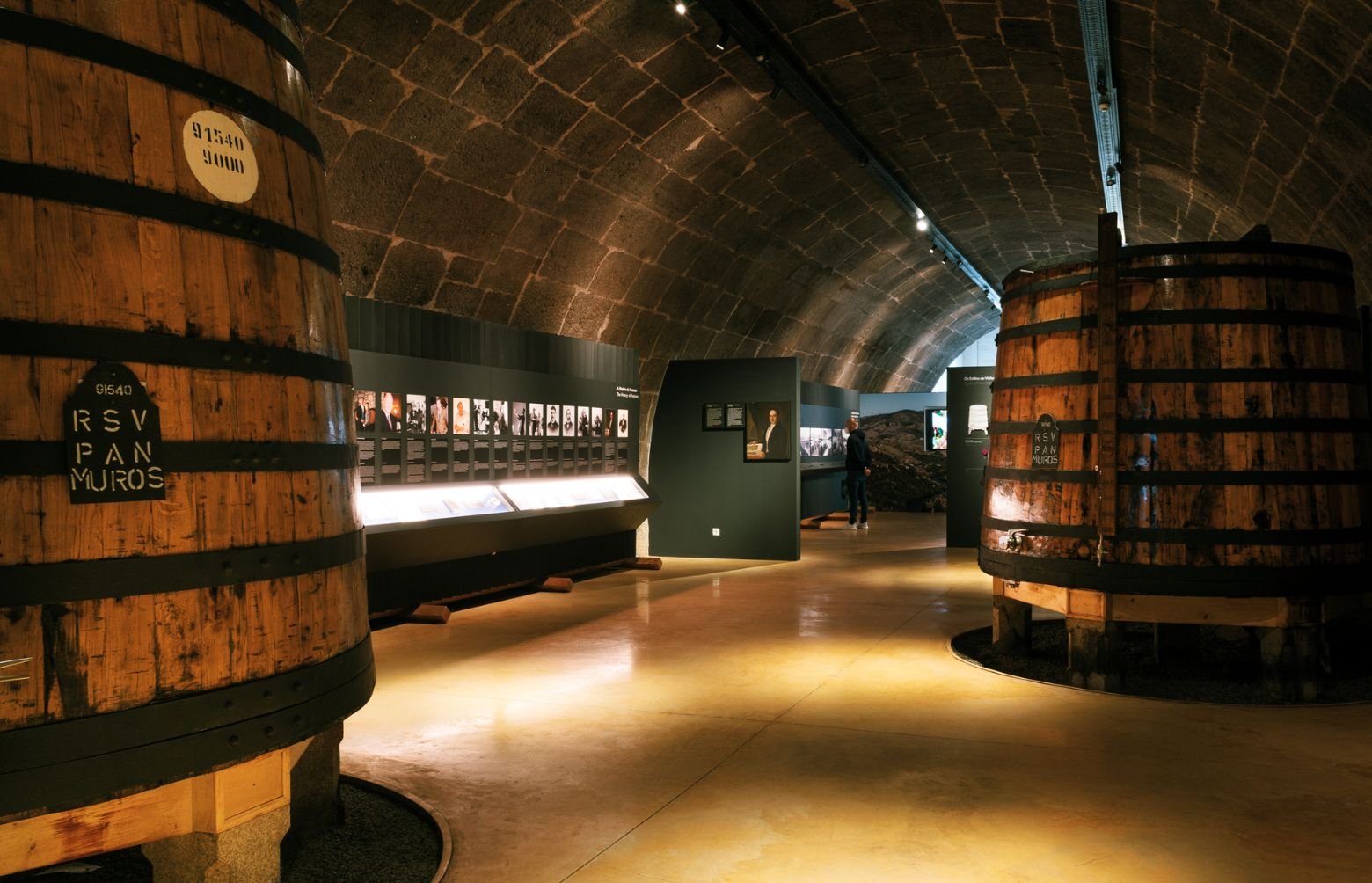
Fonseca Port sits within Gaia’s lodge quarter, where working cellars, ageing inventory and river-facing ridge houses create a distinctly historic and scenic mood. Visits feel like stepping into a living archive: barrel stacks are visible through open cellar doors and the faint sweetness of evaporating wine hangs in the air. Because the lodge occupies a ridge-level position rather than the lower waterfront tier, the setting blends a quiet, contemplative quality with sweeping Douro views. Overall the place reads as scenic and historic with a restrained, quietly focused atmosphere that favors study over spectacle.
Best For
Fonseca is best for travelers who prioritize wine education and serious tasting. The write-up frames the lodge circuit as a place where enthusiasts compare ageing philosophies and production approaches, so visitors seeking context, cellar detail and provenance get the most from a visit. Its Pearl 2 Star Prestige ranking also signals a carefully curated visitor experience, making the lodge appropriate for thoughtful special occasions or milestone visits where depth and authenticity matter more than flashy presentation. Small groups of enthusiasts and pairs who want an informed, cellar-forward outing are the ideal audience.
Tasting Tips
Treat Fonseca as a cellar-first stop: plan time to join a tasting or tour and approach it as part of the wider Gaia lodge circuit so you can compare neighbouring houses. Ask guides about ageing philosophies and point out the visible barrel stocks and open cellar doors—those elements are central to the experience described. Favor ridge-level vantage points for the Douro outlook rather than the lower waterfront tier to appreciate the lodge’s quieter, repository-oriented character. Expect an educational, cellar-focused visit rather than a city-facing spectacle; allow time to walk between lodges for full context.
Venue details
Ambiance
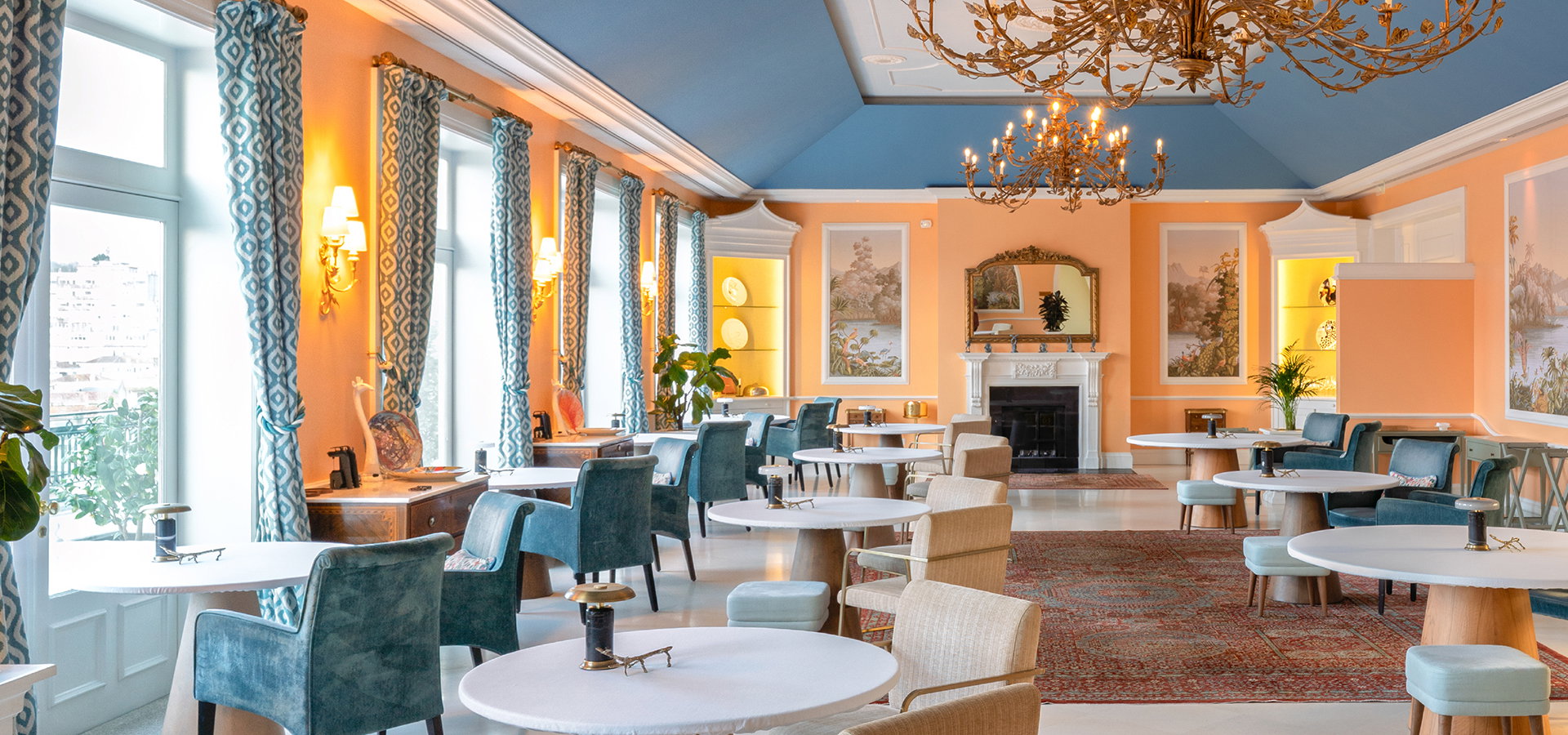
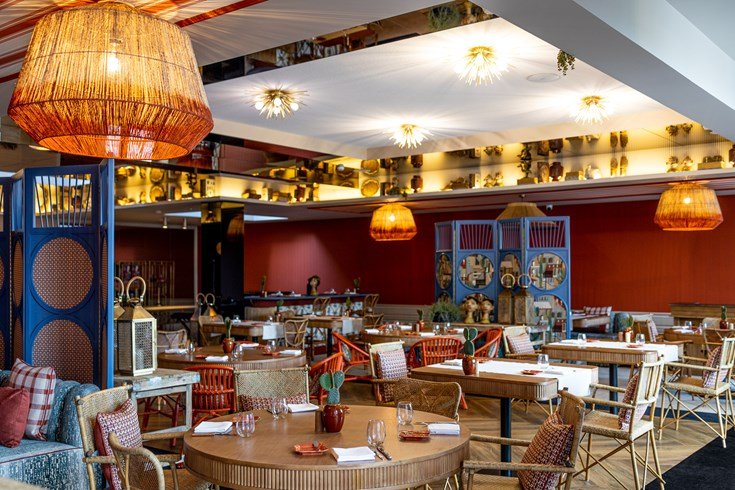
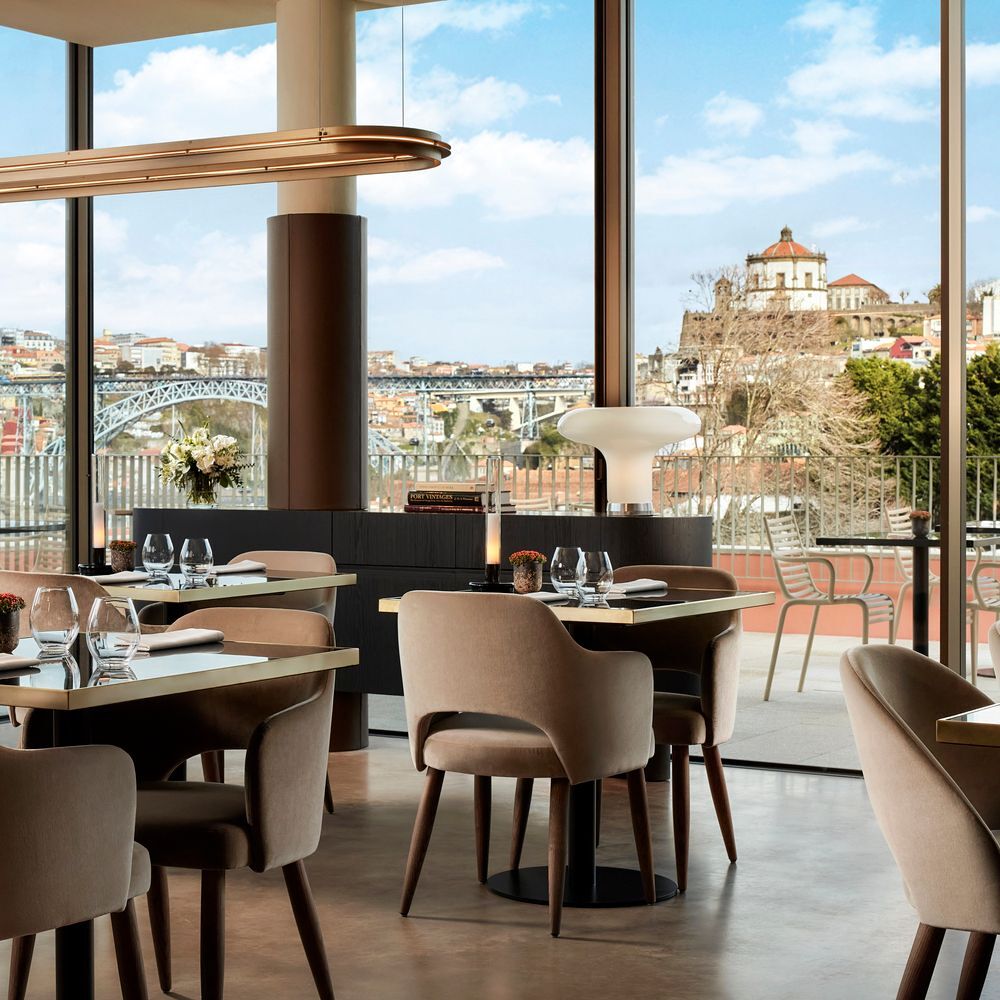
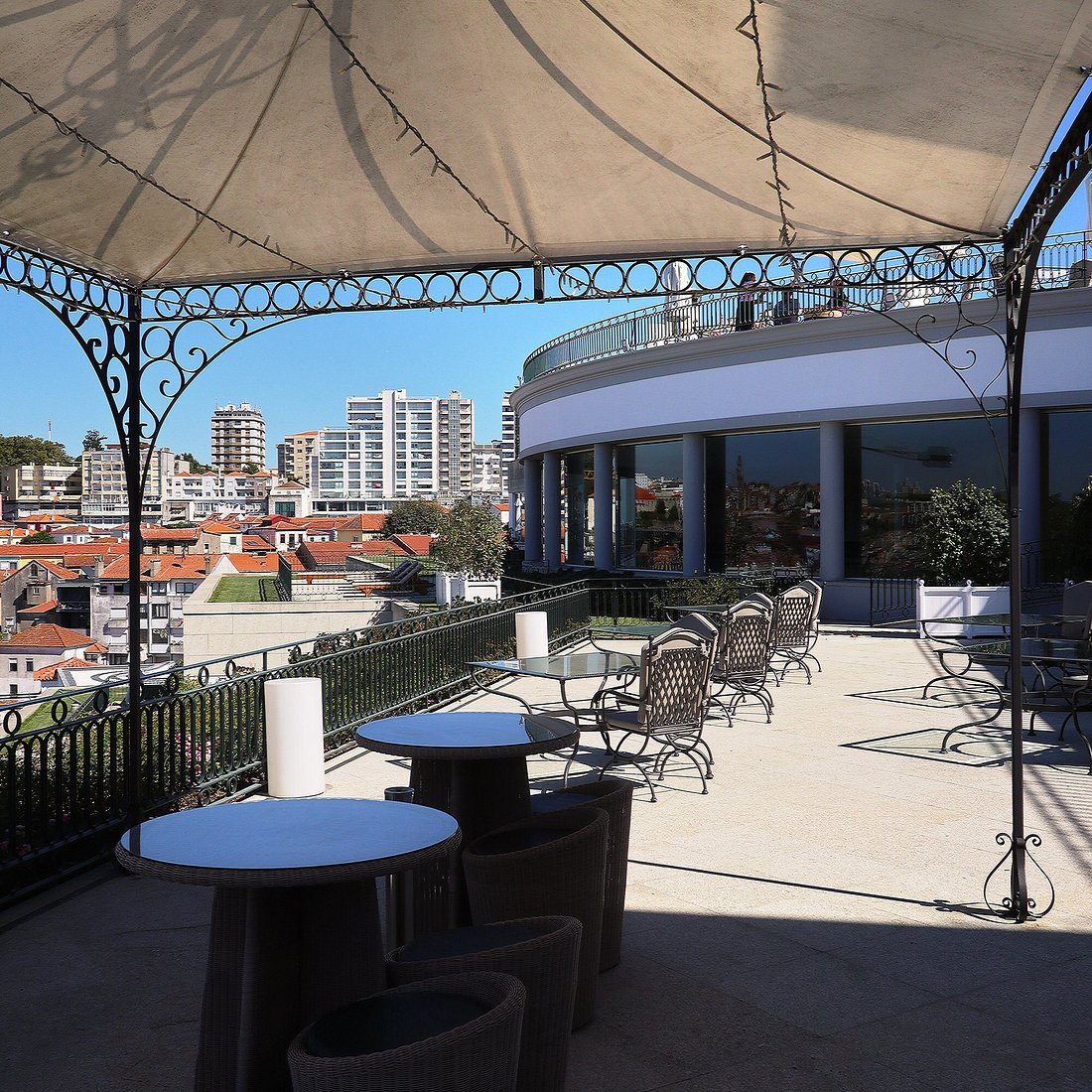
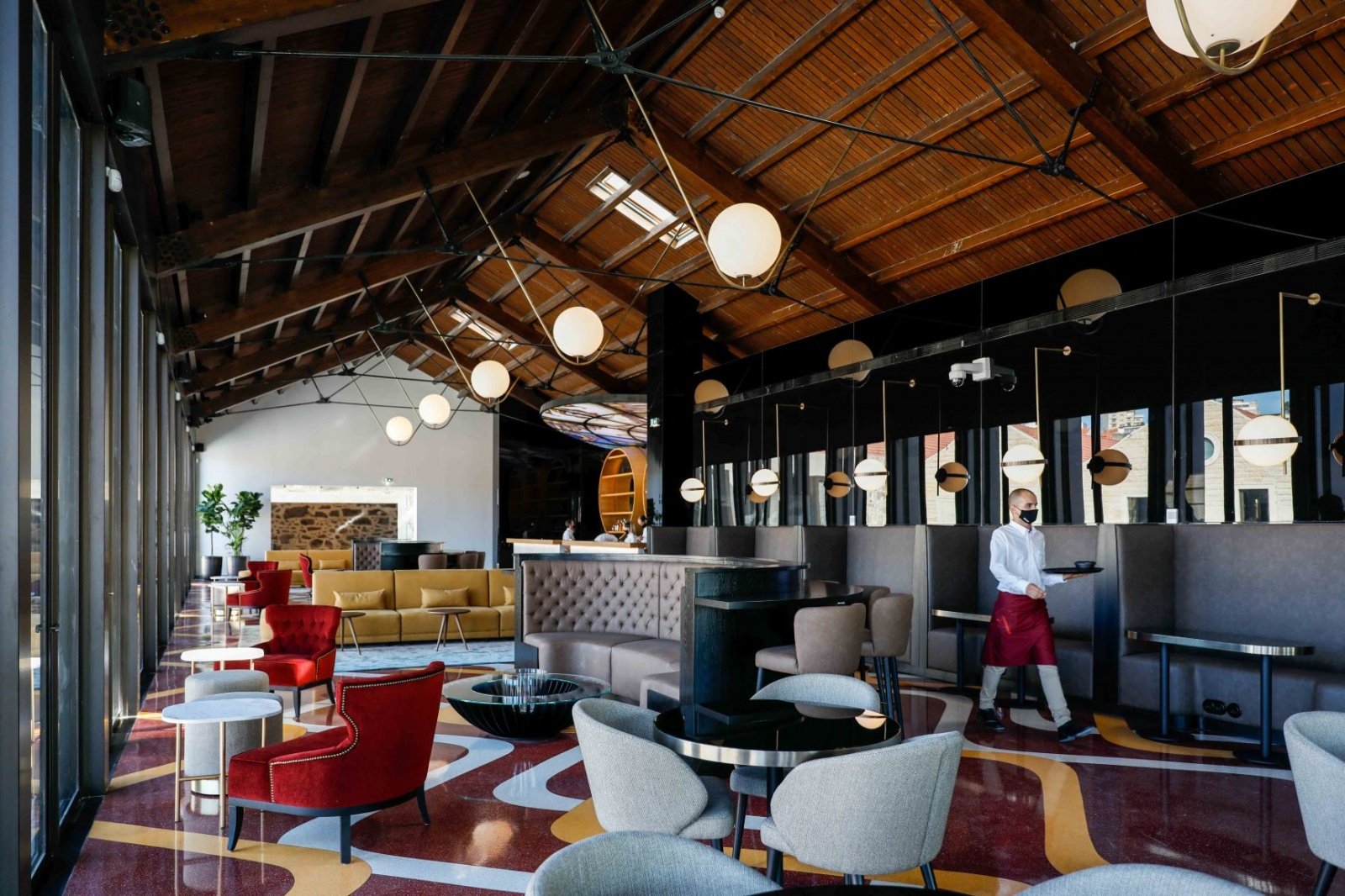
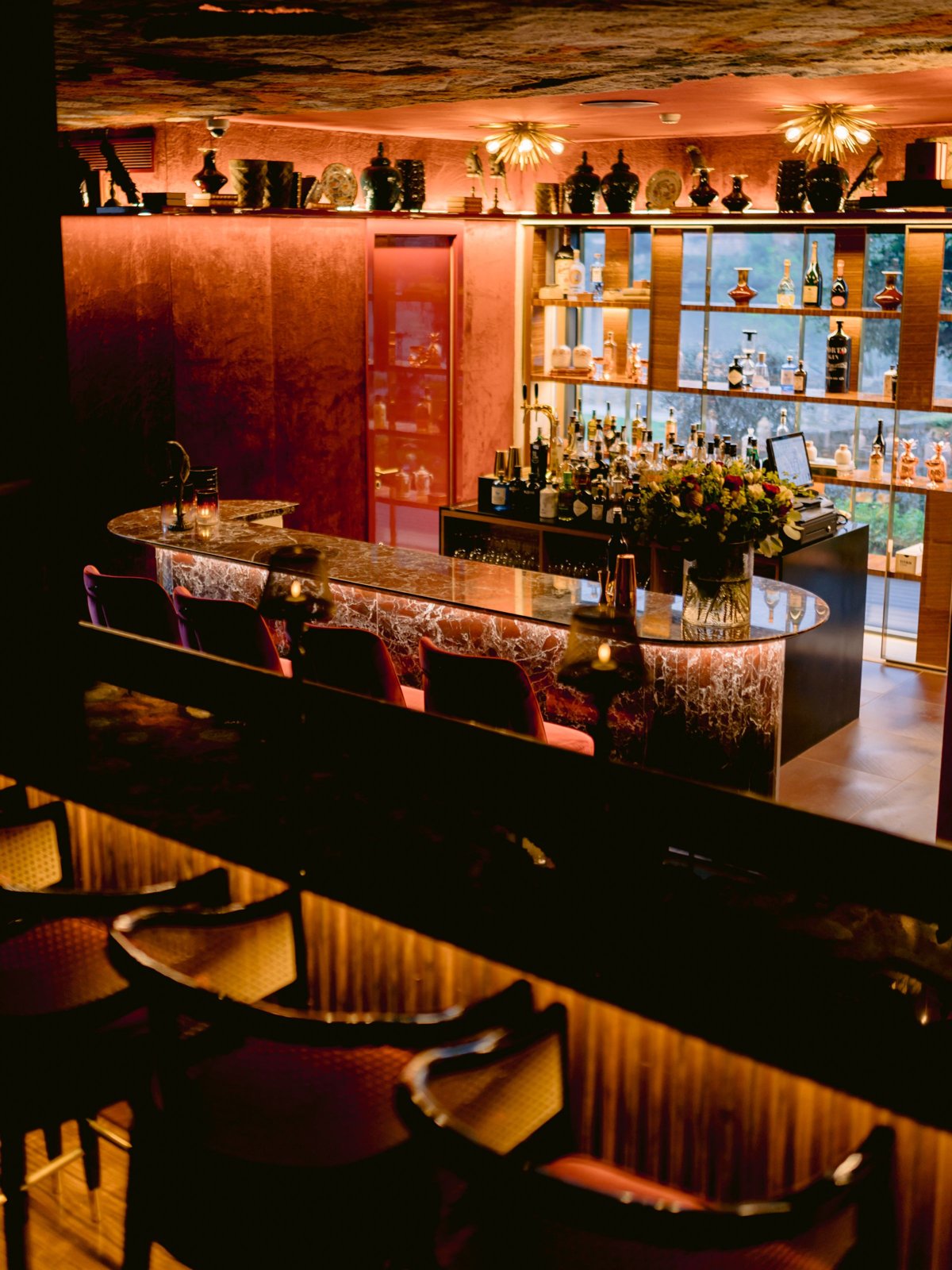
Atmospheric and historic with warm lighting among centuries-old wooden barrels, enhanced by soulful live Fado music in intimate cellar spaces overlooking Porto and the Dom Luis I Bridge.
Tags
Vibe
Best For
Experience
Sourcing
View
At the Vineyard
- Appellation
- Douro Valley
- Tour Duration
- 60-90 minutes
- Tour Languages
- English, Portuguese, Spanish
- Visits
- Walk-ins welcome
- Farming
- Sustainable
- Wine Styles
- Fortified
- Food Pairing
- Offered
- Wine Club
- Not available
Know before you go
Know Before You Go
- Getting there
- Rua do Choupelo 54, 4400-187 Vila Nova de Gaia
Planning details
Location
Rua do Choupelo 54, 4400-187 Vila Nova de Gaia · Directions
Also consider
Also Consider
- Taylor's Port, Notable alternative
- Ramos Pinto, Notable alternative
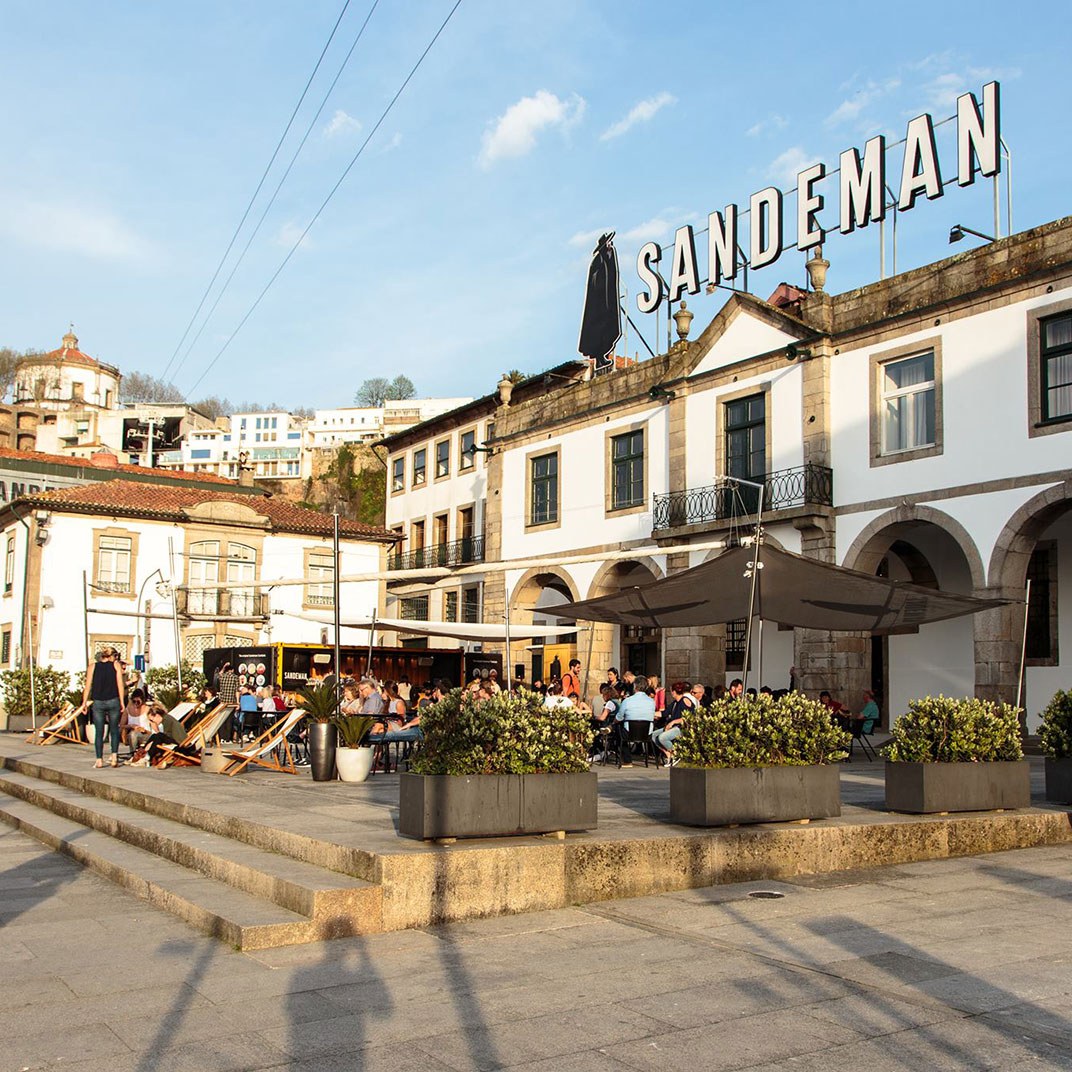
- Sandeman, Notable alternative
- Dow's Port, Notable alternative
- Niepoort, Notable alternative
Winery context
How Fonseca Port compares in Vila Nova de Gaia
Fonseca Port is the better pick for visitors who want a focused producer-led Port stop and are willing to plan around a harder-to-secure visit. Taylor's Port is the more obvious cross-shop for a classic Gaia name, while Sandeman is likely to suit travelers who want a more recognizable, visitor-friendly brand experience.
For a comparison with more house-by-house nuance, look at Ramos Pinto and Dow's Port. Ramos Pinto is the stronger alternative if the appeal is heritage and visual identity; Dow's Port is the closer match for someone who wants a serious Port-name comparison without drifting into a purely casual tasting format.
Niepoort is the one to consider if the trip is more about wine-geek curiosity than lodge familiarity. If Fonseca Port is unavailable, start with Taylor's Port for a classic Gaia experience or Dow's Port for a more directly comparable Port-house stop.
Around this place
Discover more on Pearl
Unlock the full Fonseca Port guide in Pearl, including awards, comparisons, FAQs, planning details, and nearby places.
Compare Fonseca Port
| Venue | Location | Awards |
|---|---|---|
| Fonseca Port | Vila Nova de Gaia | No published awards |
| Taylor's Port | Vila Nova de Gaia | 2026 Falstaff Winery Guide2025 World's 50 Best Vineyards · #85 |
| Ramos Pinto | Vila Nova de Gaia | 2026 Falstaff Winery Guide |
| Sandeman | Vila Nova de Gaia | 2026 Falstaff Winery Guide |
| Dow's Port | Vila Nova de Gaia | 2026 Falstaff Winery Guide |
| Niepoort | Vila Nova de Gaia | 2026 Falstaff Winery Guide |


How Fonseca Port compares with similar nearby venues.
FAQ
Frequently Asked Questions
Where is Fonseca Port?
Do I need a reservation at Fonseca Port?
What should I wear to Fonseca Port?
The dress code is smart casual. That makes it a good idea to dress neatly for the visit.
What recognition does Fonseca Port have?
Fonseca Port is listed with Pearl 2 Star Prestige recognition for 2025.
What other venues can I compare with Fonseca Port?
Useful named comparisons include Taylor's Port, Ramos Pinto, Sandeman, Dow's Port, and Niepoort. You can also compare it more generally with other Vila Nova de Gaia venues, depending on the kind of day you are planning.