
Winery in Vienna, Austria
Weingut Zahel
500ptsMunicipal Vineyard Tradition
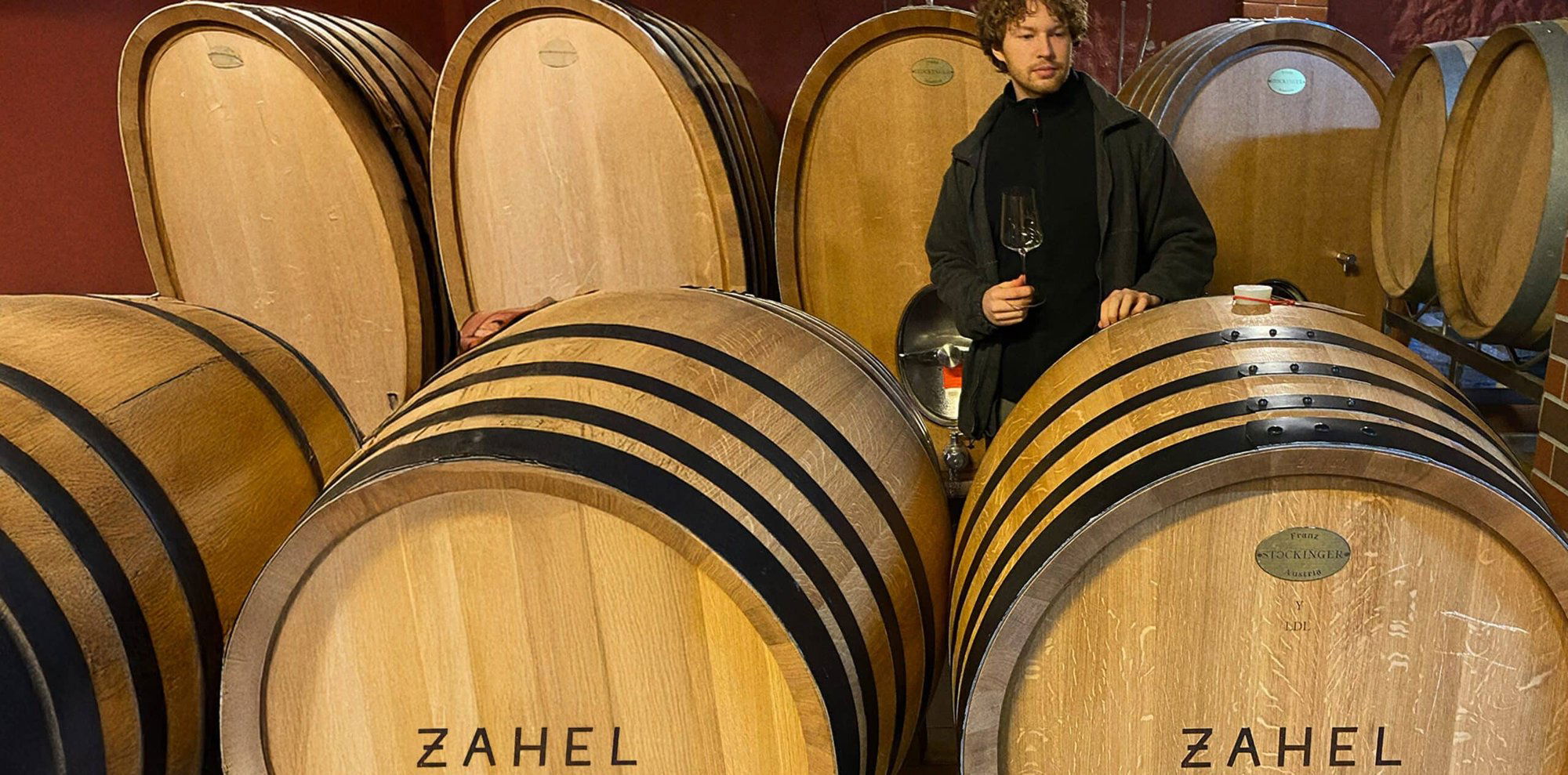
About Weingut Zahel
Weingut Zahel sits in Vienna's 23rd district, at the southern edge of the city where urban density gives way to vineyard slopes. Recognised with a Pearl 2 Star Prestige award in 2025, it occupies a serious position within Vienna's working-winery tradition — where wine is grown, made, and poured within the same address — placing it in the company of the city's most credentialled estate producers.
Where the City Ends and the Vines Begin
Vienna is one of the few capital cities in the world with a functioning wine culture rooted inside its own municipal boundaries. The vineyards do not begin at some romantic remove — they push up against residential streets, tram lines, and church squares in the outer districts. Maurer Hauptplatz, the old market square at the heart of Mauer in the 23rd district, sits at the southern limit of this tradition. Here, the built environment thins out, the road gradient increases, and the working estates that define Viennese Heuriger culture still operate as producers rather than museum pieces. Weingut Zahel occupies that address: Maurer Hauptpl. 9, 1230 Wien — and its presence at this particular square is less coincidence than geography. The southern slopes of Vienna have historically yielded grapes capable of something more structured than the easy-drinking carafe wine associated with the city's tourist-facing wine gardens.
The Ritual of the Viennese Heuriger, Properly Understood
The Heuriger format is often reduced in outside accounts to a simple equation: cold buffet, young wine, long bench, pine branch above the door. That reading omits the pacing and the implicit contract the format enforces on its guests. A traditional Viennese Heuriger is not a restaurant with a wine list; it is a winery that opens its hospitality to the public, often on a seasonal or rotating calendar. The wine comes from the estate. The food, where served, frames the wine rather than competing with it. The visit is understood to be unhurried , an afternoon or an early evening that extends at its own tempo rather than the kitchen's. That rhythm distinguishes the better estate Heurigen from the commercial versions that line the tourist corridors of Grinzing and Neustift am Walde.
At estates operating at the level Zahel represents , carrying a Pearl 2 Star Prestige recognition in 2025 , the visit carries a different weight than a casual carafe stop. The wine is the primary subject. Tasting through the range, asking about the vintage, understanding which parcels feed which cuvées: these are the behaviours the format encourages, and the ones that separate an informed visit from a social occasion that happens to involve wine. Visitors who approach the estate with that orientation will extract considerably more from the experience than those treating it as a scenic backdrop.
Vienna's Urban Wine Scene: Where Zahel Sits
The city's wine estates cluster in a rough arc from the northern hills of Kahlenberg and Nussberg, through the Bisamberg ridge, and down through the southern districts toward Mauer and Rodaun. The northern producers, including Weingut Mayer am Pfarrplatz and Weingut Fritz Wieninger, tend to receive heavier visitor traffic by virtue of their proximity to central tourist routes and their higher public profiles. The southern estates, including Weingut Fuhrgassl-Huber and Weingut Rainer Christ, operate in a quieter register, drawing visitors who know specifically what they are looking for. That is a distinction worth making. The credential Zahel carries in 2025 places it inside the tier of Vienna's estates that are taken seriously by wine-focused visitors, not merely stumbled upon.
For context beyond the city limits: the tradition Zahel participates in connects directly to the broader Austrian wine culture visible in estates like Weingut Bründlmayer in Langenlois, Weingut Emmerich Knoll in Dürnstein, and Weingut Kracher in Illmitz. Those estates operate within DAC appellations with long critical histories; urban Vienna estates operate under different conditions , smaller parcels, greater site heterogeneity, and a hospitality dimension that shapes how the wine is experienced. The parallel with producers like Weingut Pittnauer in Gols and Weingut Wohlmuth in Kitzeck is instructive: Austrian wine at the serious end operates in a register that rewards attention to provenance, site, and winemaking approach rather than varietal shorthand.
The contrast extends even further if you consider what is made possible by Austria's diversity of wine regions, alongside producers like Weingut Heinrich Hartl in Oberwaltersdorf and Weingut Scheiblhofer Distillery in Andau, each operating in distinct terroir corridors that produce wines with measurably different profiles.
What to Taste at Weingut Zahel
Vienna's vineyards are historically associated with Grüner Veltliner and Riesling , the two varieties that define the city's vinous identity, and the ones most likely to express local terroir in any serious estate's range. The southern sites around Mauer tend to produce wines with slightly different structural characteristics than the exposed northern slopes: less dramatic mineral tension in some cases, but with a warmth that suits certain winemaking approaches. How Zahel interprets those site conditions is part of what a visit to Maurer Hauptplatz is designed to explore.
A Pearl 2 Star Prestige recognition in 2025 is a meaningful signal. It indicates that the estate's output is being assessed seriously at the award level, and positions it within a competitive set that goes beyond the casual Heuriger category. For a visitor constructing a tasting itinerary across Vienna's wine estates, that credential is a useful anchor: Zahel belongs in the serious-producer column, alongside the credentialled northern estates, not in the category of hospitality-first operations that treat wine as incidental. The 2025 award date also indicates current relevance, not historical reputation coasting on earlier recognition.
For visitors who want a broader frame before arriving, the 1516 Brewing Company Distillery represents Vienna's parallel craft fermentation scene , a useful contrast that illustrates how the city's artisan production culture extends well beyond wine. The comparison sharpens the case for Zahel's specific identity: it is a wine estate operating in a tradition that predates Vienna's current artisan food-and-drink moment by several centuries.
Planning the Visit
Mauer is reachable from central Vienna via the U6 line to Siebenhirten and local bus connections south, or more directly by car or taxi. The 23rd district sits at a remove from the first-district tourist core , approximately 30 to 40 minutes depending on connection timing , which filters the visitor profile. Those who make the trip tend to be purposeful rather than passing, which shapes the atmosphere at the estate. Zahel's address at Maurer Hauptplatz 9 places it in the old village centre rather than on an isolated hillside lane, so orientation on arrival is direct.
Given the absence of published hours and booking information in current records, direct contact with the estate before visiting is advisable. Heuriger operations in Vienna's outer districts often maintain seasonal calendars and are not always open on a daily walk-in basis; confirming availability before the journey is simply practical. Visit the estate's own channels for current opening schedules, and allow time for the visit rather than treating it as a short stop , the format rewards the unhurried approach.
For a wider view of what Vienna's wine and hospitality scene offers across price points and formats, the full Vienna guide maps the city's drinking and dining options against neighbourhood and category. And for those whose interests extend to spirits and craft production alongside wine, the comparison with Aberlour or Accendo Cellars in St. Helena illustrates the global range of estate-production cultures that share the underlying logic of place, craft, and hospitality as a single, integrated offer.
Frequently Asked Questions
What should I taste at Weingut Zahel?
Vienna's urban wine estates built their reputations on Grüner Veltliner and Riesling, the two varieties most closely associated with Austrian fine wine and most capable of reflecting site character in the city's vineyards. The southern Mauer slopes where Zahel operates have their own site conditions distinct from the better-publicised northern hills around Grinzing and Nussberg. A visit structured around tasting the estate range in sequence , particularly any single-vineyard or reserve-tier offerings , is the format the Heuriger tradition was designed to support. The Pearl 2 Star Prestige recognition the estate received in 2025 confirms that its output is at a level worth that structured attention. Austrian producers like Weingut Emmerich Knoll and Weingut Bründlmayer provide useful reference points for what serious Austrian white wine looks like at the appellation level; Zahel operates in that quality conversation while adding the city-specific dimension of urban viticulture.
What makes Weingut Zahel worth visiting?
Vienna is one of very few capital cities where credentialled wine production happens at the estate level inside the city boundary. That is a specific, verifiable fact about what makes the city's wine scene unusual in a European context. Zahel, with its Pearl 2 Star Prestige 2025 recognition, sits among the estates that justify the serious end of that claim rather than the nostalgic or touristic end. The address at Maurer Hauptplatz in the 23rd district places it in old Mauer village, a southern Vienna location that has a quieter, less visitor-saturated character than the northern Heuriger districts. For visitors using Vienna as a base to explore Austrian wine more broadly, an afternoon at a credentialled city estate is a logical starting point: it provides context, comparison, and an understanding of what urban viticulture looks like before moving on to the DAC regions of the Wachau, Kamptal, or Burgenland.
Related editorial
- Best Fine Dining Restaurants in ParisFrom three-Michelin-star icons to the next generation of Parisian chefs pushing boundaries, these are the restaurants that define fine dining in the world's culinary capital.
- Best Luxury Hotels in RomeFrom rooftop terraces overlooking ancient ruins to Michelin-starred hotel dining, these are the luxury hotels that make Rome unforgettable.
- Best Cocktail Bars in KyotoFrom sleek lounges to hidden speakeasies, Kyoto's cocktail scene blends Japanese precision with global influence in ways you won't find anywhere else.
Save or rate Weingut Zahel on Pearl
Keep this venue in your Pearl passport, rate it after you visit, and track it alongside every other place you collect.