

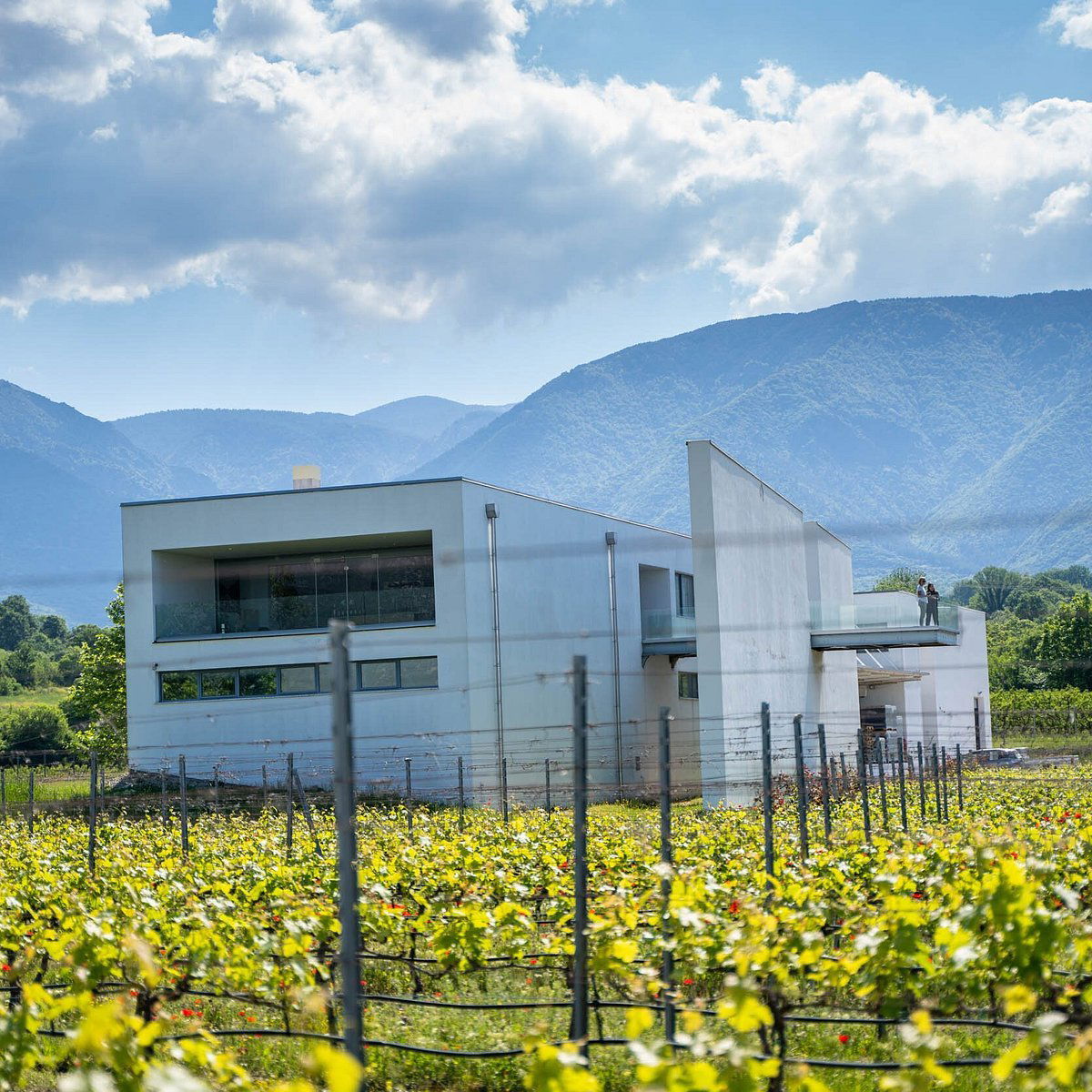
Ktima Voyatzis
Velventos, Velvento
Winery in Velvento, Greece
 Book with Pearl
The Read
Altitude-Driven Viticulture
Why go
Ktima Voyatzis is worth considering for a quieter, planned winery visit in Velvento, especially if a private or guided tasting is available for the date. It is less suited to spontaneous travelers or large groups because public-facing logistics are limited, so build in buffer time and compare nearby northern Greek winery options before locking the day.
About Ktima Voyatzis
Is Ktima Voyatzis worth planning around on a first trip to Velvento? It may be, if you are specifically interested in visiting a Pearl 2 Star Prestige venue in Velvento and are comfortable confirming practical details directly before you go. Ktima Voyatzis is in Velvento, the dress code is casual, and it carries Pearl 2 Star Prestige (2025).
Because hours, pricing, booking process, visitor format, group capacity, and public contact options are not listed here, travelers should avoid building a tight itinerary around assumptions. Treat the stop as something to verify in advance rather than as a guaranteed walk-in plan.
Plan this as a confirmed stop, not an assumption
The safest planning approach is simple: confirm the current visiting details directly before committing time to Ktima Voyatzis. The available facts support it as a recognized Velvento venue, but they do not confirm a specific service format, schedule, tasting structure, or group setup.
That makes it a better fit for travelers with flexible timing than for anyone who needs fixed logistics before setting out. If you are coordinating another stop, leave enough buffer and verify the basics first.
Where it fits in a Velvento plan
Use the confirmed basics as your starting point: Ktima Voyatzis is in Velvento, has a casual dress code, and is recognized with Pearl 2 Star Prestige (2025). Details beyond that should be checked directly before you plan around them.
For comparison, consider Apostolos Thymiopoulos, Boutari Winery, Artisans Vignerons de Naoussa, Kir-Yianni Estate, and Diamantakos Winery when weighing other Greek venue-focused plans. Ktima Voyatzis should be evaluated on the confirmed facts available for your date, rather than on assumed visitor services.
Quick reference: Worth considering for travelers seeking a Pearl 2 Star Prestige venue in Velvento; less suitable for anyone who needs hours, prices, visitor format, or group logistics before committing.
Planning details
- Location
- Επαρ.Οδ. Καταφυγίου - Βελβεντού 50, Velventos 504 00
- Website
- ktimavoyatzi.gr
- Phone
- +30 2464 032283
The take
The Take
The Vibe
Ktima Voyatzis reads as a quiet, understated estate tucked into the foothills of the Pierian Mountains. The surrounding landscape — the Aliakmon river valley and higher-elevation slopes — gives the place a calm, almost contemplative quality; it doesn’t announce itself, it withdraws politely into the panorama. Recognition from the 2025 awards cycle signals that the winery’s reserve-level work carries critical weight, but the overall impression remains low-key. Visitors encounter a place where elevation-driven viticulture and an unhurried rural setting shape both the character of the wines and the pace of a visit.
Best For
This estate is particularly suited to people interested in wine education and solo exploration. The copy emphasizes the region’s climatic role in shaping acidity and aromatic complexity, making the site a good fit for guests who want to study terroir-level differences and elevation-driven styles. Because the winery operates outside the louder PDO circuits, it appeals to solitary, curious travelers and students of wine who relish findings beyond established appellations. It’s an environment for deliberate tasting and observation rather than bustling social wine tourism.
Tasting Tips
Plan visits with the site’s remoteness in mind: the road into Velvento climbs through valley and foothill terrain and the estate sits at the quieter end of the region. Allow extra driving time and expect cooler, drier air at higher elevation — factors that shape the wines you’ll taste. Because the property is framed as a critical, rather than commercial, destination, check opening hours or contact the estate before you go. Approach the visit as a focused learning opportunity rather than a casual drop-in; readers will get more from it when they arrive prepared to explore the vineyard context and wine notes.
Venue details
Ambiance
Serene lakeside setting with modern tasting room overlooking vineyards and water, offering peaceful atmosphere.
Tags
Vibe
Best For
Experience
Sourcing
View
At the Vineyard
- Appellation
- PGI Velvento
- Varietals
- Xinomavro, Tsapournakos, Assyrtiko, Cabernet Franc, Chardonnay
- Tour Duration
- 1 hour
- Wine Club
- Not available
Know before you go
Know Before You Go
- Getting there
- Επαρ.Οδ. Καταφυγίου - Βελβεντού 50, Velventos 504 00
Planning details
Location
Also consider
Also Consider
- Apostolos Thymiopoulos, Notable alternative
- Boutari Winery, Notable alternative
- Artisans Vignerons de Naoussa, Notable alternative
- Kir-Yianni Estate, Notable alternative
- Diamantakos Winery, Notable alternative
Winery context
How it compares with nearby wine options
Ktima Voyatzis makes the most sense for travelers who want a quieter Velvento-focused visit and are willing to plan around limited public logistics. Apostolos Thymiopoulos and Kir-Yianni Estate are stronger cross-shops if the priority is a more established northern Greek wine itinerary with broader name recognition.
For value, the decision comes down to certainty. If Ktima Voyatzis can confirm a structured or private tasting for the date, it becomes the more personal pick. If the group needs clearer visitor logistics before committing, Boutari Winery or Artisans Vignerons de Naoussa are safer comparison points to check first.
Diamantakos Winery is the better alternative for travelers building a wider regional wine route rather than staying anchored to Velvento. Choose Ktima Voyatzis when ambiance and a slower visit matter more than logistical ease; choose the peers when the day needs firmer planning signals.
Explore Velvento
Around this place
Discover more on Pearl
Unlock the full Ktima Voyatzis guide in Pearl, including awards, comparisons, FAQs, planning details, and nearby places.
Compare Ktima Voyatzis
| Venue | Location | Awards |
|---|---|---|
| Ktima Voyatzis | Velvento | No published awards |
| Apostolos Thymiopoulos | Trilofos | 2026 Falstaff Winery Guide |
| Boutari Winery | Naoussa | No published awards |
| Artisans Vignerons de Naoussa | Stenimachos | 2026 Falstaff Winery Guide |
| Kir-Yianni Estate | Naoussa | 2026 Falstaff Winery Guide2019 World's 50 Best Vineyards · #48 |
| Diamantakos Winery | Naoussa | 2026 Falstaff Winery Guide |


How Ktima Voyatzis Velvento compares with similar nearby venues.
FAQ
Frequently Asked Questions
Do I need a reservation at Ktima Voyatzis?
Confirm directly before going. Hours, a booking process, and a visitor format are not listed, so it is safer to plan ahead rather than assume a walk-in visit will work.
Can Ktima Voyatzis handle large groups?
What other venues can I compare with Ktima Voyatzis?
Use Apostolos Thymiopoulos, Boutari Winery, Artisans Vignerons de Naoussa, Kir-Yianni Estate, and Diamantakos Winery as comparison venues when planning a broader Greek itinerary. Do not assume they all function as Velvento stops; confirm locations and logistics for each one.
What is Ktima Voyatzis recognized for?
Ktima Voyatzis is listed as a Pearl 2 Star Prestige venue for 2025.